
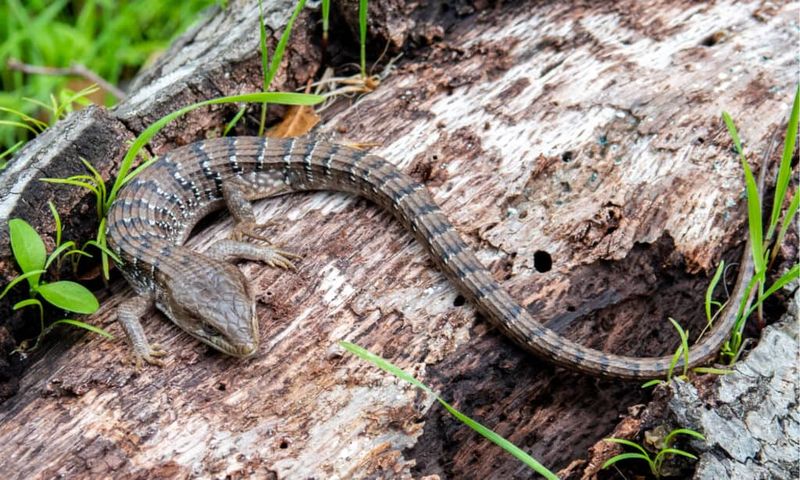
Texas spiny lizards are more than quick flashes on a fence post – they are quiet pest patrol, eating insects that bother gardens all season. If you have not seen one lately, your yard may be missing a few simple habitat pieces they need to feel safe. The good news is that small, practical changes can bring them back without turning your garden wild or messy. In Texas heat, drought, and clay-heavy soils, the right choices can make your yard cooler, safer, and more alive.
1. Leave a Few Sunny Logs and Fence Perches

Texas spiny lizards need sunny lookout spots, and you can help by leaving a few safe perches where morning light hits first. A cedar log, limestone chunk, old fence rail, or sturdy stump gives them a place to warm up before hunting.
In much of Texas, especially after cool spring nights, these basking spots are not optional luxuries. Lizards rely on outside heat, so a yard with only bare lawn and shaded patios feels less useful to them.
Place perches near shrubs or low native plants so they can dash to cover if a hawk, cat, or curious dog appears. Keep them pesticide-free and stable. You will often spot lizards there before breakfast.
2. Plant Native Shrubs for Quick Cover

A Texas spiny lizard may look bold on a tree trunk, but it will not linger in a yard where every hiding place is missing. Native shrubs like yaupon holly, agarita, flame acanthus, Turk’s cap, and Texas sage create the layered cover they use.
These plants handle heat better than thirsty ornamentals and still support insects that lizards hunt. In clay soils, plant slightly high, widen the hole, and mulch lightly so roots are not sitting in soggy winter pockets.
Think in clusters rather than single shrubs stranded in turf. A lizard-friendly planting bed should offer shade, stems, leaf litter, and quick escape routes. You get flowers and wildlife, while the lizards get security.
3. Stop Using Broad-Spectrum Insecticides

If you want Texas spiny lizards back, the spray routine has to change. Broad-spectrum insecticides remove the crickets, beetles, grasshoppers, ants, and moths they eat, and some residues can harm reptiles directly.
This matters most during warm Texas months when insect life fuels breeding, growth, and daily activity. Instead of blanket spraying, identify the pest first, tolerate minor chewing, and use targeted methods only when damage truly crosses your comfort line.
For aphids, try a strong water spray or invite beneficial insects with dill, fennel, and native flowers. For fire ants, use careful mound treatments away from lizard cover. A yard with some bugs is not failing. It is feeding a healthier food web.
4. Keep Leaf Litter Under Trees

That thin layer of leaves under your live oak, cedar elm, or pecan can be more valuable than it looks. Leaf litter shelters insects, holds soil moisture, cools the ground, and gives young Texas spiny lizards a place to hide.
In Texas summers, bare soil can turn brutally hot by afternoon, especially beside driveways and south-facing walls. A natural leaf layer softens those extremes without asking you to water more.
You do not need a messy yard to make this work. Keep paths and patios tidy, then allow leaves to remain in mulched beds, under shrubs, and around tree roots. Avoid piling them against trunks. This simple pause in cleanup can make your garden feel safer.
5. Add Rock Piles With Small Gaps

Rock piles are excellent lizard habitat when they are built with intention. In Texas, limestone, sandstone, or salvaged garden rock can create warm basking surfaces plus small crevices where spiny lizards can retreat fast.
Do not cement every gap or stack rocks so tightly that nothing can enter. Leave finger-width openings and place the pile partly in sun, partly near plants, so it offers different temperatures through the day.
This works especially well in Hill Country, North Texas, and Central Texas landscapes where stone already feels natural. In blackland clay, set larger rocks on a stable base so they do not sink unevenly. Keep rock piles away from heavy foot traffic and curious pets.
6. Create a No-Mow Edge Along the Fence

Fence lines are natural travel corridors for Texas spiny lizards, especially in older neighborhoods with wooden posts and mature trees. A narrow no-mow edge can turn that fence from a hot boundary into a useful habitat strip.
Let native grasses, frogfruit, horseherb, or low wildflowers fill a strip twelve to twenty-four inches wide. This gives lizards cover, attracts prey insects, and reduces the scalped, dry soil that bakes during July and August.
If your HOA prefers neatness, define the strip with stone edging or a clean mulch line. Trim selectively before growth becomes woody or weedy. You are not abandoning the yard. You are building a small wildlife lane that still looks cared for.
7. Provide Shallow Water Without Making Mosquitoes

Texas spiny lizards get much of their moisture from prey, but extreme heat and long dry spells can make a clean shallow water source helpful. The key is offering water without creating a mosquito nursery.
Use a low saucer with pebbles, a shallow birdbath edge, or a drip near dense planting. Refresh it daily in summer, scrub slime weekly, and dump standing water before mosquito larvae develop.
Place water near cover, not in the middle of open lawn, because lizards avoid exposed drinking spots. In drought-prone regions from San Antonio to Wichita Falls, this small feature can support birds, pollinators, and reptiles together. Keep it simple, clean, and shaded during the hottest afternoon hours.
8. Protect Lizards From Cats and Dogs

One of the biggest reasons lizards disappear from yards is constant pressure from pets. Outdoor cats are skilled hunters, and even playful dogs can injure Texas spiny lizards while chasing movement along fences or beds.
If you want wildlife in your garden, keep cats indoors, in a catio, or supervised on a harness. For dogs, use training, temporary barriers, or designated play zones away from rock piles, leaf litter, and shrub cover.
This is especially important in spring and early summer when young lizards are small and inexperienced. You do not have to choose between pets and wildlife, but the yard needs boundaries. Safer hiding places and supervised pet time give lizards a real chance to return.
9. Keep Mature Trees and Rough Bark Habitat

Texas spiny lizards are often seen racing up live oaks, cedar elms, mesquites, and fence posts because rough vertical surfaces suit them perfectly. Mature trees provide bark crevices, shade gradients, hunting routes, and escape height.
Before removing an older tree, ask whether pruning, cabling, or habitat-sensitive care could keep it safe. In hot Texas yards, mature canopy also lowers soil temperature and protects understory plants that complete the lizard habitat.
Avoid stripping ivy-like cover all at once, pressure washing trunks, or cleaning every bark pocket around favorite perches. Let native understory plants grow nearby so lizards can move from ground to trunk without crossing exposed turf. Big trees are not just scenery. They are lizard apartment towers.