
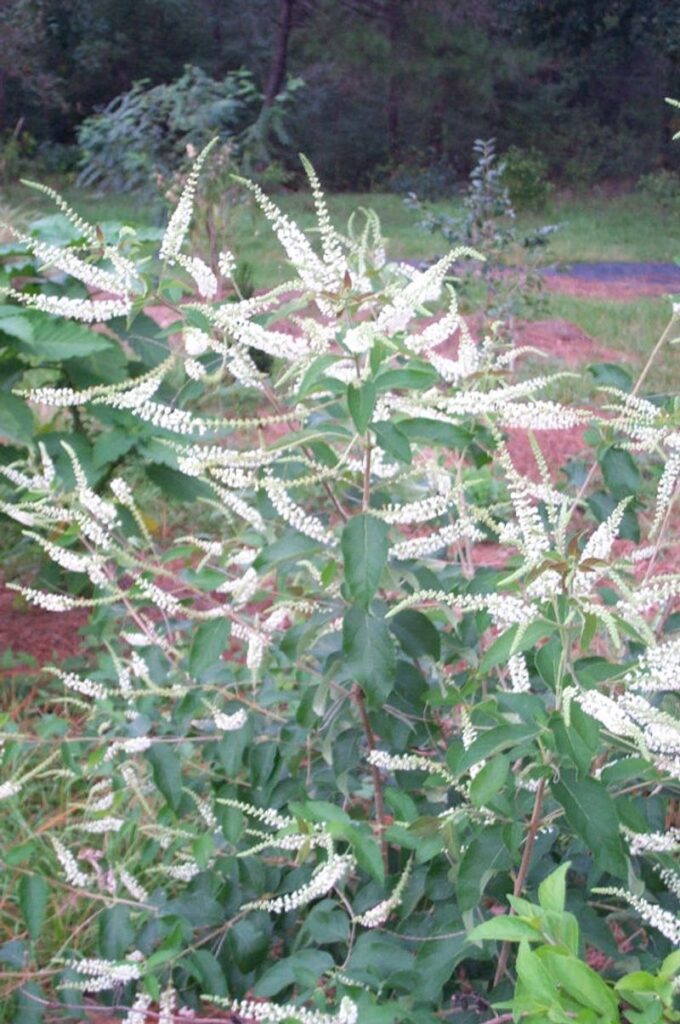
Texas patios can feel brutal by July, but sweet almond verbena turns that heat into perfume. This tough, sun-loving shrub releases a rich almond-vanilla fragrance that drifts across porches, pool decks, and evening seating areas when many plants are fading. If you want something beautiful, pollinator-friendly, and practical for a hot Texas yard, this plant deserves a closer look.
1. Why Sweet Almond Verbena Loves Texas Heat

Sweet almond verbena feels made for Texas because it does not sulk when summer turns sharp and dry. In full sun, it pushes out airy white flower spikes that release that unmistakable almond-vanilla scent, especially in the warm evening.
You will see the best growth in Central, South, and coastal Texas, where winters are usually forgiving. In North Texas, it may freeze back, but established roots often return when spring soil warms.
Give it room, because this is not a tiny accent plant in mild areas. With heat, sun, and decent drainage, it can become a fragrant patio anchor that asks for less pampering than fussier flowering shrubs.
2. Plant It Where the Fragrance Can Drift

The best place for sweet almond verbena is somewhere you actually sit, walk, or open a door. Plant it near a patio, porch steps, pool fence, or kitchen window so the fragrance can reach you.
Texas breezes do the rest, carrying the scent across outdoor seating areas after a hot day. If you tuck it in the far back corner, you may miss the reason gardeners fall in love with it.
Allow space from narrow sidewalks, since mature plants can get wide in frost-free regions. I would rather prune it lightly than cram it against brick, where reflected heat and poor airflow can stress growth.
3. Give It Full Sun and Fast Drainage

Sweet almond verbena blooms and smells best with full Texas sun, not filtered shade all afternoon. Aim for at least six hours of direct light, and more is better if irrigation is sensible.
Drainage matters just as much as sunshine, especially in heavy black clay or compacted builder soil. Mix in expanded shale, compost, or plant slightly high so roots are not sitting wet after storms.
Once established, it handles dry spells better than many patio favorites, but young plants need regular water. A slow soak at the root zone helps it settle in without encouraging weak, shallow growth.
4. Water Deeply, Then Back Off

During the first summer, treat sweet almond verbena like a new shrub, not a cactus. Water deeply two or three times a week in extreme heat, adjusting for rain and your soil type.
After the roots spread, reduce watering and let the top few inches dry between soakings. This encourages resilience, which matters when August arrives with hot wind, water restrictions, and tired gardeners.
Drip irrigation or a slow hose trickle works better than quick overhead spraying. Mulch with hardwood, pine straw, or decomposed granite, but keep it off the trunk so moisture does not invite rot.
5. Prune for Shape After Cold or Flushes

Sweet almond verbena can grow loose and rangy if you never touch it, so pruning keeps it patio-friendly. In much of Texas, the easiest major cleanup happens in late winter after freeze danger passes.
Cut out dead wood first, then shorten tall stems to encourage bushier growth. If summer blooms slow or the plant looks wild, light trimming after a flower flush can refresh the shape.
Avoid hard pruning in late fall because tender new growth may get burned by cold. Use clean, sharp pruners, and step back often so the shrub keeps its natural, graceful movement instead of looking boxed.
6. Expect Pollinators, Especially Butterflies and Bees

If your Texas garden feels quiet, sweet almond verbena can make it feel alive again. The narrow white blooms draw bees, butterflies, and other beneficial insects that work the flowers through warm months.
It pairs beautifully with Texas natives and adapted plants like salvia, flame acanthus, Gregg’s mistflower, lantana, and gulf muhly. Together, they create a layered pollinator border that still looks intentional near patios.
Because pollinators visit often, avoid spraying broad insecticides around the blooms. A few chewed leaves are usually not a crisis, and the wildlife value is part of what makes this plant so rewarding.
7. Protect It When Texas Weather Swings Hard

Texas gardeners know the problem is not just heat, it is weather whiplash. Sweet almond verbena may look tropical, but established plants often rebound after light freezes if the roots are protected.
Before a strong cold front, water the soil well and add a thicker mulch layer over the root zone. In colder parts of Texas, frost cloth can protect the top during brief dips.
If a freeze burns the plant, wait until spring growth starts before deciding what is dead. Cutting too early can expose tender tissue to another cold snap, and patience often saves a plant.
8. Use It as a Patio Focal Point, Not a Filler

Sweet almond verbena earns a front-row role because it brings fragrance, movement, flowers, and pollinator activity. Use it as a focal shrub near outdoor living spaces instead of hiding it behind louder plants.
Its fine texture softens hardscapes like limestone, brick, concrete, and metal fencing common in Texas yards. Around the base, use lower companions that like similar conditions, such as trailing rosemary, skullcap, four-nerve daisy, or silver ponyfoot.
In containers, choose a large pot with excellent drainage and expect more frequent watering. In the ground, it becomes more forgiving, making it a smart choice for gardeners who want beauty without constant summer rescue missions.