
Ticks love shady, humid, messy edges, which is exactly where many garden beds quietly invite trouble. The good news is that smart native planting can make those borders drier, brighter, more fragrant, and less welcoming to pests. These underrated Texas natives help create cleaner transitions between lawn, path, fence, and wild areas while still feeding pollinators and looking beautiful. If you want a garden edge that feels intentional without becoming a tick-friendly hiding place, start here.
1. Four-Nerve Daisy

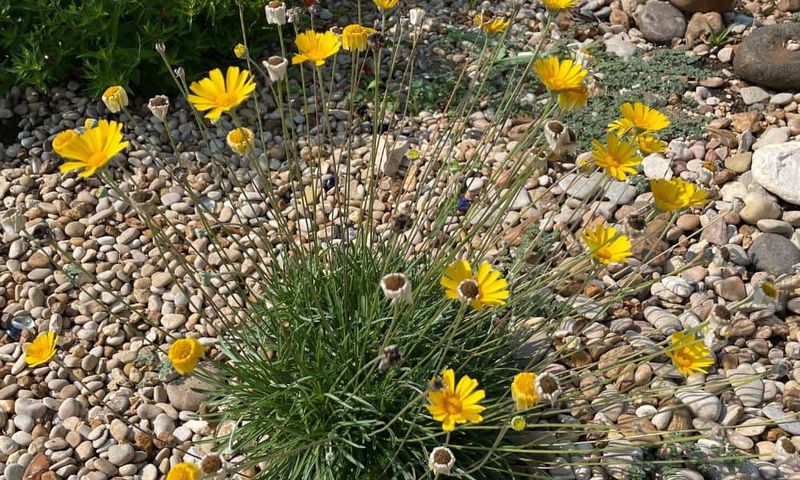
Four-nerve daisy is one of those tough little Texas natives I wish more people used along paths and patio edges. Its low, tidy habit keeps the ground visible, which matters because ticks prefer damp, hidden leaf litter and tangled shade.
You get cheerful yellow blooms for a long season, especially in sunny, well-drained spots. The fine, aromatic foliage also helps create a drier, more open border instead of a lush hiding strip right where you brush past.
Plant it in clusters near stepping stones, driveway edges, or the sunny side of a fence. Give it lean soil, avoid heavy mulch, and trim lightly when it gets scruffy. You will have color, pollinators, and a cleaner edge.
2. Gregg’s Mistflower

Gregg’s mistflower is usually praised for butterflies, but it can also help you manage an edge that might otherwise become weedy and humid. When you keep it clipped into a defined ribbon, it fills space without creating woody, ankle-high clutter.
The lavender-blue flowers bring queen butterflies, bees, and movement, so the border feels alive instead of defensive. It spreads, so I like it best where you can mow, edge, or contain it beside gravel, stone, or lawn.
Use it to replace messy grass at the base of fences or around sunny gates. Cut it back hard in late winter and again if it flops. That routine keeps airflow moving and reduces damp tick cover.
3. Blackfoot Daisy

Blackfoot daisy is a quiet workhorse for hot Texas edges where you want charm without creating a pest refuge. It stays low, airy, and naturally rounded, leaving fewer damp pockets than floppy groundcovers or overwatered turf margins.
The white flowers look delicate, but the plant handles reflected heat from sidewalks, curbs, and stone. That makes it useful in the dry, sunny buffer zones ticks dislike, especially when paired with gravel or decomposed granite.
Give blackfoot daisy excellent drainage and resist the urge to baby it with rich compost or frequent irrigation. Shear lightly after bloom waves if you want a neater outline. You get a soft cottage look with a surprisingly practical edge.
4. Prairie Verbena

Prairie verbena brings bright purple color to the front of a bed without building the kind of dense, wet mat ticks favor. It sprawls gently, but in full sun and lean soil it stays open enough for air and light.
You can use it as a living stitch between taller natives and a mowed path. The flowers attract small butterflies and native bees, while the low profile keeps you from brushing through heavy vegetation at ankle level.
For the cleanest effect, plant prairie verbena in drifts and leave small gaps of gravel, stone, or bare mineral soil between clumps. Avoid piling leaves around it in fall. A quick trim refreshes growth and keeps the edge readable.
5. Texas Betony

Texas betony is a smart choice for part-shade edges, where tick pressure often rises because soil stays cooler and more humid. Instead of letting that zone become a tangle of weeds and leaf piles, you can create a managed flowering strip.
Its red tubular blooms feed hummingbirds, and the foliage has enough texture to look intentional without becoming a soggy carpet. I like it near oak edges, gates, and side yards where morning sun reaches the ground.
Keep plants spaced so air can move between them, and remove fallen leaves before they pack around the crowns. Cut back after bloom if the border looks loose. You get shade tolerance, wildlife value, and a cleaner walking edge.
6. Cedar Sage

Cedar sage is underrated for dry shade, especially under live oaks and cedar elms where many edge plants struggle. Ticks like neglected shade with deep leaf litter, so a low native that tolerates cleanup and still blooms is valuable.
The red flowers appear in spring and brighten dappled corners that often feel forgotten. Its growth is modest, not aggressive, which makes it easier to maintain a defined line along paths, seating areas, and woodland transitions.
Use cedar sage with a thin layer of shredded leaves, not a thick, damp blanket. Rake excess litter away from the path side and let the plants breathe. You will keep the natural woodland feeling while making the edge less inviting to ticks.