
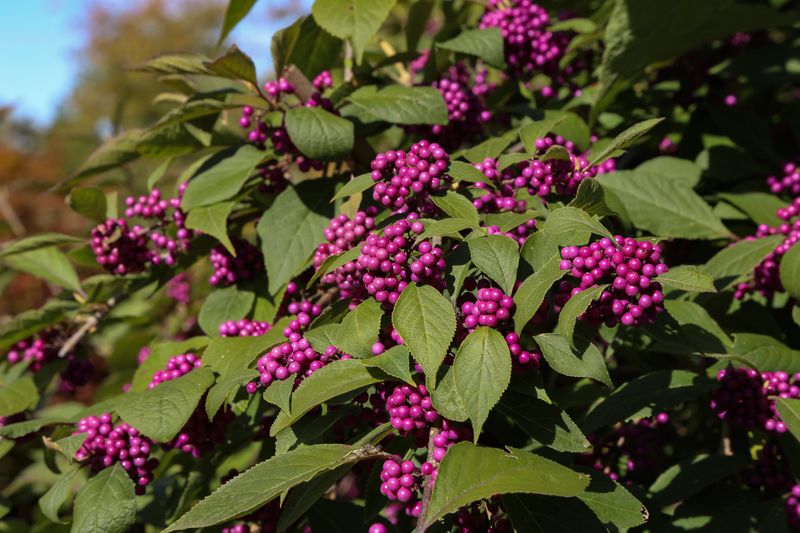
Mosquito season in Texas can make even the prettiest backyard feel off limits, especially after spring rains or a humid Gulf Coast week. American beautyberry is not a magic shield, but this native shrub has a long local reputation for making mosquitoes less eager to linger. Better yet, it handles Texas heat, feeds wildlife, and brings those bright purple berry clusters that stop neighbors mid-walk. If you want a practical, low-fuss plant with real backyard value, beautyberry deserves a closer look.
1. Why Texas Gardeners Are Looking at Beautyberry Differently

In Texas, mosquito control often starts with dumping standing water, but the plant choices around your patio matter too. American beautyberry, Callicarpa americana, has earned fresh attention because its leaves contain natural compounds that may discourage mosquitoes from hanging around.
You should not treat it like a guaranteed repellent wall, because real yards have wind, shade, humidity, and hungry mosquitoes. Still, placing beautyberry near sitting areas, gates, and shady paths can add another helpful layer while improving habitat.
What makes it especially useful here is toughness. Once established, this native shrub handles heat, brief drought, and uneven Texas soils better than many ornamental imports, while giving you purple berries that birds appreciate in late summer and fall.
2. The Leaf Compounds Behind the Mosquito Buzz

The mosquito connection comes mostly from American beautyberry leaves, not the showy berries. Researchers have studied compounds such as callicarpenal and intermedeol, which are associated with insect-deterring activity in crushed or extracted foliage.
That does not mean a shrub sitting quietly in the corner will clear your whole yard. The strongest effect is linked to leaf oils being released, which is why old Southern traditions often involved rubbing crushed leaves on clothing or nearby surfaces.
For home gardeners, the practical takeaway is simple. Grow beautyberry as part of a broader mosquito plan, enjoy its wildlife value, and avoid overclaiming what one plant can do during a muggy Texas evening after heavy rain.
3. Where to Plant It for Maximum Backyard Usefulness

Beautyberry works best where you already spend time, especially along the edge of a patio, porch steps, side gate, or shaded path. In much of Texas, it appreciates morning sun and afternoon shade, particularly in areas with brutal July and August heat.
Give it room, because a happy shrub can reach four to six feet tall and wide. Tucking it too tightly against a walkway means you may be brushing branches constantly, which can be pleasant but messy once berry clusters ripen.
Under high shade from live oaks, cedar elms, or pecans, beautyberry can look natural and relaxed. Just avoid bone-dry root zones where large trees steal every drop, unless you are willing to water during establishment.
4. Planting Timing for Texas Heat and Rain Patterns

In Texas, timing can make the difference between a thriving beautyberry and a stressed twig. Fall is usually the easiest planting window because soil stays warm, air temperatures drop, and roots can settle before summer heat arrives.
Early spring also works, especially in North and Central Texas, if you water consistently through the first hot season. Summer planting is possible, but it asks more from you, particularly in black clay, reflected heat, or exposed suburban yards.
Dig a wide hole, keep the root flare level with the soil, and water deeply after planting. A two to three inch mulch ring helps conserve moisture, but keep mulch pulled back from the stems to prevent rot.
5. Soil Tips for Clay, Sand, and Hill Country Limestone

American beautyberry is forgiving, but Texas soils still deserve attention. In heavy black clay, the goal is not to create a tiny bathtub of rich potting mix, but to loosen a broad area and improve drainage gradually with compost and mulch.
In East Texas sand, moisture can disappear fast, so organic matter and mulch are your best friends. Along Hill Country limestone, beautyberry can manage if pockets of soil hold enough moisture and the plant receives shade during the harshest afternoon hours.
Skip heavy fertilizing, because lush growth can become floppy and less drought resilient. A light compost topdressing in spring is usually enough, especially when leaves look healthy and the shrub is flowering or setting berries well.
6. Watering Without Creating a Mosquito Nursery

The funny part about growing a mosquito-discouraging plant is that poor watering habits can invite mosquitoes right back. Beautyberry likes consistent moisture during establishment, but it does not need saucers, puddles, or clogged containers holding water nearby.
Use drip irrigation, a slow hose trickle, or deep hand watering so moisture reaches the root zone without splashing everywhere. After the first year, many Texas plants can handle normal dry spells, though a deep soak helps during extended drought.
Check birdbaths, plant trays, toys, gutters, and low spots after rain, because mosquitoes breed quickly in standing water. Pairing beautyberry with smart water management gives you a more comfortable backyard than relying on plants alone.
7. Pruning for Better Shape, Berries, and Airflow

Beautyberry naturally grows loose and arching, which is part of its charm. If you prefer a tidier look near a patio or sidewalk, prune in late winter before new growth begins, removing dead, crossing, or overly long stems.
Flowers and berries form on new growth, so renewal pruning can actually encourage a fuller display. In colder parts of North Texas, stems may die back after hard freezes, but the plant often resprouts strongly from the base in spring.
Avoid shearing it into a tight ball, because that ruins the graceful shape and can reduce berry clusters. Instead, cut selected stems near the ground and let the shrub keep its natural movement, airflow, and wildlife-friendly structure.
8. Pairing Beautyberry With Other Texas Mosquito-Smart Habits

Beautyberry belongs in a layered backyard strategy, not as a solo fix. You will get better results when you combine it with dumped standing water, trimmed overgrowth, patio fans, repaired screens, and smart evening clothing choices.
Fans are especially useful in Texas outdoor spaces because mosquitoes are weak fliers. Placing beautyberry near a breezy seating area, rather than a stagnant damp corner, makes the whole setup feel more intentional and comfortable.
Be cautious with broad insecticide fogging if you are trying to support pollinators and birds. A native planting plan, targeted mosquito control, and regular yard checks can reduce nuisance pressure while keeping your garden healthier through long warm seasons.
9. Wildlife Benefits Beyond Mosquito Season

One reason I like beautyberry for Texas yards is that it keeps working after mosquito pressure fades. The purple berries ripen in late summer and fall, offering food for mockingbirds, cardinals, towhees, and other backyard birds.
Those berries are also the feature that makes visitors ask what you planted. In a native border, they glow against yaupon holly, inland sea oats, Turk’s cap, autumn sage, and other heat-tolerant Texas favorites.
Deer may browse beautyberry in some neighborhoods, especially during drought, so protect young plants if pressure is heavy. Even with occasional nibbling, established shrubs often rebound, giving you seasonal color, habitat value, and a more alive-feeling garden.
10. How to Use Beautyberry Leaves Responsibly

Some Texans know the old practice of crushing beautyberry leaves and rubbing them on skin or clothing. While that history is interesting, you should be careful, because homemade plant preparations can irritate sensitive skin and are not standardized like tested repellents.
If you experiment, try a small patch first and avoid eyes, cuts, pets, and children. For serious mosquito-borne disease concerns, use proven repellents recommended by public health guidance rather than relying only on leaves.
In the garden, simply brushing or lightly crushing a few leaves near a sitting area can release the familiar scent without turning it into a medical claim. Respect the plant, use common sense, and let beautyberry be one helpful tool.