
Texas mosquitoes seem to know exactly when patio season gets good, but dragonflies can help you shift the balance before the August swarm arrives. A small container pond gives these aerial hunters water, perches, shelter, and a reason to patrol your space. The trick is choosing plants that handle heat while creating a mini habitat dragonflies actually use. Start now, and your patio can feel less like a mosquito buffet and more like a living, buzzing garden show.
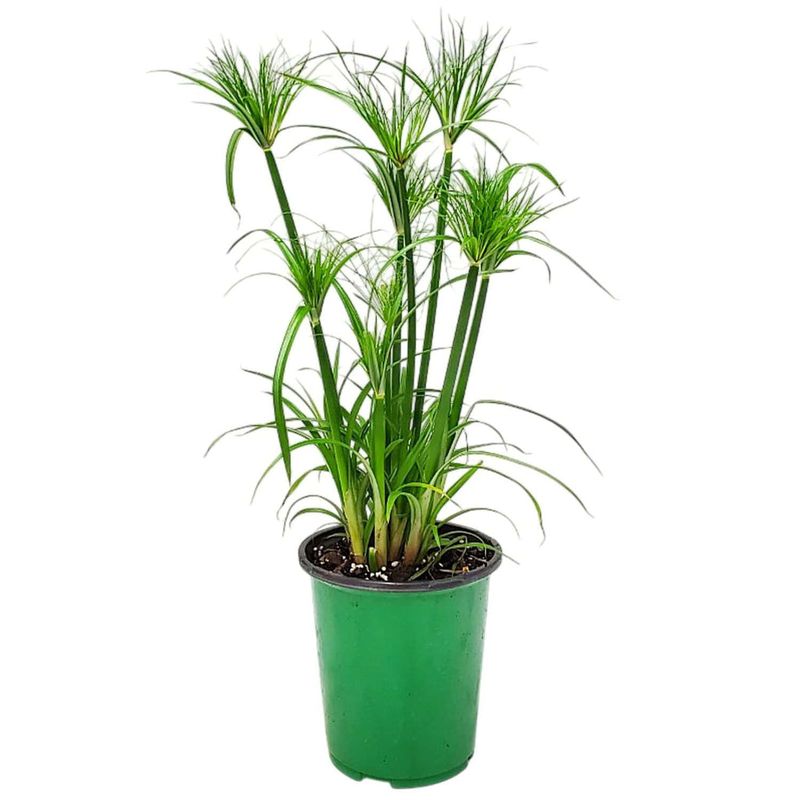
1. Dwarf Papyrus

Dwarf papyrus is one of my favorite container-pond plants because it instantly gives dragonflies the vertical landing pads they love. The upright stems rise above the water, so adults can perch, survey the patio, and dart after gnats and mosquitoes.
In Texas heat, this plant usually stays happy with full sun to part shade and consistently wet roots. Set it in a wide pot with 2 to 4 inches of water over the crown, then top off often during July.
You will also like how architectural it looks beside lounge chairs or a grill area. Trim browned stems, avoid pesticides, and let nearby dragonflies treat the container like a tiny hunting tower.
2. Pickerelweed

Pickerelweed earns its spot because it combines dragonfly structure with real patio color. Its glossy leaves and purple flower spikes stand above the water, making easy rest stops for adults while adding a soft wetland look.
For a Texas container pond, tuck the roots into aquatic soil and keep the crown just below the surface. Give it morning sun if your patio bakes, or full sun where afternoons are gentler.
The flowers may attract pollinators, but the stems are the dragonfly bonus before mosquito numbers climb. Remove spent blooms, divide crowded clumps, and keep water moving gently with a small solar bubbler if you want fewer mosquito larvae.
3. Louisiana Iris

Louisiana iris brings a little Gulf Coast drama to a container pond, and dragonflies appreciate the sturdy sword-like leaves. Those leaves give adults narrow perches above the water, while the roots help shade the pond edge.
You can grow it in a no-drainage tub or a sealed half barrel with aquatic soil. Keep the rhizome barely covered, place the container where it gets sun, and refill as evaporation speeds up in summer.
The blooms are gorgeous in spring, but the foliage keeps working through mosquito season. If you want a cleaner patio look, cut old bloom stalks and yellowing leaves. Leave healthy blades standing for dragonfly patrols.
4. Hornwort

Hornwort does its best work under the surface, which makes it easy to overlook until you see how clear the water stays. It offers shelter for tiny aquatic life and places for dragonfly nymphs to hide and hunt.
Because it floats freely, you do not need soil or a special planting basket. Drop a few bunches into your container pond, anchor them with a smooth stone if needed, and thin them when growth gets thick.
In Texas, hornwort helps shade the water and compete with algae, especially when paired with upright plants. Do not add fish if your goal is dragonflies. Fish often eat the nymphs before they can become mosquito-hunting adults.
5. Dwarf Water Lily

A dwarf water lily makes a container pond feel finished, but it also helps create the calmer water dragonflies prefer. Floating pads shade the surface, cool the pond, and give insects places to land between flights.
Choose a true dwarf variety for tubs, whiskey barrels, or wide glazed bowls. Plant the rhizome in aquatic soil, cover with gravel, and set it so the leaves can reach the surface without being buried too deep.
In fierce Texas afternoons, lily pads reduce overheating and slow algae blooms. Keep at least some open water so dragonflies can patrol easily. Remove yellow leaves, skip mosquito dunks if nymphs are present, and refresh water gently.