
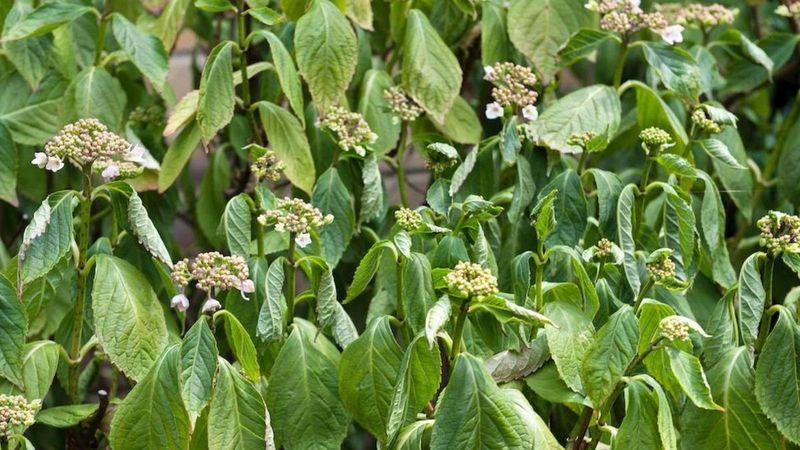
Your hydrangeas looked gorgeous this morning, and now by afternoon they’re flopping over like they gave up on life. Before you grab the hose and blast them with water, take a breath. Wilting in the heat doesn’t always mean your plant is thirsty, and overwatering can actually hurt more than help. Here’s how to figure out what your drooping hydrangeas really need so you can bring them back to life.
Afternoon Droop Is Often Just a Sunburn Reflex, Not a Cry for Water
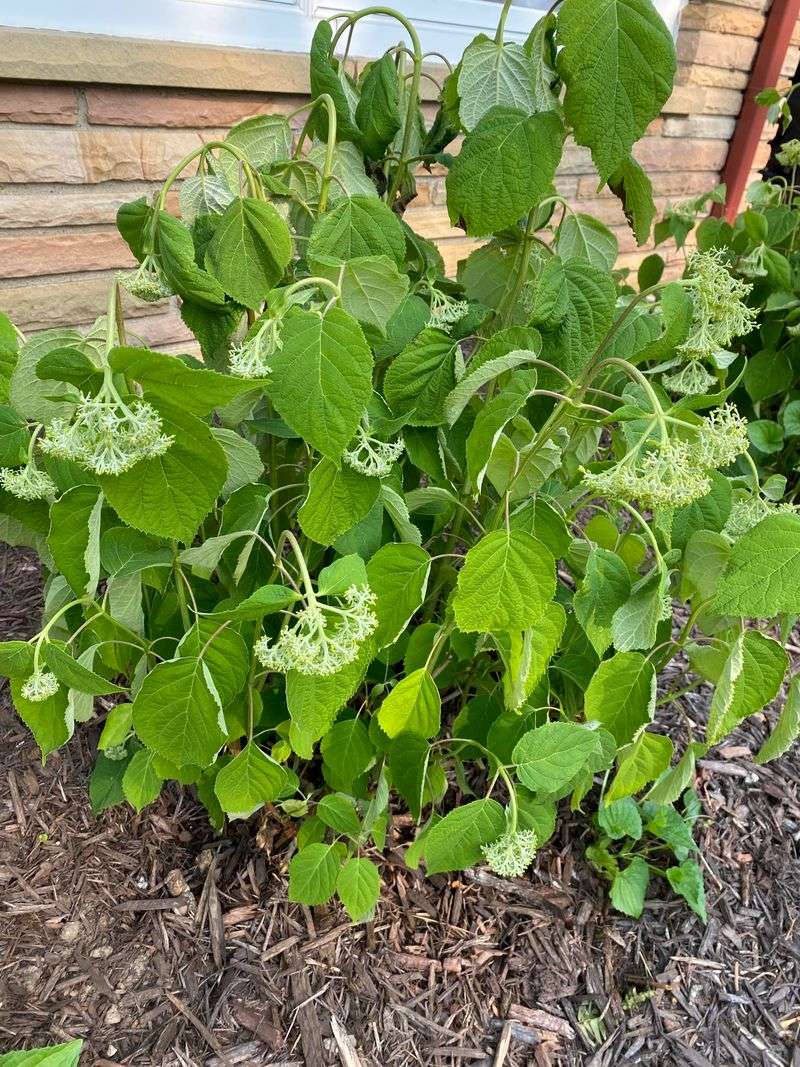
Picture this: it’s 95 degrees, the sun is blazing, and your hydrangea leaves are hanging limp like wet noodles. Your first instinct is to douse them. Hold off for a second.
Hydrangeas have big, thin leaves that lose water faster than the roots can pull it up during peak heat. So the plant temporarily wilts to protect itself, curling and drooping to reduce the surface area exposed to the sun. Gardeners sometimes call this “transient wilt,” and it’s a normal survival trick.
The telltale sign is timing. If your plant looks fine in the cool morning, sags dramatically by mid-afternoon, then perks back up on its own after sunset, that’s temporary heat stress and not a watering emergency.
Panic-watering a plant that’s already got moist soil can suffocate the roots and invite rot. Before you reach for the hose, watch the pattern over a day or two. A hydrangea that recovers overnight usually just needs a little afternoon shade, not a flood. Understanding this reflex can save you from drowning a perfectly healthy shrub.
The Finger Test Tells You Whether the Soil Is Actually Dry
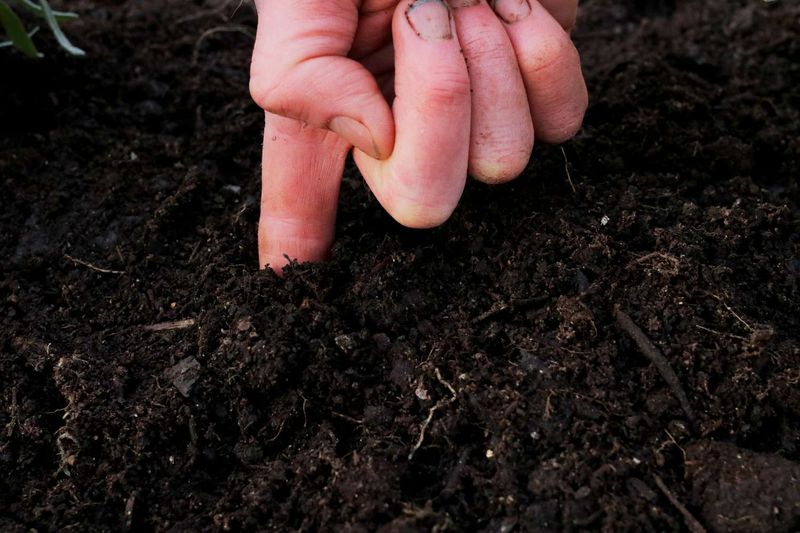
Guessing games have no place when your hydrangea looks stressed. The soil itself holds the answer, and checking it takes about ten seconds.
Push your index finger two to three inches down into the dirt near the base of the plant. If it comes out dry and crumbly with no cool dampness clinging to your skin, the plant genuinely needs a drink. If the soil feels moist, cool, or muddy, your hydrangea is wilting from heat, not thirst, and adding water could do real harm.
Roots need oxygen just as much as moisture. When soil stays waterlogged, roots can’t breathe and may begin to rot, which ironically causes the same droopy look as dryness.
For a more precise reading, an inexpensive moisture meter can help you avoid overwatering, especially with container hydrangeas that dry out unevenly. Check in the early morning before the heat spikes, since that’s when the soil reflects the true condition. Making this quick test a habit often prevents both underwatering and the sneaky damage that too much love can cause.
When You Do Water, Go Deep and Aim Low
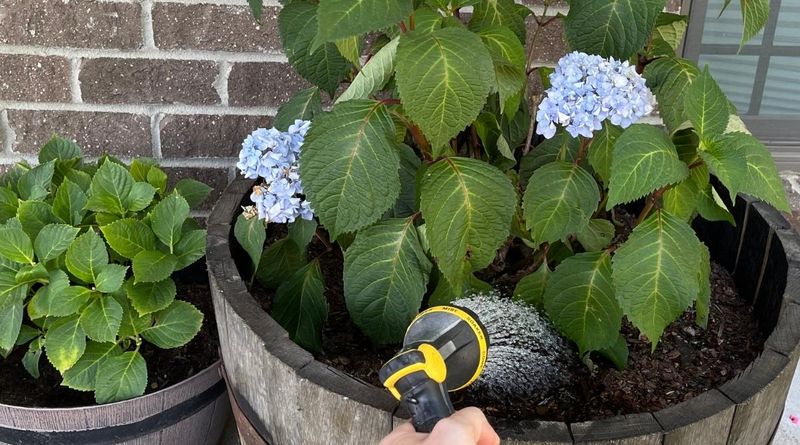
Once the finger test confirms dry soil, technique matters more than volume. A quick splash across the leaves feels productive but barely reaches the roots where it counts.
Water slowly at the base of the plant until the soil is soaked six to eight inches down. Deep, infrequent watering encourages roots to grow downward, which builds a tougher plant that handles heat better over time. Shallow daily sprinkles do the opposite, keeping roots lazy and close to the hot surface.
Timing helps too. Early morning is ideal because water soaks in before the sun evaporates it, and the foliage dries out before nightfall. Watering wet leaves in the evening can encourage mildew and fungal problems.
Try to keep the water off the flowers and leaves entirely by using a soaker hose or pouring at ground level. A layer of mulch spread two to three inches thick around the base, but not touching the stems, can lock in that moisture and keep roots noticeably cooler. Roughly one inch of water per week, adjusted upward during heat waves, usually keeps established hydrangeas happy without drowning them.
Shade and Mulch Are Your Best Heat-Wave Allies
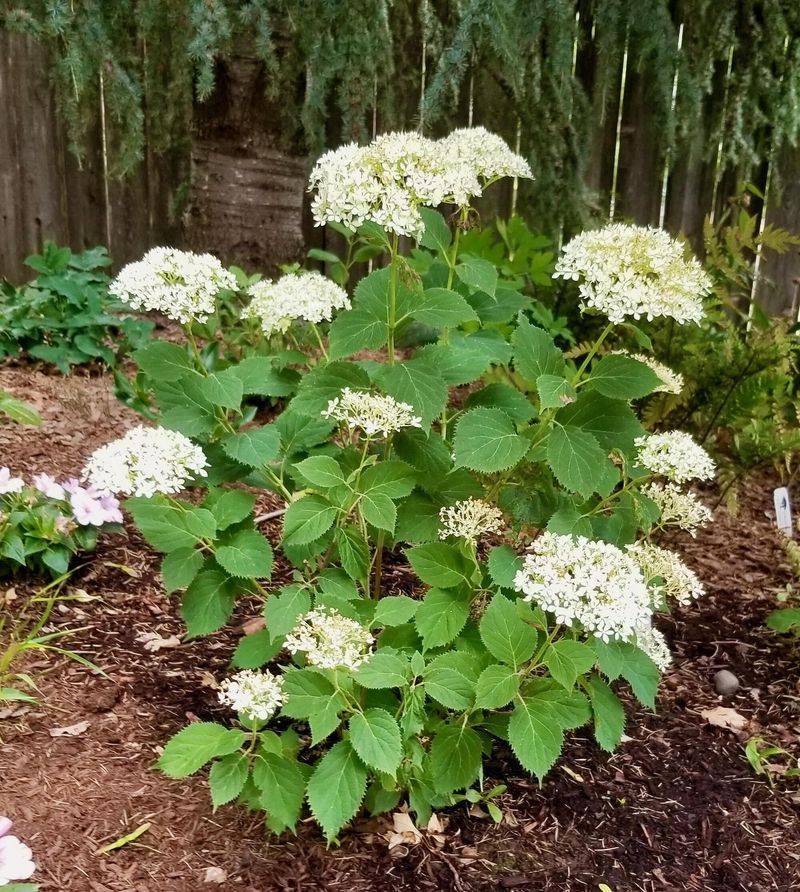
Sometimes the fix isn’t in the watering can at all. If your hydrangea sits in blazing full sun through the hottest part of the day, the location is fighting against you.
Most hydrangea varieties prefer morning sun with afternoon shade. During a brutal heat wave, you can rig up temporary relief by draping shade cloth, an old bedsheet, or a patio umbrella over the plant between noon and evening. Even a few hours of blocked sun can dramatically cut the daily wilting.
Mulch pulls double duty here. A generous two-to-three-inch layer of shredded bark, leaf mold, or pine straw insulates the soil, slows evaporation, and keeps roots several degrees cooler than bare ground. Just leave a small gap around the main stems so moisture doesn’t rot the base.
For potted hydrangeas, simply scoot the container into a shadier spot or group it near other plants that cast shade. Dark pots absorb heat fast, so wrapping the container in light-colored fabric may help keep the roots from cooking. These small adjustments often reduce stress far more effectively than extra water ever could.
Is It Heat, Or Have You Been Loving It to Death?
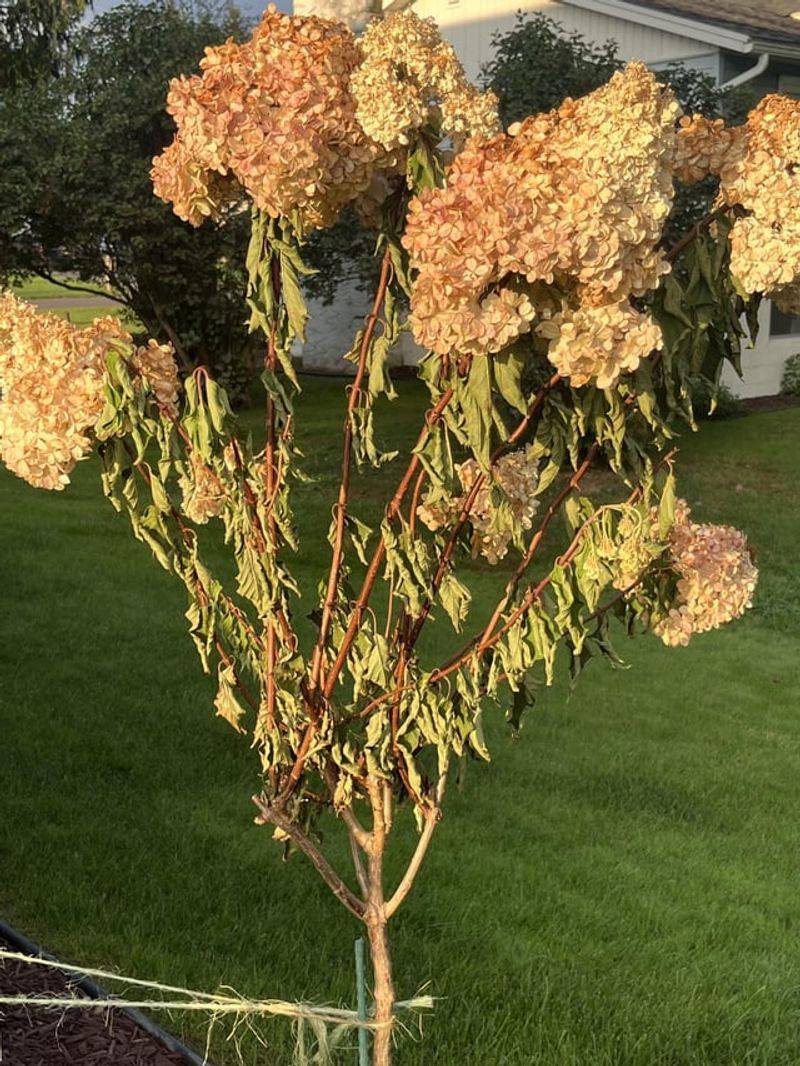
Here’s a hard truth many gardeners learn the slow way: overwatering and underwatering can look almost identical. Both leave you staring at a sad, floppy hydrangea.
A thirsty plant usually has dry, crispy leaf edges and bounces back quickly once watered. A drowned plant tells a different story. Look for yellowing lower leaves, a limpness that never fully recovers, mushy stems near the soil line, or a sour, swampy smell rising from the pot or bed.
Root rot is the real danger with chronic overwatering, and it can be tough to reverse. If you suspect it, ease up on watering completely and let the top few inches of soil dry out before giving any more. For potted plants, make sure drainage holes aren’t clogged, because standing water at the bottom quietly suffocates roots.
Fungus gnats hovering around the soil are another clue that things stay too wet. Comparing symptoms honestly, rather than assuming every droop means thirst, may save a plant you’d otherwise flood with kindness. When in doubt, err toward slightly drier soil, since hydrangeas recover from a little thirst far more easily than from rot.
Your Calm Game Plan for the Next Hot Day
Wilting hydrangeas rarely spell disaster, and knowing that changes everything about how you respond. The panic reaction, grabbing the hose the moment leaves droop, causes more casualties than the heat itself.
Keep it simple. When you spot a sagging plant on a hot afternoon, pause and watch whether it recovers by evening. Do the finger test before watering, and only water deeply at the base when the soil is genuinely dry a few inches down.
Set your plant up to succeed with afternoon shade and a healthy blanket of mulch, and water in the cool morning rather than the scorching midday. If the droop lingers overnight or you notice yellowing and mushiness, shift your suspicion toward too much water instead of too little.
Hydrangeas are surprisingly forgiving once you read their signals correctly. Give them steady, thoughtful care instead of frantic dousing, and they’ll usually reward you with big, bold blooms that stand tall through summer. A little patience on the next hot day often does more good than a full watering can ever will.