
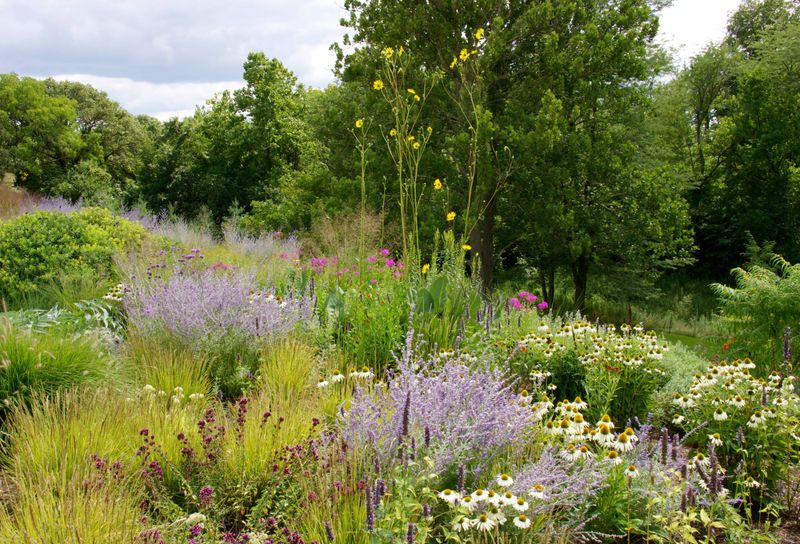
If your garden looks pretty but feels a little empty, the problem might be the plants themselves. Some flowers just sit there looking nice, while others act like magnets for birds, bees, and butterflies. The good news is you can fix a quiet yard by swapping in perennials that feed and shelter wildlife season after season. Here are eleven tough, low-fuss plants that keep coming back and bring your yard to life.
1. Purple Coneflower (Echinacea)
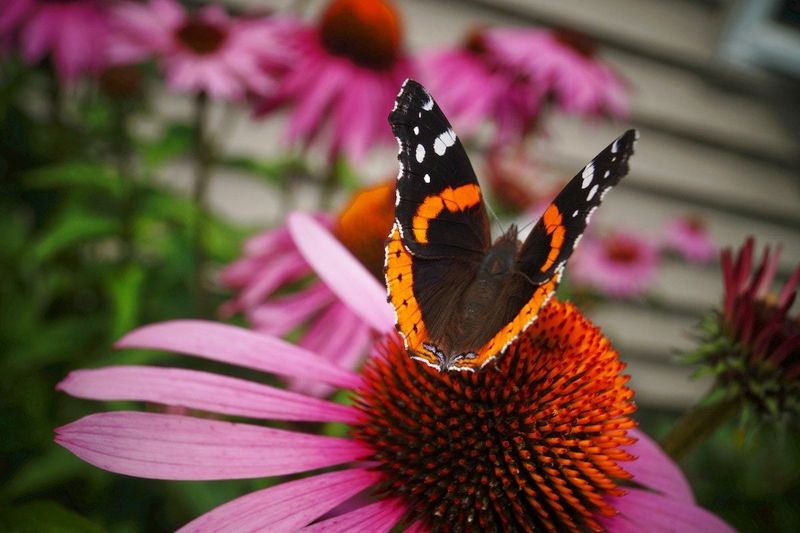
Watch a stand of purple coneflower for ten minutes in July and you will lose count of the bees crawling across its spiky orange centers. That raised cone is the whole trick — it is packed with nectar and pollen that butterflies and native bees can reach easily.
When the petals fade, do not deadhead everything. The seed heads that many gardeners snip off are exactly what goldfinches want come fall, and they will cling upside down picking seeds all afternoon.
If your coneflowers flop or bloom poorly, they are usually telling you they want more sun and less pampering. Rich, overwatered soil can make them leggy, so easing back often improves their stance. They handle drought well once the roots settle in, which is why they survive in yards where fussier plants quit.
Deer tend to leave the bristly foliage alone, though hungry deer in winter may still nibble, so nothing is fully deer-proof. Plant them in a clump rather than a single stem, and you may notice pollinator traffic climb within a season or two.
2. Bee Balm (Monarda)
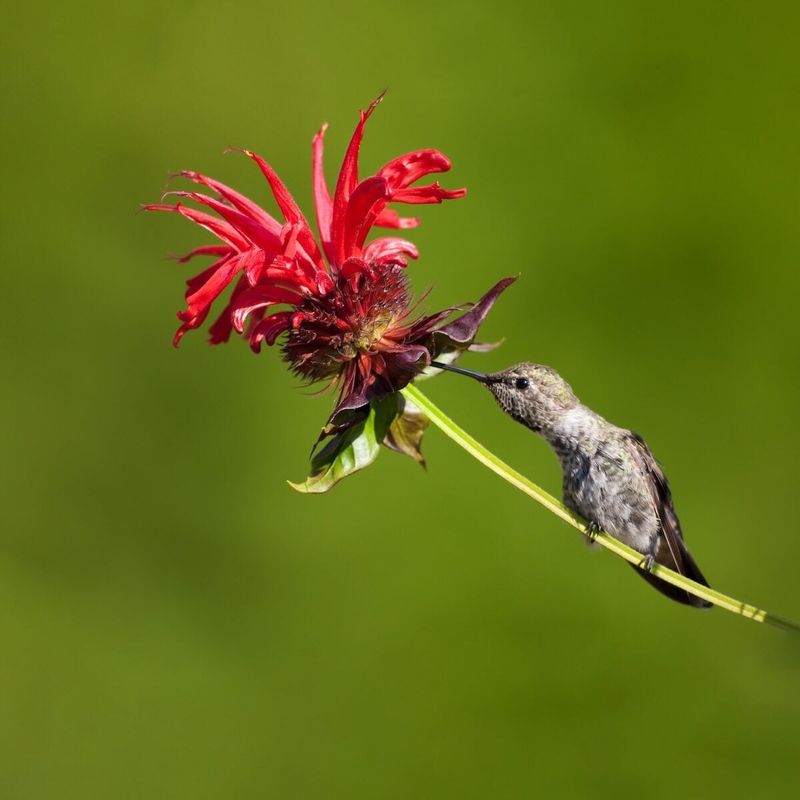
Bee balm practically shouts for attention with its wild, fireworks-shaped blooms in red, pink, and purple. Hummingbirds notice from a distance, and that tubular flower shape is built exactly for their long beaks.
The name is honest — bees swarm it too, and so do butterflies and even hummingbird moths at dusk. Few perennials pull in that many different visitors from a single patch.
Here is the catch caretakers run into: bee balm is famous for powdery mildew, the dusty white coating that shows up on crowded, damp leaves. Giving plants room for airflow and thinning stems in spring can reduce how badly it strikes, though humid summers may still trigger some.
If your patch looks ragged by August, cut it back partway and it often pushes fresh growth. It spreads by underground runners, so plant it where a little wandering is welcome, or edge it in with a border.
A fun bit of history: early settlers brewed the leaves into a minty tea after the Boston Tea Party, which is why it is sometimes called Oswego tea.
3. Black-Eyed Susan (Rudbeckia)
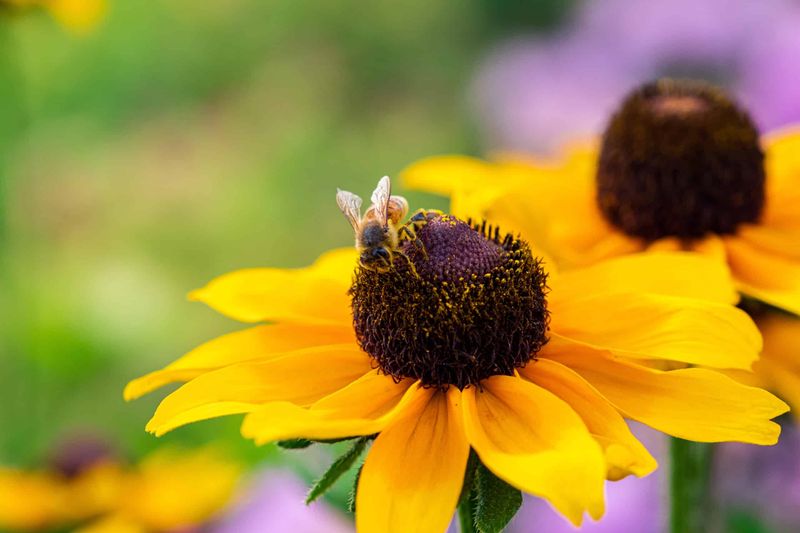
Cheerful yellow petals ringing a dark chocolate button — black-eyed Susan is the flower most people picture when they imagine a sunny meadow. It blooms hard from midsummer into fall, right when many other perennials fizzle out.
Bees and small butterflies work the flat, open blooms all day because the landing pad is easy and the nectar is close. Later, the dark centers dry into seed heads that finches and sparrows raid through winter.
Caretakers love it because it asks for almost nothing. Poor soil, heat, and dry spells barely faze it once established, so it is a solid pick for that scorched strip along the driveway.
If yours suddenly develops black or brown leaf spots, that is usually a fungus spread by wet, crowded foliage. Watering at the base instead of overhead can help reduce it, and clearing fallen leaves in fall limits next year’s flare-up.
They reseed freely, which some folks love and others fight. Leave a few seed heads standing and you will likely get free plants plus a winter bird buffet in one move.
4. Butterfly Weed (Asclepias tuberosa)
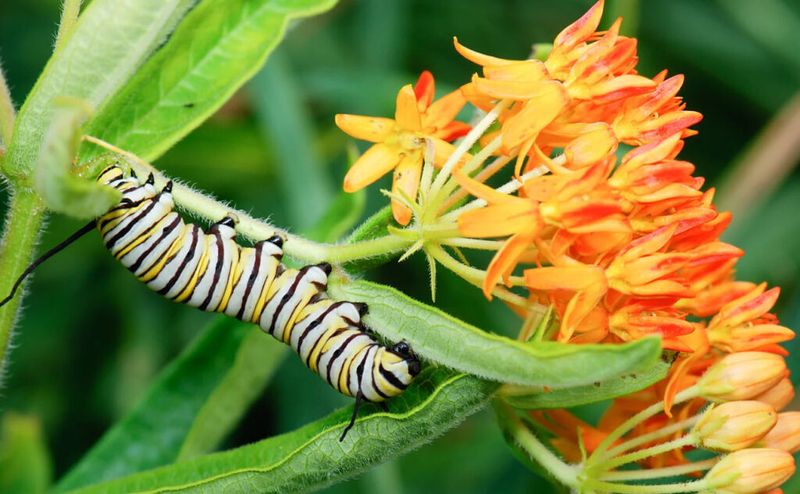
Do not let the plain name fool you — butterfly weed is a milkweed, and milkweed is the single plant monarch butterflies cannot live without. Female monarchs lay eggs only on milkweed, and the caterpillars eat nothing else.
The glowing orange clusters also feed adult butterflies, bees, and other pollinators with a steady supply of nectar through summer. Plant it and you are not just decorating — you are running a monarch nursery.
One thing that trips up new gardeners: it hates being moved. Butterfly weed grows a deep taproot, so pick its spot carefully and leave it alone, because transplanting an established one often kills it.
It also breaks dormancy late in spring, later than almost everything else, so do not panic and dig it up thinking it died over winter. Give it full sun and lean, well-drained soil and it thrives on neglect.
You may spot bright yellow aphids clustering on the stems. A firm spray of water can knock them back without harming caterpillars, which is the whole reason you planted it.
5. Joe-Pye Weed (Eutrochium)
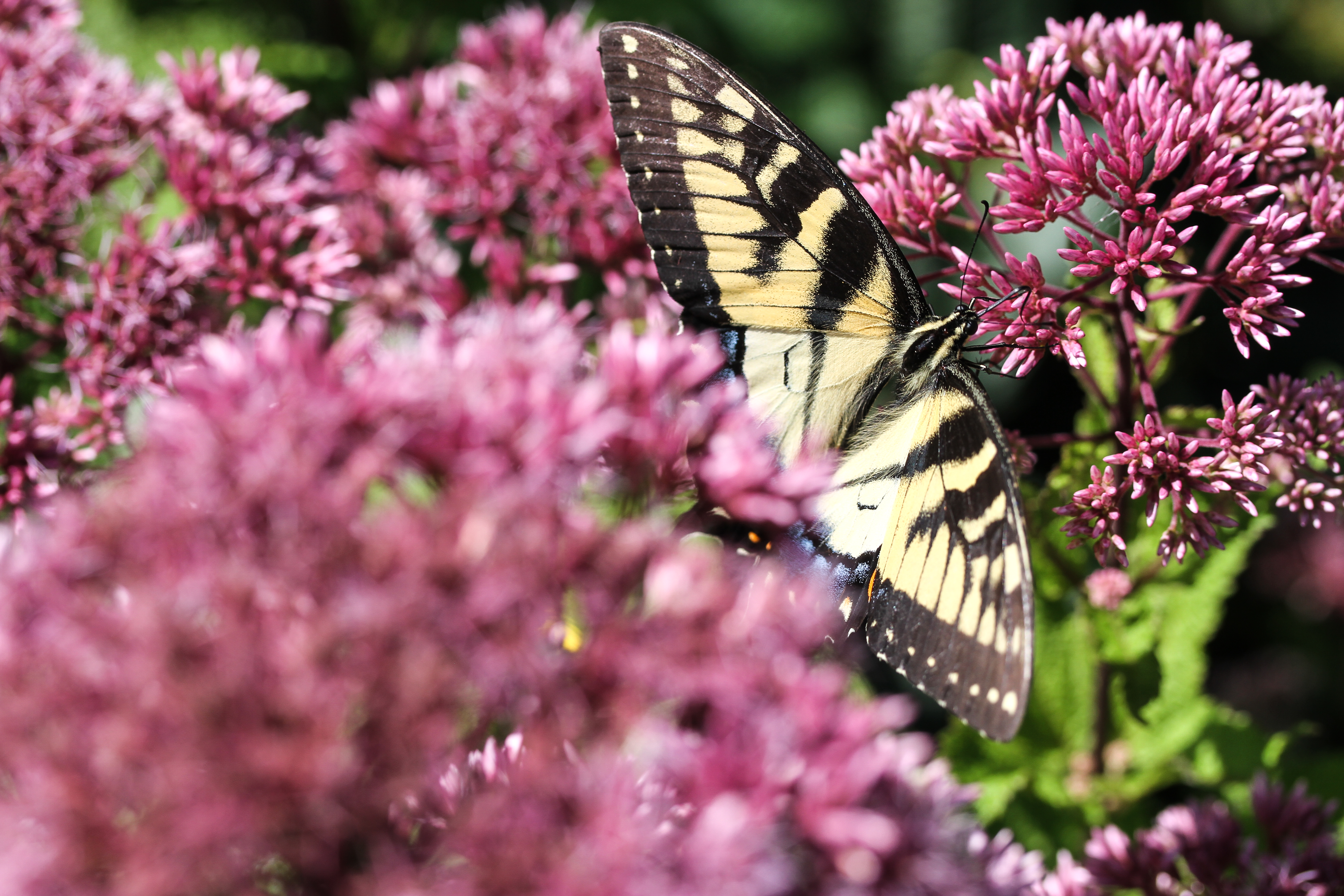
Towering five to seven feet tall with dusty mauve flower heads, Joe-Pye weed is the gentle giant at the back of the border. Butterflies treat those big fuzzy clusters like a landing strip, and on a warm August day the whole plant can hum with swallowtails.
Because it blooms in late summer, it fills a hungry gap when earlier flowers have already gone to seed. That timing makes it genuinely valuable for pollinators trying to fuel up before fall migration.
It likes things a little damper than most of this list, so a low spot that stays moist is a bonus rather than a problem. If the lower leaves brown and crisp in a dry summer, thirst is usually the cause, and a good soak can improve it.
Give it room, because a mature clump gets wide as well as tall. Planted along a fence or the edge of a rain garden, it anchors the space and feeds wildlife at the same time.
Songbirds pick through the dried seed heads once winter arrives, so leave the stalks standing.
6. Blazing Star (Liatris)
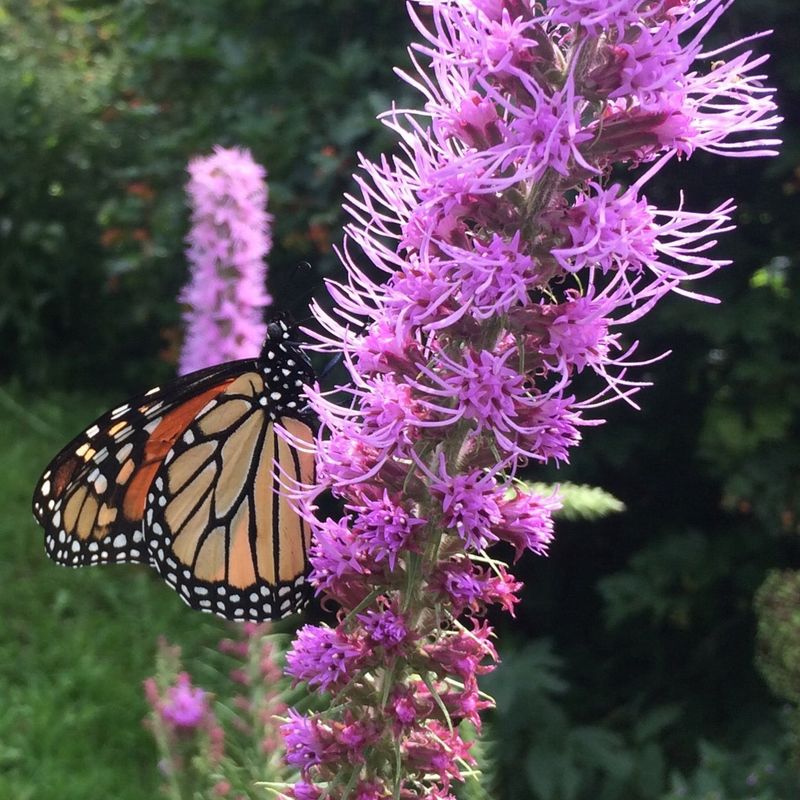
Most flowers open from the bottom up, but blazing star does the opposite, lighting up from the top of its tall purple spike downward. That vertical torch of blooms is a beacon monarchs and swallowtails spot from across the yard.
Each fuzzy spike is really dozens of tiny flowers, so a butterfly can work a single stem for a long while. Bees crowd in too, and later the seeds feed finches when the spikes dry out.
Caretakers appreciate how upright and tidy it stays without staking, and it grows from a bulb-like corm that handles drought and cold with ease. Full sun keeps the stalks strong; too much shade can make them lean and flop.
If the corms sit in soggy winter soil, they may rot, so drainage matters more than fertility here. Plant them in groups of five or more for a fuller show and heavier butterfly traffic.
Florists actually grow Liatris as a cut flower because the blooms last so long — proof that a wildlife plant can pull double duty in a vase.
7. Sedum ‘Autumn Joy’
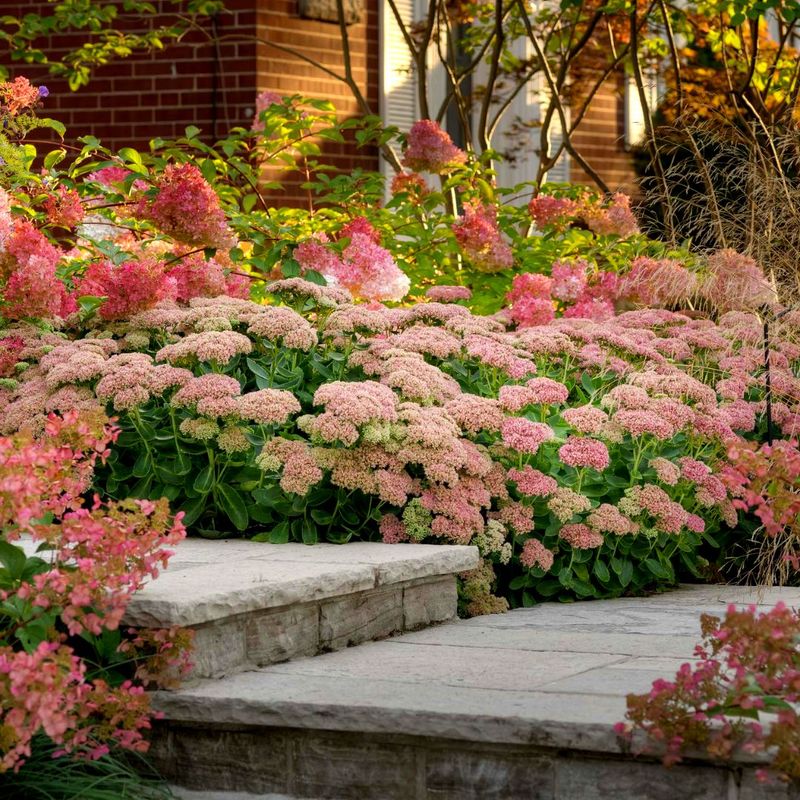
When the garden is winding down and most perennials look tired, sedum ‘Autumn Joy’ is just getting started. Its broccoli-like flower heads shift from pale green to rosy pink to deep russet, feeding bees and butterflies right up to frost.
That late timing is the whole point. Pollinators heading into fall need one more reliable meal, and this succulent delivers when little else is blooming.
Toughness is its calling card. The thick, water-storing leaves shrug off heat and drought, so it is a lifesaver for hot spots and forgetful waterers alike.
One common gripe is flopping — stems that splay open and leave a bare center. That usually means too much rich soil, water, or shade, so leaner, sunnier conditions often keep it upright, and a spring pinch can help too.
Leave the dried seed heads standing through winter. They catch snow beautifully and give the garden structure while birds occasionally pick at them.
Because it roots from a dropped leaf or a snapped stem, you can multiply your plants almost for free by poking cuttings into the ground.
8. Salvia (Perennial Sage)
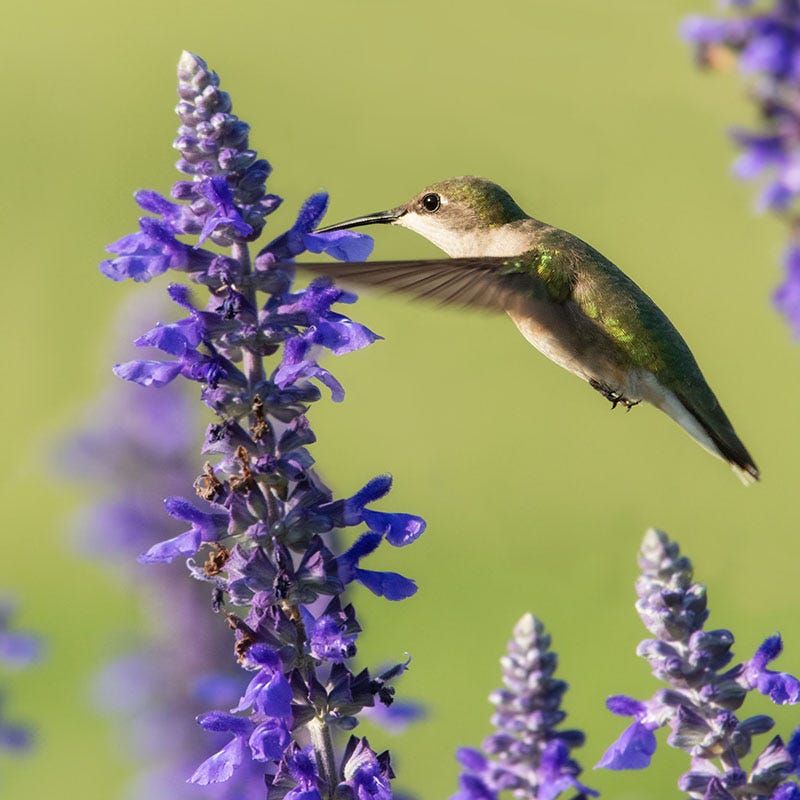
Spikes of blue, purple, and red salvia are like ringing a dinner bell for hummingbirds. The tubular flowers hold nectar deep inside, perfect for long beaks and butterfly tongues, and bees pile on too.
What makes salvia a caretaker’s friend is how forgiving it is. It handles heat, tolerates dry soil once rooted, and keeps blooming for weeks, especially if you shear off the spent spikes.
That shearing is the secret to a long show. Cut the faded flower stalks back and the plant usually rebounds with a fresh flush, sometimes two or three rounds in a season.
Deer and rabbits generally pass it by because of the aromatic leaves, so it can reduce browsing pressure in yards where those critters graze — though truly hungry deer may still test it.
If the middle goes woody and sparse after a few years, dividing the clump in spring often revives it. Give it full sun and decent drainage, since wet feet in winter is one of the few things that can do it in.
Plant several colors together and the hummingbird visits tend to multiply.
9. Aster
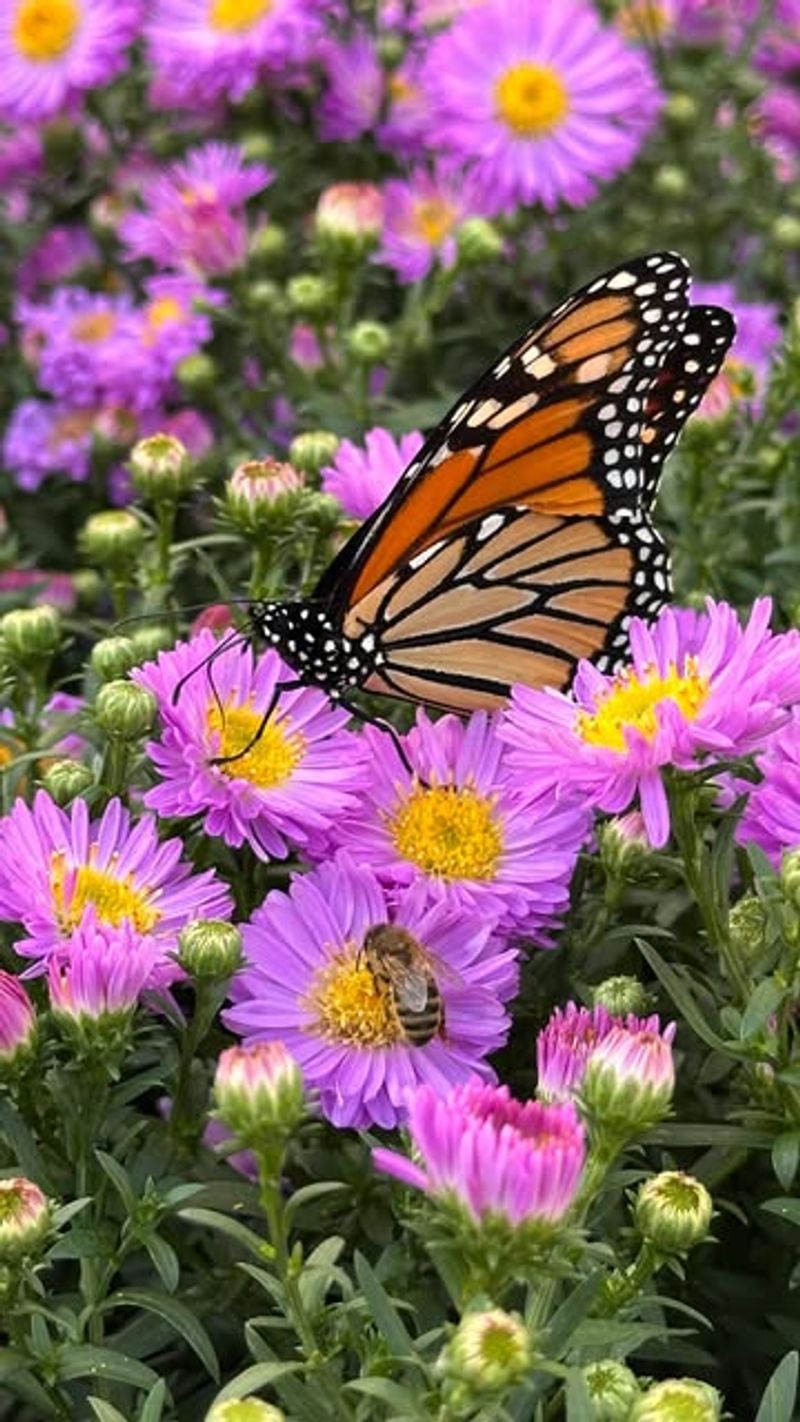
Just as the growing season starts to fade, asters explode into clouds of little purple, blue, and pink daisies. Their late-fall timing is a lifeline for bees and butterflies scrambling for one last meal before cold sets in.
Migrating monarchs lean on asters especially hard, tanking up on nectar for the long trip south. Pair them with goldenrod and you have built a fall fueling station in your own yard.
Growth-wise they are easygoing, thriving in ordinary soil and full to part sun. Many types get leggy and topple, though, so pinching them back in early summer keeps them bushier and better able to stand on their own.
Powdery mildew can dust the lower leaves in damp spots. Spacing plants for airflow can reduce it, and it rarely does lasting harm even when it shows up.
Once frost finally arrives, leave the stems standing. Small birds and beneficial insects use the spent plants for seed and shelter over winter.
With hundreds of native varieties across the country, there is almost certainly an aster suited to your exact corner of the map.
10. Goldenrod (Solidago)
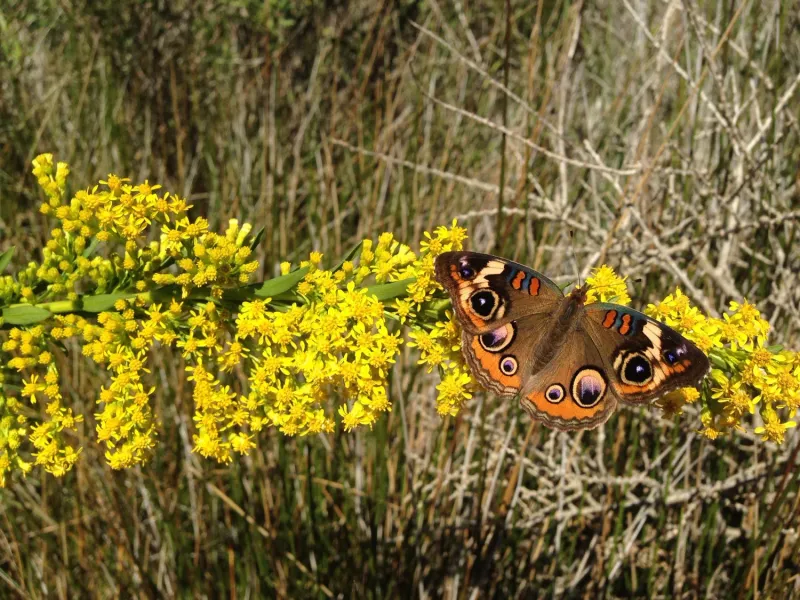
Goldenrod gets blamed for hay fever every autumn, and it is completely innocent — the real culprit is ragweed blooming nearby. Clear that up and you can appreciate one of the best late-season pollinator plants there is.
Those arching plumes of gold buzz with bees, wasps, beetles, and butterflies all feeding at once. Because it blooms so late, it is often the last big nectar source before winter, making it critical for insects storing up energy.
Native and tough, goldenrod handles poor soil, heat, and drought without complaint. Some older types spread aggressively by runners, so look for well-behaved cultivars like ‘Fireworks’ if you want the color without the takeover.
Full sun keeps the plumes upright and full; shade tends to make it stretch and lean. If a clump gets too big for its spot, dividing it in spring keeps it in bounds and gives you extras to spread around.
Come winter, the seed heads feed finches and other songbirds. Planted beside asters, goldenrod completes the classic purple-and-gold fall duo that wildlife absolutely loves.
11. Coreopsis (Tickseed)
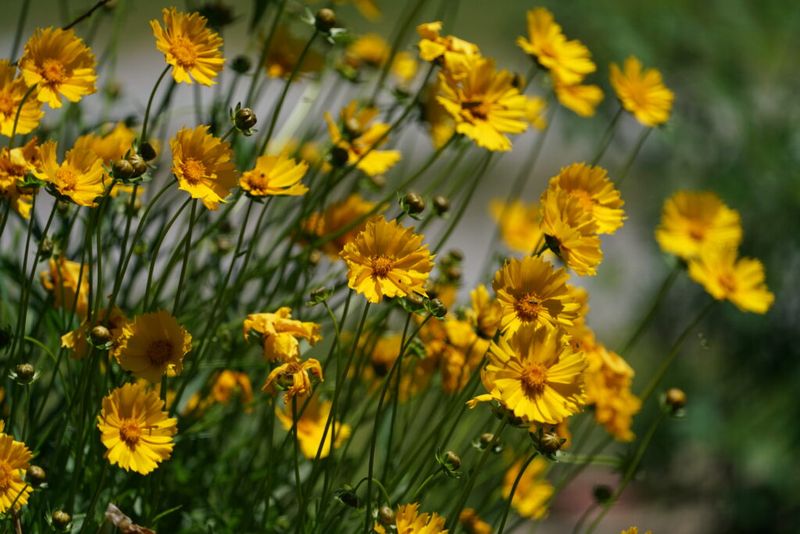
Small, sunny, and almost impossible to kill, coreopsis blankets itself in golden daisy-like flowers from early summer well into fall. That marathon bloom season keeps bees and butterflies fed for months instead of weeks.
The open, flat blooms make easy landing pads for smaller pollinators that struggle with deep tubular flowers. Once petals drop, the tiny seeds — which look like ticks, hence the nickname — become finch snacks.
For sheer toughness it is hard to beat. Heat, drought, sandy soil, and neglect barely register, so it shines in the spots where pickier plants sulk.
Keeping it blooming is simple: shear off the spent flowers and it bounces back with another wave, often looking better the second time. Skip that and it can stop flowering and flop into a tangle by late summer.
Some varieties are short-lived, fading after a few years, but they reseed themselves so freely you often never notice the gap. Give it full sun and lean soil, since overly rich beds encourage floppy growth over flowers.
Tuck it along a path edge where its cheerful color and steady insect traffic get noticed daily.
12. Cardinal Flower (Lobelia cardinalis)
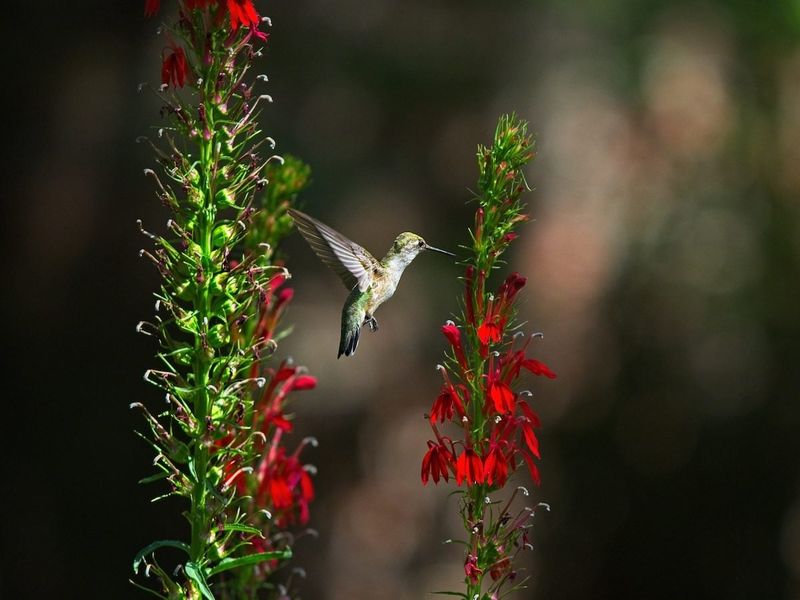
Few flowers stop you in your tracks like the cardinal flower, whose blazing red spikes look almost too vivid to be real. That intense scarlet is aimed squarely at hummingbirds, which see red brilliantly and can reach the deep tubular blooms most insects cannot.
Butterflies join the party too, and the plant becomes a mid-to-late summer hotspot for winged traffic. If you want to guarantee hummingbird visits, this is one of the surest bets on the list.
It has one firm demand: moisture. Unlike the drought-tough plants here, cardinal flower wants consistently damp soil, so a low spot, pond edge, or rain garden suits it perfectly.
If the leaves wilt and the plant fades fast in a dry spell, thirst is almost always the reason, and steady watering can revive it. Full sun to part shade both work as long as the roots stay cool and moist.
It can be short-lived, but letting it self-seed keeps the colony going year after year. Plant it where you will see hummingbirds zip in from a kitchen window — it never gets old.