
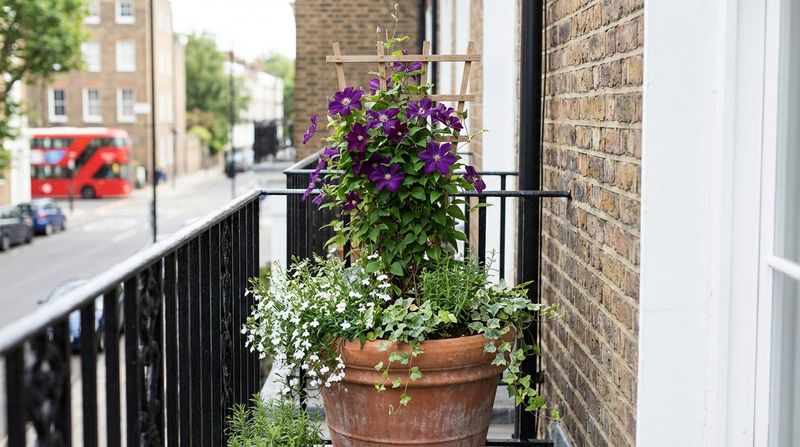
You planted a clematis dreaming of those big, showy blooms climbing up your trellis, and now all you have is a leafy vine with zero flowers. Frustrating, right? The good news is that a flowerless clematis is almost always fixable once you know what tiny habit is holding it back. Here are 16 small care mistakes that quietly rob your clematis of its blooms, plus simple ways to turn things around.
1. Pruning at the Wrong Time for Your Clematis Group
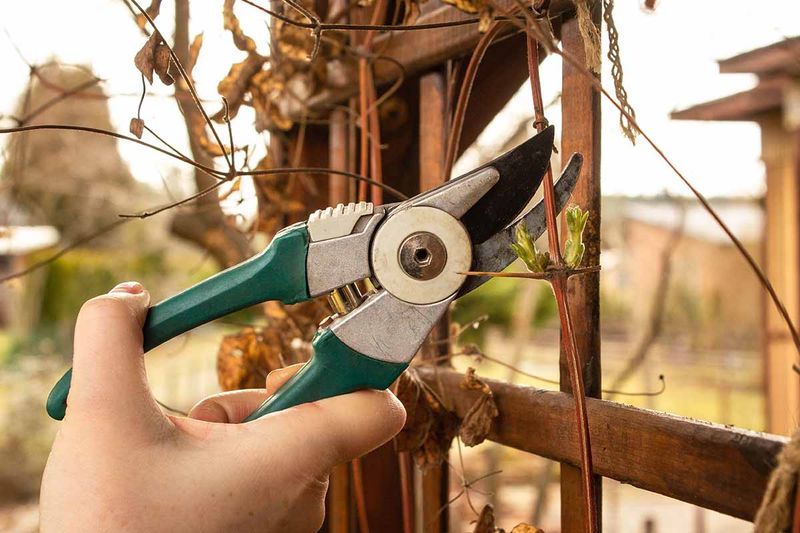
Grab your pruners at the wrong moment and you might be snipping away next season’s entire flower show. Clematis fall into three pruning groups, and each one blooms on different wood, which is exactly where so many gardeners trip up.
Group 1 types flower on old growth from last year, so a hard spring cutback removes the very stems that were about to bloom. Group 2 rewards a light trim, while Group 3 actually wants a hard chop down low each spring because it flowers on brand-new growth.
Mixing these up is the single most common reason a healthy-looking vine stays stubbornly bare. If you inherited a mystery plant, hold off on heavy pruning for a full year and watch when it blooms.
Note the flowering time, match it to a group, and prune accordingly the following season. When you cut at the right time, you stop accidentally erasing flower buds. Getting this one habit right can often flip a leafy dud into a blooming star faster than any fertilizer ever will.
2. Planting the Crown Too Shallow
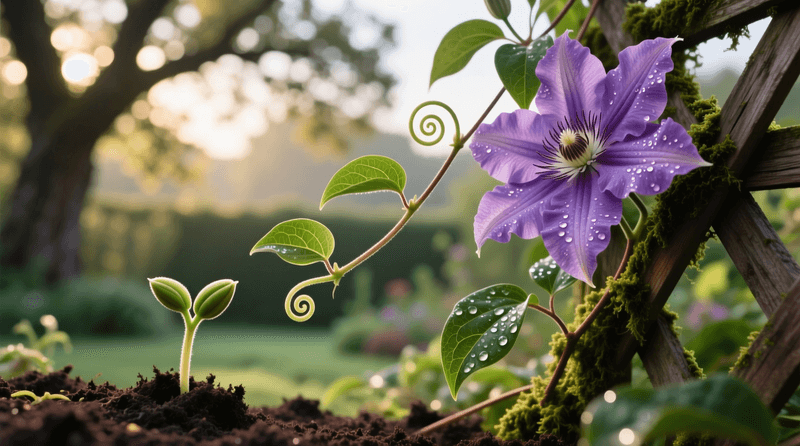
Here is a quirk that catches nearly every beginner off guard: clematis actually likes being buried a little deep. Unlike most perennials you set at soil level, this vine prefers its crown planted about two to three inches below the surface.
Set it too shallow and the base stays exposed to heat, drought stress, and that dreaded clematis wilt. A weak, stressed crown puts all its energy into simply surviving instead of pushing out flowers.
Deep planting protects the buried buds tucked along the lower stems, giving the plant backup growth points if the top ever gets damaged. Those extra buds can mean the difference between a bare vine and a blooming one.
If your clematis has been struggling for a couple of years with no flowers, gently check the planting depth. You may be able to mound rich soil over the crown to correct it, or replant a little deeper in fall or early spring.
This small adjustment often improves both vigor and bloom count within a season or two.
3. Not Enough Sunlight on the Vine
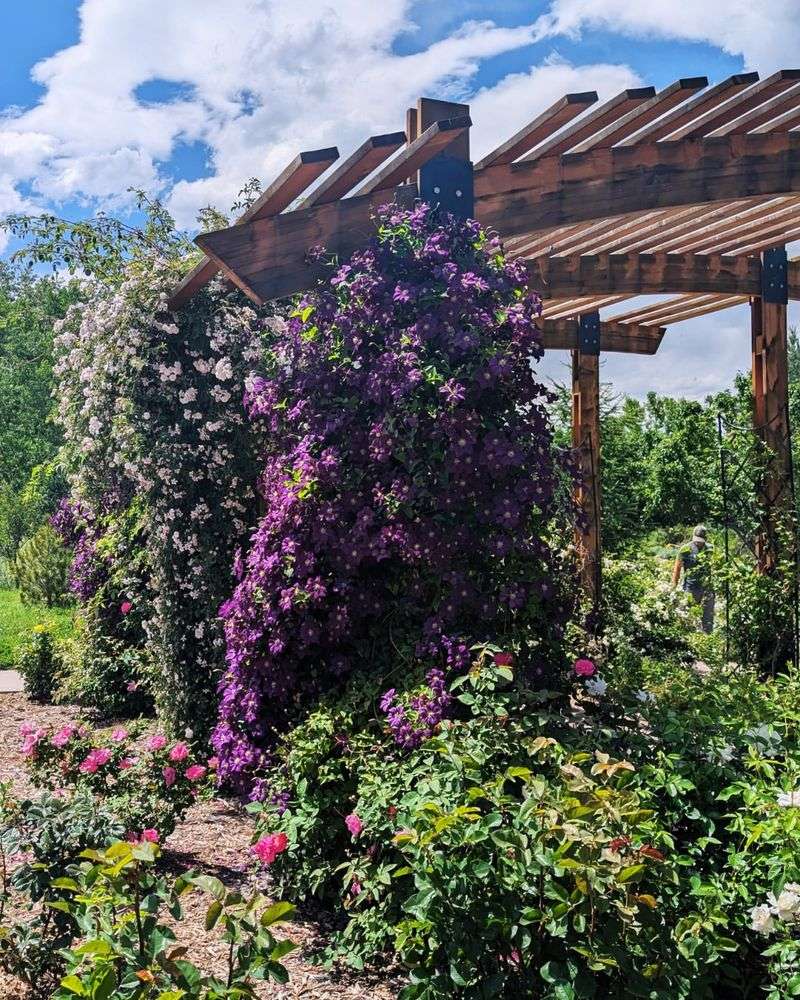
Clematis loves to keep its feet cool and its face in the sun, and forgetting that second half is a bloom killer. Tucked in a shady corner or crowded behind taller plants, a clematis grows plenty of leaves but skimps hard on flowers.
Most varieties need at least six hours of direct sun a day to fuel heavy blooming. Anything less and the plant simply cannot store enough energy to open all those buds.
Shade from a fence, a maturing tree, or an overgrown neighbor can sneak up over the years, slowly dimming a spot that used to be bright. Watch your garden through a full day and note where the sun actually lands.
If your vine sits in gloom, moving it to a sunnier fence or trellis can dramatically improve flowering. In very hot Southern zones, a bit of afternoon shade may help prevent scorch, but morning sun is still a must.
Give the top of the plant real light while shading the roots with mulch or low companions, and blooms often follow.
4. Overfeeding With High-Nitrogen Fertilizer
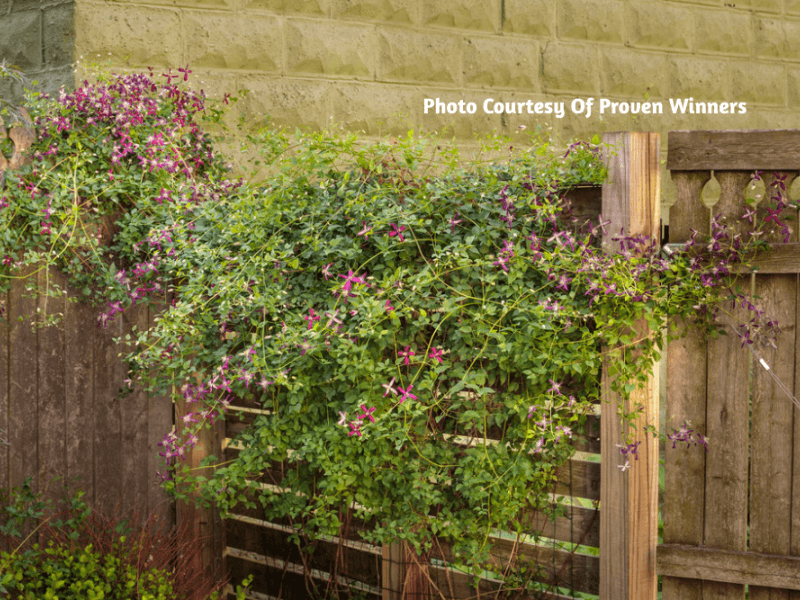
Feeding your clematis feels caring, but reach for the wrong bag and you get a jungle of leaves with barely a bud in sight. High-nitrogen fertilizers, including many lawn feeds, push lush green growth at the direct expense of flowers.
The plant reads all that nitrogen as a signal to build stems and foliage rather than invest in blooms. You end up rewarding the very behavior you are trying to change.
What clematis actually wants is a balanced or slightly phosphorus-leaning feed, since phosphorus and potassium support flower production. A rose or tomato fertilizer often works beautifully for this reason.
Feed in early spring as growth begins, then again lightly after the first flush of blooms, and skip the heavy feeding late in the season. Runoff from a nearby fertilized lawn can also flood the roots with excess nitrogen without you realizing it.
If your vine is all leaf and no color, easing off the nitrogen and switching to a bloom-boosting formula can often shift its energy back toward flowering within the same growing season.
5. Letting the Roots Get Too Hot and Dry

There is an old gardening saying that clematis wants a hat in the sun and a coat on its roots, and ignoring the coat part leaves many vines flowerless. Bare, sun-baked soil around the base heats the roots and dries them fast.
A clematis fighting root stress tends to drop buds or skip blooming entirely just to conserve moisture. All its effort goes into staying alive rather than showing off.
A few inches of mulch, a flat stone over the root zone, or low-growing companion plants can keep that soil cool and damp. These simple shade tricks often improve flowering more than people expect.
Consistent moisture matters too, since clematis roots hate both drought and swampy soil. Deep, regular watering during hot spells can reduce the stress that shuts down blooming.
If your vine wilts in afternoon heat or its lower leaves brown and crisp, hot roots are likely part of the story. Mulching and steady watering are cheap fixes that frequently bring a sulking, bloom-shy clematis back to flowering form.
6. Expecting Blooms From a Plant Too Young to Flower
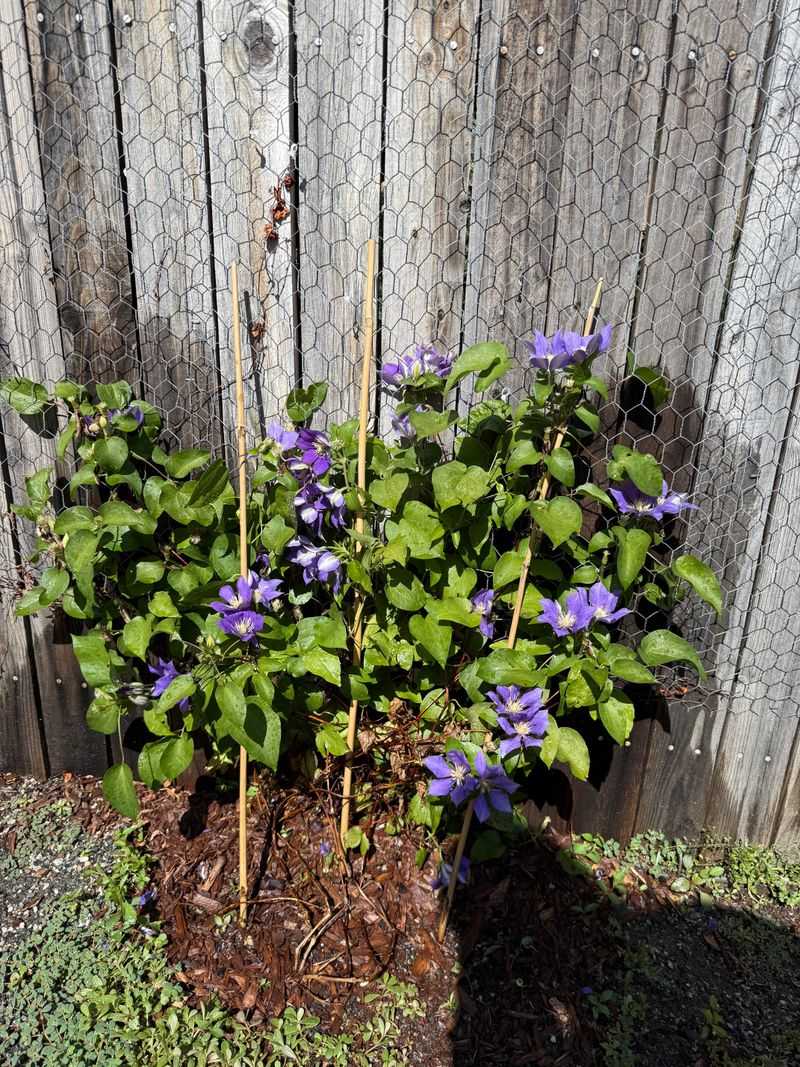
Sometimes the mistake is simply impatience, and your clematis has done nothing wrong at all. Young plants, especially those grown from small pots or bought as bare roots, often spend their first year or two building roots instead of flowers.
Gardeners call this the sleep, creep, leap rhythm: sleep the first year, creep the second, and leap into full bloom by the third. Panic-pruning or overfeeding a young vine during this stage can actually set it back further.
Give a new clematis time to establish a strong root system, and the flowers usually arrive on schedule. Meanwhile, focus on the basics like proper planting depth, cool roots, and steady water.
Pinching the tips of a very young vine once or twice can encourage bushier growth and more flowering stems down the road. It feels counterintuitive to cut a plant you want to bloom, but it pays off.
If your clematis is only a season or two old and otherwise healthy, patience may be the only cure it needs before it finally rewards you.
7. Ignoring Clematis Wilt and Disease
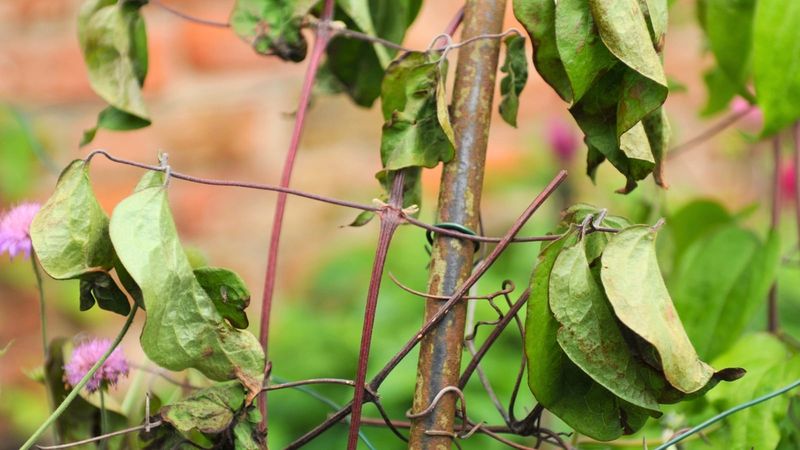
One day your vine looks lush, the next a whole stem collapses and blackens almost overnight, and blooms become the last thing on its mind. That dramatic dieback is often clematis wilt, a fungal problem that hits large-flowered varieties hardest.
A plant battling disease diverts its energy into survival, so flowering stalls while it tries to recover. Left unchecked, the damage can spread and keep the vine bare for the whole season.
Cut affected stems back to healthy tissue, well below the wilted section, and dispose of the clippings rather than composting them. Deep planting helps here too, since buried buds can resprout even if the top dies back.
Good airflow, clean tools, and avoiding constantly wet foliage can reduce the odds of wilt taking hold. Most established clematis push out fresh growth after an episode if the roots stay healthy.
Powdery mildew and slug damage on new shoots can also sap flowering energy, so keep an eye out. Treating trouble early often lets the plant redirect its strength back toward producing the blooms you have been waiting for.
8. Overwatering or Poor Drainage Drowning the Roots
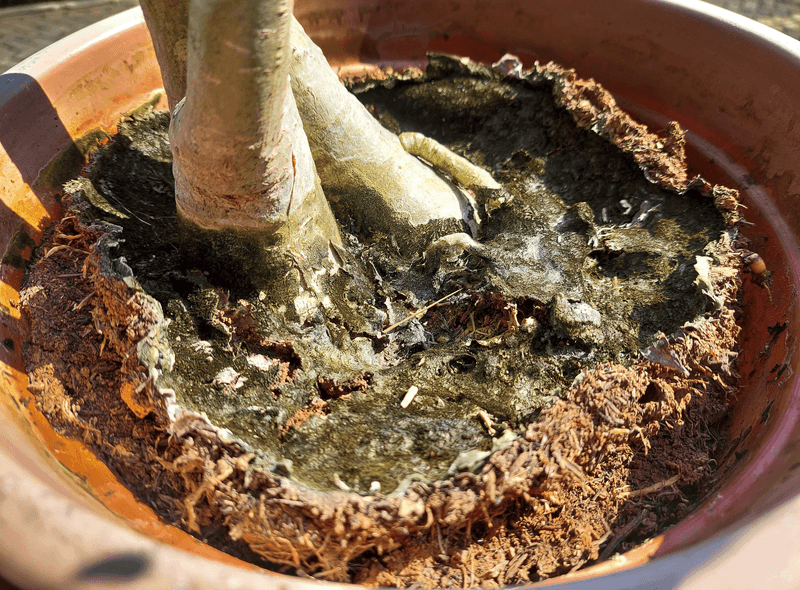
It seems generous to keep your clematis constantly wet, but soggy roots can stop blooming just as surely as drought. Clematis wants moisture with excellent drainage, and waterlogged soil suffocates the roots it depends on.
Roots sitting in standing water struggle to take up nutrients, which leaves the plant too weak to form flower buds. Chronic sogginess also invites root rot, and a rotting root system rarely blooms.
Heavy clay soil and low spots that pool after rain are the usual culprits, so check where water sits after a storm. Working compost and grit into the planting hole improves drainage and gives roots the air they crave.
Aim for soil that stays evenly moist but never muddy, watering deeply and then letting the top inch dry slightly. Container clematis especially need drainage holes and should never sit in a saucer of water.
If your vine looks yellow, mushy at the base, or refuses to bloom despite plenty of water, easing back and fixing drainage can often revive both its health and its flowering.
9. Forgetting to Give the Vine Something to Climb
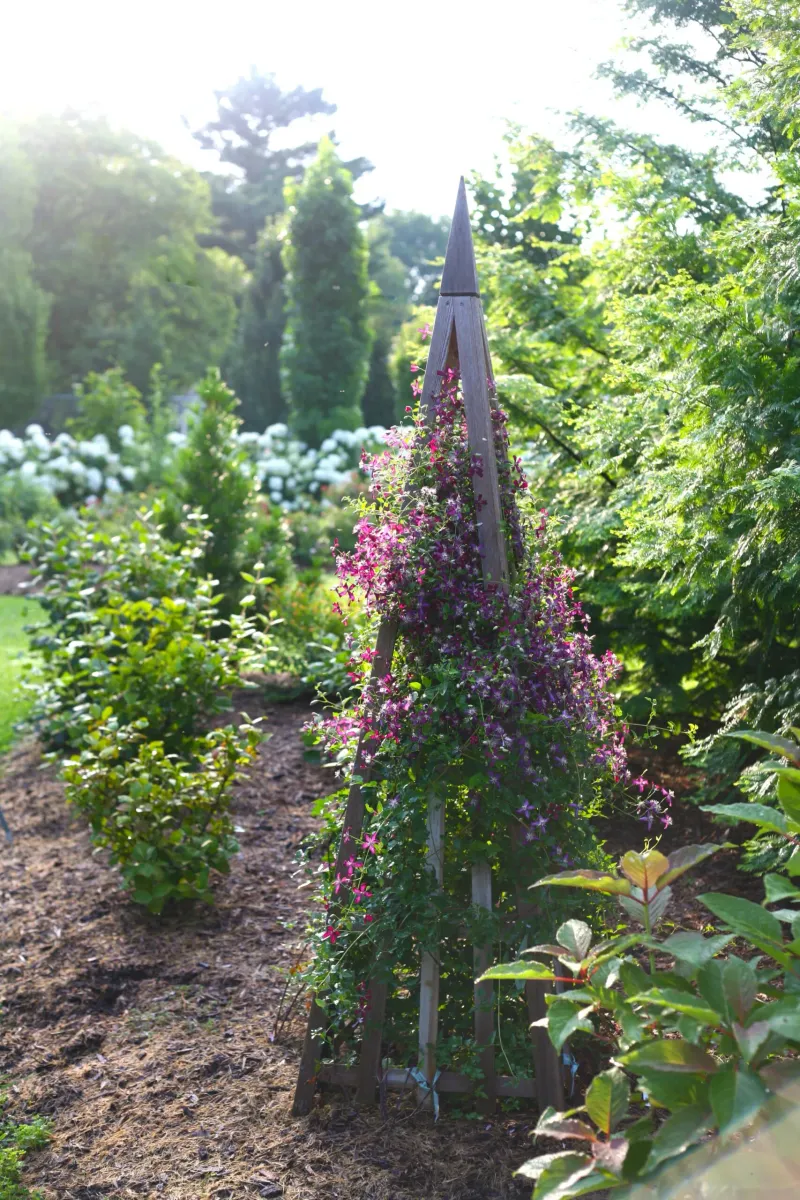
A clematis without proper support is a bit like a runner with tied shoelaces, expending effort but never getting anywhere. These vines climb by wrapping their leaf stems around thin structures, and they need the right thing to grab.
When there is nothing to cling to, or the support is too thick, the plant sprawls, tangles, and stresses instead of growing upward toward the light it needs to bloom. A tangled heap also shades its own buds.
Thin trellises, netting, wire, or twiggy branches work far better than fat posts a leaf stem cannot reach around. Gently guiding new shoots and tying loose stems early trains the vine to spread out and catch more sun.
Better light exposure across the whole plant usually translates into more flowers, since sun-drenched stems produce the most buds. A well-supported clematis also has better airflow, which lowers disease pressure.
If your vine is a messy pile on the ground or crammed against a wall, adding a proper climbing frame and spacing out the stems can noticeably improve both its shape and its bloom.