
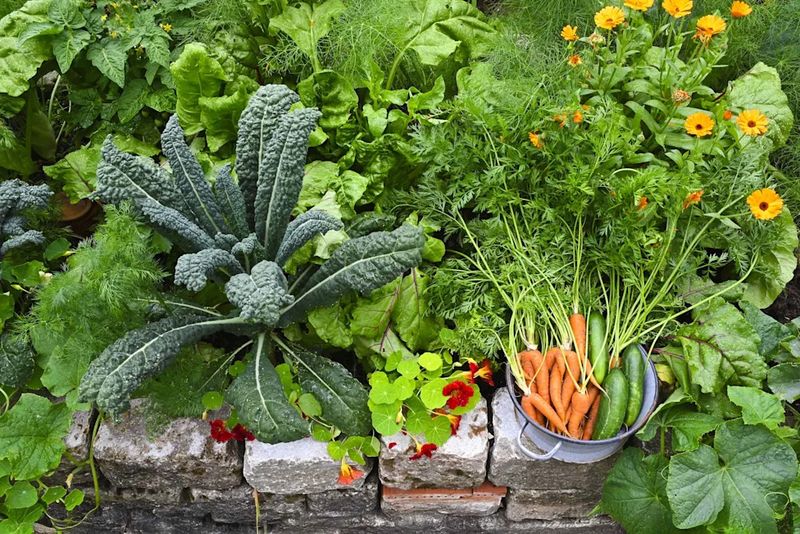
When summer heat starts fading, a lot of gardeners think the growing season is winding down. The truth is that cooler weather actually gives you a second shot at a full harvest, but only if you get your seeds in the ground soon. Many of these crops taste sweeter after a light frost and shrug off the pests that plagued your summer beds. Here are the vegetables worth planting right now so your garden keeps producing well into autumn.
1. Spinach
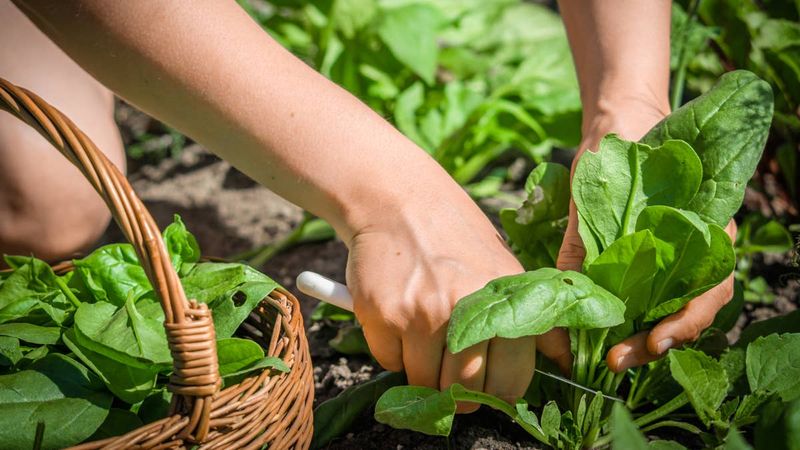
Nothing beats spinach when you want a crop that practically thrives on being ignored in cool weather. Warm soil makes it bolt fast, but drop seeds in during late summer and the falling temperatures keep those leaves tender and mild instead of bitter.
Germination can be spotty if the ground is still hot, so many gardeners chill their seeds in the fridge for a week before sowing. Water consistently and thin the seedlings to about three inches apart so each plant has room to fill out.
One of spinach’s best tricks is how it handles frost. A light freeze often improves the flavor, concentrating the sugars and giving the leaves a sweeter bite. Under a row cover, you can keep harvesting long after your neighbors have given up.
Watch for yellowing lower leaves, which usually points to overwatering or a nitrogen shortage rather than disease. A gentle dose of compost or diluted fish emulsion can often perk things back up. Pick outer leaves first and the plant will keep pushing new growth from the center for weeks on end.
2. Kale
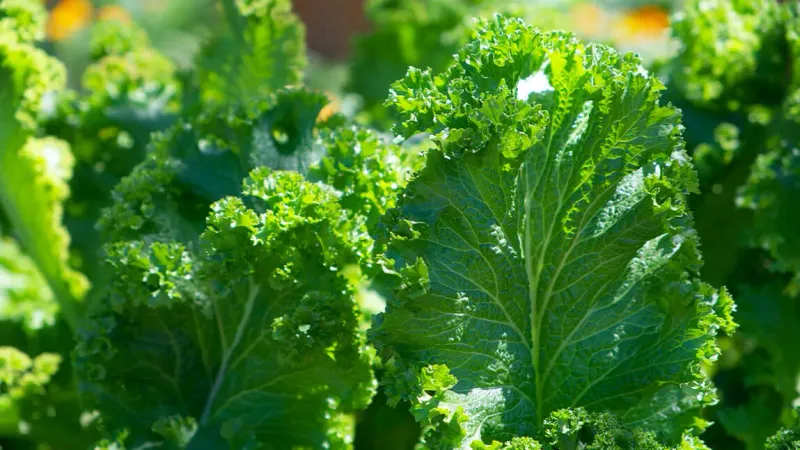
Frost-kissed kale is the vegetable that turned a lot of skeptics into fans. Cold nights transform its slightly bitter leaves into something sweet and nutty, which is why so many gardeners swear the best kale of the year comes from an autumn bed.
Seeds sprout quickly in still-warm soil, giving young plants a head start before temperatures drop. Space them roughly a foot apart, because a mature plant can spread wider than you might expect and crowded kale struggles to bulk up.
Aphids love to cluster on the undersides of the leaves, so flip a few over every time you visit the garden. A strong spray of water can knock them loose, and it may help to invite ladybugs by keeping some flowering herbs nearby.
Curly, lacinato, or red Russian varieties all handle chill well, so pick whichever texture you enjoy eating. Harvest from the bottom up, leaving the central growing point intact. Done right, a single planting can feed you through several frosts and sometimes straight into early winter under a simple cover.
3. Radishes
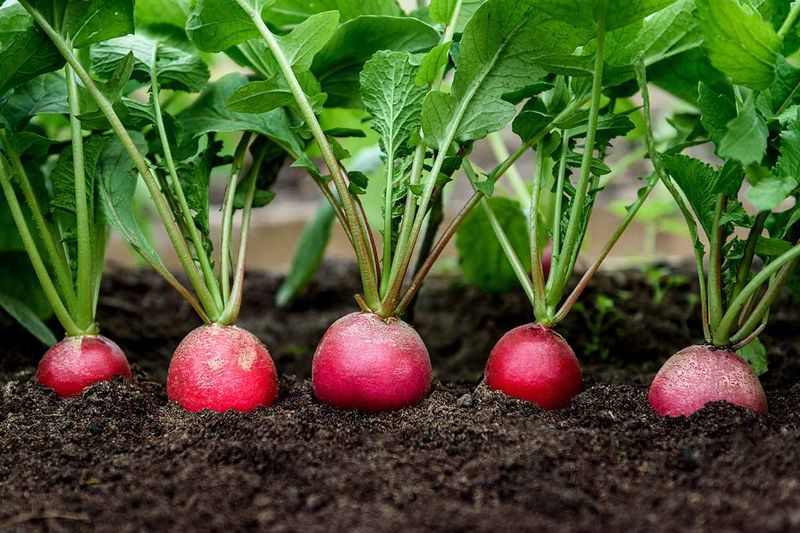
Impatient gardeners, meet your ideal fall crop. Radishes race from seed to plate in as little as three to four weeks, making them the instant gratification of the vegetable world when you want results before the deep cold arrives.
Sow the seeds directly where they will grow, since radishes hate being transplanted and tend to sulk if their roots get disturbed. Keep the soil evenly moist, because a dry spell followed by heavy watering can crack the roots or turn them unpleasantly spicy.
If your radishes grow lush tops but tiny roots underneath, the usual culprit is too much nitrogen or crowding. Thin them ruthlessly to about two inches apart and ease up on rich fertilizer for rounder, plumper roots.
Cool autumn weather actually mellows their peppery heat, giving you crisp, juicy globes that are milder than summer batches. Try succession planting a short row every ten days so you always have a fresh handful coming. Milder daikon and winter types can also be sown now for a slower, storage-friendly harvest that lasts into the colder months.
4. Lettuce
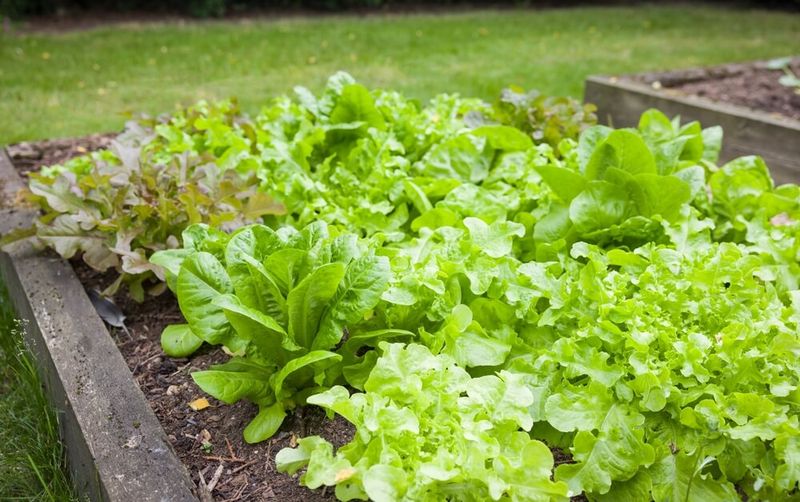
Summer lettuce has a habit of turning bitter and shooting up flower stalks the moment things heat up. Autumn flips that script completely, giving you crisp, sweet heads and loose leaves that stay tender because the cool air keeps bolting at bay.
Scatter seeds thinly and barely cover them, since lettuce needs a little light to germinate well. Loose-leaf types give you the fastest payoff, letting you snip outer leaves within a month while the plant keeps producing.
Slugs are the main headache in damp fall conditions, chewing ragged holes overnight. Handpicking after dark or setting out a shallow dish of beer can reduce their numbers, and keeping mulch pulled slightly back from stems helps too.
Wilting in the afternoon usually just means the plants are thirsty, so check that the top inch of soil hasn’t dried out. Romaine, butterhead, and oakleaf varieties all handle chill gracefully. A lightweight row cover extends the season considerably, protecting the leaves from hard frost so you can keep tossing homegrown salads well past the first cold snap of the season.
5. Carrots
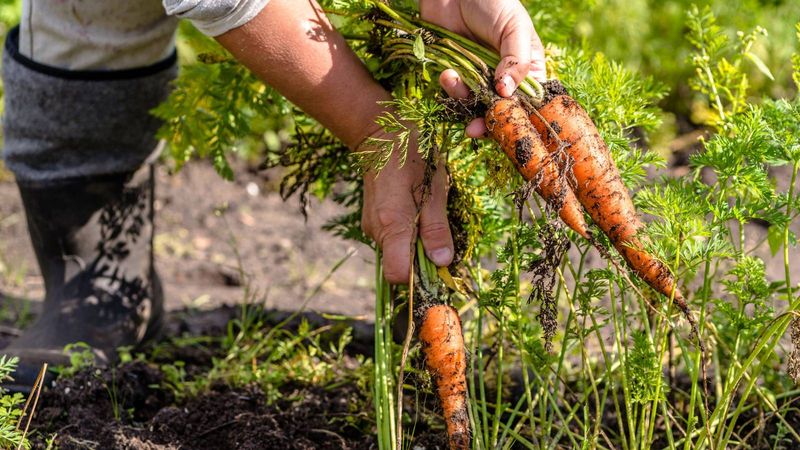
Patience pays off in a big way with fall carrots, which reward the wait with a sweetness summer roots rarely match. As the weather cools, the plants convert starches into sugars, so carrots pulled after a frost taste almost candy-like.
Their seeds are tiny and slow to sprout, sometimes taking two or three weeks, so keep the soil surface consistently damp during that stretch. A light board or burlap laid over the row holds moisture and can speed things along; just remove it the moment green shoots appear.
Forked or stubby roots usually trace back to rocky, compacted soil or fresh manure, so loosen the bed deeply before sowing. Thin the seedlings to a couple inches apart, hard as it is to sacrifice them, because crowded carrots stay skinny.
One of the best parts is that carrots store themselves right in the ground. Mulch heavily once cold sets in and you can dig sweet roots as needed for weeks. Shorter Nantes and Danvers types mature faster, making them smart picks when you are getting a slightly late start.
6. Beets
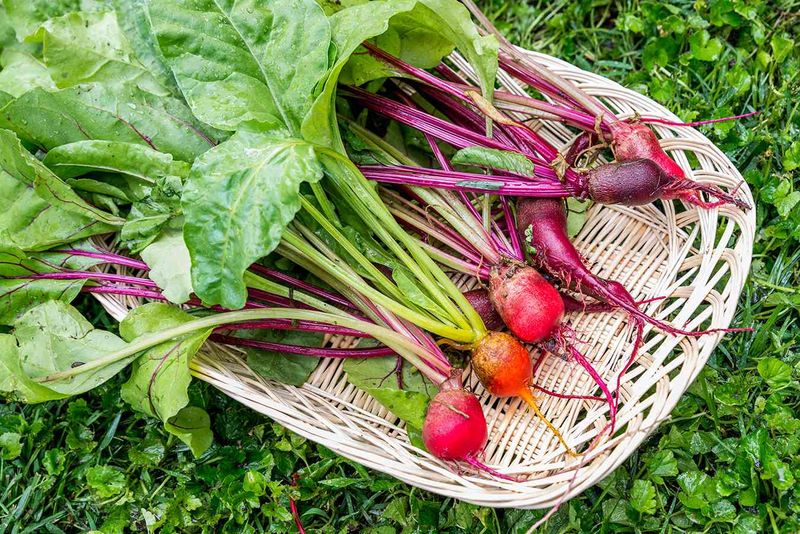
Two crops from one planting is the quiet magic of beets. You get sweet, earthy roots below ground and a bonus of tender, nutritious greens up top, which means nothing goes to waste when you tuck these into an autumn bed.
Each knobby beet seed is actually a cluster, so expect several seedlings to pop up from one spot. Thin them early to a few inches apart, and toss the pulled sprouts into a salad rather than the compost.
Cool weather brings out their best flavor, softening the earthiness some people find too strong in summer. Keep the soil evenly moist to prevent tough, woody roots and pale rings inside.
Yellowing or spotted leaves can signal a boron shortage in the soil, which a bit of compost or a targeted amendment may help correct over time. Harvest the roots young and tender, around golf-ball to tennis-ball size, before they turn fibrous. Detroit Dark Red is a dependable classic, while golden and striped varieties add color to the plate and keep the fall garden interesting right through the cooling weeks.
7. Turnips
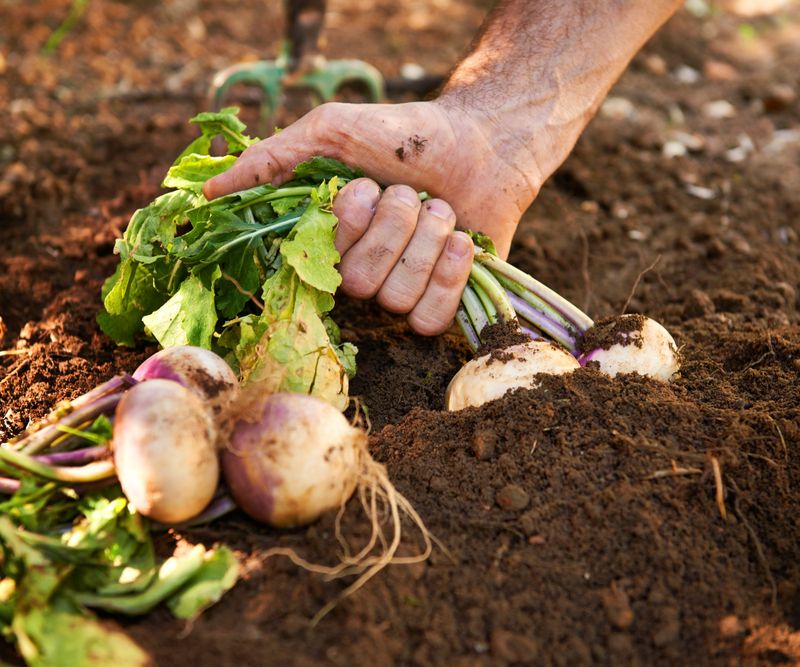
Underrated and overachieving, turnips deserve a comeback in the fall garden. Fast, hardy, and generous, they give you a mild root and a heap of cookable greens from a single quick sowing that shrugs off the season’s first chills.
Direct sow the seeds and thin the seedlings to about four inches apart once they get going. Growth is speedy, with some varieties ready to pull in as little as five or six weeks, which makes them forgiving if you are planting on the late side.
Cool temperatures keep the roots crisp and sweet rather than sharp and woody, which is exactly why fall turnips outshine spring ones. Flea beetles can pepper the young leaves with tiny holes, and a floating row cover early on may keep them from settling in.
Harvest the roots while they are small, roughly two to three inches across, for the best texture. Leave a few in the ground under mulch and they will hold surprisingly well. Both the peppery greens and the tender roots earn their spot on the autumn dinner table.
8. Swiss Chard
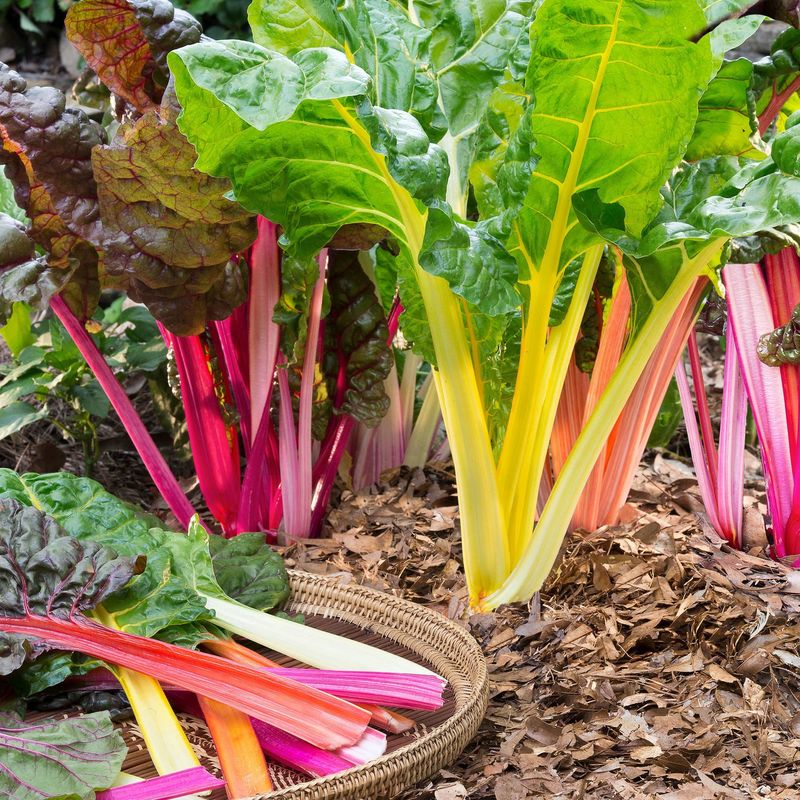
Talk about a workhorse that also happens to be gorgeous. Swiss chard throws up ribs in shocking shades of pink, yellow, and red, brightening a gray autumn garden while pumping out leaf after leaf for months on end.
Seeds germinate readily in warm late-summer soil, and the plants keep producing right through repeated light frosts. Space them about eight to ten inches apart and they will grow into sturdy, upright clumps.
Harvest by snapping off the outer stalks at the base, always leaving the young center leaves to keep the plant cranking. This cut-and-come-again habit means a small row can feed a household for a long stretch.
Leaf miners sometimes tunnel pale trails through the foliage, so pinch off and destroy affected leaves before the problem spreads. If leaves look pale overall, a light feeding of compost tea can often green them back up.
Chard tolerates cold better than most greens, and under a row cover it may push on toward winter in milder zones. Bright Lights and Fordhook Giant are two reliable choices worth seeding now for steady autumn color and nutrition.
9. Arugula
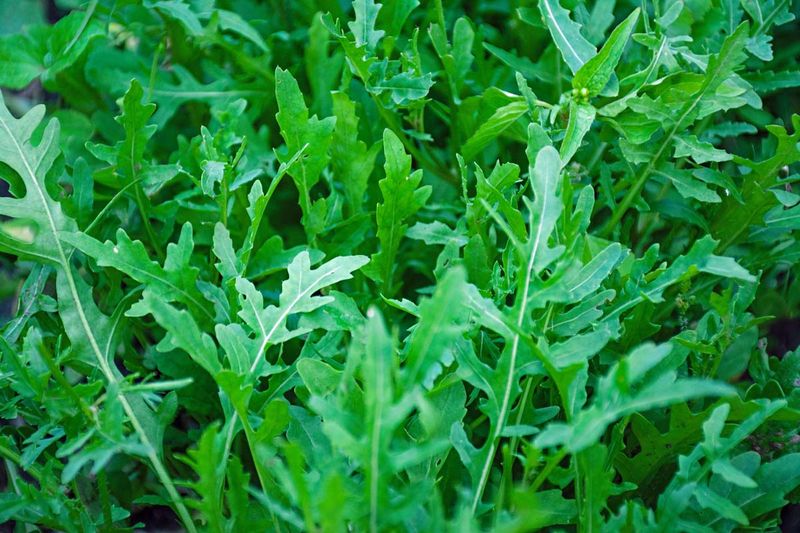
Peppery, fast, and almost impossible to mess up, arugula is the salad green that makes autumn planting feel effortless. It sprints from seed to harvest in about three to four weeks, so even a late start still lands you fresh leaves on the plate.
Broadcast the seeds over a small patch, cover them lightly, and keep the soil damp until sprouts appear. Cool weather is arugula’s happy place, taming the sharp bite that summer heat cranks up to nearly overwhelming levels.
Flea beetles adore young arugula and can riddle the leaves with pinholes, so a lightweight cover over the seedlings may spare them the worst damage. The plants usually outgrow minor nibbling once established.
Snip the outer leaves and the plant regrows for several rounds before it eventually decides to bolt. A quick succession sowing every couple of weeks keeps a steady supply coming through the fall. Because it is so cold-tolerant, arugula often becomes the last fresh green standing in the garden, delivering that spicy, nutty kick to your meals long after tender summer crops have quit for good.
10. Broccoli
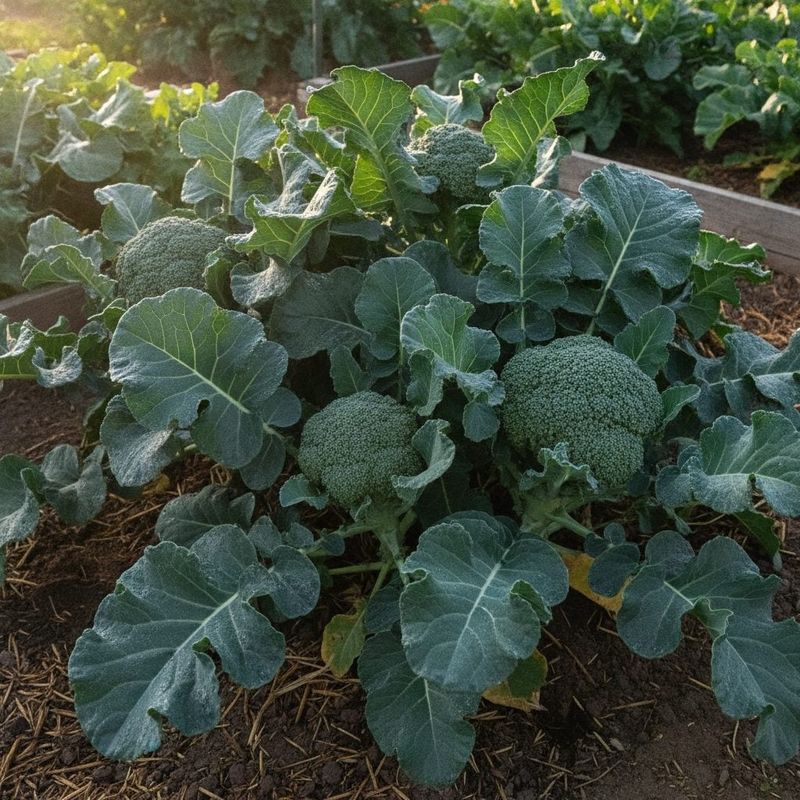
Fall broccoli tends to form tighter, sweeter heads than anything you can coax out of the spring garden. Cool, steadily dropping temperatures are exactly what this crop craves, keeping heads from bolting into loose yellow flowers too soon.
Since broccoli needs more time than most fall crops, starting with transplants gives you a real edge if the calendar is tight. Set them out about eighteen inches apart in rich, well-drained soil and keep the moisture even.
Cabbage worms are the classic troublemaker, chewing holes and leaving crumbly green droppings behind. Handpicking them and covering plants with fine netting can reduce the damage, and a spray containing Bt often helps when infestations get heavy.
Yellowing lower leaves may simply mean the plant is hungry, so a nitrogen-rich feeding usually greens things back up. Cut the central head while the buds are still tight and dark green.
The real bonus comes after that first cut, when many varieties push out smaller side shoots for weeks. Those tender little florets often add up to as much harvest as the main head itself.
11. Cilantro
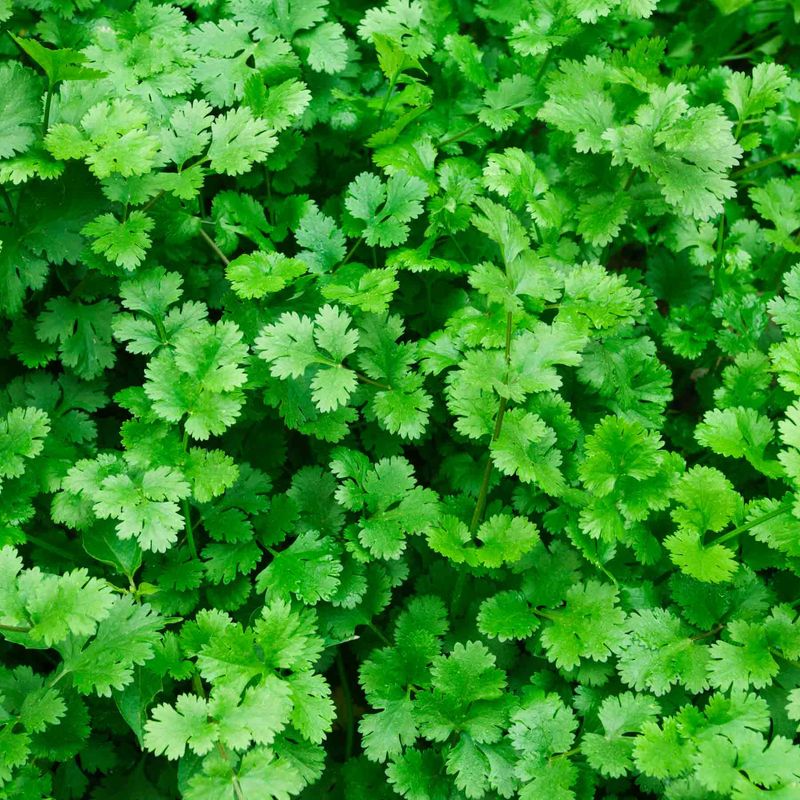
Cilantro and summer simply do not get along, which is why fall is its true moment to shine. Heat sends it bolting to seed almost overnight, but cool autumn air lets the plants stay leafy and productive for a satisfyingly long stretch.
Sow the seeds directly, since cilantro resents having its taproot disturbed by transplanting. Keep them lightly covered and evenly moist, and expect green shoots within a week or two of planting.
Once the plants are up, harvest the outer leaves regularly to encourage bushy new growth and delay flowering. Cutting often is genuinely the best defense against premature bolting.
If the leaves start looking feathery and thin, the plant is shifting toward seed, so let a few finish the job and you will earn a bonus crop of coriander to dry and store.
Cool temperatures also mean fewer pest problems than the summer herb bed usually faces. A quick succession sowing every couple of weeks keeps a fresh supply coming. Because cilantro handles a light frost well, it often flavors your cooking right up until the ground finally hardens.
12. Peas
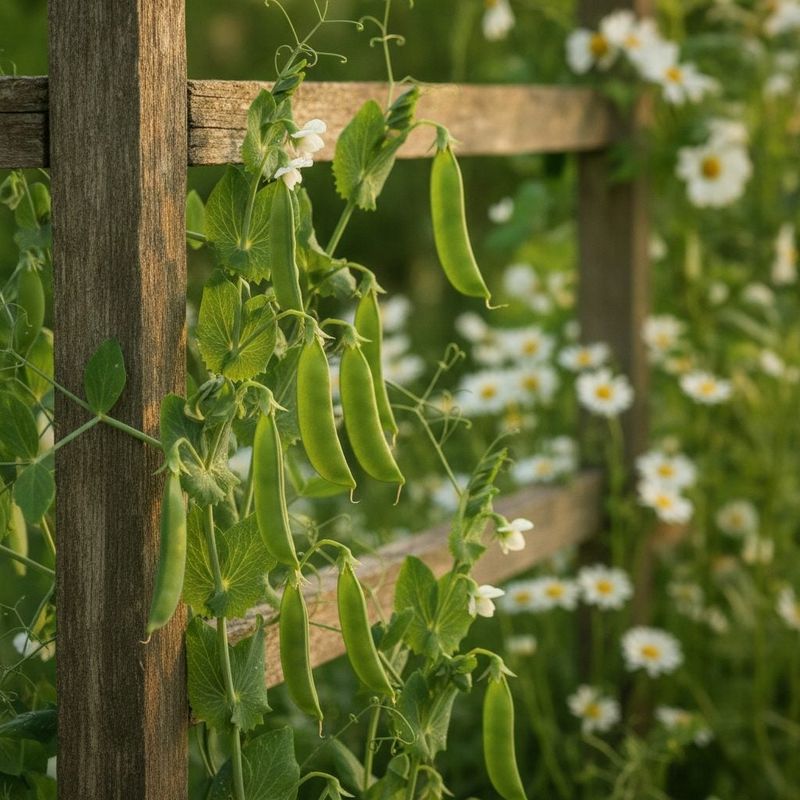
Most people think of peas as a spring crop and stop there, missing out entirely on a sweet autumn round. Planted now, they climb and flower in the cooling weather and deliver crisp pods before hard frost shuts things down.
Soak the seeds overnight to speed germination, then sow them a couple inches deep beside a trellis or netting for support. Snap and snow types tend to mature faster than shelling peas, making them the smarter bet for a fall timeline.
Powdery mildew can coat the leaves in a dusty white film when humidity lingers, so give the plants good airflow and water at the base rather than overhead. Removing the worst leaves early may slow its spread.
Yellowing vines sometimes point to soggy roots, so make sure the bed drains well and ease off watering if the soil stays wet. Pick the pods frequently, because regular harvesting signals the plant to keep producing more.
Cool weather keeps the sugars high and the pods tender, giving fall peas a crisp snap and sweetness that summer heat tends to steal away before you get a chance.
13. Bok Choy
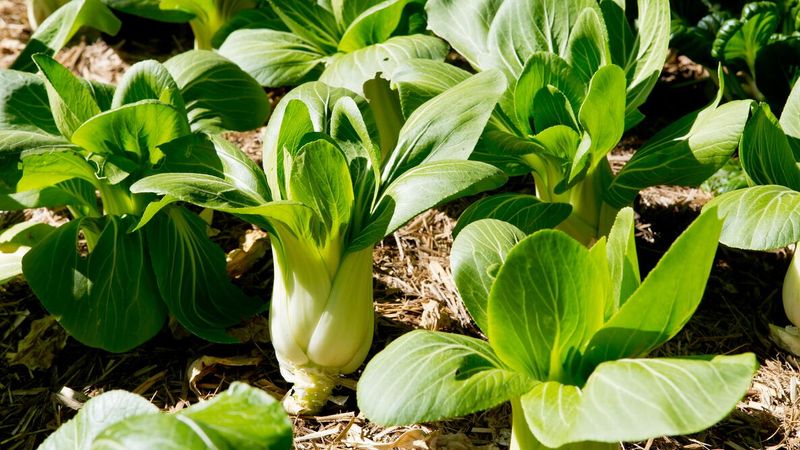
Quietly one of the fastest and most rewarding fall crops, bok choy fills out into crunchy, buttery heads in just over a month. Cool weather suits it perfectly, keeping the stalks succulent and slowing the bolting that summer heat triggers almost instantly.
Direct sow or transplant, spacing the plants about six inches apart for baby heads or wider for full-size ones. Steady moisture is the key to those juicy, thick stems, so never let the bed dry out completely.
Flea beetles and slugs both find young bok choy tempting, peppering leaves with holes or chewing ragged edges. A floating row cover early on may protect the seedlings, and hand-picking slugs after dark helps keep numbers down.
Should a plant suddenly send up a flower stalk, it has bolted from a warm spell or stress, so harvest it right away before the leaves turn bitter. Cool, consistent conditions largely prevent this.
Harvest whole heads by slicing at the base, or take outer leaves for a longer run. Crisp, mild, and quick, bok choy earns its place as a standout in the autumn garden.