
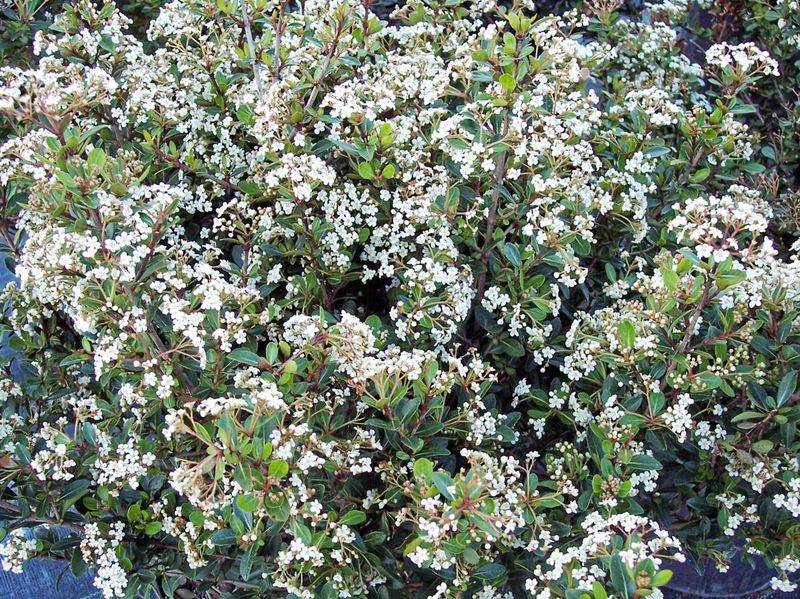
That hedge you keep trimming every few weeks might be a ligustrum, and depending on which species it is, replacing it could be one of the better landscaping decisions you make this year. Florida homeowners have a native option that holds a naturally dense shape with far less routine shearing when you pick the right compact cultivar. Before you grab the chainsaw, though, there are a few things worth checking first, starting with what you actually have growing in your yard.
Identify the privet before deciding to remove it
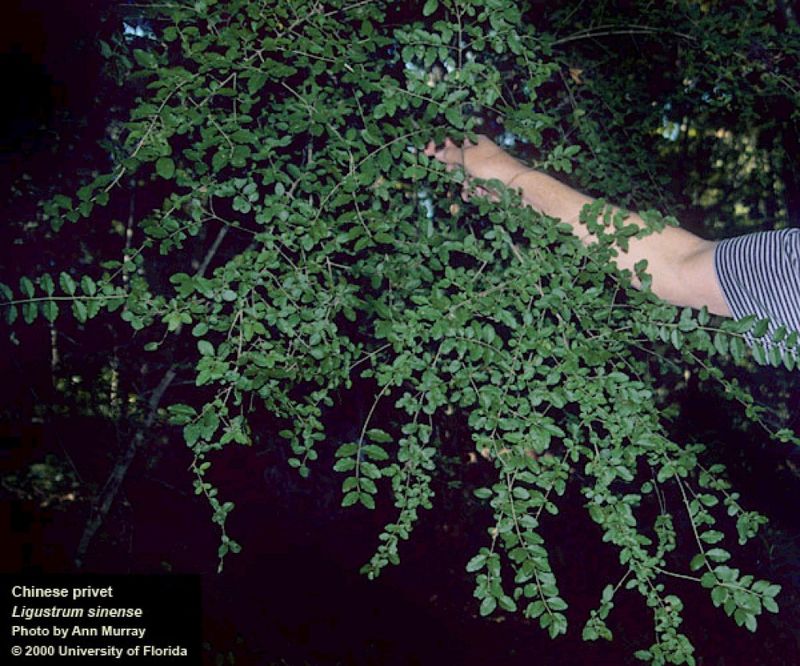
Florida landscapes contain several different Ligustrum species, and they are not all the same plant with the same assessment. Chinese privet (Ligustrum sinense) carries the most serious documented concern: the Florida Department of Agriculture and Consumer Services lists it as a noxious weed, with documented spread into natural areas. Glossy privet (Ligustrum lucidum) carries a different regional rating and is not automatically equivalent in terms of invasive concern statewide. Calling every ligustrum hedge equally invasive without knowing the species is an overstatement the evidence does not support.
Japanese privet, waxleaf privet, and California privet are also sold and planted across Florida, and their assessments vary. If you are not certain which species is growing along your fence line, take a cutting or clear photos to your county Extension office before deciding on removal or control methods. An uncertain identification should stay unresolved on paper until you confirm it, because the right removal approach and the legal standing of the plant can both depend on the species.
Even if you confirm the species, removal still needs to make sense for the site. Ask what height you need the finished hedge to reach, whether the existing plants are healthy or struggling, and whether there are utilities, structures, drainage features, or neighboring properties that complicate removal. Replacing a functional, well-behaved hedge purely because of a species name is a different decision than removing a documented invasive that is spreading into natural areas nearby. The hedge’s condition, your target height, and the site constraints should all factor into the choice before you commit to digging anything out.
Why compact Walter’s viburnum fits a shorter hedge
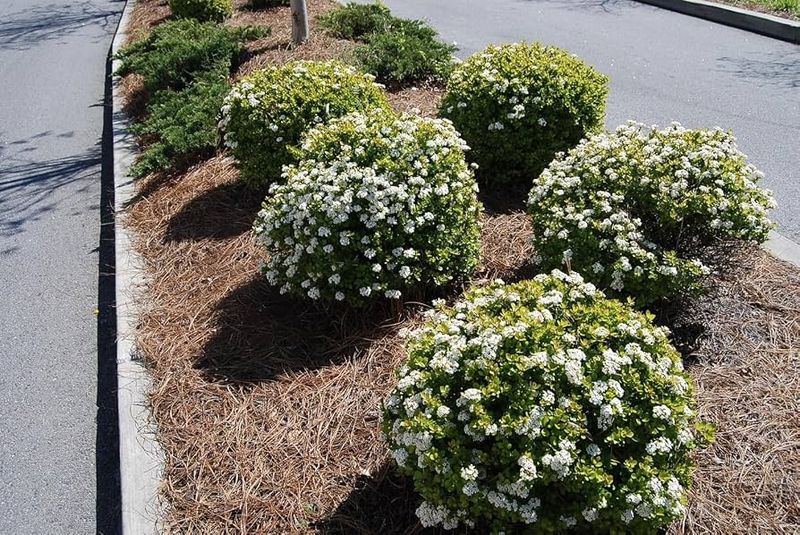
Walter’s viburnum (Viburnum obovatum) earns its place in this conversation because of what UF/IFAS actually says about it, not because of a vague native-plant endorsement. UF/IFAS Gardening Solutions describes Walter’s viburnum as having fine, dense foliage, being commonly pruned into a shorter screen or hedge, and being densely branched enough to form a tight thicket. That description matches the core problem Florida homeowners have with ligustrum: the constant shearing required to keep a loose-growing plant looking tidy. A naturally dense, fine-textured shrub starts the hedge job with an advantage.
The important word in the recommendation is “compact.” Standard Walter’s viburnum can grow into a large shrub or small tree, reaching heights well beyond what most homeowners picture when they think of a waist-to-shoulder-height privacy screen. Compact cultivars such as ‘Densa’ are the ones that deliver on the low-maintenance hedge premise, because their mature dimensions are documented to stay in a manageable range with little routine pruning. Buying an unspecified Walter’s viburnum seedling and expecting it to stay small is a gamble the nursery tag may not warn you about.
Secondary benefits add real value without overstating the plant’s role. Walter’s viburnum produces small white spring flowers that attract pollinators, and the berries that follow provide food and cover for birds and other wildlife. UF/IFAS recommended native plant guidance for Florida’s Treasure Coast includes Walter’s viburnum among regionally suitable native shrubs, reinforcing its broader applicability across the state. Those wildlife benefits are genuine, but they are a bonus on top of the hedge function, not the primary reason to plant it.
Buy the cultivar, not just the species
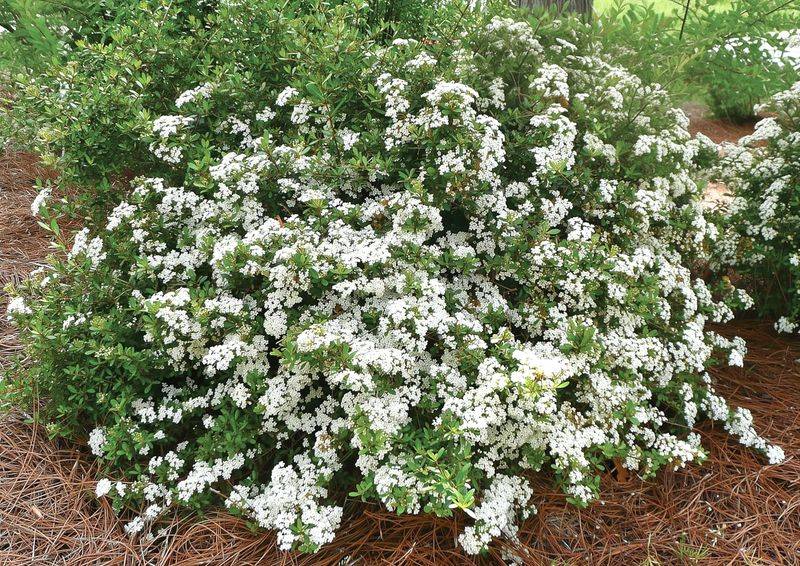
Walking into a nursery and asking for Walter’s viburnum without specifying a cultivar is the fastest way to end up with a plant that outgrows the hedge you planned. A UF/IFAS Nassau County Extension fact sheet on dwarf Walter’s viburnum makes clear that the compact cultivar is materially different from the standard species form, and that distinction is what determines whether the plant suits a modest hedge or eventually requires aggressive management to keep in bounds.
‘Densa’ is the most widely documented compact choice. UF/IFAS describes ‘Densa’ as compact, approximately 3 to 5 feet tall, and requiring little pruning, which makes it the most defensible starting point for a short-to-medium hedge. ‘Whorled Class’ is documented at roughly 5 feet tall and wide and is worth investigating when available at local nurseries. ‘Mrs. Schiller’s Delight’ and ‘Withlacoochee’ are additional compact cultivars that have been grown in Florida, though availability varies by region and season.
A 2025 UF/IFAS Santa Rosa County extension handout on dwarf Walter’s viburnum provides cultivar-level guidance on spacing and mature size that confirms the compact forms behave differently than standard plants. When you shop, read the tag completely: cultivar name, mature height, and mature width all need to match your intended hedge height and available space. If the tag says only “Walter’s viburnum” without a cultivar name, ask the staff specifically which form it is before buying. A plant labeled by species name alone could be a seedling of unpredictable mature size, and that uncertainty is exactly what you are trying to avoid by making this switch in the first place.
Match the plant to the Florida site
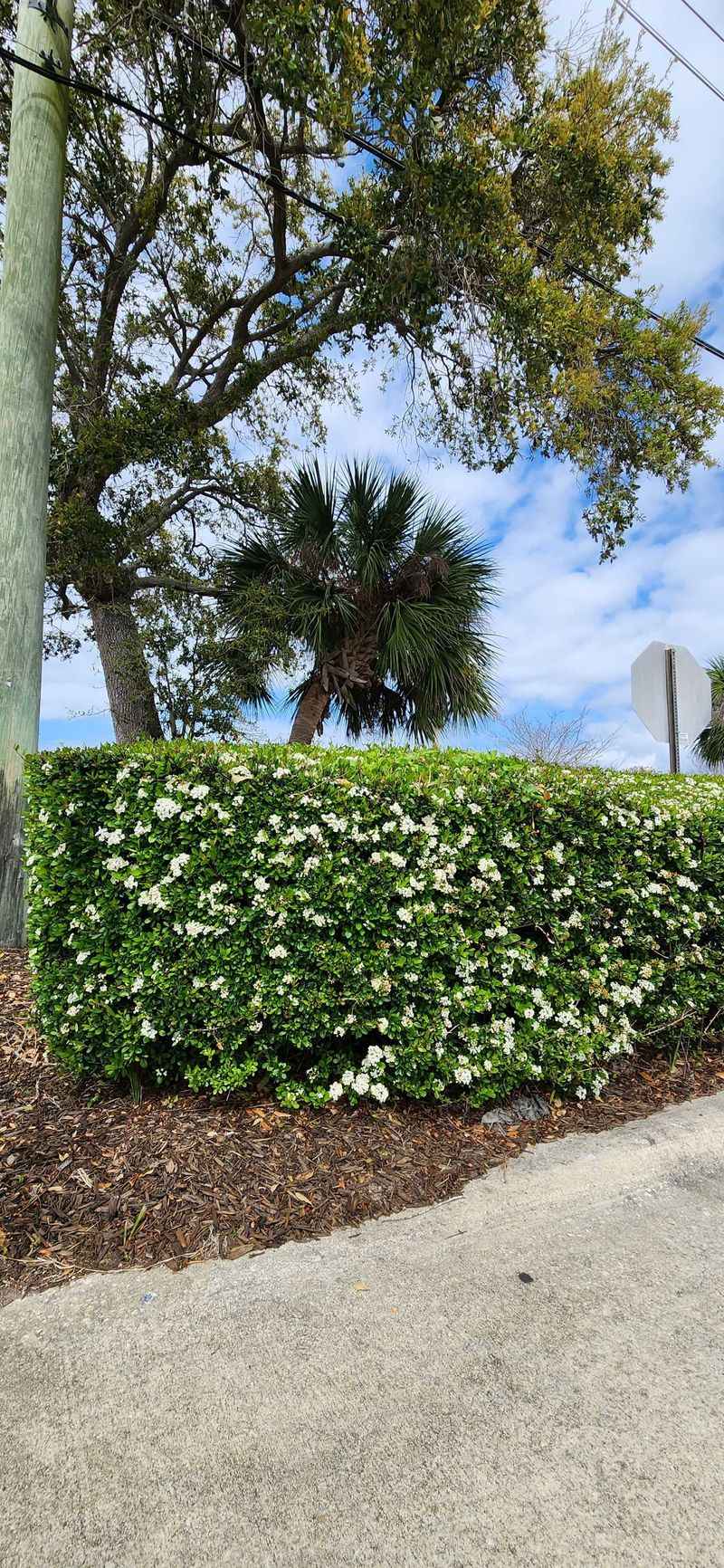
Soil and light tolerance are two of the stronger selling points for compact ‘Densa’ material. UF/IFAS extension documentation for dwarf Walter’s viburnum lists tolerance of full sun to part shade, and adaptability to sand, clay, and loam in well-drained conditions, along with good drought tolerance once the plant is established. That range covers a wide slice of Florida residential lots, from the sandy soils of the Panhandle to the clay-influenced areas of North and Central Florida.
Before buying, run through a quick site check. Does the area drain freely after a heavy rain, or does water pool for more than a day or two? Persistent standing water is a problem for most viburnum, and a hedge planted in a flood-prone spot will struggle regardless of the cultivar. Check coastal salt exposure too: Walter’s viburnum is not documented as a salt-spray-tolerant plant, so a hedge within direct spray distance of the coast may need a different species.
UF/IFAS planting guidance emphasizes matching mature size, soil type, light, drainage, and water needs to the specific site before committing to any plant.
For sites with heavy coastal salt exposure, a taller screen requirement, or more extreme drainage swings, yaupon holly (Ilex vomitoria) is a separate native option worth considering. UF/IFAS documents yaupon holly as tolerant of sand, clay, wet-to-well-drained soils, drought, salt, sun, and shade, with a low pruning requirement. However, standard yaupon can reach 15 to 25 feet and is not automatically a compact formal hedge plant, so the same cultivar-verification step applies. Neither species is a universal answer; the site conditions and your target hedge height should drive the final choice.
Remove an established privet with species-appropriate care
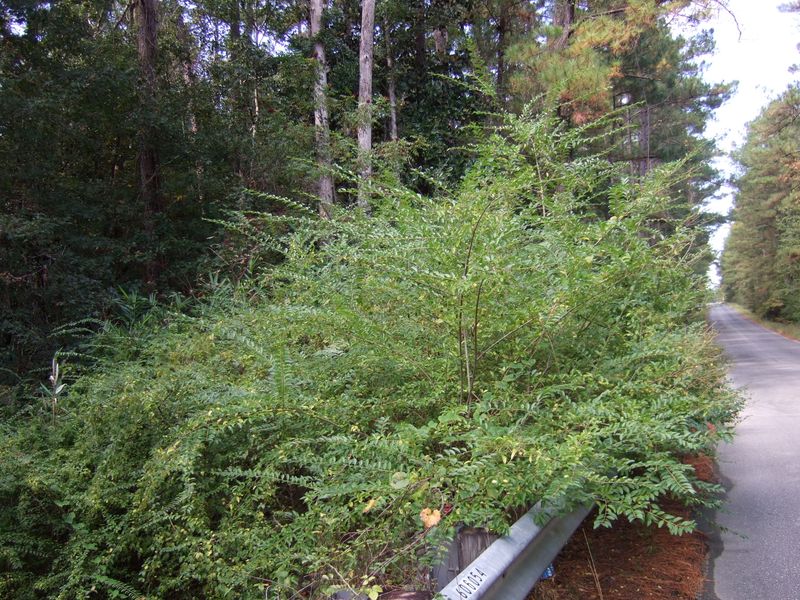
Cutting an established woody privet to the ground does not guarantee the plant is gone. Many established Ligustrum plants resprout vigorously from the root system after cutting, and the regrowth can come back faster than the original hedge grew. Florida Natural Areas Inventory documentation on Chinese privet describes it as a persistent plant that requires follow-up control after initial removal. The specific control method that works best depends on the species you have confirmed, so do not assume that what works on one Ligustrum applies to all of them.
Herbicide use after cutting can be part of an effective control strategy for invasive privet species, but it requires strict label compliance. FDACS guidance on Chinese privet connects control recommendations to that specific species. Avoid applying any herbicide near ponds, ditches, storm drains, wells, edible plants, or the root zones of desirable trees and shrubs. The product label is a legal document and the instructions on it are not optional.
When the hedge runs close to a water feature, a septic system, or a neighboring property, contact your county Extension office or a licensed applicator before doing anything beyond hand removal.
For large hedges or plants with extensive root systems, professional removal is often the safer and more complete approach. UF/IFAS recommends calling 811 before digging to locate underground utilities, and that step applies whether you are removing the old hedge or installing the new one. Roots from an established privet hedge can run deeper and wider than expected, and hitting a buried line during removal creates a problem far larger than a persistent hedge. Call 811, wait for the marks, and then proceed.
Treat fall as a workable window, not a statewide rule
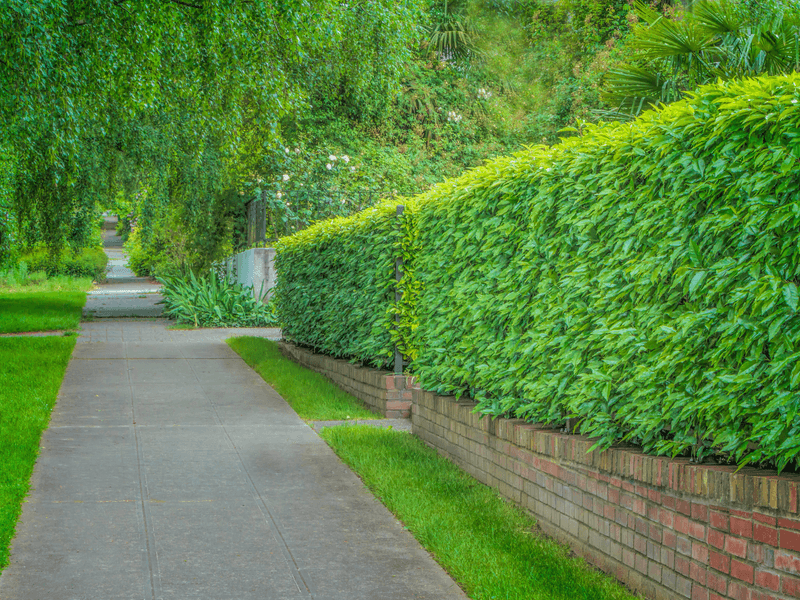
Fall planting works for some Florida homeowners in some years, but it is not the optimal window for everyone across the state. UF/IFAS establishment guidance states that shrubs can be planted in any season and that starting near the beginning of the local rainy season reduces irrigation demand during the critical establishment window. Florida’s rainy season typically runs from late May or early June through September, which means fall planting in most of the state lands in or near the dry season, not the wet one.
That timing gap matters because newly planted shrubs need consistent moisture while roots expand into the surrounding soil. UF/IFAS planting guidance is clear that hot, dry, or sunny conditions slow establishment and increase the risk of transplant stress. A hedge planted in October or November in Florida can do well if you have irrigation in place and commit to a consistent watering schedule, but the same hedge planted in May at the start of the rainy season may need far less supplemental water to reach the same milestone.
Fall does offer a real benefit in North and Central Florida: cooler temperatures reduce heat stress on newly planted material and can make the establishment period more forgiving than planting in the middle of summer. UF/IFAS drought guidance reinforces that water access during establishment is the deciding factor, not the calendar month. If you have a reliable irrigation source and can commit to the watering schedule, fall is a workable window. If you cannot provide consistent establishment care right now, waiting until late spring is a reasonable choice that does not require a compromise on the plant selection.
Plant and space the replacement for long-term growth
Before a single shovel goes into the ground, call 811 to have underground utilities marked. That call is free, and skipping it is how homeowners accidentally cut irrigation lines, fiber cables, or gas lines while removing the old hedge or digging new planting holes. Once the marks are in place and you know what is below the surface, the installation sequence is straightforward.
UF/IFAS planting guidance calls for a hole at least 1.5 times wider than the root ball, with the shrub set level with or very slightly above the surrounding soil grade. Setting the plant too deep is one of the most common planting mistakes in Florida, and it tends to cause slow decline rather than an immediate visible problem. Backfill with the native soil that came out of the hole; do not add compost or amendments directly into the planting hole. UF/IFAS shrub planting research specifically warns that organic amendments in Florida’s sandy soil and heavy rainfall conditions can break down, creating settling issues and air pockets around the roots.
Mulch goes on after planting, not in the hole. Apply roughly 2 to 3 inches of mulch over the root zone, keeping it pulled back from the stem and away from direct contact with the root ball. Mulch that piles against the stem traps moisture and encourages rot. For spacing, follow the mature width of the cultivar you purchased.
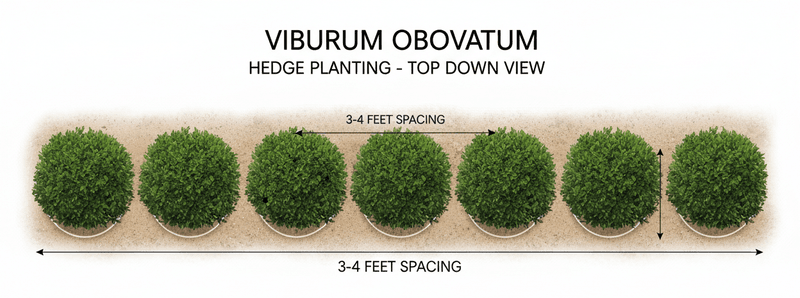
UF/IFAS extension documentation for ‘Densa’ lists approximately 3 to 4 feet as a spacing guide for that specific cultivar. If you are planting a different compact cultivar with a wider mature spread, adjust the spacing to match. Crowding plants to fill in the hedge faster creates long-term competition and a hedge that is harder to manage, not easier.
Expect less routine shearing, not a maintenance-free hedge
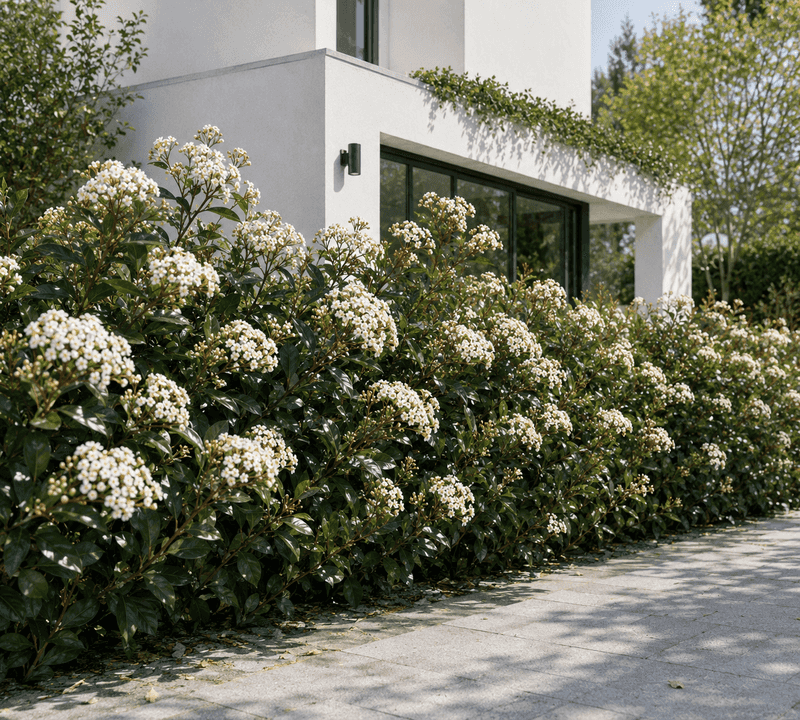
A correctly chosen compact cultivar of Walter’s viburnum can hold a dense, tidy appearance with far less routine shearing than a standard ligustrum hedge typically demands. UF/IFAS describes Walter’s viburnum as densely branched and tolerant of shearing, and compact forms are documented as requiring little pruning to maintain their shape. That is a genuine reduction in routine maintenance compared to a fast-growing privet that needs trimming every few weeks to stay presentable. But “little pruning” is not the same as no pruning, and native status does not change that.
The hedge still needs consistent irrigation during establishment. UF/IFAS establishment guidance gives a general timeline of approximately 20 to 28 weeks for shrubs to develop enough root mass to handle normal Florida weather on their own. During that window, skipping irrigation during dry stretches can set back the plants significantly, and a stressed hedge in its first season is not a fair test of the cultivar’s long-term performance. Plan the watering schedule before you plant, not after.
After establishment, occasional shaping, dead-branch removal, and pest monitoring are still part of owning any hedge. UF/IFAS native plant guidance does not describe any hedge as maintenance-free, and the switch to a compact native cultivar should be understood as a reduction in routine labor rather than an elimination of it. One more thing worth stating plainly: a dense hedge is not a hurricane barrier. UF/IFAS firewise landscape guidance notes that dense shrub masses can present fire-continuity concerns, and no hedge should be promoted as storm-proof or fire-safe based on density alone.
The payoff here is a better-looking, lower-effort hedge, and that is a worthwhile goal on its own terms.
Use a site-based replacement decision
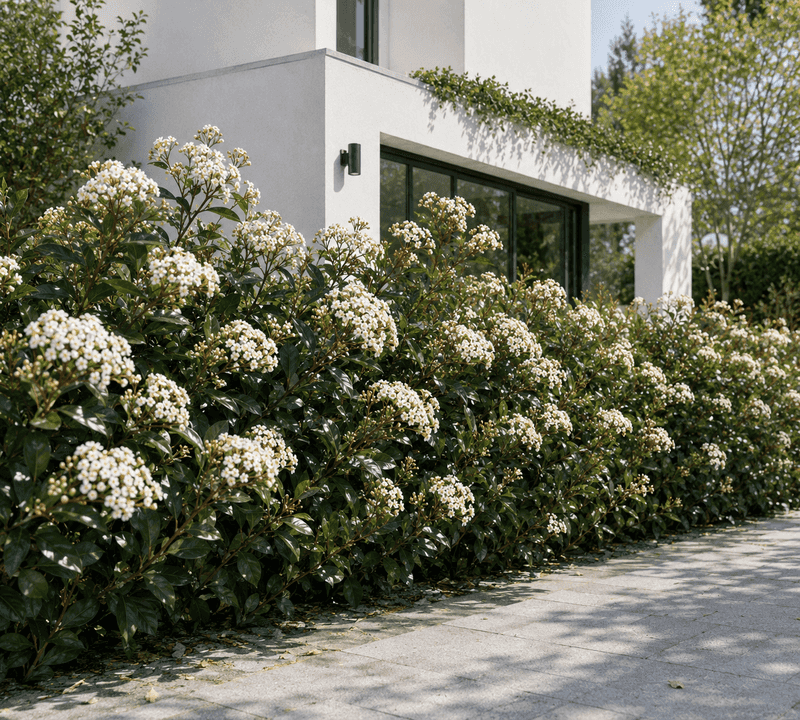
The replacement decision comes down to a short checklist. Identify the ligustrum species you have; confirm whether removal fits your site, your target hedge height, and your maintenance goals; then select a documented compact Walter’s viburnum cultivar whose mature height and width match the space. Remove the old hedge safely, following species-appropriate guidance and calling 811 before any digging. Plant only when you can provide consistent establishment irrigation for the full 20 to 28 weeks the new shrubs need to take hold.
UF/IFAS documentation on Walter’s viburnum and UF/IFAS planting guidance together support the core premise: when the cultivar fits the site and the planting is done correctly, a compact Walter’s viburnum hedge can deliver dense, fine-textured coverage with potentially reduced routine shearing. That is the honest payoff, and it is a meaningful one for homeowners tired of running the hedge trimmer every few weeks. Establishment care is the bridge between a good plant choice and a good hedge, and no cultivar skips that step.
This is not a universal replacement for every privet hedge in Florida, and fall is not the right moment for every homeowner. The right plant in the right place, removed and replanted with care, is the version of this project that actually delivers a lower-maintenance screen worth keeping.