
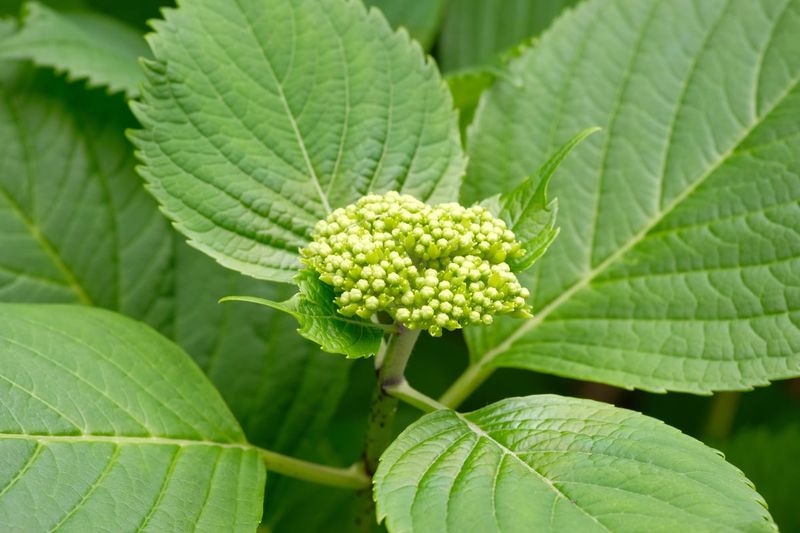
Few things are as frustrating as a hydrangea covered in lush green leaves that stubbornly refuses to bloom. You water it, you baby it, and still nothing but foliage. The good news is that a bloomless hydrangea is almost always fixable once you figure out what’s holding it back. Let’s walk through the eight most common culprits so you can finally get the flowers you’ve been waiting for.
1. You Pruned at the Wrong Time
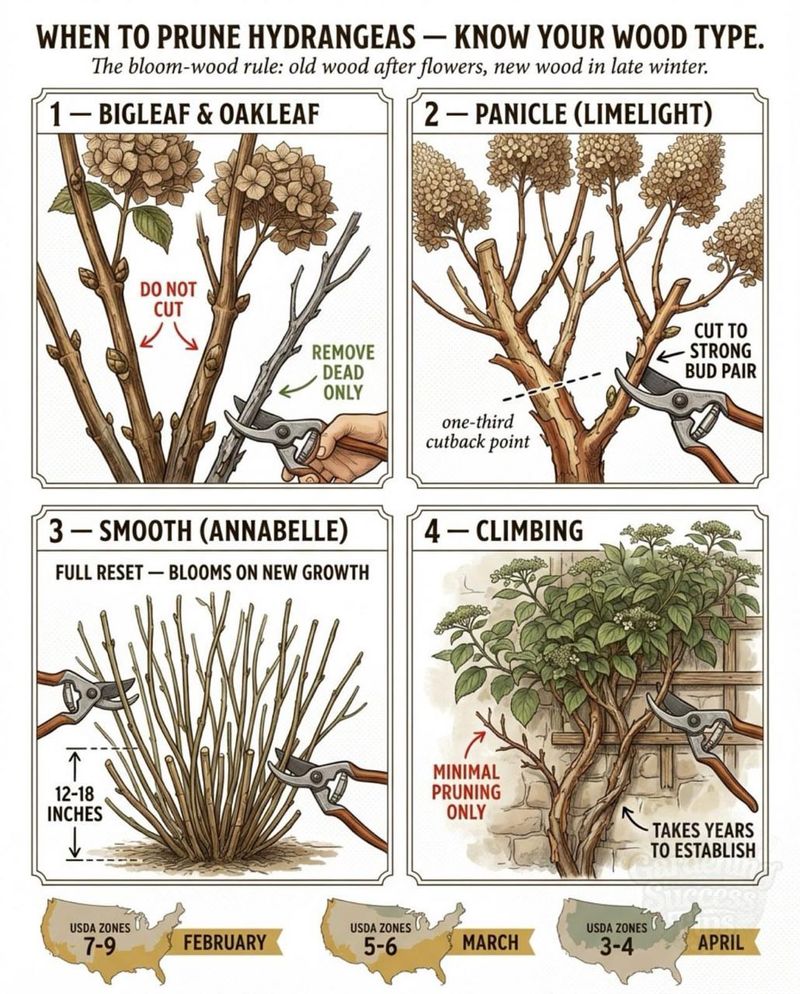
Snip, snip, oops. The single most common reason a healthy hydrangea skips flowering is a well-meaning pruning session done at the wrong moment. Many popular types, like bigleaf and oakleaf hydrangeas, set their flower buds on old wood the summer before they bloom.
Cut those stems back in fall, winter, or early spring, and you may be slicing off next year’s entire flower show without ever knowing it. All that new green growth you see afterward is the plant rebuilding leaves, not buds.
To avoid the mistake, learn which type you have first. Old-wood bloomers should only be trimmed right after they finish flowering in mid to late summer, giving them time to form fresh buds before dormancy.
If your plant blooms on new wood, such as panicle or smooth hydrangeas, late-winter pruning is usually safe and can even encourage stronger stems.
When in doubt, resist the urge to cut. Removing only dead or broken branches for a season often lets a confused shrub reset itself and bloom again the following year.
2. A Late Frost Zapped the Buds
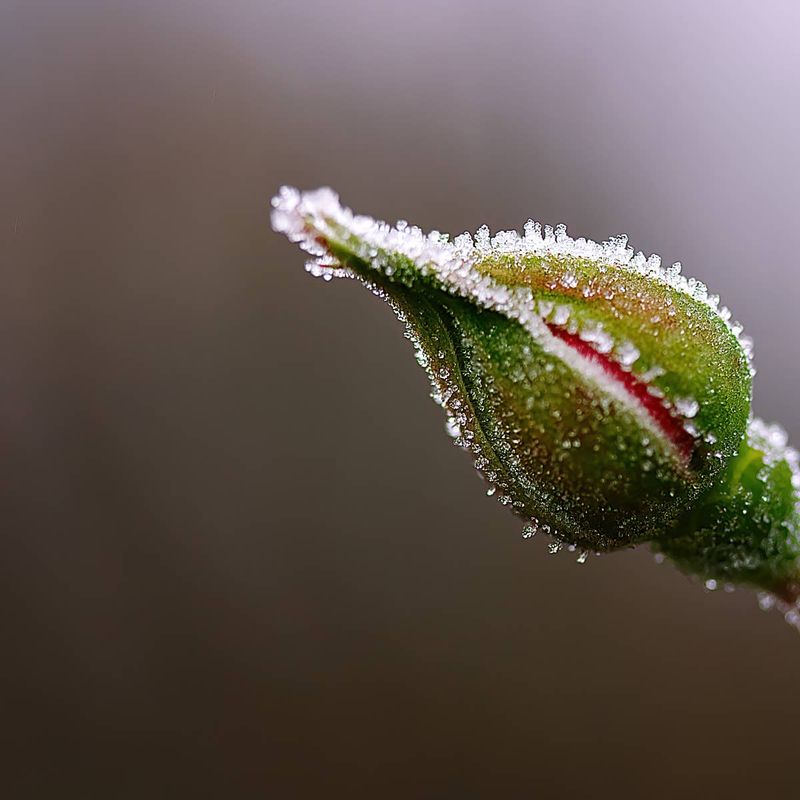
Picture a warm early-spring week that coaxes your hydrangea awake, followed by a surprise cold snap. That yo-yo weather is a bloom killer, especially for bigleaf varieties whose tender flower buds swell early and sit exposed on the stem tips.
One hard frost can turn those developing buds to mush while leaving the tougher leaf buds lower on the plant untouched. The result is a shrub that leafs out beautifully in May yet never produces a single flower.
You often cannot control the weather, but you can reduce the damage. Covering the plant with a light sheet, frost cloth, or even an overturned bucket on nights that dip near freezing may help protect the buds.
Planting in a spot shielded from harsh morning sun can also slow that risky early wake-up, giving buds a better chance to survive.
For gardeners in colder US zones, choosing reblooming or new-wood varieties is often the smartest long-term fix, since they can still flower even after a spring freeze nips the early growth.
3. Too Much Shade Is Starving the Flowers
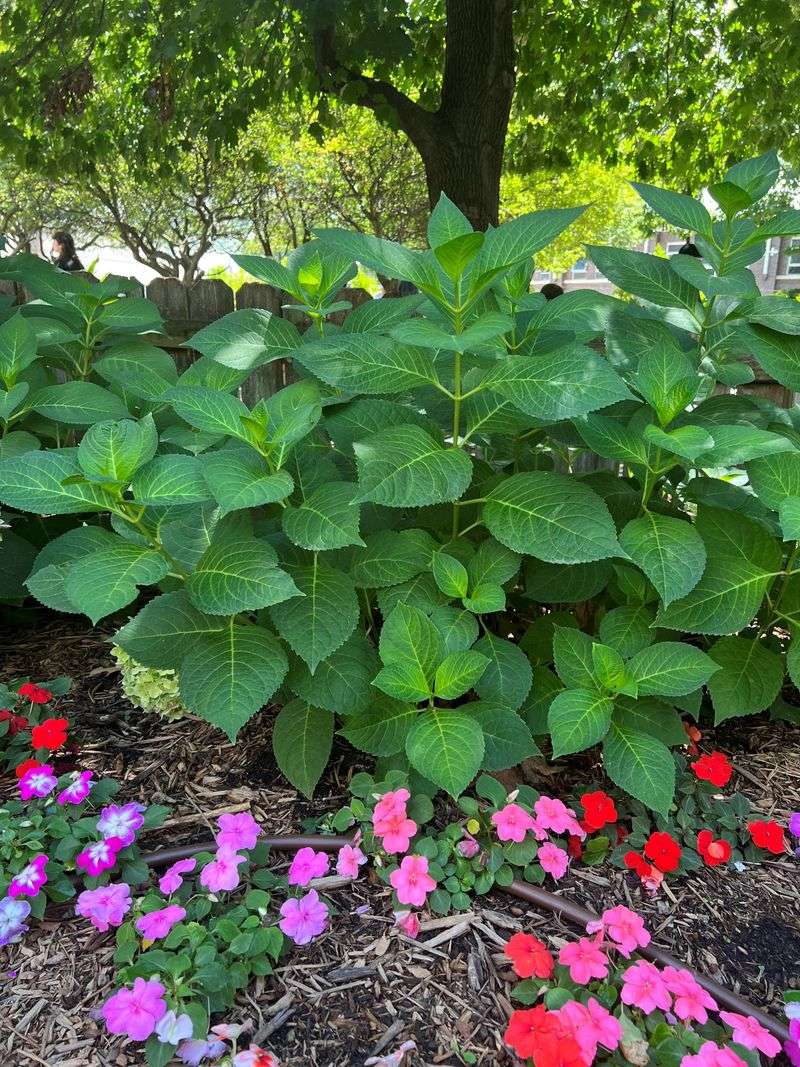
Hydrangeas have a reputation as shade lovers, and that half-truth traps a lot of gardeners. While these shrubs appreciate protection from brutal afternoon sun, they still need a good dose of light to fuel flower production.
Tuck one into deep, dim shade under dense trees, and it will happily grow leaves while quietly refusing to bloom. The plant simply cannot gather enough energy to build and open flowers.
Most types perform best with roughly four to six hours of morning sun followed by afternoon shade. If yours sits in gloom all day, thinning nearby tree branches to let in more light can make a real difference over time.
Relocating a young plant to a brighter spot is another option, ideally done in early spring or fall while it is not stressed by heat.
Watch how the sun moves across your yard before deciding. A location that looked sunny when you planted may have grown shadier as surrounding trees and shrubs filled in, slowly cutting off the light your hydrangea needs to flower.
4. You Overfed It With Nitrogen
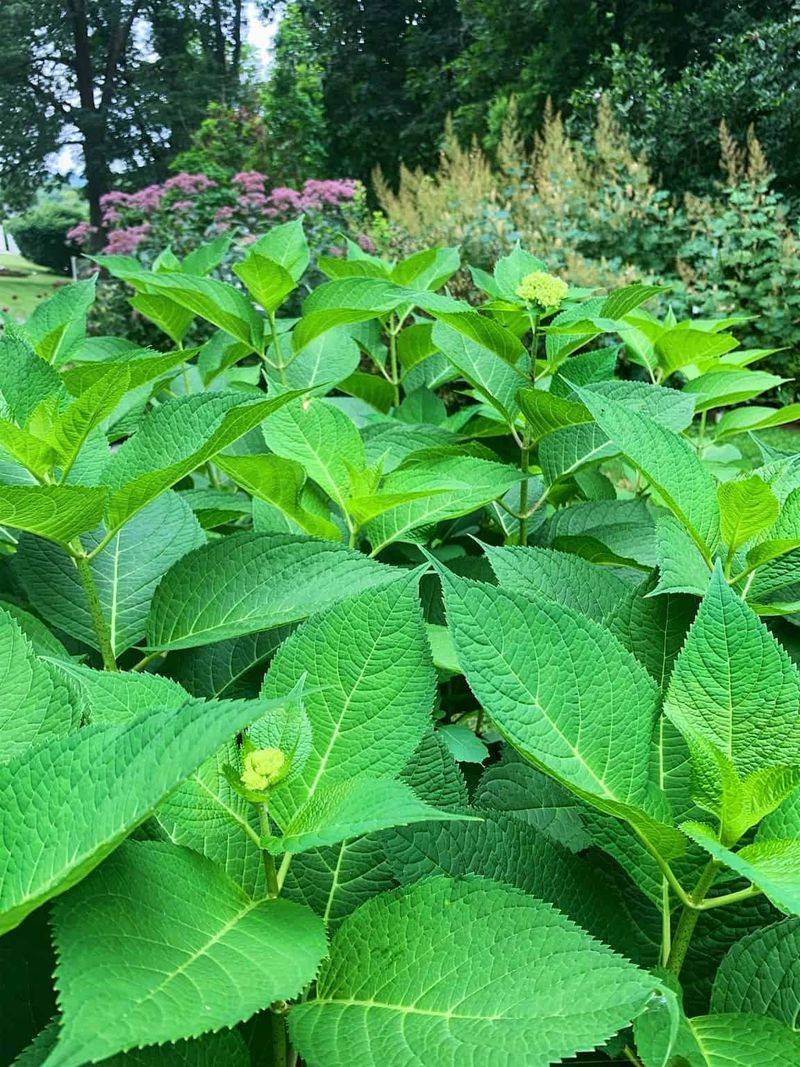
More fertilizer feels like more love, but your hydrangea might disagree. Feeding it a high-nitrogen product, or letting runoff from a nearby lawn feed reach the roots, pushes the plant to pump out leaves at the expense of blooms.
That is why some hydrangeas look almost tropically leafy yet stay stubbornly flowerless. Nitrogen fuels green growth, while flowering leans more on phosphorus and overall plant balance.
Check what you have been applying. Lawn fertilizers are especially nitrogen-heavy, and a hydrangea planted near the edge of a fed lawn can accidentally get a steady dose.
Switching to a balanced or bloom-focused fertilizer, applied lightly in spring, often helps redirect that energy toward flowers instead of foliage.
Go easy overall. A single modest feeding once the plant wakes up is usually plenty, and skipping fertilizer entirely for a season can help a pampered, overfed shrub recalibrate.
Keep lawn feed away from the root zone too. Creating a mulched buffer between grass and shrub can reduce accidental nitrogen exposure and give blooms a fighting chance.
5. Deer or Critters Are Nibbling the Buds
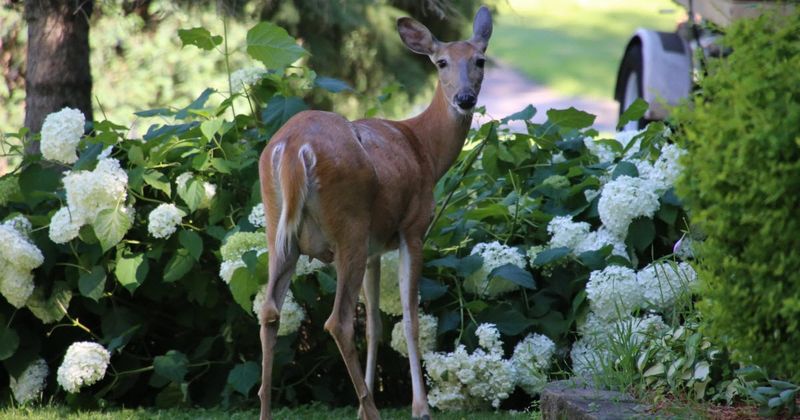
Ever notice your hydrangea looks tidy but oddly flat on top? Hungry deer may be treating it like a salad bar, quietly munching the tender bud-bearing stem tips overnight while you sleep.
Because deer often nip the newest, softest growth, they can strip away next season’s flower buds without leaving obvious damage. You are left with a leafy shrub and a mystery about the missing blooms.
Rabbits and other critters can do similar damage lower down, especially on young plants. Look for cleanly bitten stems and hoof prints in soft soil as telltale clues.
Fencing or netting around vulnerable shrubs is the most reliable defense during peak browsing seasons, particularly fall and winter when other food grows scarce.
Scent-based repellents and motion-activated sprinklers may help deter visitors too, though hungry deer sometimes push through half-hearted barriers. Rotating a few methods tends to work better than relying on just one.
If deer pressure is heavy in your neighborhood, planting your hydrangeas closer to the house or inside a protected bed can dramatically improve their odds of holding onto those precious buds.
6. The Plant Is Simply Too Young
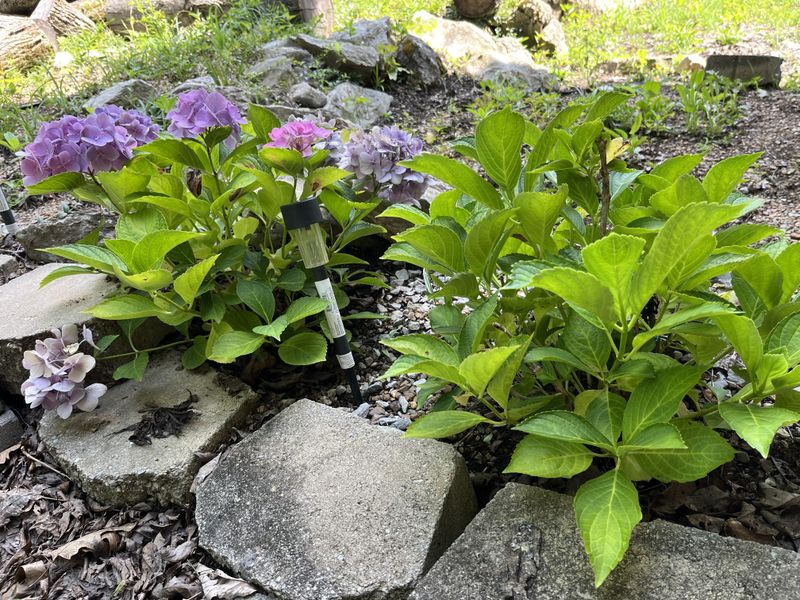
Patience is a hard sell when you want flowers now. Newly planted hydrangeas, especially small nursery starts or plants grown from cuttings, often spend their first year or two building roots and stems before they bother making blooms.
A young shrub pouring its energy into getting established underground can look perfectly healthy above ground while producing nothing but leaves. That is normal, not a failure.
Give a new plant time. Many hydrangeas need two to three growing seasons in the ground before they settle in and start flowering reliably.
During that window, focus on steady watering, decent soil, and gentle care rather than pushing it with heavy fertilizer, which tends to delay blooming even more.
Buying a larger, more mature plant from the start can shorten the wait if you are impatient for color.
Keep an eye on overall growth as your clue. If the shrub is expanding steadily each year and looking vigorous, blooms are usually just around the corner once it feels secure enough to flower.
7. Watering and Heat Stress Are Sabotaging Buds
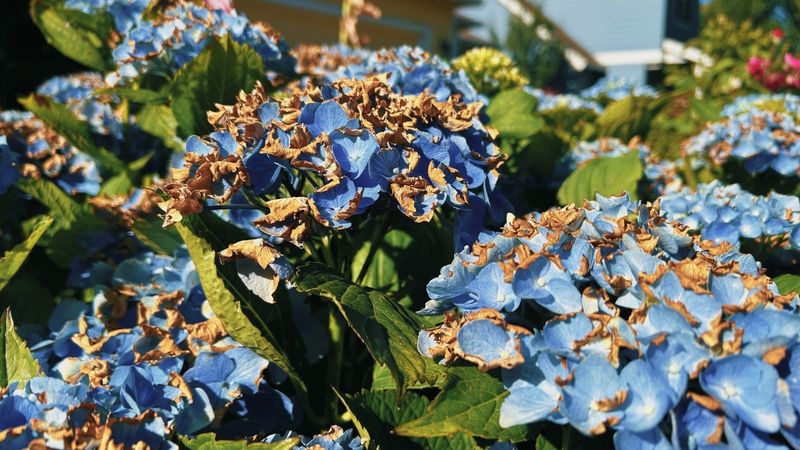
Wilting hydrangeas on a hot afternoon are practically a summer cliche, but the stress runs deeper than droopy leaves. When a plant is battling drought or scorching heat, it prioritizes survival over flowering and may abort developing buds to conserve moisture.
Erratic watering makes things worse, with soil swinging from bone-dry to soggy and confusing a plant that craves consistency. Chronic thirst can quietly cost you an entire season of blooms.
Aim for deep, regular watering that keeps the soil evenly moist but never waterlogged, especially during heat waves. A few inches of mulch around the base helps lock in moisture and keeps roots cooler.
Morning watering is generally better than midday, letting the plant hydrate before the sun peaks.
Site matters too. A hydrangea baking in full afternoon sun without enough water will struggle to bloom no matter how much you fuss over it, so a little afternoon shade can ease the pressure.
Steady care through summer often improves both leaf health and the odds of buds surviving long enough to open into flowers.