
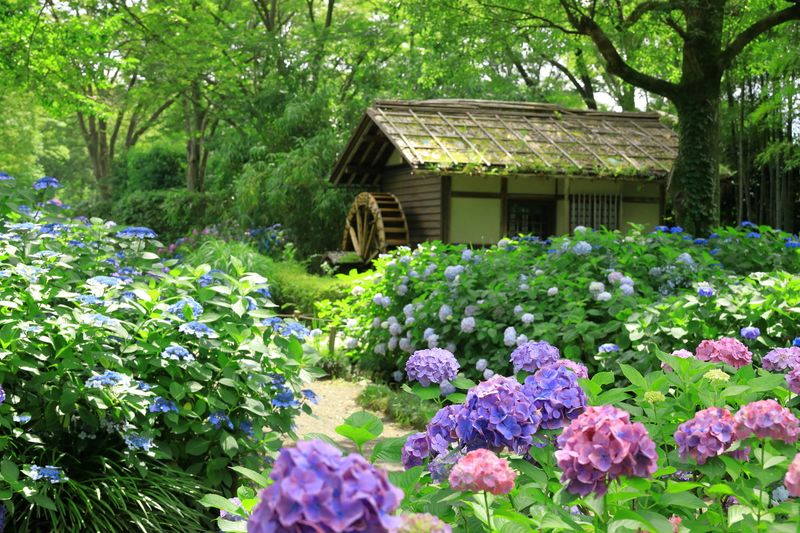
If your hydrangeas keep giving you sad, floppy stems and barely any flowers, the problem might not be your watering can. Sometimes the real trouble is location, plain and simple. Hydrangeas are picky about where they live, and planting them in the wrong spot can quietly ruin their blooms all season. Let’s walk through the ten places that either help your hydrangeas thrive or leave them struggling.
1. Morning Sun, Afternoon Shade
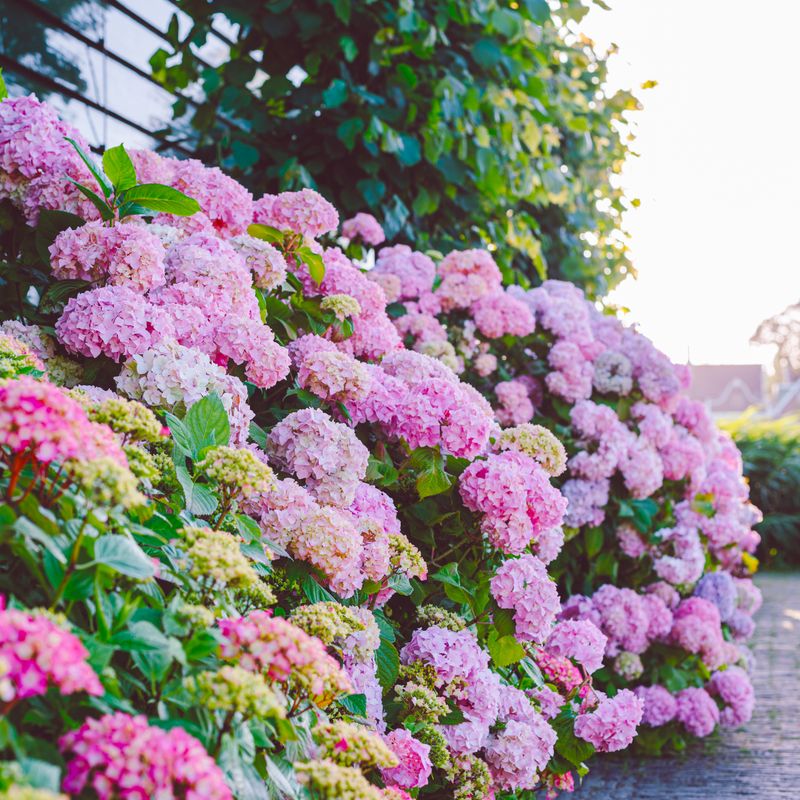
Picture a hydrangea sipping gentle sunlight at breakfast, then relaxing in cool shade by lunch. That rhythm is close to perfect for most types, and it often explains why some plants bloom beautifully while others just sulk.
Morning sun gives the plant enough energy to push out flowers, but the light stays soft enough that leaves and petals don’t scorch. By the time the harsh afternoon heat rolls in, your hydrangea is tucked under shade and protected from wilting.
An east-facing spot near a house, fence, or tall tree usually delivers this combination naturally. Watch how the light moves across your yard for a day before you dig, because guessing wrong can cost you a full season of blooms.
If your current hydrangea droops every afternoon and revives at night, too much late-day sun may be the culprit. Moving it to this kind of balanced spot can reduce stress and often improves both leaf color and flower count. Think of it as giving your plant the best seat in the house.
2. Against a North-Facing Wall
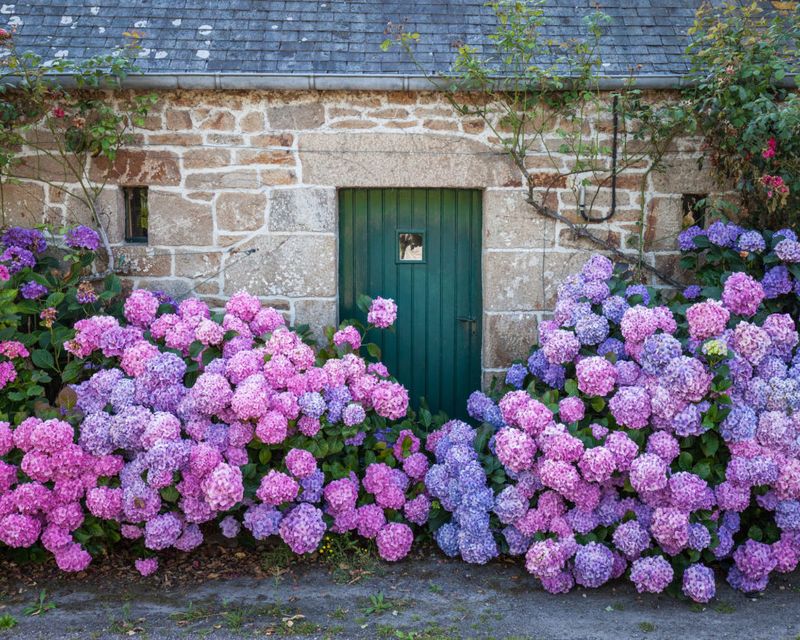
Gardeners often overlook the shady north side of the house, treating it like a forgotten corner. Yet that cooler, softer light can be a hidden goldmine for hydrangeas that hate baking heat.
A north-facing wall shields plants from the strongest midday and afternoon rays while still bouncing gentle brightness their way. The result is steady, even light without the roasting that fades petals and crisps leaf edges.
This spot works especially well in hotter US regions where summer sun can be brutal. Bigleaf and oakleaf hydrangeas often reward you here with richer color and blooms that last noticeably longer into the season.
Keep in mind that walls hold and release warmth, so the soil nearby may dry faster than open ground. Check moisture with your finger every few days and mulch generously to help lock water in.
If your hydrangea has been struggling in a sun-blasted bed, relocating it to a cool north wall can calm the daily wilting and give it room to recover its shape and flowering strength.
3. Under a Tall Tree Canopy
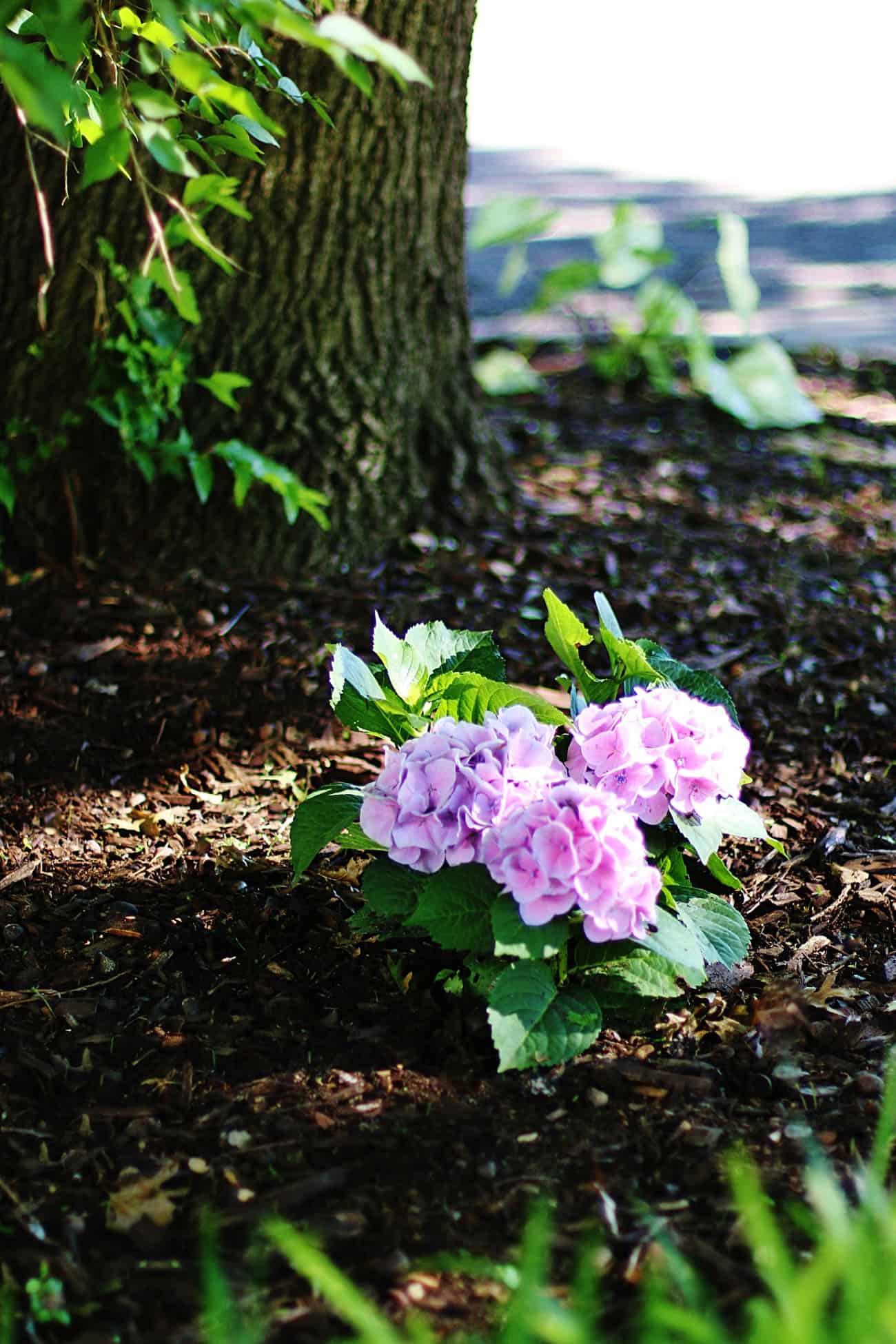
Woodland edges are where wild hydrangeas naturally thrive, so mimicking that setting at home just makes sense. A tall tree overhead creates dappled light that filters down like a soft, moving curtain.
That broken shade protects blooms from harsh rays while still letting enough light through to fuel flowering. The tree canopy also buffers temperature swings, keeping the ground cooler on scorching days.
There’s a catch worth planning around, though. Large tree roots compete fiercely for water and nutrients, and thirsty hydrangeas can lose that battle if you plant too close to the trunk.
Give your shrub a few feet of breathing room from the base of the tree, and enrich the soil with compost to feed both plants. Deep, consistent watering can reduce the strain of that underground competition.
Deer sometimes browse hydrangeas tucked near wooded areas, so a repellent spray or fencing may help protect tender buds. Positioned well, a spot beneath a leafy canopy often gives you healthier foliage and steadier blooms than an open, exposed lawn ever could.
4. Sheltered From Strong Wind
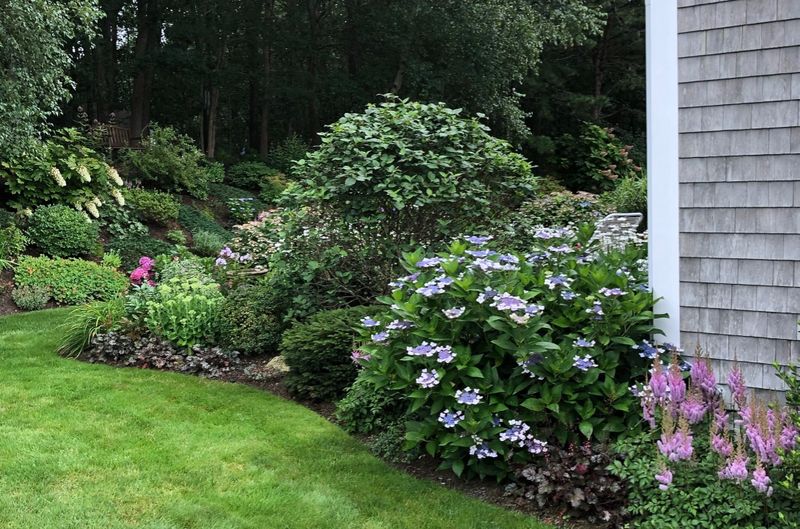
Wind is the silent bloom-wrecker that gardeners rarely blame. Strong gusts snap stems, shred those big leafy heads, and dry out soil faster than you’d expect, leaving your hydrangea battered and thirsty.
A protected pocket beside a fence, hedge, or building lets the plant hold its shape and keep its moisture. Calmer air also means the broad leaves lose less water, so the whole plant stays hydrated and less stressed during heat.
Coastal and open prairie yards feel this problem most, where nothing slows the breeze before it hits your beds. If your hydrangea’s flowers keep flopping or browning at the edges, wind exposure may be quietly draining it.
Look for a corner where two structures meet or plant behind an existing shrub row to create a natural windbreak. Just avoid trapping the plant in a dead-air pocket with no airflow at all, since a little movement helps prevent mildew.
Finding that balance between shelter and gentle circulation can reduce broken stems and often improves how long your blooms stay picture-perfect.
5. Well-Draining Soil, Not Soggy Ground
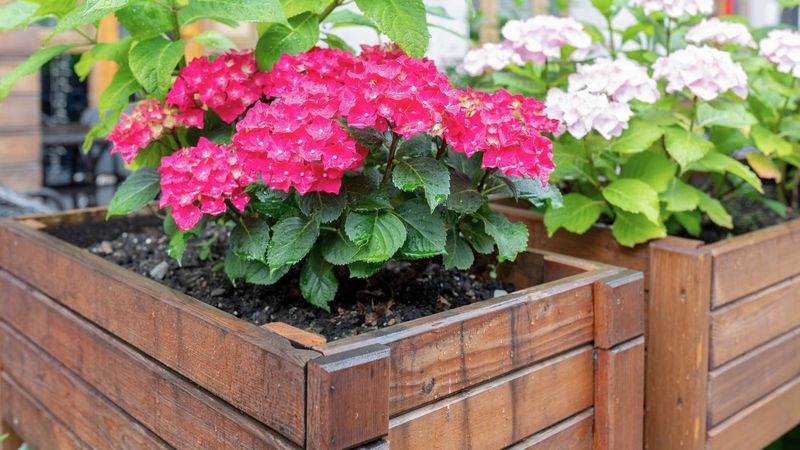
Root rot is the enemy nobody sees coming until the leaves start yellowing and the whole plant wilts for no obvious reason. Constantly wet feet are usually to blame, and that traces straight back to where you planted.
Low spots where puddles linger after rain spell trouble for hydrangeas, which crave moisture but despise standing water. Their roots need air pockets in the soil, and waterlogged ground suffocates them slowly.
Before planting, dig a hole and fill it with water to see how fast it drains. If it sits for hours, that location may need raising, amending, or skipping altogether.
Mixing in compost or planting on a slight mound can help excess water escape while still holding enough for thirsty roots. Raised beds are a reliable fix for yards with heavy clay.
Should your existing hydrangea show mushy stems or a sour-smelling base, poor drainage is likely the cause, and moving it to higher, looser ground can often turn things around. Good drainage quietly protects both the roots and the blooms they support.
6. Away From Reflected Heat
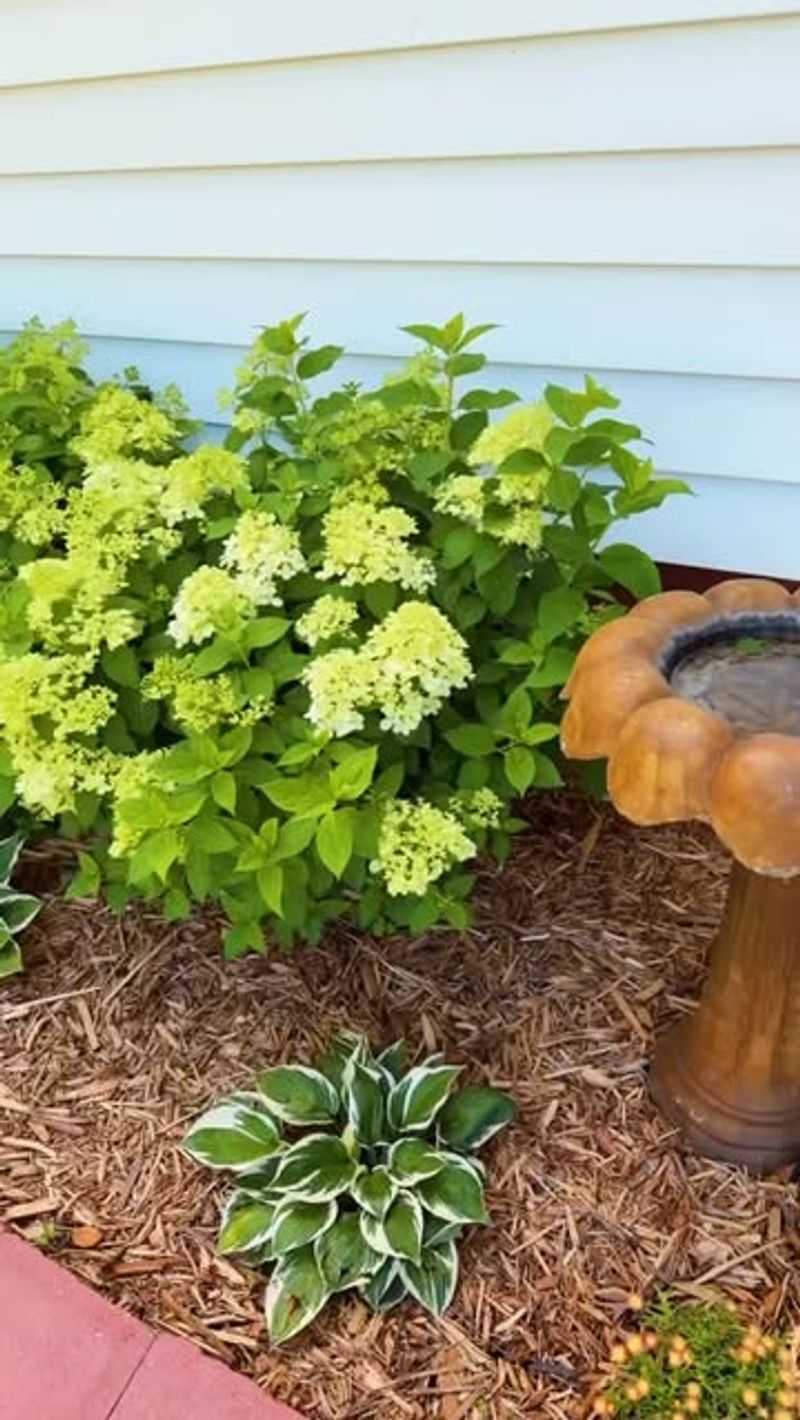
Ever notice how a spot near a driveway or brick wall feels like an oven in July? Hydrangeas notice too, and they hate it. Hard surfaces soak up sunlight all day, then radiate that heat right back onto nearby plants.
Concrete patios, paved paths, and light-colored walls create scorching microclimates that fade flower color and crisp leaf tips. A hydrangea that wilts by noon in such a spot isn’t necessarily short on water; it’s simply cooking.
Move your planting a few feet away from these heat-reflecting surfaces and you’ll often see the difference within weeks. The plant can breathe, hold moisture longer, and keep its blooms vivid instead of bleached.
If relocating isn’t possible, a nearby shrub, trellis, or shade cloth can block some of that bounced-back warmth. Heavy mulch also keeps the root zone cooler and steadier.
Watch your yard on a hot afternoon and feel where the air turns stuffy near walls or pavement. Steering clear of those pockets can reduce daily stress and help your hydrangea look fresh through summer’s worst.
7. Close Enough to a Water Source
Thirst shows on a hydrangea faster than almost any other garden plant. Those giant leaves and flower heads gulp water, and a spot far from your hose or spigot practically guarantees you’ll skip watering when it matters most.
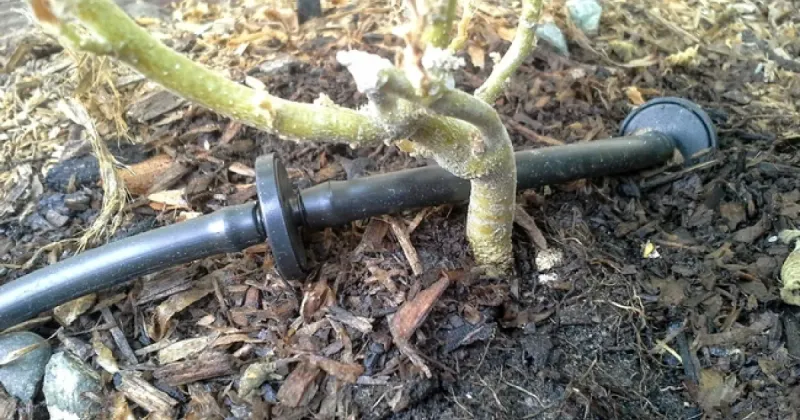
Planting within easy reach of a faucet or drip line makes consistent moisture realistic instead of a chore. During heat waves, hydrangeas may need a deep drink every day or two, and convenience keeps you from letting them slide.
Beds tucked at the far corner of a yard often get neglected simply because dragging a hose out there feels like too much. That gap in care usually shows up as droopy afternoons and fewer blooms.
Consider running a soaker hose or drip system to any distant planting so watering stays effortless. Grouping hydrangeas together also lets you water several at once.
A little planning around water access can reduce the wilting cycle that stresses roots and stunts flowering. When hydration is easy, you’ll actually keep up with it, and your plant will thank you with steadier, fuller blooms.
8. Deer-Protected Zones
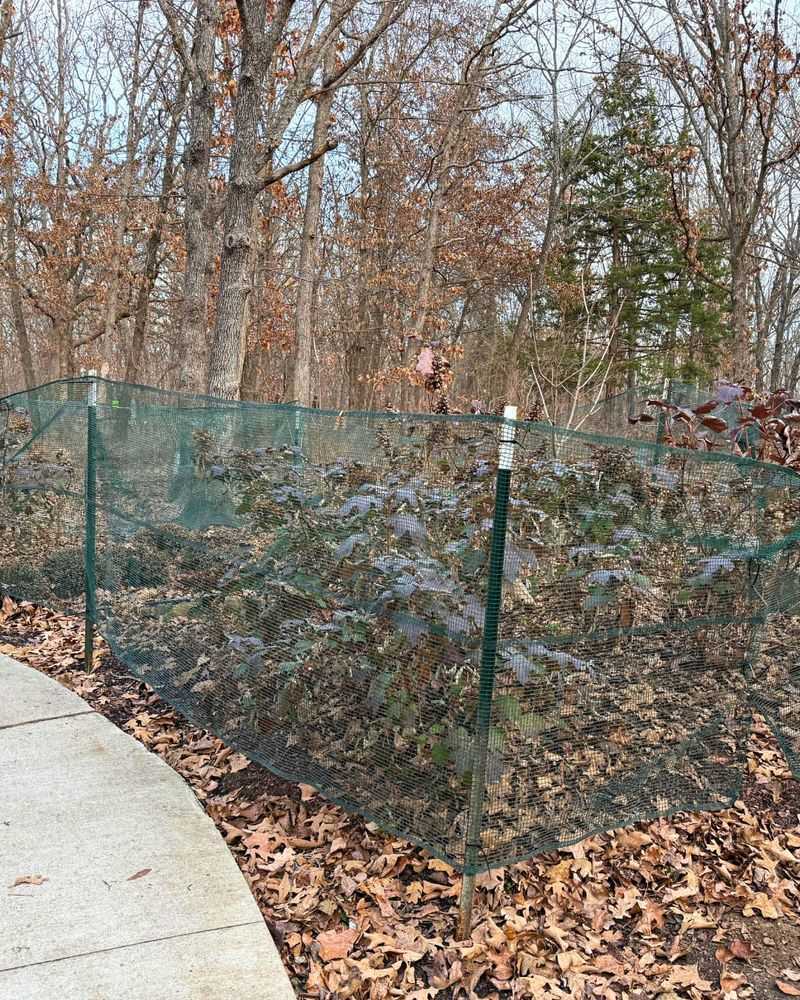
Nothing stings quite like walking outside to find your hydrangea buds nibbled clean off overnight. Deer treat tender hydrangea shoots and flowers like a buffet, especially in fall and winter when other food gets scarce.
Where you plant plays a huge role in whether deer even find your shrub. Beds close to the house, inside a fenced yard, or near high-traffic areas tend to see far less browsing than plants out along a wooded property line.
Suburban and rural gardeners in deer country know the frustration well. A hydrangea placed in an exposed, quiet corner near the forest edge is basically an open invitation.
Positioning your plant in a more sheltered, human-active spot can reduce visits, and adding a repellent spray or low fencing often helps discourage stubborn deer further.
Rotating scent-based deterrents may keep them guessing, since deer grow used to a single smell over time. No method is foolproof, but smart placement combined with a barrier gives your buds a real fighting chance to open into full, healthy blooms instead of becoming a midnight snack.
9. Matched to Your Soil pH
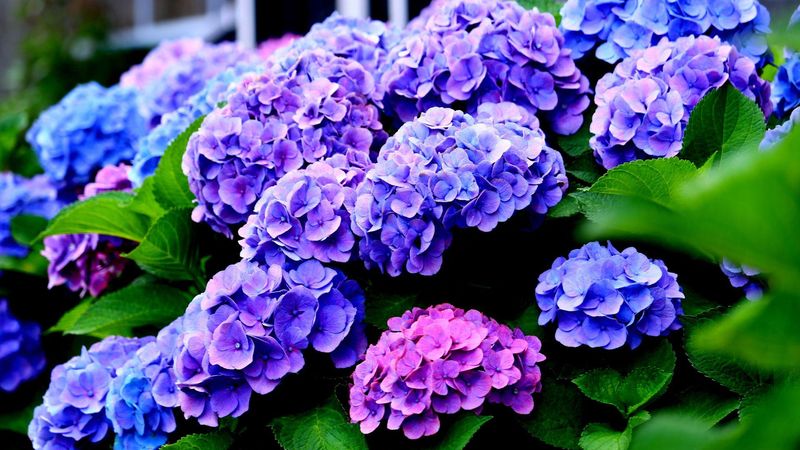
Here’s a fun bit of garden magic: the same bigleaf hydrangea can bloom blue in one yard and pink in another, all because of the dirt beneath it. Soil pH controls that color, and where you plant determines what pH your shrub gets.
Acidic soil below 6.0 tends to produce blue flowers, while alkaline soil above 7.0 pushes them toward pink. Neutral ground often lands somewhere in the middle with soft purples.
Different areas of your yard can actually vary in pH, especially near concrete foundations where lime leaches out and nudges soil alkaline. Plant a blue-loving hydrangea there and you may end up puzzled by pinkish blooms.
A cheap soil test kit reveals what you’re working with before you commit. If the reading doesn’t match your dream color, you can amend with sulfur for blue or garden lime for pink.
Choosing a planting spot with the right natural pH, or one you can easily adjust, saves you constant tinkering. Getting the ground right often improves both bloom color and overall plant vigor from the start.
10. Room to Grow Without Crowding
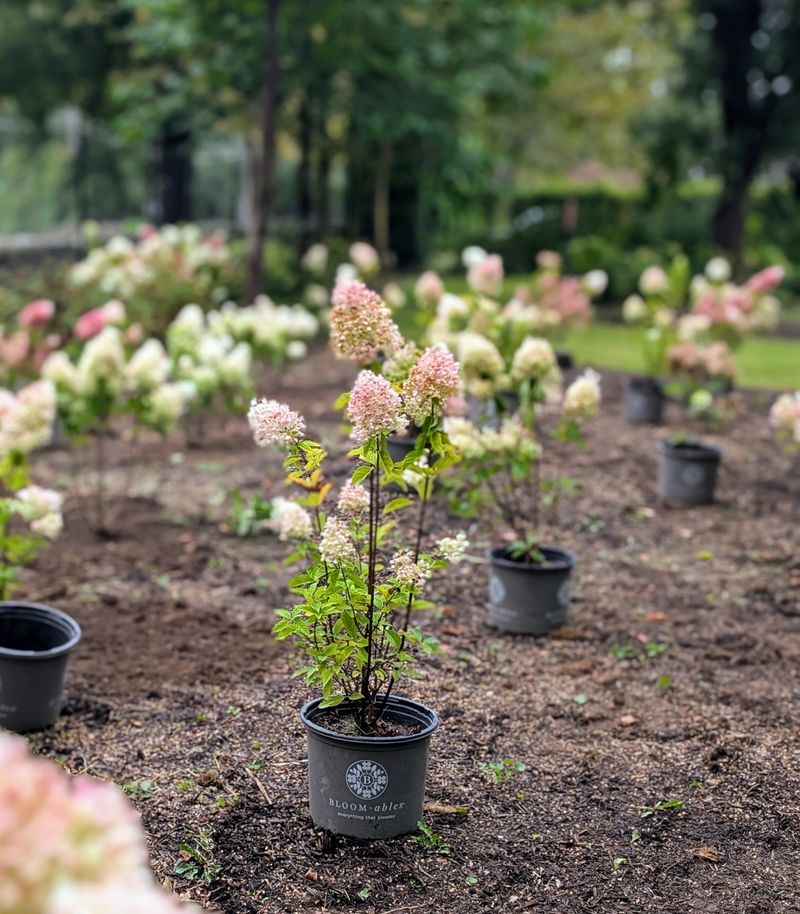
That cute little hydrangea from the nursery can balloon into a six-foot giant, and cramming it against the house or between other plants sets up years of headaches. Space is a spot decision people almost always underestimate.
Crowded hydrangeas fight their neighbors for light, water, and nutrients, and the loser usually stops blooming well. Poor airflow between tightly packed plants also invites powdery mildew and leaf spot, which can dull those flowers fast.
Check the mature size on your plant’s tag and give it that full footprint from the start. Leaving a few feet on every side lets air move freely and keeps leaves drying quickly after rain.
Planting too near a foundation causes another problem, since the shrub eventually presses against siding and gets awkward, uneven pruning that ruins its shape.
If an existing hydrangea looks cramped and refuses to flower, thinning nearby plants or transplanting it to open ground can reduce competition and often revives blooming. Giving your hydrangea elbow room from day one is one of the simplest ways to guarantee it stays healthy and full.