
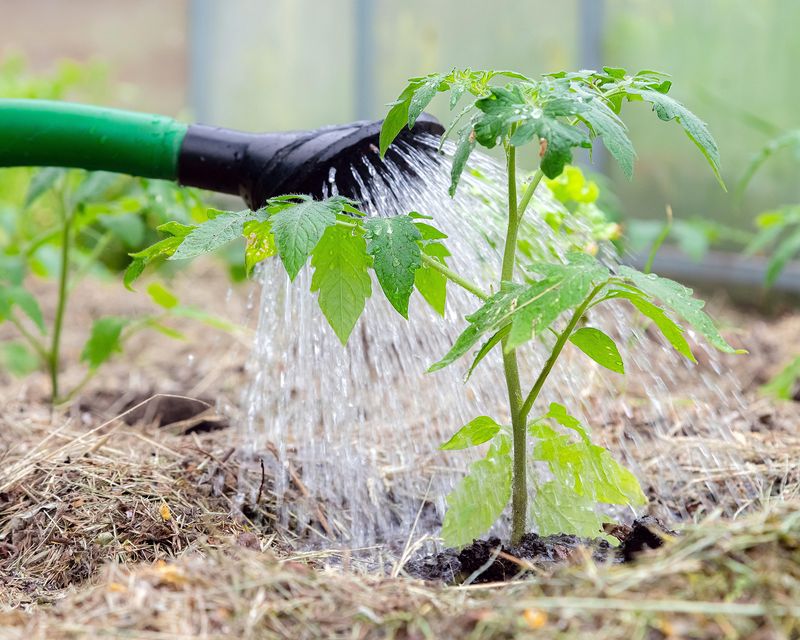
If your tomato plants look a little sad even though you water them every single day, you might be surprised to learn that daily watering could be the real problem. Tomatoes actually grow deeper, stronger roots and sweeter fruit when you water them less often but more thoroughly. Splashing a little water on top every day keeps the roots lazy and shallow, which leaves your plants weaker when summer heat hits. Let’s walk through why this happens and exactly what to do instead so your harvest can bounce back.
The Daily Splash Is Training Your Roots to Stay Shallow
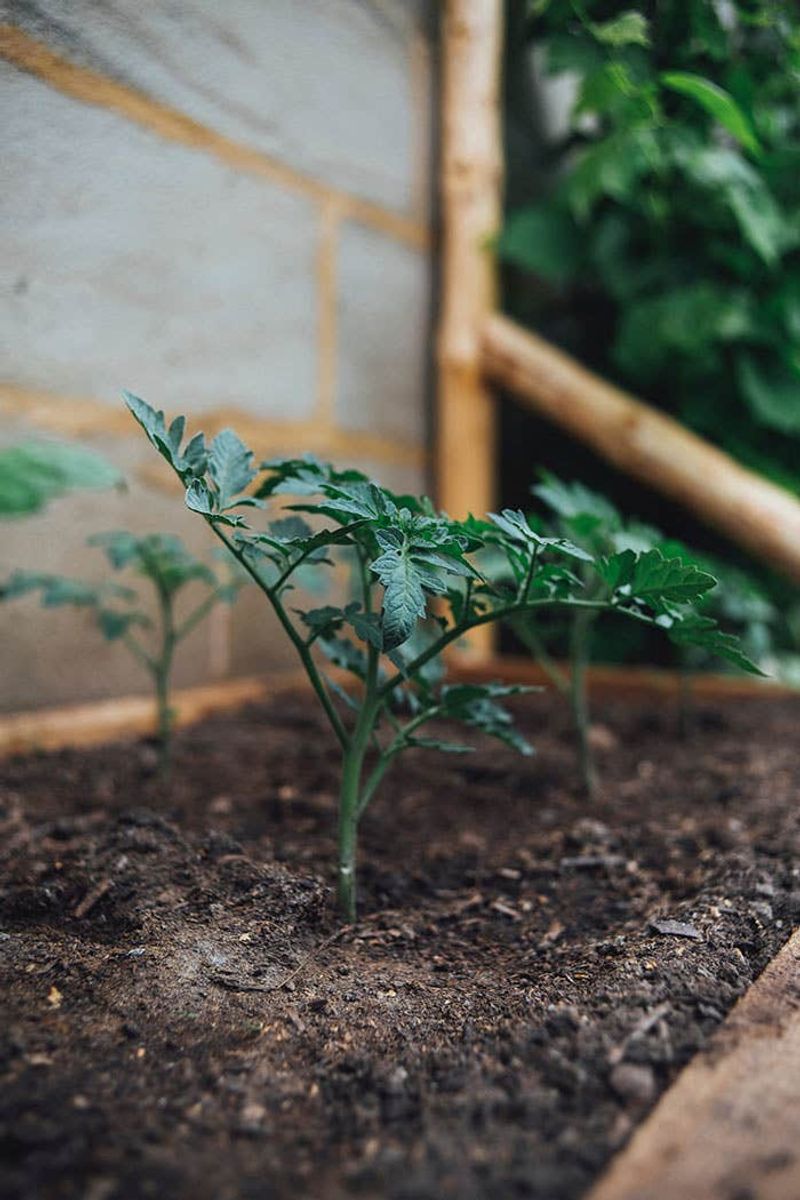
Picture a tomato plant that gets a quick sprinkle every morning. The water never sinks very far, so the roots see no reason to reach down for it.
Instead, they crowd near the surface where the moisture lives. Shallow roots may look fine in spring, but they leave your plant fragile once the real heat arrives.
The top inch or two of soil dries out fastest under summer sun. When that thin layer bakes, a shallow-rooted tomato starts wilting almost immediately, even if you watered it that same day.
Deeper soil, on the other hand, stays cool and damp far longer. Plants that have been trained to root down can tap into that hidden reserve and coast through hot afternoons.
Daily light watering also keeps the surface constantly wet, which can invite fungus and rot around the stem base. So the habit that feels caring often quietly works against you.
The fix starts with a mindset shift: you want to water the root zone deeply, not dampen the dirt on top. Everything else builds from that single idea.
How Overwatering Shows Up on the Plant
Ever notice yellow leaves creeping up from the bottom of a tomato plant you’ve been watering faithfully? That symptom often points to too much water, not too little.
When soil stays soggy, roots struggle to breathe and can’t pull up nutrients properly. The lower leaves fade to pale yellow, sometimes with brown edges, as the plant reroutes its limited energy.
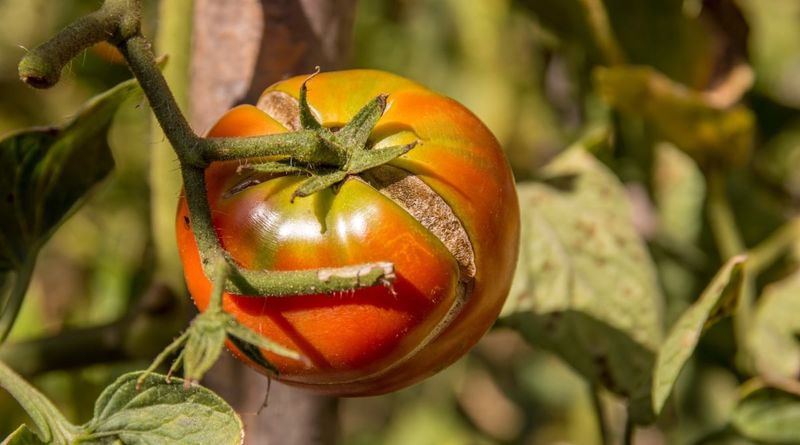
Cracked and split fruit is another giveaway. Tomatoes that swing between dry and drenched swell too fast, and their skins burst because they simply can’t keep up.
You may also spot mushy stems near the soil line or a faint sour smell from the ground. Both hint that the root zone rarely gets a chance to dry between drinks.
Even blossom-end rot, that ugly dark patch on the bottom of a fruit, can worsen with erratic, too-frequent watering because it disrupts how the plant takes up calcium.
Reading these signals early can save your season. Before you reach for the hose again, poke a finger into the soil and check whether your plant is truly thirsty or quietly drowning.
Deep and Infrequent: The Watering Rhythm Tomatoes Actually Want
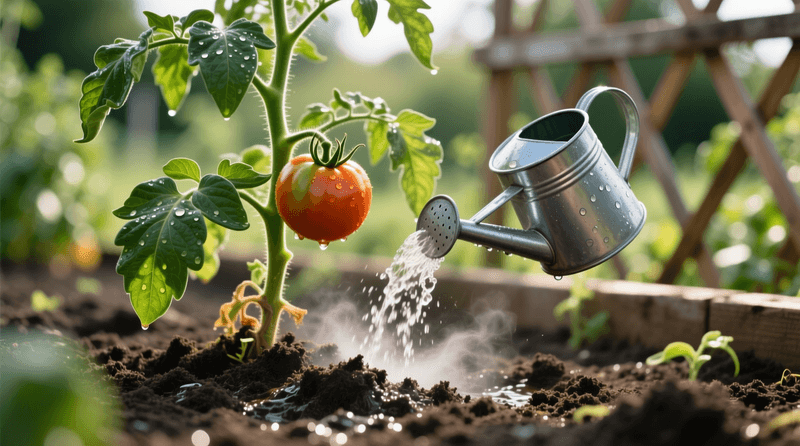
Here’s the switch that changes everything: soak deeply, then wait. Instead of a daily sip, aim to give established tomatoes a long, slow drink two or three times a week.
A good target for most US backyard gardens is roughly one to two inches of water per week, split across those sessions. In peak summer heat, plants may need the higher end.
The goal each time is to moisten the soil six to eight inches down, right where the working roots live. A slow trickle at the base beats a fast blast that runs off the surface.
Letting the top inch dry out between waterings is not neglect; it actually encourages roots to chase moisture downward. Over a few weeks, this often builds a sturdier, more drought-tolerant plant.
Container tomatoes are the exception and may need water more often, sometimes daily in extreme heat, because pots dry out fast. Even then, water until it drains from the bottom.
Adjust with the weather rather than the calendar. Cool, cloudy stretches call for less, while hot, windy days can call for more.
The Finger Test and Other Simple Ways to Know When to Water
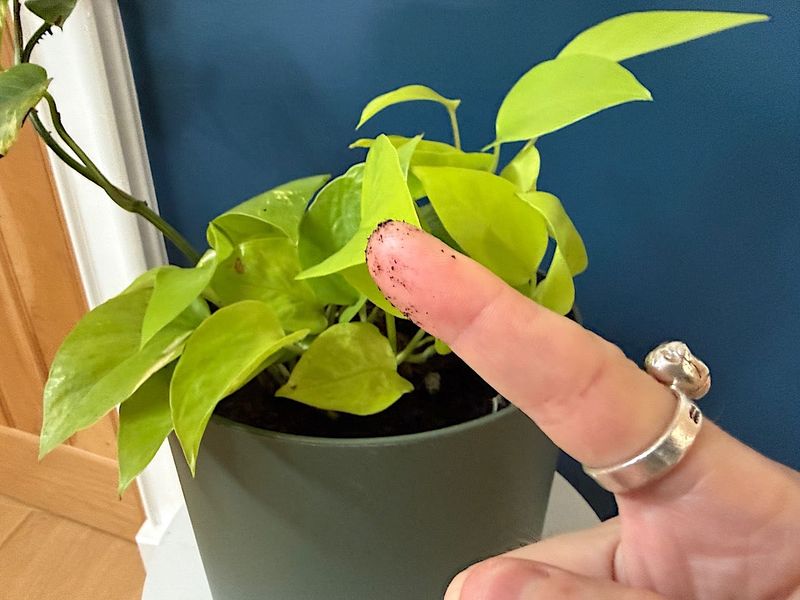
Guessing leads to trouble, so let your soil do the talking. Push a finger two to three inches into the ground near the plant; if it feels dry at your fingertip, it’s time to water.
If the soil still feels cool and damp, hold off another day and check again. This quick habit takes seconds and can spare you from both drowning and starving your tomatoes.
For a cheap upgrade, a wooden dowel or a long screwdriver works too. Slide it into the soil, and if it comes out clean and dry, the lower zone needs a drink.
Moisture meters are widely sold and can help beginners feel more confident, though they aren’t always precise. Treat their readings as a helpful hint rather than gospel.
Time of day matters as well. Watering early in the morning lets leaves dry before evening, which may reduce the fungal problems that thrive on damp overnight foliage.
Pay attention to your plants too. Midday droop that recovers by evening is often normal heat stress, not a cry for more water.
Mulch and Smart Tools That Keep Water Where It Counts
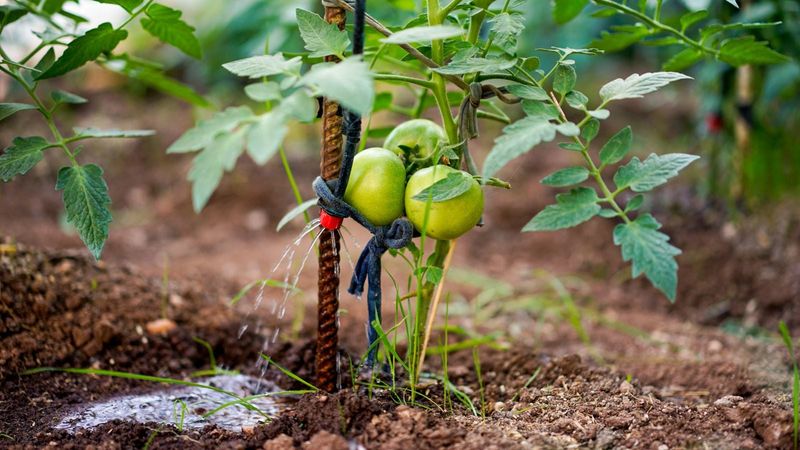
Bare soil is a moisture thief, drying out fast and forcing you to water more often than you should. A two to three inch layer of mulch fixes much of that in an afternoon.
Straw, shredded leaves, or grass clippings spread around the base can slow evaporation, steady the soil temperature, and keep weeds from stealing water. Just leave a small gap around the stem so it doesn’t stay wet.
Soaker hoses and drip lines are the quiet heroes of tomato care. They deliver water low and slow, right to the roots, which often reduces both waste and leaf diseases.
A simple timer can automate those deep, spaced-out sessions so you never fall back into daily-splash habits. Set it, check it weekly, and adjust for the weather.
Even a homemade trick, like a buried plastic bottle with pinholes, can funnel water deep into the root zone. Cheap solutions often work surprisingly well.
Together, mulch and low-flow watering stretch every drop further. Your tomatoes stay evenly moist, and your watering can gets a well-earned rest.
Small Changes Now, a Bigger Harvest Later
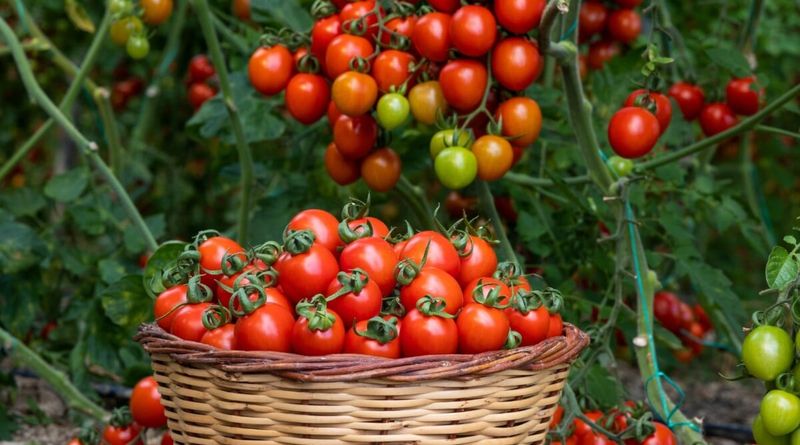
Breaking the daily-watering habit can feel strange at first, almost like you’re neglecting your plants. Trust the process; deeper, less frequent watering builds the strong roots that carry a heavy crop.
Start this week by soaking your tomatoes well, then waiting until the finger test says they’re ready again. Lay down mulch the same day to lock in that moisture.
Within a couple of weeks, many gardeners notice firmer stems, fewer yellow leaves, and fruit that resists splitting. Results vary with your soil and climate, but the direction is almost always positive.
Keep an eye out for the warning signs we covered, and adjust rather than panic. Container plants still want more frequent drinks, while in-ground beds usually thrive on the slow-soak schedule.
Remember that tomatoes are forgiving once their roots run deep. A missed day here or there won’t undo your progress the way constant shallow watering does.
Give your plants what they truly want, water their roots and not just the surface, and you’ll likely be rewarded with a fuller basket come harvest time. Your future self, holding a ripe tomato, will thank you.