
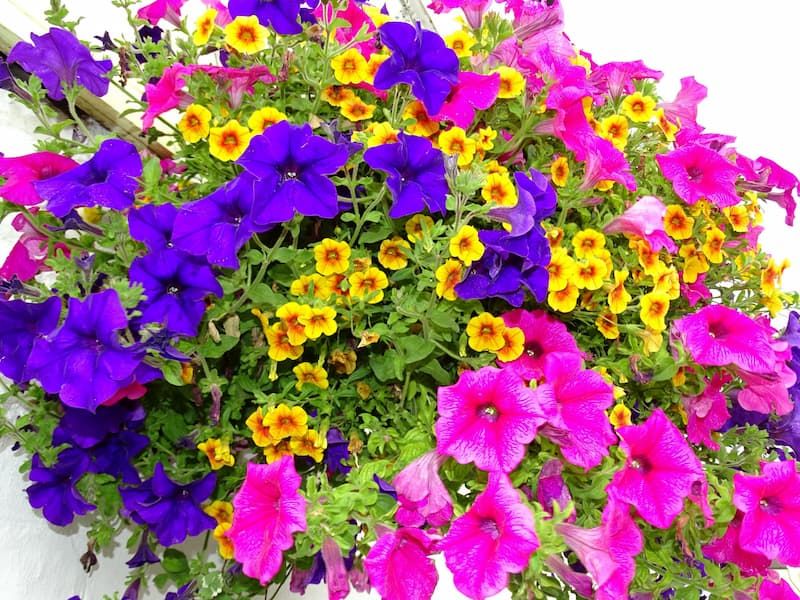
You bought that hanging basket of calibrachoa hoping for a waterfall of tiny petunia-like flowers, but now it looks stretched out and bare in the middle. Long, leggy stems with just a few blooms on the ends are a classic sign that something in your care routine is holding it back. The good news is that one simple habit is usually the culprit, and once you spot it, the fix is easy. Let’s walk through what went wrong and how to bring your basket back to full, spilling glory.
The One Habit Behind a Thin Basket: You Never Pinch It Back
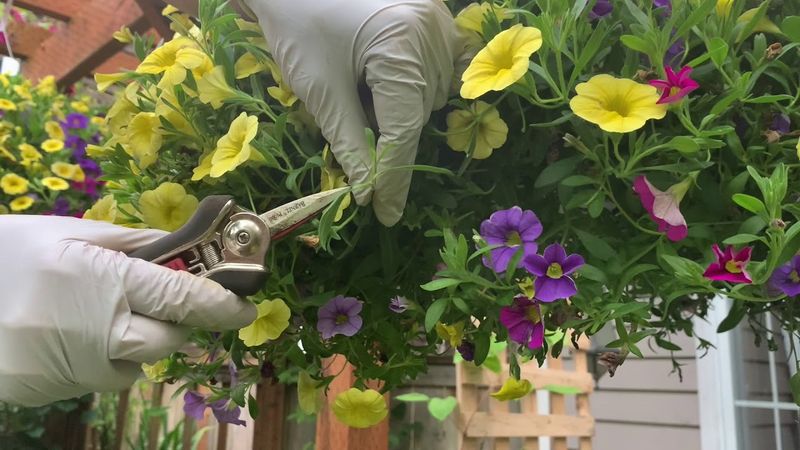
Here’s the honest truth most plant tags leave out: calibrachoa stays full only if you cut it back, and skipping that step is the single habit that leaves your basket looking stringy. Left alone, each stem shoots straight outward chasing length instead of branching, so all the flowers pile up at the tips while the center goes bald.
Pinching or trimming tells the plant to send out side shoots. More side shoots means more stems, and more stems means more flowers packed close together. That branching is what creates the dense, overflowing look you paid for.
Gardeners often skip it because snipping a blooming plant feels wrong, almost like undoing progress. The short setback is worth it, though, because a plant that branches early fills out far faster than one you let sprawl.
Throughout this guide we’ll unpack why calibrachoa behaves this way, when to trim, and the watering and feeding habits that support all that new growth. Master the pinching habit and the rest tends to fall into place, turning a scraggly basket into the mounded cascade you had in mind.
Why Calibrachoa Grows Leggy Instead of Bushy
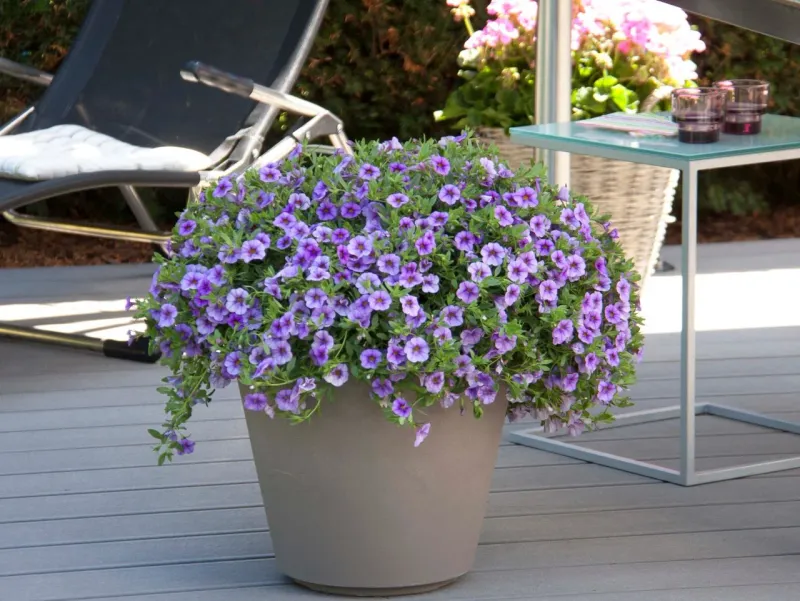
Picture a plant that would rather run a marathon than fill a room, and you’ve got calibrachoa’s natural instinct. Its stems are wired to trail and stretch, which is wonderful for spilling over a basket edge but terrible for fullness if the growth never branches.
Each stem tip contains what growers call the apical bud, and that bud releases hormones telling side shoots to stay quiet. As long as the tip keeps growing, the stem stays single and skinny, blooming only at the far end.
Break or pinch that tip and the hormone signal drops. Suddenly the dormant buds lower down wake up and push out new branches, doubling or tripling the number of flowering stems.
Heat, crowded roots, and low light can make legginess worse by pushing the plant to reach even harder. That’s why a basket in deep shade often looks thinner than one in bright sun.
Understanding this stretch-first habit takes the mystery out of the fix. You’re not fighting a sick plant, you’re simply redirecting an eager grower toward the bushy shape you want.
How to Spot the Warning Signs Early
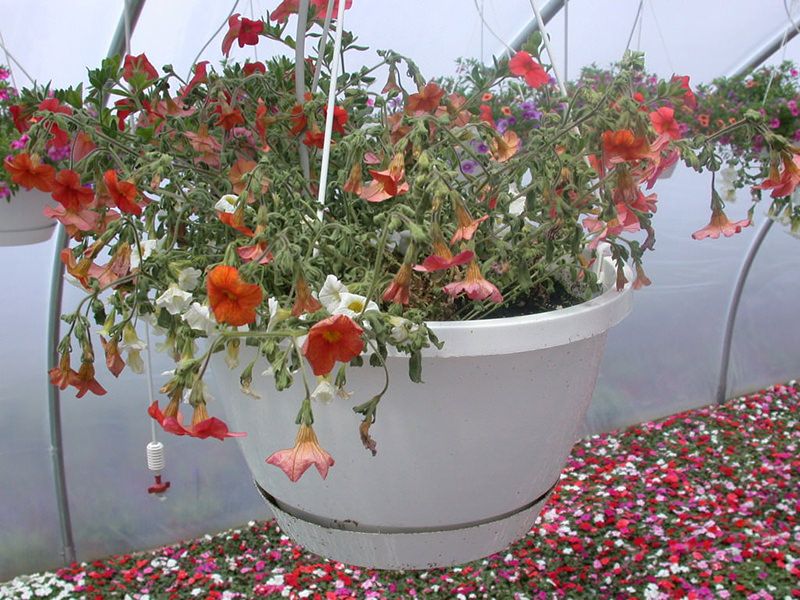
Catching a thinning basket before it gets embarrassing saves you weeks of waiting for a recovery. The earliest clue is usually the middle: peek into the center of the basket and notice whether you can see soil and bare stems instead of leaves.
Stems that measure longer than a hand span with flowers bunched only at the ends are another tell. Healthy, full calibrachoa carries blooms and foliage evenly along its length, not just at the far tips.
Yellowing lower leaves can signal the plant is dropping its interior growth to feed those racing stems. A basket that looked lush at the garden center and then thinned out within a few weeks is often just growing exactly as its genetics intended, unpinched.
Give the whole plant a slow turn and check all sides, since one exposed edge may stretch faster than the shaded side. Snap a quick phone photo every week so you can compare and catch the drift.
Spotting these signs early means a light trim can fix things, rather than the drastic haircut a badly overgrown basket may need later.
The Right Way to Pinch and Trim
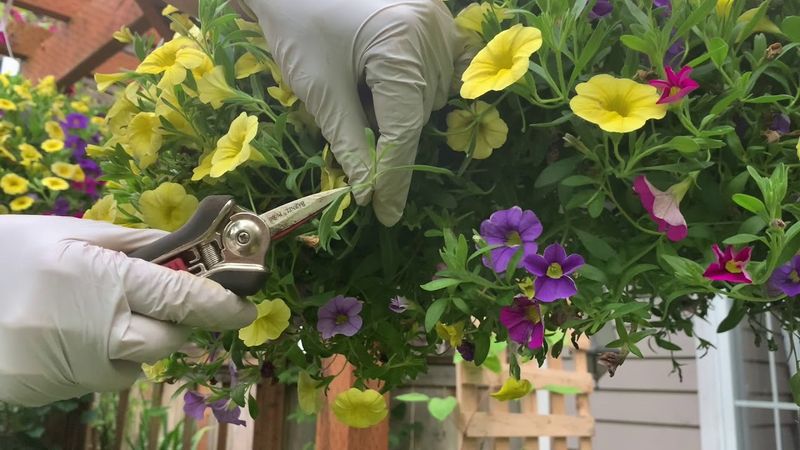
Grab a clean pair of scissors or just use your fingertips, because reviving fullness starts with a confident cut. Aim to remove about a quarter to a third of each long stem, snipping just above a leaf node where new branches can sprout.
Work your way around the whole basket rather than hacking one side, so the plant fills evenly. Don’t panic about cutting off open flowers, since the trade is temporary and the payoff is dozens of new blooming stems.
For a young plant, an early pinch when stems reach a few inches long sets up a naturally bushy shape from the start. For an already-leggy basket, a harder cutback may look sparse for a week or two before it explodes with growth.
Sanitize your blades with rubbing alcohol between plants to avoid spreading any disease. Do heavy trimming in the cooler morning hours so the plant isn’t stressed by afternoon heat while it recovers.
Repeat a light trim every few weeks through the season. That steady grooming habit is what keeps a calibrachoa basket mounded and generous instead of stringy and tired.
Watering Mistakes That Sabotage Fullness
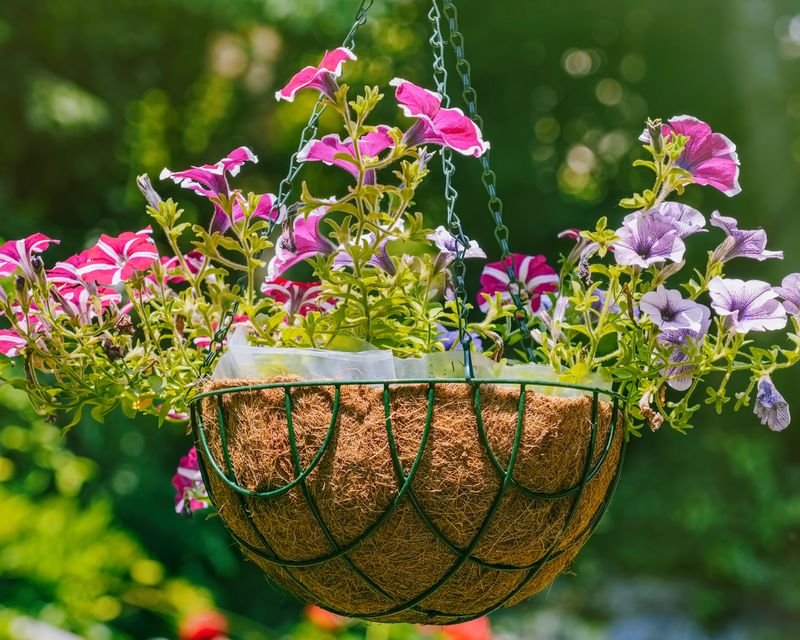
All the pinching in the world won’t help if your watering habits leave the plant stressed and stunted. Calibrachoa in a hanging basket dries out fast, especially in summer heat, and a thirsty plant drops interior leaves to survive rather than filling out.
Check the soil daily by poking a finger an inch deep, and water when it feels dry to the touch. During hot spells that often means watering once in the morning and again in the afternoon, since baskets bake quickly in the wind and sun.
Overwatering causes its own trouble, though. Soggy roots can rot and turn leaves pale and mushy, which may mimic a nutrient problem and slow all that new branching you’re working toward.
Water at the base until it runs out the drainage holes, then let the excess escape rather than leaving the basket sitting in a saucer of water. Consistent moisture, not flooding, keeps the plant strong enough to push fresh growth.
A stressed, wilting plant simply won’t respond to trimming the way a well-hydrated one will, so steady watering is the quiet partner to every pinch.
Feeding: The Fuel Behind Nonstop Blooms
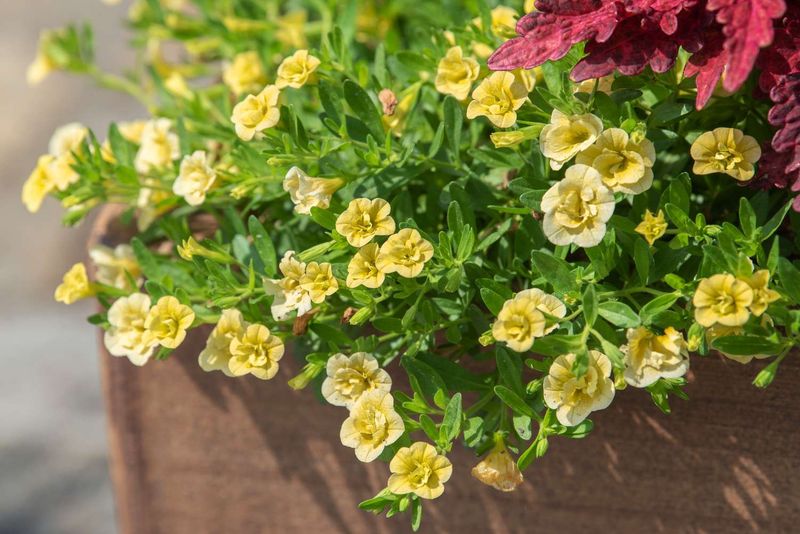
Think of calibrachoa as a hungry athlete, because these plants burn through nutrients faster than almost anything else in a basket. Constant blooming demands constant feeding, and a starved plant often turns thin and pale no matter how carefully you trim it.
The potting mix in a basket washes out with every watering, so nutrients drain away quickly. A balanced water-soluble fertilizer every week to ten days can keep growth steady and blooms coming, and many gardeners find a bloom-boosting formula helps.
Yellowing leaves with green veins are a common sign of iron deficiency, which calibrachoa is famously prone to in alkaline conditions. A fertilizer made for acid-loving plants may help correct that telltale yellowing.
Follow the label rates rather than doubling up, since too much fertilizer can scorch roots and backfire. Slow-release granules mixed into the soil at planting give a gentle baseline, with liquid feeding layered on top during peak season.
Well-fed plants recover from trimming much faster, filling the gaps you create with lush new stems. Pair regular feeding with regular pinching and you’ve built the two habits that carry a full basket all summer.
Does Your Basket Get Enough Sun?
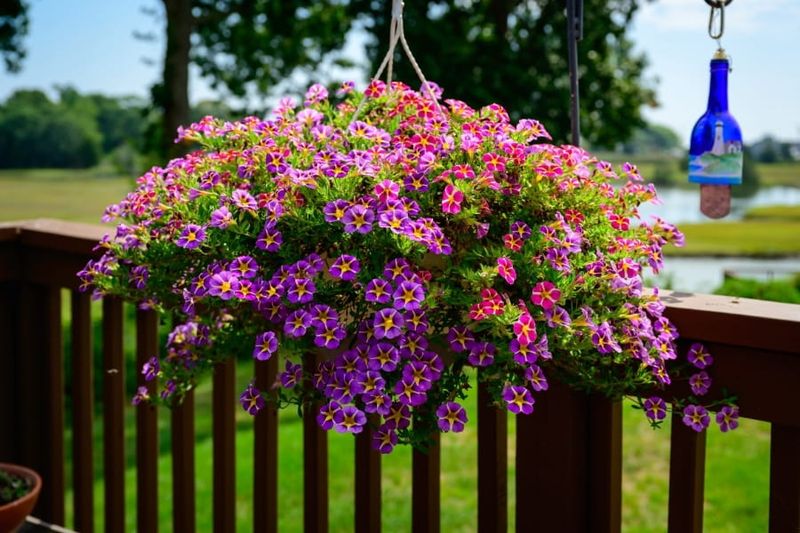
Light might be the overlooked reason your careful trimming isn’t paying off. Calibrachoa is a sun worshipper, and a basket tucked in shade will stretch toward brightness, growing leggy and shy on blooms even with perfect grooming.
Aim for at least six hours of direct sun a day, and these plants happily take more. A spot on the sunny side of a porch or an open patch of garden usually beats a shaded corner under an eave.
Shade doesn’t just reduce flowers, it encourages the very stretching that thins a basket out. Stems in dim light elongate as they search for sun, leaving wide gaps between leaves and blooms.
If your only hanging spot is partly shaded, rotate the basket a quarter turn every few days so no single side gets starved of light. That small habit keeps growth balanced all the way around.
Very intense afternoon sun in the hottest regions can occasionally scorch tender flowers, so a little relief during a heat wave may help. For most US temperate gardens, though, more sun means a fuller, more colorful basket.
Deadheading Versus Self-Cleaning Blooms
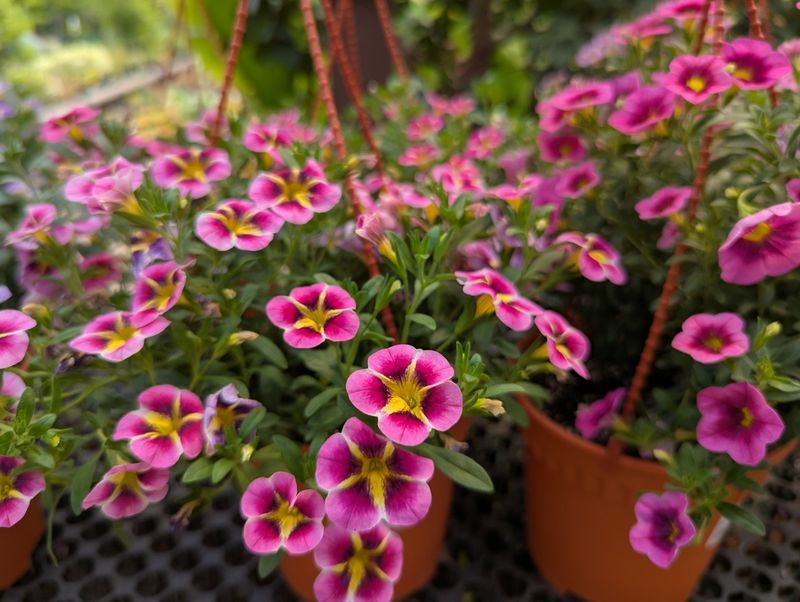
Good news for busy gardeners: most modern calibrachoa varieties are self-cleaning, meaning spent flowers drop off on their own without hand-picking. That saves you the tedious deadheading that petunias demand, but it doesn’t replace trimming for fullness.
People sometimes assume that because the plant tidies itself, no grooming is needed at all. Dropping old blooms and encouraging new branches are two different jobs, and only cutting back stems drives the bushy growth you want.
You can still snip off any tired or straggly stems whenever you notice them, which encourages fresh side shoots to appear. Removing a few faded clusters here and there keeps the display crisp and colorful.
If your particular variety does seem to hang onto brown, mushy flowers, a gentle finger pinch to clear them can improve airflow and appearance. Better airflow may also reduce the damp conditions that invite fungal trouble.
Don’t confuse a self-cleaning label with a hands-off plant. The tidiest, fullest baskets still get an occasional trim, so treat self-cleaning as a bonus rather than a free pass on all maintenance.
Rescuing a Basket That’s Already Gone Bare
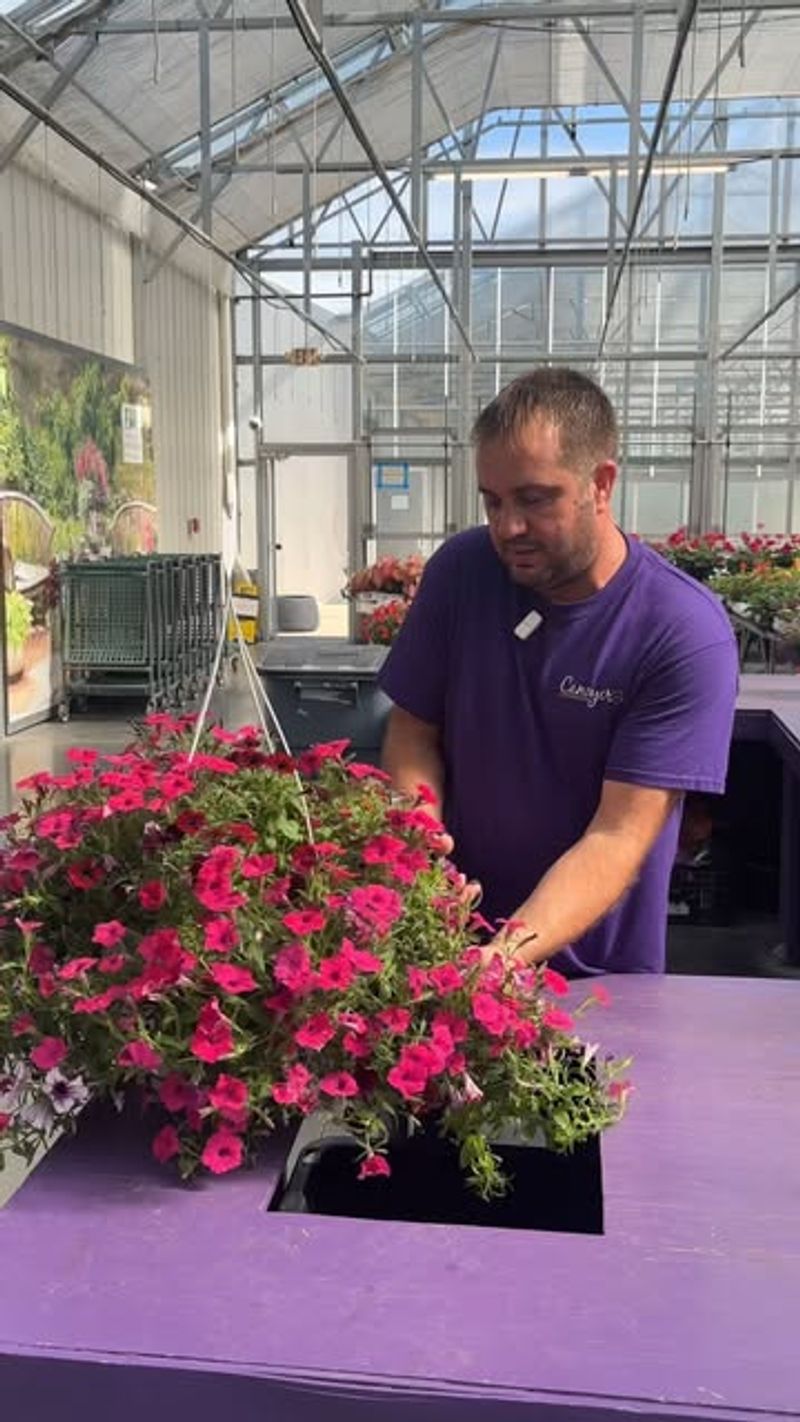
Maybe you’re reading this with a sad, stringy basket already hanging by the door, wondering if it’s too far gone. Take heart, because a mid-season calibrachoa can bounce back dramatically with one bold move: a hard cutback.
Trim every stem back by roughly half, working around the whole plant so it recovers evenly. The basket will look startlingly sparse for a week or two, which is exactly the stage that scares people into never trying.
Right after the big trim, water thoroughly and give a dose of balanced fertilizer to fuel the regrowth. Warm summer temperatures usually push new branches out within days, and blooms follow shortly after.
Keep the plant well-lit and fed during the recovery window, since a stressed plant rebuilds slowly. Within two to three weeks you should see the gaps closing as fresh, leafy stems fill in.
For a basket that’s severely root-bound, gently loosening it into a slightly larger container can give roots room to support the new flush. A hard reset like this, done in early or mid summer, often gives you weeks of renewed color instead of a lost season.
The Simple Routine That Keeps It Full All Season
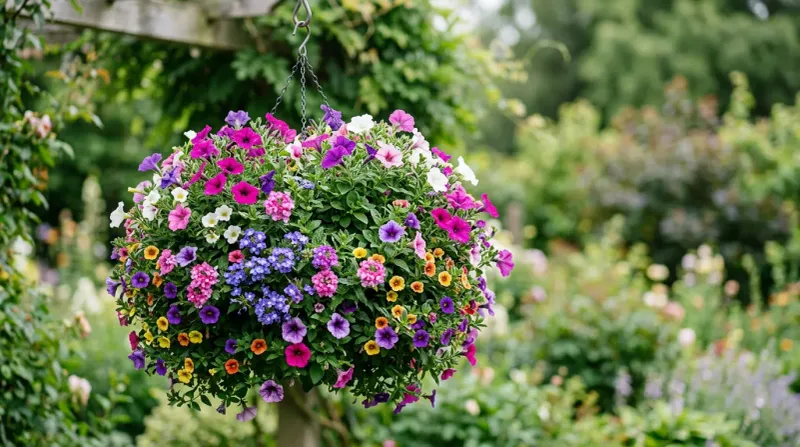
Bringing it all together, a full calibrachoa basket isn’t luck, it’s a short list of habits repeated on a rhythm. The heart of it is that one overlooked step: pinching and trimming to force branching instead of letting stems race away.
Build a weekly rhythm you can actually stick to. Water as the heat demands, feed every week to ten days, and give the basket a light trim every couple of weeks to keep new stems coming.
Hang it where it soaks up at least six hours of sun, rotate it for even growth, and clear any lingering spent blooms. None of these tasks takes more than a few minutes, but skipping the trimming is what quietly thins the whole display.
Watch the plant and let it guide you, since a basket in blazing July heat needs more water and food than one in mild spring. Adjust rather than following a rigid schedule.
Keep these small habits going and your basket should reward you with a mounded cascade of color from spring through fall, exactly the lush look you pictured on planting day.