
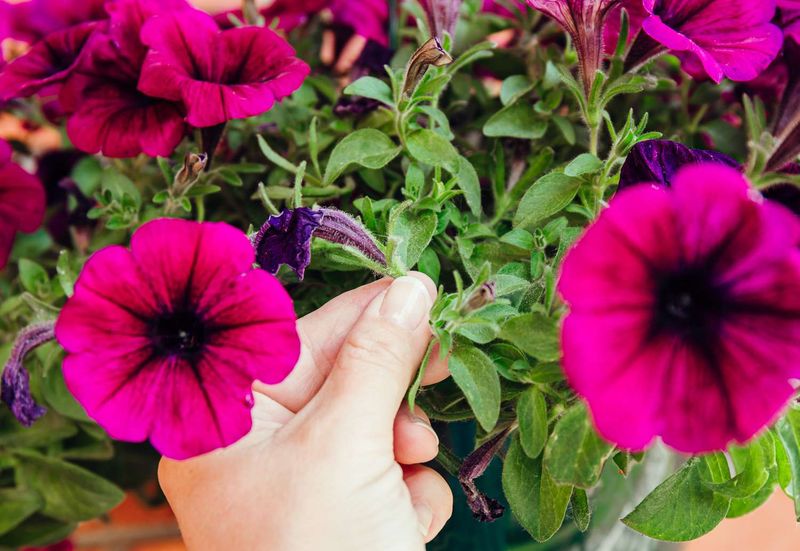
If your petunias started out with a big burst of color but now look tired and spent, you are probably doing something small that makes a huge difference. Deadheading, which just means removing old flowers, sounds simple, but most gardeners do it wrong without ever knowing. The mistake usually comes down to pinching off the wrong part of the plant, and that quiet error tells your petunias to stop making new buds. Fix it, and you can get waves of fresh blooms right through the summer.
Fewer Blooms by Midsummer Point to a Deadheading Problem
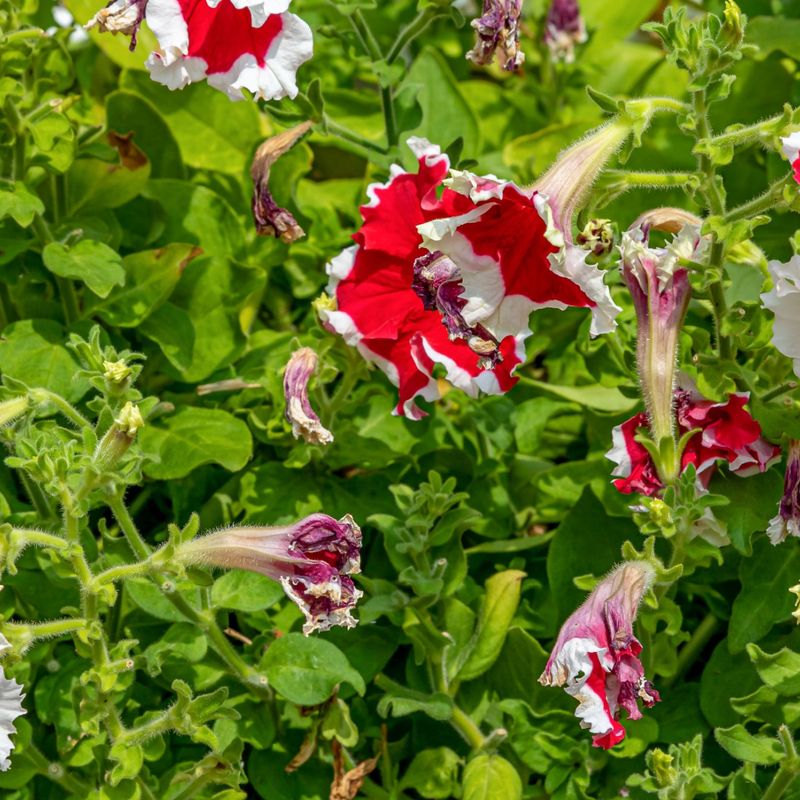
Picture a hanging basket that looked incredible in June, then slowly went patchy and green by late July. That slowdown is one of the clearest signs your deadheading routine may be working against you.
Petunias are heavy bloomers, but they can only keep the show going if they are not spending energy on making seeds. When old, faded flowers stay attached or get removed carelessly, the plant often shifts into seed-production mode instead of pushing out new buds.
You might notice long, leggy stems with a single flower way out at the tip, or blooms that seem smaller and more spread out than they were early in the season. Some plants develop a tired, stringy look right in the center of the pot.
None of these symptoms mean your petunias are dying. They usually mean the plant is confused about where to send its energy. Recognizing the pattern early gives you a real chance to turn things around, because petunias respond quickly once you correct how and where you pinch them back.
The Mistake Is Snapping Off Only the Petals
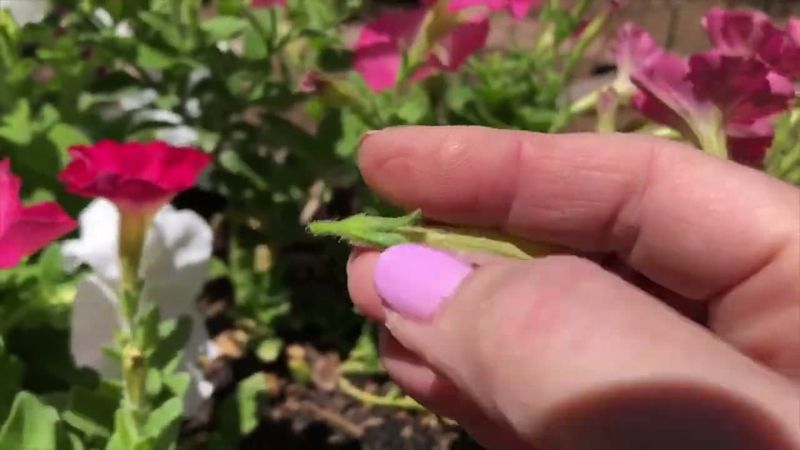
Here is the error that trips up almost everyone: you see a wilted, papery flower, so you gently pull off the mushy petals and move on. It feels like tidying, and the plant looks cleaner right away.
The trouble is that pulling the petals leaves the most important part behind. Tucked directly under those petals sits the green base, the swelling spot where the plant is already starting to build a seed pod.
If that seed-forming section stays on the stem, your petunia keeps pouring its energy into ripening seeds instead of making the next round of flowers. You removed the pretty part but left the message that says, in plant terms, mission accomplished, time to make seeds.
Many gardeners repeat this exact move all season and wonder why their plants slow down. The petals come off easily, so it feels like the right spot to stop.
Fixing it starts with understanding that a spent bloom is more than the colorful top. The whole tube and the little base behind it need to go.
How Seed Production Shuts Down New Buds
Plants are not sentimental about flowers. From a petunia’s point of view, a bloom is simply a tool for making seeds, and once seeds are on the way, the flower has done its job.
When a seed pod begins forming behind a faded flower, the plant sends sugars and hormones toward finishing that pod. That redirection can slow, and sometimes nearly stop, the formation of fresh flower buds elsewhere on the plant.
Think of it like a limited budget. Your petunia only has so much energy to spend, and ripening seeds is expensive work. Every pod it feeds is energy that never becomes a new bloom.
By removing the entire spent flower before the pod matures, you break that cycle. The plant reads the missing pod as a reason to try again, so it often responds by producing more buds to replace what was lost.
That is the whole mechanism in plain terms. Leave the pod and you feed seeds; remove it completely and you may keep the plant in bloom-making mode much longer through the season.
Pinch Below the Swollen Base, Not Just the Flower
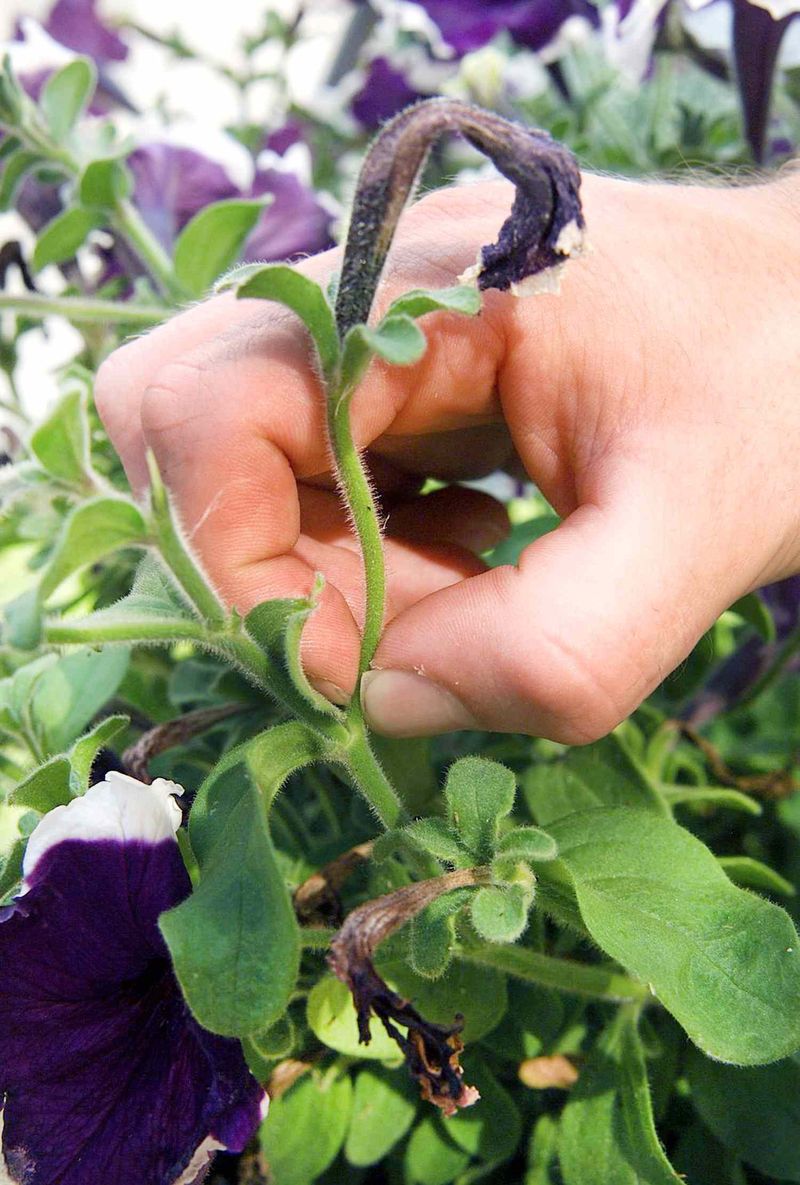
Ready for the fix that changes everything? Instead of grabbing the wilted petals, follow the flower down the stem to the small green swelling right behind it.
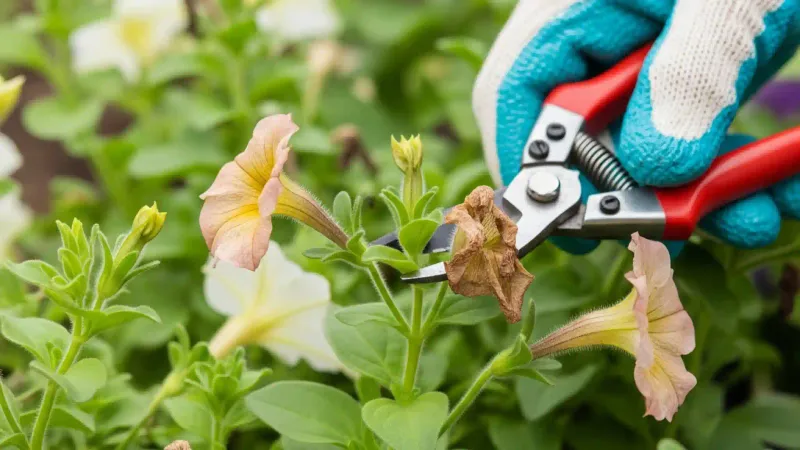
Pinch or snip below that base, taking the faded flower, the thin tube, and the little pod-forming section all in one go. You want to remove the entire structure so nothing is left to turn into seed.
For leggy stems, go even further. Trailing petunias and stretched-out plants often benefit from cutting the whole stem back to a set of healthy leaves, which encourages branching and a fuller shape.
Clean fingernails work fine for quick jobs, though a small pair of snips gives a tidier cut and helps avoid tearing the stem. A ragged tear can invite rot, so aim for a clean pinch just above a leaf node.
Do a slow walk around the plant every few days and remove anything that has gone soft or dull. Catching spent flowers before pods fully form makes the biggest difference and keeps the whole basket looking fresh.
Why a Midseason Haircut Sparks a Fresh Wave
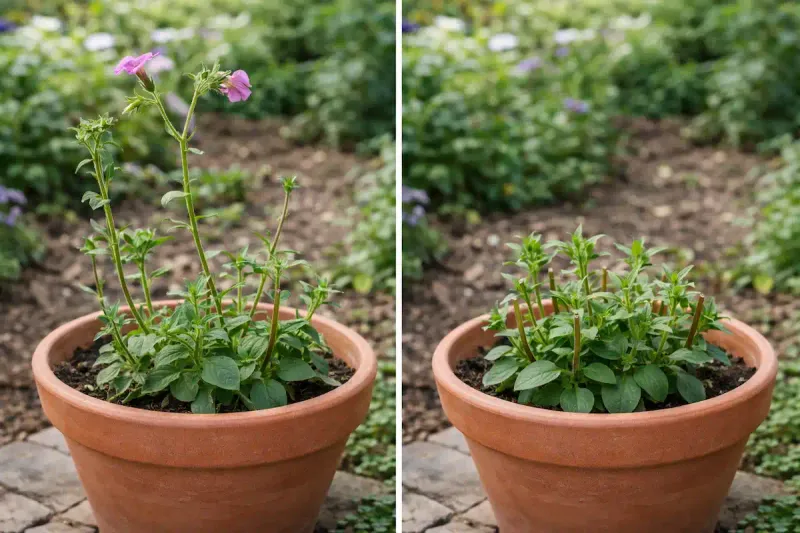
Sometimes deadheading flower by flower is not enough, especially by mid to late summer when petunias look worn out and stringy in the middle. That is the moment for a bolder move.
Cutting the whole plant back by about a third can feel scary, since you are removing color you paid for. The reward usually shows up within two to three weeks as thicker growth and a burst of new buds low on the plant.
Trimming this way encourages the petunia to branch out from the base instead of racing outward on a few bare stems. Fuller branching often means more flowering points and a rounder, healthier shape overall.
Work in stages if a full haircut makes you nervous. Cut back a few long stems one week, then more the next, so the basket never looks completely bare.
Pair that trim with a dose of balanced fertilizer and steady watering, and you give the plant everything it needs to bounce back. A little tough love in July can carry vigorous blooms straight into fall.
Not Every Petunia Needs the Same Attention
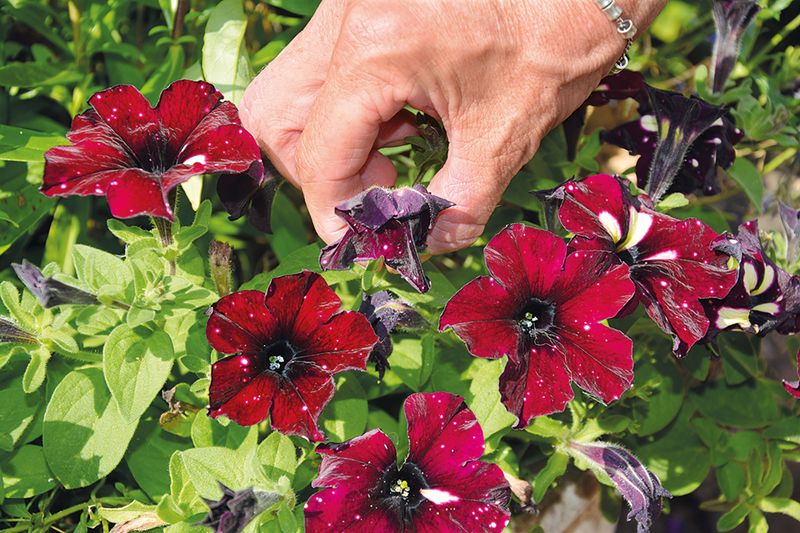
Before you spend an hour hunched over a basket, know that plant breeders have made your life easier with certain varieties. Not all petunias demand the same fussy pinching.
Self-cleaning types, including many spreading and wave-style petunias, drop their spent blooms on their own and rarely set heavy seed. These often keep flowering with just an occasional trim to control shape rather than constant deadheading.
Older grandiflora and some multiflora types are a different story. Big-flowered grandifloras in particular tend to hold onto soggy old blooms and form pods, so they reward regular, careful removal of the whole spent flower.
Check the plant tag when you buy, or notice how the plant behaves. If faded flowers fall away cleanly and new buds keep coming, you can relax and focus mainly on shaping.
If mushy blooms cling to the stems and blooming stalls, treat that variety as one that needs hands-on deadheading. Matching your effort to the type saves time and can still deliver the nonstop color you were hoping for all season.
Small Habit, Big Payoff for Summer Color
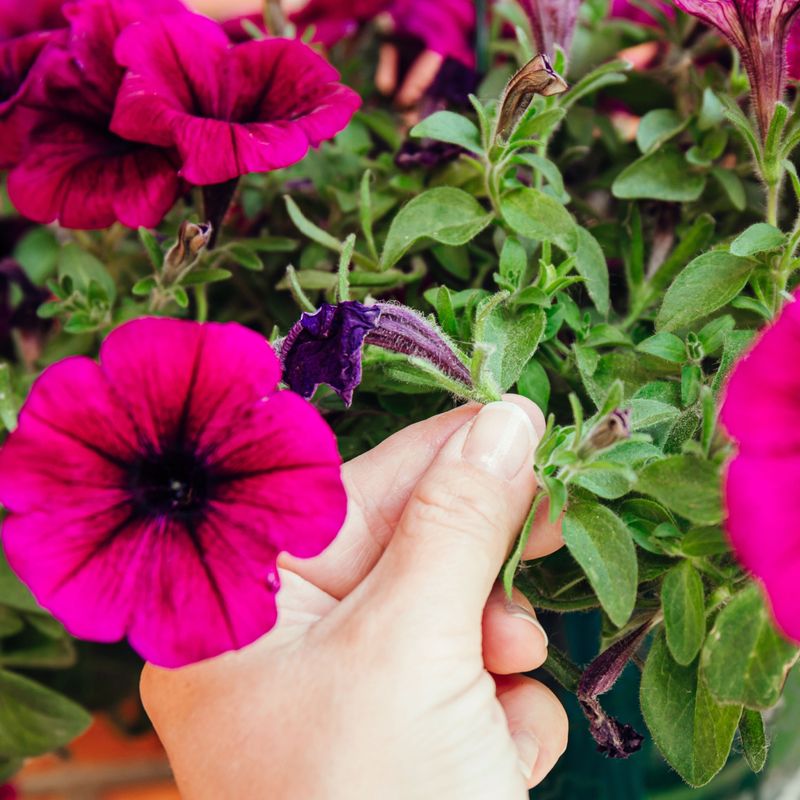
All of this comes down to one easy shift: stop pulling petals and start removing the entire spent flower, base and all. That single change often decides whether your petunias sputter out or keep performing.
Build a light routine around it. A quick pass every few days, a fuller trim in midsummer, and steady feeding and watering give your plants the best shot at nonstop bloom.
Keep your expectations realistic, too. Weather, heat stress, and pests can all affect flowering, so good deadheading may help a great deal without guaranteeing a perfect basket every single week.
Watch how your specific plants respond and adjust as you go. Self-cleaning varieties will need less from you, while big grandifloras will reward the extra minutes you spend pinching correctly.
Once you can spot that little green pod hiding behind a faded flower, you will never deadhead the same way again. Give your petunias that small bit of attention, and they can pay you back with color that lasts long into the season.