

Coneflowers look tough, and mostly they are, but plenty of gardeners watch theirs flop, rot, or simply refuse to bloom without ever knowing why. The truth is that where you plant them matters just as much as how you care for them. Below you will find 15 spots where coneflowers quietly struggle, plus 4 places where they finally settle in and thrive. If yours have been disappointing you, one of these fixes is probably the reason.
1. Soggy Low Spots Where Water Pools
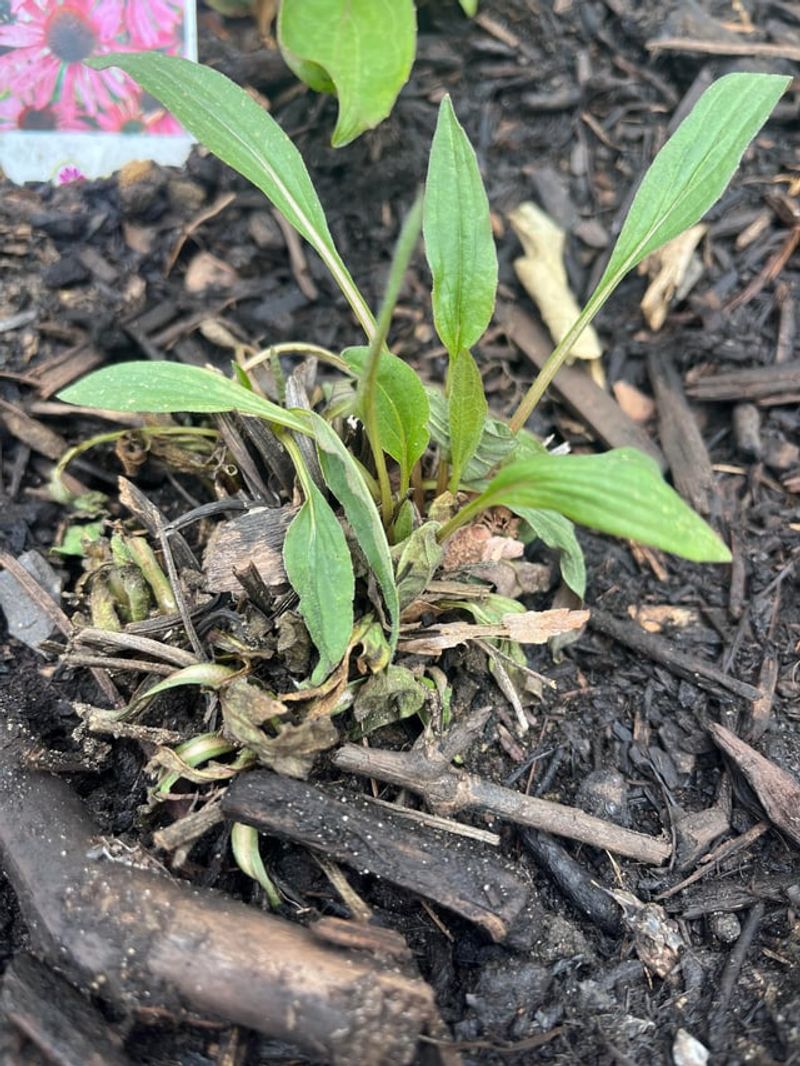
Walk your yard after a hard rain and notice where puddles linger for hours. That low corner might feel convenient, but it is quietly killing your coneflowers.
These prairie natives evolved in fast-draining soil, so their roots sit in trouble when water refuses to leave. Crown rot and root rot creep in, and the plant wilts even though the ground stays wet, which confuses a lot of caretakers into watering more.
You may notice mushy stems near the base, blackened roots, and leaves that yellow from the bottom up. Once rot takes hold, saving the plant gets difficult, so prevention matters most here.
Digging in coarse compost or building a slight mound can help improve drainage, and moving the plant to higher ground often turns things around fast. If the spot floods repeatedly, a rain garden plant like blue flag iris will thank you instead.
Coneflowers reward you for keeping their feet dry, so resist the urge to tuck them into that tempting damp hollow. A little grading effort now can save you a season of frustration later.
2. Deep Shade Under Mature Trees
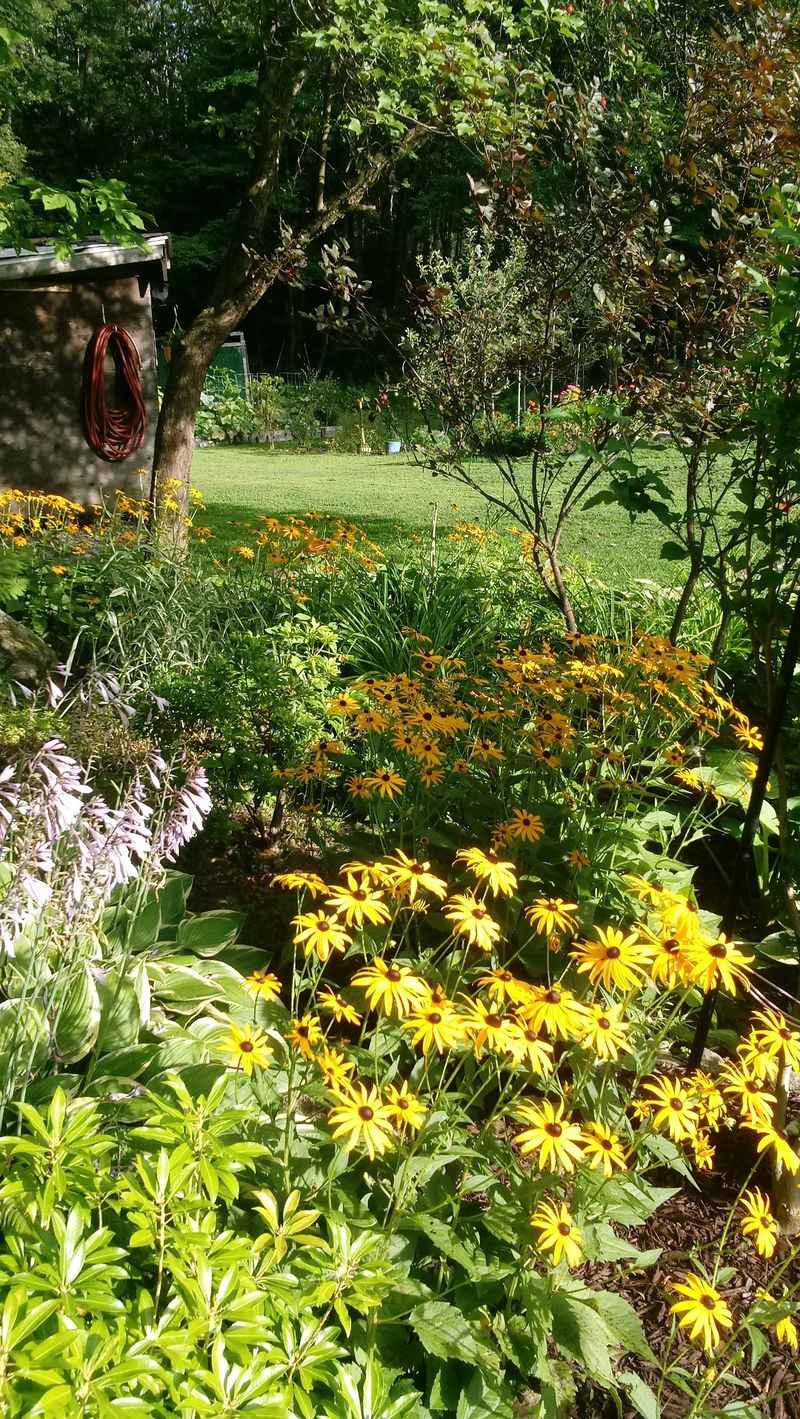
Tucked beneath a big maple or oak, that shady bed seems like a peaceful home, yet coneflowers slowly sulk there year after year. They are full-sun plants at heart, and deep shade robs them of the energy they need to bloom.
Instead of sturdy stems and bright daisy heads, you get leggy, stretched growth that reaches desperately toward any light it can find. Blooms shrink, flop, or never appear at all, and the whole clump looks thin and sad.
Tree roots make it worse by hogging both moisture and nutrients, leaving your coneflower to compete for scraps it cannot win.
If you love that shady spot, swap in hostas, ferns, or astilbe that actually enjoy dim conditions. Save the coneflowers for somewhere they can soak up six or more hours of direct sun.
Moving a struggling plant to brighter ground often revives it within a season, so do not give up on the coneflower itself. It was simply living in the wrong neighborhood, and relocation usually fixes the problem quickly.
3. Heavy Clay That Stays Wet

Squeeze a handful of your soil, and if it molds into a slick, sticky ball, you are looking at heavy clay. Coneflowers planted here often limp along for a season, then vanish over a wet winter.
Clay holds water like a sponge and drains painfully slowly, which sets up the same root-rot trouble that soggy low spots create. The difference is that clay looks perfectly dry on top while staying cold and waterlogged below.
Roots struggle to push through the dense structure, so the plant stays small and stressed even in full sun.
Amending the bed with compost, pine bark fines, and coarse grit can improve both drainage and texture over time. Raised beds or berms give an even faster fix by lifting roots above the muck.
Some gardeners have luck with clay-tolerant coneflower cultivars, but the soil work still pays off. Give those roots a loose, breathable home, and a plant that once sulked may finally bulk up and bloom the way you hoped.
4. Crowded Beds With No Air Movement
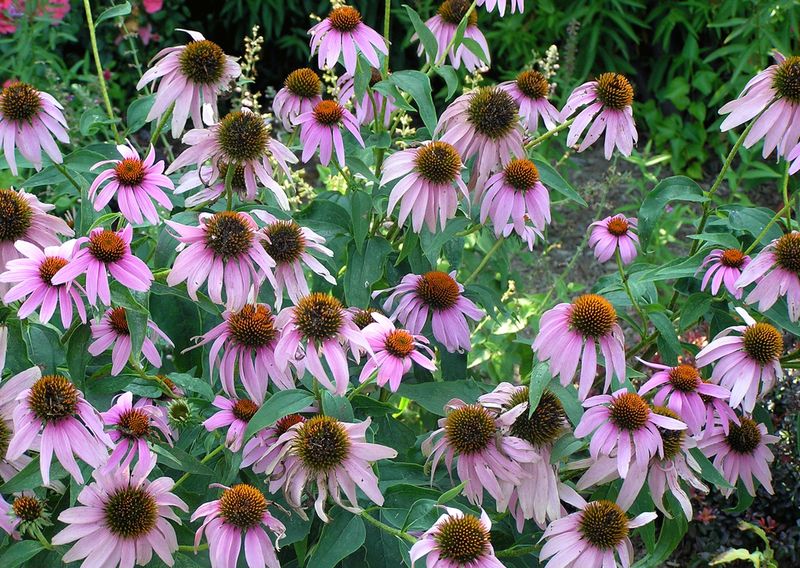
Packing plants shoulder to shoulder looks lush in June, but coneflowers hate the stuffy, still air that crowding creates. Without a breeze moving through the foliage, leaves stay damp far too long.
Damp, crowded conditions roll out the welcome mat for powdery mildew and leaf spot, the two fungal problems coneflowers battle most. You will spot white dusty patches or dark blotches creeping across the lower leaves first.
Crowding also means every plant fights its neighbors for water, light, and root space, so nobody thrives.
Thinning the bed and spacing coneflowers eighteen to twenty-four inches apart can dramatically reduce disease pressure. Dividing older clumps every few years keeps them from smothering themselves and their companions.
Good airflow will not guarantee a mildew-free season, but it stacks the odds strongly in your favor. Aim your watering at the soil rather than the leaves, and let the sun dry things quickly each morning. A little breathing room often transforms a sickly patch into a vigorous, blooming stand you actually want to show off.
5. Next to Thirsty Aggressive Perennials

Some garden neighbors are simply bullies. Plant a coneflower beside vigorous spreaders like bee balm, tall goldenrod, or aggressive ornamental grasses, and it quietly loses the tug-of-war for resources.
Those thugs send out fast-running roots that hog water and nutrients, leaving the coneflower stunted and starved. Above ground, taller companions can shade it out just enough to weaken its bloom.
You might not notice the decline at first because everything looks green, but the coneflower keeps shrinking each year until it disappears entirely.
Give it companions that play fair instead, such as black-eyed Susans, salvia, or catmint that share space politely. If you love the aggressive plants, install a root barrier or keep them in separate zones of the bed.
Watching plant competition is really about matching vigor levels so no single species dominates. When coneflowers grow among equally mannered neighbors, they hold their ground and bloom generously.
Rescuing a smothered plant is usually as simple as relocating it to a fairer neighborhood where it does not have to elbow for every drink.
6. Overly Rich Fertilized Garden Soil

Kindness can backfire in the garden, and coneflowers are a perfect example. Feed them like tomatoes in fluffy, heavily amended soil, and they respond with floppy stems and disappointingly few flowers.
Too much nitrogen pushes lush leafy growth at the expense of blooms, so you get a tall green plant that never quite delivers the show you wanted. Those weak, overfed stems also tend to sprawl and snap in summer storms.
Native prairies where coneflowers evolved are famously lean, so they simply are not built for a rich diet.
Skip the fertilizer entirely, or use only a light topdressing of compost in spring if the soil is truly poor. Planting in leaner, well-drained ground often produces sturdier, more compact plants that bloom their hearts out.
If yours are already flopping from overfeeding, ease off the nutrients and add support stakes for the season. Next year the plant should firm up on its own.
Treating coneflowers like the tough prairie natives they are usually beats pampering them into a leafy, bloomless mess.
7. Cramped Containers That Dry Out Fast
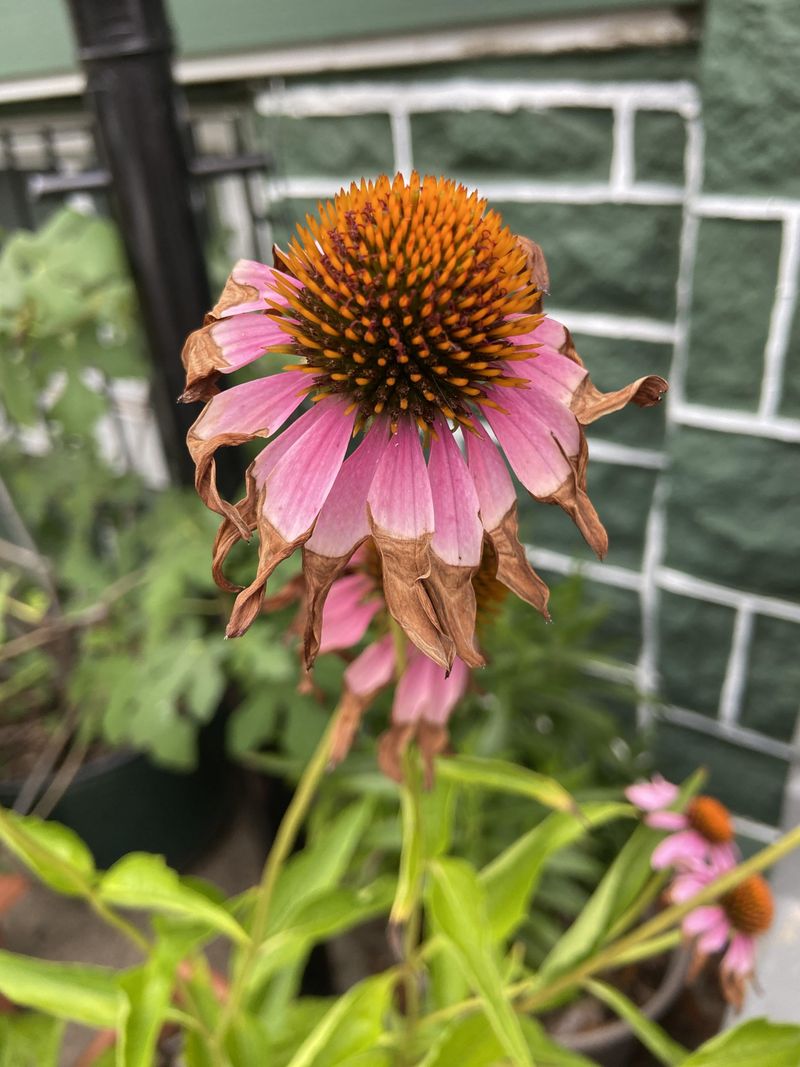
Pots seem like an easy answer for small spaces, but a tight container quietly stresses coneflowers in ways the ground never would. Their roots want to run deep, and a shallow pot cuts that ambition short.
Small containers heat up and dry out within hours on a summer afternoon, so the plant swings between drought stress and soggy overcorrection every time you water. That rollercoaster shows up as crispy leaf edges and stalled, sputtering blooms.
Roots can also circle and choke themselves once they hit the pot walls, weakening the plant further.
Choose a container at least twelve to fourteen inches deep and wide, and use a gritty, free-draining mix. Consistent watering and a spot with morning sun can reduce the drought swings that stress potted plants.
Even so, most coneflowers live longer and bloom better in the ground, so treat containers as a temporary display rather than a permanent home. If a potted plant looks tired, transplanting it into a garden bed in fall often gives it the fresh start it needs.
8. Windy Exposed Corners With No Shelter
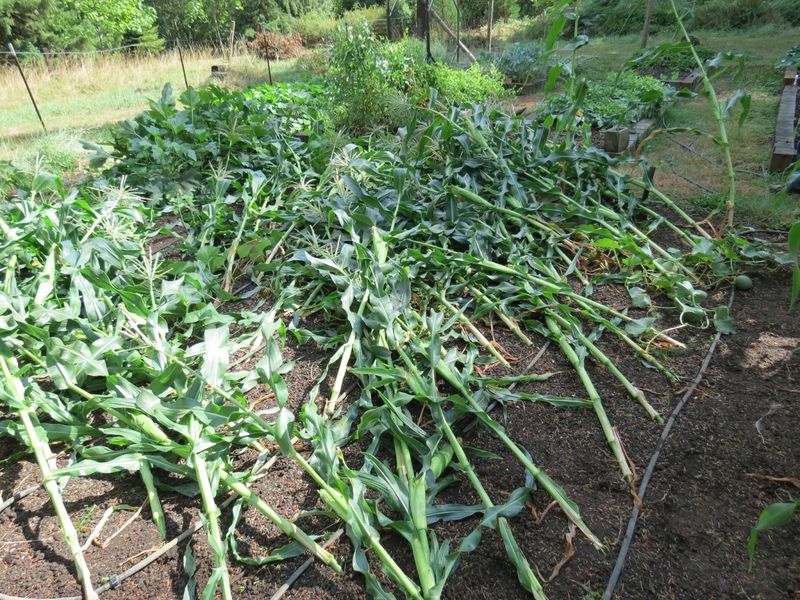
Picture a coneflower standing tall on an open, wind-blasted corner of the yard with nothing to break the gusts. By midsummer those proud stems are leaning, kinked, or flattened after every storm.
Constant wind does more than flop the flowers. It dries out foliage quickly and can shred petals, leaving the plant looking ragged and worn well before its bloom time is over.
Taller cultivars suffer the worst, snapping at the base or splaying open in the center like a broken umbrella.
Planting near a fence, low shrub, or the sheltered side of the house can buffer the wind considerably. Shorter, sturdier varieties also stand up to breezy sites far better than the six-foot giants.
Grouping coneflowers in clumps lets them lean on one another for support, which reduces storm damage. A few discreet stakes or a grow-through ring can help fragile stems hold their heads up.
Give them even a little shelter, and those same plants that once sprawled will suddenly stand proud through the roughest summer weather.
9. Right Against a Hot Reflective Wall
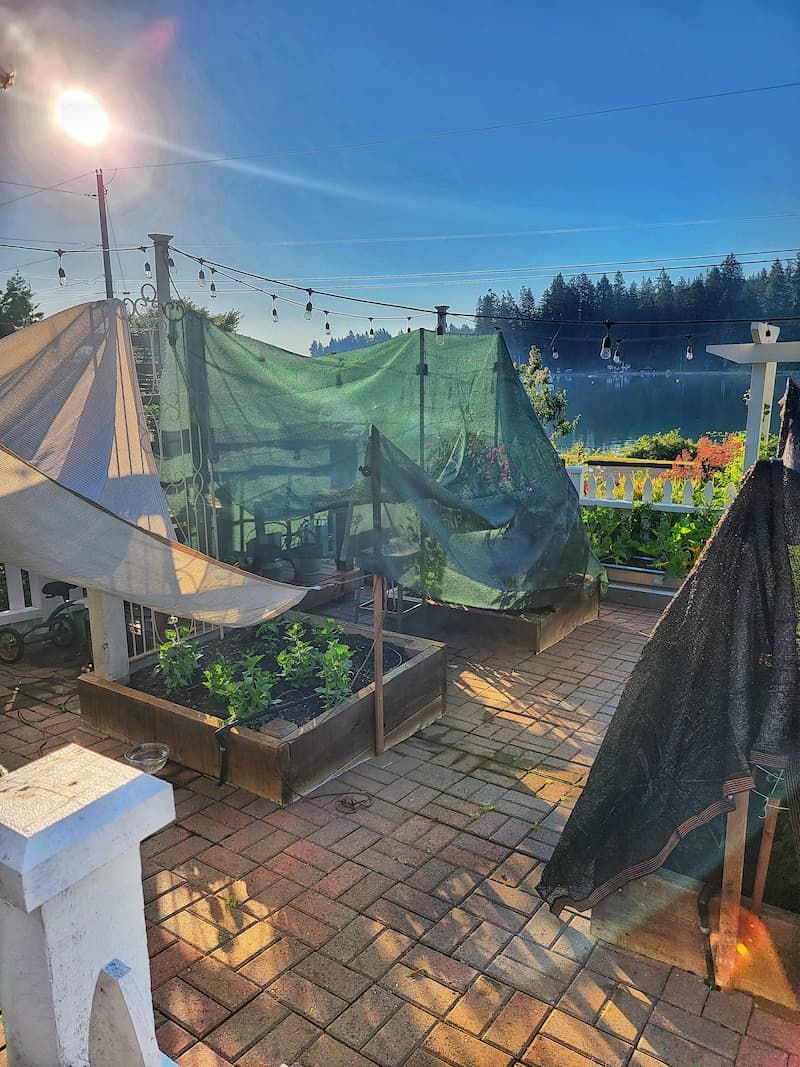
South-facing walls seem like sun-lovers’ paradise, but the reflected heat off brick, stone, or light siding can push coneflowers past their comfort zone. The spot becomes an oven, especially in the afternoon.
Radiant heat bouncing off the wall bakes the soil and scorches nearby foliage, leaving leaves crispy and blooms fading fast. Water evaporates almost as quickly as you can supply it, so the plant lives in near-constant drought stress.
Coneflowers tolerate real heat well, but the double dose from sun plus reflected warmth is more than they bargained for.
Pulling the planting a foot or two off the wall gives roots cooler soil and more even moisture. A layer of mulch can help hold water and moderate soil temperature during the worst heat.
Choosing the east or north side of a structure often provides plenty of light without the punishing glare. If you are set on that hot strip, pair coneflowers with truly heat-craving succulents that relish the extra warmth. A small shift away from the reflective surface usually revives a plant that was slowly cooking.
10. Beneath Dripping Gutters and Downspouts
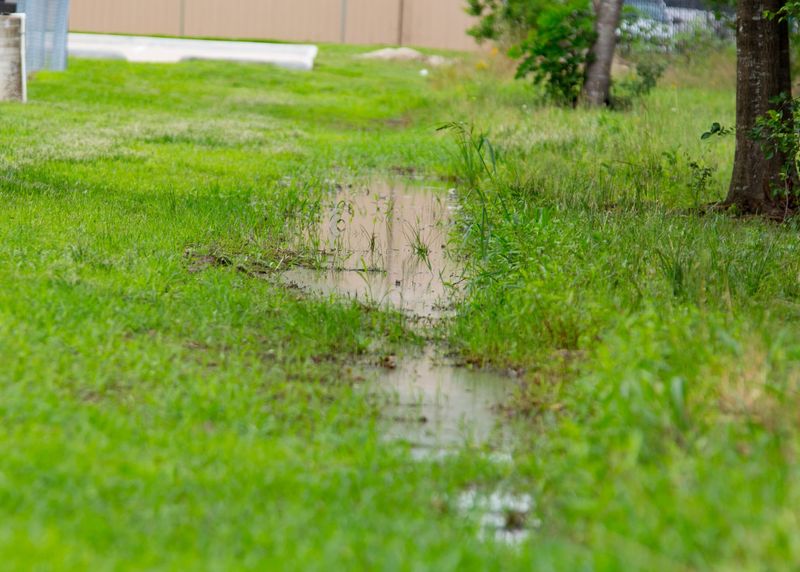
The strip of ground under a roofline gutter or downspout gets hammered with water every time it rains, and coneflowers really cannot handle the beating. Runoff pounds the crown and keeps the soil perpetually saturated.
Between the physical battering and the constant moisture, roots rot and stems flatten under the weight of falling water. Even in a dry week, that soil often stays damp long after the rest of the bed has drained.
Splashing water also flings soil onto the leaves, spreading fungal spores that trigger leaf spot and other trouble.
Redirecting the downspout with an extension or a splash block steers the deluge away from your planting. If the flow cannot be moved, choose moisture-loving plants like Joe Pye weed or sedges for that zone instead.
Coneflowers belong in the drier, better-drained parts of the garden where rain arrives gently. Relocating a soggy, battered plant to higher ground can bring it roaring back within a season. Watch where your roof sheds water before you plant, and you will spare yourself a mystery decline later.
11. Deer Highways Along Woodland Edges

A bed along the woodland edge feels wild and natural, but it often doubles as a deer buffet, and coneflowers land on the menu more than gardeners expect. Those tender buds and flower stems make a tempting snack.
While coneflowers rank as only moderately deer-resistant, hungry herds in fall and winter will strip them bare when other forage runs out. You wake to find neatly nipped stems and vanished flower heads overnight.
Repeated browsing weakens the plant and erases the blooms you were counting on for the season.
Fencing remains the only reliable defense, but repellent sprays and strongly scented companions like alliums or lavender may help deter casual browsing. Rotating deterrents keeps clever deer from getting used to any single trick.
Planting coneflowers closer to the house, where human activity discourages deer, often reduces the damage. If your property backs to woods, treat every new planting as a taste test the deer will eventually run.
A little defense up front spares you the heartbreak of a beheaded bed each morning.
12. Sandy Soil That Never Holds Moisture
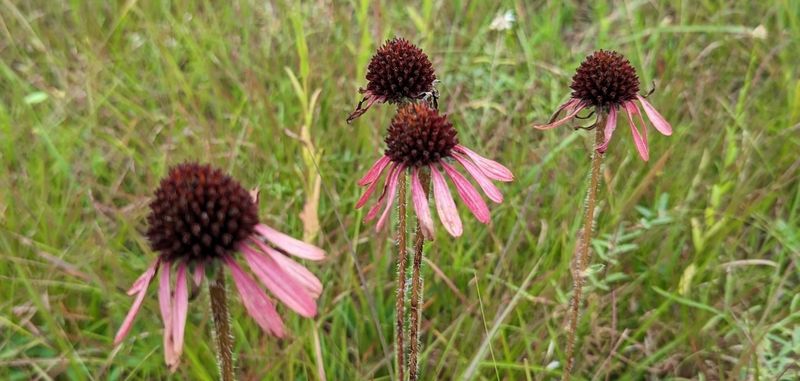
Loose, gritty sand drains beautifully, which sounds perfect until you realize it drains so fast that water and nutrients race right past the roots. New coneflowers in pure sand often struggle to establish before drought sets in.
Young plants especially suffer, wilting between waterings and staying stubbornly small because the soil holds neither moisture nor food. The blooms come sparse and short-lived when roots cannot find a steady drink.
Established coneflowers cope better once their deep taproots reach down, but getting them there is the hard part.
Working in compost and a bit of leaf mold can help sandy soil hold water long enough for roots to use it. Mulching heavily slows evaporation and keeps that top layer from drying to dust by noon.
Patient, consistent watering through the first season gives new plants time to sink those roots deep. Once settled, coneflowers actually appreciate sharp drainage, so sand becomes an ally rather than an enemy. The trick is nursing them through establishment before the ground can starve them out.
13. Frost Pockets in Low Valleys

Cold air behaves like water, sliding downhill and settling in the lowest spot it can find. If your coneflowers sit in one of these frost pockets, they face harsher cold snaps and later spring starts than the rest of the garden.
Late frosts can nip tender new growth just as the plant wakes up, setting it back for weeks. Trapped cold and lingering dampness also raise the risk of crown rot during the freeze-thaw swings of early spring.
Plants in these dips often emerge slower and bloom later than identical ones on higher ground nearby.
Planting on a gentle slope or raised area lets cold air drain past instead of pooling around the crowns. A protective winter mulch can help buffer roots against the wild temperature swings these low spots dish out.
Choosing hardy, region-appropriate varieties gives you a better shot in a chilly microclimate. If you keep losing plants in the same dip, trust the pattern and move the bed uphill. Coneflowers reward good cold-air drainage with earlier, steadier growth each spring.
14. Compacted Soil Along Walkways and Paths
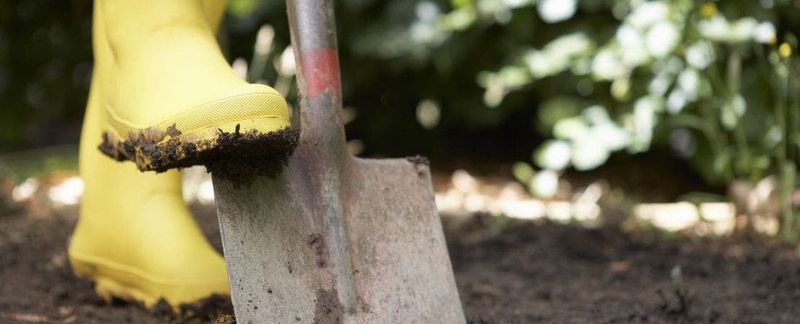
The strip of earth beside a path or driveway takes a beating from foot traffic, mowers, and settling, and it slowly compacts into something close to concrete. Coneflower roots simply cannot penetrate that dense, airless layer.
Squeezed into compacted ground, roots stay shallow and cramped, so the plant grows stunted and struggles to find water even when the surface looks damp. Rain runs off rather than soaking in, adding drought stress to the mix.
Compaction also strangles the soil life and air pockets that healthy roots depend on.
Loosening the area with a broadfork and blending in generous compost can help restore structure and open the ground back up. Keeping foot traffic off the planting zone prevents the problem from creeping back.
A layer of mulch cushions the soil surface and encourages earthworms to do the loosening for you over time. Once roots can breathe and spread, a formerly stunted coneflower often surges with fresh vigor. Give those roots room to move, and the plant beside the path can finally catch up to its bed-mates.
15. Dim Indoor Windowsills
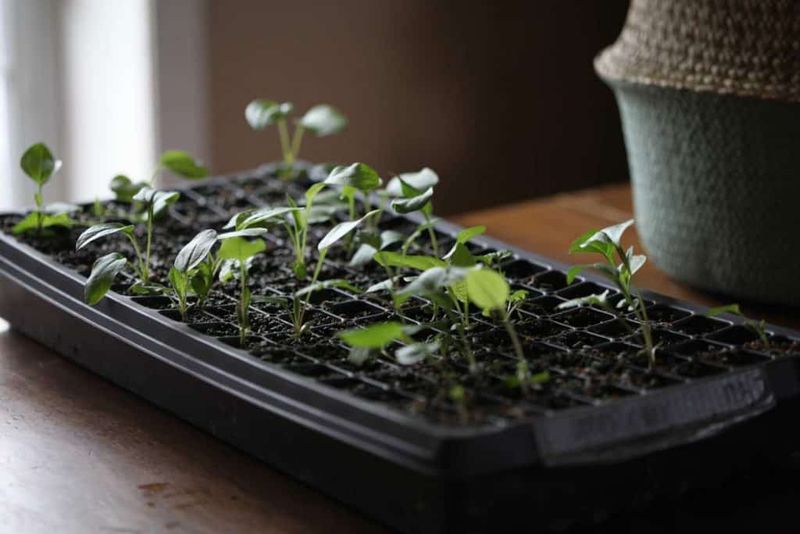
Every so often a hopeful gardener tries to keep a coneflower going indoors on a windowsill, and the plant declines almost immediately. As a sun-hungry perennial, it needs far more light and air than any window can offer.
Even a bright sill delivers a fraction of the intensity of outdoor sun, so the plant stretches, pales, and refuses to bloom. Stagnant indoor air and warm winter temperatures also throw off its natural dormancy, leaving it exhausted and confused.
Pests like spider mites often move in on the weakened, stressed foliage.
Coneflowers genuinely need a cold winter rest to perform, which a heated house cannot provide. Rather than fight biology, plant them outdoors and enjoy the seed heads as winter interest through the window instead.
If you crave indoor greenery, choose true houseplants built for low light and steady warmth. Move that struggling coneflower into the garden come spring, and it will likely rebound once it feels real sun and seasons again. Some plants simply belong outside, and this is firmly one of them.
16. A Sunny Well-Drained Border Bed
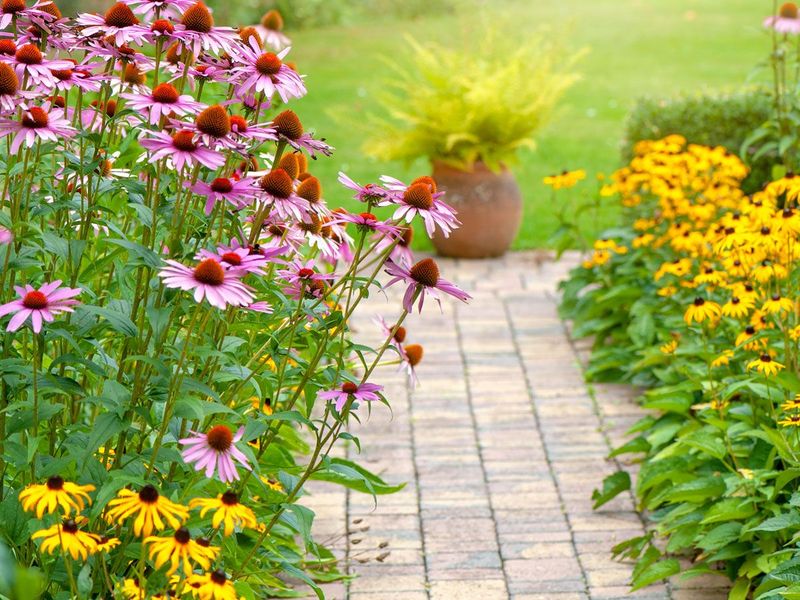
Here is where the story turns happy. Give a coneflower a border bed with six or more hours of direct sun and soil that drains freely, and it settles in like it finally came home.
Full sun fuels sturdy stems and a steady parade of blooms from midsummer well into fall. Good drainage keeps the dreaded root rot at bay, so the plant sails through wet spells and dry ones alike.
Butterflies and bees show up in droves, turning your border into a buzzing, colorful destination.
Space plants generously for airflow, add just a touch of compost, and otherwise let them be. Coneflowers actually resent fussing, so this low-maintenance spot plays perfectly to their strengths.
Come winter, leave the spent seed heads standing to feed goldfinches and add sculptural interest against the snow. A well-placed border bed checks every box these prairie natives ask for.
Plant them here and you will finally understand why gardeners rave about coneflowers instead of quietly mourning them. This is the reward that makes all the earlier troubleshooting worthwhile.
17. The Heart of a Native Prairie Planting

Drop a coneflower into a native prairie-style planting and watch it behave like the seasoned local it truly is. Surrounded by little bluestem, black-eyed Susans, and asters, it finds its natural rhythm.
These are the exact conditions coneflowers evolved with, from the lean soil to the mingling roots that share space without smothering. Deep root systems all around keep the ground loose, airy, and self-watering to a surprising degree.
The community also spreads out pest and disease pressure, so no single plant gets hammered.
Prairie plantings need very little from you once established, which suits a plant that hates coddling. Blooms come strong, seeds feed the birds, and the coneflowers often self-sow into cheerful new drifts.
You get a living, changing tapestry that looks better each year rather than declining. For anyone who has watched coneflowers sulk in a manicured bed, a prairie setting can feel like a revelation.
Match the plant to the plant community it was born into, and it practically takes care of itself while rewarding you with years of effortless color.
18. A Slightly Raised Berm or Mound
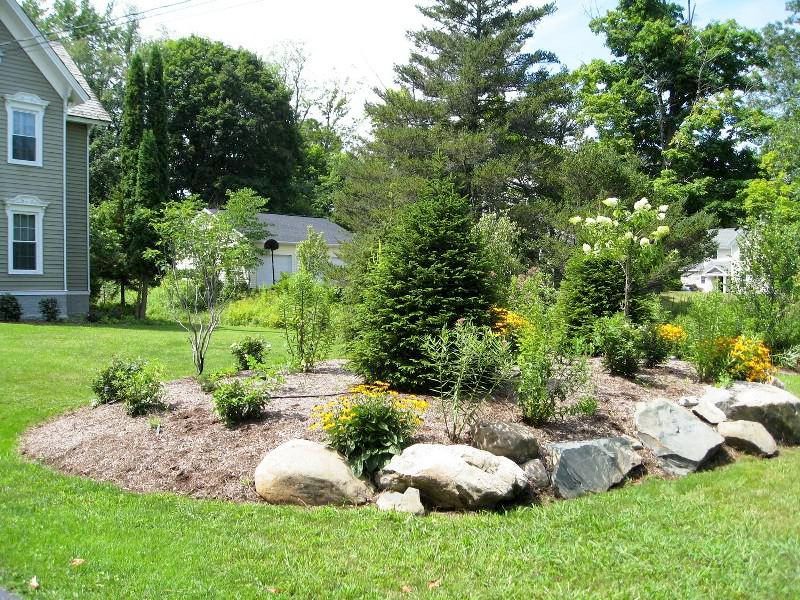
Gardeners battling soggy ground often find their salvation in a simple mound of soil. Raise the planting even six to twelve inches, and coneflowers escape the wet feet that doomed them in flatter beds.
Elevation gives water somewhere to go, so roots stay in that sweet zone of moist but never waterlogged. The improved drainage alone can turn a plant that used to rot each winter into a reliable, long-lived performer.
Berms also warm faster in spring, nudging plants into earlier, stronger growth.
Building one is easy work, just pile up a blend of native soil, compost, and coarse grit, then plant into the crown. The extra height even makes the flowers easier to admire and lets pollinators find them fast.
Slopes on a berm shed heavy rain gracefully, which suits clay-plagued yards especially well. If your garden fights drainage more than anything, a mound may be the single best move you can make.
Coneflowers on high, well-drained ground tend to shrug off the very problems that quietly finished off their flatland cousins.
19. A South-Facing Pollinator Strip
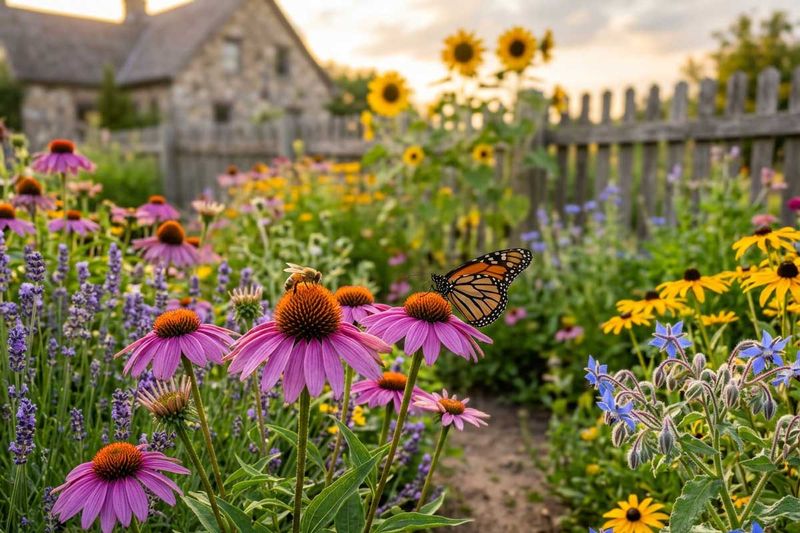
Save the best for last with a dedicated pollinator strip on the sunny south side of the yard, where coneflowers arguably shine brightest of all. Bright light and open air create nearly ideal growing conditions.
Long hours of sun drive robust blooming, while the open layout keeps foliage dry and mildew at bay. Planted alongside bee balm, salvia, and yarrow of matching vigor, coneflowers hold their own and contribute a headline show of color.
The strip becomes a magnet for bees, butterflies, and eventually seed-eating birds.
Keep the soil lean and well-drained, water only during real dry spells, and skip the fertilizer entirely. That hands-off approach lets coneflowers do what they do best without any pampering.
A pollinator strip also gives you an ecological win, supporting the insects your whole garden depends on. Leaving stems standing through winter extends the benefit into the coldest months.
Between the sun, the airflow, the good company, and the lean soil, this spot delivers everything on a coneflower’s wish list. Plant here, and thriving becomes the easy default rather than a lucky accident.