
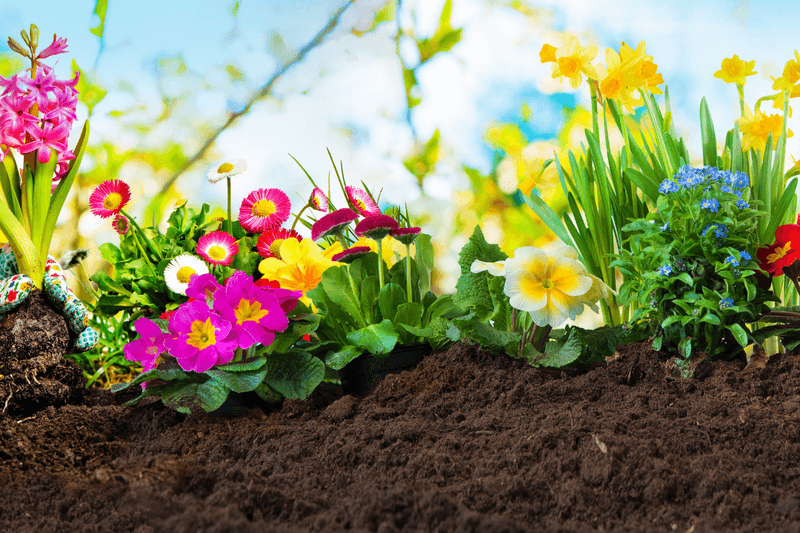
If your flower beds look tired and half-empty by midsummer, you are not alone, and you have not missed your chance. Plenty of annuals grow fast enough to fill those gaps and bloom before the first frost, so your yard can look full again in just a few weeks. Planting late does come with a couple of catches, like watering more often and choosing the right varieties, but the payoff is real color when everyone else’s garden is fading. Here are twelve dependable, quick-blooming annuals you can still tuck into the ground right now.
1. Zinnias
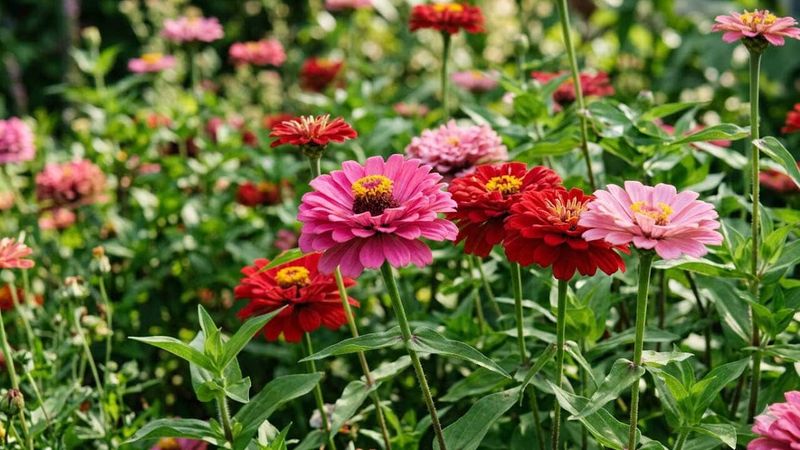
Few flowers reward a late start as generously as zinnias. Drop the seeds into warm soil and you can see sprouts within a week, with the first blooms opening in roughly six weeks.
Heat does not bother them one bit. While your petunias sulk in July, zinnias keep pumping out bright reds, oranges, and hot pinks that butterflies cannot resist.
The most common problem gardeners run into is powdery mildew, a dusty white coating on the leaves. Space the plants a bit apart and water at the base instead of overhead, and you can often keep that problem from spreading.
Snip a few stems for a vase and the plant responds by making even more flowers. That cut-and-come-again habit is exactly what makes zinnias so useful for filling a thin late-summer bed.
Fun fact: zinnias are native to Mexico and were once nicknamed mal de ojos, meaning something less than flattering, before breeders turned them into garden stars. Today they may be one of the easiest annuals a nervous beginner can grow with confidence.
2. Cosmos
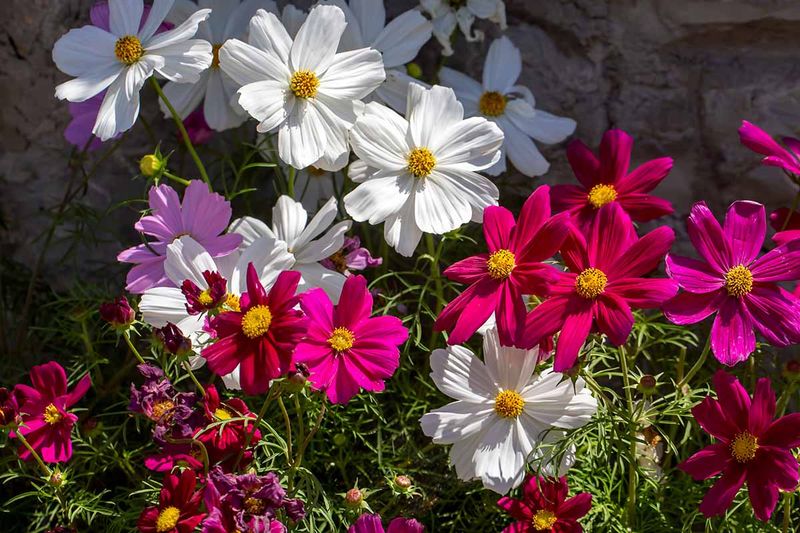
Picture a cloud of daisy-like flowers swaying on tall, feathery stems, and you have cosmos. Toss the seeds down now and they will often bloom in seven to eight weeks, sometimes sooner.
What makes cosmos different from the fussier plants on this list is how much they hate being pampered. Rich soil and heavy fertilizer actually give you fewer flowers and floppy stems, so lean soil and a little neglect work in your favor.
They shrug off heat and drought once established, which is a relief if your summer watering routine is hit or miss. That toughness makes them a smart choice for a forgotten corner of the yard.
Pollinators adore them. Expect bees and butterflies to show up within days of the first pink, white, or magenta blooms opening.
If your plants get leggy and start flopping, a light pinch of the growing tips early on can encourage bushier, sturdier growth. Deadheading spent blooms often keeps the show going straight into fall, giving you weeks of easy, airy color.
3. Sunflowers (Dwarf Varieties)
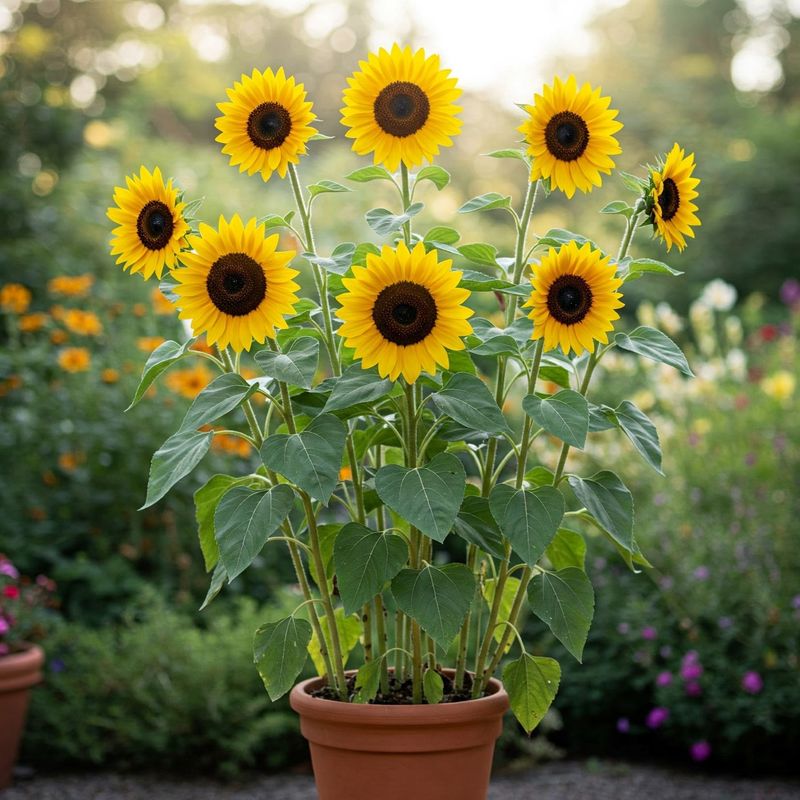
Everyone pictures the towering giants, but dwarf sunflowers are the secret to late-season color. Varieties like Teddy Bear or Sunspot mature in as little as 55 to 60 days, so a July planting still delivers cheerful blooms before frost.
Because they stay short, usually under three feet, you skip the staking headache that comes with the ten-foot monsters. They fit neatly into pots and border edges where tall types would look awkward.
Birds and bees flock to them, and the compact seed heads later become a snack station for finches if you leave a few standing.
Watch for droopy seedlings, which usually signal either too little water or a sudden hot spell. A deep morning soak can often perk them back up within a day.
Slugs sometimes chew young leaves, so check the undersides if you spot ragged holes. Scattering a barrier around the stems may help reduce the damage.
Plant a few every couple of weeks and you can stretch that sunny, face-turning-to-the-sky look well into September, keeping the whole bed feeling alive.
4. Marigolds
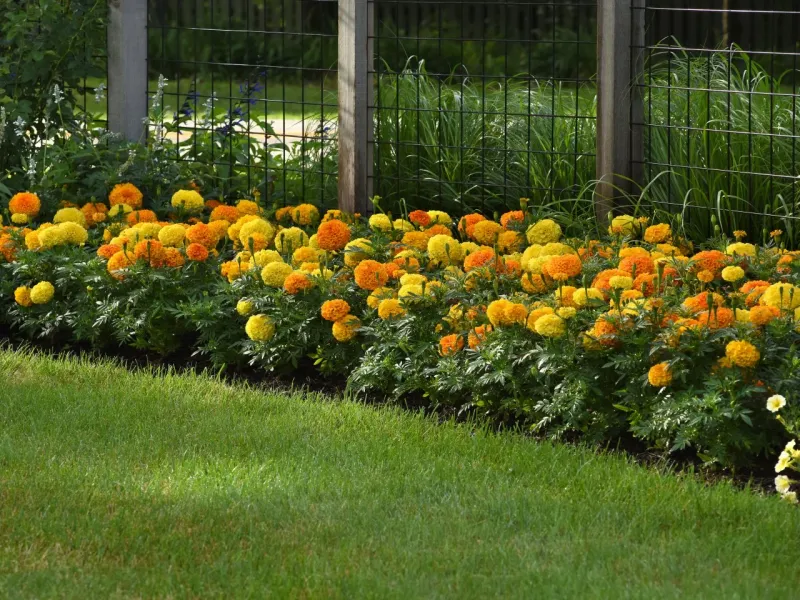
Gardeners have leaned on marigolds for generations, and not just for their glowing gold and rusty orange blooms. These plants go from seed to flower in about seven to eight weeks and barely ask for anything in return.
Their real claim to fame is what happens underground and around the leaves. Marigolds give off a scent that many gardeners say can help deter certain pests, which is why you often see them tucked among tomatoes and beans.
Heat and dry spells rarely faze them. When August turns the rest of the bed crispy, marigolds tend to keep glowing without complaint.
Spider mites are the main pest to watch during hot, dusty stretches. A firm spray of water on the undersides of the leaves can knock them back before they take hold.
Pinch off the faded flowers and the plant keeps producing new ones right up to frost. Between the fast growth, the pest-fighting reputation, and the stubborn toughness, marigolds earn their spot as one of the most practical picks for a quick refresh.
5. Nasturtiums
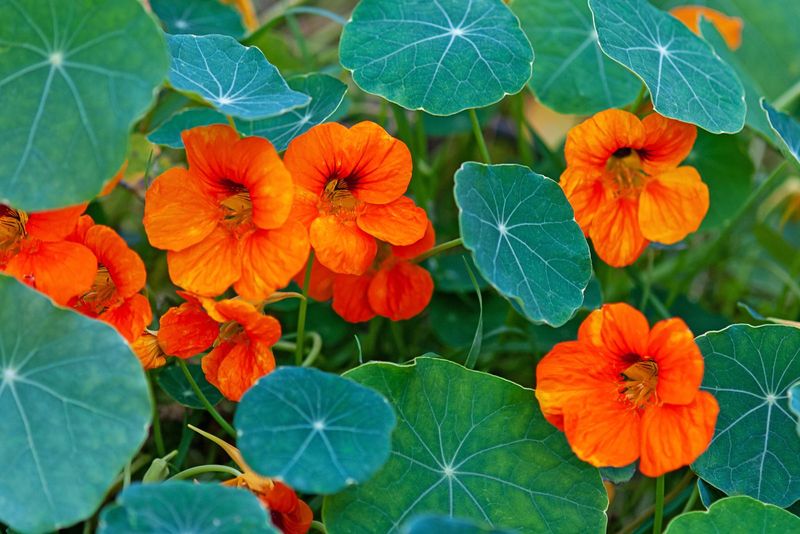
Here is an annual that feeds you and decorates your yard at the same time. Nasturtiums sprout quickly from their large, easy-to-handle seeds and can bloom in five to six weeks, spilling out cheerful red, orange, and yellow flowers.
Both the peppery leaves and the flowers are edible, adding a spicy kick to salads that surprises most people. That two-for-one trait sets them apart from the strictly ornamental crowd.
Poor soil is their happy place. Feed them too well and you get a jungle of leaves with hardly any blooms, so hold off on the fertilizer.
Aphids love nasturtiums, which some gardeners actually use to their advantage as a trap crop that lures pests away from prized vegetables. If clusters get bad, a gentle blast of soapy water can reduce their numbers.
They trail beautifully over walls and hanging baskets or mound up as a low border. Because they handle a little drought and thrive on being ignored, nasturtiums are a forgiving choice for anyone who wants fast, edible color without much fuss at all.
6. Petunias
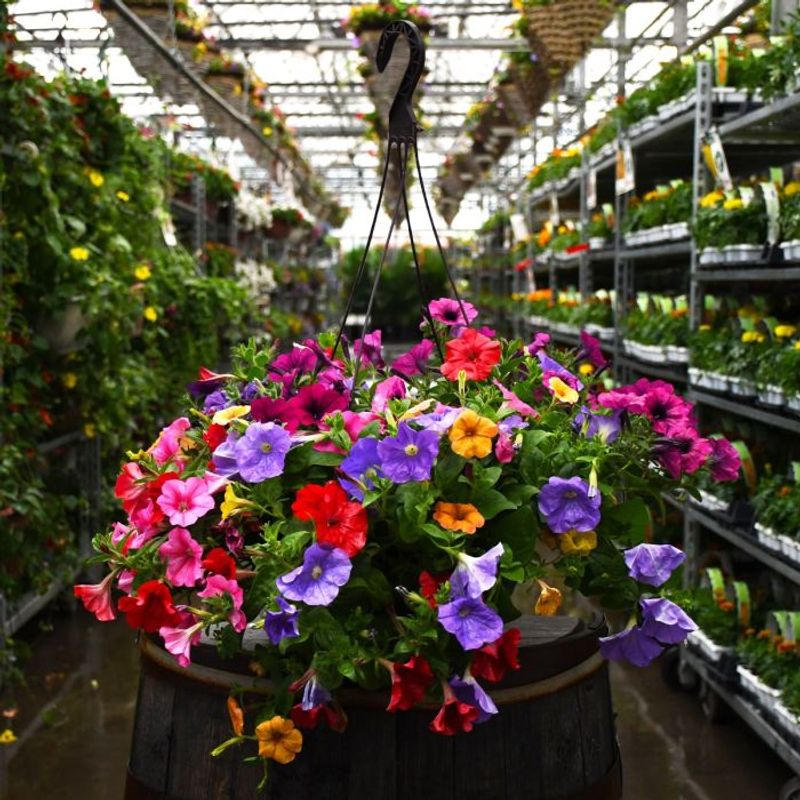
For sheer flower power in a hurry, petunias are hard to beat, especially if you start with young transplants from the garden center. They can fill a container or bed with color in just a couple of weeks.
Summer heat is where many gardeners run into trouble. Petunias often look scorched and stop blooming when temperatures spike, so afternoon shade and steady moisture can help them push through the worst of it.
Leggy, bare stems with flowers only at the tips are a common complaint by midsummer. Cutting the plants back by about a third often triggers a fresh flush of blooms within a week or two.
Deadheading the spent, sticky flowers keeps energy flowing into new buds instead of seed production. A dose of balanced fertilizer every couple of weeks may improve the bloom count too.
Choose spreading or wave types for baskets and trailing displays, or mounding types for tidy beds. With a quick trim and a little water discipline, petunias can bounce back from a rough July and carry rich color straight through the tail end of summer.
7. Celosia
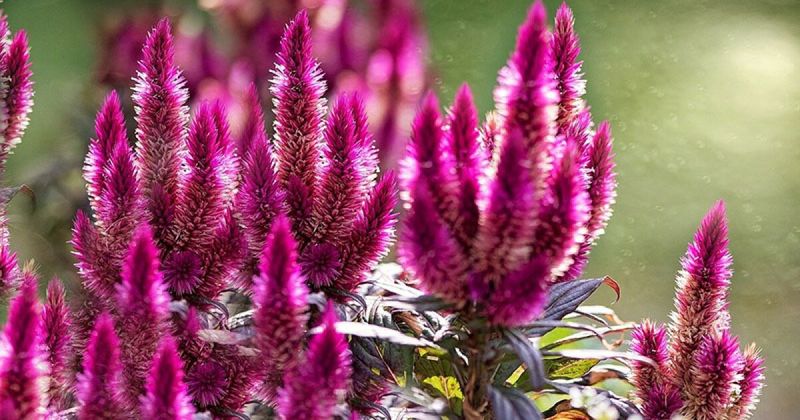
If you want something that looks nothing like the usual daisy shapes, celosia brings drama with its velvety plumes and brainlike crested blooms. Started from transplants, it colors up fast and holds that intensity for weeks.
Rich jewel tones of scarlet, gold, and magenta almost look artificial, yet they are all natural. The texture alone makes celosia a conversation piece in any late-summer bed.
Heat and humidity, the very conditions that stress so many flowers, are exactly what celosia craves. That makes it a standout pick for southern gardens and steamy August weeks.
Root rot from soggy soil is the main risk, so plant it where water drains freely and avoid drowning it with the hose. Well-drained ground can prevent most of those problems.
The blooms dry beautifully, keeping their shape and color for indoor arrangements long after the growing season ends. Cut a few stems at their peak and hang them upside down to preserve them.
Between the unusual texture, the love of heat, and the bonus of dried flowers, celosia offers something genuinely different from every other annual here.
8. Sweet Alyssum
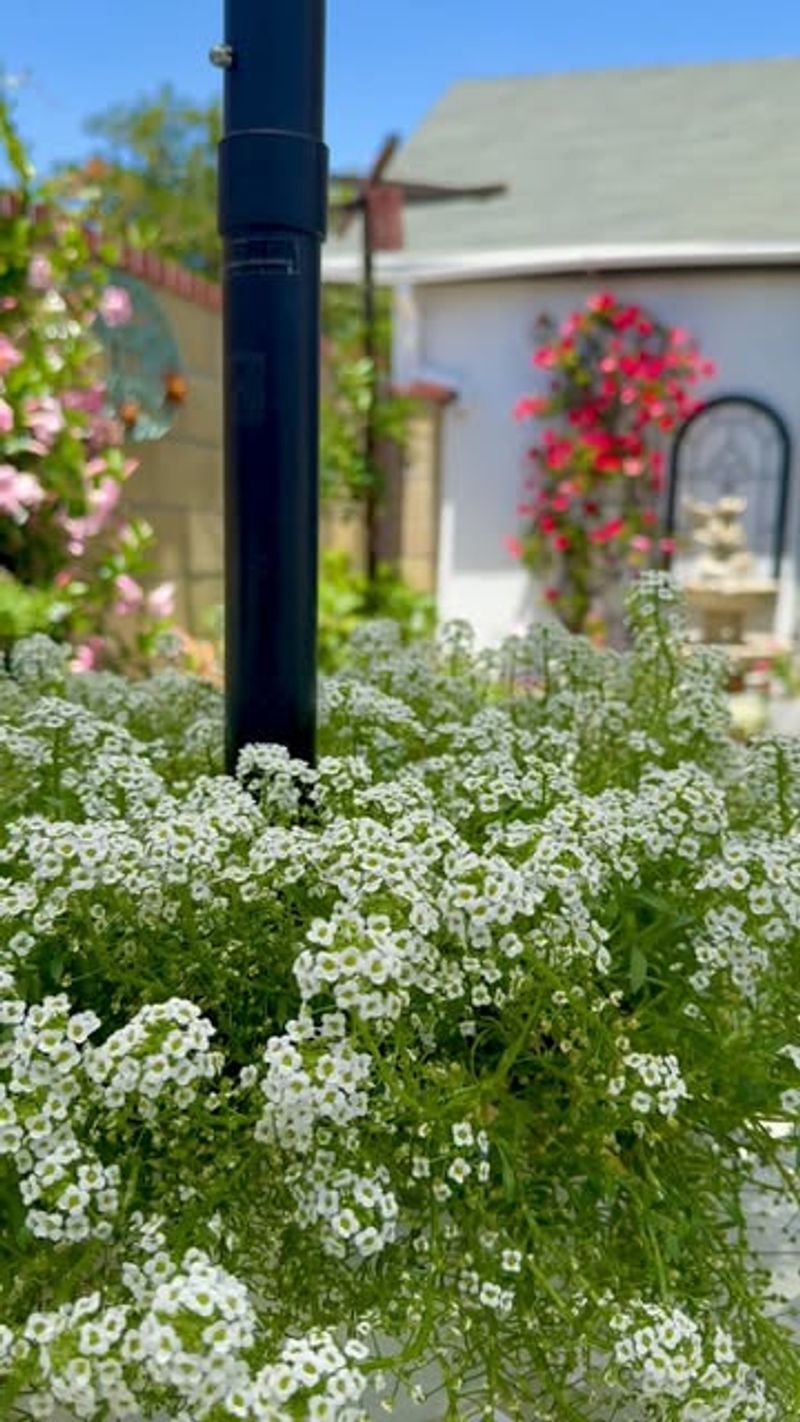
Sometimes the smallest flowers make the biggest impact, and sweet alyssum proves it. Clouds of tiny white, purple, or pink blossoms appear within six weeks of sowing and carpet the ground with a soft, honey-sweet fragrance.
The low, spreading habit makes it ideal for edging paths, softening the front of a bed, or filling the gaps around taller plants. It knits everything together and hides bare soil in a hurry.
Bees and tiny beneficial insects swarm to the blooms, so it does double duty by drawing helpers that prey on garden pests. That quiet usefulness sets it apart from showier flowers.
In the hottest part of summer, alyssum can stall out and look tired. A light shearing often revives it, and it bounces back with fresh blooms once the temperature eases a little.
Because it self-sows so readily, you may find volunteer plants popping up next season as a pleasant surprise. Give it decent drainage and a spot with morning sun, and this fragrant little workhorse will keep spilling color right along the edges of your garden.
9. Calendula
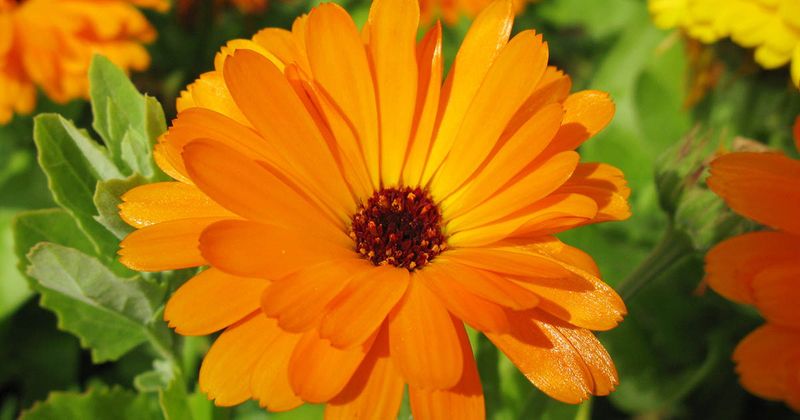
Often called pot marigold, calendula is a cool-weather champ that actually appreciates a late-summer planting. Sow it now and it races to bloom in about seven weeks, then keeps going strong as nights start to cool.
Bright orange and yellow petals brighten the garden, but the flowers are also famous in homemade salves and teas thanks to their soothing reputation. That herbal history gives calendula a purpose beyond good looks.
Unlike heat-craving annuals, calendula tends to sulk in extreme heat and perk up once September arrives. That makes it the perfect bridge flower to carry your beds toward autumn.
Powdery mildew and aphids can show up in crowded, damp conditions. Giving plants room to breathe and watering at the roots can reduce the chance of trouble taking hold.
Snip the open flowers regularly and the plant answers with more, extending the display for weeks. The petals are edible too, adding a golden confetti touch to salads.
With its cool-season timing, healing lore, and cheerful glow, calendula is a smart choice for gardeners who want color that stretches well past the summer heat.
10. Impatiens
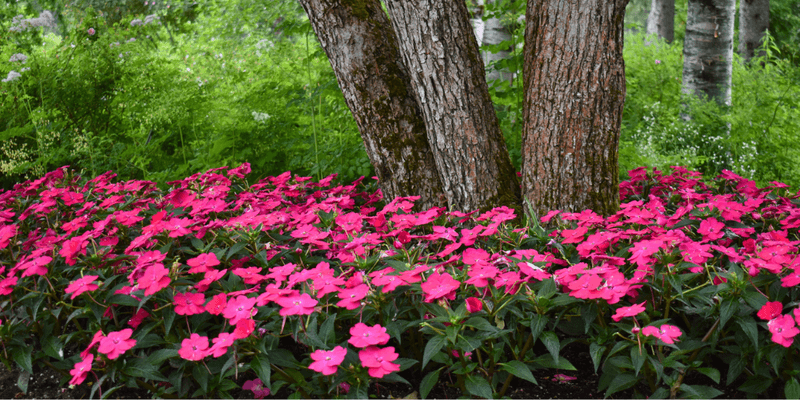
Got a shady spot that stubbornly refuses to bloom? Impatiens are the answer, filling dim corners with nonstop color where sun-loving annuals give up entirely.
From transplants, they settle in and flower almost immediately, blanketing the ground in soft pinks, corals, whites, and reds. That instant fullness makes them perfect for a quick shade rescue.
The biggest complaint gardeners have is sudden wilting, which usually means the soil dried out. Impatiens are thirsty plants, and consistent moisture can prevent that dramatic afternoon flop.
Downy mildew has been a real problem for the classic types in recent years, causing leaves to yellow and drop. Choosing New Guinea impatiens or resistant varieties can reduce that risk considerably.
They thrive in containers, window boxes, and hanging baskets where you can control the watering more easily. Grouped together, the blooms create a lush, tropical carpet effect.
Keep them out of harsh afternoon sun, water before they droop, and pick mildew-resistant stock, and impatiens will reliably light up the parts of your yard that other flowers simply cannot handle this late in the season.
11. Portulaca (Moss Rose)
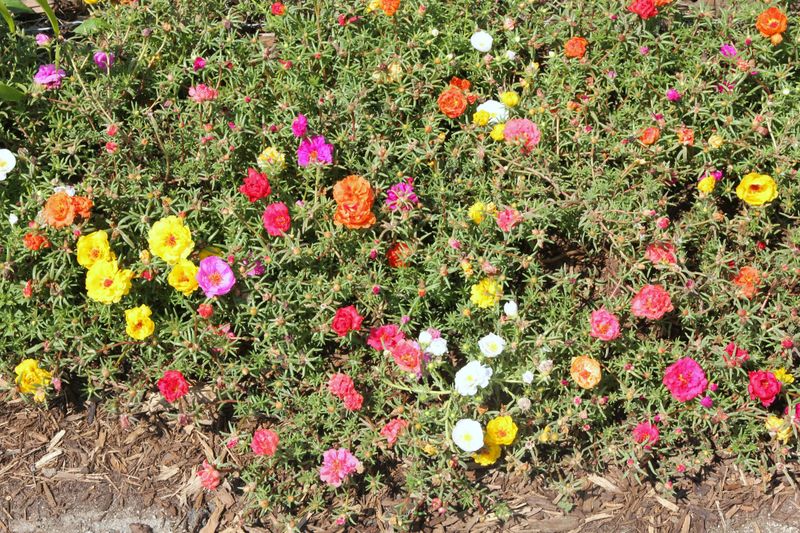
For gardeners who forget to water, portulaca is practically a gift. This low, sprawling succulent stores moisture in its plump leaves and bursts into rose-like blooms even during a brutal dry spell.
Set out transplants and it fills in fast, hugging the ground with jewel-toned flowers in pink, orange, yellow, and red. The blooms tend to open in bright sun and close up when clouds roll in.
Baking hot spots that fry other plants, like gravel beds, rock gardens, and the edges of hot pavement, are exactly where portulaca thrives. Its drought tolerance is unmatched among the annuals on this list.
Overwatering is the fastest way to kill it, leading to mushy stems and root rot. Sandy, sharp-draining soil and a light hand with the hose keep it happy.
Because it stays low, it works beautifully as a living mulch spilling over container edges or between stepping stones. Full sun is non-negotiable, since shade shuts the flowers down.
If your problem is a scorching, neglected patch that nothing seems to survive, portulaca may finally give you color where you least expect it.
12. Bachelor’s Buttons (Cornflower)
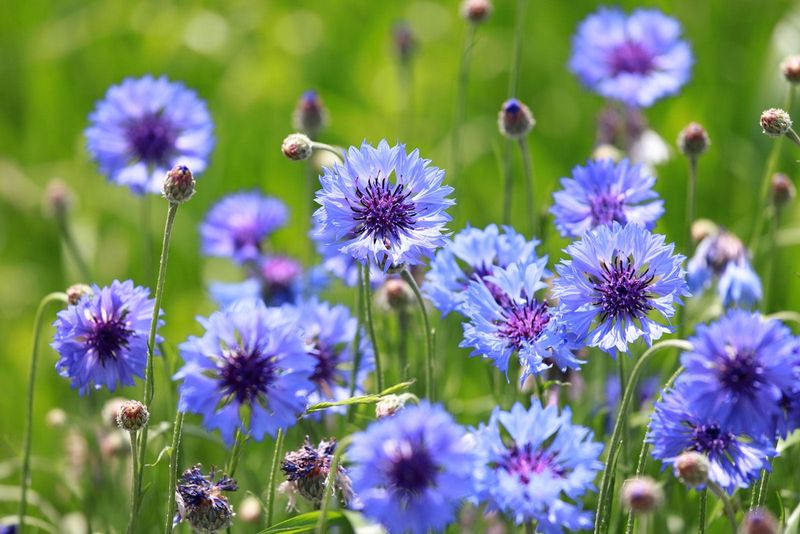
There is something old-fashioned and charming about bachelor’s buttons, with their fringed, button-shaped flowers in an almost unreal shade of true blue. Sow the seeds now and they can bloom in just seven to eight weeks.
Genuine blue is rare in the flower world, which makes cornflowers a standout among the reds, oranges, and pinks that dominate most late-summer beds. Pink and white forms exist too, but the blue steals the show.
They handle poor soil and dry conditions with ease, asking for little beyond a sunny spot. That toughness makes them a low-maintenance choice for busy gardeners.
Bees and butterflies visit constantly, and the flowers are edible, often used to add a splash of color to salads and baked goods.
Powdery mildew can appear late in the season on crowded plants. Thinning seedlings so air moves freely between them can help keep the foliage clean.
Deadhead often to keep new buds forming, and you can enjoy that vivid blue right up until frost. As a cheerful, fuss-free finale to your planting, bachelor’s buttons bring a color you simply cannot fake.