
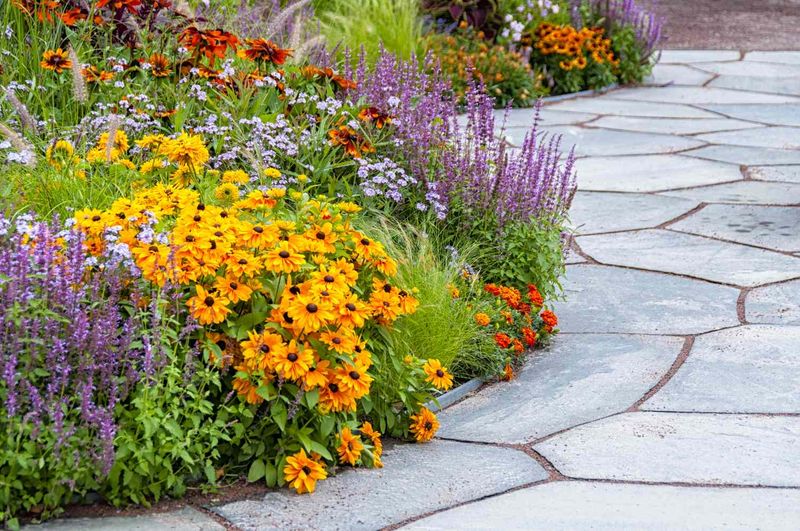
If your petunias turn to mush every July, the problem probably isn’t you. Some flowers just can’t take the brutal heat that builds up in south-facing beds and along hot pavement. The good news is that plenty of tough, colorful bloomers actually love those blazing conditions and keep flowering when everything else flops. Here are seven heat-lovers that stay bright and healthy all summer long.
1. Lantana
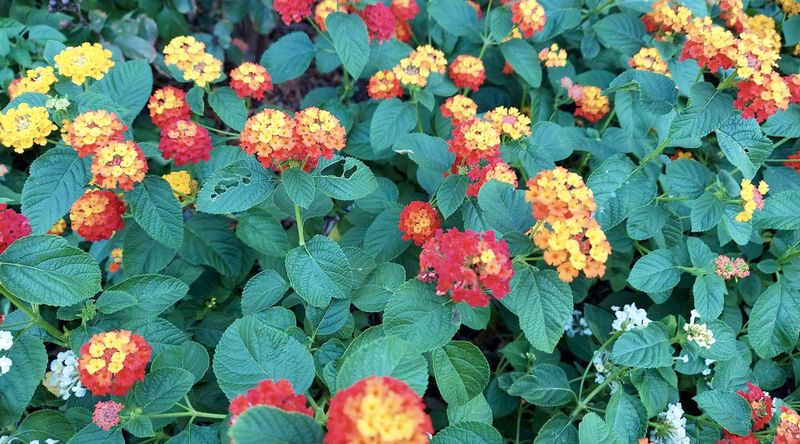
Butterflies show up like they got a personal invitation whenever lantana starts blooming. That alone tells you something about how happy this plant is in scorching weather.
Native to warm regions and beloved across the southern US, lantana shrugs off heat that would leave petunias limp by noon. The clustered blooms shift colors as they age, so a single plant can show off yellow, orange, and pink all at once. Once established, it barely needs watering, which is a lifesaver during a July dry spell.
Plant it in full sun where the soil drains well, and you may find it doing best in the very spot that fried everything else. Deadheading isn’t strictly required, though a light trim often improves the flush of new flowers.
One heads-up worth mentioning: lantana berries are toxic if eaten, so keep an eye on curious kids and pets. In warmer zones it can spread eagerly, so give it room. For a bed that laughs at 95-degree afternoons, this dependable bloomer rarely disappoints.
2. Angelonia
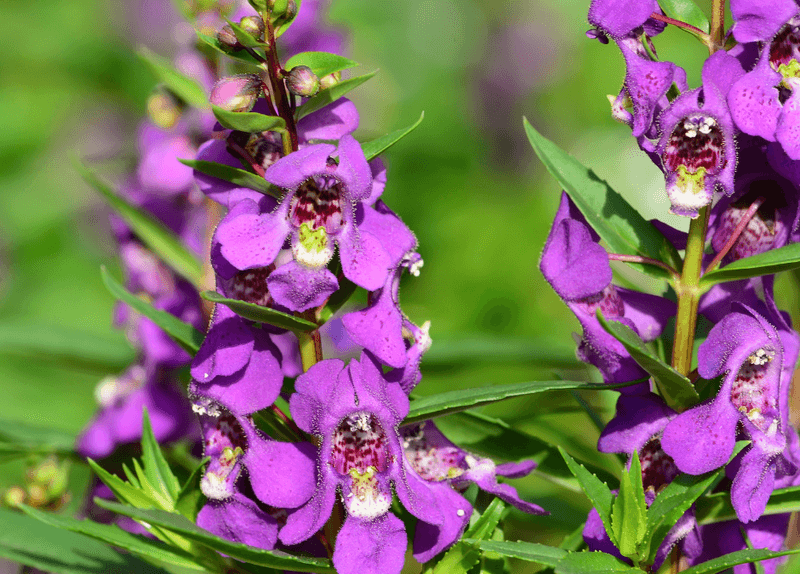
Gardeners nicknamed this one “summer snapdragon,” and the resemblance is easy to spot in those tidy spikes of orchid-like blooms. Unlike true snapdragons, though, angelonia thrives when the thermometer climbs instead of collapsing in the heat.
Purple, pink, white, and blue-violet varieties stand upright in neat columns, adding welcome vertical shape to beds that can otherwise look flat. The flowers hold up through humid, sticky stretches that make many plants sulk, which is exactly why it earns a spot in the hottest corner of the yard.
Full sun and steady moisture keep angelonia looking its best, but it forgives the occasional missed watering better than most fussier bloomers. There’s no need to deadhead, since it keeps pushing fresh spikes on its own straight through the season.
Pollinators appreciate it too, and cut stems can brighten a vase indoors. For a low-drama filler that reads polished rather than wild, this steady performer often outlasts the flashier annuals you planted around it. It can reduce the gaps that open up when heat thins out a bed.
3. Zinnia
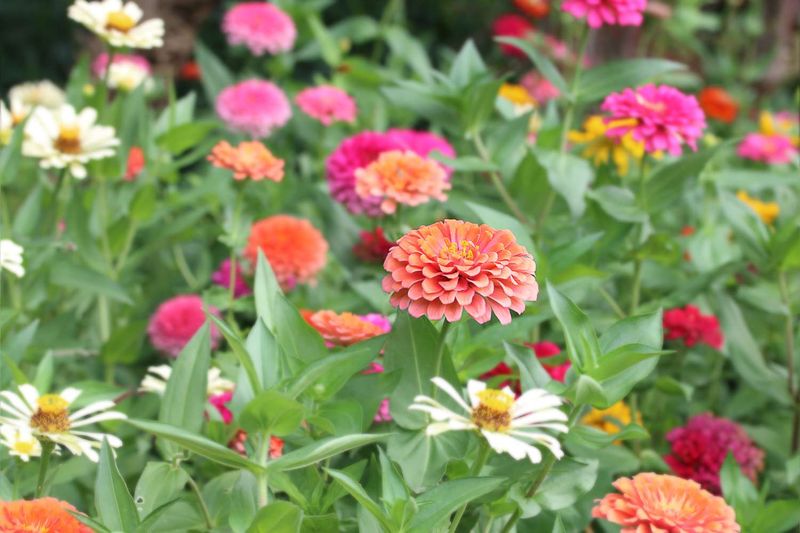
Few flowers pack as much cheerful punch per seed packet as the zinnia. Toss a few seeds into warm soil, stand back, and within weeks you’ve got a bed exploding in reds, oranges, pinks, and every shade in between.
Heat and sun are exactly what zinnias crave, so the beds that torch your petunias become their happy place. They bloom fast from seed, making them one of the most rewarding choices for impatient gardeners or kids planting their first flowers.
Cutting the blooms actually encourages more, so the more bouquets you snip, the fuller the plants get. That makes them a favorite for anyone who likes fresh flowers on the kitchen table all summer.
One thing to watch: crowded, damp foliage can invite powdery mildew, so space plants out and water at the base to reduce that risk. Butterflies and hummingbirds treat a zinnia patch like a buffet, adding constant motion to the garden. For color that shows up quickly and keeps going until frost, these hardworking annuals are tough to beat.
4. Portulaca (Moss Rose)
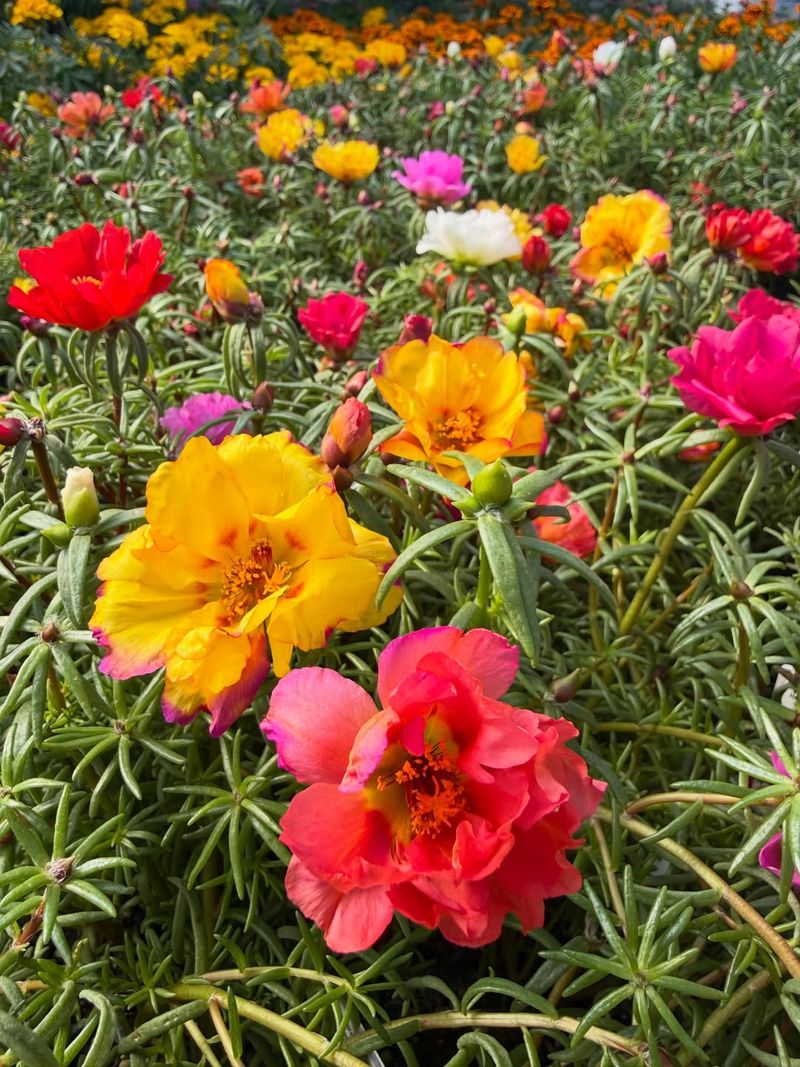
Picture a plant so tough it thrives in the gravelly, baked strip along your driveway where nothing else survives. That’s portulaca, sometimes called moss rose, and it treats brutal heat like a spa day.
Its fleshy, succulent leaves store water, which is the secret behind its almost unkillable reputation in dry, sunny spots. The rose-like blooms open in shades of hot pink, orange, yellow, and white, then close up again as evening falls.
Because it hugs the ground and spreads into a low mat, portulaca works beautifully spilling over the edge of a container or tumbling along a hot border. Sandy, fast-draining soil suits it perfectly, and overwatering is honestly the fastest way to hurt it.
Skip the fertilizer and the fussing; this one performs best when you mostly leave it alone. Newer varieties stay open longer into cloudy afternoons, so you get more hours of color than the older types offered. For the harshest, driest, sunniest patch you’ve got, this drought-defying little charmer often succeeds where every fancier flower has failed you before.
5. Pentas
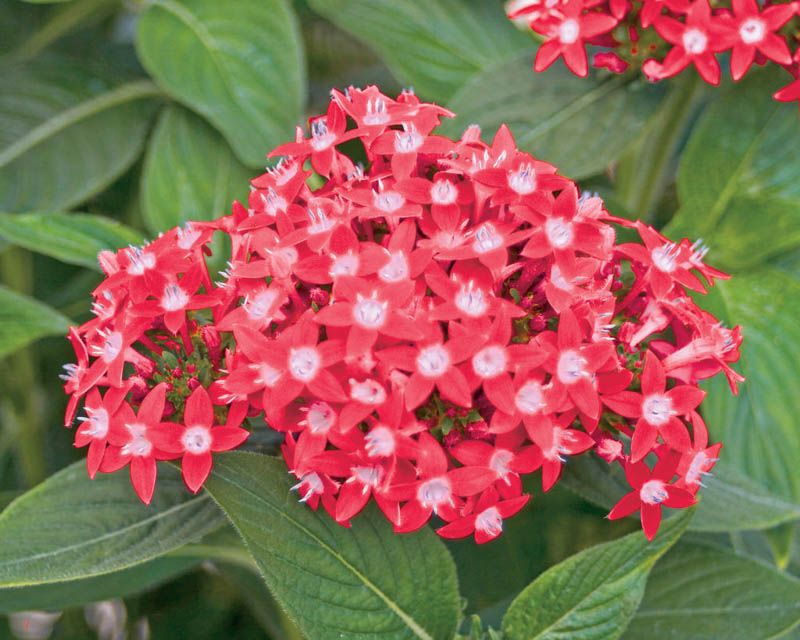
If you’ve ever wished you could invite more butterflies and hummingbirds into your yard, pentas practically hand out flyers. Those star-shaped blooms cluster into rounded bunches that pollinators simply can’t resist.
Also known as the Egyptian star flower, pentas hails from warm climates and keeps blooming through summer heat that stalls out plenty of other annuals. Red, pink, lavender, and white varieties all deliver the same nonstop show from spring until the first cold snap.
Full sun brings out the most flowers, though pentas tolerates a bit of afternoon shade in the hottest regions without complaint. Regular watering keeps it lush, and a dose of fertilizer now and then often improves the bloom count noticeably.
The upright, bushy shape fills space nicely in beds or holds its own in a large pot on a sunny patio. Removing spent flower clusters can encourage a fresh round, keeping things tidy along the way. For a plant that pulls double duty as summer color and a pollinator magnet, this cheerful bloomer rarely lets you down.
6. Vinca (Annual Periwinkle)
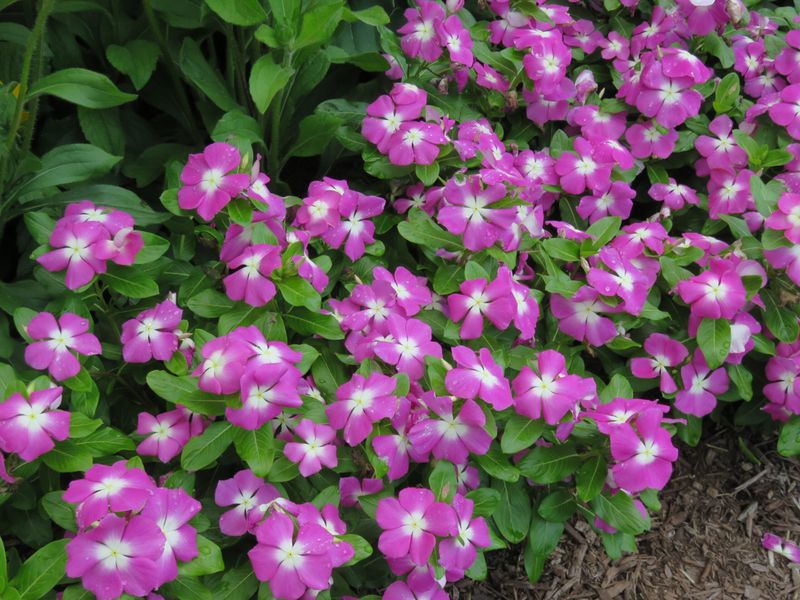
Some plants seem to sense a heat wave coming and just bloom harder. Annual vinca, also called Madagascar periwinkle, is one of those overachievers that gets better as the weather gets meaner.
The glossy green leaves and flat, five-petaled flowers look almost too crisp and polished for something so tough. Colors range from bright white and soft pink to deep rose and purple, often with a contrasting eye in the center.
Vinca genuinely dislikes soggy roots, so let the soil dry a bit between waterings and plant it somewhere with sharp drainage. Cool, wet conditions cause more trouble for it than any heat wave ever could, which flips the usual gardening worry on its head.
It fills beds and borders with steady color and rarely needs deadheading to keep going. Because it’s low and mounding, it also works as a heat-proof ground cover in tough spots. Just keep in mind that all parts are toxic if eaten, so site it thoughtfully around pets and children. For reliable color where the sun bakes hardest, this resilient bloomer quietly delivers.
7. Salvia
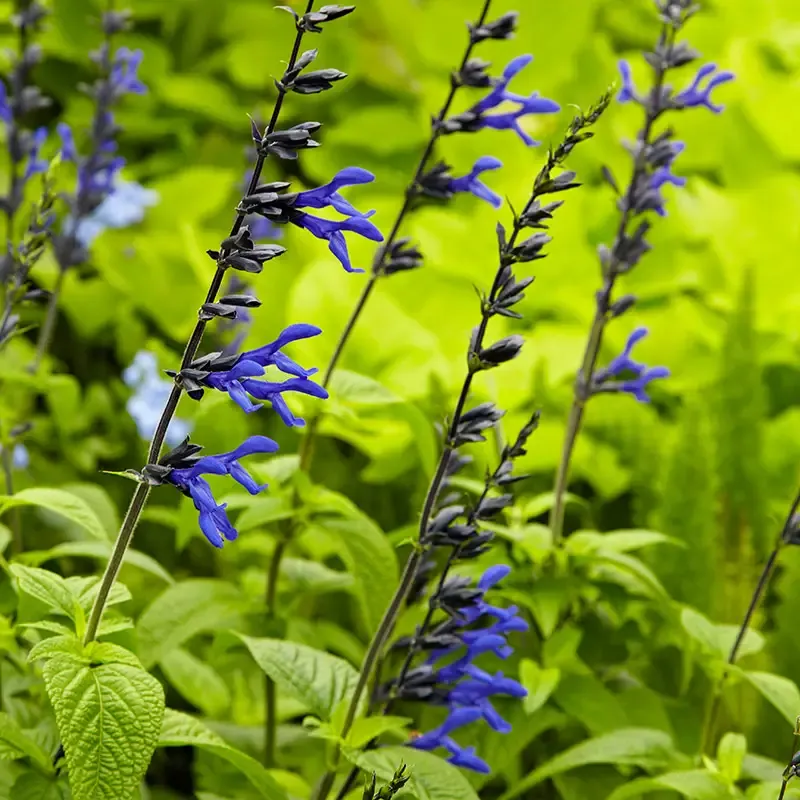
Hummingbirds will practically hover over your shoulder waiting for salvia to bloom, drawn to those tall, nectar-rich spikes. It’s a plant built for both drama and durability in the summer garden.
Whether you choose fiery red annual types or sturdy perennial blue and purple varieties, salvia handles heat and drought with impressive calm. The vertical flower spikes add height and structure, giving hot beds a designed, intentional look rather than a wilted one.
Full sun and well-drained soil are all it really asks for, and many kinds keep blooming for months with just an occasional trim. Cutting back spent spikes often encourages a second flush, stretching the color well into fall.
Deer and rabbits tend to leave the aromatic foliage alone, which can reduce the heartbreak of finding your flowers nibbled overnight. Bees and butterflies, on the other hand, flock to it happily. With hundreds of varieties out there, you can find a salvia for nearly any color scheme or bed size. For a heat-tough anchor that feeds pollinators and shrugs off dry spells, this old reliable earns its keep.