
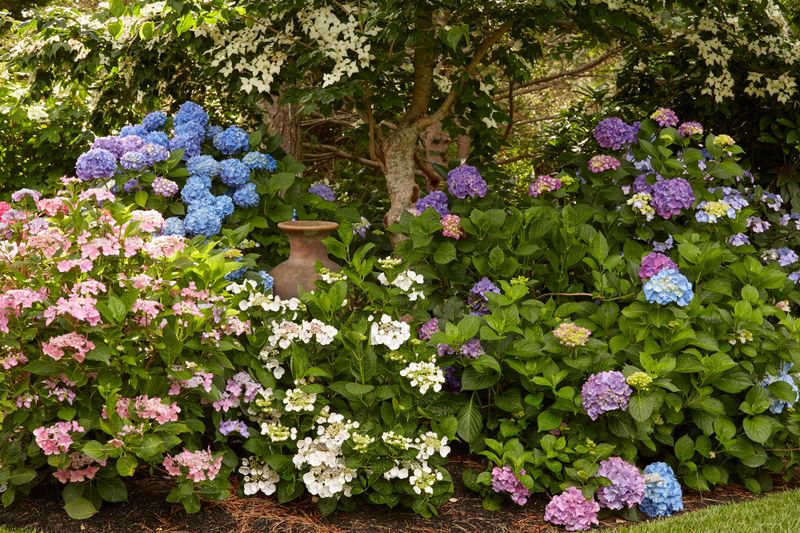
If your hydrangea gives you a burst of flowers in June and then just sits there looking green and sad, you are not alone. Lots of gardeners think one good bloom is all they get, but the truth is that many hydrangeas can keep flowering for weeks longer when a few key things go right. Small mistakes with pruning, water, and light are usually what cut the show short. Get these 16 things right and you can stretch those blooms across most of the summer.
1. Know Which Hydrangea Type You Actually Have
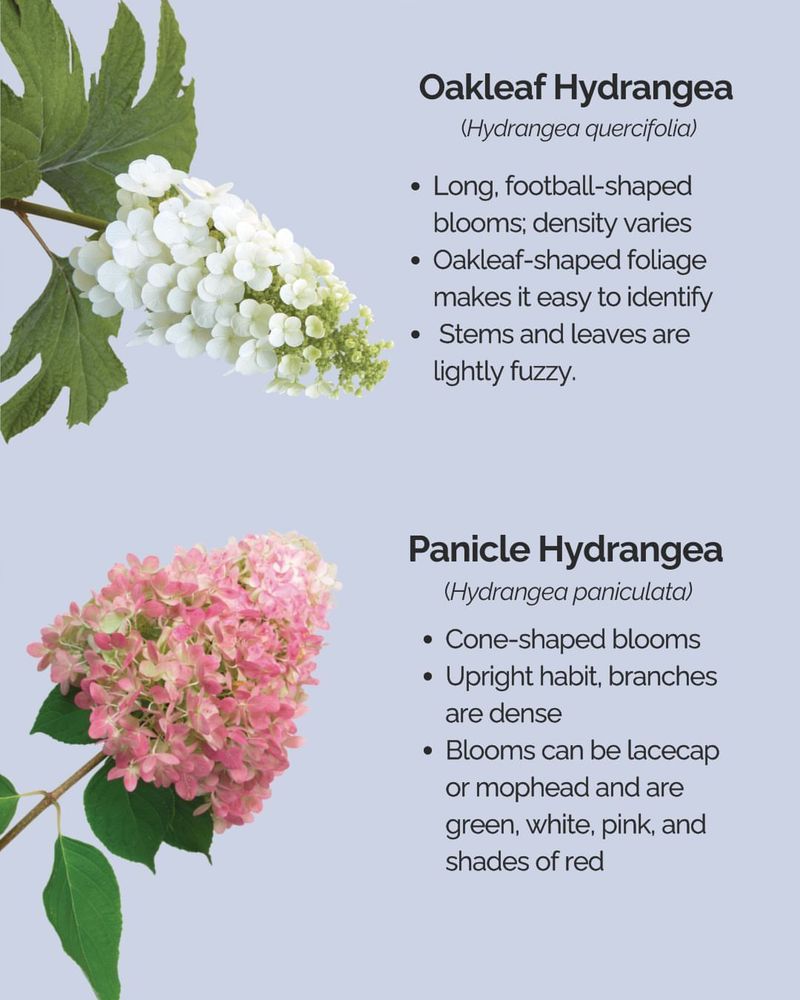
Half the frustration with stubborn hydrangeas comes from not knowing what is growing in your yard. A bigleaf mophead behaves nothing like a panicle or a smooth hydrangea, and treating them the same is a fast way to cut off your flowers by accident.
Bigleaf and oakleaf types set their buds the previous year, so late pruning removes this summer’s show. Panicle and smooth hydrangeas bloom on new growth, which means they forgive heavy trimming and often rebloom more reliably through the season.
Look at the leaves and flower shape. Rounded clusters with big glossy leaves usually point to bigleaf, cone-shaped blooms suggest panicle, and lobed leaves like an oak signal oakleaf. Reblooming varieties such as Endless Summer flower on both old and new wood, which is why they can keep going longer.
Once you identify the type, everything else on this list gets easier to apply correctly. Snap a photo and match it against a reliable plant guide before you touch the pruners. Getting the name right first often solves the mystery of why the flowers quit early.
2. Prune at the Right Time for Your Variety
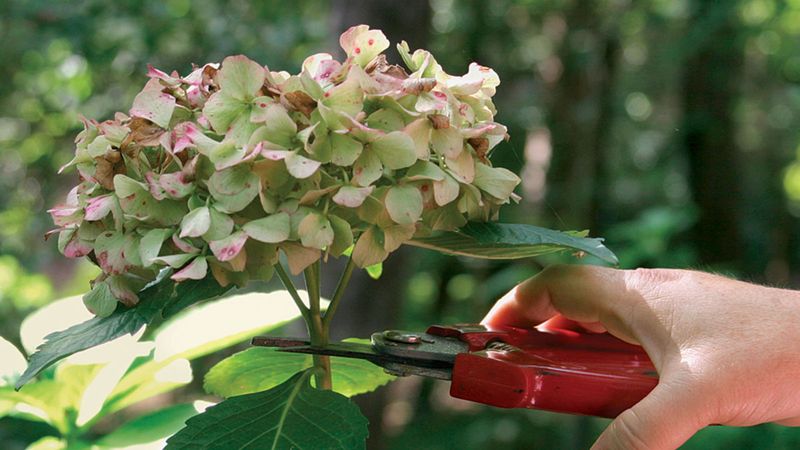
Nothing kills a summer of blooms faster than pruning at the wrong moment. Gardeners who chop their bigleaf hydrangea in fall or early spring are often removing the very buds that would have flowered, then blaming the plant for staying bare.
For old-wood bloomers like bigleaf and oakleaf, wait until right after they finish flowering in mid to late summer. Cut then and you give the plant time to build next year’s buds safely.
Panicle and smooth hydrangeas play by different rules. Prune those in late winter or very early spring, since they push flowers on fresh growth and respond with stronger stems and bigger clusters.
When you are unsure, the safest move is to prune lightly and only remove dead or crossing stems. You can always take more later, but you cannot glue buds back on.
Marking your calendar by variety can genuinely improve how long the display lasts. A little patience with the timing often rewards you with weeks of extra color instead of a disappointing green shrub.
3. Deadhead Spent Blooms the Smart Way
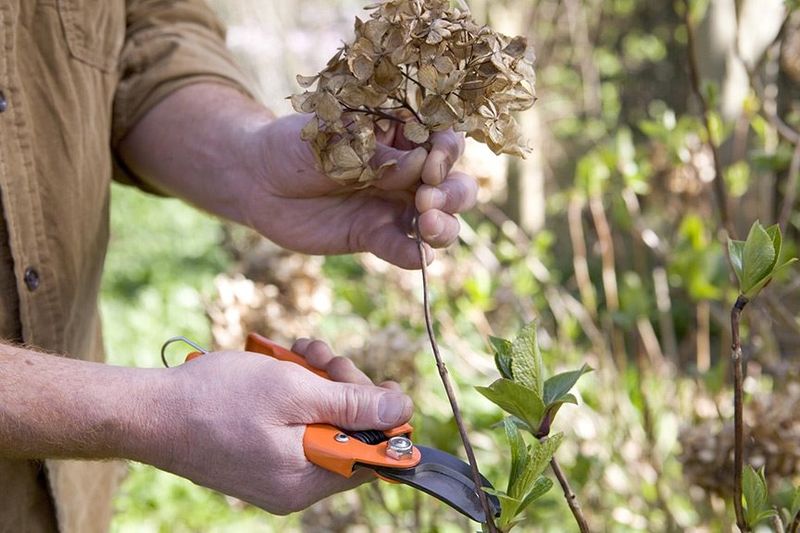
Faded flowers that turn brown and papery send a quiet signal to the plant that the job is done. Snipping those tired heads off can nudge some hydrangeas to redirect energy and, on reblooming types, encourage a fresh round of buds.
Follow each spent bloom down the stem to the first set of healthy leaves or a pair of fat buds, then cut just above them. Avoid slicing deep into the plant, especially on old-wood bloomers, or you may remove next year’s flowers.
On panicle and reblooming varieties, regular deadheading through summer often keeps the show tidier and can extend the flowering window. It also stops the shrub from wasting effort trying to make seeds.
Keep your snips clean and sharp so cuts heal quickly and disease has a harder time sneaking in. Do this every week or two during peak season.
Think of it as light housekeeping rather than a major haircut. A few minutes of removing crispy blooms can leave the whole plant looking fresher and, on the right types, blooming longer.
4. Give Them Consistent Deep Watering
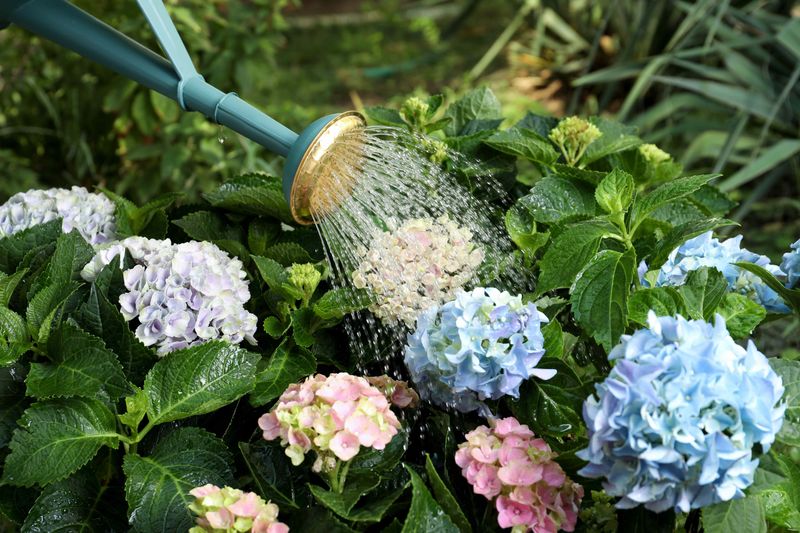
Wilting leaves and drooping flowers in the afternoon heat are your hydrangea begging for a drink. The name itself hints at their thirst, and inconsistent watering is one of the most common reasons blooms fade or never fully open.
Aim for a deep soak once or twice a week rather than a quick daily sprinkle. Deep watering encourages roots to grow down where the soil stays cooler and moister, which helps the plant hold up during hot spells.
Morning is the best time to water, since it lets foliage dry before evening and reduces the risk of fungal trouble. A slow trickle from a hose or drip line at the base beats spraying the leaves.
Container hydrangeas dry out fast and may need water almost daily in peak summer. Stick a finger a couple of inches into the soil, and if it feels dry, it is time.
Steady moisture through the flowering season often keeps blooms plump and colorful far longer than a plant that swings between soggy and bone dry.
5. Mulch to Lock In Moisture and Cool Roots
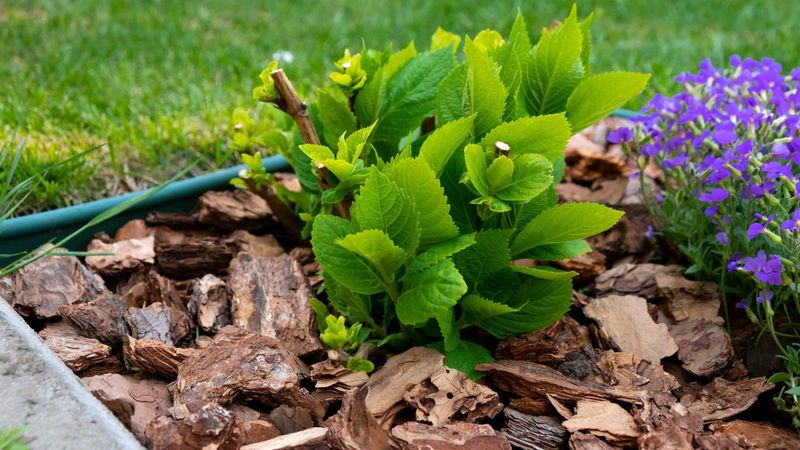
Bare soil around a hydrangea bakes in summer, and hot dry roots translate directly into stressed plants and short-lived flowers. A simple layer of mulch acts like a blanket that keeps the ground cooler and holds water where the roots can reach it.
Spread two to three inches of shredded bark, leaf mold, or compost around the base each spring. Keep it pulled back a couple of inches from the main stems so the crown does not stay soggy and rot.
Besides holding moisture, mulch smothers competing weeds that would otherwise steal water and nutrients. As organic mulch breaks down, it slowly feeds the soil and improves its texture too.
In regions with brutal afternoon sun, this cooling effect can be the difference between blooms that last and blooms that crisp early. Refresh the layer as it thins out over the season.
Homeowners often overlook mulch because it seems too basic to matter. Yet this one cheap habit can steady the whole plant and help those flowers stick around noticeably longer.
6. Find the Sweet Spot Between Sun and Shade
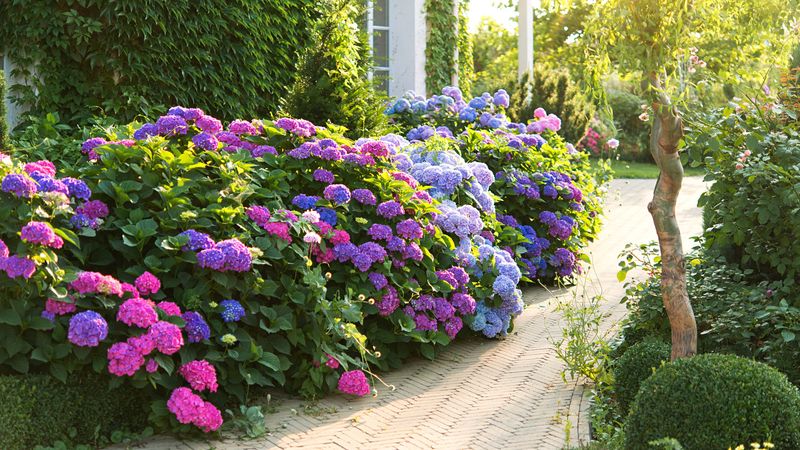
Placement makes or breaks a hydrangea’s summer performance, and too much harsh sun is a frequent culprit behind wilted, scorched blooms. Most types want morning light and afternoon shade, especially in warmer parts of the country.
Bigleaf and oakleaf hydrangeas lean toward the shadier side and can look fried if they roast all day. Panicle types are the exception, handling more sun and even needing a good six hours to bloom their best.
Watch how the light moves across your yard before you plant. A spot that gets gentle eastern sun and cools off by early afternoon usually keeps flowers fresher and colors truer.
Plants already in a bad location can sometimes be helped with a nearby shade cloth or a taller companion plant to soften the midday glare. Moving a young shrub in fall is another option.
Getting light right does not just save the current blooms. It reduces overall stress on the plant, which often means a longer, steadier flowering run instead of one quick burst that fizzles.
7. Feed Them the Right Fertilizer, Not Too Much
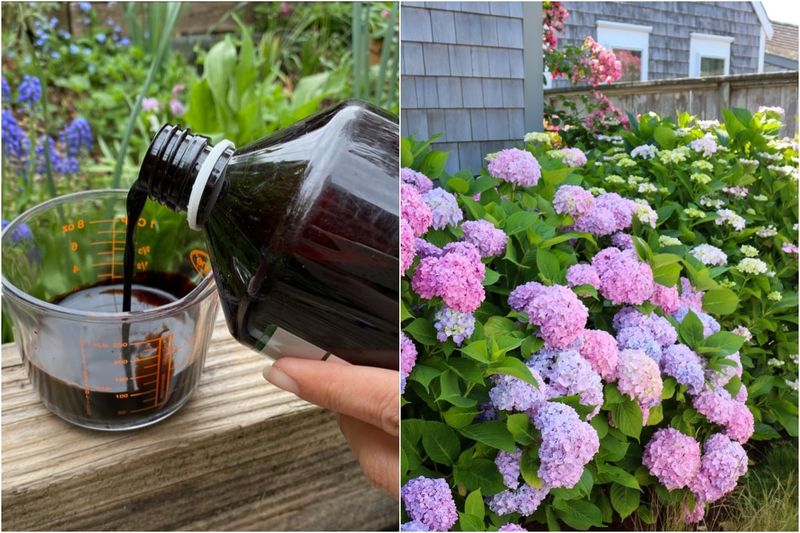
Reaching for a heavy dose of high-nitrogen fertilizer feels helpful, but it can backfire by pushing lush leaves at the expense of flowers. Hydrangeas that get overfed often turn into big green bushes with disappointingly few blooms.
A balanced, slow-release fertilizer applied in early spring usually covers most needs. Something formulated for flowering shrubs, with steady phosphorus, tends to support bud development without triggering runaway foliage.
One feeding in spring is often enough, though a light second application in early summer can help reblooming types. Always water well after fertilizing so the roots take it up gently rather than getting burned.
Avoid feeding late in the season, since that can encourage tender new growth that gets damaged before flowering pays off. Read the label rates and resist the urge to add extra.
If your soil is already rich from years of compost, you may need very little. A soil test can take the guesswork out and tell you exactly what is missing, which often improves both bloom count and how long they last.
8. Test and Adjust Your Soil pH
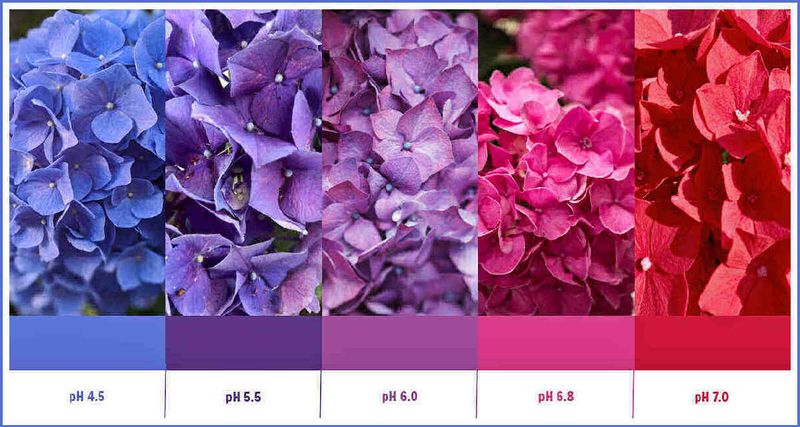
Ever notice a neighbor’s hydrangea glowing blue while yours stays pink? The soil’s pH is often the reason, and understanding it gives you real control over color and plant health on bigleaf varieties.
Acidic soil below about 6.0 tends to produce blue flowers, while alkaline soil above 7.0 leans pink. The plant absorbs aluminum differently depending on that acidity, and that shift changes the pigment.
Grab an inexpensive test kit or send a sample to your local extension office. Once you know your number, you can add garden sulfur or aluminum sulfate to push blue, or lime to move toward pink.
Beyond color, a soil pH that suits the plant helps it take up nutrients efficiently, which supports steadier growth and blooming. Wildly off-balance soil can quietly stress the whole shrub.
Changes happen gradually, so make small adjustments and retest rather than dumping in amendments all at once. Panicle and smooth types will not swap colors this way, so save the effort for the bigleaf kinds where it actually shows.
9. Protect Buds From Late Spring Frost
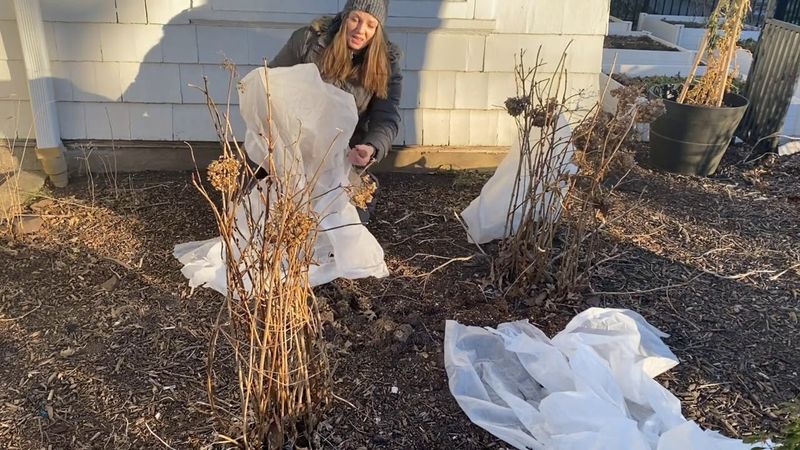
A single late frost can quietly erase your entire summer of flowers before the season even starts. This hits bigleaf hydrangeas hardest, because their tender buds swell early and then get zapped by a surprise cold night.
Keep an eye on the forecast during that tricky window when warm days trick the plant into waking up. When a frost threatens, drape an old sheet, frost cloth, or a lightweight blanket over the shrub in the evening.
Remove the cover the next morning once temperatures climb so the plant can breathe and catch the sun. For potted hydrangeas, simply move them into a garage or against a sheltered wall overnight.
Choosing a planting spot with some overhead protection, like near the house or under high branches, can shield buds from the worst of it. Cold air also settles in low spots, so avoid those dips if you can.
Guarding those early buds is often the hidden step that decides whether you get a full show or a bare green summer. A few minutes of covering can save months of blooms.
10. Choose Reblooming Varieties for a Longer Show
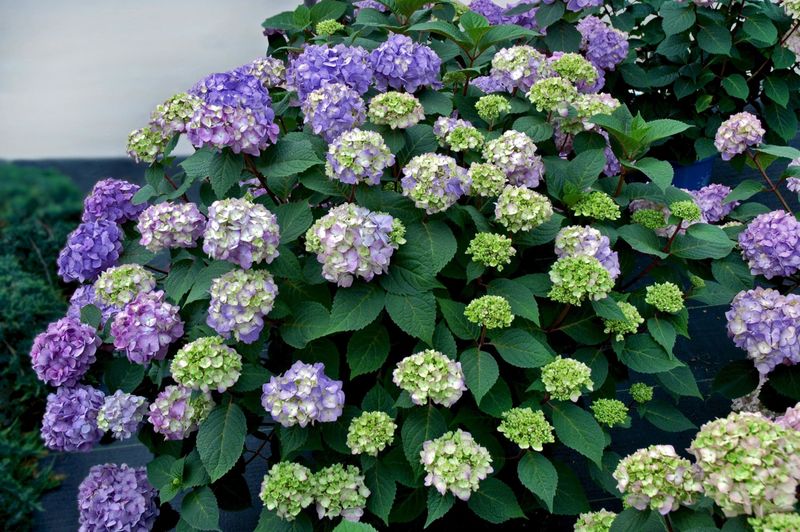
Old-fashioned hydrangeas often bloom once and call it a season, which leaves gardeners wishing for more. Reblooming varieties changed the game by flowering on both old and new wood, giving you repeat waves through summer.
Names like Endless Summer, BloomStruck, and Let’s Dance are bred specifically to keep producing after the first flush. Because they bud on new growth too, an accidental frost or bad pruning does not wipe out the whole year.
These types especially reward good deadheading and steady feeding, since you are encouraging them to keep cycling. Give them what they want and the flowers can stretch well into late summer.
If you are shopping for a new plant and long bloom time is your goal, this feature is worth paying for. It builds forgiveness right into the plant.
Gardeners tired of the one-and-done routine often find that swapping in a rebloomer solves the problem more than any single care tweak. Fun fact: Endless Summer was discovered in Minnesota, prized for surviving harsh winters and still flowering the next year.
11. Shield Plants From Deer and Rabbits

You water, you feed, you wait, and then one morning the buds are simply gone, nibbled clean by hungry visitors. Deer and rabbits love tender hydrangea shoots, and their browsing can strip away flowers before they ever open.
Fencing is the most reliable defense, but it is not always practical in a front yard. Scent-based repellents that smell of garlic, eggs, or predator odor may help deter deer, though they need reapplying after rain.
Some gardeners have luck with motion-activated sprinklers that startle animals with a sudden burst of water. Interplanting with strongly scented herbs or plants deer tend to skip can also reduce the temptation.
Rabbits usually go for young growth low to the ground, so a small wire cage around new plants can protect them while they establish. Rotating between a couple of deterrent methods often works better than relying on just one.
Nothing fully guarantees a deer-proof garden, but layering defenses can cut the damage a lot. Keeping browsers away is sometimes the missing piece between a plant that blooms and one that never gets the chance.
12. Watch for Wilting From Heat Stress
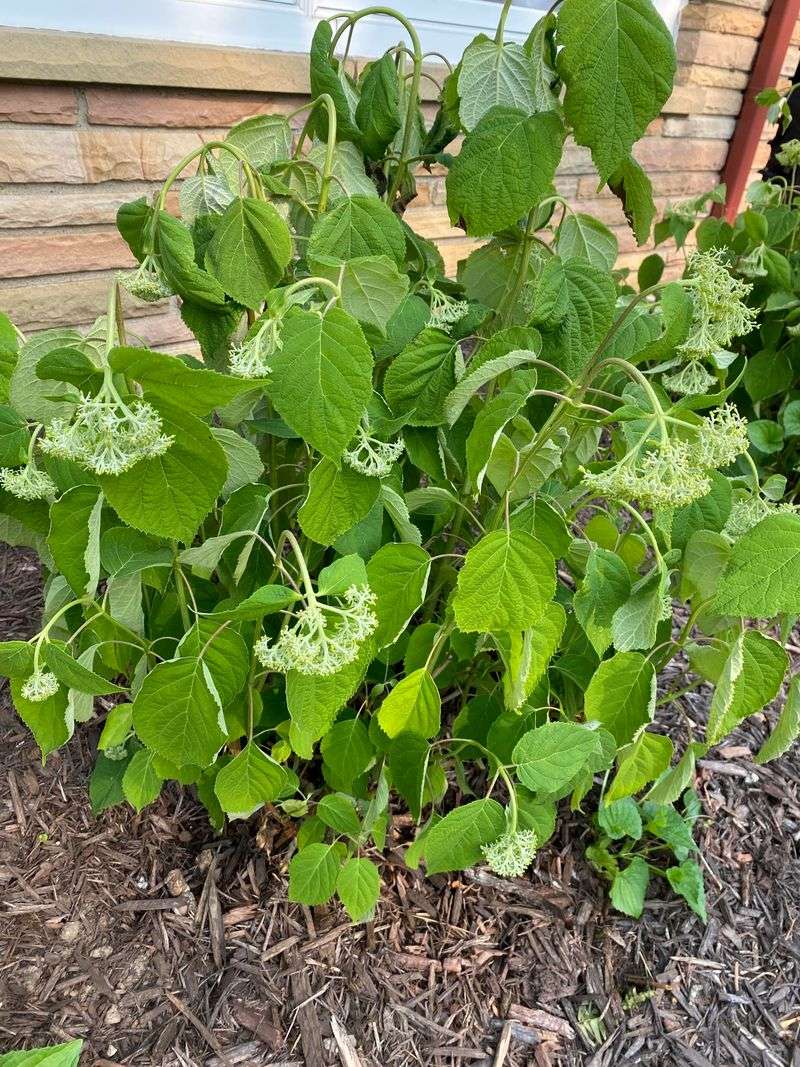
Big floppy leaves and blooms that sag in the afternoon are classic signs of a hydrangea struggling with heat. Even well-watered plants can droop when the sun is intense, and knowing the difference matters.
Check the soil before you panic and grab the hose. If it is still moist a couple of inches down, the plant is likely just cooling itself and will perk back up as the day cools. Overwatering a heat-drooped plant can actually cause new problems.
If the soil is dry, a deep morning soak usually revives it. During heat waves, temporary shade cloth over the shrub can take the edge off the harshest hours and protect the blooms.
Consistent mulch and smart placement, covered earlier, work together here to keep the root zone stable. A plant that is not constantly baking holds its flowers much longer.
Learning to read that afternoon wilt saves you from overcorrecting. Often the fix is patience plus better placement rather than drowning the roots, and that restraint keeps the summer display going strong.
13. Catch Common Diseases Before They Spread
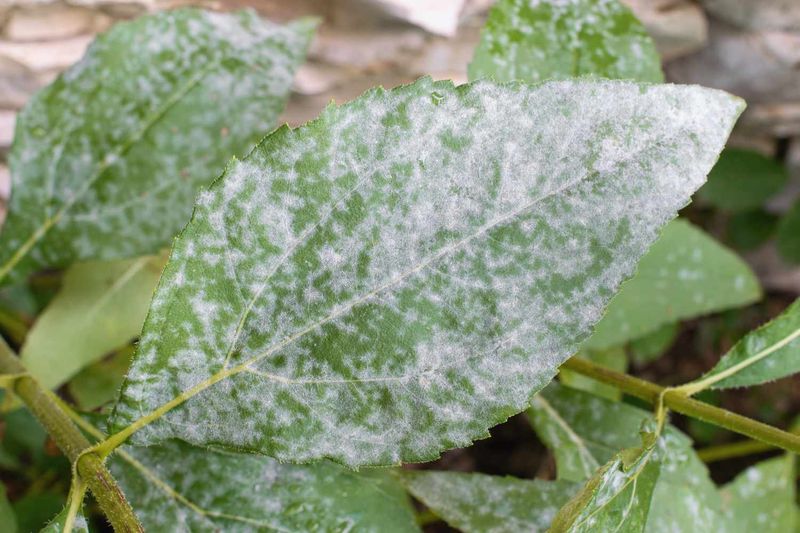
Spots on leaves, a dusty white film, or blooms that brown and mush can all signal disease sneaking into your hydrangea. Left alone, these issues weaken the plant and cut the flowering short.
Powdery mildew shows up as a pale coating, usually when air is muggy and stagnant. Leaf spot appears as brown or purple blotches, while gray mold can turn wet blooms slimy. Good airflow and watering at the base rather than overhead can reduce many of these problems.
Remove and toss affected leaves rather than composting them, so spores do not linger. Spacing plants properly and thinning crowded stems lets air move and dries foliage faster.
If trouble persists, a fungicide labeled for hydrangeas may help when applied early and as directed. Catching it in the first stages is far easier than fighting a full outbreak.
Healthy, unstressed plants shrug off disease far better, which ties back to steady water, light, and feeding. Keeping an eye out during humid summer weeks often stops a small spot from becoming the reason your blooms quit early.
14. Fight Off Aphids and Other Pests
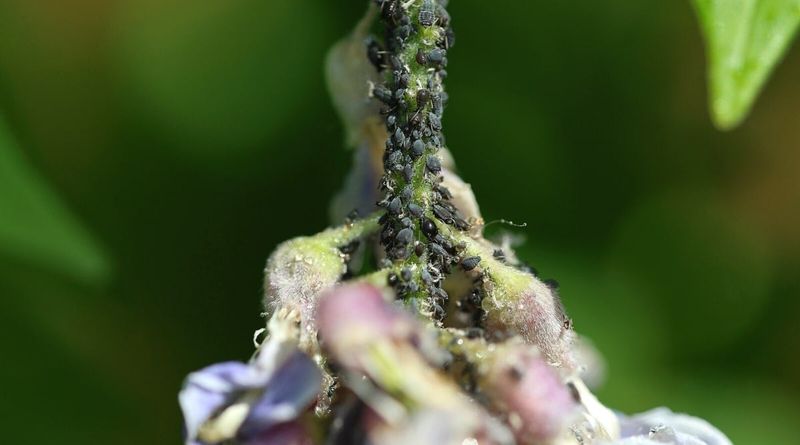
Sticky leaves, curling foliage, and tiny clusters of green or black bugs on new growth usually mean aphids have moved in. These little sap-suckers drain energy the plant needs for flowering and can invite sooty mold with their sticky residue.
A strong blast of water from the hose knocks many of them off, and repeating it every few days can keep numbers down. For stubborn infestations, insecticidal soap or neem oil sprayed on the undersides of leaves often reduces the population.
Spider mites and scale can also target hydrangeas, especially on stressed or dusty plants. Rinsing the foliage now and then makes the environment less inviting for them.
Encouraging natural helpers like ladybugs and lacewings gives you free pest patrol, so avoid dousing everything with broad chemicals that wipe out the good bugs too.
Inspect the growing tips regularly, since that is where pests gather first. Catching an outbreak early keeps the plant vigorous enough to hold its blooms, and a healthy hydrangea is much less likely to attract these pests in the first place.
15. Plant in Well-Draining Soil
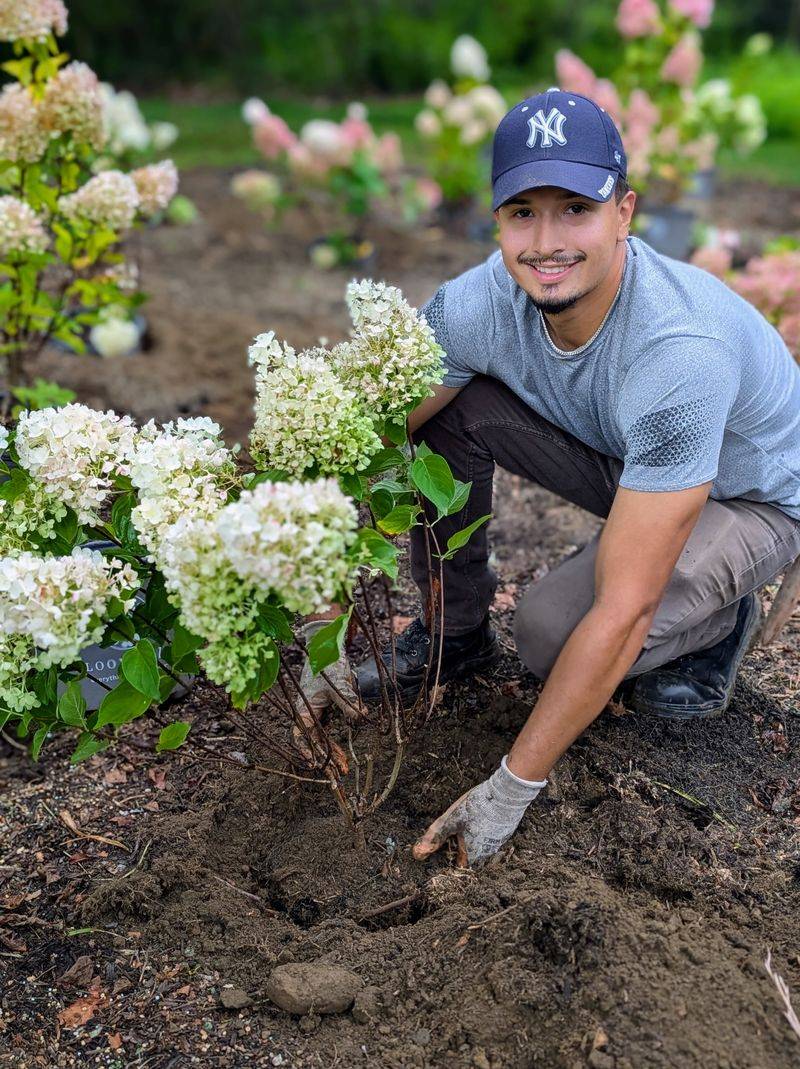
Roots sitting in soggy ground are a silent bloom killer, and heavy clay that holds water is a common backyard culprit. Hydrangeas want moisture, but they hate having wet feet all the time, which can lead to root rot and fewer flowers.
Before planting, dig in plenty of compost and organic matter to loosen dense soil and improve drainage. Raised beds or a slightly mounded planting spot can help water flow away in spots that stay boggy.
To test drainage, dig a hole, fill it with water, and see how fast it empties. If it still holds water hours later, that area needs amending before a hydrangea goes in.
The goal is soil that stays evenly moist but never turns to muck. That balance keeps roots healthy enough to support a long flowering season.
Container growers should always use quality potting mix with drainage holes, never garden dirt that compacts. Getting the soil foundation right early prevents a whole chain of problems that would otherwise shorten your blooms down the line.
16. Be Patient With Newly Planted Shrubs
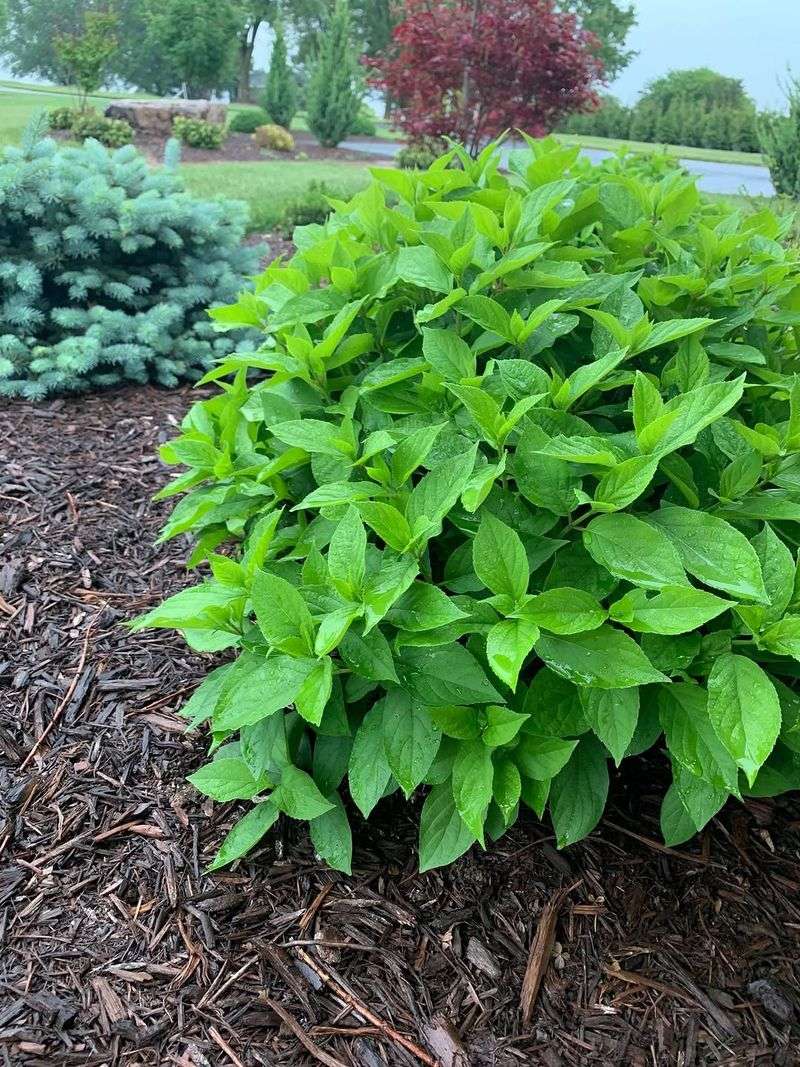
Expecting a fresh-from-the-nursery hydrangea to burst with flowers its first summer sets you up for disappointment. Young plants pour their energy into growing roots before they commit to a big bloom show, and that is exactly what they should do.
During the first year or two, focus on steady water, gentle feeding, and protecting the plant rather than demanding flowers. A strong root system now pays off with fuller, longer-lasting blooms in the seasons ahead.
Transplant shock can also cause a temporary sulk, with wilting or dropped leaves as the plant settles in. Keeping the soil consistently moist and offering a little shade helps it recover faster.
Resist the urge to overfertilize a struggling new plant, since that stresses it further. Slow and steady wins here.
Many gardeners give up right before their hydrangea would have taken off. Once established, the same shrub that barely bloomed in year one can reward you with an impressive summer-long display. A little patience early on often turns out to be the quiet secret behind the healthiest, most generous plants.