
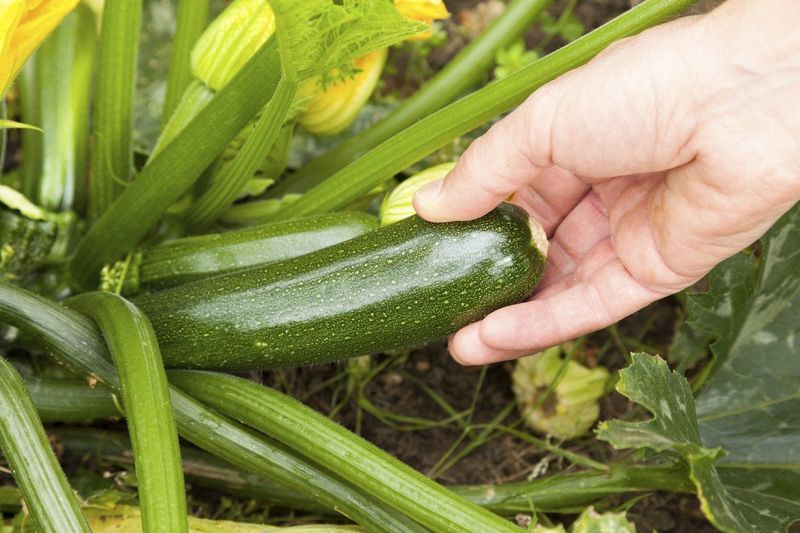
Zucchini has a sneaky habit of hiding under those big leaves and doubling in size overnight. One day you have a tender little squash, and the next you are holding something that could double as a self-defense weapon. Picking at the right moment gives you sweeter, softer zucchini and keeps your plant cranking out more fruit all summer long. Here are 16 clear signs that tell you it is go-time, so your harvest never turns woody, seedy, or bat-sized again.
1. The Six-to-Eight-Inch Sweet Spot
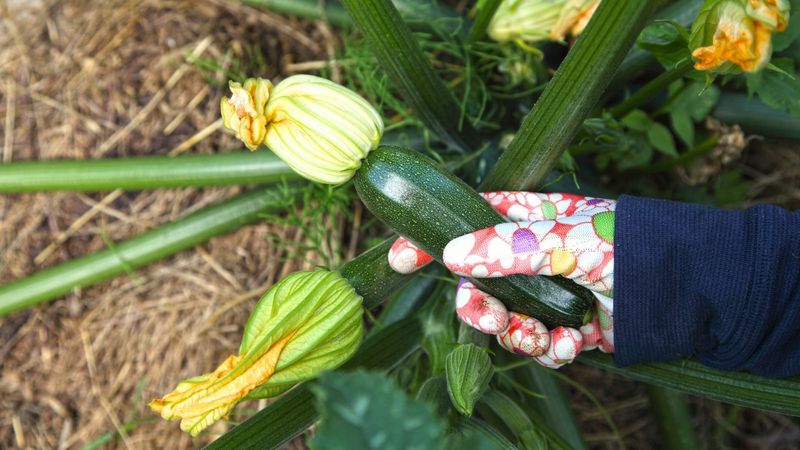
Length is the first thing most gardeners learn to trust, and for good reason. When a standard green zucchini reaches roughly six to eight inches long, it usually hits that magic window where the flesh is tender and the seeds are still barely there.
Grab a ruler the first few times if you are not confident eyeballing it. After a couple of harvests, your hand will remember the size without any measuring at all.
Wait much longer and you often trade flavor for bulk. The extra inches pack in tougher fibers, bigger seeds, and a spongy center that nobody enjoys sauteing.
Different varieties do shift this rule a little, so check your seed packet. Some round or heirloom types are meant to be picked smaller, while a few grow slightly larger before turning tough.
Fun bit of history: zucchini as we know it was actually refined in Italy in the late 1800s, and Italian cooks have long prized the smaller, younger fruit. Keeping yours in that tidy six-to-eight-inch range honors that tradition and keeps your dinners far more delicious.
2. Glossy, Shiny Skin
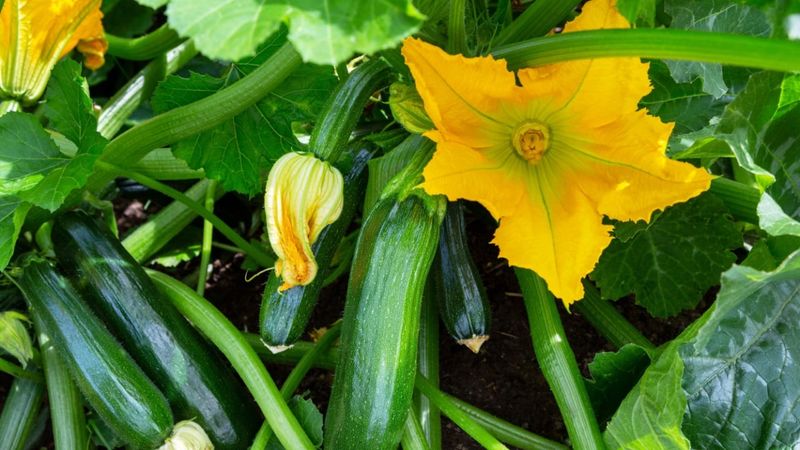
Run your eyes across a young zucchini and you will notice it almost sparkles in the sunlight. That glossy sheen is one of the most reliable signals that the fruit is at its tender, kitchen-ready peak.
As zucchini ages on the vine, the skin slowly loses that polished look and turns flat and dull. A dull surface often means the flesh underneath has started firming up and drying out.
Think of the shine like a freshness gauge. Bright and reflective usually points to sweet, moist flesh, while matte and lifeless hints that you may have waited too long.
Lighting can trick you, so check in the morning or under clear daylight rather than deep shade. A quick glance in good light tells the real story.
Give one a gentle wipe with your thumb if you are unsure. A young zucchini feels smooth and almost waxy, and that glossy coat may help it hold moisture a little longer once picked, keeping it crisp in your fridge for several days.
3. Firm but Not Rock-Hard
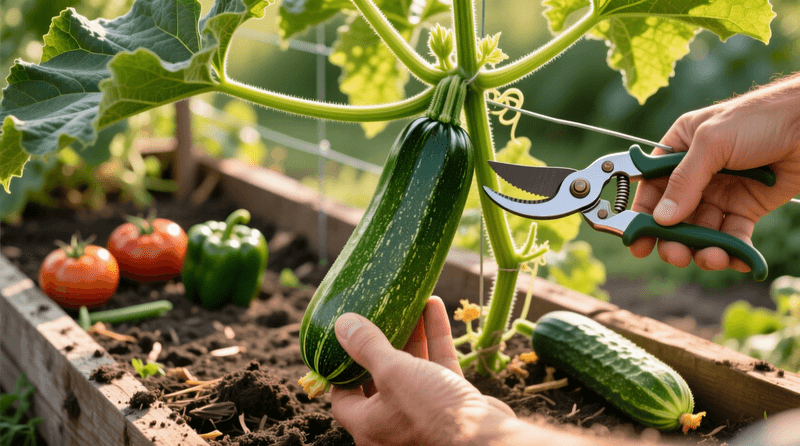
Squeeze gently and let your fingers do the judging. A ready zucchini feels firm with a tiny bit of give, kind of like a ripe cucumber that pushes back just slightly under pressure.
When the fruit turns completely hard and unyielding, that is a red flag. Rock-hard usually means the seeds have matured and the walls have thickened into that dreaded woody texture.
On the flip side, anything mushy or soft to the touch signals trouble too. Soft spots can point to rot, overwatering, or damage, and those zucchini are best pulled and tossed.
Your thumb becomes a surprisingly good tool here. Press near the middle and near the stem end, since firmness can vary along the length.
Consistency matters more than force. You are checking for a healthy, springy resistance, not trying to dent the thing.
Once you learn the feel of a perfect zucchini, this quick squeeze test often becomes faster than reaching for a ruler, and it may save you from harvesting one that has quietly toughened up beneath the leaves.
4. Days Since the Flower Faded
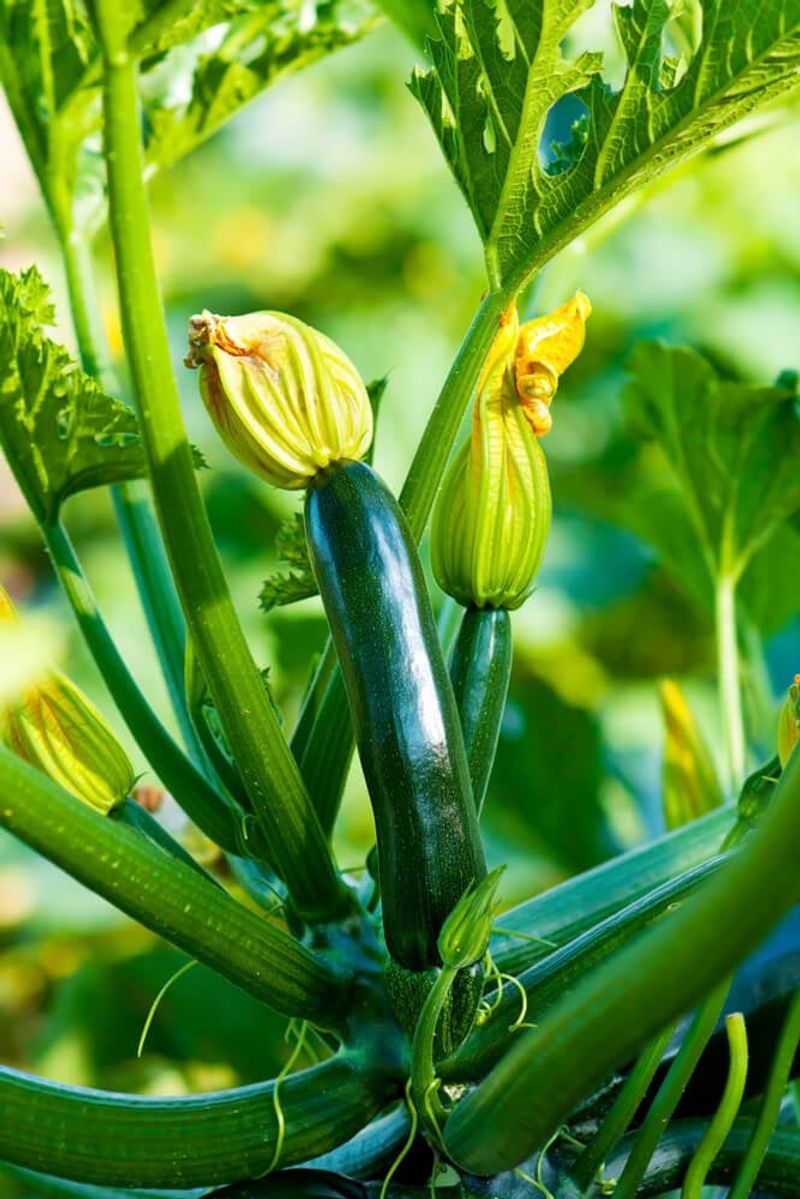
Counting is an old-school trick that still beats guesswork. Most zucchini are ready to harvest about four to eight days after the blossom at the tip opens and then withers.
Keep a loose mental calendar once you spot those bright yellow flowers. They bloom, fade, and the tiny fruit behind them swells fast, so the clock moves quicker than you might expect.
Marking a little garden note or snapping a phone photo helps if you tend a big patch. It is easy to lose track when a dozen plants are all flowering at once.
Warmer weather speeds everything up, so during a summer heat wave you might shave a day or two off that window. Cooler stretches slow the growth down.
Here is a fun tidbit: those faded blossoms are actually edible and prized in Italian kitchens, often stuffed and fried. So even the flower that signals your countdown has a delicious second life.
Pairing this timing method with a quick size check gives you two reliable clues working together for a spot-on harvest.
5. A Thumbnail That Pierces Easily
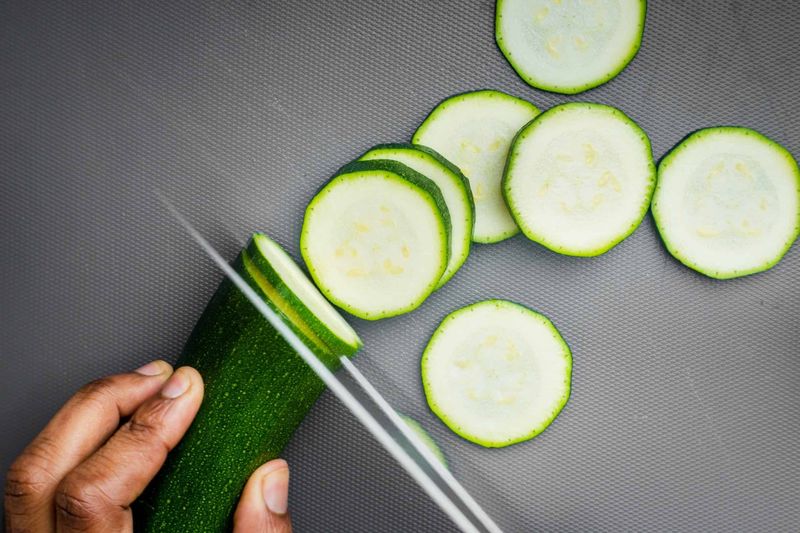
Gardeners have relied on the fingernail test for generations, and it works like a charm. Press your thumbnail gently into the skin, and if it sinks in with little effort, the zucchini is tender and ready.
Should your nail meet stubborn resistance, the fruit has likely aged past its prime. A tough skin means the flesh inside has probably firmed up too.
Choose a spot near the middle of the fruit for the most honest reading. The stem end tends to be firmer everywhere, so it can throw off your judgment.
Go easy with the pressure since you are testing, not stabbing. A tiny mark heals over or simply disappears once you cook it.
Skin thickness is one of the clearest dividers between garden-fresh and grocery-bat zucchini. Thin and yielding wins every time in the kitchen.
Do this test on a couple of fruits and you will quickly calibrate your fingers to spot the ideal moment. Over a season, that simple nail check may become the fastest way you decide what comes inside for dinner and what stays another day.
6. Deep, Even Color
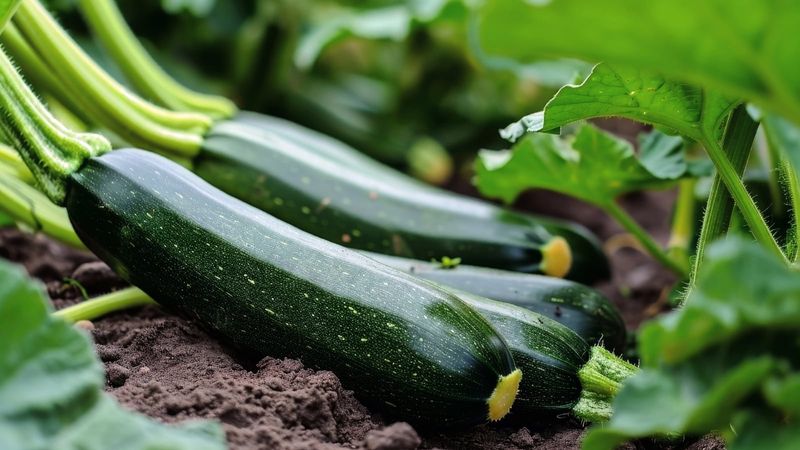
Color speaks volumes when you know what to look for. A prime green zucchini shows a rich, uniform shade from stem to tip without pale patches or fading toward yellow.
Yellow varieties should glow a warm, consistent gold, while striped types keep their pattern crisp and defined. Muddy or washed-out coloring often means the fruit is either stressed or aging.
Watch for hard yellowing on a green variety in particular. Once a green zucchini starts turning yellow-tan, it has usually crossed into the overripe, seedy territory you want to avoid.
Sunlight exposure can create lighter spots where the fruit rested against soil or leaves. A little pale patch there is normal and nothing to worry about.
Comparing several fruits side by side trains your eye fast. The freshest, best-eating ones tend to share that deep, vibrant tone.
Keep in mind that variety matters, so read your seed packet for the expected color. Matching your zucchini to that ideal shade helps you pick at the sweet spot rather than letting it drift into dull, overgrown territory.
7. Blossoms Still Clinging On
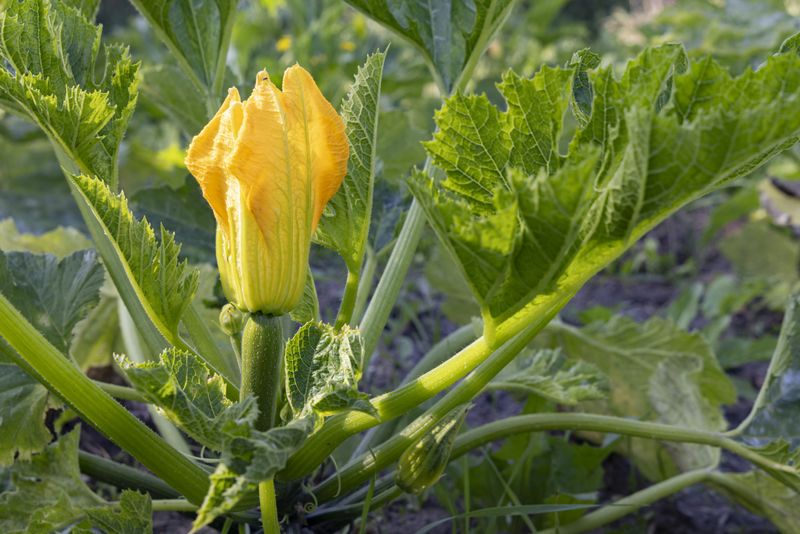
Spot a zucchini with a shriveled flower still stuck to its tip and you have likely found a young, tender one. Fresh fruit often hangs onto that blossom for the first several days of its life.
Restaurants actually charge a premium for zucchini sold with the flower attached, because it signals just-picked youth and delicate flesh. That little detail is your free at-home quality clue.
Once the blossom drops off cleanly and the fruit keeps swelling, you are entering the larger, older stage. The window is closing, though not always gone.
Handle these blossom-tipped beauties with care since the flower bruises easily. If you plan to cook the flower too, harvest early in the morning when it is most open and fresh.
Stuffed squash blossoms are a beloved summer treat, so picking at this stage gives you two ingredients in one.
Use this sign alongside size, because a blossom clinging to an already oversized fruit still means it grew too fast. Together the clues paint a clearer, more reliable picture of true readiness.
8. It Snaps Off Cleanly
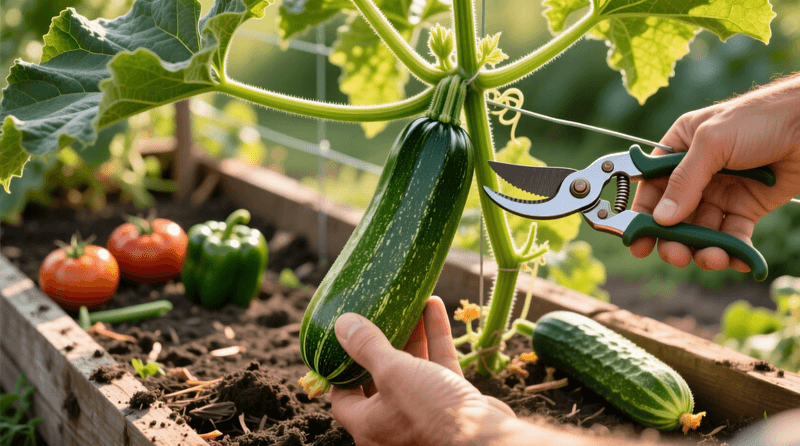
Harvest readiness sometimes reveals itself the moment you go to pick. A zucchini at its peak releases with a clean cut and a stem that is still green and slightly tender rather than dried and woody.
Always use a sharp knife or garden shears instead of yanking. Twisting and pulling can tear the plant, opening wounds that invite rot and disease into your prized vine.
Notice the stem as you cut. A fresh, juicy stem confirms the fruit is young, while a thick, corky, hardened stem hints that you waited a bit too long.
Leaving about an inch of stem attached helps the zucchini store longer without drying out at the cut end. That small stub also protects against bacteria sneaking in.
Clean tools matter more than folks realize. Wiping your blade between plants may help reduce the spread of common squash diseases through your patch.
Getting into a gentle, careful harvesting rhythm keeps your plant healthy and productive, so it rewards you with even more fruit over the coming weeks of summer.
9. Skin You Can Barely Scratch
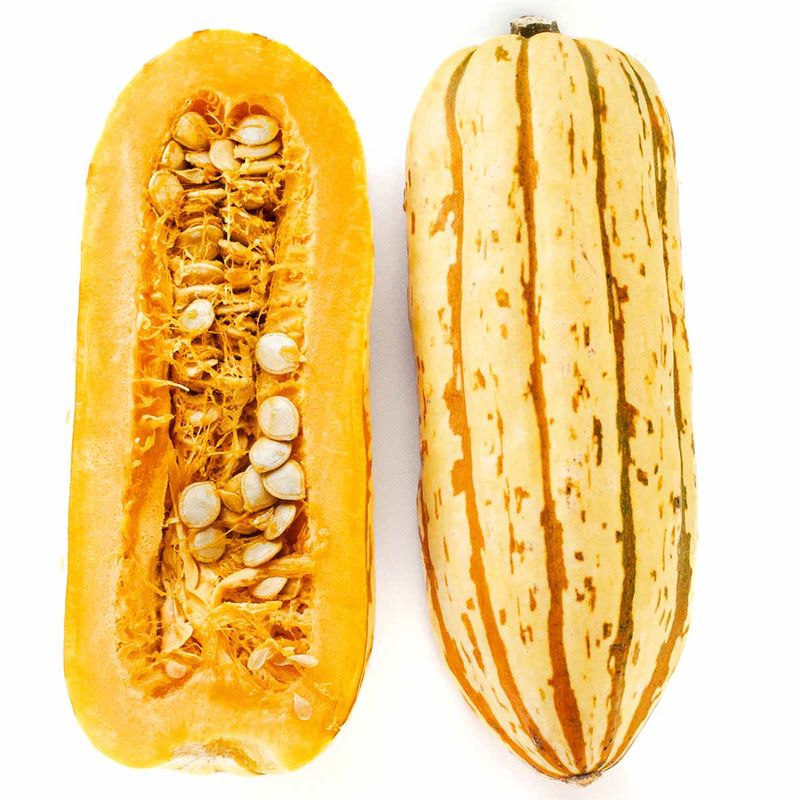
There is a fine line between firm and armored, and your fingertip can find it. A ready zucchini has skin thin enough that a light scratch leaves a faint mark you can actually see.
When the surface shrugs off your scratch completely and feels like tough hide, the fruit has thickened its walls for maturity. Thick skin translates directly to a chewy, unpleasant bite.
Grocery-store zucchini often shows this heavier skin, which is one reason homegrown fruit tastes so much softer. Picking yours while the skin stays delicate keeps that garden advantage.
You do not need to peel a young zucchini, and that thin skin holds plenty of nutrients and color. Peeling only becomes tempting once it toughens.
Do a quick scratch near the middle where the skin is most representative. The ends can mislead you a little.
Learning this subtle difference pays off at every meal, because tender skin means you can toss slices straight onto the grill or into a pan without fuss, and they cook up soft and flavorful instead of rubbery.
10. No Bulging or Ballooning Ends
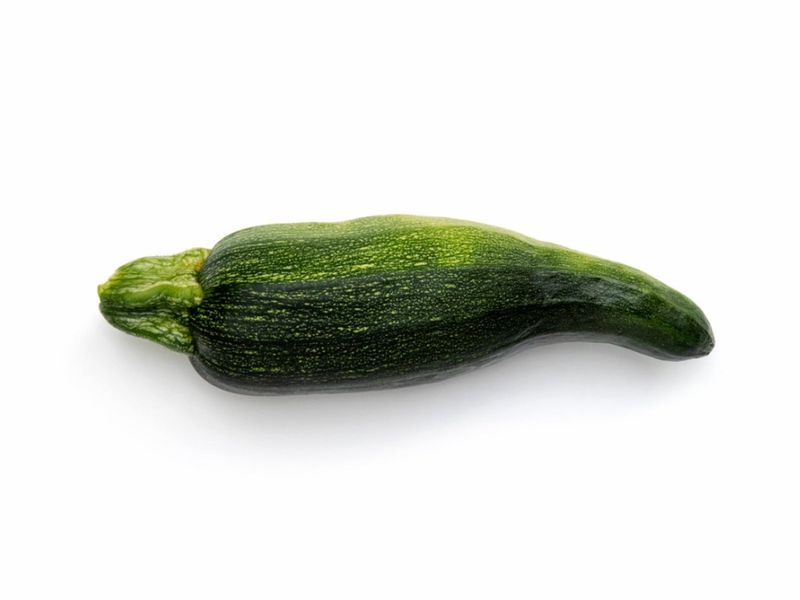
Shape tells a quiet story if you pay attention. A healthy, ready zucchini stays fairly uniform in thickness from the stem down to the blossom end, like an even cylinder.
Watch for one end that starts to balloon or bulge out wider than the rest. That swelling often means seeds are maturing inside and the fruit is racing toward overgrown territory.
A bulbous blossom end can also signal pollination hiccups or uneven watering. Keeping your plant on a steady watering schedule may help fruit develop more evenly.
Straight, slim, and consistent is the look you want. When zucchini balloon at the tip, the flesh there turns pithy and full of tough seeds.
Comparing fruit on the same plant makes odd shapes stand out fast. The most even ones are usually your best eating.
Catching a bulging end early lets you pick before the whole fruit goes soft in the middle. Harvest it promptly and slice around any seedy portion, and you can still rescue a decent meal from a zucchini that got a little ahead of you.
11. Manageable Weight in Your Hand
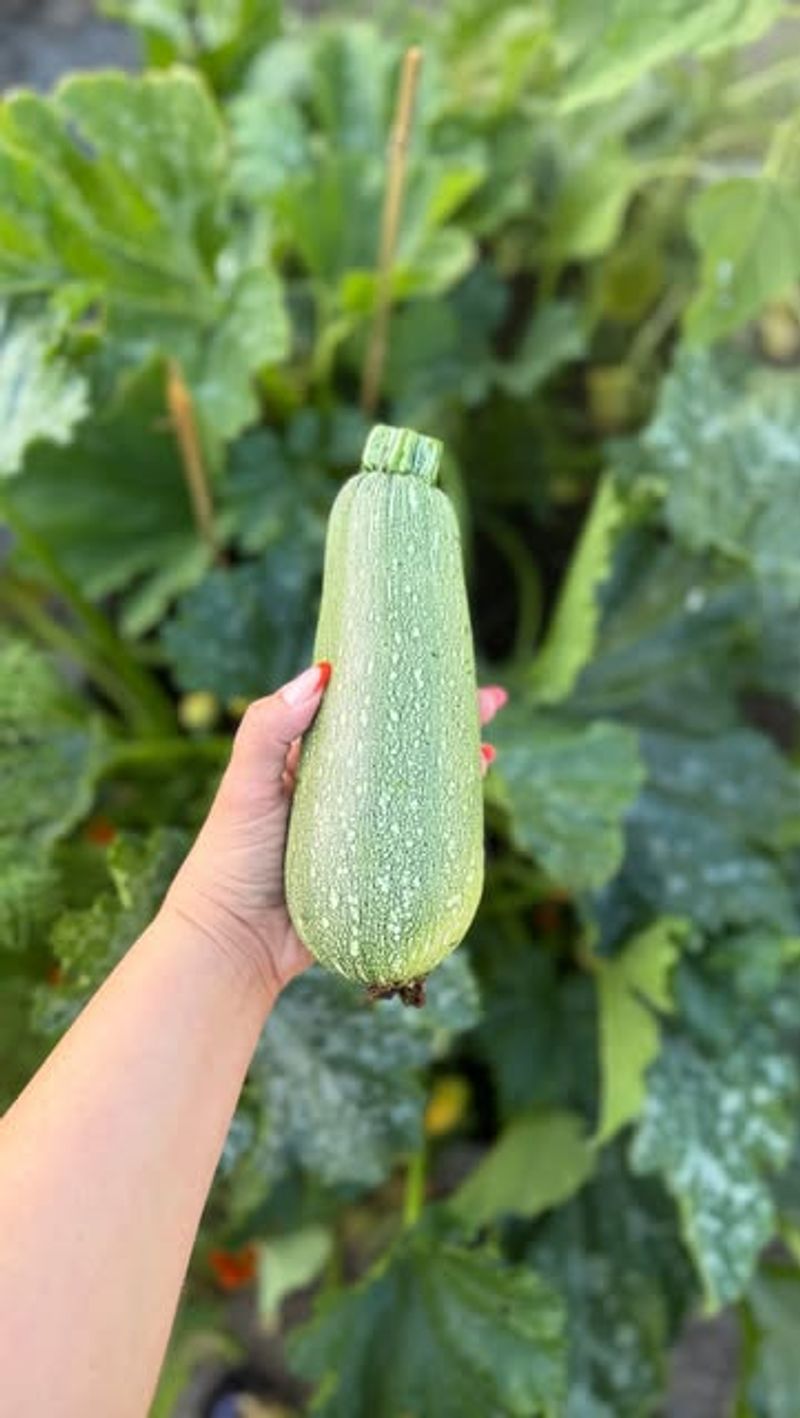
Pick one up and let your hand weigh it. A properly timed zucchini feels light and lively, not like a dense club dragging your arm down.
Heaviness sneaks up as the fruit fills with water, seeds, and thick flesh. When a zucchini feels surprisingly heavy for its size, it has usually packed on maturity you cannot see from the outside.
Your palm learns this quickly with practice. After harvesting a few perfect ones, an overgrown heavyweight becomes obvious the instant you lift it.
Weight also hints at moisture content, and the freshest fruit carries a bright, juicy feel rather than a waterlogged heft. Balance is what you are after.
If you grow for markets or share with neighbors, lighter young fruit simply tastes better and travels nicer. Nobody wants the bat.
Trust your hands here, because they can read what your eyes might miss under the foliage. When a zucchini feels pleasantly light and firm, chances are strong you have caught it right in that tender, delicious window before it bulks up.
12. Tiny, Barely-There Seeds
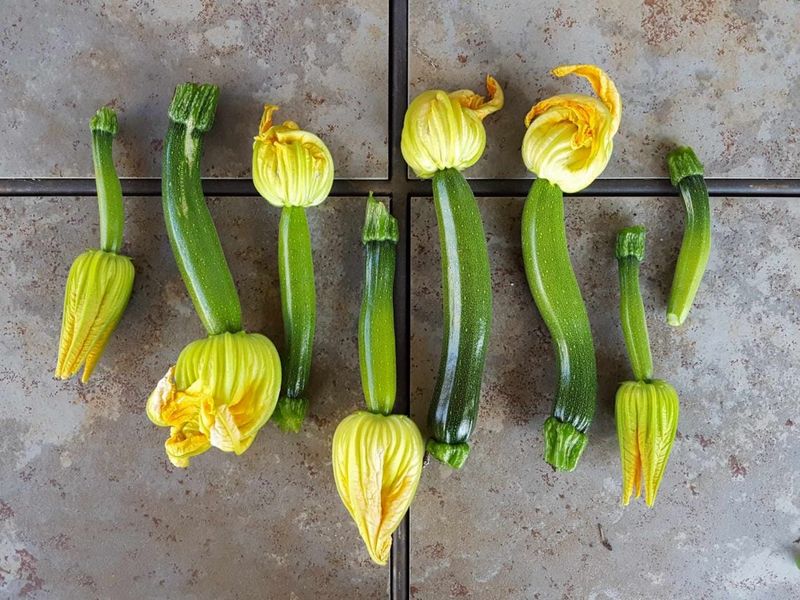
Slice one open and the seeds tell the truth instantly. In a peak-condition zucchini, the seeds are so small and soft you hardly notice them tucked in the pale center.
As the fruit ages, those seeds swell, harden, and turn creamy white or tan, taking over the middle. Big seeds mean a spongy, hollow-feeling core and a much less pleasant texture.
Cutting a test fruit is a great teaching moment if you are new to growing squash. Compare a young slice to an older one and the difference jumps right out.
You do not have to sacrifice a zucchini every time, though. Once you connect seed size to the outer signs like length and skin, you can predict the inside without cutting.
Overgrown seedy zucchini still has uses. Scoop the seeds out, grate the flesh, and it works nicely in breads and muffins where texture matters less.
Aiming for those barely-there seeds keeps your sautes, salads, and grilled slices at their very best, delivering that mild, creamy bite that makes homegrown zucchini worth the effort in the first place.
13. Fruit Hidden Under the Leaves
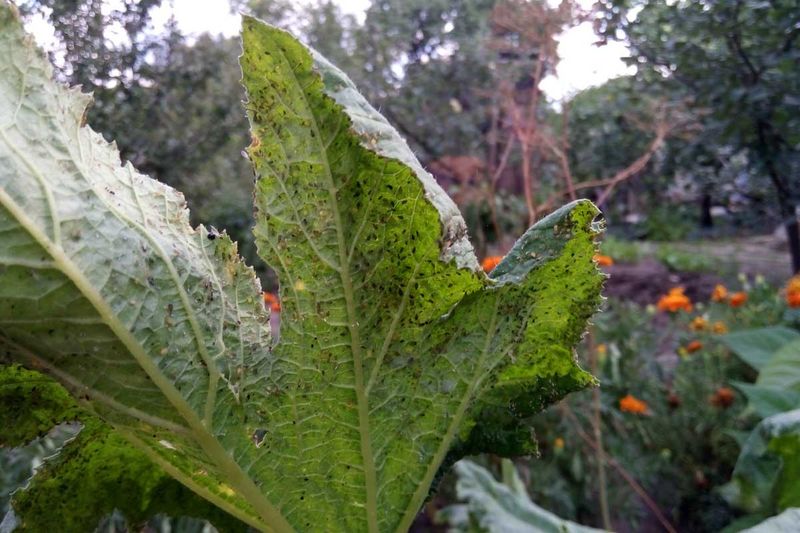
Zucchini plays hide-and-seek better than almost any vegetable. Its broad leaves shade the fruit so well that a small squash can balloon into a monster while you are looking the other way.
Make a habit of gently lifting those big leaves every single day during peak season. What looked tiny yesterday may be pushing baseball-bat size after just one warm day and a good soak.
Check low and near the base of the plant especially, since that is where fruit loves to lurk unseen. Many oversized zucchini surprises come from that shadowy zone.
Frequent peeking is not just about catching size. Regular harvesting signals the plant to keep producing, so more small fruit follows.
Wear a long sleeve if the leaves feel prickly, because some varieties have slightly scratchy stems and foliage. A little protection makes daily checks more pleasant.
Turning inspection into a quick daily ritual, maybe with your morning coffee, keeps you one step ahead of the vine. That simple habit alone may be the single best defense against ending up with a zucchini club.
14. Growth Racing After a Warm Rain
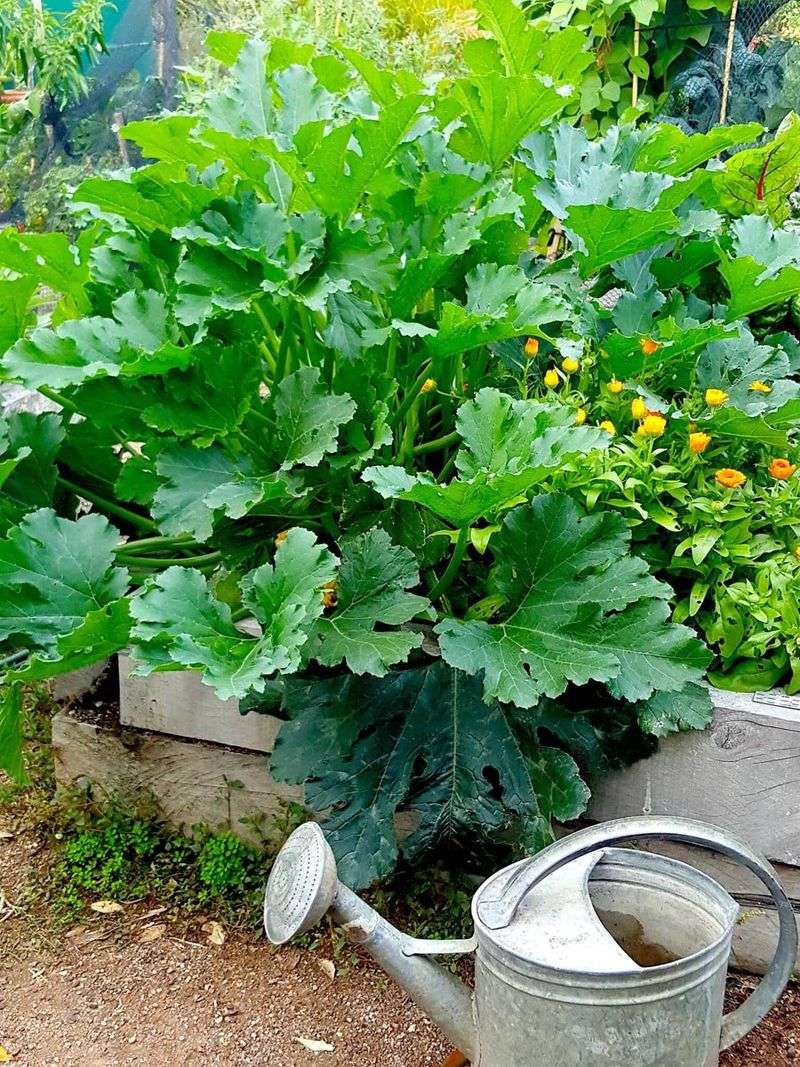
Weather quietly controls your harvest schedule more than most gardeners realize. After a stretch of warm days paired with rain or heavy watering, zucchini can practically explode in size overnight.
Learn to read the forecast as a harvest cue. When a hot, wet spell is coming, plan to check your plants more often, since that combination sends fruit into overdrive.
Warm soil and steady moisture are exactly what squash crave, and they respond by piling on length and girth fast. A fruit that seemed a day away can be ready by morning.
Slower, cooler weeks let you relax the schedule a little. The plant grows at a gentler pace and gives you more wiggle room.
Consistency in watering may also help you avoid a boom-and-bust cycle of tiny then giant fruit. Even moisture tends to yield more even harvests.
Tuning into these rhythms turns you into a more confident grower. Once you connect a warm rain to a size surge, you can time your basket trips perfectly and keep every zucchini firmly out of bat range.
15. The Plant Slowing Down on New Fruit
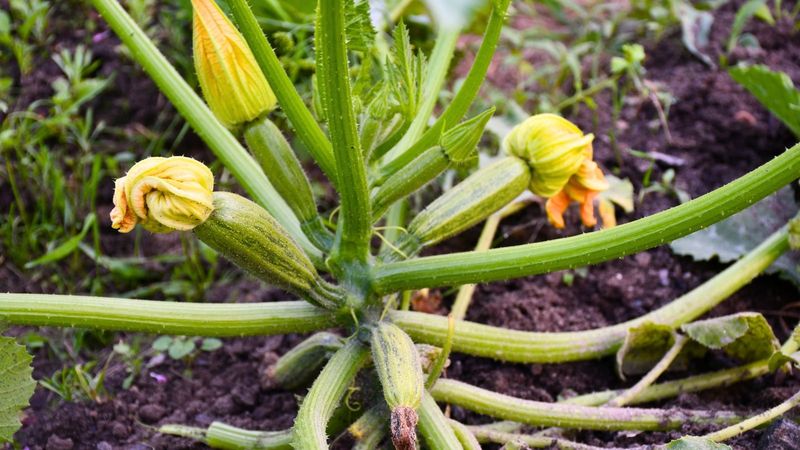
Your plant sends signals through its overall behavior, not just individual fruit. When a healthy zucchini plant suddenly stops setting new small squash, an oversized fruit hiding somewhere is often to blame.
A single mature zucchini left on the vine tells the plant its job is done, so it eases off flowering and fruiting. Finding and removing that culprit can kickstart production again.
Scan for any giant you missed whenever output drops off. Pulling it may help the plant redirect energy back into fresh, tender fruit within days.
Regular picking is the secret to a long, generous season. The more you harvest at the right size, the more the plant tries to reproduce by making more.
Yellowing lower leaves or stalled blooms can accompany this slowdown, so watch the whole plant. Sometimes the fix is simply clearing out overripe stragglers.
Treating your zucchini like a partnership keeps everyone happy. Stay attentive to these plant-wide clues, harvest often, and your vine may keep pumping out perfect fruit right up until the first cool nights of fall arrive.
16. When in Doubt, Pick It Early
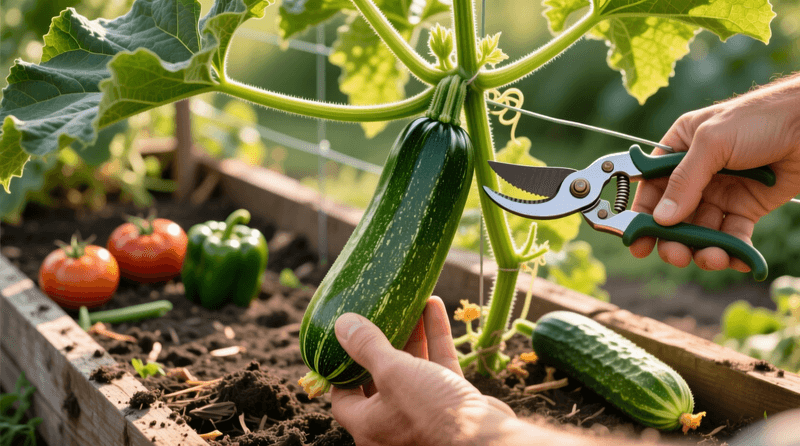
Here is the golden rule that saves countless gardeners from the dreaded bat. If you are ever unsure whether a zucchini is ready, lean toward harvesting it a touch early rather than late.
A slightly small zucchini is a minor loss, since it is still tender, sweet, and perfectly usable in almost any recipe. An overgrown one, meanwhile, can be woody and destined for the compost.
Baby zucchini are actually a delicacy in their own right, tender enough to eat whole or sliced raw into salads. Early picking rarely feels like a mistake at the table.
Picking often also protects your plant and encourages a steady parade of new fruit. Erring early works in your favor twice.
You lose almost nothing by grabbing a fruit a day too soon. You lose a lot by leaving one a day too long.
Adopt this mindset and the whole game gets easier. Trust your gut, keep your basket handy, and remember that a zucchini picked young is a zucchini enjoyed, never swung.