
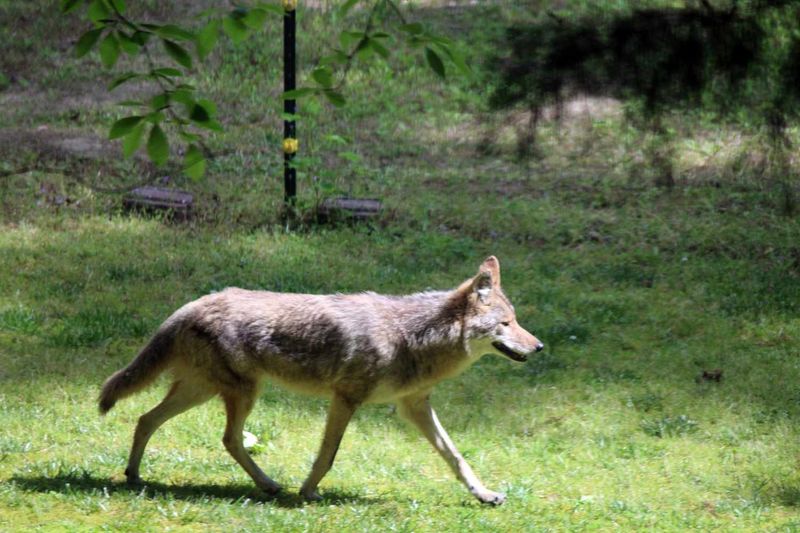
Spotting a coyote in your backyard can be startling, especially if you have kids, pets, or a garden you care about. The good news is that most coyotes want nothing to do with you, and a few smart moves can send them packing while keeping everyone safe. Knowing what to do in the moment helps you stay calm instead of panicked. Here are 15 practical steps to take the second a coyote shows up on your property.
1. Stay Calm and Assess the Situation
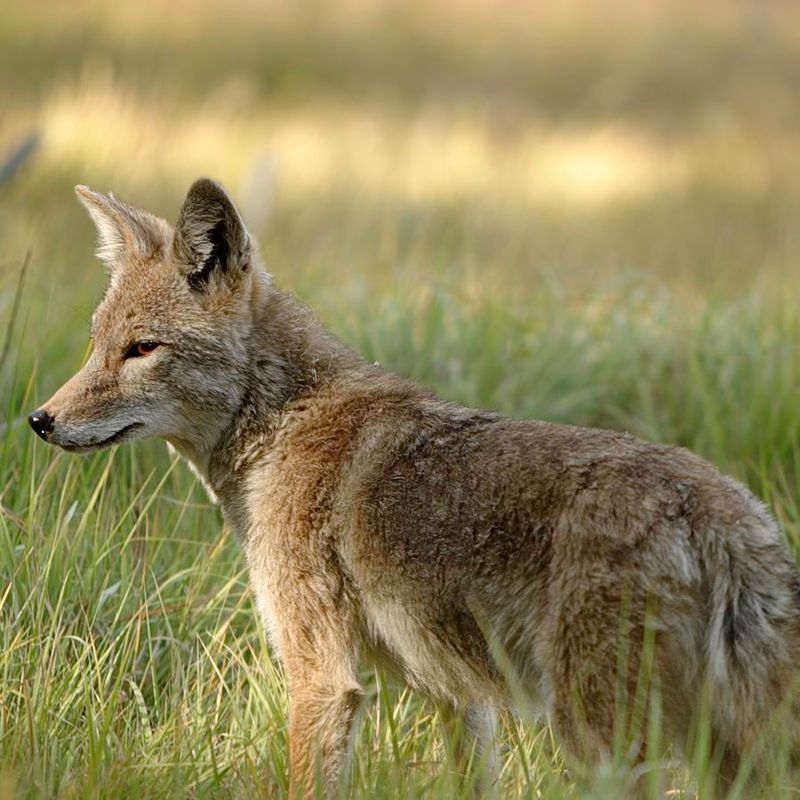
Your heart may pound the moment you spot those pointed ears across the lawn, but panic is the last thing that helps here. A coyote reacts to sudden, frantic movement, so freezing for a second to size things up actually keeps you safer.
Take a quick mental note of where the animal is, which direction it faces, and whether it seems curious, scared, or completely unbothered. A coyote trotting through on its way somewhere else behaves very differently from one that stops and stares at you.
Check whether it looks healthy or acts strangely, such as stumbling, drooling, or showing no fear at all. Odd behavior can signal illness and changes how cautious you should be.
Locate your pets and children before doing anything else, since you may need to bring them indoors first. Keeping your breathing steady helps you think clearly and make smart choices instead of reacting on instinct.
Most encounters end with the coyote simply moving along once it realizes people are around. Giving yourself those few seconds to observe often reveals that the situation is far less dangerous than it first appeared.
2. Bring Pets Inside Immediately
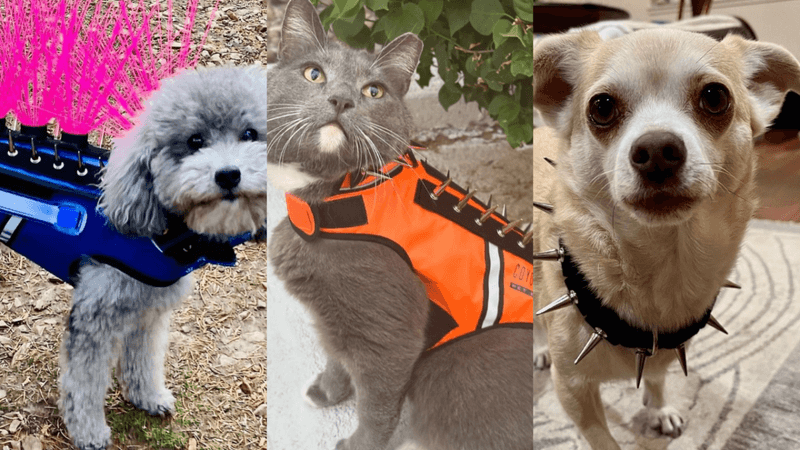
Small dogs and cats look a lot like prey to a hungry coyote, and that is the harsh reality every pet owner needs to remember. The fastest way to prevent a tragedy is to scoop up your animals and get them behind a closed door.
Cats roaming the yard should come in first, since they tend to freeze or bolt in unpredictable directions. Dogs on leashes are easier to control, but even a confident retriever can provoke a defensive coyote if left outside.
Do not send your dog out to chase the intruder away, no matter how brave your pup seems. Coyotes sometimes lure dogs into an ambush where a whole pack waits, turning a simple scare into a serious fight.
If your pet is already outside and near the coyote, call it back firmly using a happy, familiar command rather than screaming, which can trigger a chase.
Once everyone is indoors, do a quick head count so nobody is accidentally left in the yard. Protecting your animals removes the biggest reason a coyote might decide to stick around.
3. Make Yourself Look Big and Loud
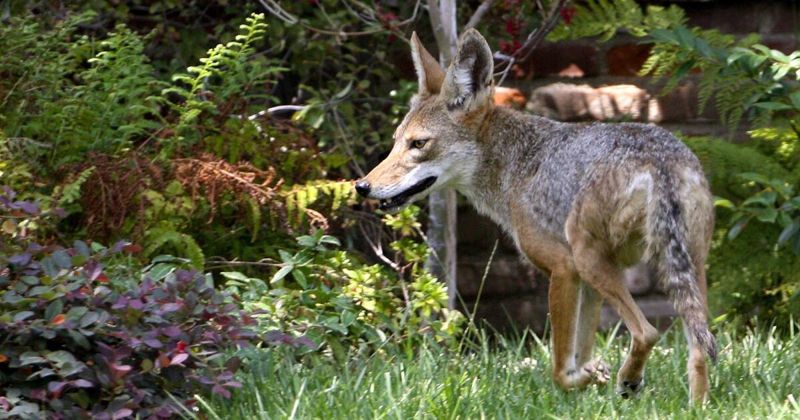
Coyotes respect size and noise, so puffing yourself up like an angry bear works surprisingly well. Raise your arms over your head, stand tall, and open your jacket wide to create a bigger, more intimidating outline.
Shout in a deep, firm voice, clap your hands, and stomp your feet toward the animal. The goal is to convince the coyote that you are a threat worth avoiding, not a snack worth investigating.
Wildlife experts call this hazing, and it can reteach a bold coyote to fear humans again. Many urban coyotes lose that natural caution because people feed them or ignore them, so a loud reminder often does the trick.
Keep facing the animal while you do this, since turning your back may invite it to approach. Never crouch down or make yourself small, as that signals weakness.
Continue the racket until the coyote turns and leaves rather than stopping the moment it glances away. A confident, noisy human is one of the strongest natural deterrents a coyote will encounter, and it usually gets the message quickly.
4. Never Run Away From It
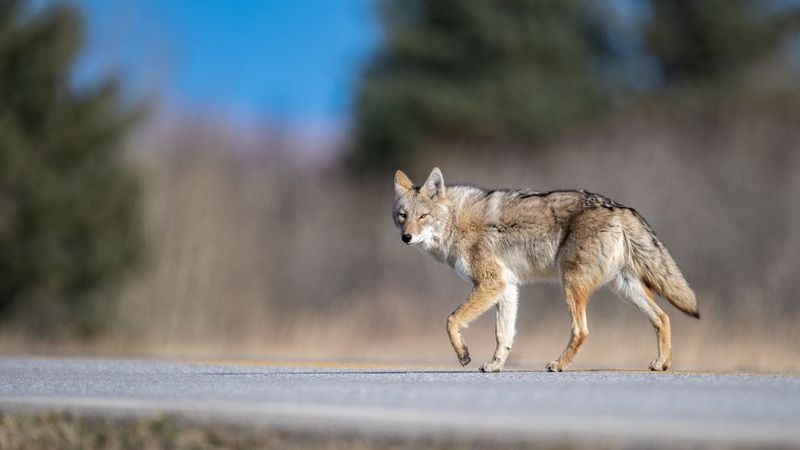
Turning tail and sprinting feels like the natural response, but it is one of the worst moves you can make. Running switches on a coyote’s chase instinct, and these animals sprint up to forty miles per hour, far faster than any person.
Back away slowly instead, keeping your eyes on the coyote and your body facing its direction the whole time. Slow, deliberate steps tell the animal you are leaving on your own terms rather than fleeing in fear.
Move toward a door, gate, or car where you can put a solid barrier between yourself and the animal. There is no rush to disappear the instant you see it, so avoid sudden bursts of speed.
Keep children close and remind them to walk, not run, since a child bolting can trigger the same predatory reaction.
Should the coyote follow you, stop and repeat your loud, big posturing before continuing your retreat. Staying composed and moving with purpose usually convinces the animal that chasing you is not worth the trouble, and it will break off long before you reach shelter.
5. Remove Food Sources Right Away
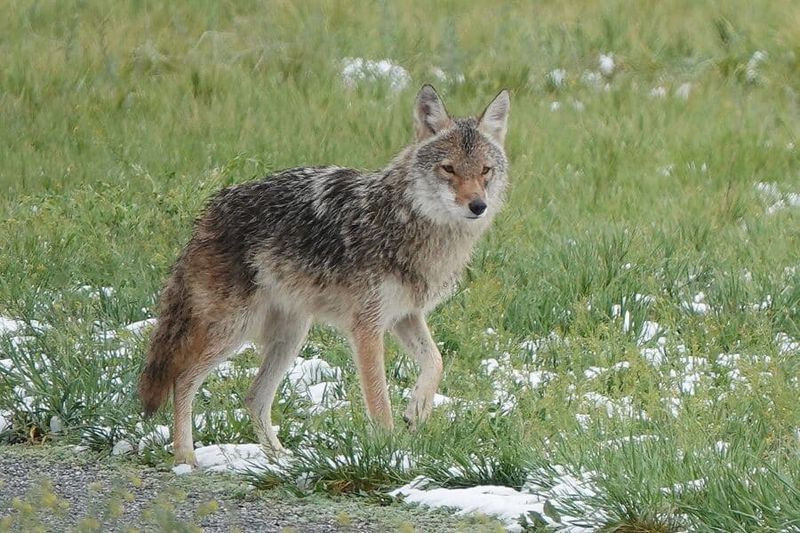
Nothing keeps a coyote coming back like an easy meal, and your yard may be serving one without you realizing it. Pet food bowls left on the porch, fallen fruit under trees, and spilled birdseed all read like a dinner invitation.
Walk your property and clear away anything edible the moment the coast is clear. Even compost piles with meat scraps or greasy grill drippings can draw a hungry animal night after night.
Feed pets indoors from now on, and store bags of kibble in sealed containers inside a shed or garage. A coyote that finds nothing to eat quickly learns your yard is not worth the visit.
Rake up windfall apples, berries, and vegetable scraps, since coyotes happily eat plant matter when meat is scarce. Bird feeders that scatter seed also attract rodents, which in turn attract predators.
Cutting off the food supply is the single most effective long-term fix, because a coyote follows its stomach. Once the free buffet disappears, most animals move on to easier hunting grounds and stop treating your backyard like a regular stop.
6. Secure Your Trash Cans
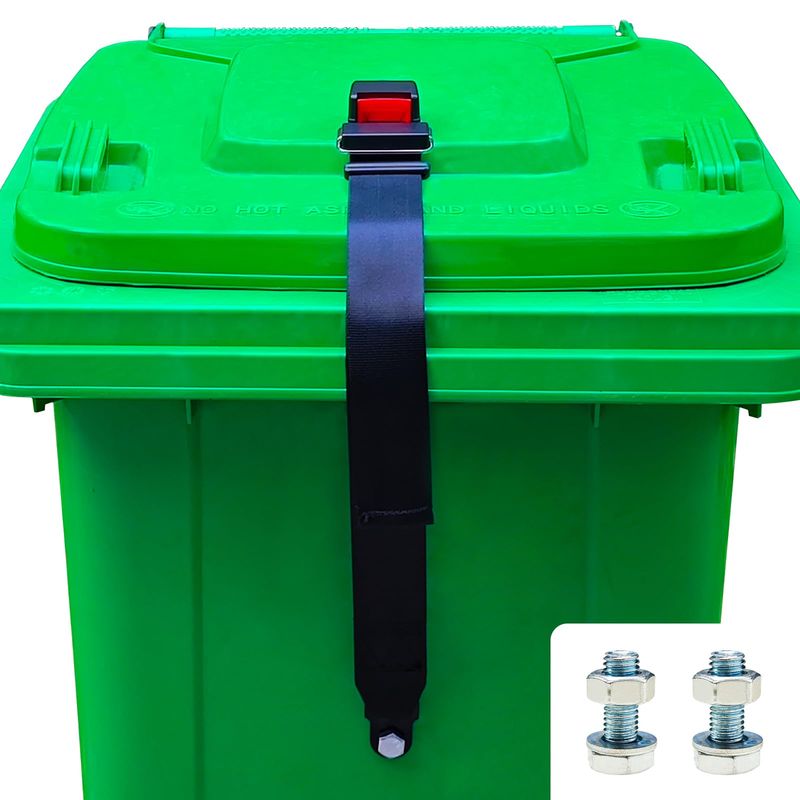
Garbage day can turn your curb into a coyote cafeteria, especially when lids pop off in the wind. The smell of leftovers travels far, and a clever coyote will happily tip a can to get at whatever is inside.
Use bins with locking lids or bungee cords that keep the tops firmly shut. Storing cans in a garage or behind a latched gate until collection morning removes the temptation entirely.
Rinse containers that held meat, cheese, or sweet leftovers, since lingering odors do most of the luring. A quick spray with the hose can make a surprising difference in how interesting your trash smells.
Avoid leaving bags on the ground overnight, as they are the easiest possible target for a curious nose and sharp teeth.
If raccoons or opossums also raid your bins, the same fixes work double duty against every hungry visitor. Keeping garbage sealed and out of reach breaks one of the most common habits that draws coyotes into neighborhoods, and it costs almost nothing to do. A tidy trash routine quietly protects your whole street, not just your yard.
7. Use Noisemakers to Scare It Off
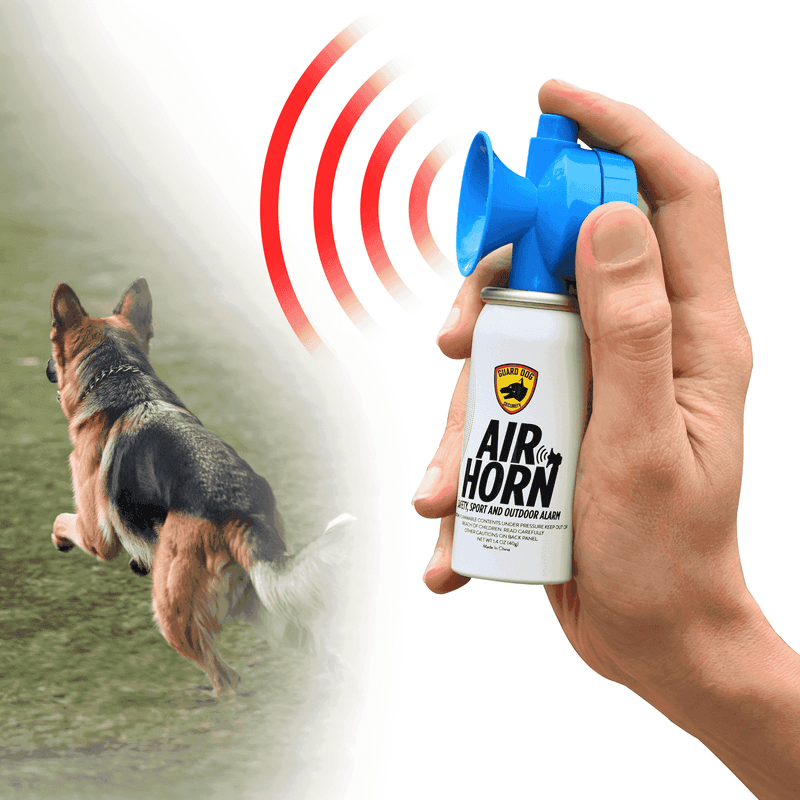
A blast of unexpected sound sends most coyotes bolting, and you probably already own something that works. Air horns, whistles, pots banged together, and even a loud portable radio can shatter the calm a coyote depends on.
Keep a simple noisemaker near your back door so it is ready the instant you need it. Shaking a can filled with coins or pebbles makes a sharp rattle that few wild animals will stick around to investigate.
The idea is to pair the racket with your presence so the coyote links people with unpleasant surprises. Repeating the noise during several encounters can help retrain a bold animal to keep its distance.
Some homeowners keep a whistle on a lanyard when working in the garden or walking after dark, just in case.
Aim the sound directly at the animal rather than blasting randomly, so it clearly understands the source of the disturbance. Consistent, startling noise every time a coyote appears may gradually convince it that your property is far too stressful to bother with, encouraging it to hunt somewhere quieter instead.
8. Spray Water or Use a Hose
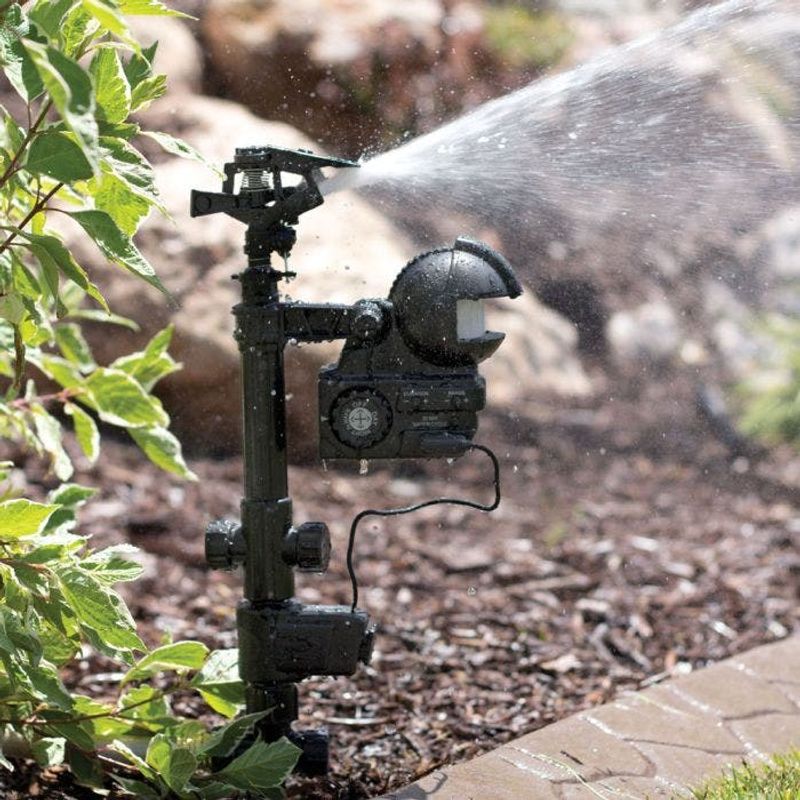
Coyotes hate a sudden soaking almost as much as they hate loud noises, which makes your garden hose a handy weapon. A strong stream aimed in the animal’s direction startles it without causing any harm.
Motion-activated sprinklers take this trick a step further by firing automatically whenever something crosses their path. Positioned along fences or garden edges, they can guard your yard even while you sleep.
The combination of the hissing spray and the unexpected splash triggers a coyote’s flight response fast. Because the deterrent happens without you present, the animal cannot connect the surprise to a specific person and simply learns the yard is unpredictable.
Set the sprinkler heads to cover the spots where you have seen tracks, scat, or the coyote itself.
Water deterrents work best as one layer in a larger plan rather than the only defense, since a determined animal may adapt over time. Still, a well-placed sprinkler can discourage casual visits and may help keep both coyotes and other backyard raiders from settling in and treating your lawn as a comfortable hangout.
9. Keep Children Close and Indoors
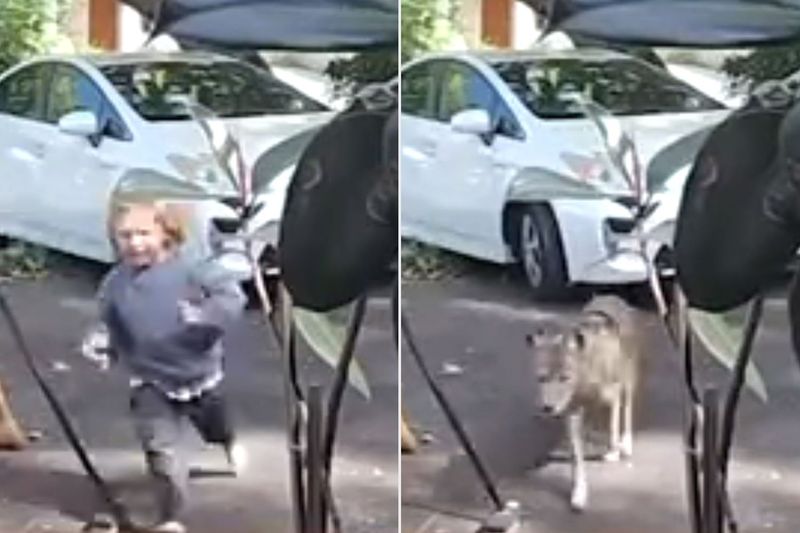
Little ones tend to see a coyote as a big friendly dog, which is exactly the misunderstanding that worries parents most. Gathering your children and bringing them inside should happen the moment you notice one nearby.
Explain calmly that the animal is wild and that they should never approach or try to pet it. Fear-fueled screaming or running can excite a coyote, so teach kids to walk quietly to an adult instead.
Supervise outdoor play closely for a while after a sighting, since coyotes sometimes return to check the same territory. A parent watching the yard is a strong deterrent all on its own.
Talk with older kids about the big-and-loud technique so they know how to respond if they are outside without you.
Coyotes very rarely target humans, and attacks on children are extremely uncommon, but caution costs nothing. Keeping young ones within arm’s reach until you are confident the animal has moved on gives you peace of mind and removes any chance of a curious child wandering toward danger while your back is turned.
10. Check Your Fencing for Gaps

A coyote can squeeze through gaps you would never think twice about, and they are champion diggers on top of that. Walking your fence line after a sighting often reveals loose boards, worn corners, and burrow-sized holes near the base.
Fences work best when they stand at least six feet tall, since coyotes can leap or climb lower barriers with ease. Adding a roller bar or angled extension along the top makes scaling nearly impossible.
Bury hardware cloth or an L-shaped wire apron along the bottom to stop the digging that lets animals sneak underneath. Coyotes will happily tunnel a few inches down if the soil is soft and unguarded.
Inspect gates too, because a latch that swings open or a gap at the hinge invites easy entry.
Solid fencing will not guarantee a coyote stays out forever, but it dramatically raises the effort required. Patching weak spots turns your yard from an open invitation into a frustrating obstacle, which often convinces a coyote to look for an easier route somewhere else in the neighborhood entirely.
11. Install Motion-Activated Lights
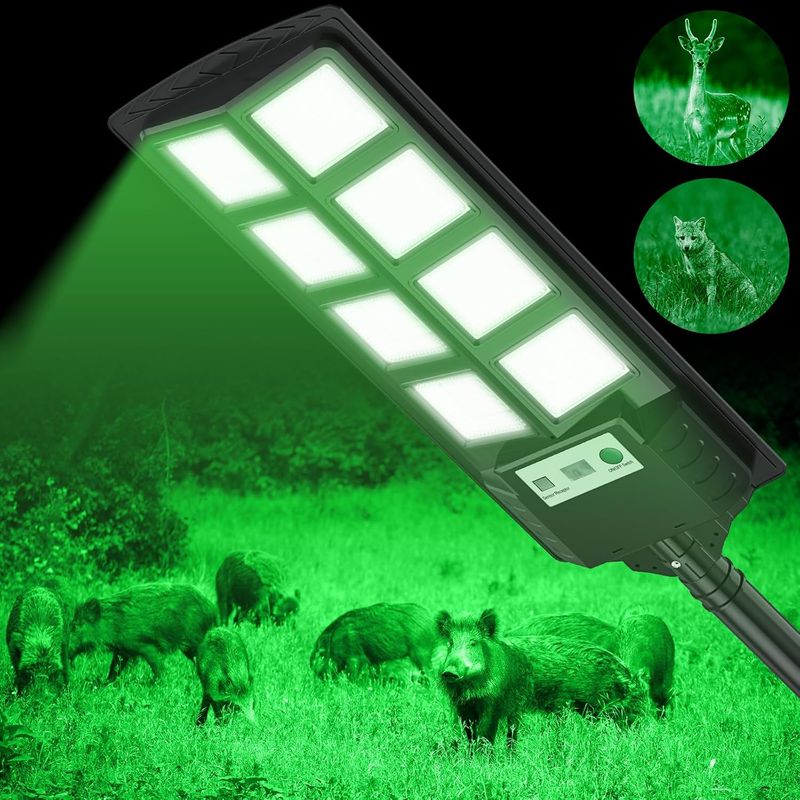
Darkness is a coyote’s comfort zone, so flooding your yard with sudden light strips away its cover. Motion-activated fixtures snap on the instant something moves, catching a prowling animal off guard and often sending it running.
Mount lights near sheds, along fence lines, and around any area where you have noticed activity. The unexpected brightness disrupts the quiet, sneaky approach that coyotes prefer for hunting after sunset.
Because the lights only flip on when triggered, they save energy and avoid annoying the neighbors with constant glare. The suddenness is exactly what makes them effective, since a steady porch light quickly becomes background scenery a coyote ignores.
Pair the lighting with other deterrents for a stronger effect, as a smart coyote may eventually grow used to any single trick.
Solar-powered models make installation simple in spots without nearby outlets, and they run all night without adding to your bill. A well-lit yard feels exposed and risky to a wild animal, which may encourage it to skip your property in favor of a darker, safer place to hunt and roam.
12. Do Not Feed or Approach It
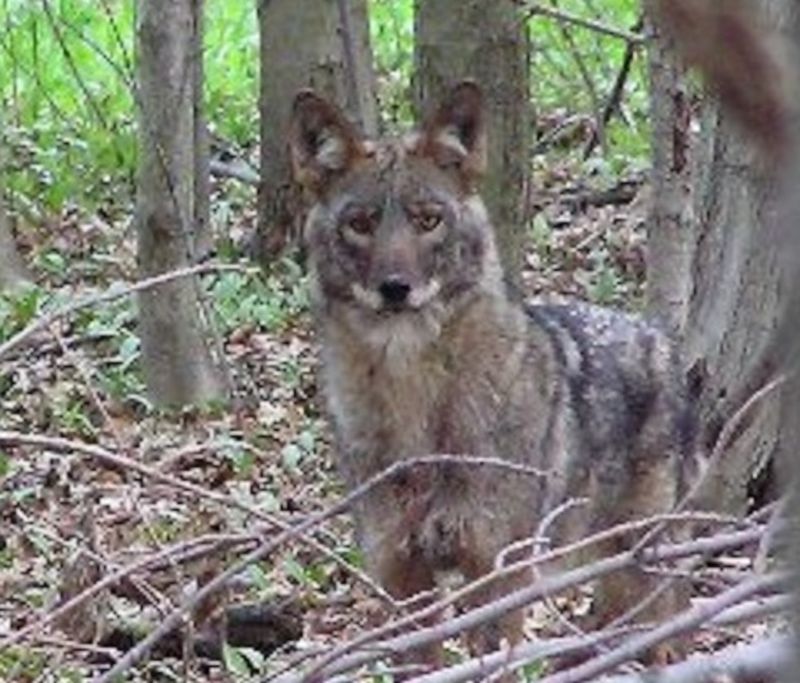
Tossing a scrap to a coyote might feel kind, but it is one of the most dangerous things you can do. A fed coyote loses its fear of people and starts to see humans as a reliable food source, which leads to bolder and riskier behavior.
Never leave food out hoping to watch the animal, and never try to hand-feed one, no matter how tame it looks. That lost caution is exactly what turns a shy passerby into a neighborhood problem.
Resist the urge to walk closer for a photo or a better view, since crowding a wild animal can provoke defensive snapping. Keep a wide, respectful distance at all times.
Remind neighbors and family members that feeding wildlife, even accidentally, puts the whole area at risk.
A coyote that expects handouts may follow people, linger near doorways, or grow aggressive when the food stops coming. Keeping every encounter distant and food-free preserves the animal’s natural wariness, which protects both your family and the coyote itself from a confrontation that rarely ends well for either side.
13. Protect Livestock and Chickens

Backyard chicken keepers know the sinking feeling of finding feathers scattered at dawn, and coyotes are frequent culprits. If you raise hens, rabbits, or other small animals, a coyote sighting means your coop needs attention tonight.
Reinforce enclosures with buried wire and sturdy latches, because coyotes dig, push, and pry at any weak point. A flimsy chicken-wire fence often is not enough to stop a determined predator.
Lock birds inside a solid, roofed coop every evening before dusk, since dawn and dusk are prime hunting hours. Leaving animals out overnight is practically an open invitation.
Some owners add guardian animals like donkeys, llamas, or livestock dogs, which may help discourage coyotes from testing the perimeter.
Clear away spilled feed that attracts rodents, because rodents draw coyotes in the first place. Motion lights and secure fencing around the run add extra layers of protection.
No single measure guarantees safety, but combining strong housing, nightly lockup, and smart habits can greatly reduce losses. Treating your coop like a fortress gives your flock the best odds and takes away one of the strongest reasons a coyote keeps circling your property.
14. Report Aggressive Behavior to Authorities
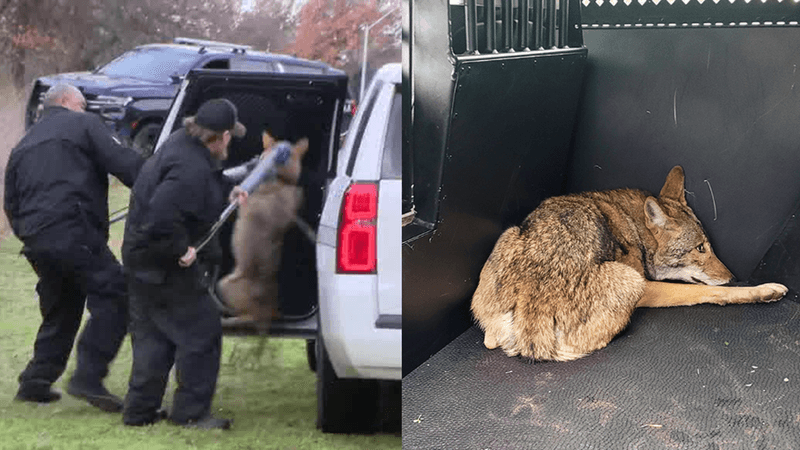
Most coyotes deserve nothing more than a good scare, but a truly bold or aggressive one is a different story. When an animal shows no fear, follows people, or approaches repeatedly in daylight, it is time to pick up the phone.
Contact your local animal control office, wildlife agency, or non-emergency police line to report the behavior. Trained officials can track patterns across the neighborhood and decide whether intervention is needed.
Describe what you saw clearly, including the time, location, and exactly how the coyote acted. Details help experts judge whether the animal is simply comfortable or genuinely dangerous.
Never try to trap, poison, or harm a coyote yourself, since doing so is often illegal and can make matters worse.
An animal that has bitten someone, attacked a pet, or shows signs of rabies such as staggering or foaming needs professional handling right away. Reporting these incidents also protects your neighbors, who may not realize a problem coyote is roaming nearby. Letting the authorities do their job keeps everyone safer and ensures the situation is handled legally and humanely from start to finish.
15. Educate Your Neighbors and Community
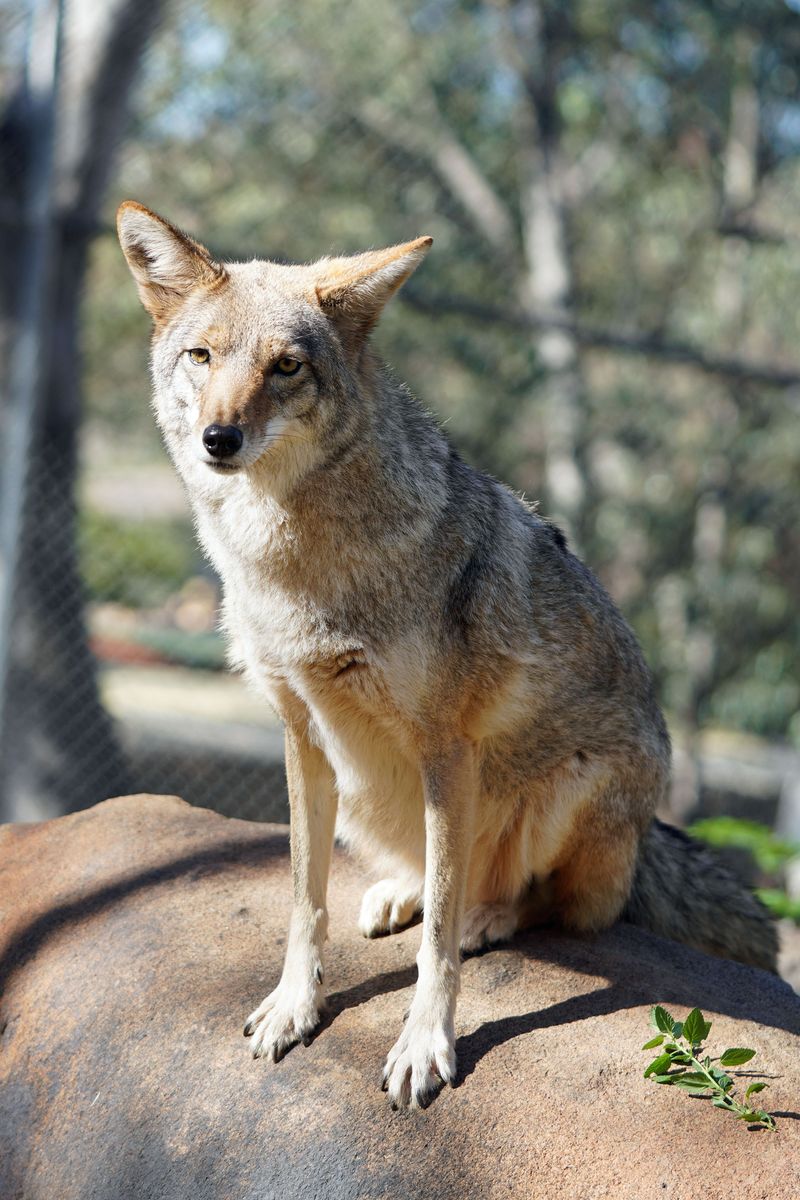
A coyote does not respect property lines, so keeping the sighting to yourself only solves half the problem. Sharing what you saw with the people around you turns a single backyard fix into a whole-neighborhood defense.
Post in a community group, chat over the fence, or drop a note in mailboxes so everyone knows to secure trash and pets. Coyotes thrive when just one household leaves out food or an open coop.
Encourage neighbors to practice the same hazing and cleanup habits, since consistency across the block teaches local coyotes that the entire area is unwelcoming. One yard alone rarely changes an animal’s routine.
Fun fact: coyotes have expanded across nearly all of North America partly because they adapt so well to human neighborhoods, which is exactly why community effort matters so much.
Organize a simple cleanup of shared spaces like alleys, parks, and vacant lots where food and shelter accumulate. When an entire street removes temptations and responds the same way, coyotes usually decide the neighborhood is too much hassle and drift toward wilder, quieter ground where hunting comes easier.