
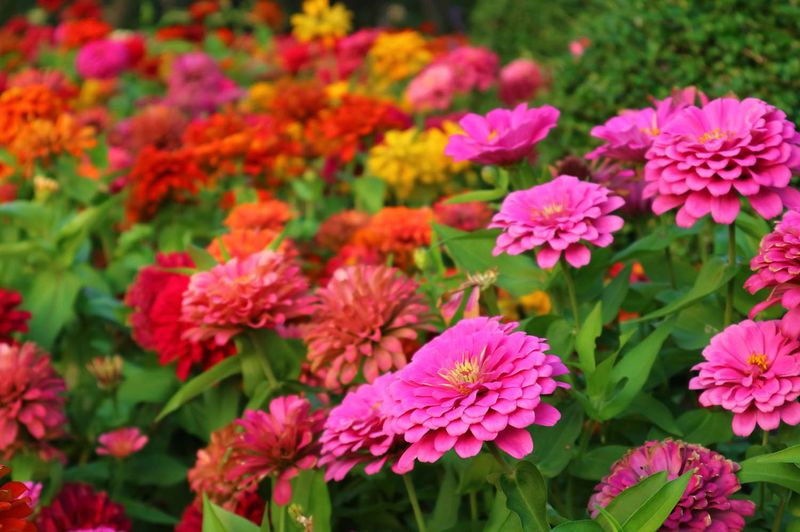
Watching your garden sit bare and boring all summer is frustrating, especially when fancy flowers cost a small fortune and still fizzle out by July. The good news is that plenty of budget-friendly bloomers keep pumping out color from the first warm days until fall, no matter how hot it gets. If your flower beds have been struggling to hold their color, or your pots keep drying out and dropping blooms, these tough and affordable picks can fix that fast. Here are 19 wallet-friendly flowers that bloom without quitting, plus tips to keep each one thriving through the heat.
1. Zinnia
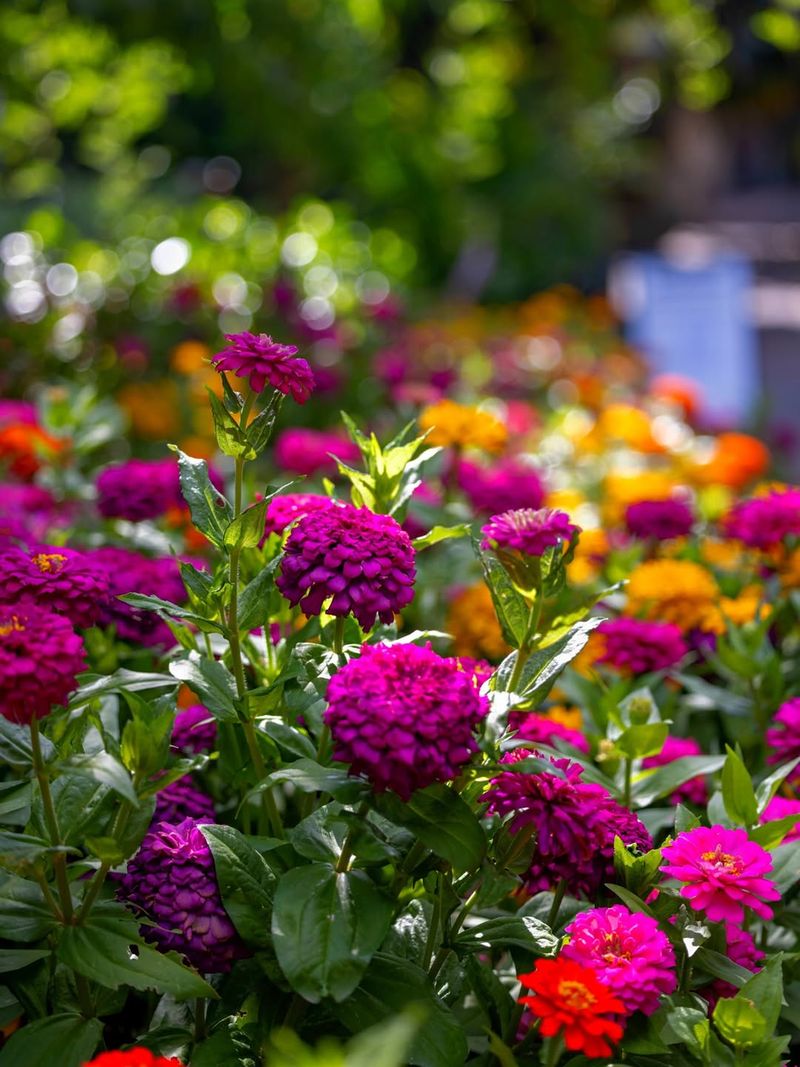
Few seeds give you more color for less money than a packet of zinnias, which often costs less than a fancy coffee and fills an entire bed. Toss them in warm soil after your last frost and they sprout fast, sometimes within a week.
Struggling with plants that quit blooming by midsummer? Zinnias reward you for picking flowers, so every cut you make pushes out two or three more buds. If you notice white powdery patches on the leaves, that is powdery mildew, and spacing plants farther apart plus watering at the base rather than overhead can help reduce it.
Heat and drought barely faze them, which makes zinnias a lifesaver during those brutal August stretches when other flowers droop and sulk. Bees and butterflies treat a zinnia patch like an all-day buffet, so you get pollinators for free too.
Fun bit of history: zinnias are native to Mexico and were once called mal de ojos, meaning sickness of the eyes, because early gardeners found the wild versions so plain. Modern varieties are anything but plain.
2. Marigold
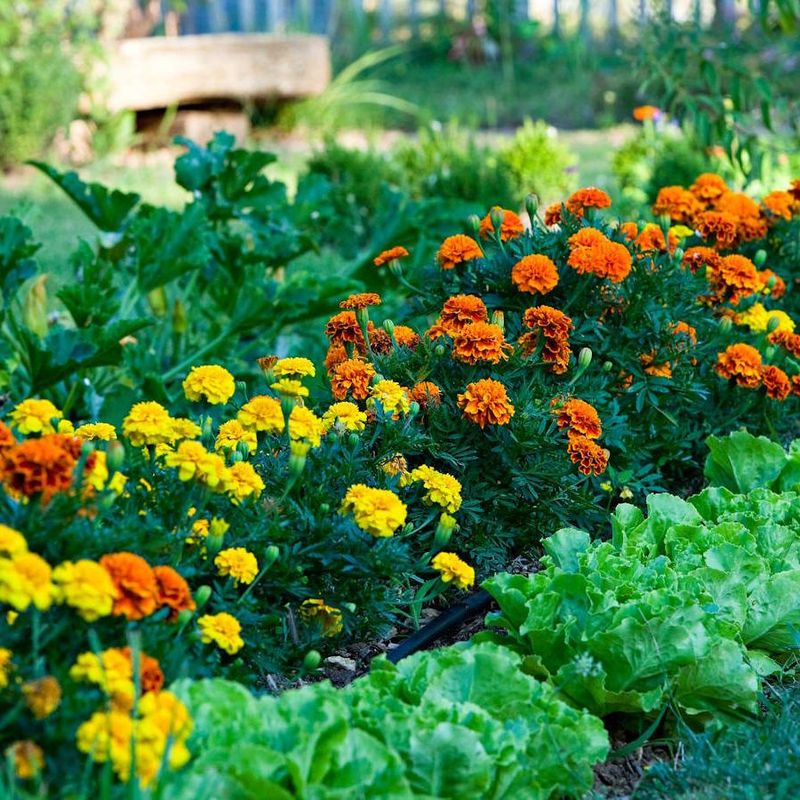
Gardeners have leaned on marigolds for generations, and for good reason: a few dollars buys enough seeds to line an entire vegetable patch with golden, orange, and rusty-red blooms.
If aphids or whiteflies have been chewing through your other plants, tucking marigolds nearby may help deter some pests thanks to their strong scent, and many gardeners plant them around tomatoes for that reason. Nothing is guaranteed, but the extra color alone earns them a spot.
Marigolds shrug off heat like champions and keep flowering right up to frost, especially if you pinch off spent blooms every few days. Yellowing lower leaves usually point to overwatering, so let the soil dry between drinks and the problem often clears up.
They thrive in poor soil where pickier flowers refuse to grow, which means you can skip expensive amendments and fertilizers. Deadhead regularly and you will barely see a gap in the flowering.
A cheerful side note: French marigolds actually hail from Mexico, not France, picking up the name after spreading through European gardens centuries ago.
3. Petunia
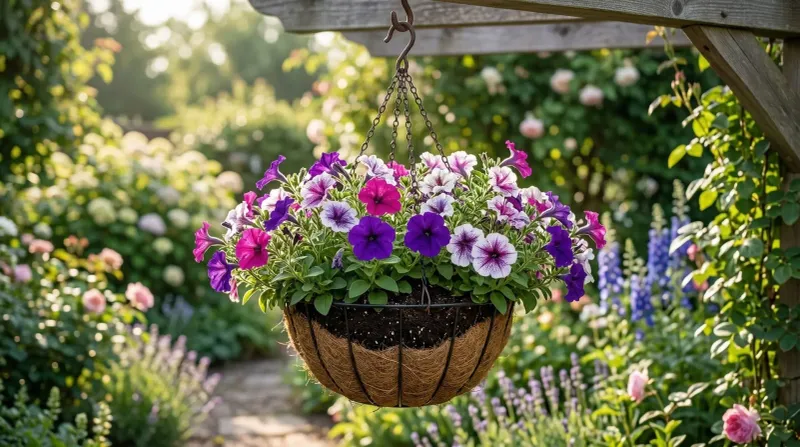
Hanging baskets of petunias spill over with trumpet-shaped blooms all summer, and you can grab a starter six-pack for pocket change at almost any garden center.
Many people give up on petunias when the plants turn leggy and stop flowering by July, but that is fixable. Snip the stems back by about a third midseason and feed them lightly, and they often bounce back with a fresh flush of blooms within a couple of weeks.
Heat-stressed petunias tend to wilt in afternoon sun and dry out fast in containers, so consistent watering and a bit of afternoon shade can reduce the flopping. Spread-out types like the wave varieties recover from stress faster than upright kinds.
Colors run the entire rainbow, from deep purple to soft pink and candy-striped combos, giving you serious variety for very little cash. Rain can bruise the delicate petals, so a sheltered spot keeps them looking crisp.
Pinch, water, feed, repeat, and a single flat of petunias will carry a porch through the whole season.
4. Cosmos
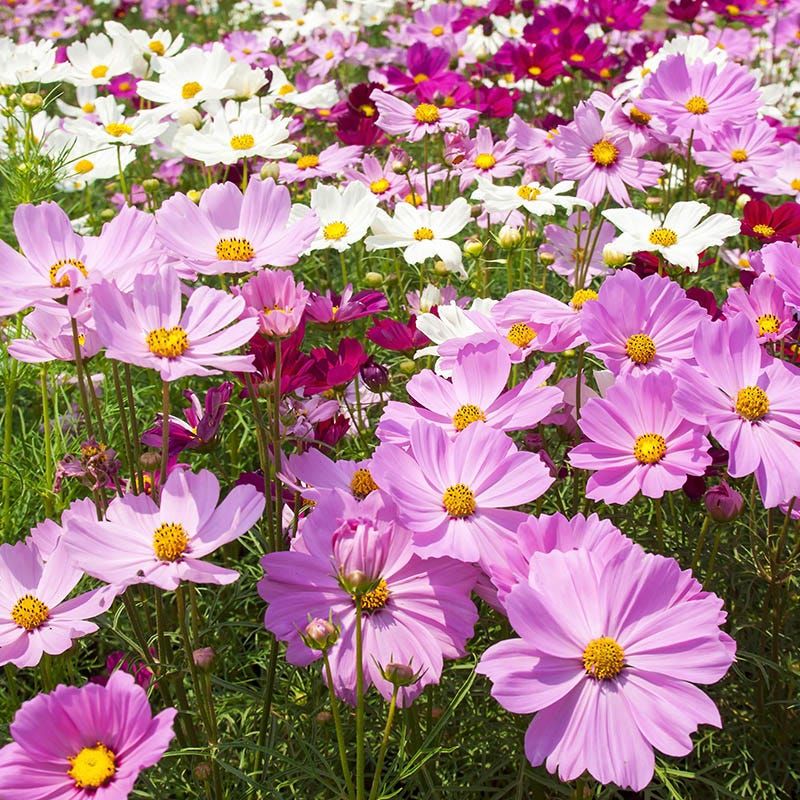
Sprinkle a few cheap cosmos seeds across a sunny patch of bare dirt and you will get a cloud of daisy-like flowers waving on tall, airy stems by midsummer.
Cosmos actually prefer neglect, which is great news if your budget and your free time are both stretched thin. Rich soil and heavy fertilizer make them grow floppy and skip flowering, so lean, dry ground gives you the most blooms for the least effort.
Got a spot where nothing else survives the heat? Cosmos handle drought and blazing sun without complaint, standing tall while thirstier plants collapse. If yours flop over anyway, they simply grew too lush, and cutting back on water usually firms them up.
Deadheading keeps the show going, but let a few flowers go to seed at the end of the season and they often reseed themselves for next year, giving you free plants.
Butterflies adore them, and a single packet can fill a wide border with pink, white, and magenta blossoms that keep coming until the first hard frost knocks them down.
5. Sunflower
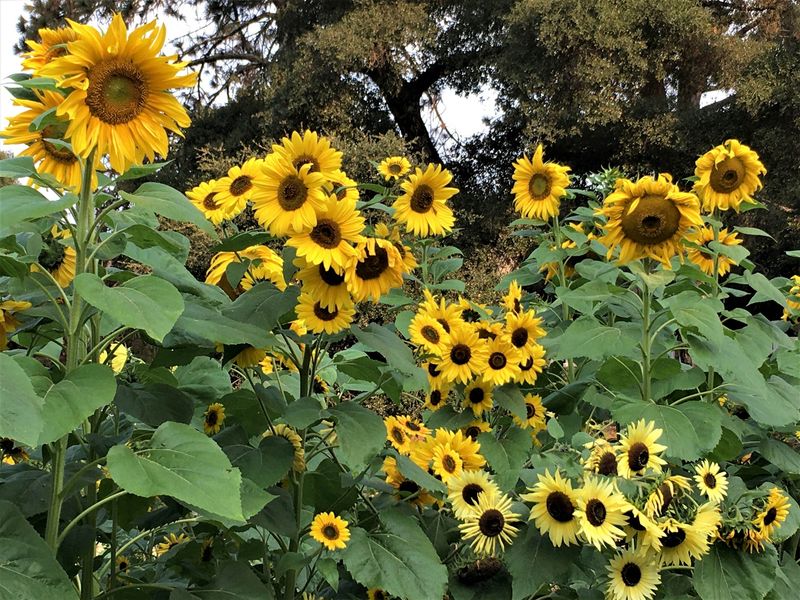
Nothing says summer quite like a row of sunflowers turning their golden faces toward the light, and a jumbo seed packet costs almost nothing.
Branching varieties are the secret to nonstop color, because unlike the single giant types, they pump out dozens of smaller blooms over many weeks instead of one and done. Plant a few every couple of weeks and you get a rolling supply of flowers all season.
If your seedlings snap over or vanish overnight, birds and squirrels are likely the culprits, and a light row cover over young sprouts can reduce the losses. Once established, sunflowers are tough as nails and drink up heat happily.
Drooping leaves in the afternoon usually just mean thirst on the hottest days, and a deep morning soak often perks them right back up.
Curious fact: sunflower heads track the sun while young, a movement called heliotropism, though mature blooms usually settle facing east. Beyond looking cheerful, they feed bees all summer and hand you free birdseed once the petals fade.
6. Nasturtium
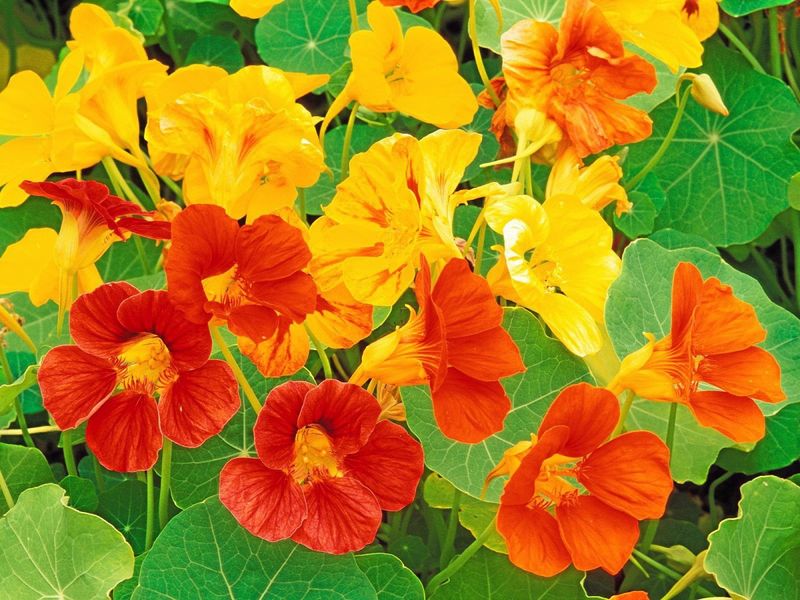
Big, easy-to-handle seeds make nasturtiums one of the cheapest and most beginner-friendly flowers you can grow, and they sprout so reliably that kids love planting them.
Both the peppery leaves and the vivid orange-and-yellow blooms are edible, so you get a splash of color and a garnish for your salad from the same plant. Talk about stretching a dollar.
Poor soil is their happy place, which is oddly convenient. Feed them too much and you get lush leaves but hardly any flowers, so skip the fertilizer and let them fend for themselves in that dry, forgotten corner of the yard.
Aphids sometimes swarm nasturtiums, and while that sounds bad, many gardeners plant them as a trap crop to lure pests away from vegetables. A blast of water often knocks the aphids off if they get out of hand.
Trailing types spill beautifully over walls and containers, while bush kinds stay tidy in beds. Either way, they bloom from early summer straight through until frost with barely any fuss on your part.
7. Geranium
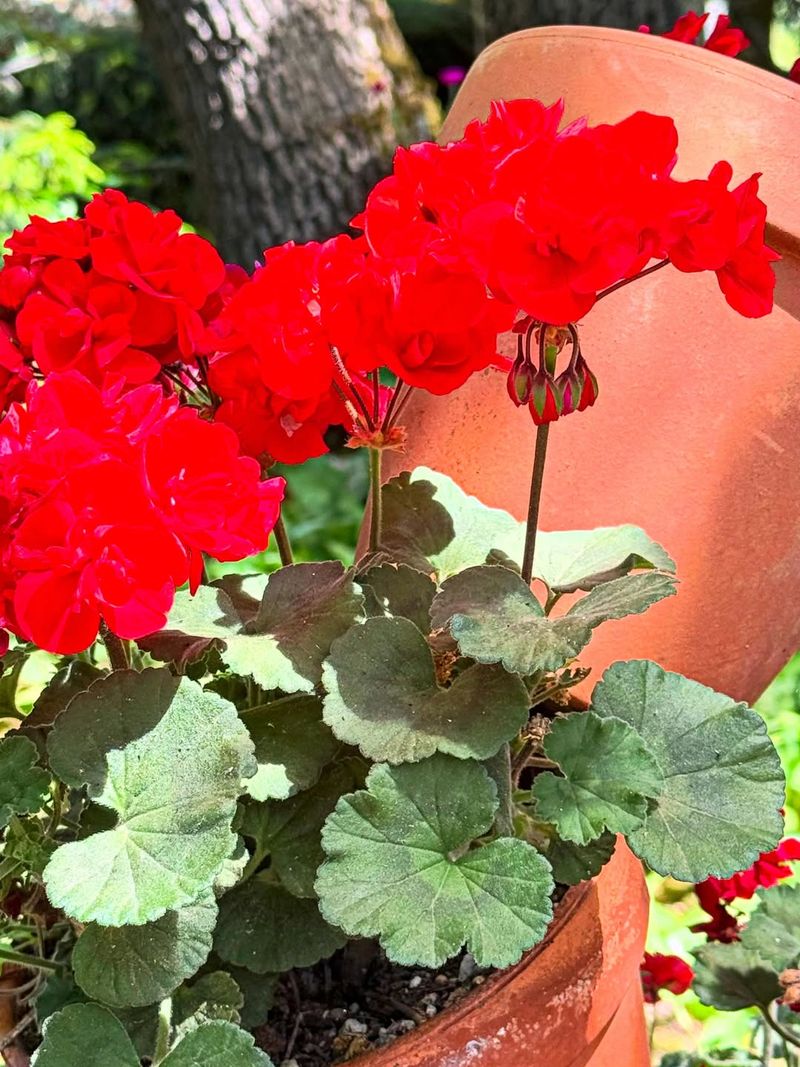
Grandma probably had a pot of geraniums on her porch, and there is a reason these classics have stuck around: a single plant blooms tirelessly for months with minimal cash outlay.
Watch for leaves that yellow and drop, which usually signals too much water rather than too little. Geraniums like to dry out between drinks, and letting the soil breathe often stops the yellowing in its tracks.
Deadheading is the real trick here. Snap off the faded flower clusters right down to the stem and the plant redirects its energy into fresh buds instead of making seeds, keeping the color rolling.
Heat and sun barely bother them, making geraniums a dependable pick for hot porches and sunny windowsills where fussier flowers would scorch. They also handle a missed watering better than most container plants.
Here is a money-saving trick: geraniums root easily from cuttings, so one plant can become many for free. Snip a stem, let it callus, stick it in soil, and you have doubled your display without spending another cent.
8. Impatiens
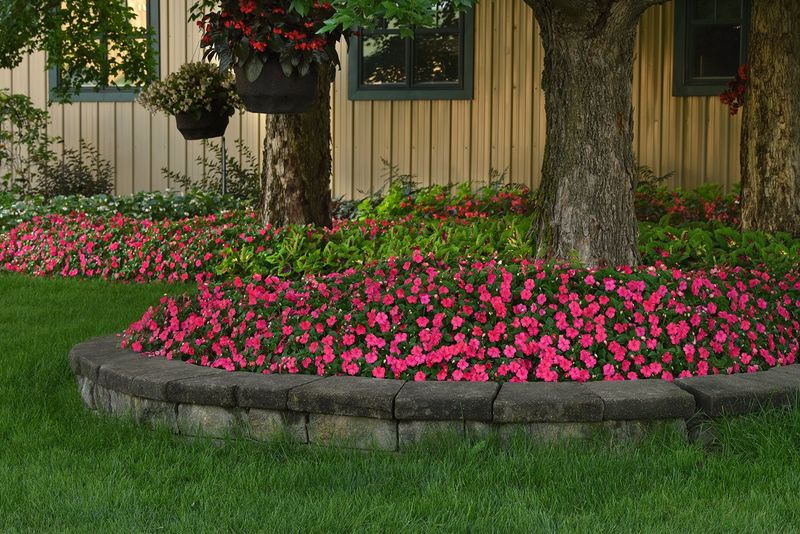
Shady spots where nothing seems to flower can finally come alive with impatiens, and a full flat rarely costs more than a fast-food lunch.
Most summer bloomers demand full sun, so impatiens fill an important gap by thriving in the dappled light under trees and along the north side of the house. That alone makes them worth the small investment.
If your impatiens suddenly collapse and turn to mush, downy mildew may be to blame, and choosing the New Guinea types or the resistant SunPatiens can reduce that risk in problem areas. Keeping foliage dry by watering at the base also helps.
Wilting in the heat of the day is common, but a good drink usually revives them, since these plants love steady moisture more than most.
The flowers come in cheerful pinks, reds, whites, and purples, blanketing the ground in continuous color without any deadheading required. They quite literally clean up after themselves by dropping spent blooms.
Fun detail: the name comes from the way ripe seed pods burst open at the slightest touch, earning them the nickname touch-me-not.
9. Begonia
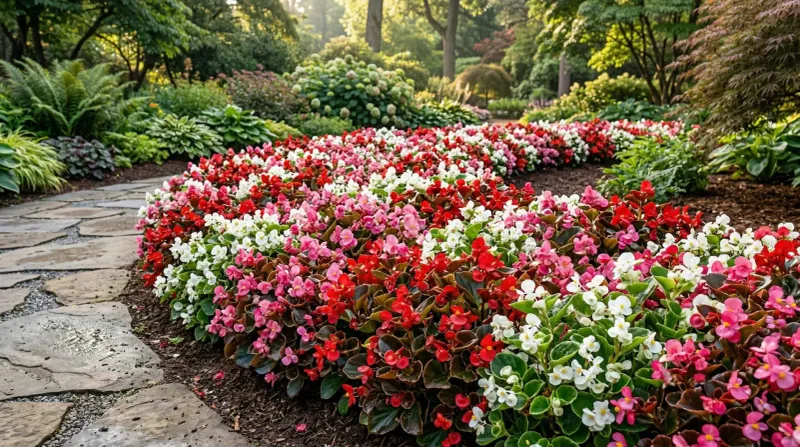
When summer heat fries everything else on the patio, begonias keep chugging along with waxy leaves and constant blooms that ask for almost nothing in return.
Wax begonias in particular are budget heroes, since one cheap flat covers a border and holds up in both sun and part shade without missing a beat. That flexibility is rare and valuable.
Overwatering is the number one way people kill them, so if you see mushy stems or a fuzzy gray mold, back off the water and improve the drainage. Letting the top inch of soil dry out often turns things around.
The glossy leaves come in green or deep bronze, and the bronze types actually shrug off harsh sun better, which is handy for exposed spots.
No deadheading needed here, another win for busy gardeners, because begonias drop their old flowers on their own and just keep making new ones.
Tuberous varieties offer showier, rose-like blooms for hanging baskets, though they prefer cooler shade. For sheer nonstop reliability on a tight budget, though, the humble wax begonia is tough to beat.
10. Verbena
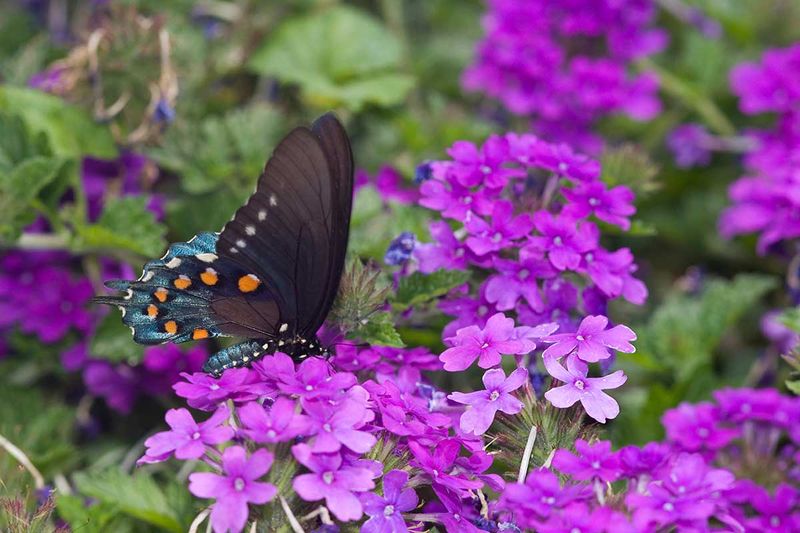
Low-growing verbena creeps and spills into a river of tiny clustered flowers, and a few inexpensive plants quickly knit together to cover a lot of ground.
Heat is where verbena truly shines, flowering hardest during the exact stretch of summer when many other plants throw in the towel. For hot, sunny slopes and containers, few cheap flowers deliver more.
Fewer blooms and yellowing leaves in the middle of the plant often mean poor air flow or too much shade, and moving it into full sun with better spacing usually revives the show. Powdery mildew can also creep in during humid spells, so watering early in the day helps it dry out.
A midsummer trim followed by a light feeding encourages a strong second wave of color when the first flush starts to fade.
Butterflies flock to the nectar-rich clusters, turning a verbena patch into a fluttering hotspot. Colors range from purple and red to pink and white, and because it trails so nicely, one small plant does the visual work of several. That makes it a genuine bargain for filling space fast.
11. Salvia
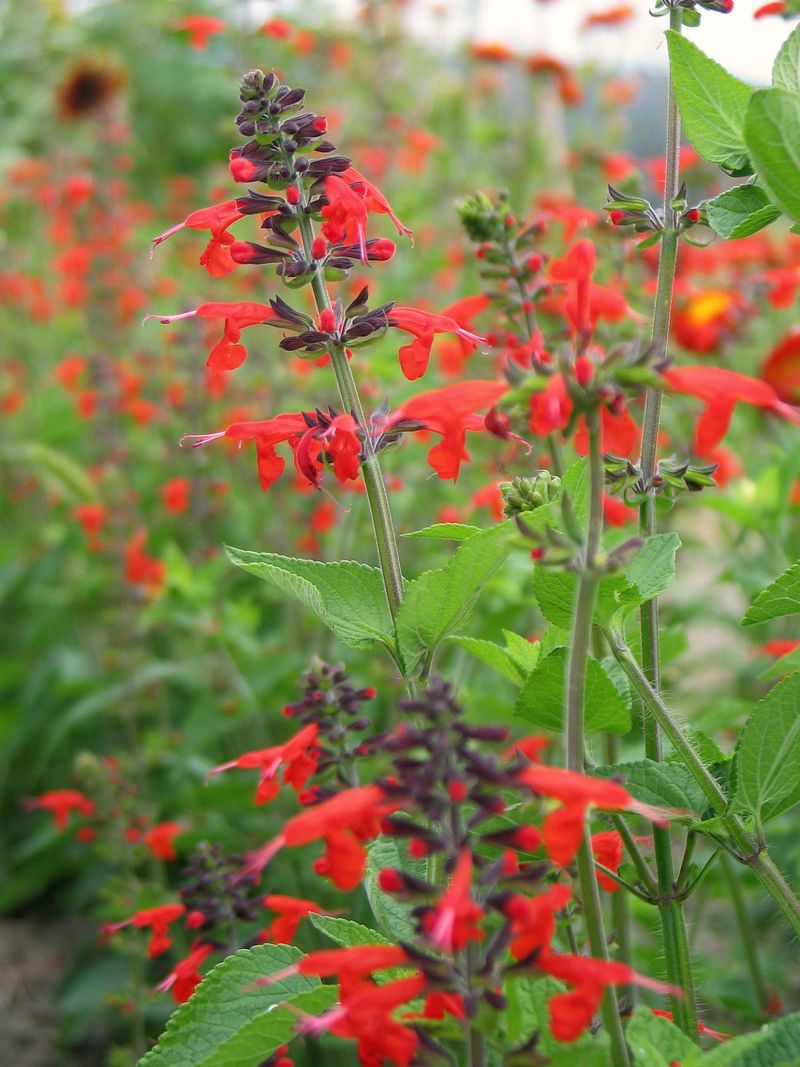
Tall spikes of salvia shoot up like colorful flames, and once you learn to cut them back, a single cheap plant reblooms wave after wave all summer.
Hummingbirds cannot resist those tubular flowers, so planting salvia is like hanging a living feeder that costs you nothing to refill. The red varieties are especially popular with them.
When the spikes fade and flowering slows, that is your cue to shear the plant back by a third. Within a couple of weeks fresh spikes shoot up, and repeating this all season keeps the color nonstop instead of fizzling by July.
Droughty and heat-loving, salvia rarely complains about dry spells, and mushy roots from overwatering are the main thing to avoid. Well-draining soil keeps it happy for months.
Both annual and perennial types exist, so check the label: the perennial kinds come back free every year, stretching your dollar even further.
A quick history note: many culinary sages belong to the same salvia family, which is why the ornamental types share that faintly herbal, aromatic scent when you brush against the leaves.
12. Portulaca
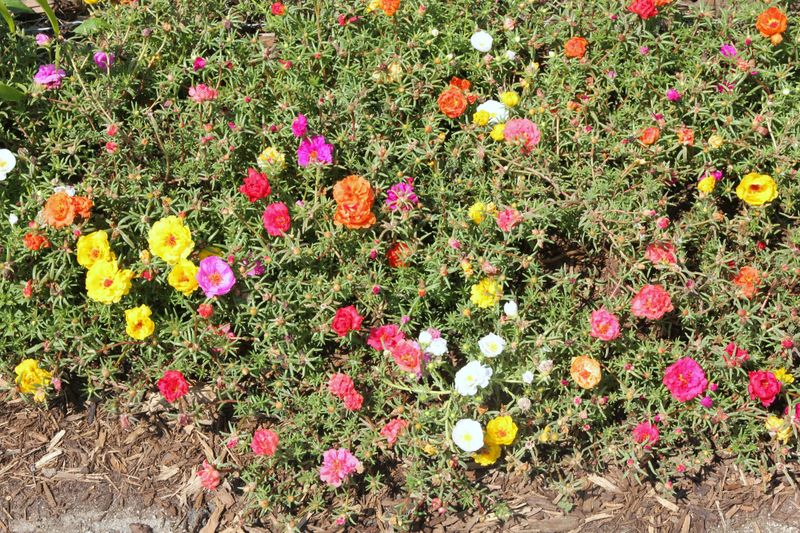
Baking hot spots where the soil turns to dust are exactly where portulaca, also called moss rose, does its best work, and the seeds cost next to nothing.
Succulent, needle-like leaves store water, so this little groundcover practically thrives on neglect and laughs at drought that would flatten other flowers. If you keep killing plants in that scorching sidewalk strip, portulaca is your answer.
The catch worth knowing: the cheerful, rose-like blooms close up on cloudy days and in the evening, so plant it where it gets long hours of direct sun for the fullest display.
Rotting stems almost always trace back to too much water or heavy, soggy soil, and switching to a sandy, fast-draining mix usually solves it.
Colors pop in neon shades of orange, pink, yellow, and magenta, spreading into a low carpet that softens the edges of paths and containers. It self-seeds readily too, often returning on its own the next summer.
For rock gardens, hanging baskets, and any hot, forgotten corner, this is one of the toughest and cheapest bloomers you can plant.
13. Lantana
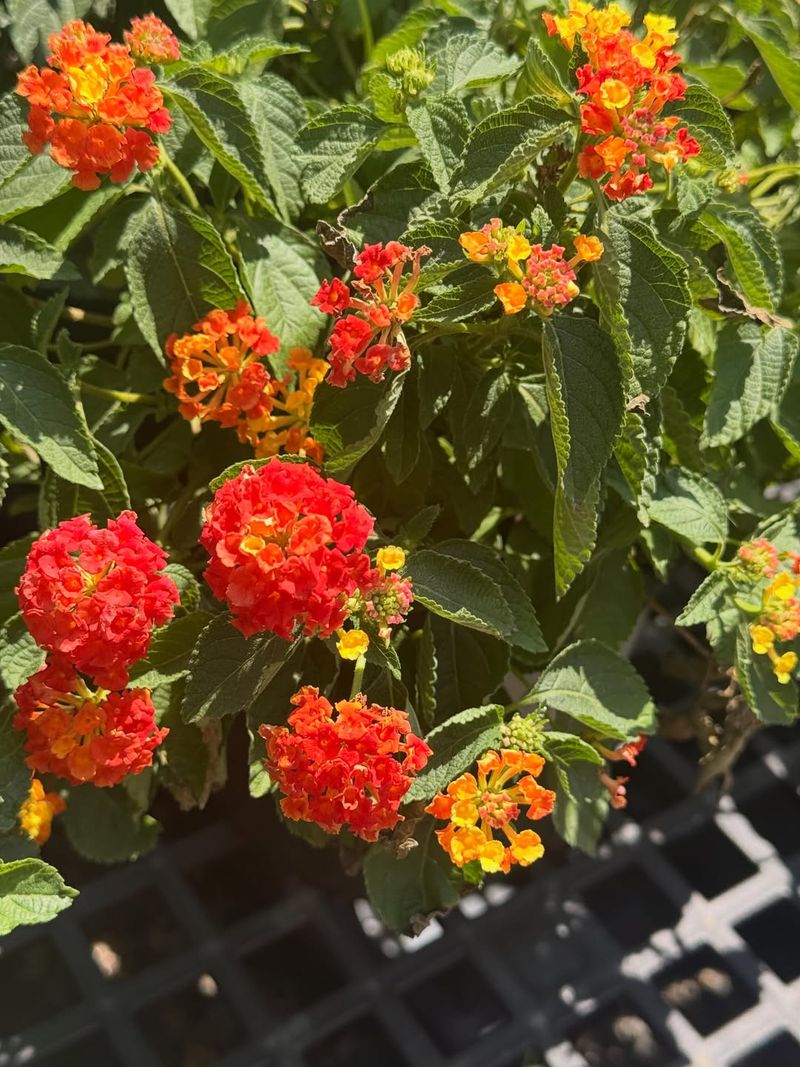
Clusters of tiny flowers that shift colors as they age make lantana look like it holds a whole bouquet on every stem, and one small plant sprawls to fill a big space cheaply.
Drought and heat are no match for lantana, which keeps blooming through the harshest part of summer when watering feels like a full-time job. Established plants can go surprisingly long between drinks.
If yours grows leggy with fewer flowers, a good midsummer haircut encourages bushier growth and a burst of new blooms. Too much shade also cuts flowering, so give it full sun.
Butterflies swarm the nectar, and in warmer regions lantana even comes back as a perennial, meaning you buy it once and enjoy it for years.
One heads-up worth mentioning: the berries and leaves are toxic if eaten, so keep it away from curious pets and small children who might nibble.
The color range is wild, with single plants showing red, orange, yellow, and pink blooms all at once. For dependable, low-cost color in punishing heat, lantana earns its keep season after season.
14. Black-Eyed Susan
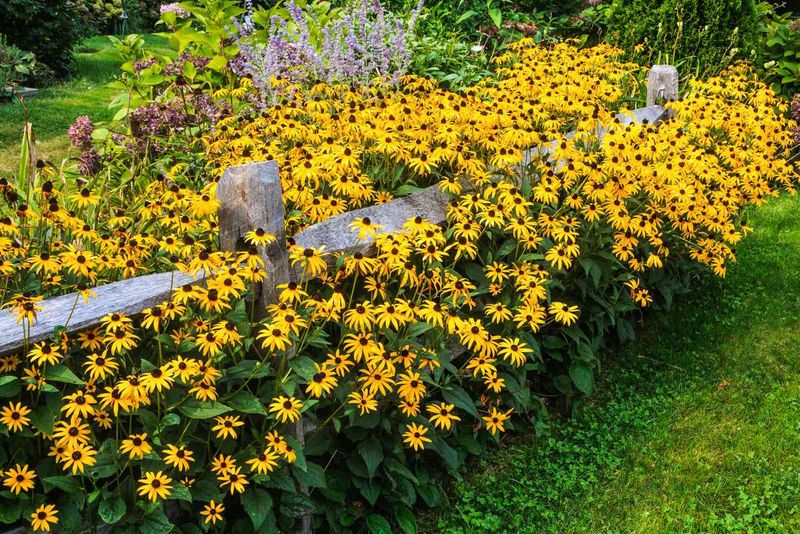
Golden petals wrapped around a dark chocolate center give black-eyed Susans that classic wildflower charm, and as perennials they come back free year after year from one modest purchase.
Native to North America, they are built for local heat, humidity, and dry spells, so they rarely need pampering or expensive care once they settle in. That toughness is exactly what a budget gardener wants.
Blooming from midsummer well into fall, they fill the late-season gap when many earlier flowers have already quit. If yours flop or grow spindly, too much shade or overly rich soil is usually behind it, and moving them to full sun firms them up.
Powdery mildew can dust the leaves in humid summers, so decent spacing and morning watering help keep the foliage clean.
Deadheading extends the show, but leaving some seed heads standing feeds goldfinches and other birds through winter, giving you a two-for-one benefit.
Clumps spread over time and can be dug up and divided every few years, handing you extra plants for free to fill out beds or share with neighbors.
15. Coreopsis
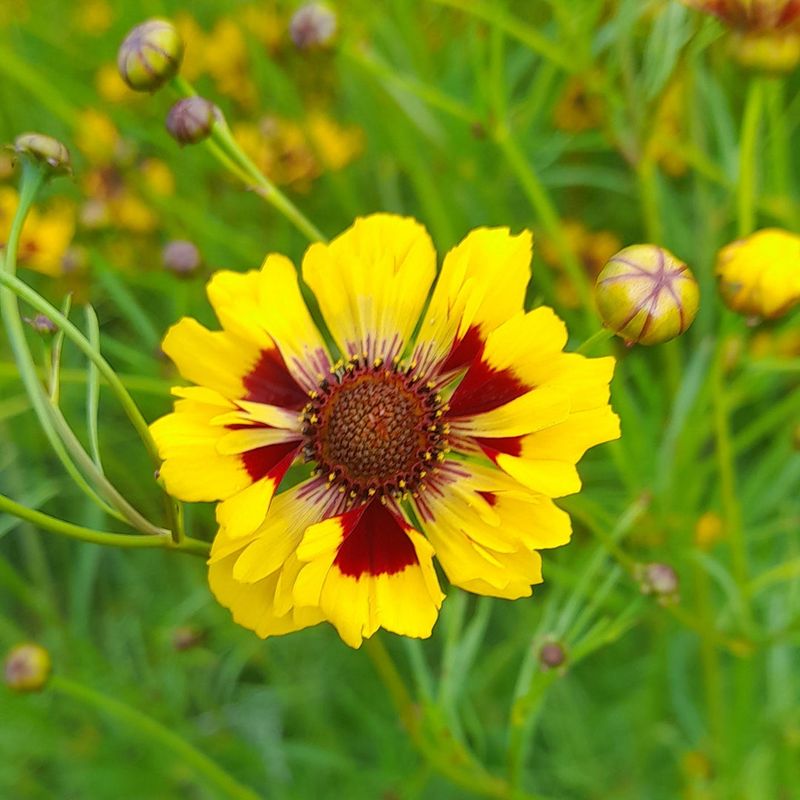
Often nicknamed tickseed, coreopsis showers a garden with cheery yellow daisies on wiry stems, and the perennial types mean you plant once and enjoy the return for years.
Tolerant of poor, sandy soil and hot sun, it survives conditions that would starve pickier flowers, which makes it a smart buy for tough spots and tight budgets alike.
The key to nonstop blooming is a good shearing when the first flush fades. Cut the whole plant back by about a third and it rebounds with a fresh carpet of flowers, often two or three times a season.
Flopping stems and weak blooming usually point to too much shade or soil that is far too rich, and moving it to a leaner, sunnier spot typically fixes both.
Beyond the standard bright yellow, newer varieties offer red, pink, and bicolor blooms, expanding your palette without expanding your spending.
Bees and butterflies work the flowers steadily, and the airy, fine-textured foliage mixes beautifully with bolder plants. Drought-proof, pest-resistant, and long-blooming, coreopsis is one of those quiet workhorses that earns a permanent spot in the garden.
16. Sweet Alyssum
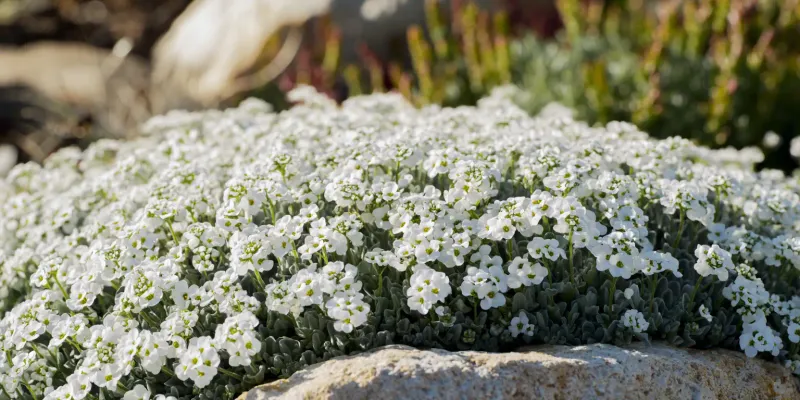
Low mounds of sweet alyssum foam over with hundreds of tiny flowers and release a honey-sweet fragrance that drifts across the whole garden on warm evenings.
A single cheap packet of seeds covers a surprising amount of ground, spilling over container edges and softening the front of a border like a living lace trim. Value-wise, it is hard to beat.
Hot, dry midsummer weather sometimes causes alyssum to stop blooming and look tired, but do not toss it. A quick shearing and a drink of water often trigger a fresh flush once temperatures ease a little.
Yellowing and mushy growth usually mean it is sitting too wet, so lighter watering and good drainage keep it healthy.
The flowers attract tiny beneficial insects like hoverflies, whose larvae feast on aphids, so a border of alyssum may help reduce pest pressure on nearby plants naturally.
Most types come in white, but purple and pink versions add gentle variety. It also self-seeds happily, meaning volunteer plants often pop up the following spring for zero extra cost, giving you an ongoing supply.
17. Gaillardia
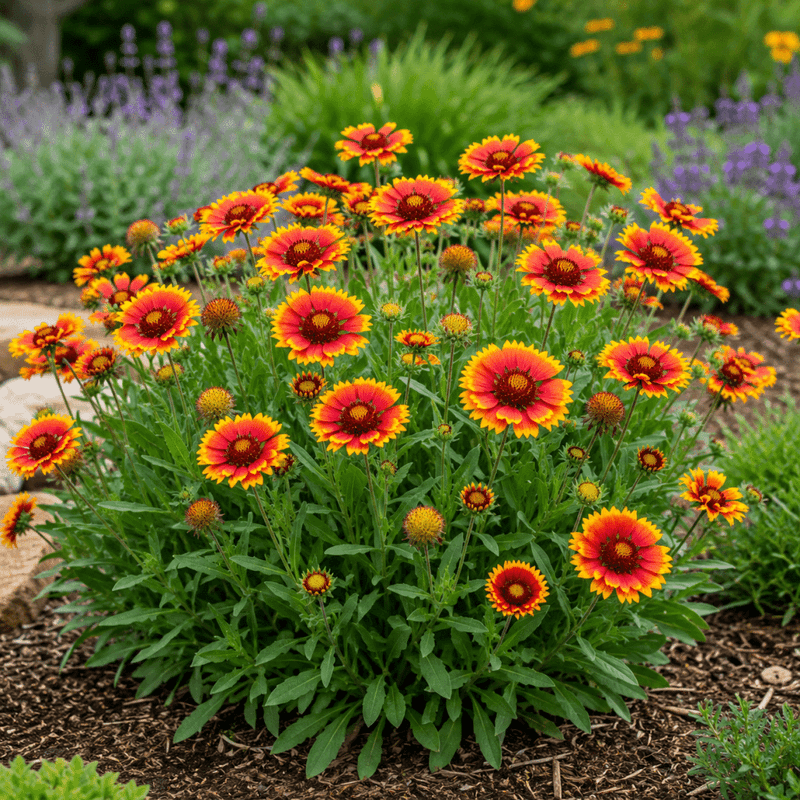
Fiery red-and-yellow blooms that look like little spinning pinwheels give gaillardia its cheerful common name, blanket flower, and its knack for covering ground with color.
Bred from tough native prairie plants, it laughs at heat, drought, poor soil, and even coastal salt spray, so your few dollars buy a flower that basically refuses to quit.
Deadheading the spent blooms keeps a steady parade of new ones coming from early summer until frost, which is a lot of mileage from an inexpensive plant.
If you notice the center of the clump dying out or fewer flowers over time, it may just need dividing, and splitting it every couple of years keeps it vigorous while giving you free new plants.
Soggy soil is its one real enemy, since it evolved for dry ground, so overwatering can rot the roots quickly. When in doubt, water less.
Bees and butterflies flock to the daisy-like flowers, and the warm sunset tones bring a rustic, wildflower feel to any bed. For hot, dry, neglected spots, gaillardia is a low-cost champion that rarely disappoints.
18. Vinca
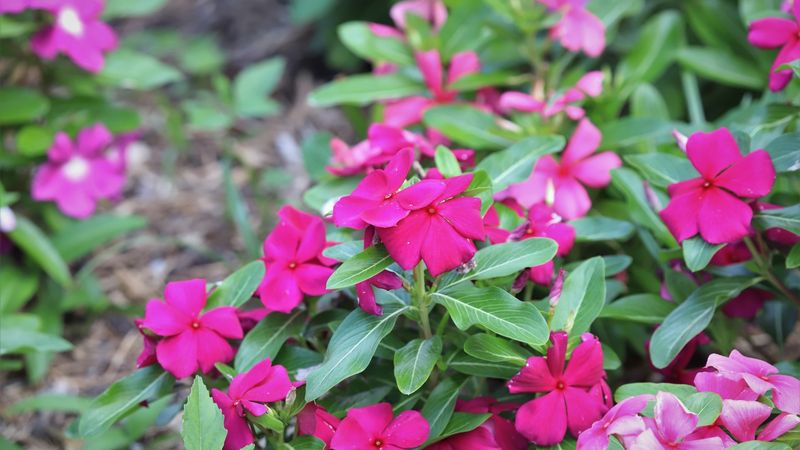
When the thermometer climbs and other flowers wave a white flag, annual vinca, also called Madagascar periwinkle, actually blooms harder, making it a secret weapon for scorching summers.
Glossy leaves and phlox-like flowers in pink, white, red, and purple cover the plant nonstop, and a modest flat spreads to fill beds and containers without a big expense.
Cool, wet conditions are its weakness, not heat, so the classic mistake is planting it too early or overwatering it. If seedlings rot or stems turn black, cut back the water and wait for warmer soil.
Drought-tolerant once established, vinca sails through dry spells that would flatten petunias, and it never needs deadheading to keep flowering, which is a real time-saver.
Do not confuse it with the trailing perennial vinca vine, which is a different, spreading groundcover. The annual bedding type stays compact and bushy in hot sun.
Because it shrugs off humidity, heat, and neglect all at once, vinca is one of the most forgiving cheap flowers you can hand to a beginner and still expect months of reliable color.
19. Celosia
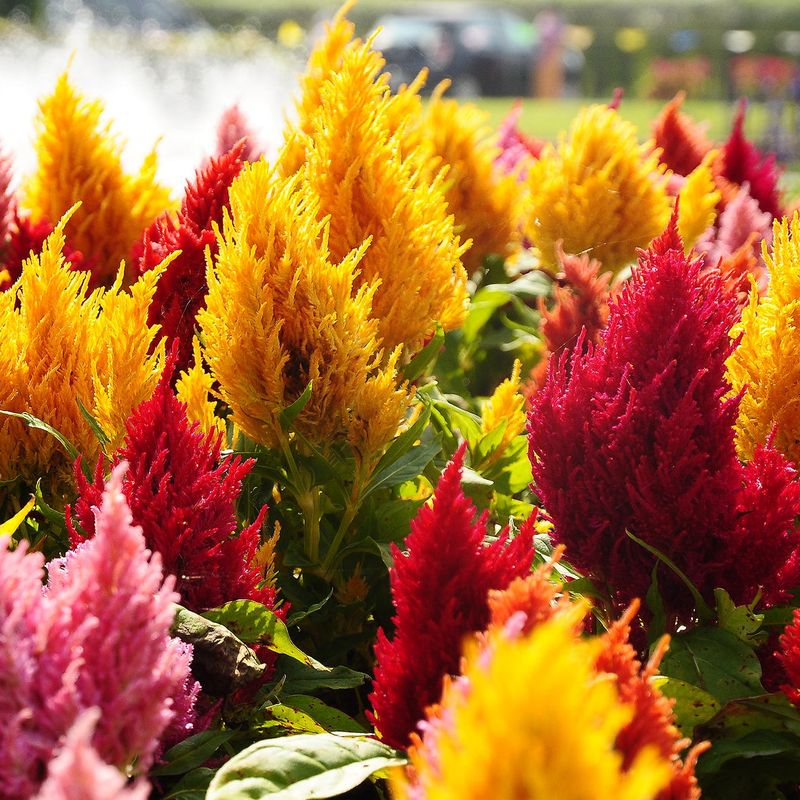
Flames of red, orange, and pink seem to shoot straight out of the ground when celosia blooms, its feathery plumes and velvety crested heads looking almost too dramatic to be so cheap.
Heat and humidity are exactly the conditions celosia craves, so it holds its bold color through sticky summer weeks that leave softer flowers looking exhausted.
Poor drainage is the main thing that trips it up. Yellowing lower leaves or stunted plants often mean soggy roots, and improving drainage plus easing off the watering usually gets them growing again.
The plumes hold their color for weeks without deadheading, and they dry beautifully, so you can cut a few stems and bring long-lasting arrangements indoors for free.
Full sun keeps the plants compact and vividly colored, while too much shade leaves them leggy and pale.
Two main styles exist: the soft feather-like plumosa type and the wavy, brain-like cristata type, letting you pick your look. Either way, from a handful of inexpensive seeds or a small starter pack, celosia delivers some of the most eye-catching color in the whole summer garden.