
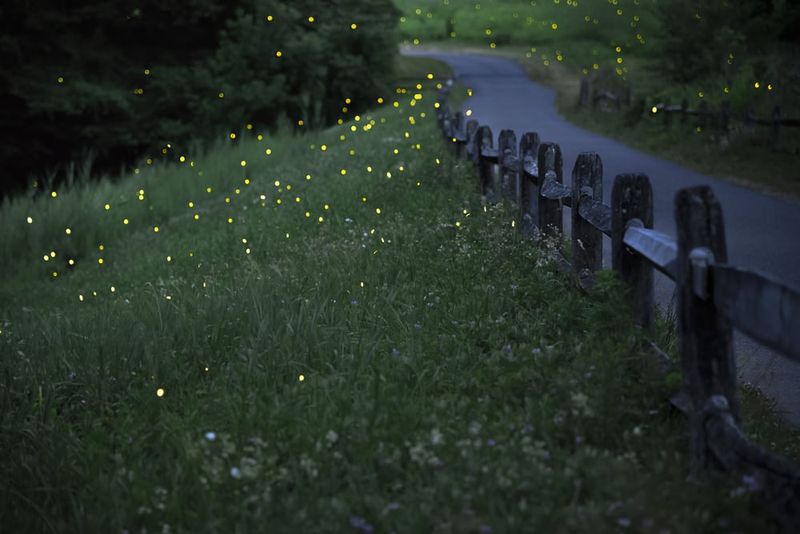
Fireflies flickering across a Texas backyard on a summer night are one of those small wonders that stick with you long after the season ends. Many Texas gardeners have noticed fewer of those lights in recent years, and the reasons are more tangled than a single landscaping mistake or a missing plant. A native perennial grass called inland sea oats turns up in firefly habitat guidance, and it may be one useful piece of a bigger puzzle. Getting those lights back, where conditions allow, means understanding what fireflies actually need at every stage of their lives.
One plant cannot explain a dark Texas yard
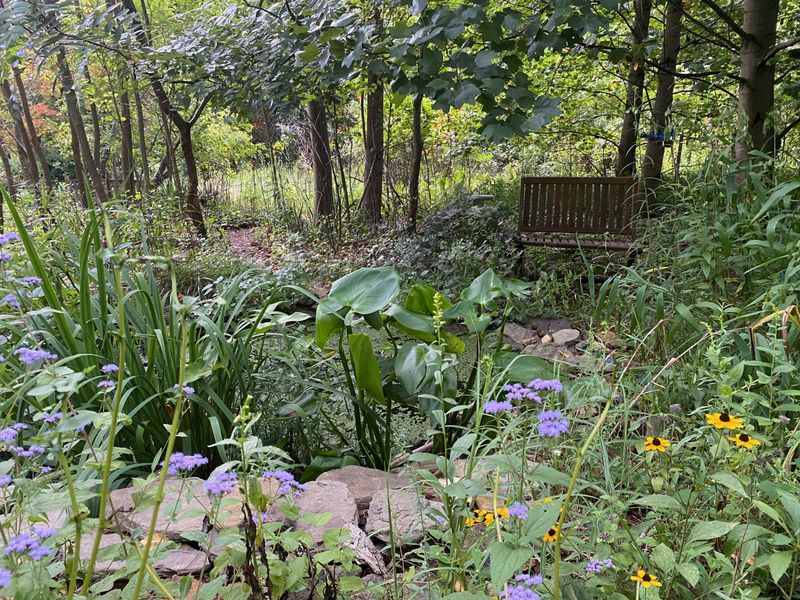
Firefly habitat is built from several overlapping conditions working together, not from a single plant doing all the heavy lifting. Moisture, suitable soil, leaf litter, soft-bodied prey, sheltering vegetation, and darkness at night all play a role, and the absence of any one of them can limit how well a yard supports these insects. Pointing to one landscaping choice as the reason fireflies disappeared, or one plant as the reason they returned, skips over most of what actually matters.
The distinction between seeing adult fireflies and supporting a yard that can sustain eggs and larvae is worth holding onto throughout this article. Adults of most species live only a few weeks. Larvae, by contrast, spend many months to over a year in the soil, leaf litter, moss, or rotting wood, hunting soft-bodied prey like snails, slugs, and earthworms. A North American firefly assessment published in PLOS ONE found that habitat loss, artificial light, pesticides, poor water quality, and drought are all recognized or suspected contributors to firefly decline, with no single cause dominating every situation.
Texas also supports multiple firefly species across habitats that range from riparian corridors and wooded creek bottoms to coastal prairies and dry upland woodland. The Texas Fireflies field guide from Firefly Conservation and Research shows just how much species and habitat diversity exists across the state. What works in a shaded, moisture-retaining Central Texas yard may not translate to a drier North Texas property or a coastal lot.
Inland sea oats enters this picture as a Texas-native grass suited to shaded and partly shaded sites with adequate moisture, and firefly habitat guidance includes it among useful plants. That makes it a reasonable starting point for some Texas yards, but it is one component of habitat, not a cure on its own. The Xerces Society firefly conservation guidelines consistently frame plant choices as part of a broader habitat approach that includes moisture management, reduced disturbance, and limited pesticide use.
Why inland sea oats fits some Texas sites
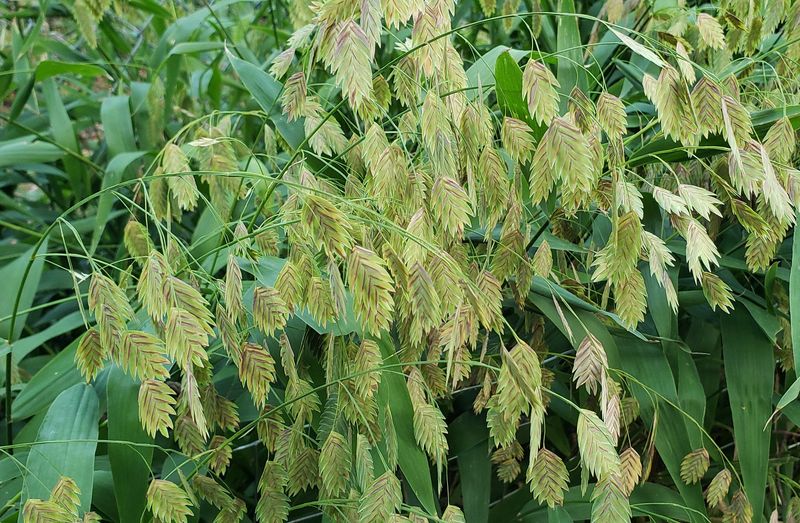
Inland sea oats, known botanically as Chasmanthium latifolium, is a perennial bunchgrass native to the woodland understory of central and eastern Texas. The City of Austin describes it as a plant that prefers moist areas and performs well in shade or partial shade, making it one of the more versatile native grasses for spots under trees or along shaded fence lines where most lawn grasses struggle. The City of Austin inland seaoats plant guide notes that it spreads gradually by seed and rhizome, filling in bare understory areas over time without requiring heavy irrigation once established.
What connects this grass to firefly habitat is its tendency to create the kind of layered, lightly shaded ground cover where moisture lingers and leaf litter accumulates naturally. Firefly larvae need exactly that kind of environment: cool, humid, and relatively undisturbed. The grass itself does not attract adult fireflies the way a flower might draw a pollinator. Instead, it contributes to the structural conditions that larvae need during the long underground phase of their lives.
The Firefly Conservation and Research plant list identifies inland sea oats among grasses found abundantly in areas of excellent firefly habitat. The plant list is clear that it represents habitat diversity guidance, not a ranking of which single species matters most. Dozens of grasses, forbs, shrubs, and trees appear on that list, and the underlying message is that a healthy mix of native vegetation supports fireflies better than any one addition.
Inland sea oats grows to about two or three feet tall, with distinctive flat, oat-like seed heads that catch the light and move in a breeze. It handles Texas heat reasonably well as long as it has some shade and occasional moisture, which is why it shows up in rain gardens, creek-adjacent plantings, and shaded borders across central and eastern Texas. Gardeners in drier or more exposed sites should look for species better matched to those conditions before assuming this grass will establish easily.
Support the long larval stage, not just the evening display
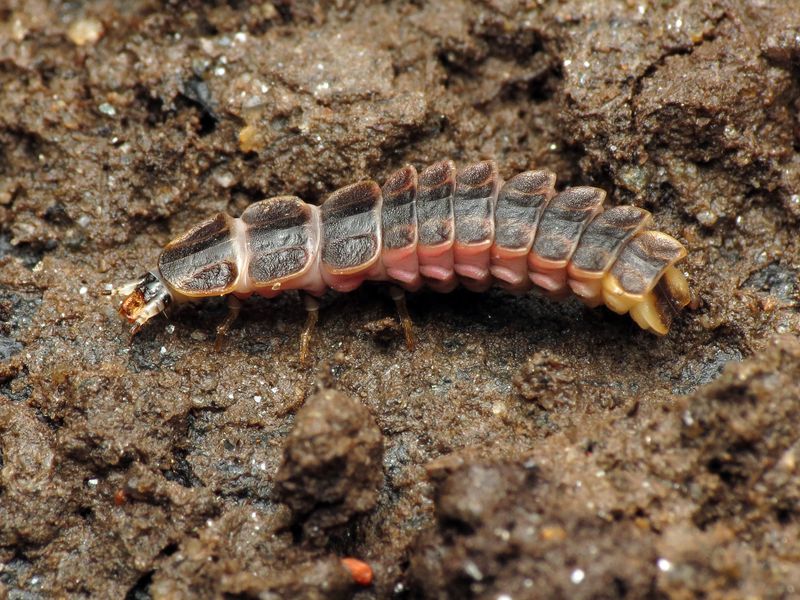
Most people think of fireflies as the blinking lights they see on warm summer evenings, but that adult display lasts only a few weeks per season. The larval stage is where fireflies spend the bulk of their lives, sometimes one to two years or longer depending on the species and local conditions. Supporting that hidden stage is what actually determines whether a yard can sustain fireflies from one season to the next.
Firefly larvae live in or just beneath the soil surface, in leaf litter, under moss, or inside rotting wood. They are active predators that hunt soft-bodied invertebrates including snails, slugs, and earthworms. The U.S. Fish and Wildlife Service guide on firefly conservation explains that a yard managed to support larvae needs to keep those prey animals present, which means avoiding treatments that wipe out snail and slug populations along with other soil-dwelling invertebrates.
A bed that looks tidy by conventional standards can be a poor larval habitat. Frequent raking removes the leaf litter that larvae shelter in and hunt through. Heavy disturbance from digging or aggressive mulching disrupts the soil structure they depend on. Compacted, dry soil holds fewer prey and offers fewer hiding places.
Even a well-chosen native grass planted into that kind of bed may not produce the larval habitat conditions that lead to a visible adult population.
The Xerces Society firefly conservation guidelines emphasize moisture as a critical variable at the egg and larval stage. Firefly eggs and young larvae are vulnerable to drying out, and drought conditions or altered drainage can reduce habitat quality even in yards that otherwise look suitable. In Texas, where summer heat and periodic drought are facts of life, moisture retention in the habitat zone matters as much as which plants are growing there.
Thinking about larvae also reframes the role of inland sea oats. Its value is not that it produces something adult fireflies want to visit. Its value is that it shades the ground, slows evaporation, contributes organic matter as leaves and stems break down, and creates the kind of low-disturbance understory where larvae can find food and shelter. That is a meaningful contribution, but it works only when the rest of the habitat conditions support it.
Build a managed habitat zone around the planting
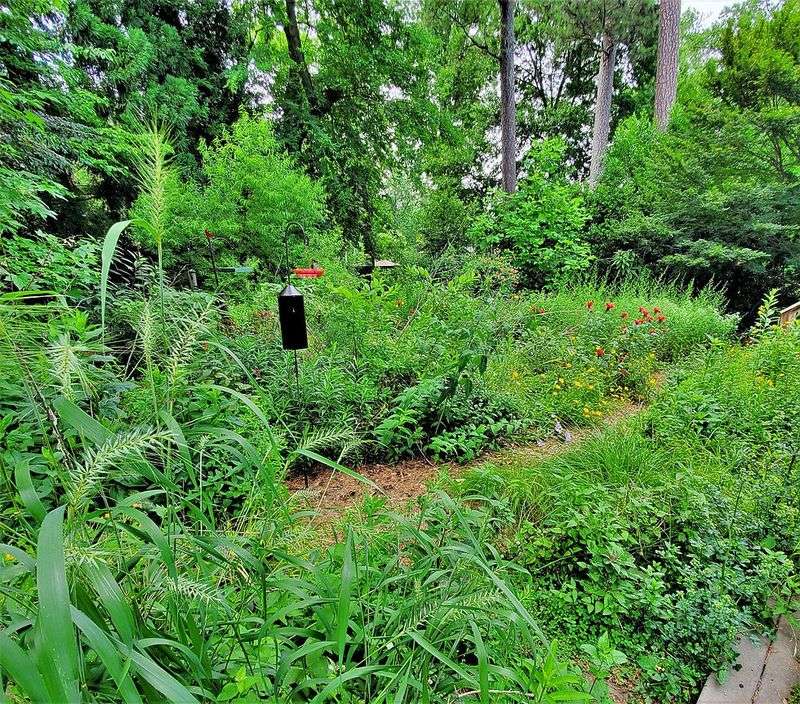
Turning part of a shaded Texas yard into firefly-supporting habitat does not mean letting the whole property go wild. A managed habitat zone, a defined section where disturbance is reduced and native vegetation is allowed to develop, gives fireflies what they need without creating fire hazards, drainage problems, or pest concerns across the entire yard.
Start by choosing a spot that already has some shade and holds a little moisture after rain. A corner under a large live oak, a strip along a shaded fence, or the area beneath a cedar elm where lawn grass has always struggled are all good candidates. Plant inland sea oats only where its requirements fit: it needs shade or partial shade and at least occasional moisture to establish well. The City of Austin plant guide for inland seaoats confirms that it performs poorly in full sun and dry conditions, so forcing it into the wrong spot will produce a weak planting that does little for habitat.
Once the grass is in place, let leaf litter accumulate naturally beneath it and under nearby trees or shrubs. A few inches of decomposing leaves create the moist, layered environment that larvae need. If fallen branches or small pieces of rotting wood are present and do not pose a safety or fire risk, leave them in the zone. The U.S.
Fish and Wildlife Service recommends raising your mowing height to about four inches and mowing less frequently in and around habitat areas, since taller vegetation provides shelter for adults and reduces soil disturbance for larvae.
Texas Parks and Wildlife Department habitat resources note that native plants support insect populations and that reduced-mowing zones improve soil-water retention and provide food and shelter for wildlife. Adding other native understory plants alongside inland sea oats, such as native ferns, wild ginger, or shade-tolerant forbs, increases the structural complexity of the zone and supports a broader range of soil invertebrates that larvae can prey on.
Keep the zone maintained enough that it does not create problems for the rest of the property. Leaf litter that blocks drainage or piles against a structure should be managed. Dead wood that could harbor termites near a foundation should be relocated. The goal is a habitat corner that functions naturally within a responsibly managed Texas yard, not an abandoned patch that trades one problem for another.
Make darkness part of the habitat
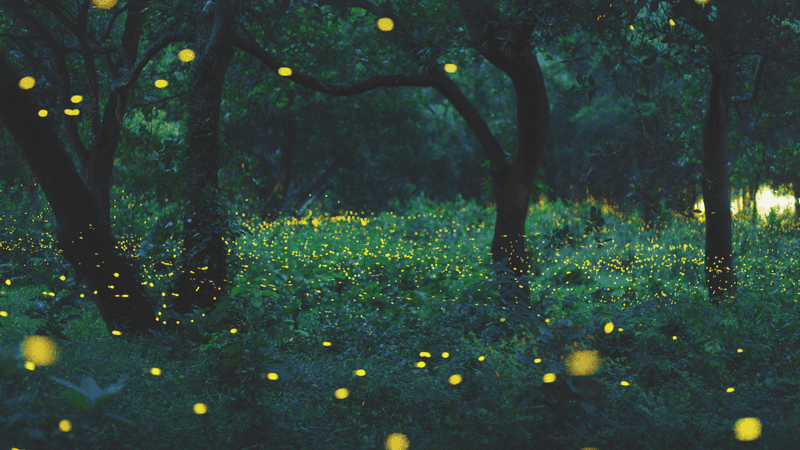
Fireflies communicate almost entirely through light. Males flash a species-specific pattern while flying, and females perched in vegetation respond with their own signal. That back-and-forth is how they find each other, and artificial light at night can disrupt it badly enough to prevent mating even in a yard that otherwise offers good habitat.
The North American firefly assessment in PLOS ONE identified artificial light at night as a major concern for firefly populations, particularly for species that are active during twilight or in full darkness. When background light is bright enough to wash out the flashes, males and females may simply fail to connect. A yard with excellent larval habitat but heavy nighttime illumination may produce larvae that never complete their life cycle as adults.
Reducing light in and around the habitat zone is one of the more straightforward adjustments a homeowner can make. Switch off decorative landscape lights, string lights, and floodlights that illuminate the habitat area during the hours when fireflies are typically active, usually from dusk through the first few hours of night. Motion-sensor lights that stay off unless triggered are a reasonable compromise for security needs.
Shielding or redirecting fixtures so that light falls downward rather than spreading sideways into the habitat zone also helps. The Xerces Society guidelines suggest keeping the habitat area as dark as practical during peak firefly season. Warm-toned or amber LED bulbs, used only where necessary, produce less of the blue-spectrum light that appears to be most disruptive to insect behavior. Darkness does not guarantee firefly activity, but a bright habitat zone almost certainly works against it.
Protect fireflies and the prey they need
Broad-spectrum insecticides applied across a yard do not distinguish between pest species and beneficial ones. Firefly larvae living in the soil, eggs developing in leaf litter, and the snails, slugs, and earthworms that larvae prey on are all at risk from treatments aimed at mosquitoes, grubs, or other targets. A yard that receives routine blanket pesticide applications is a difficult place for fireflies to complete their life cycle, regardless of what plants are growing there.
The U.S. Fish and Wildlife Service recommends avoiding unnecessary pesticide use in areas where fireflies are present or where habitat is being established. That guidance applies to mosquito treatments as well. Fogging or spraying for mosquitoes with broad-spectrum products can reach firefly larvae in the soil and eliminate the invertebrate prey populations that larvae depend on for food.
A more targeted approach starts with correctly identifying the pest before reaching for any product. Many problems that look like they need a chemical solution can be addressed through physical removal, habitat modification, or biological controls that leave non-target insects largely unaffected. When a pesticide is genuinely necessary, Texas A&M AgriLife Extension guidance on integrated pest management recommends choosing the least disruptive effective option, applying it only to the affected area, and following the product label precisely, including any restrictions on use near water, wildlife, or sensitive habitat.
Mosquito management in a yard that also supports firefly habitat can be handled through source reduction, meaning eliminating standing water where mosquitoes breed, rather than through routine fogging. Removing containers, cleaning birdbaths frequently, and addressing drainage problems cuts mosquito populations at the source without exposing the soil and leaf litter of the habitat zone to chemical treatments. When that is not enough, targeted larvicide treatments in specific water sources are far less disruptive to surrounding habitat than broadcast spraying.
Match the plan to your Texas region
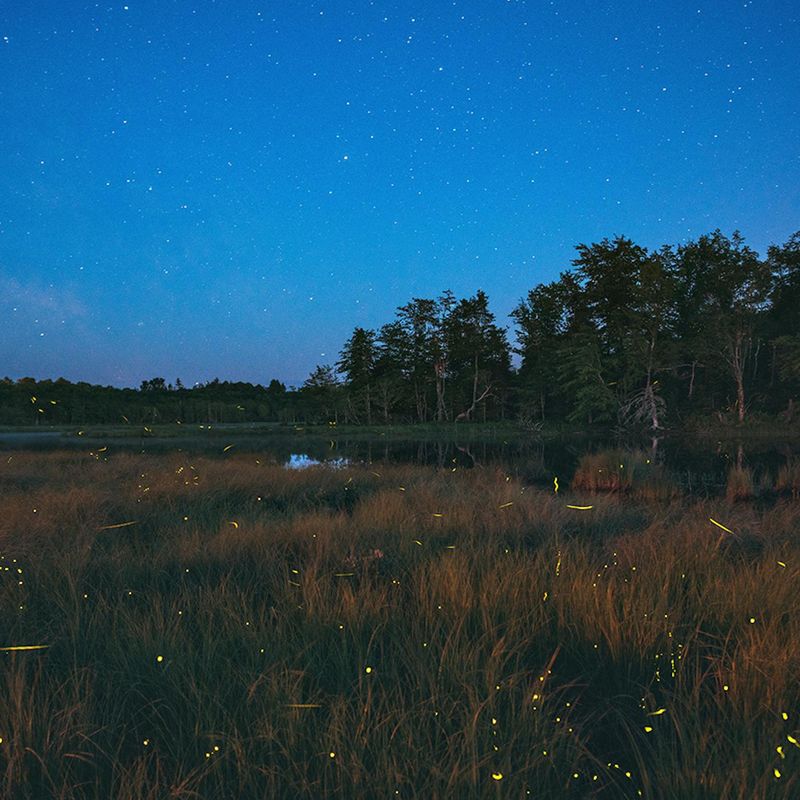
Texas spans an enormous range of climates, soils, and ecosystems, and firefly species are distributed across those habitats in ways that do not follow a single pattern. A planting plan built around inland sea oats makes sense for a shaded, moisture-retaining yard in Austin, San Antonio, or the Piney Woods of East Texas, but it does not translate directly to every Texas property. The Texas Fireflies field guide from Firefly Conservation and Research shows that different species occupy riparian corridors, wooded creek bottoms, coastal prairies, and upland woodlands, each with its own habitat requirements.
Before planting anything, assess what your yard actually offers. How much shade does the site receive, and for how many hours each day? Does the soil hold moisture after rain, or does it drain quickly and dry out within a day or two? What is the realistic water source for the planting, whether from rainfall, irrigation, or proximity to a low spot?
The City of Austin plant guide is clear that inland sea oats needs at least some reliable moisture to perform well, which makes it a poor fit for unirrigated sites in drier regions like West Texas or the western Hill Country.
Gardeners along the Gulf Coast deal with different conditions: heavier soils, higher humidity, and the possibility of flooding or extended wet periods. Those yards may support firefly species that prefer wetter habitats, and the plant palette should reflect that. In North Texas, where soils can be heavy clay and summers are hot and dry, shade and moisture management become even more important before any grass planting makes sense for firefly habitat.
Adding a small water feature, a rain garden, or a damp depression to the habitat zone can help in the right situation, but it does not automatically attract fireflies. Some firefly species use wet habitats, while others occupy dry woods or grasslands. A water feature also requires maintenance to prevent mosquito breeding and to avoid drainage problems near structures. The Xerces Society guidelines note that moisture requirements vary by species, and that adding water to a yard where the local firefly species does not need it may not produce any benefit.
Texas Parks and Wildlife Department recommends consulting regional native-plant guidance to choose species suited to local soil, rainfall, and light conditions rather than applying a statewide prescription.
Let the habitat develop on its own timetable
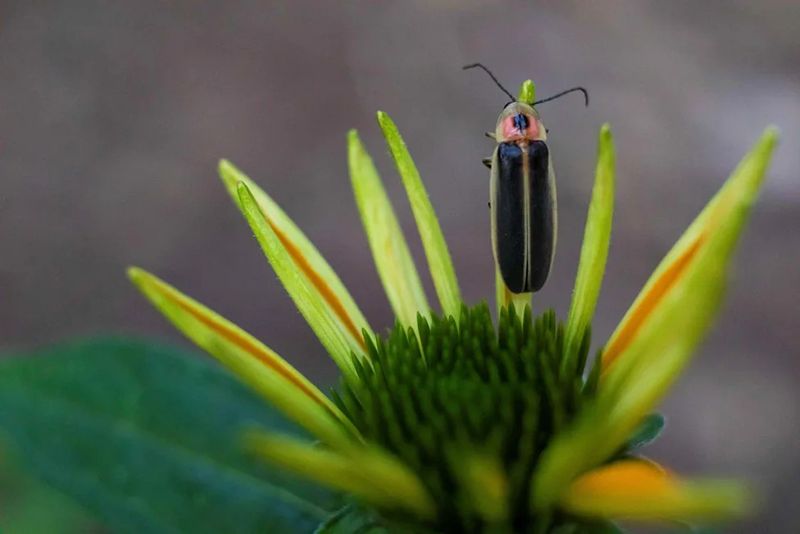
Planting inland sea oats, reducing light, and leaving some leaf litter in place are meaningful steps, but they do not come with a guaranteed delivery date for firefly sightings. Firefly populations respond to conditions that extend well beyond any single yard: rainfall totals for the season, average nighttime temperatures, the presence of nearby source populations, and the multi-year life cycle of the local species all influence when and whether adults appear.
The PLOS ONE firefly assessment notes that firefly larvae can remain in the soil for one to two years or longer before emerging as adults, which means habitat improvements may not produce visible results for multiple seasons. A yard that supported no larvae last year has no reserve population to draw from. If nearby firefly populations are sparse or absent, adults may not find the habitat even after it has improved substantially. The Xerces Society guidelines reinforce that habitat creation is a long-term commitment rather than a quick fix, and that results will vary based on local conditions that no single yard can control.
Weather adds another layer of uncertainty. A dry spring can suppress adult emergence. An unusually cool or warm summer can shift the timing of peak activity by weeks. Firefly sightings in any given year reflect conditions that accumulated over the previous months and years, not just what the yard looks like right now.
Reframe success as creating a darker, less-disturbed, moisture-supporting native habitat over time, with inland sea oats as one visible and useful component. A yard that holds moisture, shelters soil invertebrates, stays relatively dark at night, and avoids broad-spectrum pesticide exposure is doing something real for fireflies, even in seasons when the lights stay quiet. The flicker, when it comes, will mean more for having been earned slowly.