
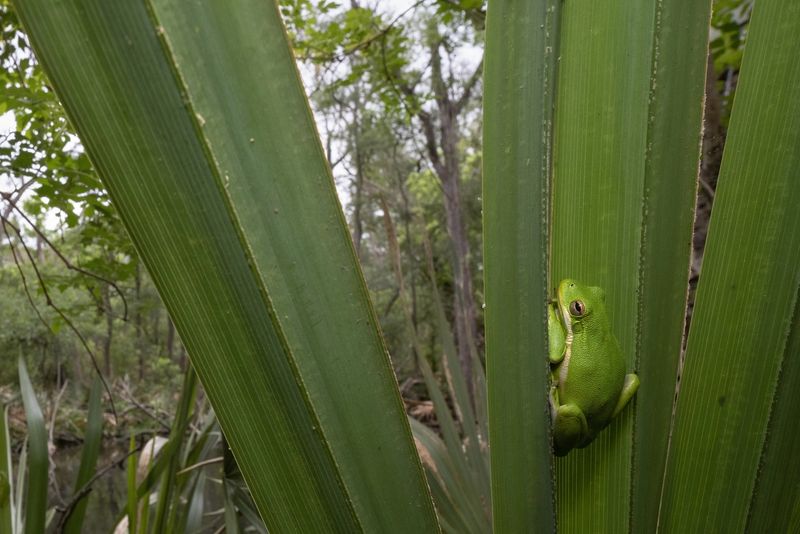
Scorpions are a real summer concern for Central Texas homeowners, and the idea that backyard toads might eat them sounds like a perfect natural fix. A few greenish toads hopping around the garden, fewer scorpions crawling through the house – it is an appealing picture. The truth is more complicated, and understanding what toads actually do, which species live near you, and what genuinely keeps scorpions out of your home will serve you far better than a simple promise.
Toads may eat scorpions, but they are not proven pest control
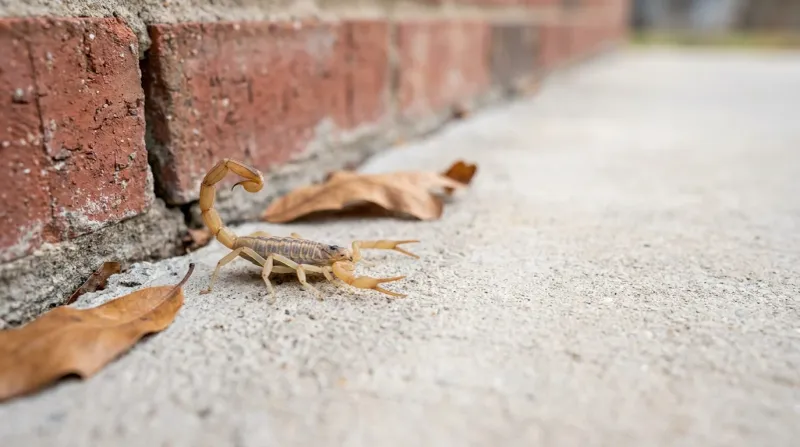
A laboratory study published in the journal Toxicon found that the Brazilian toad Rhinella icterica actively hunted and consumed yellow scorpions (Tityus serrulatus) during experiments, and the toads tolerated the scorpion venom without apparent harm. That is a genuinely interesting result, but the study was conducted in laboratory conditions with a South American toad species and a South American scorpion species. Translating those findings directly to your Central Texas yard requires several leaps the science does not support.
Texas Parks and Wildlife describes local toads as generalist predators that eat insects and other invertebrates. That broad diet means a toad might opportunistically snap up a scorpion, but opportunistic feeding is not the same as targeted pest control. No Central Texas field study in the reviewed literature documents a measurable drop in striped bark scorpion numbers, indoor sightings, or household encounters as a result of higher toad abundance in a yard.
Texas A&M identifies the striped bark scorpion, Centruroides vittatus, as the most common scorpion species in Texas, and it is a resourceful animal that shelters in cracks, under boards, and inside structures. Counting on toads to reduce that population is a bit like hoping a neighbor’s cat will keep the squirrel population in check – possible, but not a plan. The fair and honest framing is that a native toad in your garden is an ecological bonus, not a reliable pest-control system, and building your scorpion strategy around one would leave your household exposed.
“Green toad” does not identify every greenish Central Texas toad
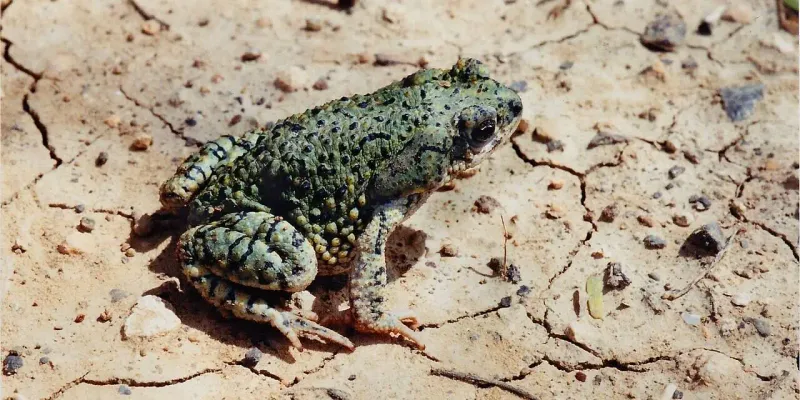
When people spot a small greenish toad near Austin, San Antonio, or somewhere in the Hill Country, the instinct is to call it a green toad. That label feels logical, but it skips over some important biology. Texas Parks and Wildlife lists the Green Toad as Anaxyrus debilis, a species with a documented Texas range, and TPWD’s amphibian watch program tracks multiple native species with distinct distributions across the state.
USGS range records for Anaxyrus debilis place documented Texas occurrences in Brewster County, in far West Texas, not in the Central Texas counties where most readers of this article live. Assuming that any greenish toad hopping across a suburban patio near the Balcones Escarpment is a Green Toad is a stretch the range data does not support.
Adding to the confusion, the Houston toad can display green patches in its coloring and occurs in east-central Texas counties, but it is an endangered species with specific habitat requirements and is legally protected under state and federal law. It is not interchangeable with Anaxyrus debilis, and it should never be collected, handled, or disturbed. If you find an amphibian you cannot confidently identify, leave it alone. The habitat advice in the sections that follow is framed as support for appropriate local native amphibians, whatever species that turns out to be in your corner of Texas, rather than a guarantee of attracting any particular one.
Build a habitat that may support local native toads
Native toads earn their place in a Texas garden simply by doing what they do every night: hunting. Adult Texas toads, including the Houston toad, feed primarily on insects and other invertebrates, which means a resident toad is quietly working through beetles, crickets, roaches, and whatever else crosses its path. TPWD notes that Houston toads are insectivores throughout their adult lives, and that general predatory habit applies broadly to native toad species across the state.
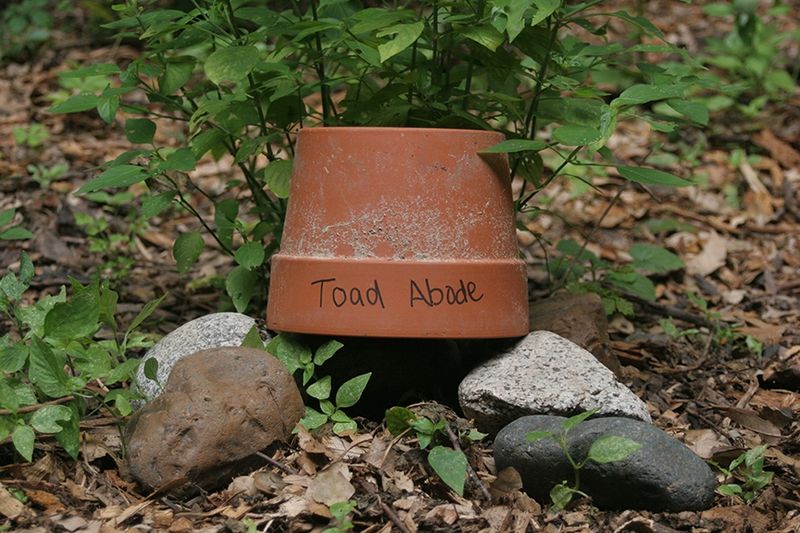
Two simple features can make a yard more hospitable when local conditions suit amphibians. The first is a shallow, clean water source placed at ground level so a small animal can reach it without climbing or falling in. A wide terracotta saucer or a shallow basin works well; the key is keeping the water fresh and free of chemicals. TPWD’s amphibian education resources recommend providing shallow water and a simple toad house, such as an overturned flowerpot with a notch or opening cut into the rim, placed in a shaded, moist spot away from foot traffic.
The second feature is cover. Toads rest and hide during the day, and a shaded, slightly damp retreat reduces their exposure to Texas heat. TPWD’s wildlife-friendly yard guidance supports natural cover and native vegetation as components of functional backyard habitat. These features may make your yard more usable when temperature and moisture conditions are right, but they cannot guarantee that a toad will show up, stay through the summer, or reduce your scorpion count.
Think of them as an open invitation, not a reservation.
Separate amphibian habitat from the home’s foundation
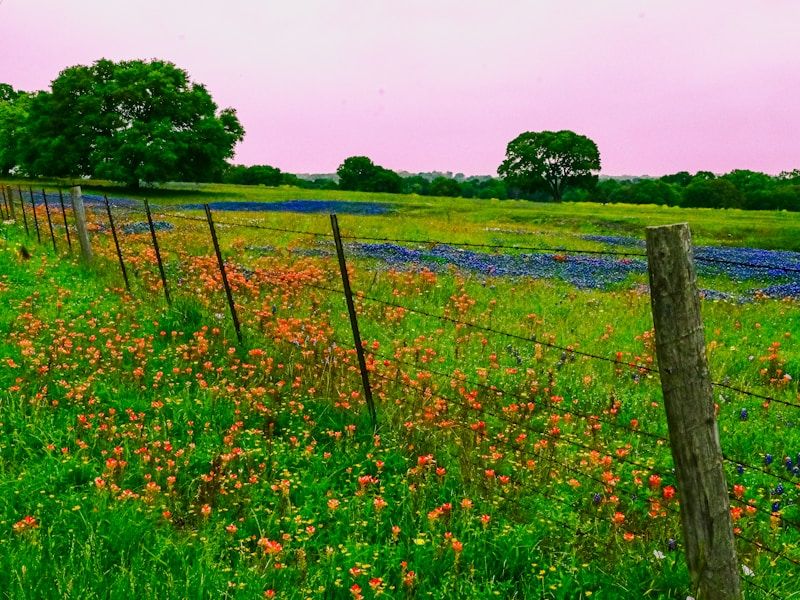
Native vegetation, natural leaf litter, and a water dish are good for toads. Dense cover pressed directly against a house foundation, however, creates the same sheltered, humid microclimate that scorpions, spiders, and other invertebrates exploit. TPWD recommends landscaping with native plants to reduce water use and minimize chemical inputs, and that guidance pairs well with keeping the planting zone a few feet back from the foundation so the perimeter stays visible and inspectable.
The practical strategy is a deliberate separation between two zones. Farther from the house, you can place native plantings, a toad house, and a shallow water source – features that support local wildlife and require less irrigation and fewer pesticides. TPWD’s yard and water stewardship materials encourage homeowners to think of their outdoor space as habitat, and a thoughtfully zoned yard can serve both goals at once.
Closer to the house, the priority shifts to exclusion. UC IPM’s scorpion management guidance recommends removing debris, boards, and clutter near the foundation and keeping that perimeter clear enough to spot problems early. Stacked firewood, old pots, and piled landscape material against the wall give scorpions exactly what they need: shade, moisture, and a hidden path toward entry points. Separating the wildlife zone from the foundation does not prove that native plants cause scorpion entry, but it does reduce the overlap between toad habitat and the conditions that let scorpions thrive right next to your walls.
Protect toads from unnecessary pesticide exposure
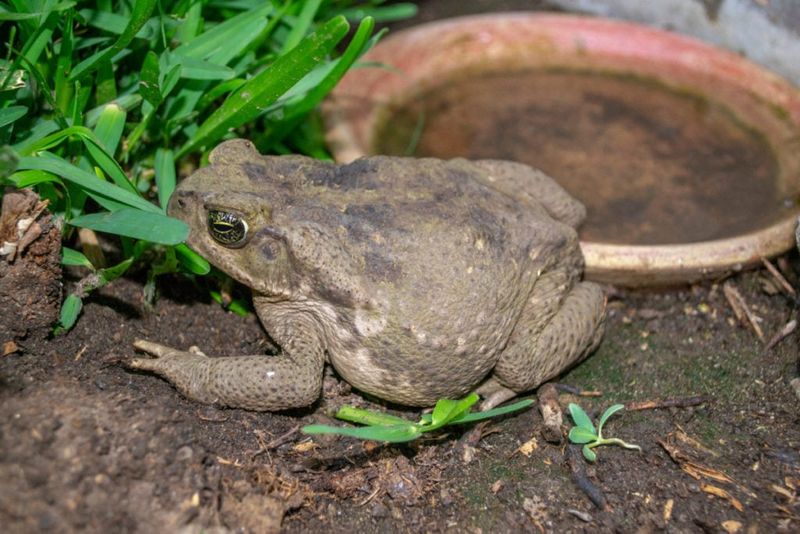
Amphibians absorb far more from their environment than most people realize. Their permeable skin picks up chemical residues from soil, water, and surfaces, and they can ingest pesticides through the insects they eat or through water contaminated by spray drift. EPA researchers studying pesticide uptake and toxicity in amphibians found that exposure routes include dermal contact, dietary intake, and environmental residues, which means a single casual spray near a toad shelter or water dish can affect an animal that never touched the product directly.
EPA’s T-HERPS risk assessment framework for amphibians and reptiles reflects the agency’s recognition that non-target wildlife exposure is a real concern when pesticides are applied in or near habitat areas. Broad-spectrum insecticide spraying around a toad house, a shallow water source, or a native plant bed is a poor fit for a yard where you are trying to support local amphibians. The insects you eliminate with a wide-area spray are also the insects a toad depends on for food.
When scorpion control does require a product, EPA registration requirements mean that every legal pesticide product carries a label that is legally binding, and that label specifies where, when, and how the product may be applied. Follow it precisely. EPA guidance on reduced-risk pest management encourages targeted applications, prevention-first thinking, and professional consultation when treatment is genuinely necessary, rather than routine broadcast spraying as a first response.
Hot, dry weather may limit summer toad activity
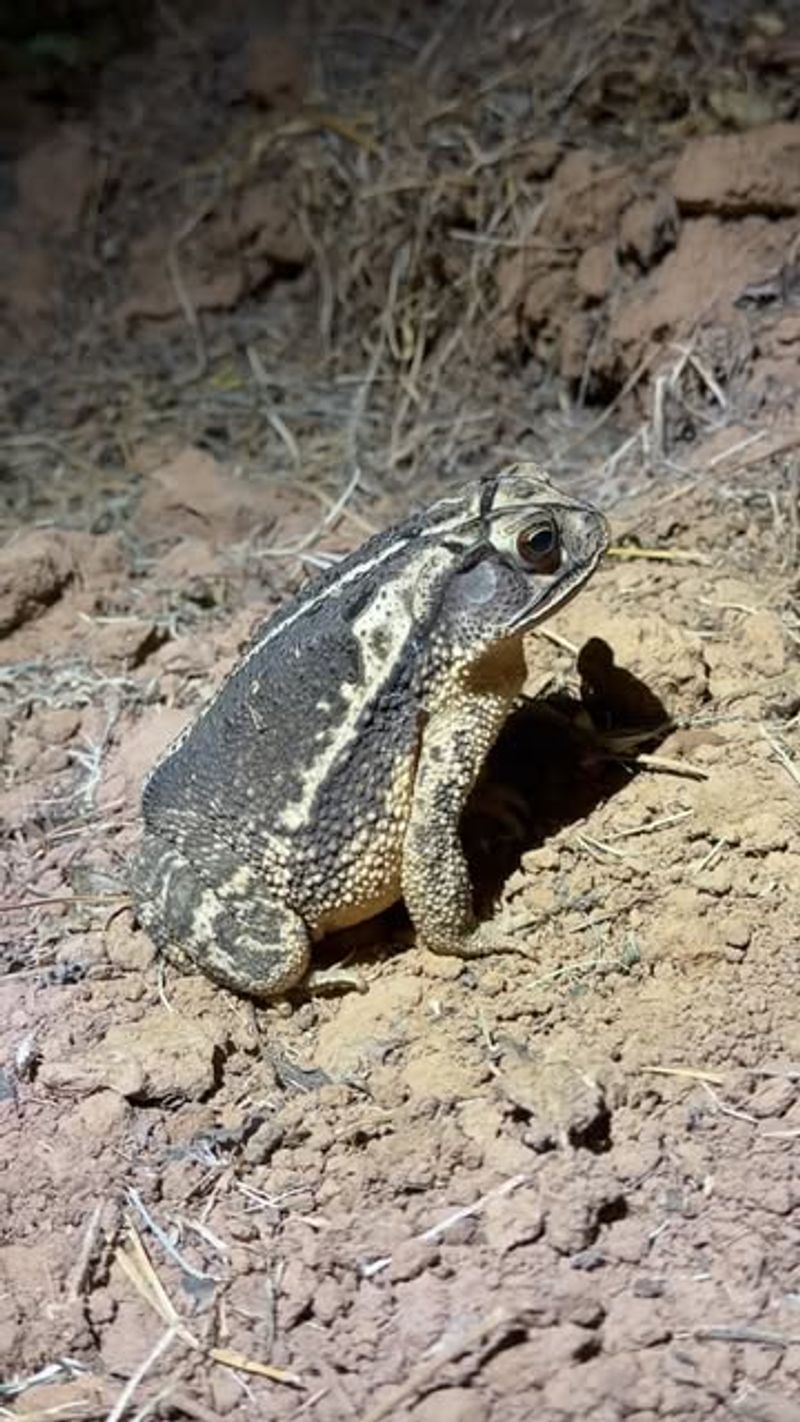
Central Texas summers are brutal in ways that directly affect amphibian biology. When temperatures climb and soil moisture drops, many toad species respond by burrowing underground and entering a dormant state called aestivation, essentially a warm-weather version of hibernation. TPWD notes that Houston toads are sensitive to heat and drought conditions, and their activity above ground depends heavily on temperature, rainfall, and access to suitable breeding habitat.
What that means practically is that the same triple-digit Texas heat driving scorpions toward your cool interior can simultaneously push toads underground and out of sight for weeks at a time. A toad house and a water dish do not override that biology. Amphibian presence in a yard is shaped by local species distribution, seasonal moisture patterns, breeding cycles, and conditions that no homeowner can fully control or predict.
The right promise to make yourself is a modest one: suitable habitat may support native amphibians when conditions are favorable. Maintaining a clean, shaded water source and undisturbed shelter without repeatedly checking, moving, or handling the setup gives any visiting toad the best chance of using it. Resist the urge to relocate a toad you find elsewhere in the yard or to disturb a resting animal to confirm it is still there. Wildlife works on its own schedule, and the most useful thing a homeowner can do is keep the habitat ready and leave it alone.
Do not move amphibians into the yard
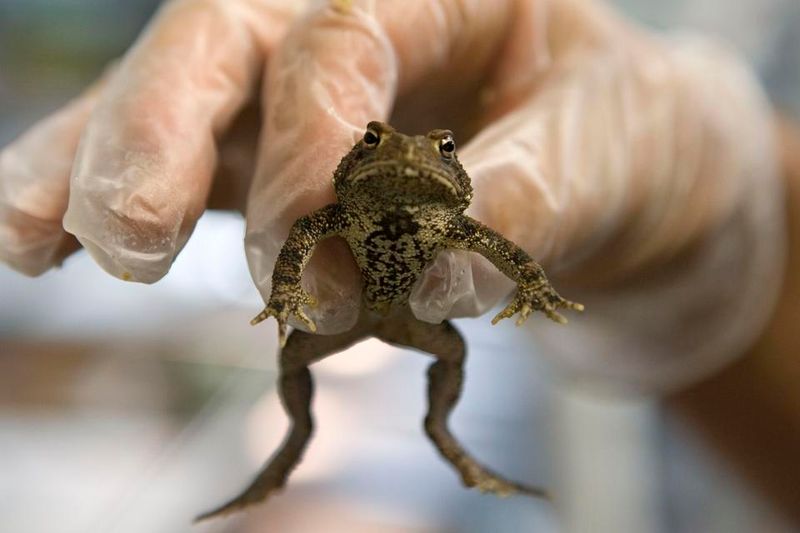
Reading about toad habitat can make the next step feel obvious: go find some toads and bring them home. That impulse is understandable but worth resisting firmly. TPWD warns that amphibian diseases, including chytrid fungus, are present in Texas, and the agency advises against transporting amphibians between locations or releasing captive animals into the wild because of the disease risks those actions create for wild populations.
Moving a toad from one pond, creek, or property to another can introduce pathogens to a population that has no resistance to them. Even an animal that appears healthy may carry something harmful. Beyond disease, an introduced animal may not be suited to local conditions, may not find the food, cover, or moisture it needs, and may not survive. Cane toads, sometimes sold or suggested as a pest-control solution, are an invasive species that produces toxins capable of harming pets and native predators, and introducing them to a Texas yard would create a new problem rather than solve one.
The same caution applies to any amphibian you cannot confidently identify. Houston toads are protected under state and federal endangered species law, and disturbing or collecting one, even with good intentions, is not something to risk. The right approach is habitat stewardship: build the conditions that support local native amphibians and let the animals that already live in your area find their way to the yard on their own terms.
Use exclusion and habitat modification to reduce household scorpions
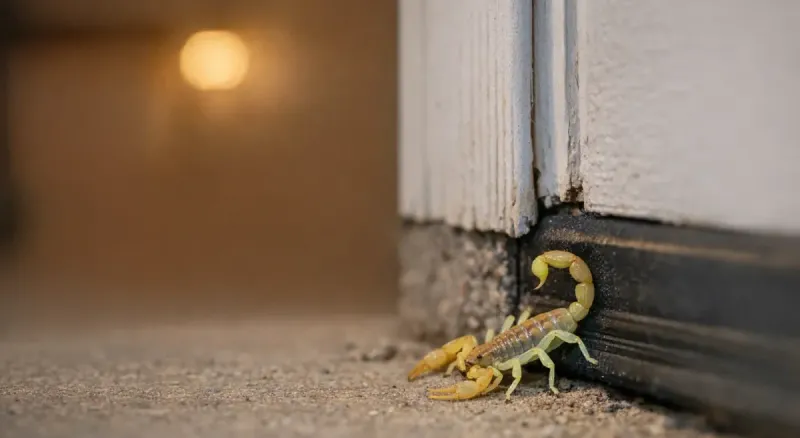
Scorpions are not random visitors. Texas A&M’s scorpion management publication explains that the striped bark scorpion shelters under rocks, boards, debris piles, and inside attics, and that hot conditions inside walls and attic spaces can drive scorpions toward cooler living areas during summer. That migration pattern is why indoor encounters spike when outdoor temperatures peak, and why the most effective responses target entry points and hiding places rather than waiting for a predator to solve the problem.
Start at ground level. Remove anything piled against the foundation: firewood, lumber scraps, old pots, landscape fabric rolls, and accumulated leaf matter. Then work your way up: seal cracks and gaps in the foundation and exterior walls with appropriate caulk, repair torn or bent window screens, install or replace weatherstripping on exterior doors, and caulk around pipe penetrations where lines enter the house. Branches that touch or overhang the roofline give scorpions a bridge to the attic, so pruning them back removes one more access route.
UC IPM notes that pesticides are less effective when scorpions are concealed in cracks and crevices, which is where they spend most of their time. Chemical treatment works best as one component of a broader integrated pest management plan, not as a substitute for sealing entry points and eliminating harborage. If you hire a professional, ask specifically about crack-and-crevice application rather than broadcast spraying.
On safety: most striped bark scorpion stings cause localized pain and are not considered routinely life-threatening for healthy adults, but all scorpion stings warrant attention. CDC guidance on scorpion stings recommends seeking medical advice for severe symptoms, and CDC’s clinical reference emphasizes extra caution for children and individuals with serious reactions. A sealed, clutter-free home is the most dependable protection you have – a toad in the garden is a welcome neighbor, but a caulk gun is the better tool for keeping scorpions outside where they belong.