
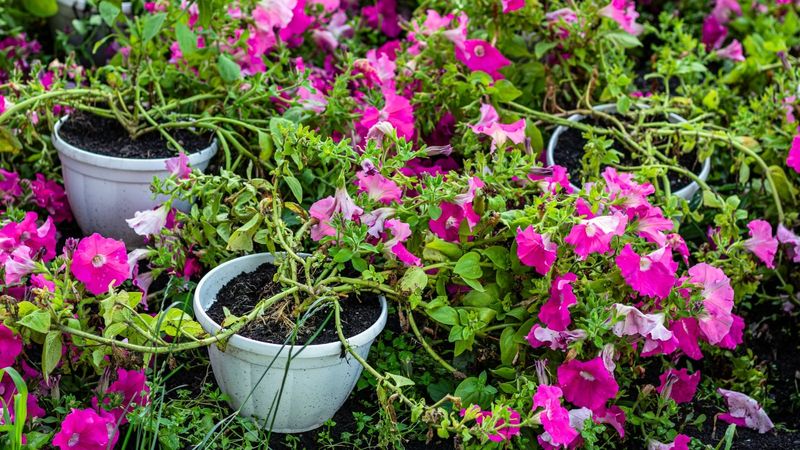
Your petunias started the season looking full and bright, but now they seem tired, leggy, and short on flowers. Don’t give up on them yet, because petunias are tough little plants that often bounce back fast when you give them the right care. With a few smart moves, you can wake up those sleepy blooms and enjoy a fresh burst of color before the summer fades. Here are 16 simple tricks that can help your worn-out petunias flower like they mean it.
1. Deadhead the Spent Blooms Regularly
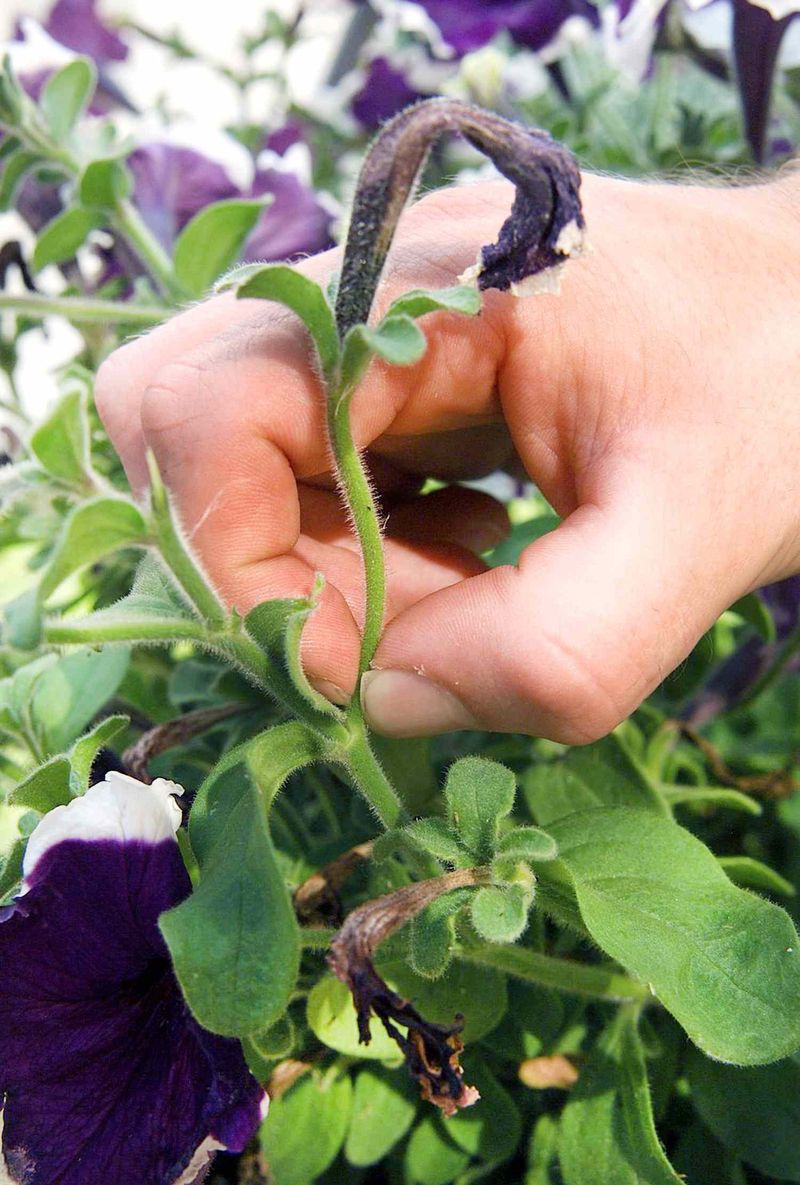
Snipping off faded flowers might feel like a chore, but it’s one of the fastest ways to trick petunias into making more blooms. When a flower dies and starts forming a seed pod, the plant thinks its job is done and slows down flower production.
Pinch or cut just behind the wilted bloom, taking the tiny seed pod along with it. Don’t only pull the petals, because the swollen pod behind them is what really needs to go. Doing this every couple of days can keep the plant focused on new buds instead of seeds.
Regular petunias respond dramatically to deadheading, while newer self-cleaning types need less. Either way, a quick check-in each morning often improves your bloom count within a week or two.
Keep a small pair of scissors near your pots so it becomes a habit. Your fingers work fine too, and the sticky feel is normal for petunias. A little consistency here usually pays off with a noticeable flush of color you’ll be glad you didn’t skip.
2. Cut Back Leggy Stems by a Third
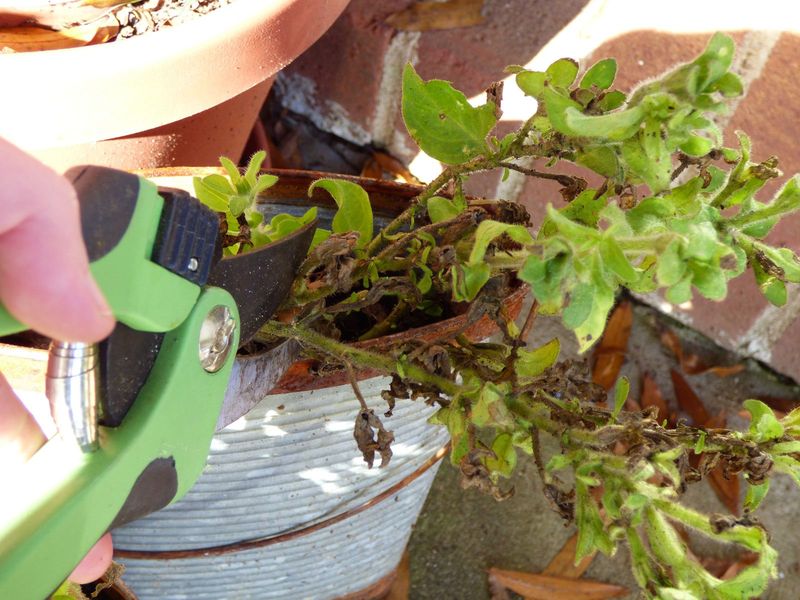
By midsummer, many petunias look like a tangle of long, bare vines with a few sad flowers stuck on the ends. Giving them a firm haircut can feel scary, but it often triggers a whole new wave of growth.
Trim the longest, most stretched-out stems back by about a third, cutting just above a leaf node. New shoots usually sprout from those spots, filling the plant out and giving you a bushier shape.
To avoid a totally bald pot, stagger your cuts over a week or two so some blooms stay while others regrow. That way you’re never staring at a stubby, flowerless container.
Right after trimming, water well and feed lightly to fuel the fresh growth. Within two to three weeks, you’ll often see the plant fill back in with more flowers than before.
Don’t toss those healthy cuttings either. Petunias root easily in water or moist soil, so you may be able to grow a few free replacements while you’re at it.
3. Feed Them a Bloom-Boosting Fertilizer
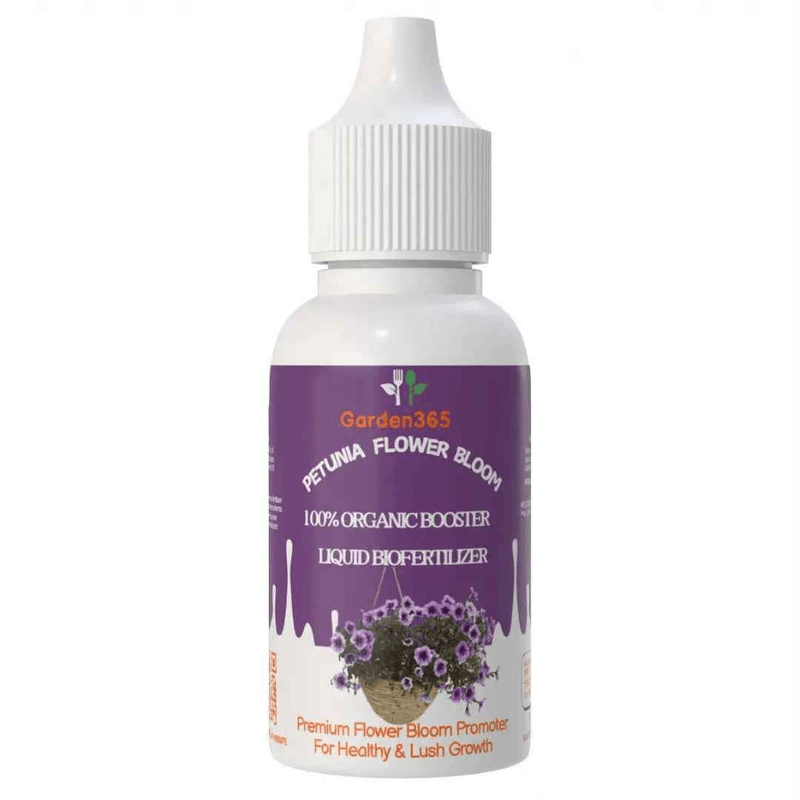
Petunias are hungry plants, and heavy bloomers burn through nutrients fast. If yours have gone pale and stingy with flowers, a lack of food is often the hidden culprit.
Reach for a fertilizer higher in phosphorus, the middle number on the label, since that nutrient supports flower production. A balanced water-soluble feed works too when applied regularly during the growing season.
Container petunias especially need frequent feeding because water constantly washes nutrients out of the pot. A weekly diluted feeding often keeps them stronger than one big dose every month.
Watch for yellowing lower leaves, which can signal that the plant is running low on fuel. Feeding may help green them back up and encourage fresh buds within a week or so.
Just avoid overdoing it, because too much fertilizer can burn roots and cause lush leaves with few flowers. Follow the package directions, and when in doubt, go a little weaker rather than stronger. Steady, gentle feeding usually beats an aggressive one-time blast for long-lasting color.
4. Water Deeply Instead of Just Sprinkling
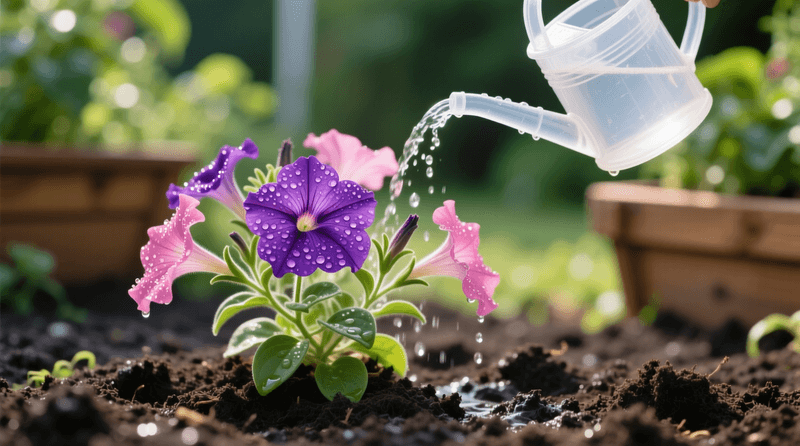
A quick splash of water on hot days feels helpful, but it often only wets the surface while the roots stay thirsty. Petunias that get shallow drinks tend to wilt, drop buds, and stall out.
Instead, water slowly until moisture runs out the bottom of the pot or soaks several inches into the ground. Deep watering encourages roots to grow down where the soil stays cooler and damper longer.
Morning is usually the best time, giving plants a full reserve before the afternoon heat hits. During heat waves, hanging baskets may even need a second drink in the evening.
Stick your finger an inch into the soil to check before watering. If it’s dry at that depth, it’s time; if it’s still moist, wait a bit to avoid soggy roots.
Consistency matters more than perfection here. Plants that ride a rollercoaster of bone-dry then soaked often sulk, while steady moisture usually keeps buds forming and blooms opening right through the hottest stretch of summer.
5. Give Them Six Hours of Full Sun
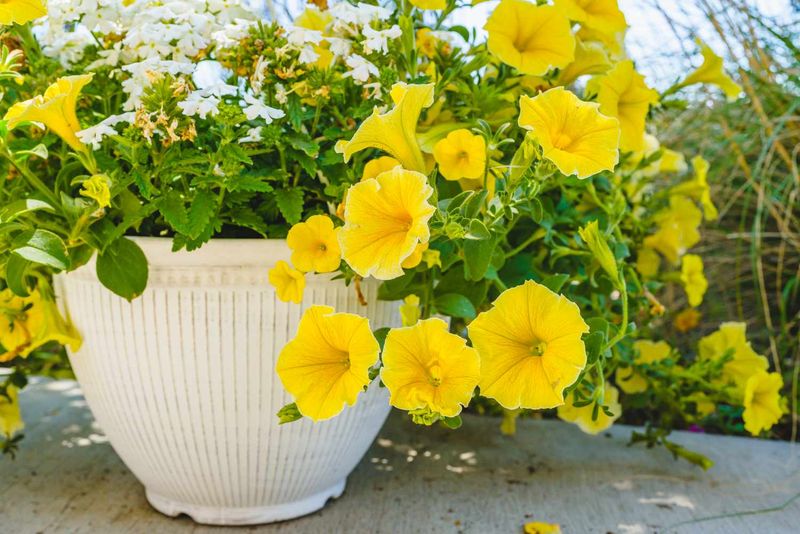
Sunlight is basically fuel for petunia flowers, and skimping on it is one of the most common reasons for a weak, floppy plant. Tucked in too much shade, petunias stretch toward the light and forget to bloom.
Aim for at least six hours of direct sun each day, and more is usually better. If your pots are in a dim corner, simply moving them can spark a surprising turnaround.
Watch how the light shifts as summer moves along, since trees leaf out and the sun’s angle changes. A spot that was sunny in spring might be shaded now without you noticing.
The nice thing about container petunias is that you can chase the sun. Scoot them onto a brighter patio, porch rail, or driveway edge and see if they perk up.
In extreme heat zones, a touch of late-afternoon shade can actually protect blooms from scorching. Balance is key, but for most gardeners the fix is simply more light. Give them that, and flowering often picks right back up.
6. Refresh Tired Potting Soil
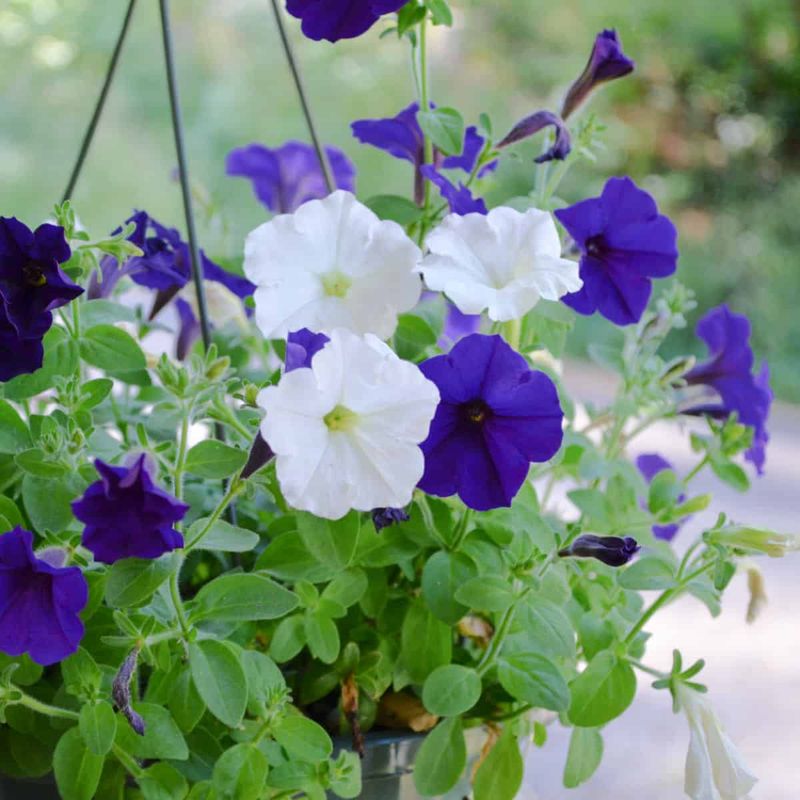
Old, compacted potting mix quietly works against your petunias. Over a season, soil breaks down, drains poorly, and loses the airy texture roots love, leaving plants gasping.
If a pot has been sitting since spring, gently scratch up the top layer and add a couple inches of fresh mix. For struggling plants, repotting into new soil can breathe real life back into them.
Look for signs like water pooling on top, soil pulling away from the pot’s edges, or roots circling the drainage holes. Those clues mean the growing medium has worn out.
Mixing in a handful of compost adds gentle nutrition and improves how the soil holds moisture without staying soggy. Petunias tend to reward that upgrade with fuller growth.
When you refresh the mix, it’s a great moment to loosen tangled roots and check for pests hiding below the surface. A little root pruning on badly bound plants can even encourage new feeder roots. Fresh soil often kick-starts a plant that seemed stuck, giving it what it needs to bloom again.
7. Check for Sneaky Budworms
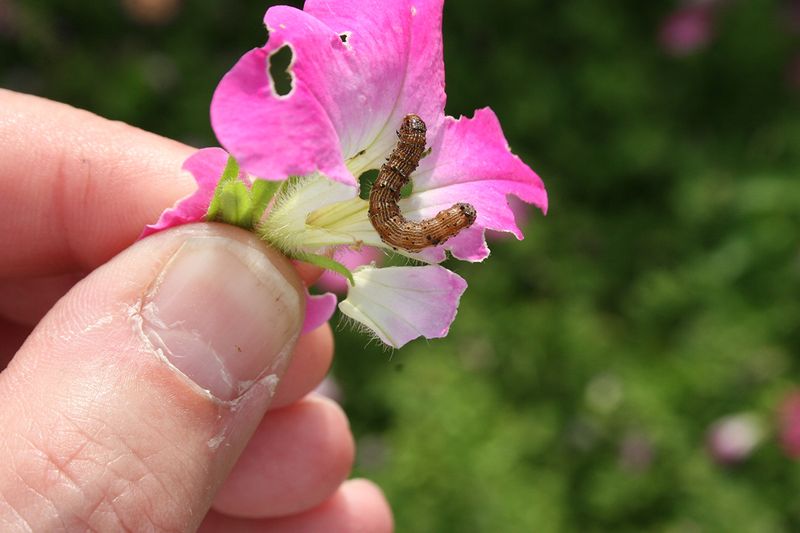
Ever notice tiny holes in your petunia buds or blooms that never seem to open? The culprit is often the tobacco budworm, a small caterpillar that quietly eats flowers from the inside.
These pests are green, brown, or reddish and blend right into the plant, so they’re easy to miss. Look for little holes chewed in buds and dark specks of droppings on the leaves.
Handpicking them at dusk, when they come out to feed, can knock the population down fast. Drop the caterpillars into soapy water and check your plants every evening for a while.
For bigger infestations, a product containing Bt, a natural bacteria that targets caterpillars, may help reduce the damage without harming pollinators. Always follow the label instructions when applying.
Budworms are one of the top reasons a healthy-looking petunia suddenly stops blooming, even with perfect watering and feeding. Ruling them out can save you a lot of guesswork.
Once you clear them out, fresh buds usually get a chance to open, and your plant can finally show off the color it was trying to produce all along.
8. Pinch Young Plants to Encourage Branching
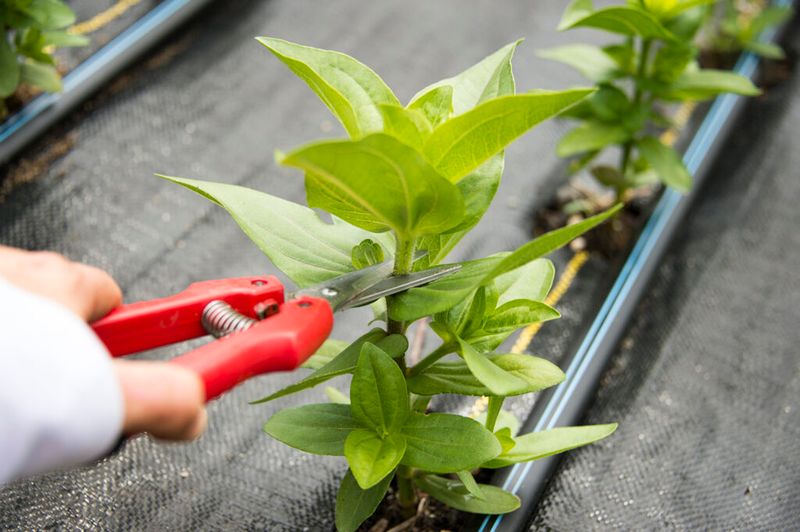
It sounds backwards, but removing growth early can lead to way more flowers later. Pinching the tips of young or newly trimmed petunias tells them to branch out instead of shooting up in a single spindly stem.
Simply nip off the top set of leaves on each main stem with your fingernails. Each pinch usually triggers two new shoots, and more shoots mean more spots for buds to form.
Plants you pinch a few times when young grow into dense, mounding cushions instead of thin, straggly vines. That bushy shape holds far more blooms across the whole plant.
Even mid-season, a light pinching of any long, bare shoots can nudge fresh branching where you want it. It’s a gentle way to reshape without a drastic haircut.
Don’t worry about losing a few early flowers in the process. The trade-off is a stronger framework that pumps out color for weeks to come.
Think of it as coaching your plant toward a fuller future. A little patience now often means a spectacular, flower-packed pot later in the season.
9. Mulch to Keep Roots Cool and Moist
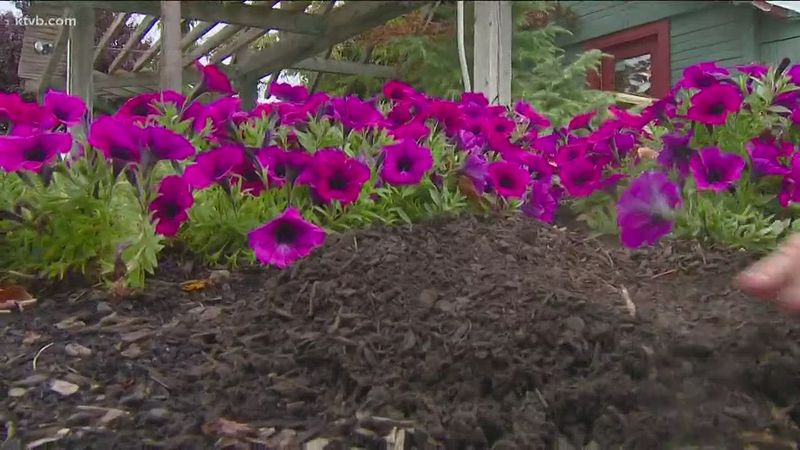
Petunia roots hate baking in hot, dry soil, and a thin layer of mulch can make a big difference. Covering the soil surface helps hold in moisture and keeps temperatures steadier down below.
Spread an inch or two of shredded bark, straw, or compost around the base of garden-planted petunias. In containers, a light mulch or even some decorative moss can slow evaporation on scorching days.
Steadier soil moisture means less wilting and fewer dropped buds, both of which stall flowering. Plants that stay evenly hydrated tend to keep pushing new blooms.
Mulch also cuts down on weeds that would otherwise steal water and nutrients from your petunias. Fewer competitors leaves more resources for flowers.
Just keep the mulch pulled back slightly from the stems so they don’t stay wet and rot. A small gap around the base keeps air moving where the plant meets the soil.
During heat waves, this simple layer can be the difference between a stressed, flowerless plant and one that shrugs off the sun and keeps on blooming.
10. Move Containers Out of Harsh Afternoon Heat
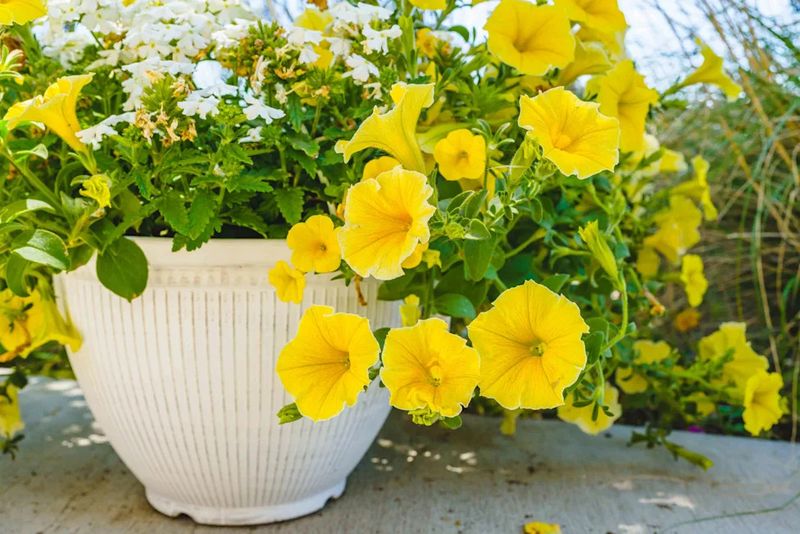
Blazing afternoon sun bouncing off pavement can push potted petunias past their limit, especially in the hottest part of summer. When they wilt daily and stop blooming, relentless heat is often to blame.
Try shifting containers so they catch morning sun but get a little relief during the brutal late-afternoon hours. A spot near an east-facing wall often hits that sweet spot.
Dark pots absorb heat and can practically cook the roots inside. Slipping a dark container into a lighter decorative pot, or grouping plants together, may help keep root zones cooler.
Pavement and metal railings radiate stored heat long after the sun moves on. Lifting pots onto a plant stand or moving them off scorching concrete can ease that stress.
Grouping several pots together also raises the humidity around them, which petunias appreciate during dry spells. There’s strength in numbers when the weather turns punishing.
Being able to move containers is a huge advantage over in-ground plants. Use it, and a little strategic shade during heat spikes often keeps your petunias blooming when others fizzle out.
11. Watch for Yellowing From Iron Deficiency
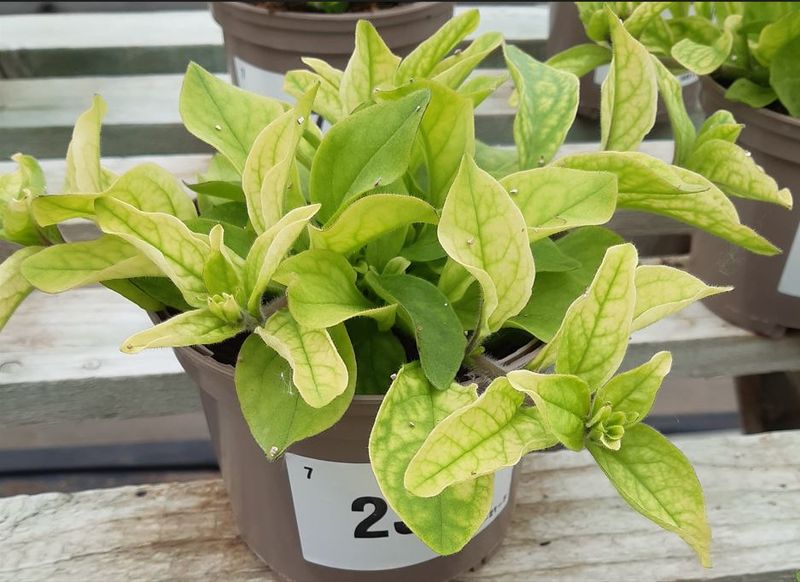
Pale, yellow leaves with green veins still showing can signal an iron shortage, a common petunia issue often called chlorosis. Hungry, stressed plants rarely bloom well, so this is worth fixing.
The problem frequently isn’t a lack of iron in the soil but a pH that’s too high for roots to absorb it. Petunias prefer slightly acidic conditions to take up nutrients properly.
A chelated iron supplement, watered in or sprayed on the leaves, may help green things back up fairly quickly. Follow the product’s directions closely to avoid overdoing it.
Using a fertilizer formulated for acid-loving plants can also nudge the soil chemistry in a helpful direction over time. Rainwater instead of hard tap water sometimes helps too.
Catching this early matters, since a plant putting energy into struggling leaves has little left for flowers. Correcting the deficiency lets it redirect that energy toward blooms.
Not every yellow leaf means iron trouble, so check watering and feeding first. But when the pattern is yellow leaves with green veins, iron is a likely suspect worth addressing right away.
12. Avoid Overwatering and Root Rot
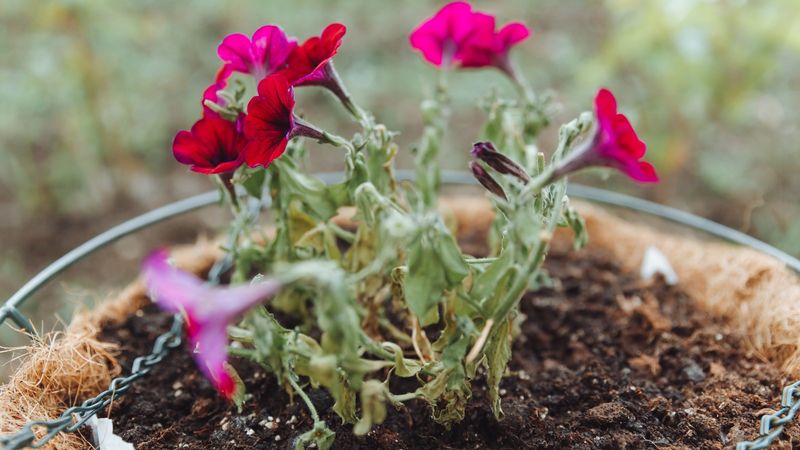
Loving your petunias too much with water can quietly drown them. Soggy soil starves roots of oxygen and invites rot, which leads to droopy plants that look thirsty even when they’re waterlogged.
A wilting petunia in wet soil is a classic sign of overwatering. Before grabbing the hose, always feel the soil an inch down and only water when it’s actually dry.
Good drainage is your best defense. Make sure pots have holes, empty any saucers that collect standing water, and use a light, well-draining mix rather than dense, heavy soil.
Roots that rot turn brown and mushy instead of firm and white. If you spot that, trim away the damaged parts and repot into fresh, drier soil to give the plant a fighting chance.
Cloudy, humid stretches mean plants use less water, so ease off during those days. Watering on a rigid schedule regardless of weather is a common trap.
Getting the balance right often revives a plant you thought was dying of thirst, and healthy roots quickly translate into stronger, more generous blooming.
13. Blast Away Aphids With a Water Spray
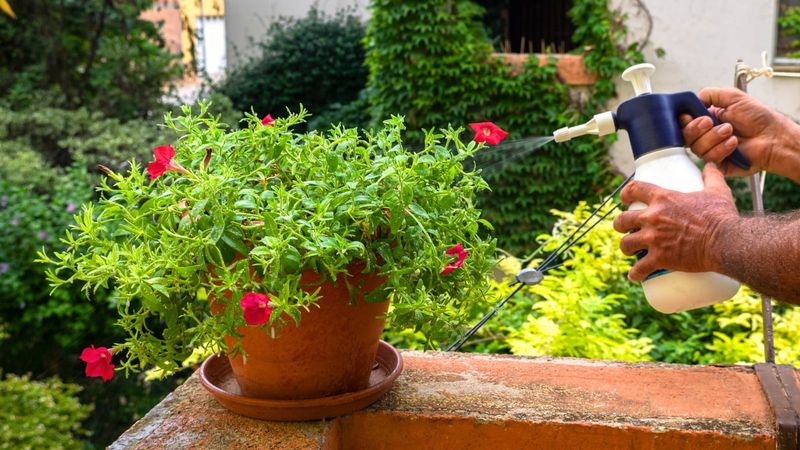
Those tiny clusters of green, black, or gray bugs on your petunia stems and buds are aphids, and they suck the life right out of new growth. Left alone, they weaken plants and cut down on flowering.
Look under leaves and around fresh buds, where aphids love to gather. A sticky, shiny coating on the foliage, called honeydew, is another telltale sign they’ve moved in.
A firm spray of water from the hose can knock many of them off, and repeating it every few days often keeps their numbers down. It’s a simple first line of defense.
For stubborn colonies, a mild insecticidal soap may help reduce them while being gentler on beneficial bugs. Spray in the cooler evening hours and coat the undersides of leaves.
Ladybugs are natural aphid hunters, so welcoming them into your garden can lend a helping hand. Avoiding harsh broad sprays keeps those allies around.
Knock the aphids back, and your petunias can finally pour their energy into buds instead of feeding pests, often rebounding with fresh blooms in short order.
14. Choose the Right Petunia Type for Your Spot
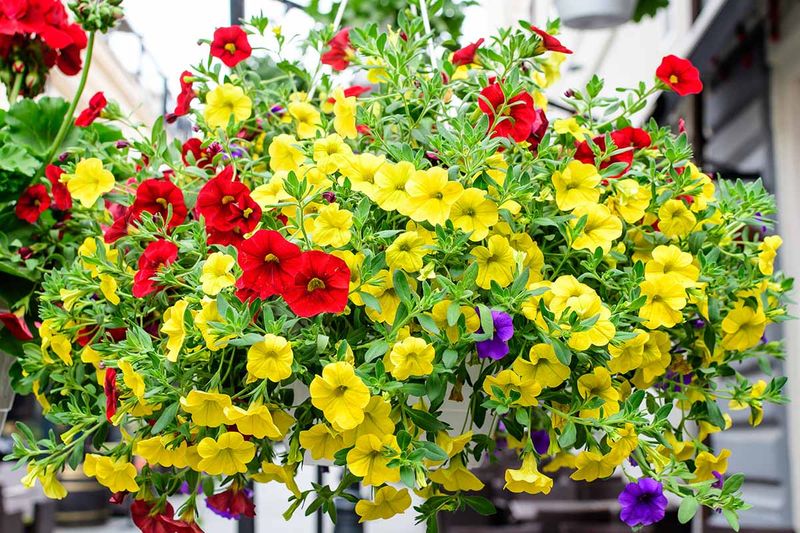
Not all petunias behave the same, and sometimes a struggling plant simply isn’t matched to its conditions. Knowing what you’re growing helps you set the right expectations and care.
Grandiflora types have big, showy flowers but tend to flop in heat and rain, while multiflora and spreading types like Wave petunias shrug off tough weather and bloom more reliably.
Self-cleaning varieties drop their spent blooms on their own, saving you constant deadheading. If you hate fussing, seeking out these types next time can make life easier.
For hanging baskets and hot patios, trailing and spreading kinds usually outperform the delicate large-flowered ones. Matching plant to place cuts down on future frustration.
If a particular petunia keeps sulking in your climate no matter what you do, it may just be the wrong pick rather than your fault. That’s useful to know.
Fun fact: modern Wave petunias were bred to be tougher and more heat-tolerant than older types, which is why they took the gardening world by storm. Choosing wisely often solves problems before they start.
15. Rinse Off Salt Buildup in Containers
Ever notice a whitish crust on the soil surface or around the rim of your petunia pots? That’s a buildup of mineral salts from fertilizer and tap water, and it can quietly stress your plants.
Excess salts pull moisture away from roots and can cause browning leaf edges, stunted growth, and lackluster blooming. Container plants are especially prone since salts collect with nowhere to go.
The fix is refreshingly simple: flush the pot thoroughly with plain water. Run water slowly through the soil until it drains freely out the bottom several times, carrying the salts away.
Doing this once a month, especially if you fertilize often, helps keep the root zone clean and comfortable. Rainwater is even gentler than hard tap water for this.
Scraping off any visible crust before flushing gives you a head start. Then let the pot drain fully so roots aren’t left sitting in soggy conditions.
Plants freed from salt stress often perk up within days, standing taller and pushing new buds. It’s an easy, overlooked reset that can bring a fading container petunia back to life.
16. Give Them a Late-Summer Recovery Boost
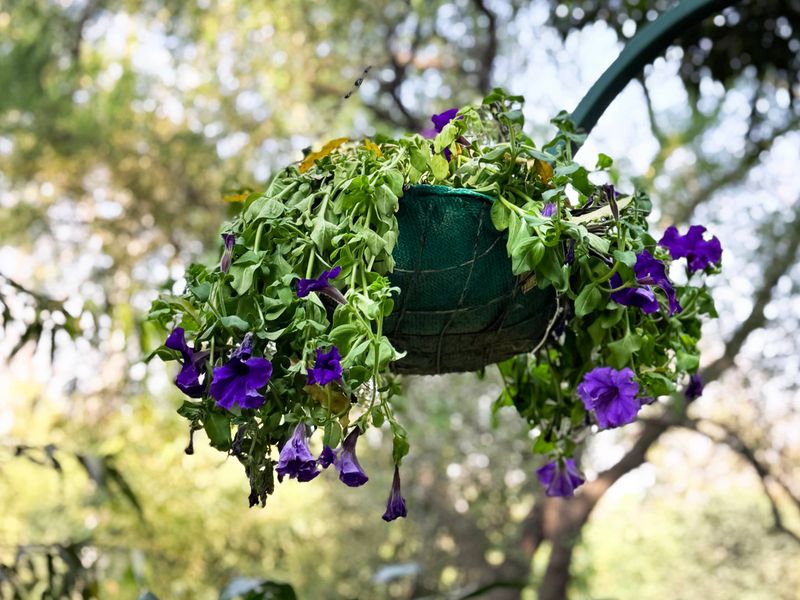
By late summer, even well-tended petunias can look worn out from months of heat, blooming, and pest battles. A focused recovery routine can squeeze weeks of extra color out of the season.
Start with a moderate trim to remove tired, leggy growth, then follow up with a good drink and a diluted feeding. That combination often sparks a fresh flush of shoots and buds.
Cooler nights near summer’s end actually work in your favor, since petunias tend to bloom better when temperatures ease off. Your revived plants can ride that wave.
Keep up steady watering and light feeding as the plant rebounds, and stay on top of any lingering pests so nothing sabotages the comeback. Consistency seals the deal.
A little attention now can mean vibrant pots right up until the first frost, long after neighbors’ petunias have called it quits. That extended show is worth the effort.
Treat this stage as a fresh start rather than a farewell. With one solid push, your fading petunias can finish the season looking better than they have in weeks.