
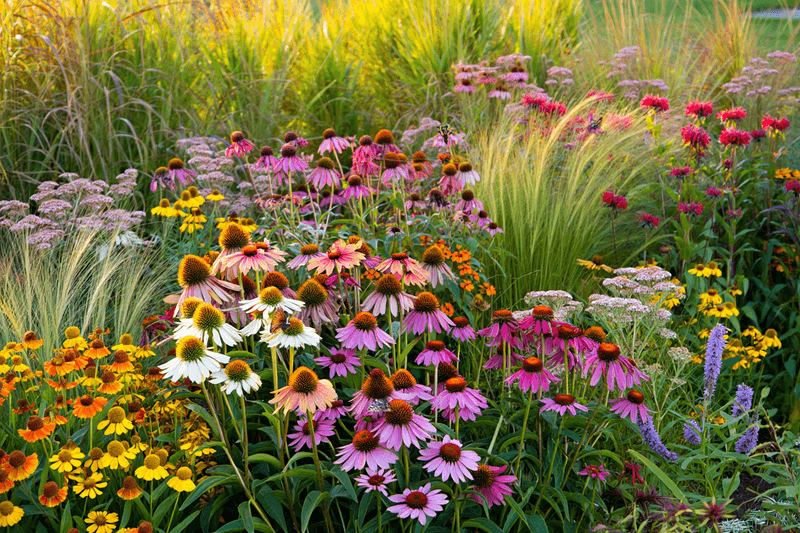
Waiting years for a new garden bed to look full can test anyone’s patience. The good news is that some perennials grow so quickly they look like they have been there forever by their second summer. If you have ever stared at a sparse, gappy flower bed and wondered when it will finally fill in, these fast-spreading plants are the fix. Here are 19 small perennials that establish quickly, cover bare soil, and reward you fast.
1. Catmint (Nepeta)
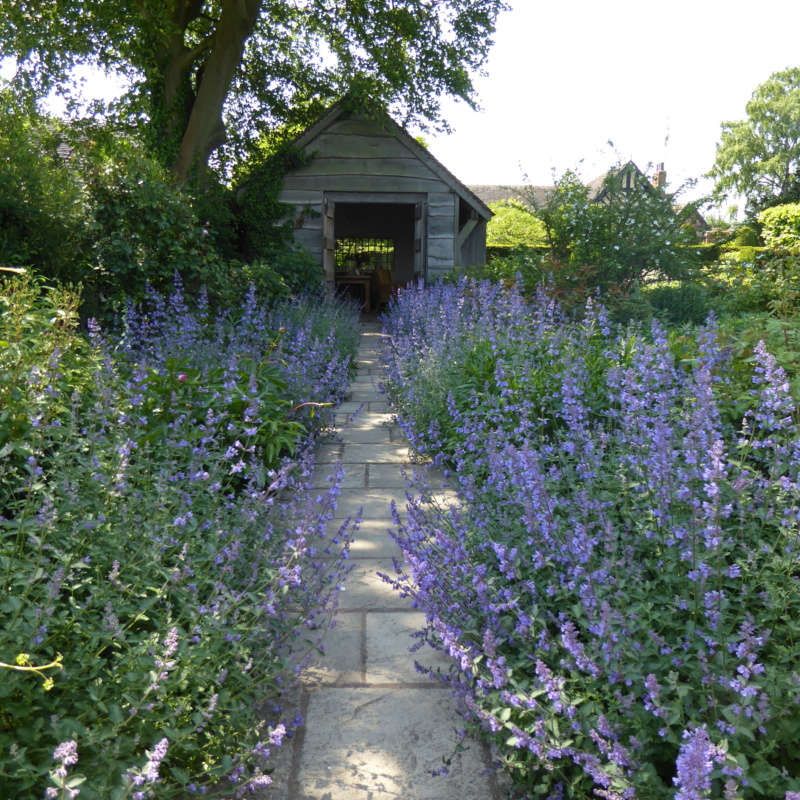
Plant a single small catmint in spring and by the following summer it can sprawl into a soft, silvery-blue cloud nearly two feet wide. Few perennials bulk up this fast without demanding much from you.
The gray-green foliage releases a minty scent when brushed, and the lavender-blue flower spikes keep coming for months if you shear the plant back after the first flush. Bees and butterflies love it, while deer and rabbits usually leave it alone thanks to that aromatic foliage.
If your bed looks patchy and you want something that reads as full and mature quickly, catmint is hard to beat. It tolerates poor soil, drought, and neglect, which makes it a forgiving pick for gardeners still learning.
Give it full sun and decent drainage, and avoid overwatering, since soggy roots can cause the center to flop or rot. A midseason haircut often revives tired, floppy growth and can bring a second bloom.
Did you know? Catmint is a cousin of the catnip that drives felines wild, though most ornamental varieties are milder.
2. Coreopsis (Tickseed)
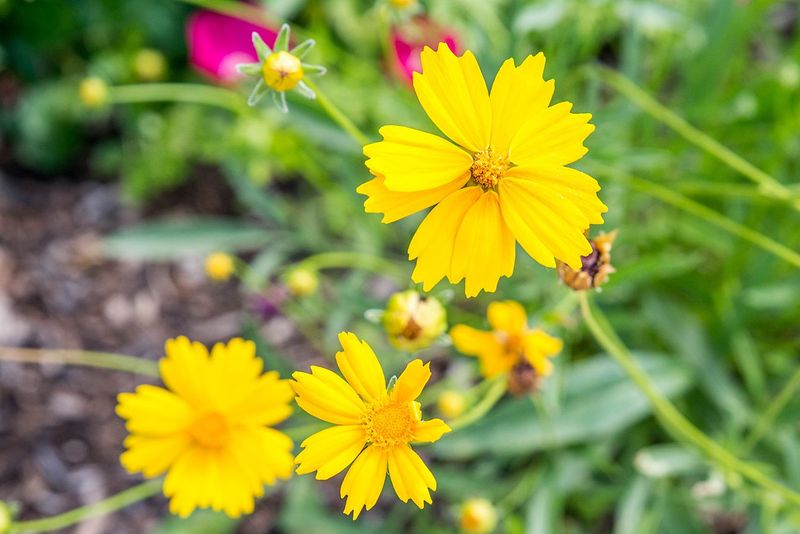
Cheerful is the only word for coreopsis. Those bright yellow, gold, and sometimes pink daisy-like blooms cover the plant so densely by year two that you can barely see the leaves.
What makes tickseed such a standout for filling space fast is its habit of clumping outward and flowering nonstop from early summer into fall. A skimpy little starter plant transforms into a rounded, flower-packed mound that looks like it has lived in your bed for years.
It thrives in full sun and shrugs off heat and drought once its roots take hold, which is a relief for anyone tired of babying thirsty flowers. Poor, sandy soil actually suits it fine.
Deadheading spent blooms keeps the show going and can encourage a fuller shape, though threadleaf types often rebloom on their own. If growth slows midseason, a light shearing often refreshes it.
Watch for crown rot in heavy, wet clay, since good drainage matters more than rich soil here. Plant it where it gets plenty of light and it will reward you generously.
3. Black-Eyed Susan (Rudbeckia)
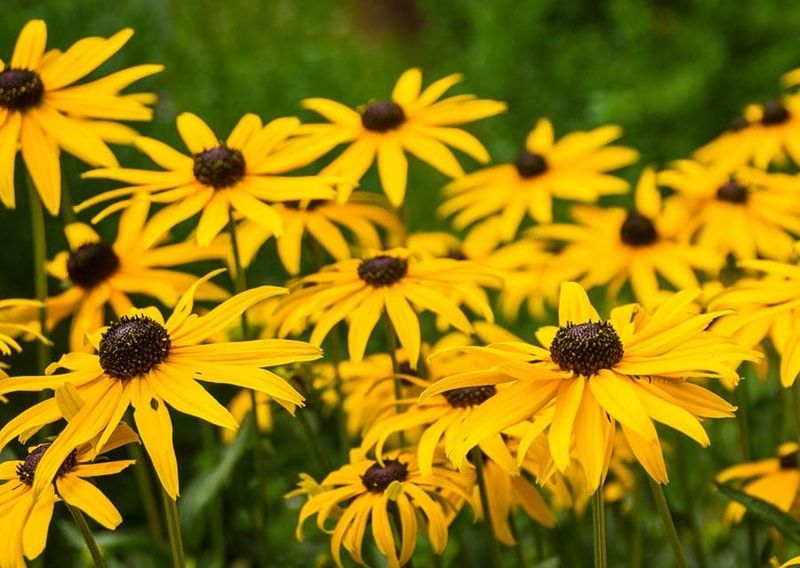
Golden petals circling a dark chocolate center make black-eyed Susan one of the most recognizable summer perennials in American gardens. Plant a few small clumps and by next season they knit together into a bold, established-looking drift.
Rudbeckia earns its spot on this list because it spreads by both seed and slowly expanding clumps, so a modest planting fills in surprisingly fast without becoming a nuisance. The blooms last for weeks and stand up to heat, humidity, and the kind of neglect that kills fussier flowers.
Full sun brings the strongest performance, though it tolerates a little afternoon shade. Average garden soil works fine, and once established it needs little extra water.
If you notice powdery white patches on the leaves during humid spells, improving air circulation and avoiding overhead watering can reduce the problem. Removing badly affected foliage helps too.
Pollinators flock to the flowers all summer, and leaving the seed heads standing feeds goldfinches through winter. For a bed that looks mature and buzzing with life fast, this classic delivers every time.
4. Salvia (Perennial Sage)
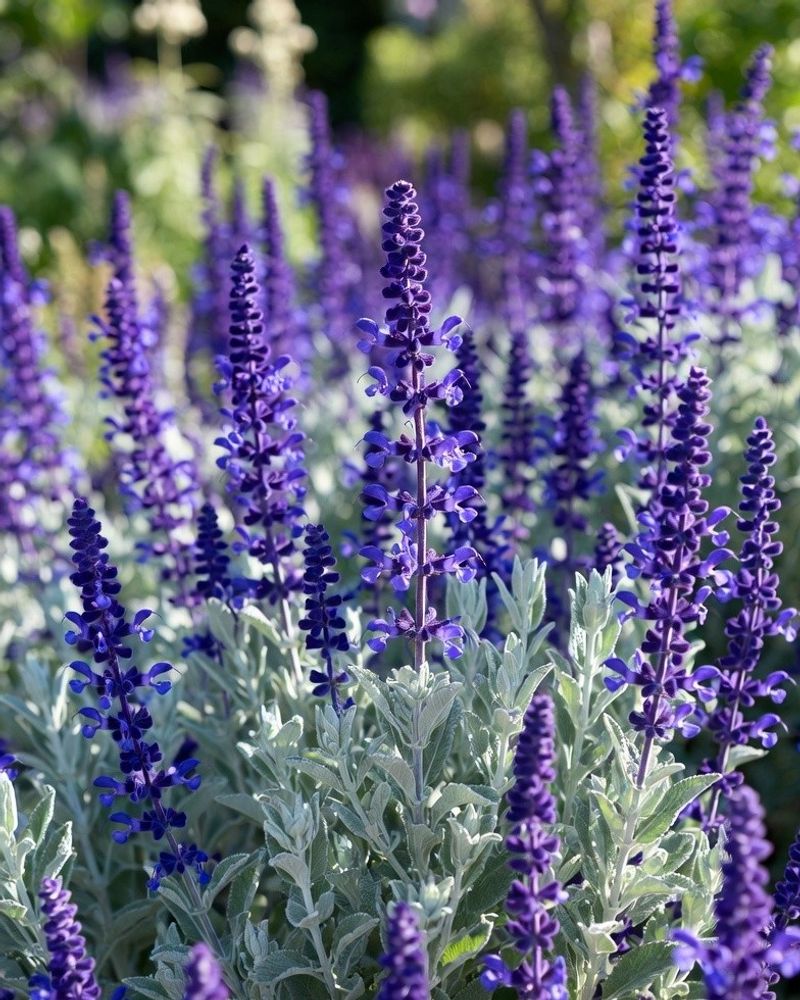
Spiky wands of purple, blue, or pink flowers rising above tidy green foliage give salvia an instantly established look. Set out a small plant this spring and expect a full, upright clump by next summer.
Salvia deserves attention for its vertical structure, which adds height and drama to a young bed faster than most low mounding plants. That shape helps a sparse border feel layered and intentional almost immediately.
Hummingbirds and bees can’t resist the flower spikes, while the slightly fuzzy, aromatic leaves tend to keep deer browsing elsewhere. It handles heat and dry spells with ease once rooted.
Give it full sun and well-drained soil, because wet feet in winter is its biggest enemy. Shearing the plant after the first bloom often triggers a fresh round of flowers and keeps growth compact.
If the middle opens up and flops, a hard cutback usually tightens it right back up. Fun fact: many culinary sages belong to the same Salvia family, which explains that pleasant, herby scent when you brush past.
5. Daylily (Hemerocallis)
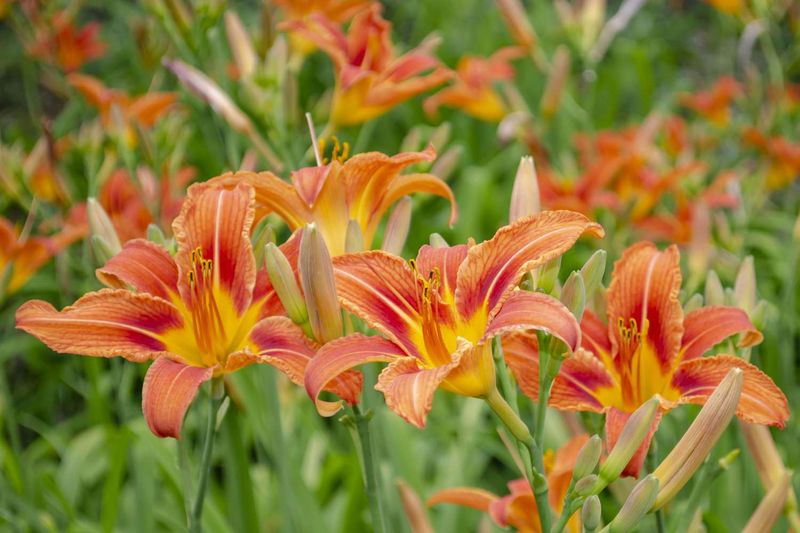
Tough as nails and blooming like crazy, the daylily is the plant people reach for when they want fast, reliable coverage. Each flower lasts only a day, but a healthy clump pumps out dozens over weeks.
The reason daylilies fill out so quickly is their fountain of arching, grassy foliage that bulks up dramatically in a single growing season. Even before the flowers open, that lush greenery makes a bed look full and cared for.
They handle sun or partial shade, poor soil, drought, and clumsy gardeners with the same easygoing attitude. Reblooming types like Stella d’Oro keep flowering right through summer.
Space is the one thing to watch, since clumps expand steadily and eventually crowd their neighbors. Dividing them every few years keeps them vigorous and gives you free plants to spread around.
If foliage yellows or blooms fade early, check that the roots aren’t sitting in soggy soil, which can invite rot. Otherwise this is about as carefree as flowering perennials get, and it looks established faster than almost anything.
6. Creeping Phlox (Phlox subulata)
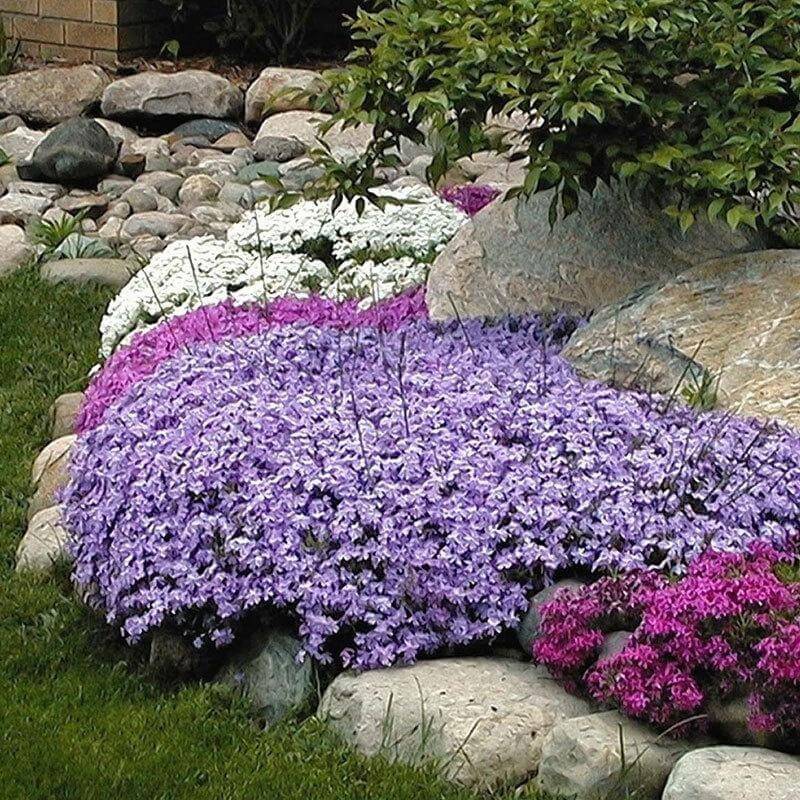
Come spring, creeping phlox erupts into a carpet of color so dense you can barely spot a single leaf beneath the blooms. It’s the plant that makes rock walls and slopes look effortlessly polished.
Low and spreading, this phlox covers ground fast, knitting into a mat that suppresses weeds and hides bare soil within a season or two. That horizontal reach is exactly what a new bed needs to feel finished.
Pinks, purples, whites, and blues are all on offer, and the needle-like evergreen foliage keeps the area tidy even after the flowers fade. Full sun brings the heaviest bloom.
It asks for well-drained soil and little else, tolerating drought and poor conditions with ease. Shearing it lightly after flowering keeps the mat compact and can encourage denser regrowth.
If the center thins out over time, don’t panic, since dividing or replanting the edges revives it quickly. For anyone dressing up a slope, edge, or gap that looks embarrassingly bare, few groundcovers deliver such a fast, showy payoff.
7. Coneflower (Echinacea)
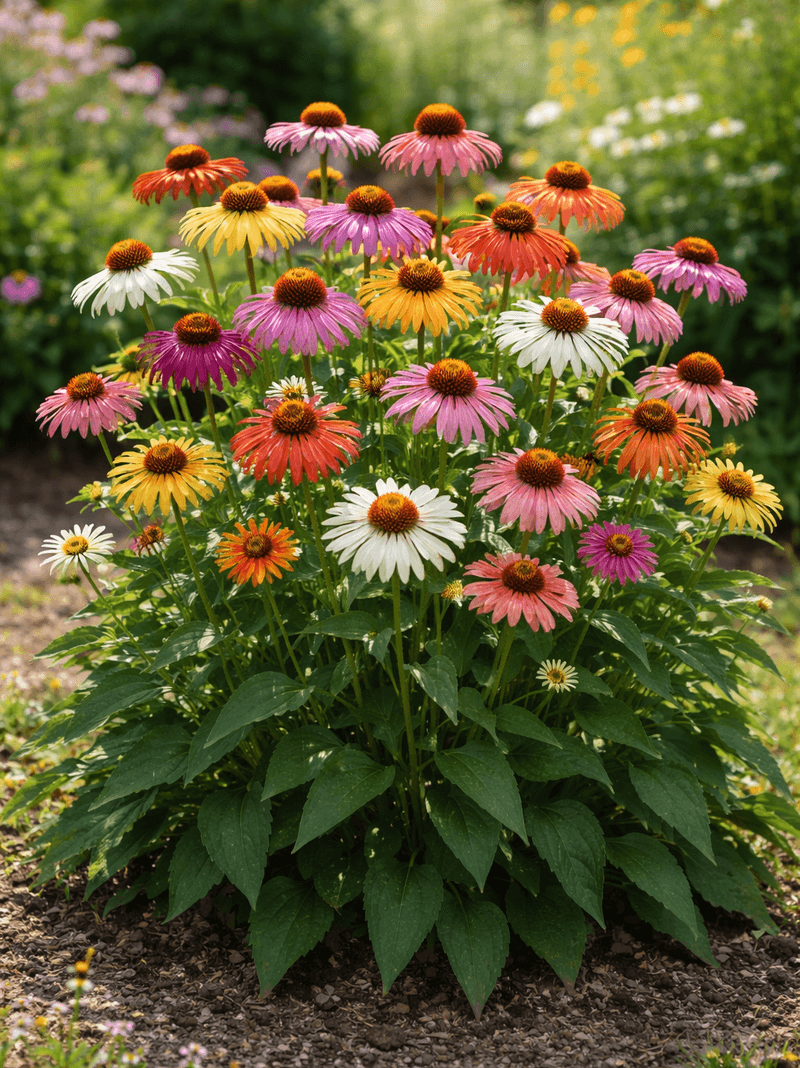
Sturdy stems topped with daisy-like petals and a spiky orange cone give coneflower an old-fashioned charm that fits almost any garden style. Plant a few and they bulk up into confident clumps fast.
Echinacea makes the list because it establishes a strong root system quickly and self-sows gently, so a small starter group multiplies into a fuller stand by next summer. The blooms hold their shape for weeks.
Purple is the classic, but modern varieties come in coral, orange, white, and yellow if you want a livelier palette. Butterflies, bees, and finches treat it like a buffet all season long.
Full sun and average, well-drained soil suit it perfectly, and it laughs off heat and drought once settled. Overly rich or wet soil can make stems flop, so resist the urge to overfeed.
Leaving the spent cones standing feeds birds and adds winter interest to the bed. If leaves develop dark spots or distorted growth, removing affected parts and improving airflow can help keep the planting healthy and looking its best.
8. Sedum (Stonecrop)
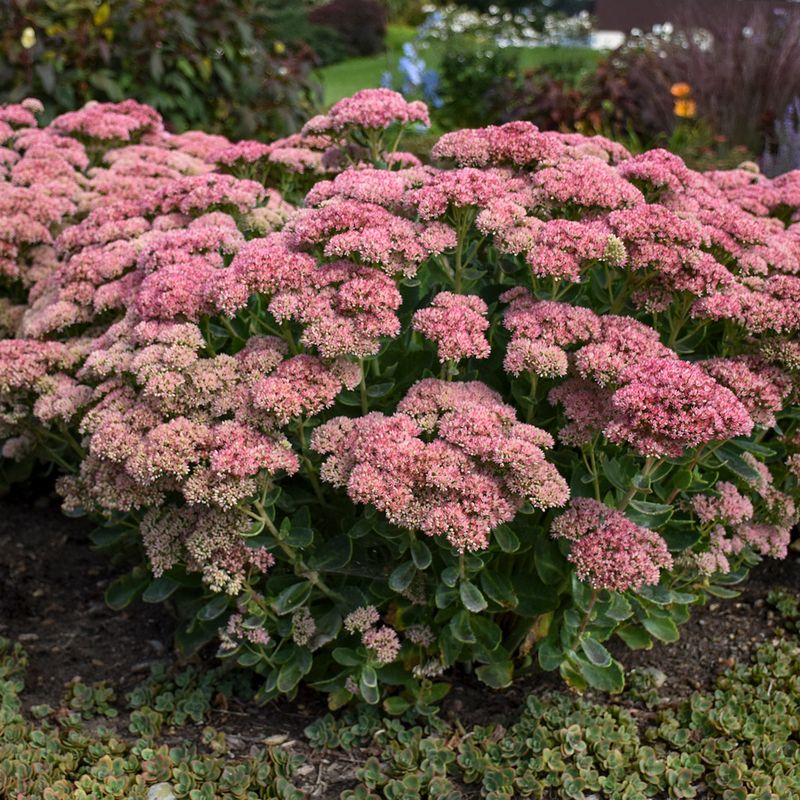
Fat, succulent leaves and flower heads that shift from green to pink to rusty red make sedum a low-effort powerhouse. Upright types like Autumn Joy plump into rounded clumps almost overnight.
Stonecrop belongs here because it grows quickly from small divisions and holds a full, sculptural shape all season, even during droughts that flatten other plants. Those water-storing leaves make it nearly impossible to kill.
Bees swarm the late-summer blooms when little else is flowering, giving your garden a valuable second wind. The dried seed heads look striking through fall and winter too.
Full sun and lean, well-drained soil produce the sturdiest plants, while rich or shady spots can make them stretch and flop open in the middle. A spring pinch-back keeps upright varieties compact.
Groundcover sedums spread into weed-smothering carpets in a single season, perfect for hot, dry gaps where nothing else thrives. If a clump splits open, dividing it in spring solves the problem and gives you more plants for free. Simply put, it’s tough, fast, and forgiving.
9. Shasta Daisy (Leucanthemum)
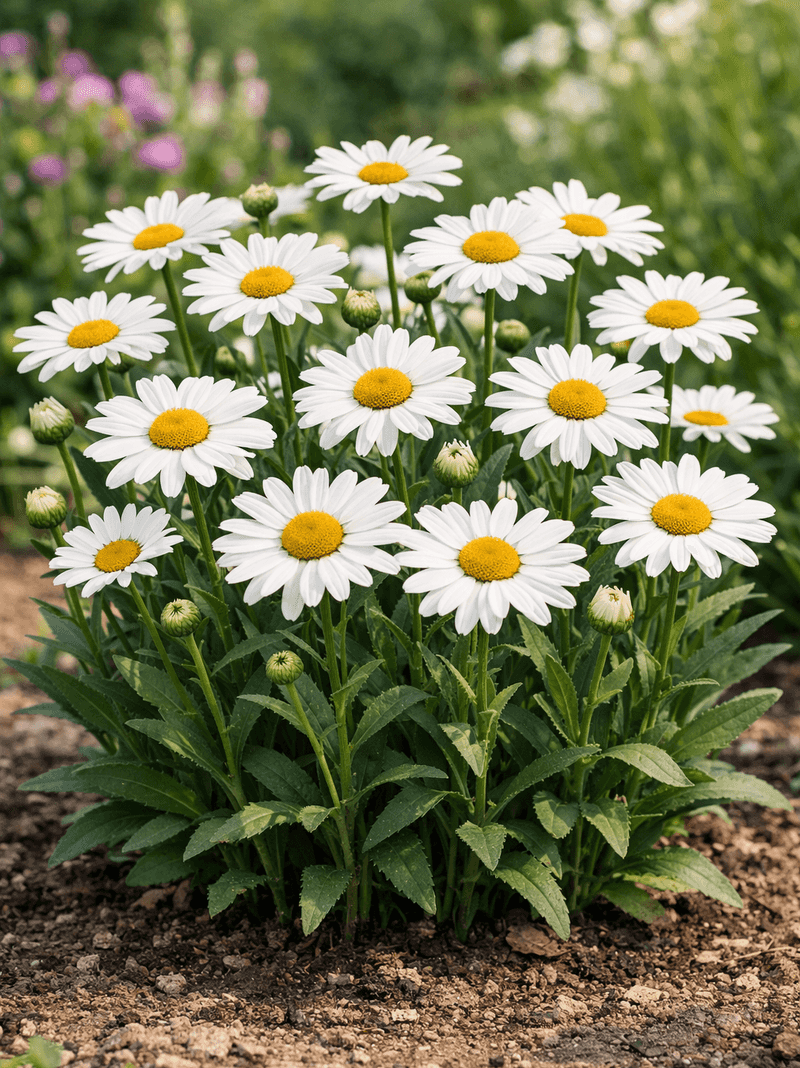
Crisp white petals around a sunny yellow eye, the Shasta daisy is the flower kids draw when they imagine a garden. It multiplies fast into cheerful, full clumps.
What sets this daisy apart on the list is how quickly it forms a dense mound of dark green foliage topped with an abundance of long-lasting blooms. A single plant reads as an established patch by its second summer.
It thrives in full sun and average, well-drained soil, and it makes an unbeatable cut flower for the kitchen table. Deadheading spent blooms keeps the show running for weeks.
Dividing clumps every couple of years keeps them vigorous and prevents the center from dying out, a common issue with older plants. It also gives you extras to fill new gaps.
If leaves wilt or yellow in soggy conditions, improving drainage usually turns things around, since Shastas dislike wet feet. Otherwise this classic asks very little and delivers a bright, tidy, full look faster than most gardeners expect from such a familiar flower.
10. Yarrow (Achillea)
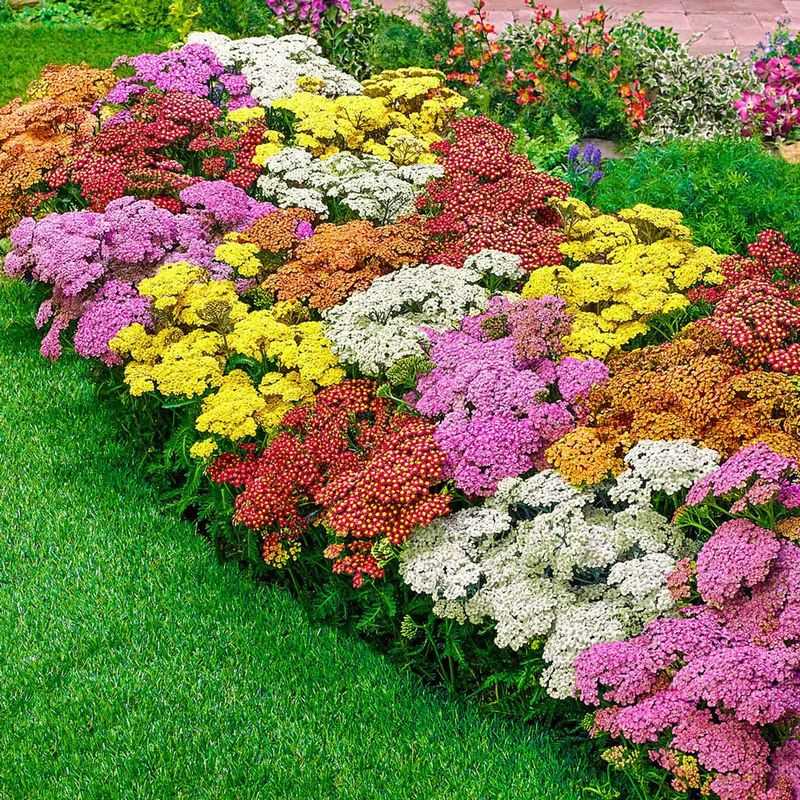
Flat, plate-like flower clusters in yellow, red, pink, or white float above ferny foliage, giving yarrow a soft, meadow-like feel. It sprawls into a full patch remarkably fast.
Yarrow makes the cut for its aggressive-in-a-good-way habit of spreading outward and blooming heavily in its first full season. That quick coverage turns a bare stretch into a buzzing pollinator hangout in no time.
The feathery leaves carry a pleasant scent that tends to keep deer and rabbits uninterested, a bonus for suburban gardeners fighting browsing damage. Bees and butterflies, however, arrive in droves.
Give it full sun and lean soil, because rich ground makes it flop and grow leggy. Drought only seems to toughen it up.
Deadheading spent flowers encourages more blooms and keeps the plant looking neat through summer. If a clump grows too enthusiastic, simply dig and divide it in spring to control the spread and share the extras.
Fun fact: yarrow’s Latin name Achillea comes from the Greek hero Achilles, who legend says used it to treat soldiers’ wounds on the battlefield.
11. Hardy Geranium (Cranesbill)
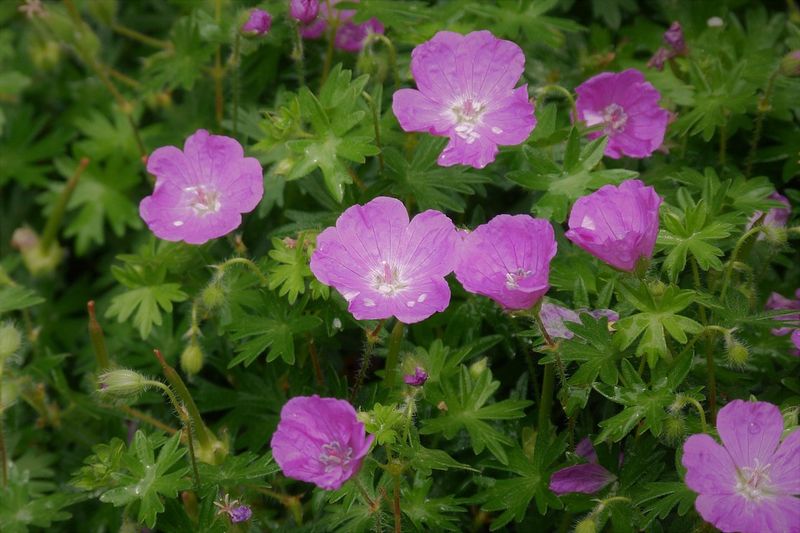
Not to be confused with the potted annual geraniums at the garden center, hardy cranesbill is a true perennial that mounds up into a lush, flower-flecked cushion by its second year.
Its strength is versatility, thriving in sun or part shade and quickly spreading into a weed-smothering mound that fills gaps without any fuss. Delicate blue, pink, or magenta flowers dance above the deeply cut leaves for weeks.
The foliage often turns rich shades of red and orange in fall, giving you two seasons of interest from one easygoing plant. Many types keep some leaves through mild winters too.
It adapts to most soils and tolerates dry shade, a notoriously tricky spot where few flowers succeed. Shearing the whole plant back after the first bloom often triggers a fresh flush and tidies any straggly growth.
Pollinators appreciate the open flowers, and deer usually pass it by. For gardeners with awkward shady corners that always look empty, cranesbill offers a fast, dependable way to make those spots feel full and cared for.
12. Lamb’s Ear (Stachys)
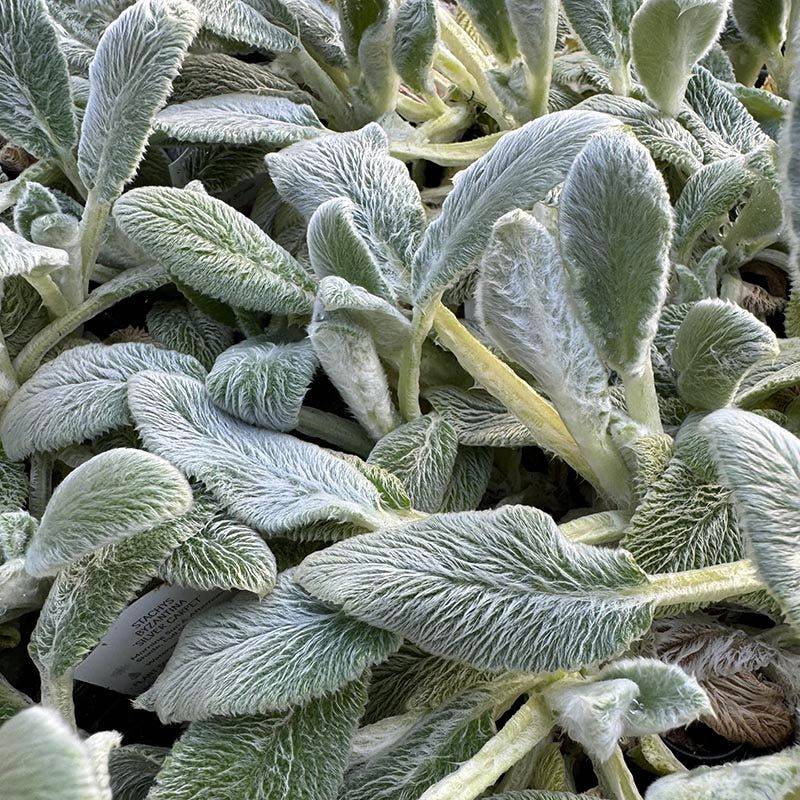
Run your fingers over lamb’s ear and you’ll understand the name instantly, since the leaves feel as soft and velvety as an actual animal’s ear. Kids adore it, and it spreads fast.
The silvery, fuzzy foliage is the real draw here, forming a dense, weed-choking mat that fills space quickly and lights up the front of a border. Color and texture arrive without waiting for flowers.
It thrives in full sun and dry, lean soil, spreading steadily into a soft carpet within a single season. Those hairy leaves make it thoroughly unappealing to deer and rabbits.
Purple flower spikes appear in summer, though many gardeners snip them off to focus energy on the foliage. In humid regions the leaves can rot in patches, so good airflow and avoiding overhead watering can help keep it looking fresh.
Pull out any mushy or blackened leaves to keep the mat healthy through wet spells. Easy to divide and impossible to ignore, lamb’s ear turns a plain edge into something people can’t resist touching, and it does it fast.
13. Coral Bells (Heuchera)
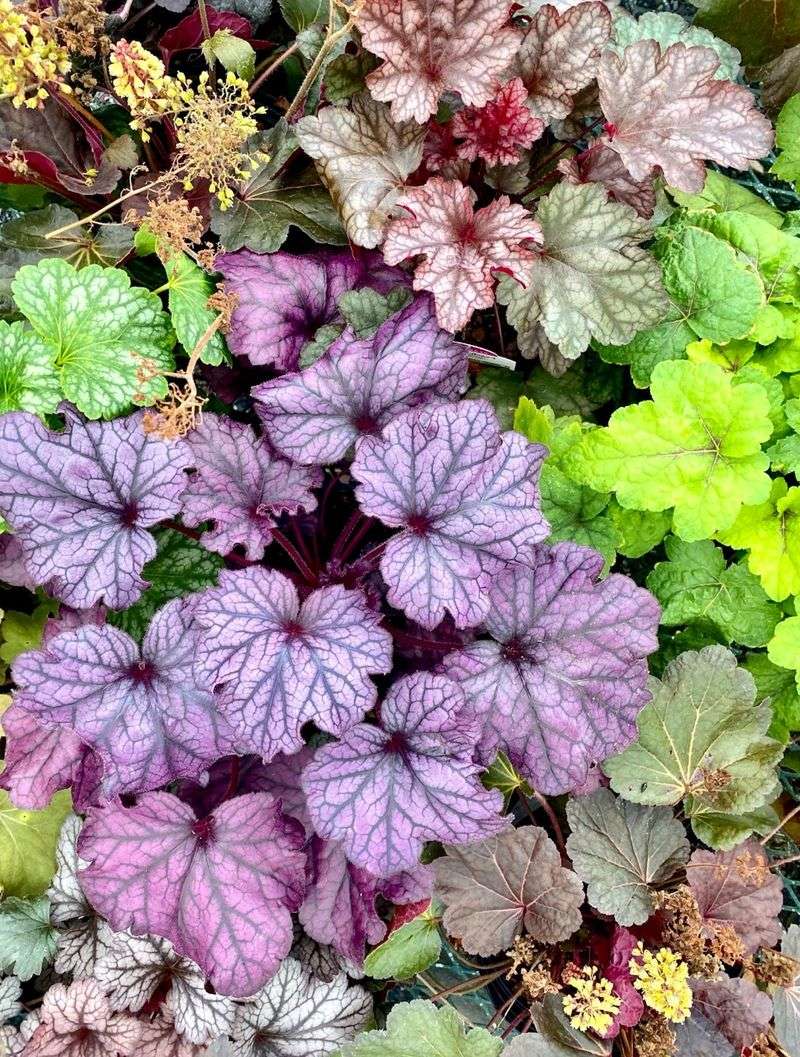
Forget the flowers for a moment, because coral bells earn their keep with ruffled leaves in jaw-dropping shades of burgundy, lime, caramel, silver, and near-black. The foliage fills a bed with color from spring to frost.
Heuchera bulks up into a tidy, rounded mound faster than you’d expect, making it a quick fix for shady spots that usually take forever to look established. Airy sprays of tiny bells rise above the leaves in early summer.
It prefers part shade and rich, well-drained soil, though many newer varieties tolerate more sun. The mounded shape stays neat without much trimming.
Frost heaving can push the shallow crown out of the ground over winter, so pressing plants back down or mulching in fall protects them. Dividing every few years keeps clumps dense and vigorous.
Hummingbirds visit the dainty flower spikes, and deer generally leave the foliage alone. When you want instant, season-long color in a low-light corner without waiting on blooms, this leafy perennial delivers a full, polished look remarkably quickly.
14. Threadleaf Coreopsis ‘Moonbeam’
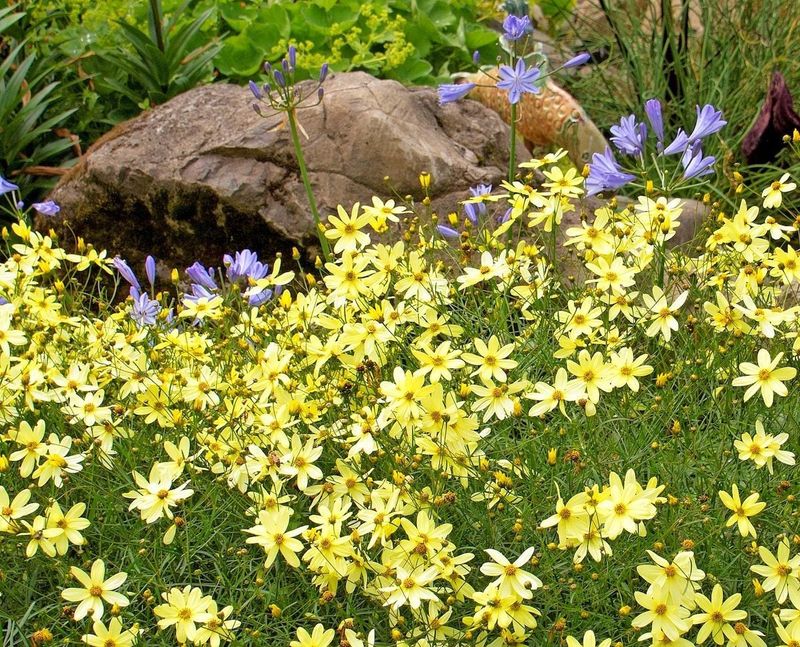
Airy, fern-like foliage smothered in soft creamy-yellow flowers gives ‘Moonbeam’ a delicate, cloud-like presence that belies how tough and fast-growing it really is. It’s a refined cousin of the standard tickseed.
Setting it apart is the sheer density of its lacy growth, which fills into a rounded, shimmering mound that blooms for months on end. A small plant becomes a generous drift by next summer.
The pale yellow flowers blend with almost any color scheme, making it a favorite for softening bold neighbors in a busy bed. Full sun and average, well-drained soil keep it happy.
Once established it shrugs off heat and drought, so it fits perfectly in low-water gardens. A light shearing midseason keeps it tidy and can spark a fresh wave of blooms.
Poor drainage is its main weakness, so avoid heavy, waterlogged clay where the crown may rot. Butterflies and bees drift through it all summer, and deer tend to leave it alone. For fast, feathery coverage with endless bloom, few plants match its easy grace.
15. Bee Balm (Monarda)
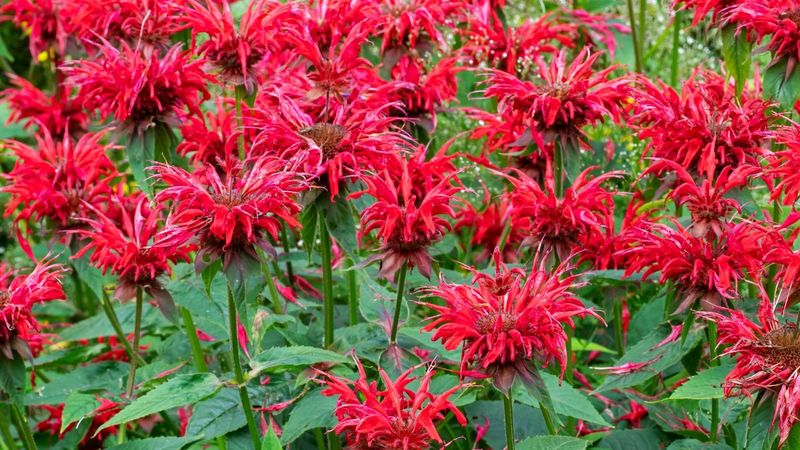
Shaggy, firework-like blooms in red, pink, and purple make bee balm impossible to ignore, and so do the hummingbirds and butterflies that mob it all summer. It spreads into a full stand fast.
Monarda climbs onto this list thanks to its vigorous spreading roots that turn a couple of small plants into a lush colony within a season. The minty foliage smells wonderful when brushed.
It grows best in full sun to part shade with moist, rich soil, unlike many drought-lovers on this list. Giving it room and airflow matters.
Powdery mildew is its notorious weakness, coating leaves in dusty white during humid spells. Choosing mildew-resistant varieties, spacing plants for good air circulation, and avoiding overhead watering can reduce the trouble considerably.
Cutting the plant back after flowering and thinning crowded stems in spring also helps keep foliage clean. Because it spreads eagerly, dividing it every couple of years keeps it in bounds and provides plenty of extras. For a pollinator magnet that fills space fast and smells like the herb garden, bee balm is tough to top.
16. Russian Sage (Perovskia)
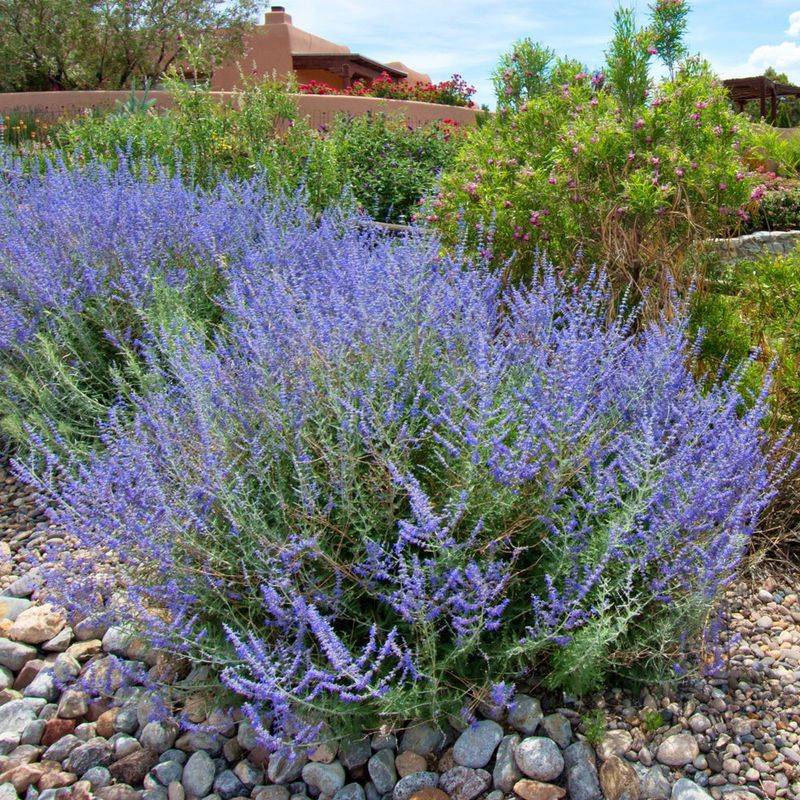
Hazy clouds of tiny lavender-blue flowers on silvery stems give Russian sage an ethereal, see-through quality that softens any planting. It bulks up into a shrubby, airy mass with surprising speed.
Its claim to fame is height and volume, filling vertical space in a young bed faster than most perennials while staying light enough not to overwhelm neighbors. The fine-textured foliage carries a sharp, sage-like scent.
Baking sun and lean, dry soil are exactly what it wants, and it blooms tirelessly from midsummer well into fall. That aromatic foliage makes it thoroughly unappealing to deer and rabbits.
Overly rich or wet soil is its downfall, causing floppy, weak stems, so resist the urge to pamper it. Cutting it back hard in early spring keeps growth dense and upright.
Bees adore the long-lasting flowers, and the silvery structure adds interest even after bloom. For a hot, dry, deer-plagued spot that needs to fill in and read as established quickly, Russian sage brings both toughness and a dreamy, romantic haze.
17. Blanket Flower (Gaillardia)
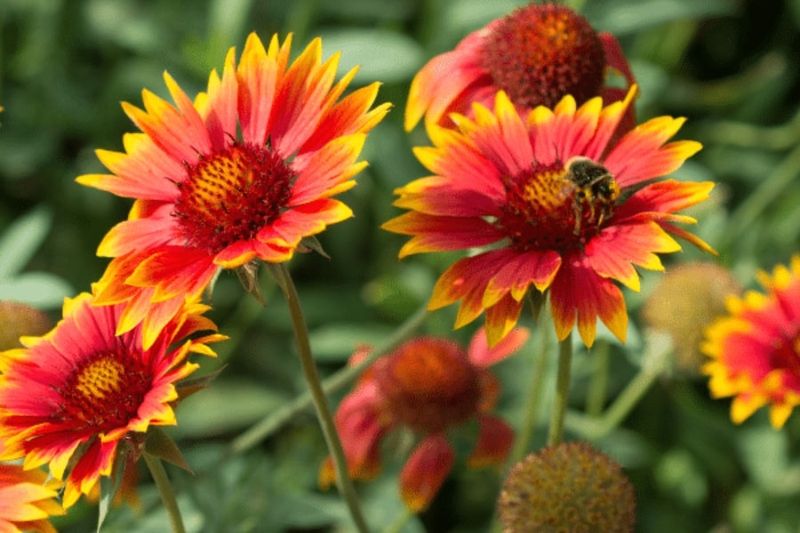
Fiery red-and-yellow blooms that look like tiny sunsets earn blanket flower its warm, welcoming name. Few perennials bloom this hard, this fast, or in such bold colors.
Gaillardia stands out because it flowers almost nonstop from early summer to frost while quickly forming a rounded, cheerful clump. A small transplant looks like a settled-in veteran by its second year.
Heat, drought, and poor sandy soil don’t faze it one bit, which makes it a lifesaver for tough, exposed spots that fry other flowers. Full sun brings out the richest color.
Deadheading keeps the blooms coming and tidies the plant, though it will reseed happily if you let a few flowers go. Good drainage matters more than anything else.
Wet, heavy soil in winter is its main enemy, sometimes causing the crown to rot, so pick a well-drained home. Butterflies love the flowers, and the seed heads feed birds later. When you need dependable, fast color for a hot, dry, neglected corner, blanket flower wraps the space in warmth almost immediately.
18. Lady’s Mantle (Alchemilla)
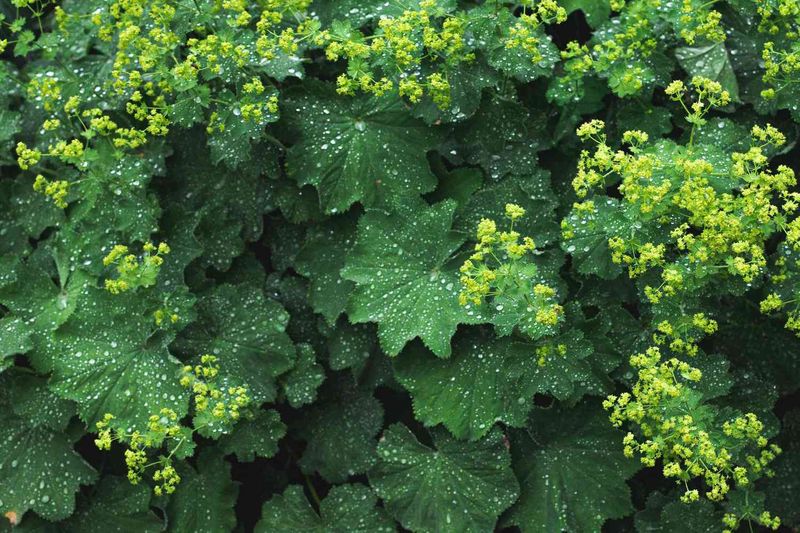
After a rain, lady’s mantle looks positively magical, with silvery water droplets beading up on the soft, scalloped leaves like scattered jewels. It’s as charming as it is easy.
The plant fills out fast into a low, rounded clump of pleated foliage, then sends up frothy sprays of chartreuse flowers that add a soft glow to shady edges. That quick, dense coverage hides bare ground and softens hard borders.
Part shade and moist, well-drained soil suit it best, though it tolerates full sun in cooler regions. The airy flowers make lovely, long-lasting additions to bouquets.
It self-sows gently, so you’ll often find welcome seedlings to move around the garden. Shearing the plant back after flowering removes tired foliage and encourages a fresh mound of leaves.
In hot, dry conditions the leaves may scorch, so a little afternoon shade and consistent moisture help keep it looking crisp. Deer usually ignore it. For a cottage-garden feel that fills a shady edge quickly and catches the light after every rain, lady’s mantle is a quiet overachiever.
19. Veronica (Speedwell)
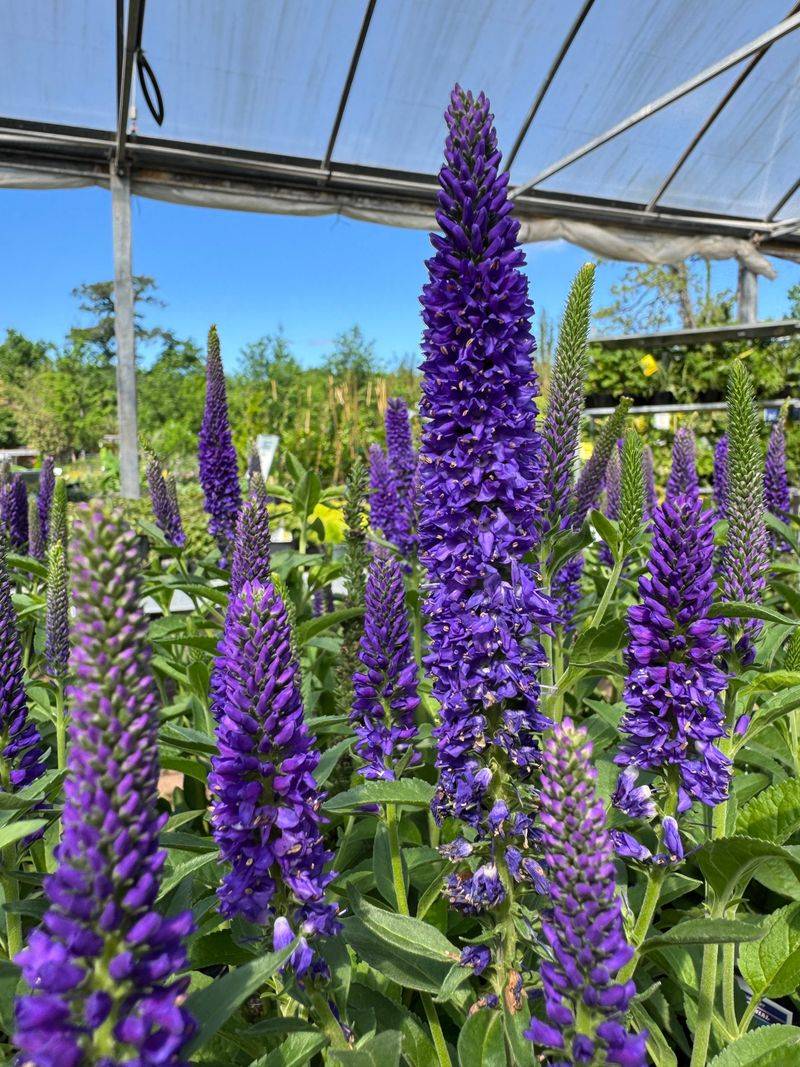
Slender spikes of blue, purple, pink, or white flowers rise like little candles above neat foliage, giving veronica a crisp, vertical charm. It fills into a full, tidy clump fast.
Speedwell makes a fitting finish to this list because it blooms early, blooms long, and bulks up quickly into a dense mound that looks established by its second summer. The upright spikes add welcome structure among rounder plants.
Full sun and average, well-drained soil bring the best show, and once settled it handles heat and dry spells with ease. Bees and butterflies work the flower spikes constantly.
Deadheading spent spikes encourages a strong rebloom and keeps the plant looking fresh through the season. Good air circulation helps prevent the powdery mildew that can occasionally dust the leaves in humid weather.
Removing affected foliage and avoiding overhead watering can reduce that risk. Creeping types spread into flowering groundcover mats, while upright forms stay clumped and polite. For fast, colorful vertical interest that pollinators love and gaps disappear beneath, veronica rounds out any quick-filling perennial bed beautifully.