
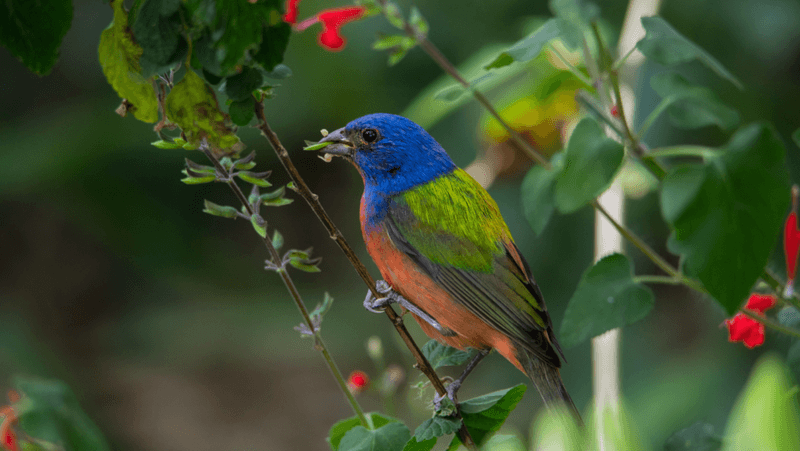
Few birds stop people in their tracks the way a male painted bunting does, with his electric blue head and scarlet chest looking almost too vivid to be real. Florida gardeners have a genuine shot at seeing one, but the trick is not finding a single magic plant to put in the ground. What these birds need is a whole habitat mosaic, and your yard can become part of that picture. This guide walks through how to layer Florida natives in ways that may improve your odds of a visit, while keeping expectations realistic about what any home garden can actually deliver.
Painted buntings need a habitat mosaic, not a magic plant
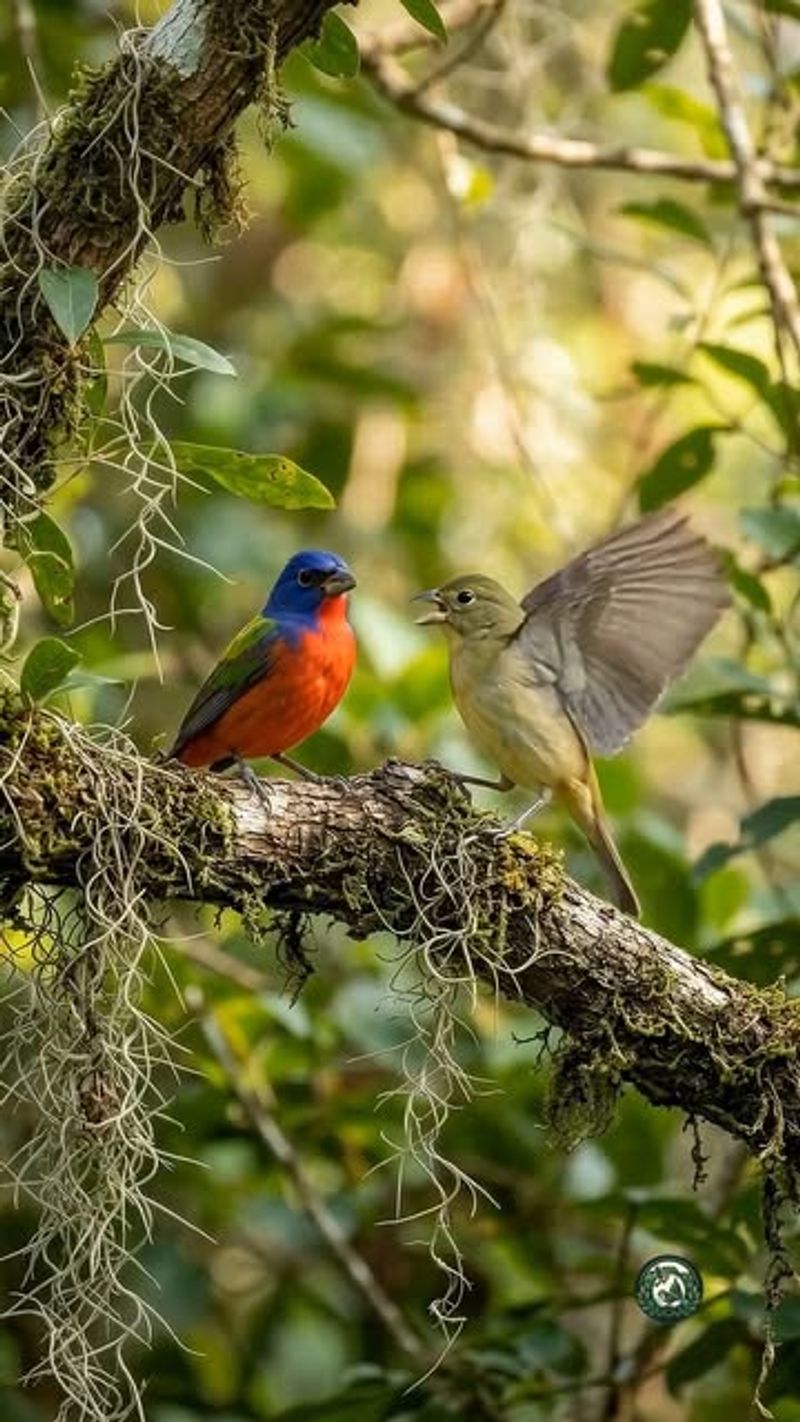
Spend enough time reading about painted buntings and you will start to notice a pattern: no single plant, feeder, or landscaping trick reliably pulls these birds into a yard. What the evidence actually points to is habitat structure. Cornell Lab of Ornithology’s life history profile describes painted buntings using semi-open landscapes that combine dense shrubs, tall grasses, weedy or wildflower patches, and nearby open ground for feeding. That combination, not a single specimen plant, is the foundation worth building toward.
Florida is actually well-positioned for this kind of design. The state supports a breeding population of painted buntings, particularly in coastal and scrubby habitats, and the eastern population winters here as well. That means a well-structured Florida yard has a reasonable seasonal window when birds may be present locally. But the operative phrase is “may be present.” Sightings depend heavily on your location within the state, the surrounding landscape, the time of year, and whether buntings happen to be moving through or residing nearby.
A dense inland suburban neighborhood and an open coastal property with native scrub edges are not equivalent starting points.
Layering your yard into adjacent zones of open or short vegetation, seed-producing grasses and forbs, and low dense cover can make your property more suitable when birds are in the area. That is a meaningful improvement worth pursuing, but it is not a guarantee. Cornell’s overview notes that painted buntings spend considerable time hidden in dense vegetation and that even appropriate habitat may produce few or no sightings in a given season. A visiting bird also tells you something different from a landscape that supports nesting and fledgling survival.
Both outcomes are worth caring about, but they are not the same thing, and the design advice in this guide is aimed squarely at the first goal: making your yard a more plausible stop.
Match every layer to your Florida site
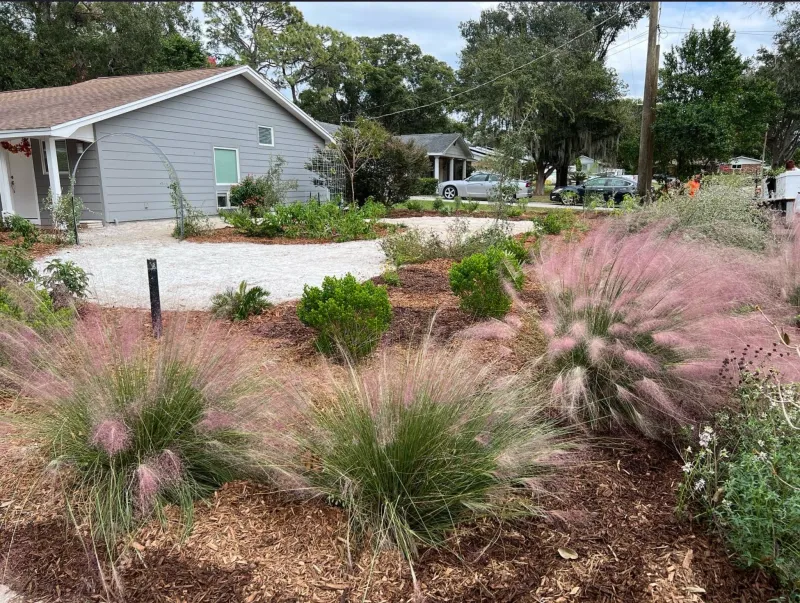
Before choosing a single plant, spend some time reading your yard. Florida’s diversity of soils, moisture levels, and exposures means that a native plant thriving in one county may struggle badly in another. Walk the property during and after a heavy rain and note where water pools, where it drains fast, and where the soil stays consistently dry. Check how much direct sun each area receives through the day, and consider whether you are close enough to the coast to deal with salt spray or occasional flooding.
Those observations will shape every plant decision you make.
UF/IFAS stresses the “right plant, right place” principle for good reason: a Florida native planted in unsuitable light, drainage, or moisture conditions can still fail or demand as much irrigation and care as a non-native would. The native label is not a shortcut around site assessment. Plants matched to your actual conditions may reduce long-term maintenance compared to forcing the wrong species into the wrong spot, but the habitat design as a whole still requires ongoing attention, especially in the early years while plants establish.
Structure your planting in three broad layers regardless of which specific species you choose: a low groundcover or herbaceous layer close to the soil, a mid-height layer of grasses or forbs that produce seed, and a taller shrub layer that provides dense cover. Keep those layers adjacent to some open or lightly vegetated ground rather than filling every square foot. Before purchasing any plant, check UF/IFAS guidance on non-native species to confirm the plant has not been flagged as invasive in Florida’s natural areas. An invasive species does not become acceptable just because a nursery tag says it feeds birds.
Keep an open feeding patch beside the cover
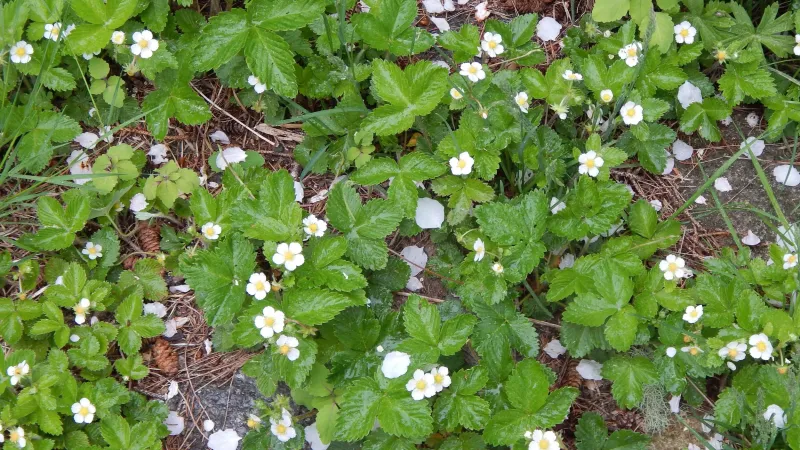
Ground foraging is central to how painted buntings feed. Cornell’s life history documentation consistently places these birds at or near ground level, picking through short vegetation and open patches for seeds and invertebrates. That behavior has a direct design implication: if every part of your yard is packed with dense plantings or blanketed in thick mulch, a visiting bunting has fewer places to work.
The goal is contrast, not bare dirt. An open or lightly vegetated patch positioned next to your taller grasses and shrub layer gives birds the foraging access they are looking for while keeping protective cover within a short flight. Think of it as a small clearing rather than a bare-soil zone. Short native groundcovers, a patch of low-growing native sedge, or simply an area where you allow a thin stand of volunteer seed-producing plants to grow low can all serve this function without looking neglected.
What this section is not recommending is scattering seed across the ground as a substitute for habitat. Piling seed on bare soil concentrates birds in an unnatural way, attracts rodents and raccoons, and creates sanitation problems that are genuinely difficult to manage in Florida’s warm, humid climate. The open patch concept is about accessible foraging structure, a place where birds can move and feed naturally, not a feeding station on the ground. If supplemental seed becomes part of your plan, that belongs in a properly maintained feeder, which gets its own discussion later in this guide.
The open foraging area is a habitat feature, not a feeding station.
Build low, dense cover where buntings can disappear
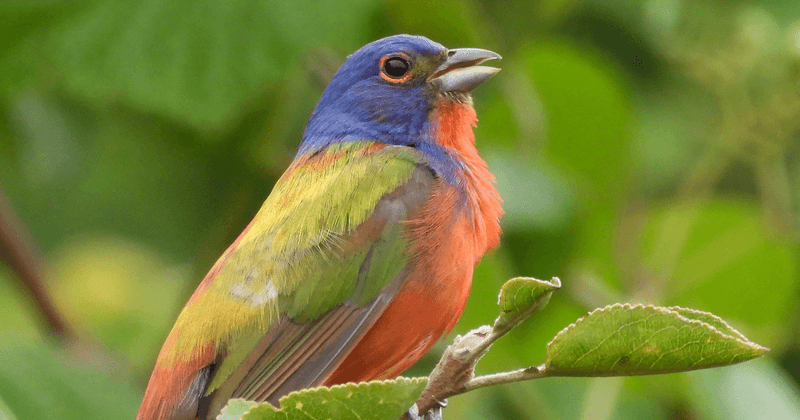
Painted buntings are not bold birds. They tend to work the edges of dense vegetation, duck into cover at the first sign of disturbance, and nest in spots where foliage closes in tightly around them. Cornell’s life history profile notes that nests are often placed 3 to 6 feet above ground in dense foliage, with accessible open feeding areas nearby. That pairing of dense cover and adjacent open space is the structural core of a bunting-friendly yard.
In practical terms, a cover layer means low to mid-height native shrubs planted closely enough to create a genuine thicket rather than an ornamental row with gaps between specimens. The shrubs do not need to be enormous. A planting that reaches head height and fills in solidly at the base gives birds the shelter they are looking for. Position this cover layer along a fence line, property edge, or the back of a bed, with the open foraging patch in front or beside it rather than buried behind it.
Cornell’s overview specifically observes that painted buntings are more likely to visit feeders in yards where low, dense vegetation is available. That connection between cover and feeder use reinforces why the habitat structure comes first. A feeder placed in an exposed, open yard with no nearby thicket is a less inviting proposition than one positioned close to dense native shrubs. Dense cover is useful shelter and potentially suitable structure for these birds, but presenting it as proof that nesting will follow would overstate what a home garden can promise.
Suitable structure and confirmed nesting success are two different things.
Let grasses and forbs become part of the food supply
Seeds make up the bulk of a painted bunting’s diet across most of the year. Cornell’s documented diet list includes seeds from grasses, pigweed, wood sorrel, spurge, sedges, dock, and other herbaceous plants. That range tells you something important about how to manage your yard: a routine that mows everything to the ground on a tight schedule or deadheads every plant before it sets seed is working against the habitat you are trying to build.
Letting selected non-invasive grasses and forbs mature through their seed-producing stage is a reasonable habitat-management approach based on what these birds eat. That is not the same as abandoning yard care entirely. The practical step is to identify which volunteer plants are native or benign and which are invasive, then manage accordingly. UF/IFAS recommends checking plants against Florida’s invasive-plant assessment before deciding to keep or remove them.
A plant that produces seed is not automatically worth keeping if it is spreading aggressively into natural areas.
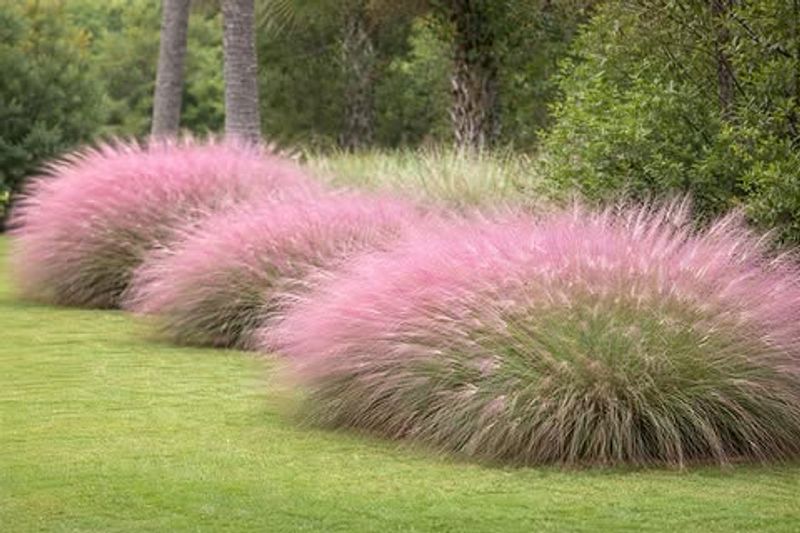
Florida native grasses can anchor the seed-producing layer of your design. UF/IFAS Gardening Solutions identifies muhly grass as a Florida native occurring in flatwoods, sandhills, and prairies that works well as a landscape plant in suitable conditions. Muhly grass is a reasonable structural choice for the mid-height layer of a Florida native planting, but UF/IFAS does not establish it as a proven painted-bunting attractant. Use it where your site conditions support it, not because it carries a guarantee.
Other native grasses worth exploring for appropriate Florida sites include those suited to your specific soil and moisture conditions, whether that is a well-drained sandhill setting or a yard that holds more moisture. Pair grasses with native forbs that also mature and set seed. UF/IFAS lists a range of native plants with general value for birds, and while none of those listings prove painted-bunting preference for a specific species, they support building a yard with varied seed sources across different seasons.
A seed-friendly yard must also support insects
A yard designed entirely around seed production misses a critical piece of the picture. During breeding season, painted buntings shift their diet significantly toward animal protein. Cornell’s life history profile documents that buntings consume grasshoppers, beetles, caterpillars, bugs, spiders, snails, wasps, and flies, and they feed invertebrates to nestlings as well. A yard that offers seeds but supports little insect life may be less useful during the months when breeding activity is highest.
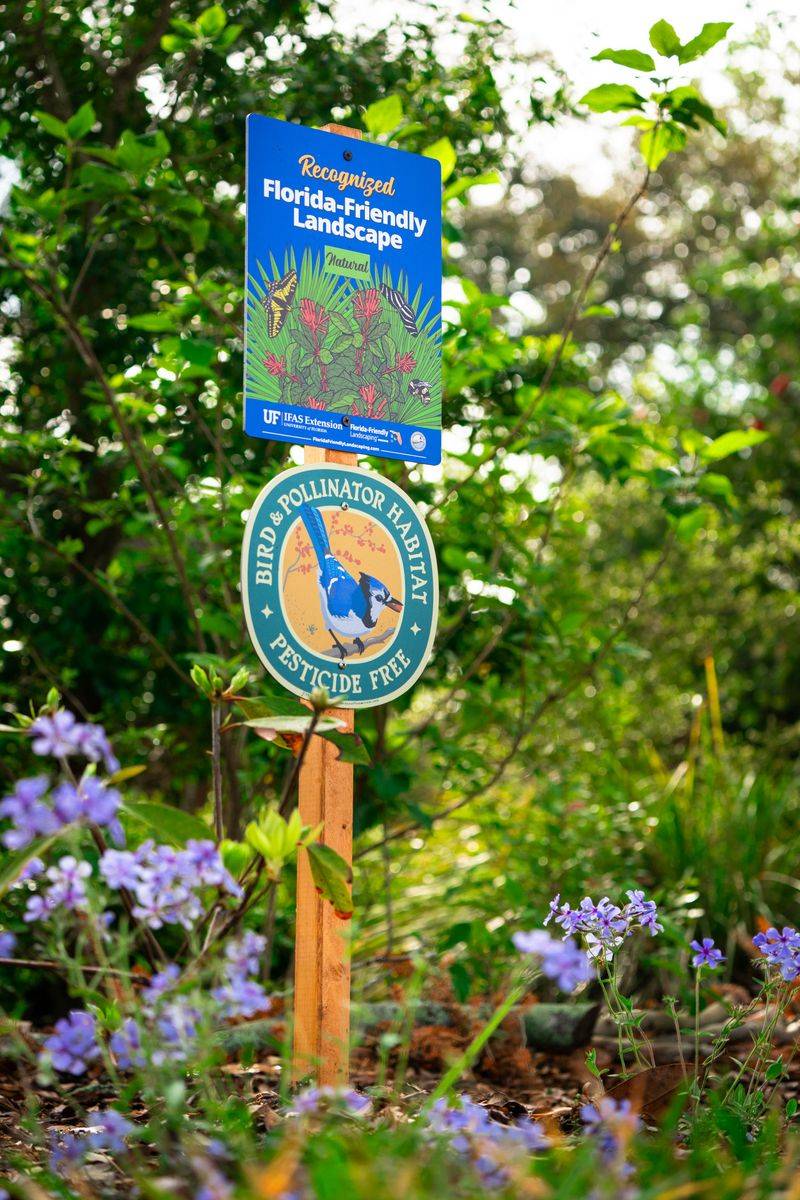
The most straightforward way to support insects in a Florida yard is to grow diverse native vegetation and reduce routine broad-spectrum pesticide applications in the habitat area. Plants treated with systemic insecticides can carry those compounds into their tissue long after purchase, which is why UF/IFAS pollinator guidance recommends buying plants that have not been treated with systemic insecticides. When you are building a habitat layer intended to support insect life for birds as well as pollinators, that purchasing consideration matters.
Reducing pesticide pressure does not mean abandoning pest management entirely. UF/IFAS guidance on Florida-Friendly Landscaping supports responsible pest control as part of a well-managed yard. The practical adjustment for a habitat area is to avoid blanket spraying on a calendar schedule and to use targeted approaches when a genuine problem arises. The sources do not establish that pesticide use is the specific reason painted buntings disappear from Florida yards, so framing it that way would overstate the case.
What is accurate is that a yard with more insect life offers more of what breeding buntings need, and responsible pest management is one part of getting there.
Use water and feeders without creating wildlife conflicts
Clean water is one of the most consistently useful additions to a Florida wildlife yard. UF/IFAS Extension describes birdbaths as important water sources in wildlife-friendly Florida landscapes. A shallow bath refreshed and scrubbed every few days is more valuable than a deeper one left to sit. Florida’s heat accelerates bacterial growth and algae, so regular cleaning is not optional.
A simple routine of emptying, rinsing, and refilling every two to three days keeps the water safe and reduces mosquito breeding.
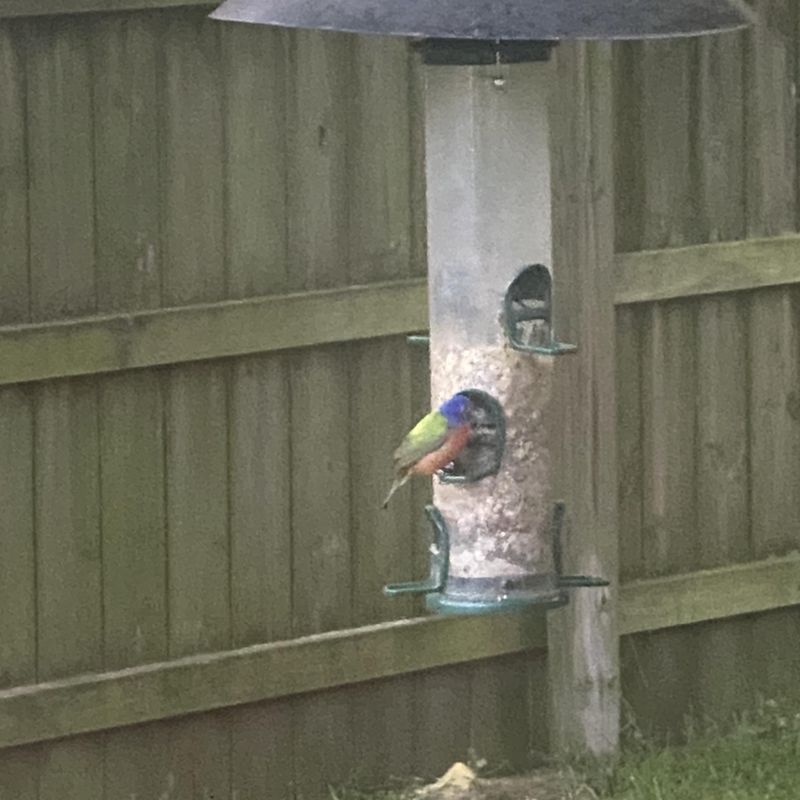
Feeders are a finishing touch, not the foundation. Cornell notes that painted buntings may visit feeders, particularly after breeding season, and white millet is the seed most commonly associated with their feeder use. But a feeder placed in a structurally bare yard is far less likely to attract a visit than one positioned near the layered habitat you have already built. Fill feeders with modest quantities so seed does not sit long enough to mold, and place them where spilled seed can be managed rather than accumulating on the ground.
Audubon’s feeder sanitation guidance recommends cleaning feeders roughly every two weeks under normal conditions and more frequently if you notice sick birds or wet weather accelerates spoilage. A 10% bleach solution works well for scrubbing feeders and baths. Rinse thoroughly and allow to dry before refilling.
Florida Fish and Wildlife Conservation Commission warns that feeding stations can concentrate wildlife, increase competition, create disease risks, and draw in raccoons, rodents, and other animals that create their own conflicts. Keep feeders secured and consider bringing them in at night if raccoon activity is high in your area. Never scatter large quantities of seed on the ground. If sick or dead birds appear near your yard, do not handle them unnecessarily.
FWC’s current wildlife health guidance recommends avoiding contact, removing feeders temporarily if disease is suspected, and reporting affected birds through appropriate wildlife health channels. Disease guidance can change, so check FWC directly for the most current recommendations.
Judge the project by habitat quality, not a guaranteed sighting
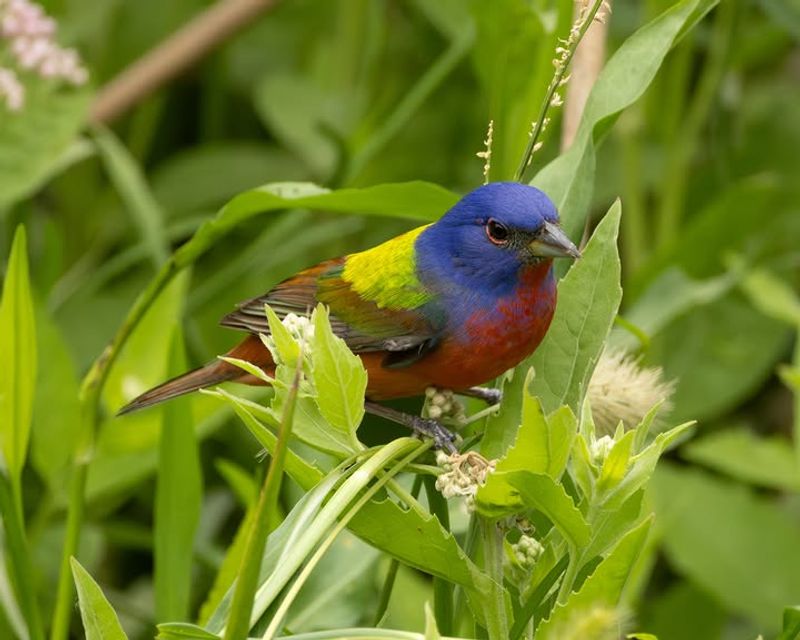
Once your layered design is in place, resist the urge to score it purely by whether a painted bunting shows up. Painted buntings are secretive birds that can occupy suitable habitat without ever offering a clear view, and an entire season can pass without a confirmed sighting even in a well-designed yard. Geography and local bird presence are factors you cannot control from your garden bed.
A more useful evaluation looks at the habitat itself. Ask whether your yard has functioning dense cover adjacent to accessible foraging space, whether seed-producing grasses and forbs are completing their seasonal cycle, whether insect life is visible in the vegetation, and whether water is clean and reliably available. Cornell’s overview reinforces that even well-suited habitat may go unvisited in a given season. A lack of sightings does not automatically mean the design failed, just as a single visit does not prove the yard is providing complete breeding habitat or contributing meaningfully to population conservation.
Layered structure, not any single Florida native, is what gives these birds more reasons to use your yard when they happen to be nearby. A mosaic of cover, open foraging space, seed, insects, and water is the closest thing to a reliable invitation that any home garden can honestly offer.