
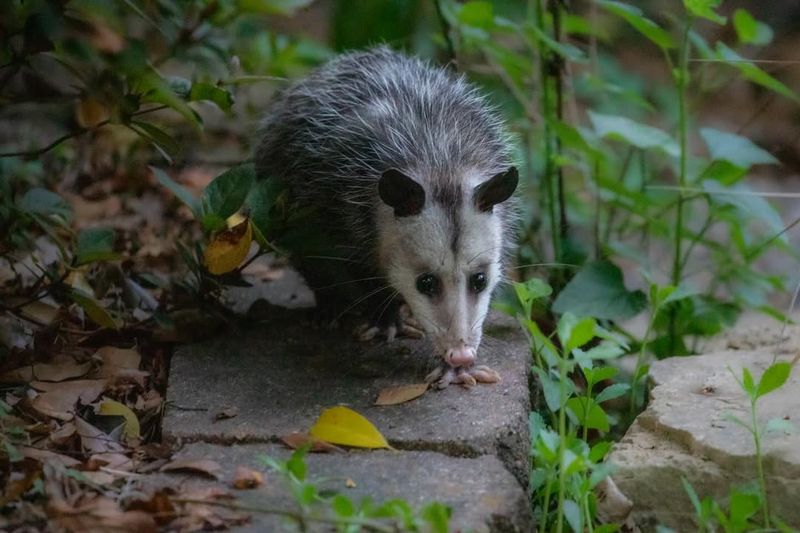
If you have spotted a slow-moving, gray critter shuffling across your Florida yard after dark, chances are you have met an opossum. These nighttime visitors look strange, but they are one of the most helpful and harmless animals in the neighborhood. Instead of panicking or trying to chase it off, there are calm and simple things you can do to live peacefully alongside your new backyard guest. Here are ten easygoing steps that keep both you and the opossum comfortable while your garden stays healthy.
1. Take a Breath and Remember They Are Harmless
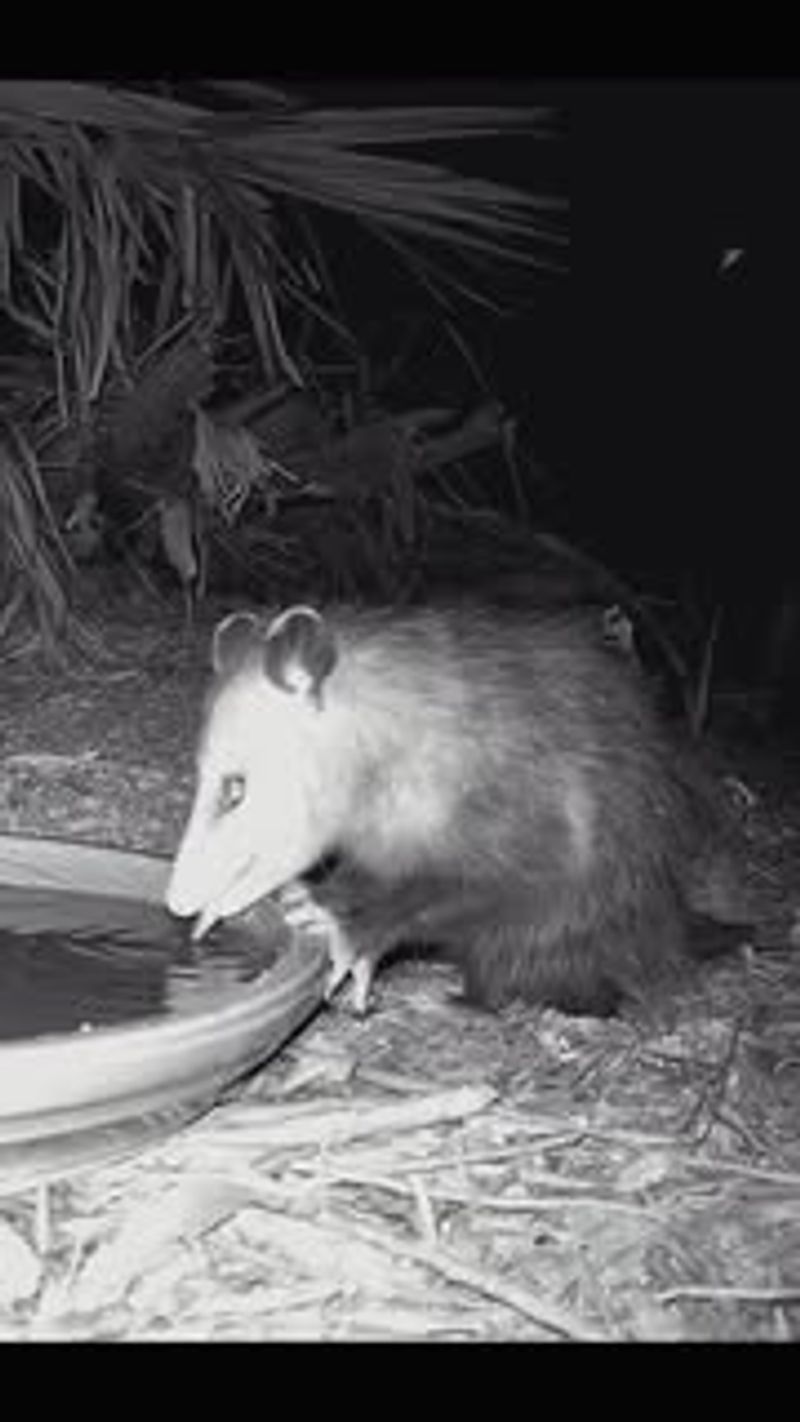
The first thing to know might surprise you: opossums are one of the gentlest wild animals you will ever share a yard with. Despite the pointy teeth and the hiss, they would much rather waddle away than pick a fight with anyone.
Florida is home to the Virginia opossum, the only marsupial in North America, and it plays dead when it feels truly cornered. That dramatic act, called playing possum, is a stress response, not aggression. Give the animal space and it will almost always move along on its own.
Fun fact: opossums have a body temperature too low to easily carry rabies, so the odds of a rabid opossum in your yard are extremely slim. Understanding this alone can turn a scary encounter into a calm one. Once you relax, you can watch this quiet visitor go about its nightly business without worry.
2. Let Them Eat the Pests You Hate
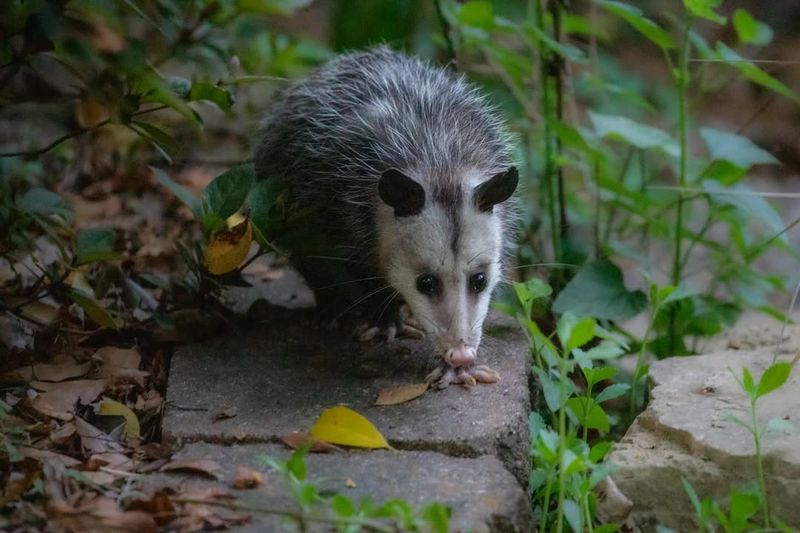
Here is a reason to actually cheer for your new visitor. A single opossum can eat thousands of ticks in one season, along with cockroaches, slugs, snails, and even venomous snakes that wander into Florida yards.
Florida gardeners fight pests all year long, and this animal works the night shift for free. While you sleep, it patrols garden beds and mulch piles, cleaning up the very bugs that chew your plants and spread disease.
Rather than viewing the opossum as a nuisance, think of it as a low-effort pest-control partner. Letting nature do some of the dirty work means fewer chemicals and less time hunched over your vegetables picking off slugs. It is the kind of set-and-forget help that fits perfectly with a low-maintenance Florida garden.
3. Secure Your Trash Cans and Compost
Most opossums show up for one simple reason: there is an easy meal somewhere. Loose garbage lids and open compost bins are basically a dinner bell ringing across the neighborhood.
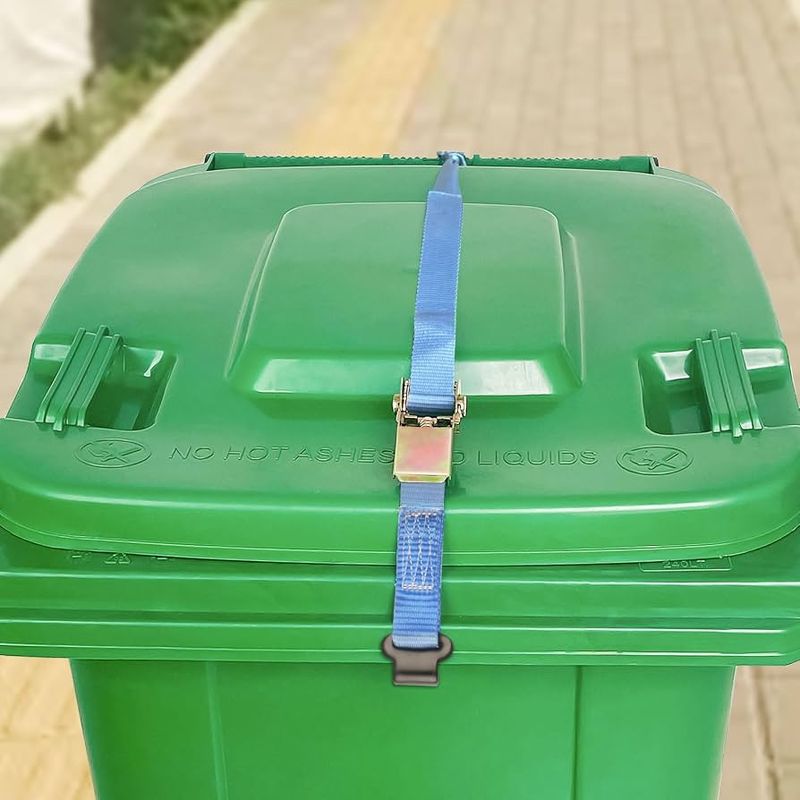
Snap tight-fitting lids onto your trash cans, and use bungee cords or clamps if raccoons and opossums keep prying them open. For compost, stick to a closed bin and skip tossing in meat, dairy, or greasy scraps that send out strong smells.
Once the free buffet disappears, the nightly rounds often slow down all on their own. You are not harming the animal at all, just gently encouraging it to forage naturally instead of raiding your bins. In Florida’s warm climate, sealed containers also cut down on the smell that draws ants, flies, and other unwanted guests.
4. Feed Your Pets Indoors
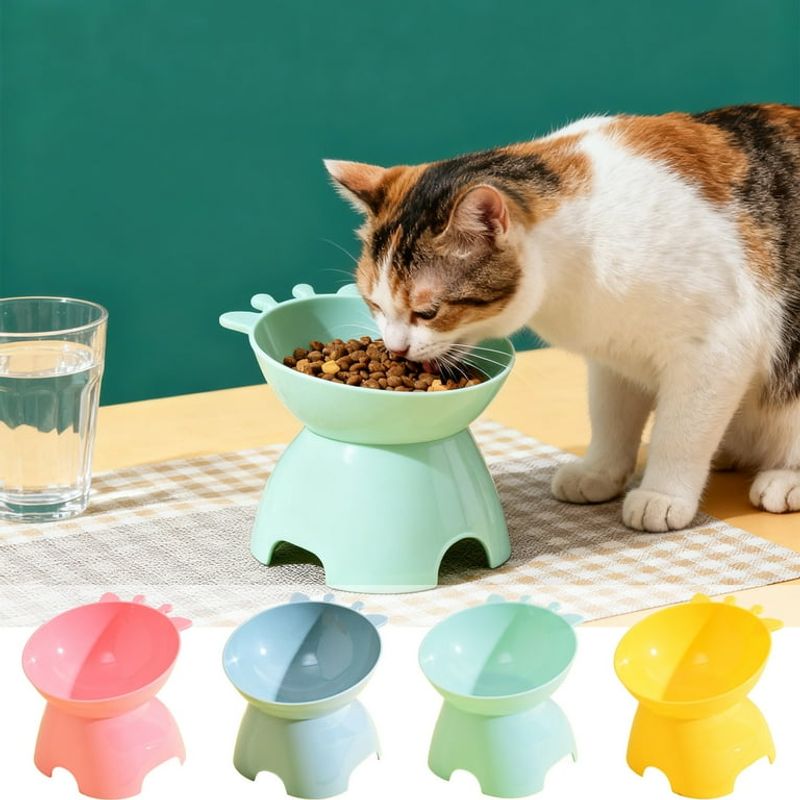
Ever left a bowl of cat food on the porch overnight? To a hungry opossum, that is an open invitation with a neon sign attached.
Bringing pet food inside after each meal is one of the easiest fixes on this list. Outdoor bowls, especially in the mild Florida evenings, attract not just opossums but stray cats and raccoons too.
Feed your dogs and cats indoors, or at least gather up their dishes before sunset when opossums begin to stir. Water bowls are fine to leave out, but anything with calories should come in. Removing that reliable food source often breaks the habit fast, and your pets will not have to compete with a masked-faced marsupial at their own dinner table.
5. Pick Up Fallen Fruit and Fill In Hiding Spots
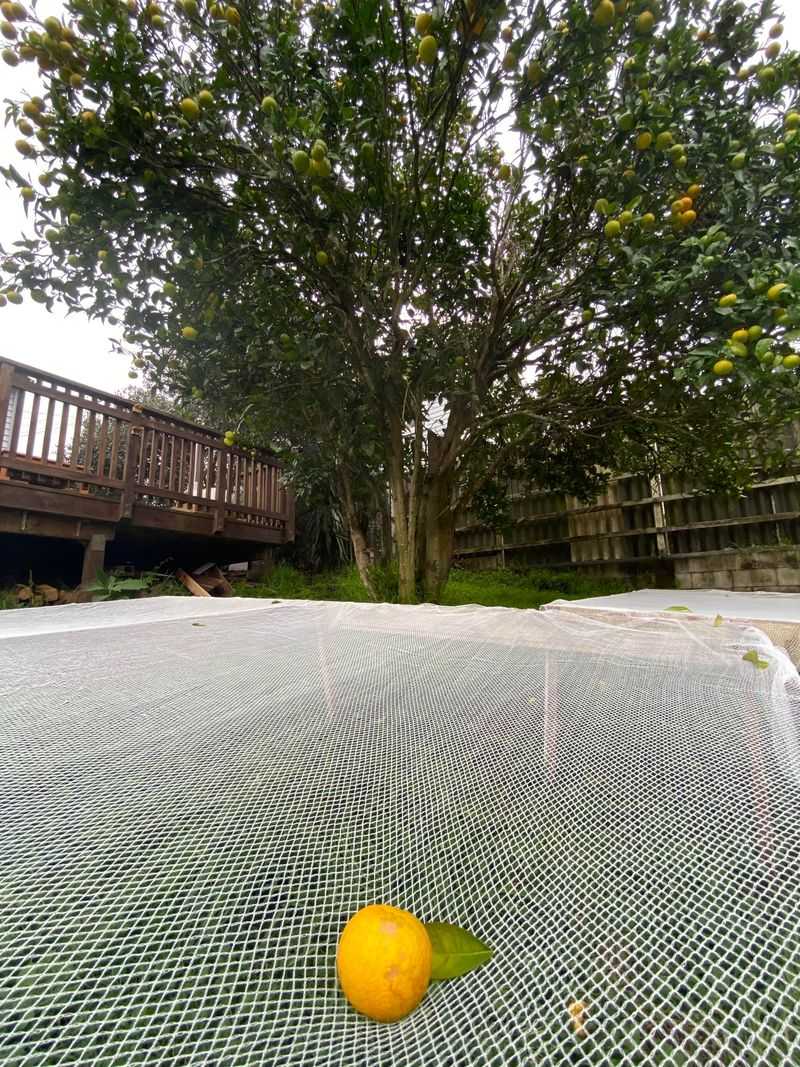
Florida yards are famous for their citrus, mangoes, loquats, and other fruit trees, and opossums love a sweet snack as much as we do. Fallen fruit rotting in the grass is a magnet for late-night foragers.
Make a habit of gathering dropped fruit every couple of days, especially during harvest season. While you are out there, take a look at cozy hiding places like brush piles, stacked wood, and gaps under sheds or decks.
Clearing clutter and sealing off dark den spots makes your yard far less inviting for an animal looking to settle in. You do not need to strip your landscape bare, just tidy the obvious spots. A cleaner yard also helps with Florida’s rats and roaches, so the payoff stretches well beyond opossums.
6. Add Motion-Activated Lights or Sprinklers
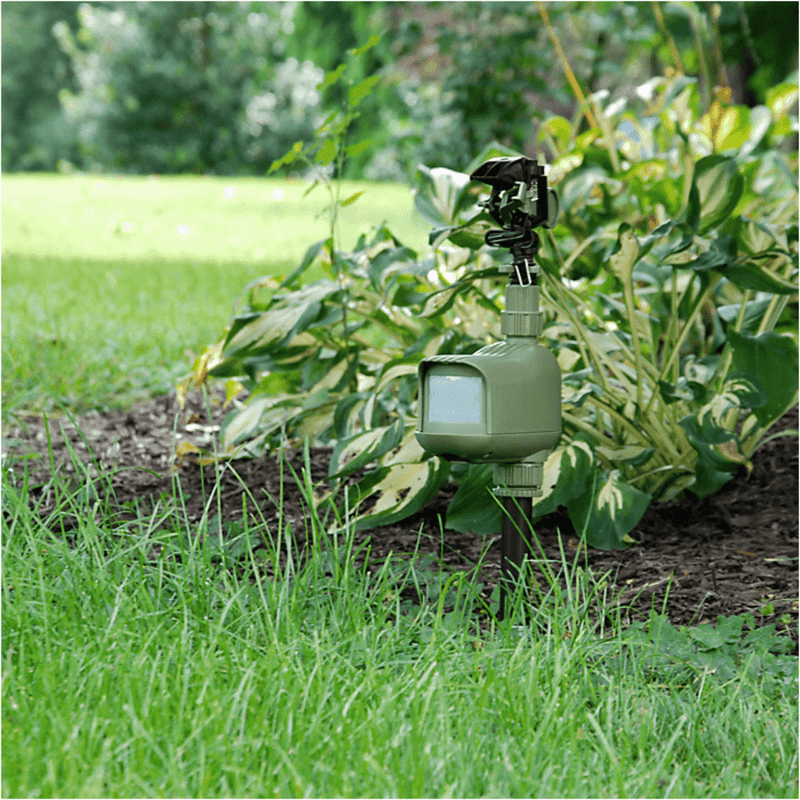
Opossums prefer to move under the cover of darkness, so a sudden burst of light or water can politely encourage them to take their rounds elsewhere. Motion-activated devices are a humane way to say the yard is occupied.
Solar-powered motion lights work great in sunny Florida and need almost no upkeep once installed. Motion-activated sprinklers add a harmless splash of surprise that most critters quickly learn to avoid.
Because these gadgets only trigger when something moves, they will not run all night or spike your power bill. Position them near garden beds, trash areas, or wherever the opossum likes to wander. The goal is not to scare the animal senseless but to gently nudge it toward a different route without ever laying a hand on it.
7. Protect Your Chickens and Small Animals
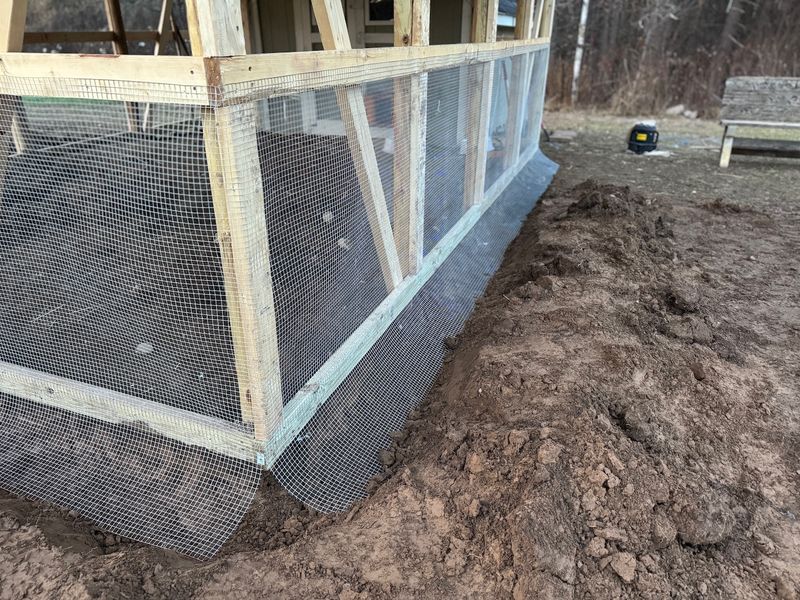
Folks with backyard chickens have a fair reason to keep opossums at arm’s length, since these visitors will happily snatch eggs and, rarely, a small chick. A little coop security goes a long way.
Reinforce your coop with hardware cloth instead of flimsy chicken wire, which opossums can tear or reach through. Bury the mesh a few inches into Florida’s sandy soil so nothing can dig underneath, and lock the doors each night.
Collect eggs regularly so there is no easy prize waiting in the dark. When your flock is safely tucked away behind sturdy fencing, the opossum loses interest and moves on to easier meals. Protecting your animals this way keeps everyone safe without harming the wildlife just doing what comes naturally.
8. Never Corner or Handle Them Directly
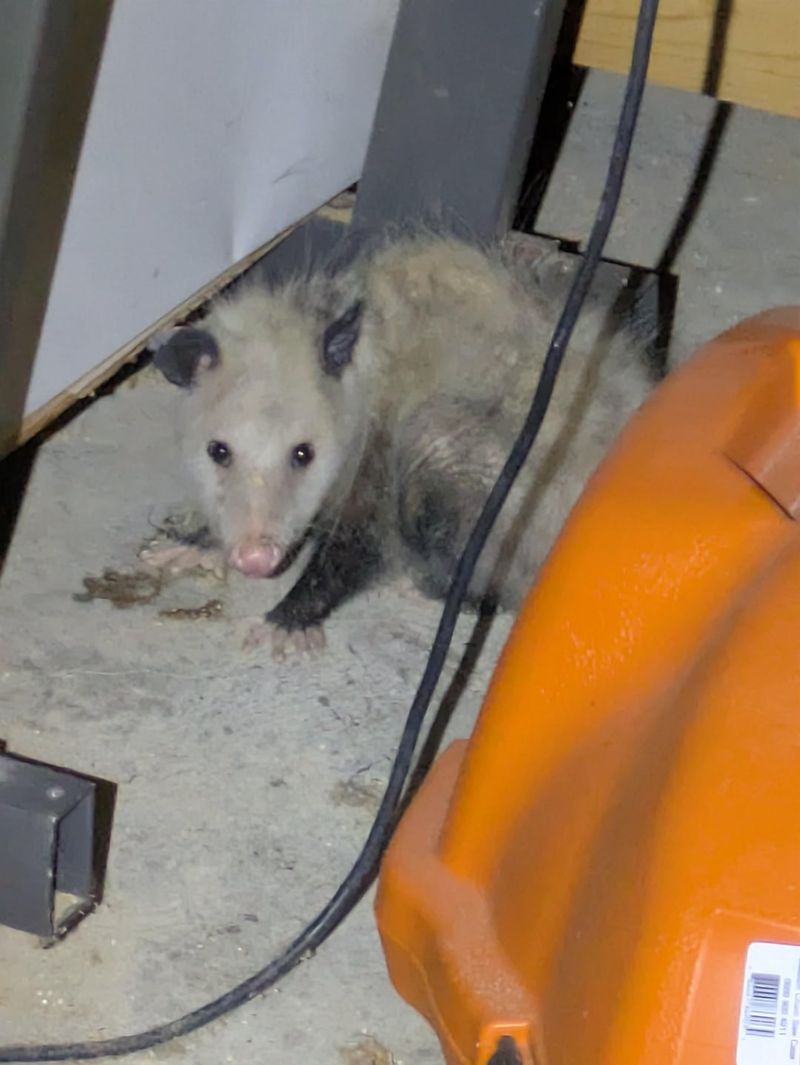
Even the calmest animal will defend itself if it feels trapped, and an opossum is no different. Trying to grab, chase, or corner one is the fastest way to turn a peaceful visit stressful for both of you.
Give the opossum a clear escape path and let it leave on its own terms. If one wanders into your garage or lanai, open a door, dim the lights, and simply wait; it will usually shuffle out once the coast looks clear.
Keep pets and curious kids at a safe distance during the encounter. Handling any wild animal barehanded is never wise, so resist the urge to help physically. Patience almost always wins here, and the animal will thank you by disappearing into the night without any drama.
9. Try Gentle, Natural Deterrents
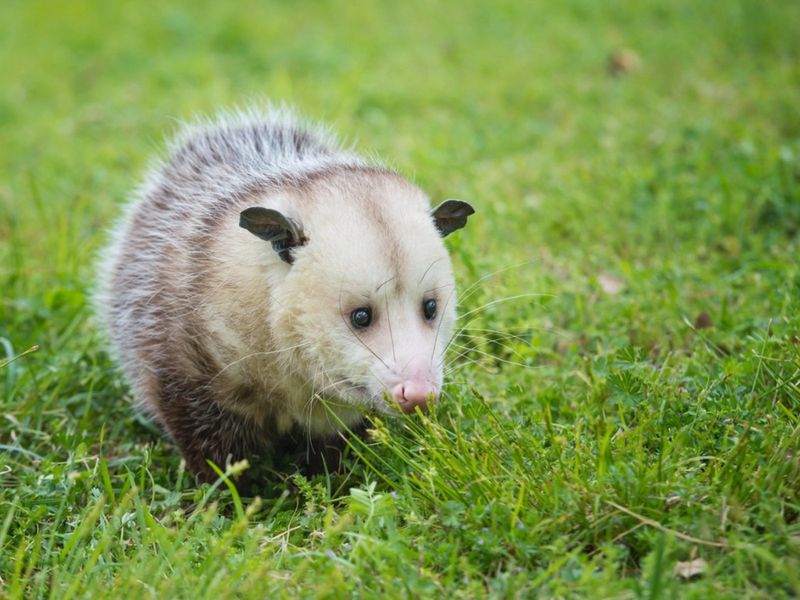
Prefer to keep the opossum roaming a bit further from your patio? A few natural scents may help nudge them along without any harm at all.
Opossums have a keen sense of smell, so sprinkling things like garlic, ammonia-soaked rags in a sealed container with holes, or a splash of vinegar near problem spots can make an area less appealing. Some Florida gardeners also plant strong-smelling herbs like mint around beds they want left alone.
Keep in mind these tricks can reduce visits but rarely work like magic, and Florida’s frequent rain washes them away quickly. Reapply after storms and pair them with the tidier-yard tips for the best results. The idea is a friendly hint, not a full eviction notice, so the animal still has plenty of natural places to go.
10. Call a Licensed Wildlife Professional If Needed
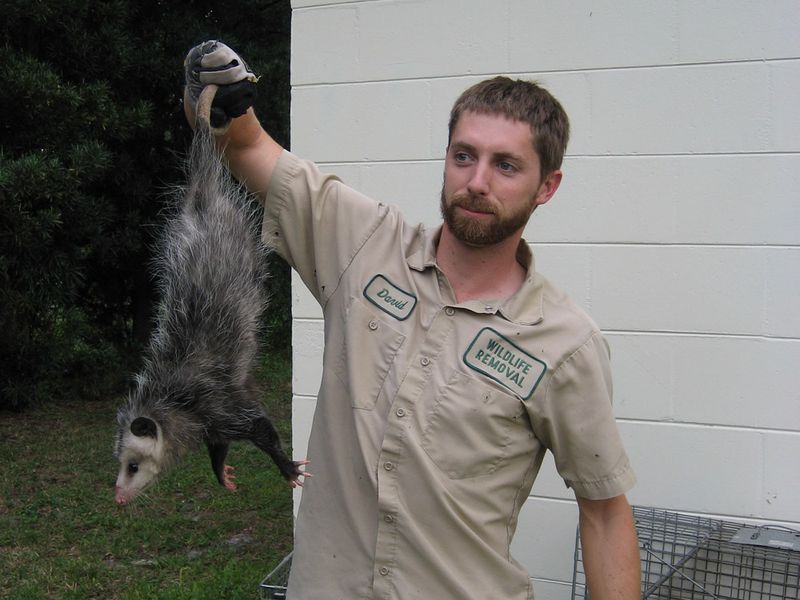
Sometimes the calmest choice is simply asking for expert help, especially if an opossum sets up a den under your house or shows signs of injury or illness. Florida has rules about wildlife, so it pays to do this the right way.
Reach out to a licensed wildlife trapper or a local rehabber rather than trying to relocate the animal yourself, since moving wildlife can be illegal and stressful for the creature. For guidance, the Florida Fish and Wildlife Conservation Commission and UF-IFAS Extension offices offer trustworthy, region-specific advice.
Professionals know how to handle nursing mothers, babies, and stuck animals safely and humanely. Leaning on their experience saves you worry and keeps you on the right side of Florida law. When in doubt, one phone call turns a stressful situation into a solved one, and your quiet backyard visitor gets the care it deserves.