
Florida summers can cook a garden alive, and most veggies from the grocery store seed rack give up long before July ends. The good news is that Florida has its own lineup of native and naturalized edibles that shrug off the heat, sip from sandy soil, and keep feeding you without a hose glued to your hand. These plants evolved right here, so they already know how to handle the sun, the storms, and the bugs. Here are nine dependable food plants that stay productive when everything else in the yard is begging for shade.
1. Seminole Pumpkin
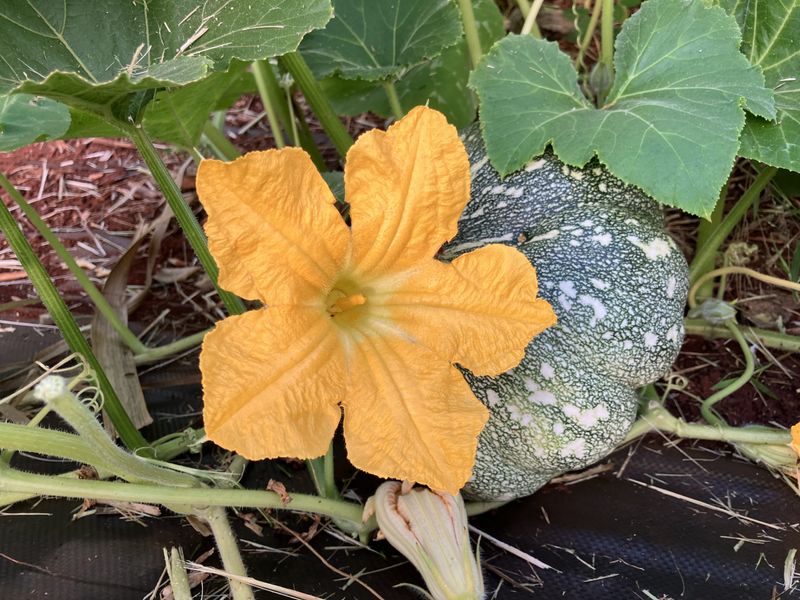
Long before supermarkets existed, the Seminole and Miccosukee peoples grew this vining squash across the Everglades, letting it climb trees and sprawl over the ground. That heritage shows in how little fuss it needs today.
The vines love Florida’s brutal July sun and actually resent too much pampering. Once the roots grab hold in sandy soil, the plant keeps setting tan, pumpkin-like fruits through the hottest stretch of the year with only occasional rain to keep it going. UF-IFAS has long praised it as one of the most reliable squashes for the state precisely because it resists the vine borers and mildew that flatten other varieties.
You can harvest the fruits young like summer squash or let them cure for months of pantry storage. The nutty flesh works in soups, pies, and roasted sides. Give it a fence or an old tree to ramble up, and it rewards you with more food than one family can usually eat.
2. Everglades Tomato
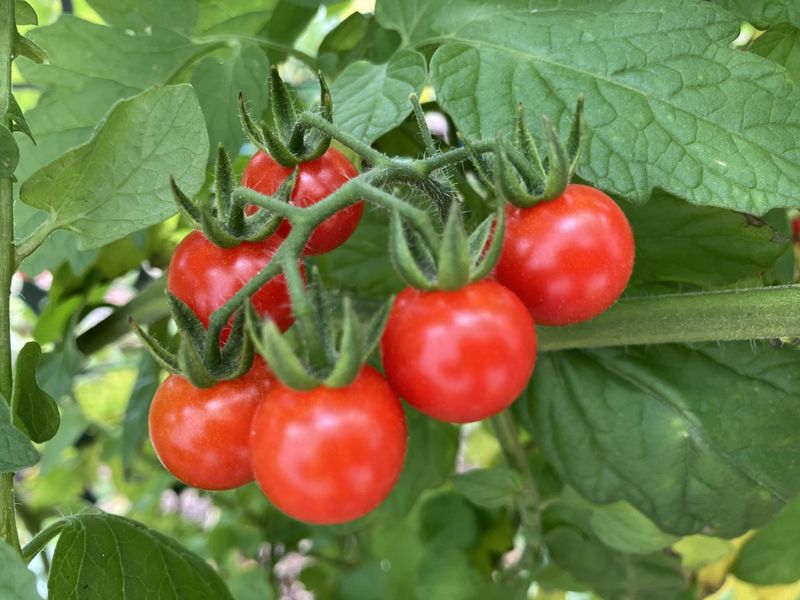
Most tomatoes throw in the towel when Florida nights stay muggy and warm, but this tiny wild tomato treats those conditions like a party invitation. The pea-sized fruits come from a plant that has naturalized in South Florida’s wildest corners.
What sets it apart is its stubborn refusal to quit. While hybrid slicers drop their flowers in the heat and fall to fungal diseases in humid soil, the Everglades tomato keeps flowering and fruiting straight through summer. It reseeds itself so freely that once you plant it, you may never need to plant it again.
The flavor punches way above the fruit’s size, sweet and intensely tomatoey, perfect for tossing whole into salads or roasting by the handful. It handles sandy soil and skipped waterings without sulking, making it a rare tomato you can genuinely set and mostly forget during the worst months.
3. Chaya (Tree Spinach)
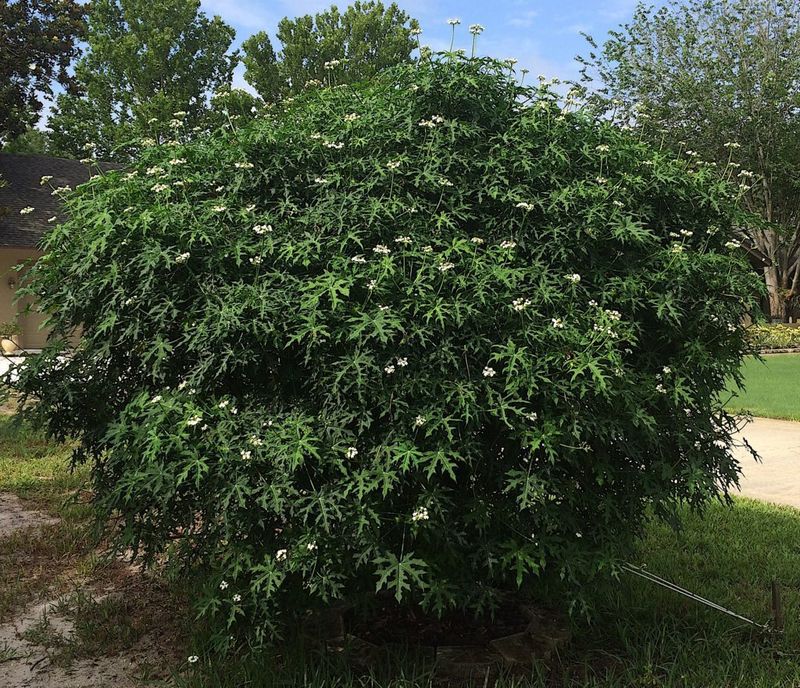
Imagine a leafy green that grows into a shrub taller than you and barely notices when the rain stops. Chaya, sometimes called tree spinach, does exactly that across the warmer half of Florida.
A single established plant can hand you fresh greens week after week through the peak of summer, when actual spinach would bolt and die in days. Its thick leaves are packed with protein, iron, and calcium, and the plant almost never gets bothered by pests. Because it grows woody and deep-rooted, it pulls moisture from far below the surface and coasts through dry spells that would wilt a tender crop.
One important note: the raw leaves contain compounds that must be cooked off, so always boil chaya for at least a few minutes before eating. Treat it like collards or spinach in soups, stir-fries, and egg dishes. Propagate it from a simple cutting stuck in the ground, and you have a nearly permanent green machine.
4. Prickly Pear Cactus
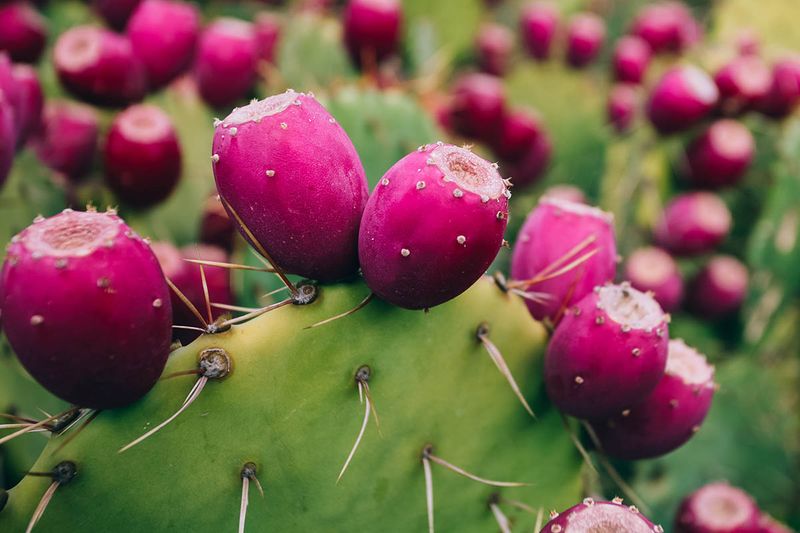
Here is a native that practically dares the drought to do its worst. The prickly pear, found growing wild in Florida’s scrub and coastal dunes, stores water in its flat green pads and asks for essentially nothing in return.
Two harvests come from one plant. The young pads, called nopales, get grilled or sauteed like a vegetable, while the reddish-purple fruits, known as tunas, make a sweet snack, jelly, or juice. Both parts thrive in the pure sand that starves other crops, and the cactus stands up to salt spray, wind, and weeks without a drop of irrigation.
Fun fact: the bright fruit was used for centuries as a natural dye across the Americas. Just wear thick gloves when handling it, because the tiny hair-like glochids are far more annoying than the big spines. Once planted, it may outlive the gardener who put it in the ground.
5. Longevity Spinach (Gynura)
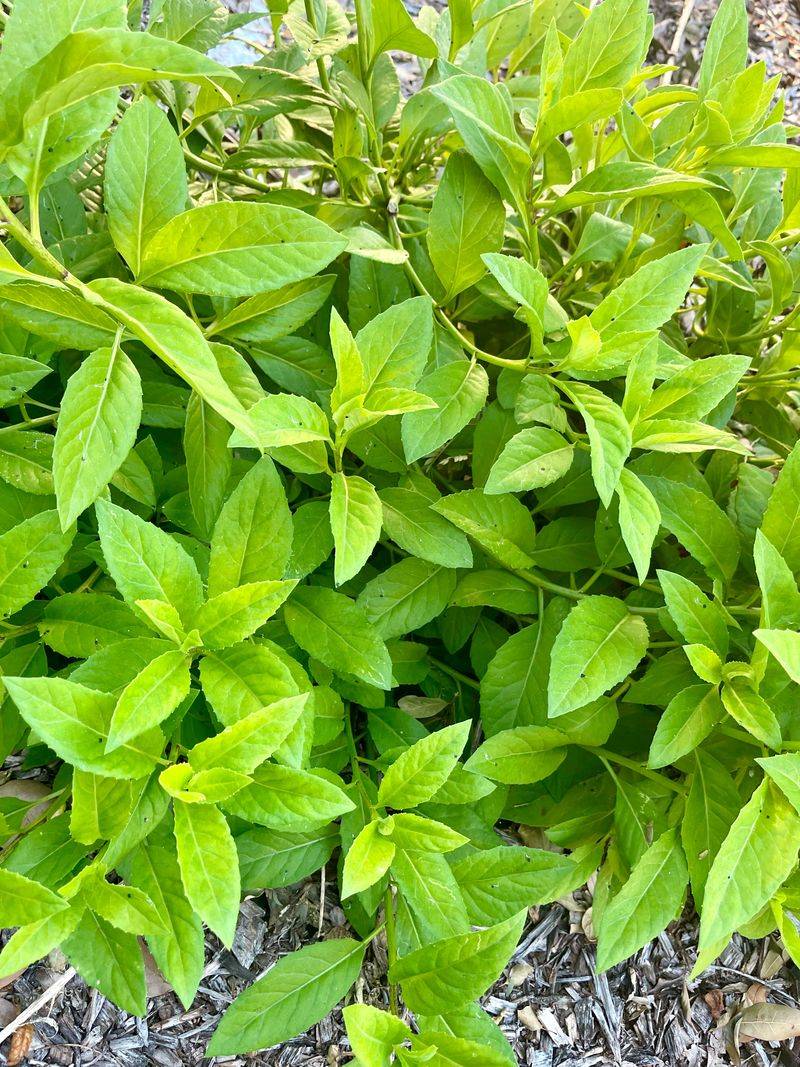
Some plants seem determined to grow no matter what you do to them, and longevity spinach is the poster child. Snap off a stem, poke it in the dirt, and within weeks you have a fresh sprawling green ready to harvest.
The succulent-textured leaves handle Florida’s heat and humidity without missing a beat, staying tender and mild when lettuce and true spinach have long since bolted. It tolerates part shade, sandy soil, and irregular watering, which makes it forgiving for busy or forgetful gardeners.
Eaten raw or lightly cooked, the leaves have a slightly gelatinous, crunchy bite that works well in salads, smoothies, and stir-fries. Because it roots so easily, one plant quickly becomes a patch, and a patch keeps producing month after month with almost zero effort. It is the definition of a low-maintenance summer green for the Florida yard.
6. Muscadine Grape
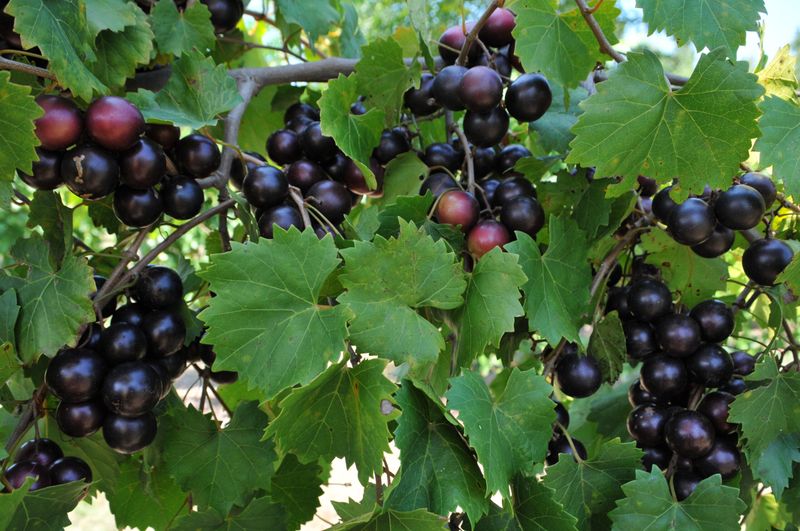
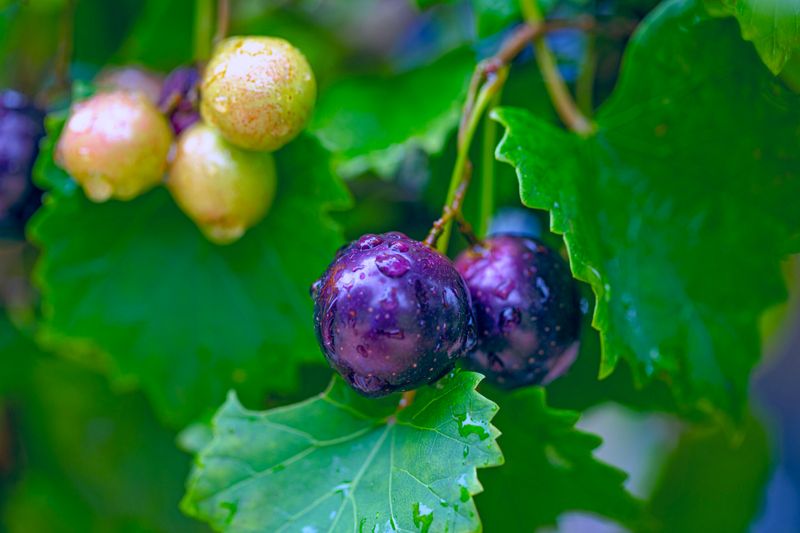
Wild vines heavy with fat, musky grapes have draped Florida woodlands for thousands of years, and the muscadine is the reason. This is the grape built for the Deep South, immune to the diseases and pests that destroy the fancy wine grapes from cooler climates.
Come late summer, an established muscadine vine loads up with thick-skinned bronze or dark purple fruit while barely sipping water. The deep root system taps moisture well below Florida’s fast-draining sand, so the vine keeps its leaves green and its clusters swelling through the driest, hottest weeks.
Eat the grapes fresh, or turn them into jelly, juice, and the legendary Southern muscadine wine. UF-IFAS breeders have developed dozens of varieties suited to the state, so there is a muscadine for nearly every yard. Set it on a sturdy trellis, prune it once a year, and it becomes a decades-long source of free late-summer fruit.
7. Pigeon Pea
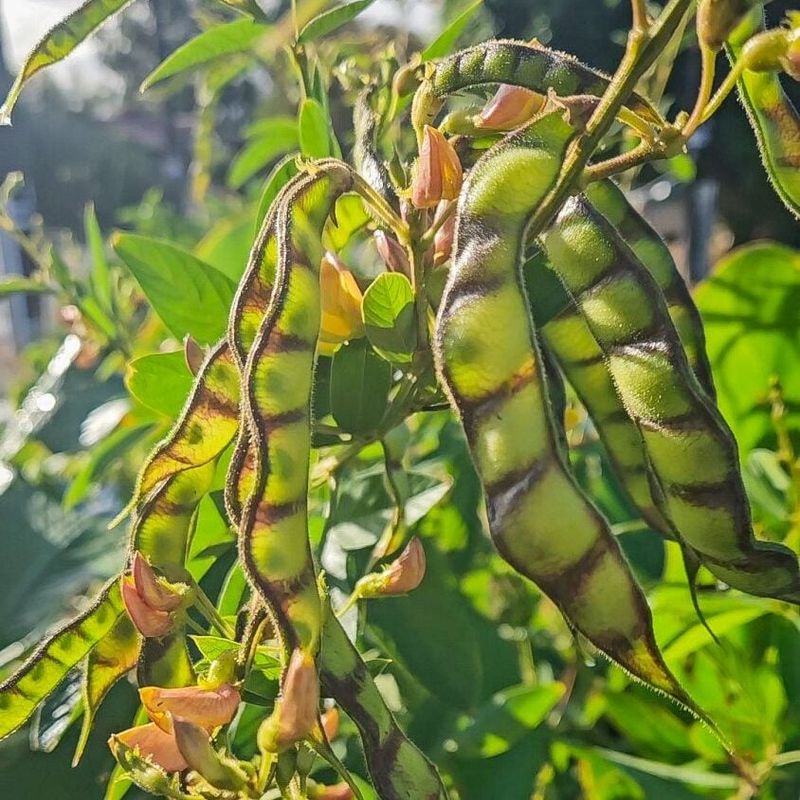
Think of a shrub that feeds you and feeds your soil at the same time. Pigeon pea does both, pulling nitrogen from the air and dropping it into Florida’s nutrient-poor sand while cranking out protein-rich peas all season.
Drought barely registers with this plant. Its taproot drives deep, letting the bush stay green and productive through summer dry spells that would kill shallow-rooted beans. The pods keep coming for months, and you can shell them fresh or dry them for storage like any dry pea or bean.
Beyond the food, gardeners plant pigeon pea as a living support system, using it to shade tender crops, block wind, and rebuild tired soil. It grows fast from seed and shrugs off most Florida pests. For anyone dealing with sandy ground and a tight watering schedule, few edibles pull as much weight per square foot.
8. Elderberry
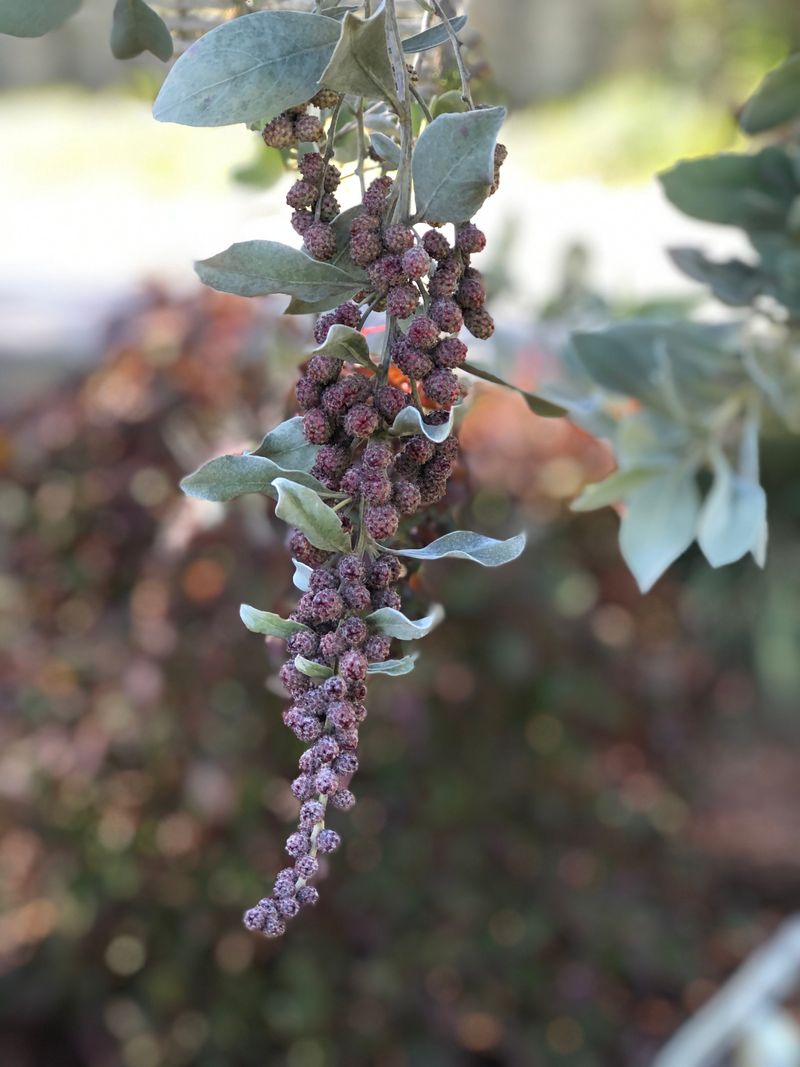
Down along Florida ditches and wet ground, big lacy clusters of white flowers give way to deep purple berries every summer, and that plant is the native elderberry. It has fed and doctored Floridians for generations.
Where this one stands out is its love of the very conditions that drown other plants. Flooding, soggy soil, and drenching summer storms are no threat; in fact, it thrives in the low spots where water collects. Once rooted, it needs almost no help and returns year after year, spreading into a productive thicket.
The cooked berries go into syrups, jams, and the immune-boosting elderberry remedies people pay a fortune for at the store. Remember to cook the berries and skip the raw stems, leaves, and unripe fruit, which are not safe to eat. Plant it in that boggy corner nothing else likes, and it turns a problem spot into a summer harvest.
9. Katuk (Sweetleaf Bush)
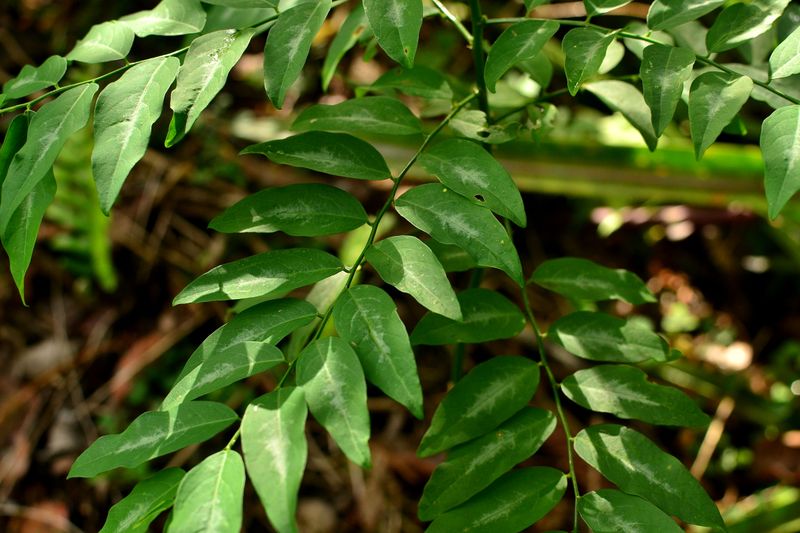
Nicknamed the multivitamin plant, katuk is a leafy shrub that keeps handing out tender green tips no matter how hot and sticky the Florida afternoon gets. Snip the top few inches and it simply pushes out more.
Heat and humidity that scorch lettuce only make katuk grow faster and taller. It appreciates a little afternoon shade and settles happily into sandy soil, staying productive right through the summer months when most greens have surrendered. The young shoots taste mildly nutty and pea-like, delicious raw in small amounts or cooked into stir-fries and soups.
Because it can grow into a tall hedge, many Florida gardeners tuck it beside a fence where it doubles as a privacy screen and a salad bar. Keep the harvest to reasonable amounts and always cook larger quantities, as is standard advice for this green. Easy to root from cuttings, one katuk plant can quietly stock your kitchen all season.