
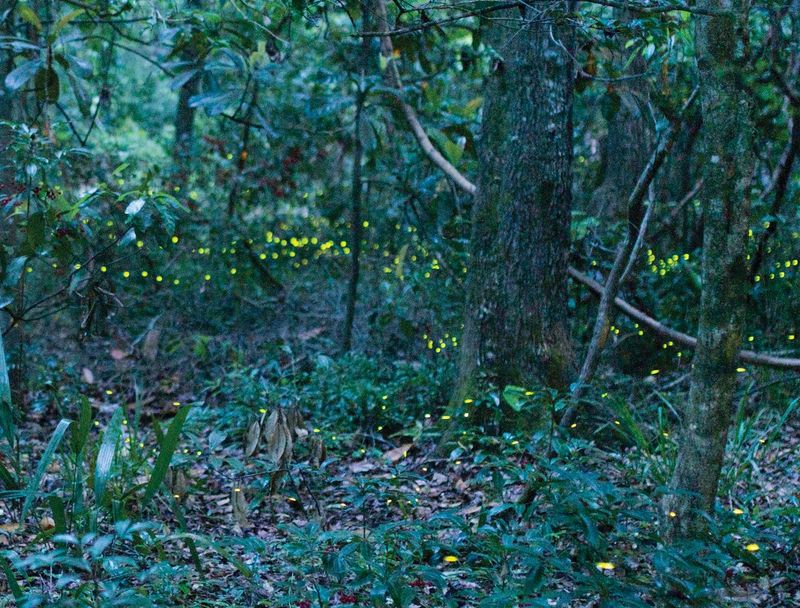
Fireflies used to blink across Florida yards on warm summer nights, but a lot of us barely see them anymore. The good news is that you can bring them back by planting the right cover, since fireflies need moist, shady, undisturbed spots to rest during the day and lay their eggs. Florida’s sandy soil and blazing heat make plant choice tricky, so the picks below are all suited to our climate and mostly natives that thrive here. Get a few of these growing and you may watch your evenings glow again.
1. Muhly Grass (Muhlenbergia capillaris)
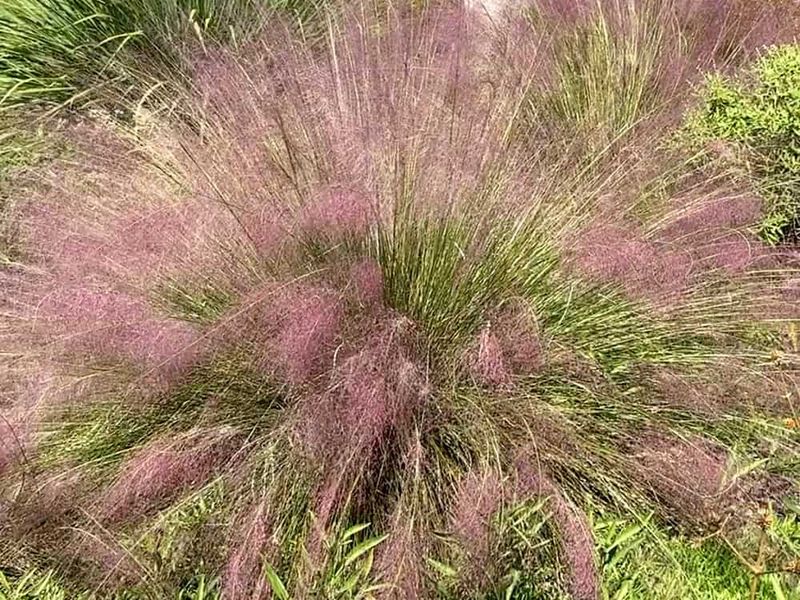
Picture a cloud of pink haze drifting over your yard every fall, and you have muhly grass. Beyond the show-off blooms, this Florida native is a firefly favorite because its dense clumps stay cool and humid at the base, giving larvae a shady hideout during the hot part of the day.
Sandy soil is no problem here. Muhly grass shrugs off drought once established and asks for almost nothing, which makes it a true set-and-forget choice for busy gardeners.
Leave the clumps standing through winter instead of cutting them back too early. The old growth traps leaf litter and moisture, exactly the kind of undisturbed ground layer fireflies rely on to reproduce.
2. Fakahatchee Grass (Tripsacum dactyloides)
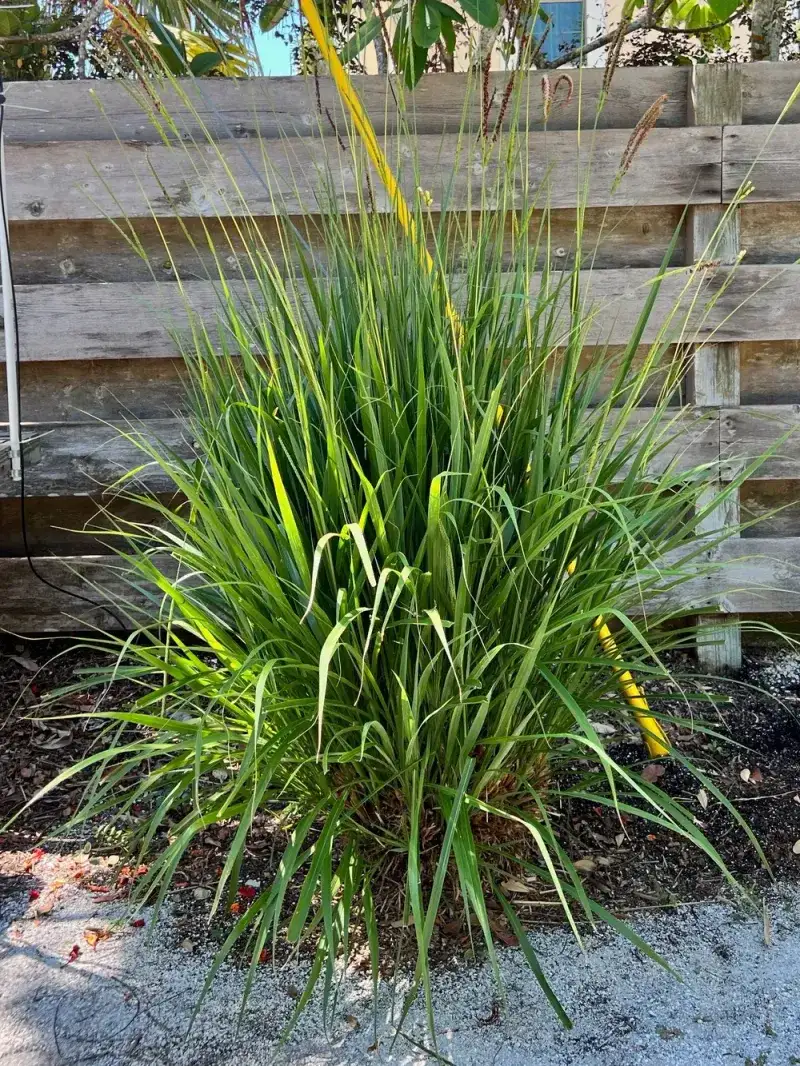
If you want a workhorse that laughs at flooding, meet fakahatchee grass. Named for the Fakahatchee Strand in Southwest Florida, this rugged native handles soggy spells and dry stretches alike, which suits our unpredictable storm seasons perfectly.
Its arching, knee-high blades form a thick tangle near the ground. Fireflies love that tangle because it holds humidity and shelters the soft-bodied larvae from drying out and from hungry predators.
UF-IFAS often points to fakahatchee as a low-maintenance clumping grass for Florida landscapes. Plant it along a swale or a spot that stays damp, and you build a firefly nursery without lifting a finger after year one.
3. Wax Myrtle (Morella cerifera)
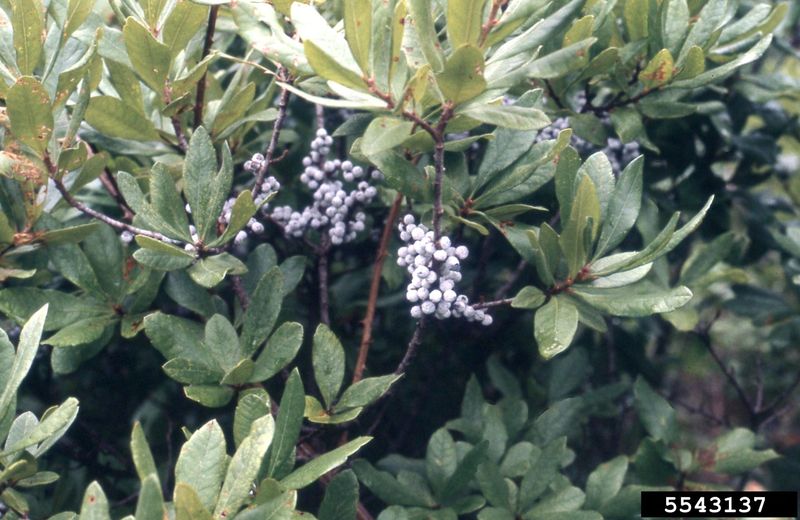
Fast, tough, and green all year, wax myrtle earns its keep the moment you plant it. This native shrub or small tree grows quickly in sandy Florida soil and bounces back well after hurricanes, so it doubles as storm-recovery cover.
What fireflies get from wax myrtle is shade and shelter. The dense branching casts cool shadow on the ground below, and the leaf litter it drops keeps the soil moist and rich with the tiny snails and slugs that firefly larvae hunt.
Fun fact: early settlers boiled the waxy berries to make fragrant candles. These days you can just enjoy the aromatic leaves and let the plant quietly rebuild the habitat fireflies need.
4. Southern Wild Coffee (Psychotria nervosa)
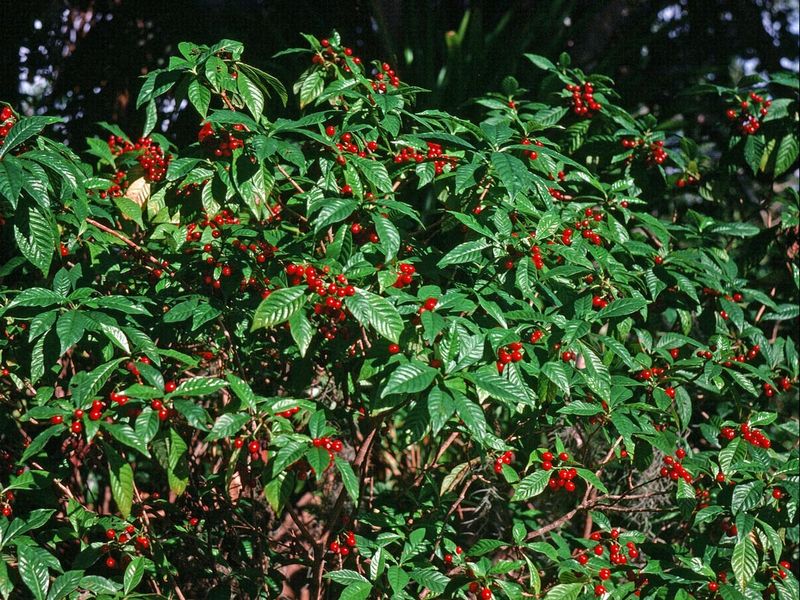
Glossy, deep-green leaves that practically shine in the shade make wild coffee a standout under the canopy. It thrives in the dappled light beneath larger trees, filling in the middle layer of your yard where fireflies drift and rest.
The plant likes moisture and organic matter, so it naturally builds up the damp, leafy ground layer that firefly larvae need to survive Florida’s dry spells.
Its little white flowers feed pollinators, and the red berries bring in birds, so you get a whole cast of visitors. No, it is not real coffee, but the name comes from those coffee-like berries. For a shady corner that stays cool and alive, this native pulls double duty as beauty and habitat.
5. Ferns (Cinnamon and Netted Chain Fern)
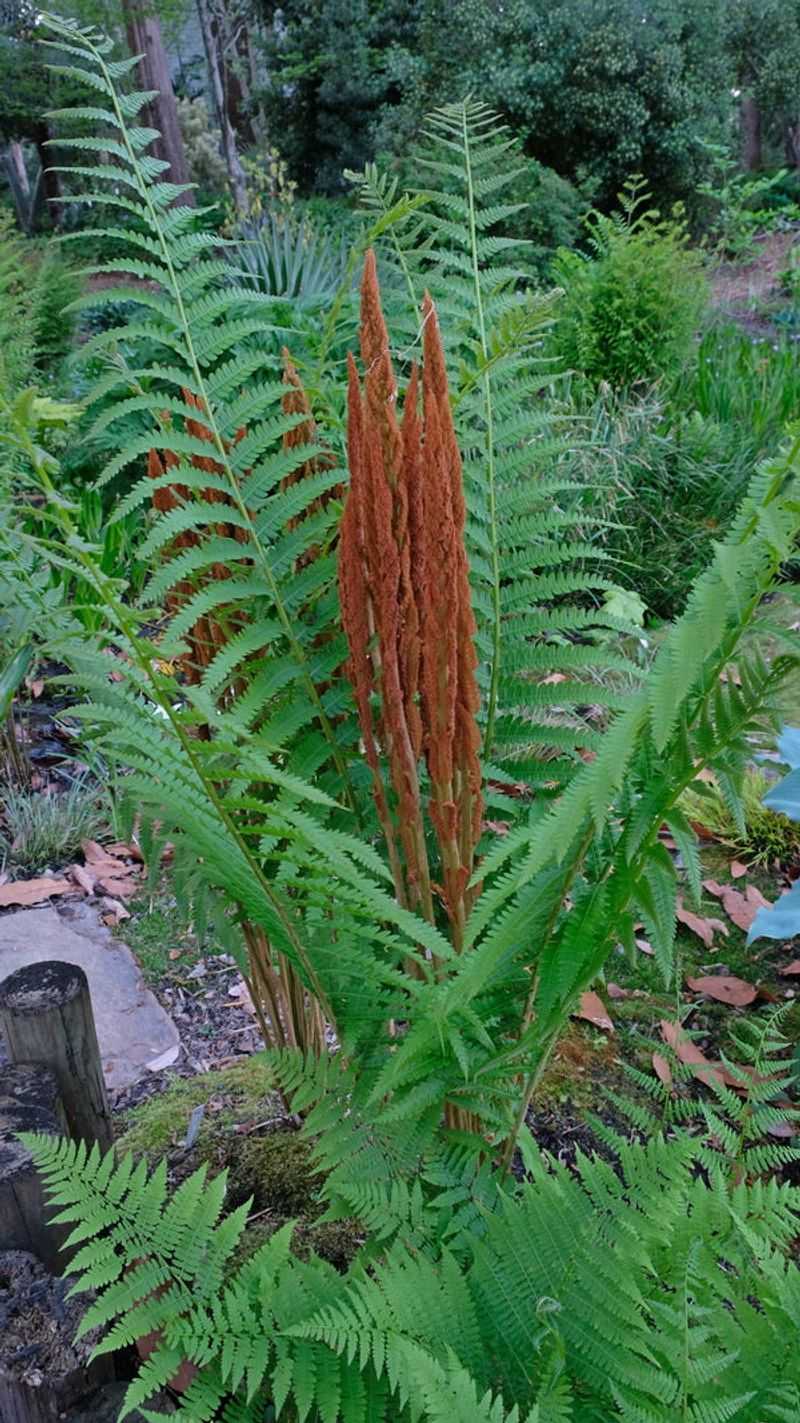
Few plants scream cool and damp like a bed of native ferns. Cinnamon fern and netted chain fern spread across shady, moist ground and create exactly the low, humid blanket fireflies use for cover during the scorching daylight hours.
Because they favor wet feet, ferns thrive in the low, flood-prone spots that frustrate other plants after summer rains. Turn that soggy corner into an asset instead of a headache.
The soft, layered fronds also lock in leaf litter and slow evaporation. Firefly larvae hunker in that moisture and feed on the small critters living there, so a fern patch can quietly become one of the busiest wildlife zones in your yard.
6. Beautyberry (Callicarpa americana)
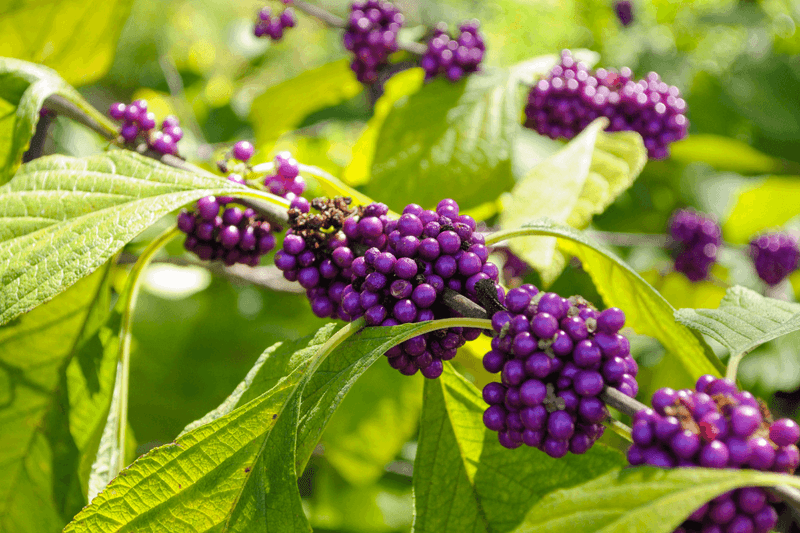
Come late summer, beautyberry lights up with clusters of shocking purple berries that hug the stems like beads. That splash of color is only half the story, because this native shrub also throws welcome shade over the ground beneath it.
Beautyberry handles Florida’s sandy soil and heat without fuss, and it tolerates part shade beautifully. The loose, open growth lets it soften the edge of a wooded area, right where fireflies love to gather at dusk.
Old-timers rubbed the crushed leaves on their skin to keep mosquitoes away, and research suggests the plant may indeed help repel biting insects. Plant a few and you get purple berries, a cool leaf-litter layer for firefly larvae, and maybe a little relief from the bugs you would rather avoid.
7. Saw Palmetto (Serenoa repens)
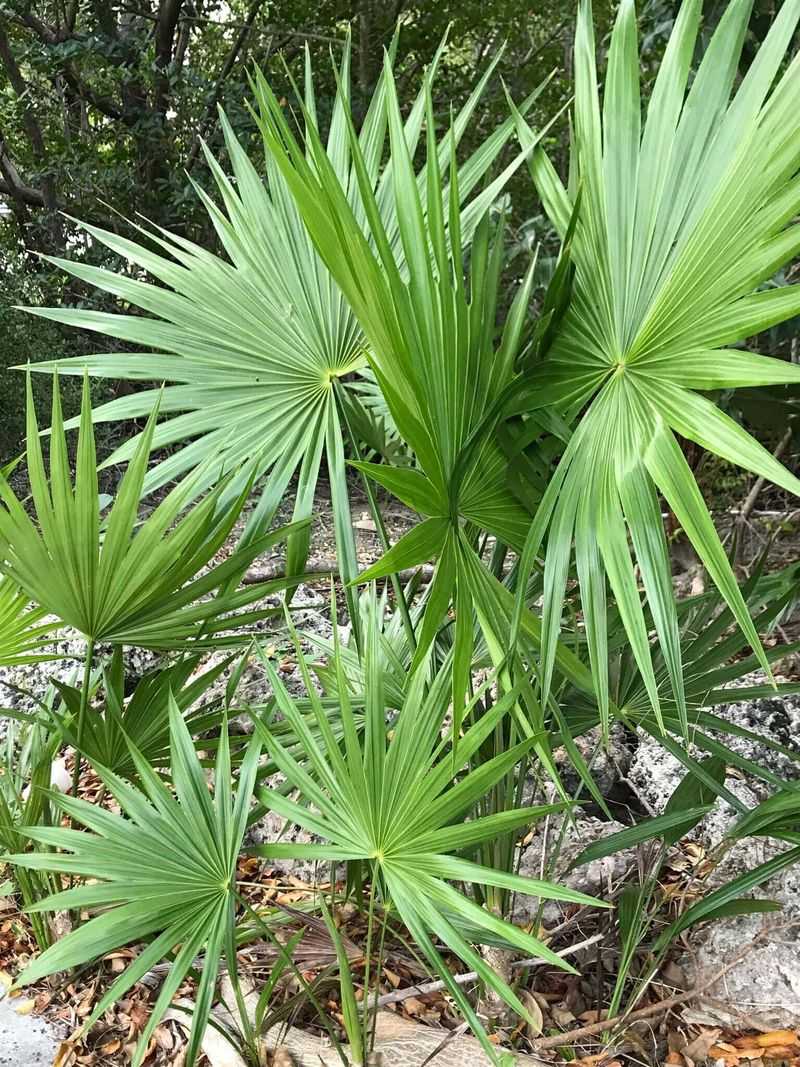
Nothing says wild Florida quite like the fan-shaped fronds of saw palmetto sprawling across the ground. This slow-growing native is almost indestructible, surviving drought, fire, salt spray, and hurricanes that flatten less sturdy plants.
Down at ground level, its low, spreading clumps create shady pockets and trap humidity, forming the kind of protected micro-habitat where firefly larvae can ride out the heat. The thick cover also shields them from predators.
Because it barely needs care once rooted, saw palmetto is about as set-and-forget as a Florida plant gets. Give it a sunny-to-part-shade spot with room to spread, then let it anchor a low-maintenance corner that fireflies and countless other creatures can call home.
8. Native Groundcovers (Frogfruit and Sunshine Mimosa)
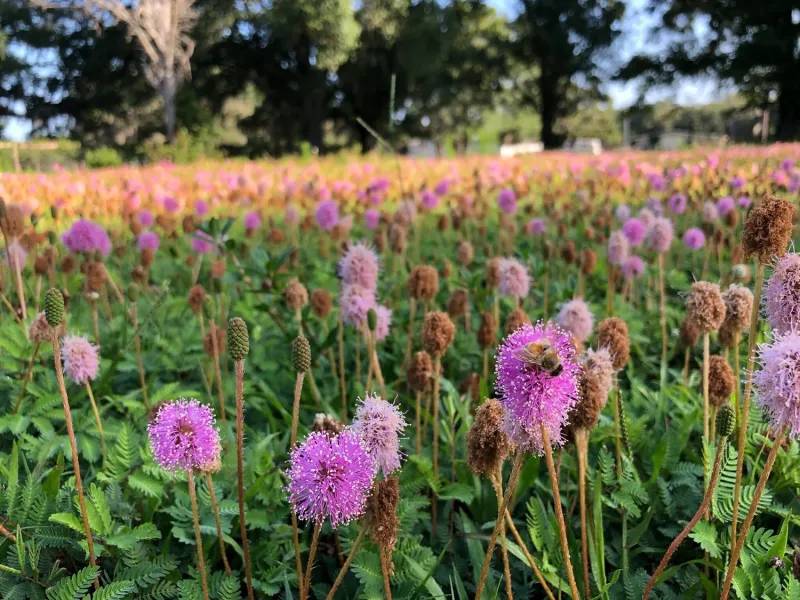
Trade part of that thirsty lawn for a living carpet, and fireflies will thank you. Frogfruit and sunshine mimosa are tough, low native groundcovers that hug the soil, stay green, and handle foot traffic, heat, and sandy ground with ease.
Unlike a mowed lawn, these mats stay undisturbed and moist near the surface, giving firefly larvae a safe, humid layer to live and hunt in. Constant mowing and chemical treatment are two of the biggest reasons fireflies vanish, so swapping in a groundcover fixes both problems at once.
Sunshine mimosa even folds its leaves when you touch it and pops out powder-puff pink flowers that feed pollinators. Cover your bare, sandy spots with these instead of turfgrass, cut back on mowing, and you hand fireflies the dark, quiet ground cover they need to glow again.