
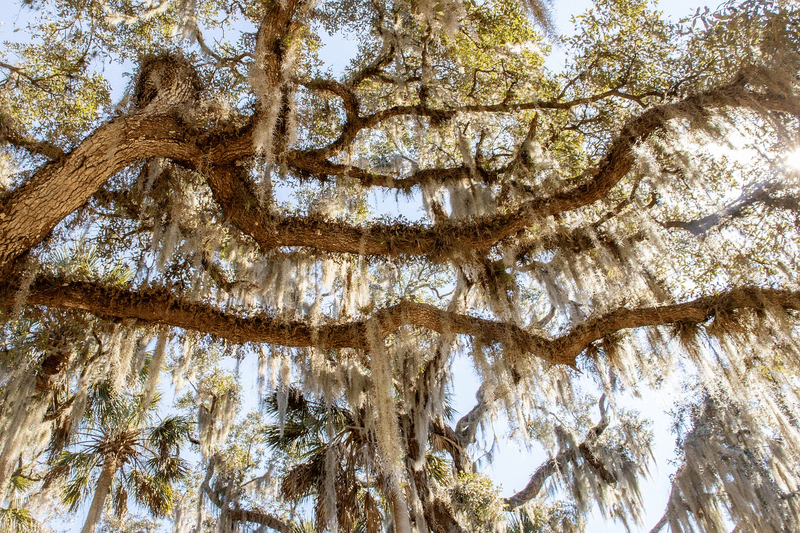
Crape myrtles are pretty, but they are not the only choice for a sunny Florida fence line or driveway. Many native trees handle sandy soil, heat, storms, and local wildlife better with less fuss. The right tree can give you flowers, shade, privacy, birds, and butterflies without turning your yard into a weekend chore. Here are Florida native trees that can step into that same showy role while doing more for your landscape.
1. Fringe Tree
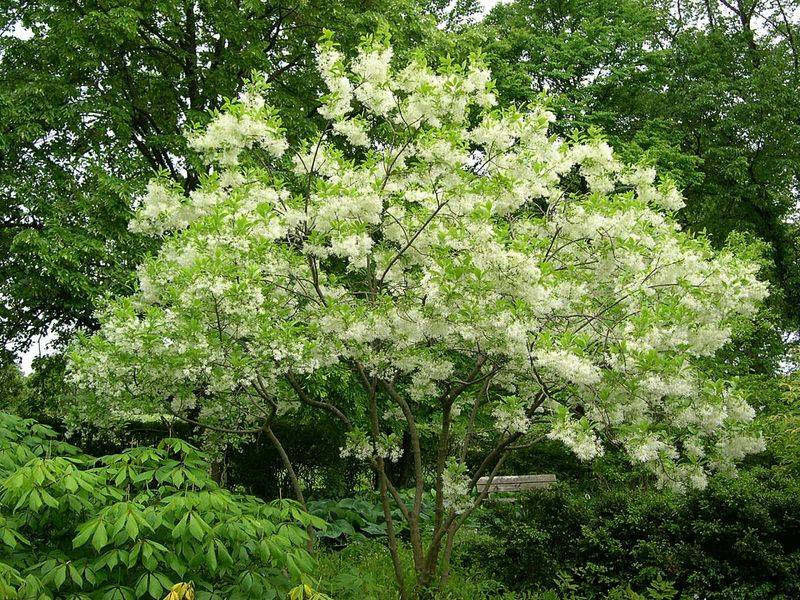
A fringe tree can stop you in your tracks in spring, even if you thought you wanted a crape myrtle. Its white, ribbon-like flowers look soft and almost smoky, giving a driveway entrance or fence corner a light, graceful look without a huge mature size.
Florida fringe tree, also called Chionanthus virginicus, works well where you need something small, native, and refined. It usually grows as a large shrub or small tree, so it fits near a fence without overwhelming the space. In North and Central Florida, it can be a smart replacement for crape myrtle where you want spring bloom instead of summer bloom.
Give it sun to part shade and soil that drains well, which is often easy in Florida’s sandy yards. A little irrigation during the first year helps it settle in, but established trees are not fussy. Birds may visit for the dark fruits, and the flowers support pollinators at a time when many landscapes are just waking up.
Use fringe tree where you want a softer, more natural look than a clipped row. It shines near a gate, mailbox bed, or driveway curve where one lovely specimen can do the work of several smaller plants.
2. Walter’s Viburnum
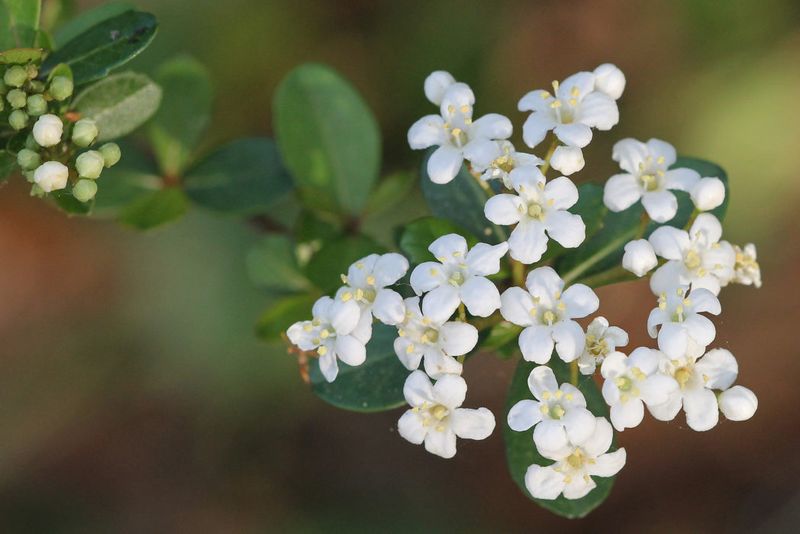
For gardeners who miss the tidy shape of crape myrtles, Walter’s viburnum brings order without feeling stiff. It can be grown as a dense screen, a hedge, or a small multi-trunk tree, which makes it one of the most useful natives for long fence lines.
Walter’s viburnum is especially handy in Florida because it tolerates pruning, sun, and part shade. Many forms stay compact, while others grow tall enough to create real privacy. In spring, clusters of small white flowers draw bees and other pollinators, and later the berries can feed birds.
Along a driveway, choose the right form before planting. Dwarf selections belong near walkways and low borders, while larger types are better for screening views or softening a tall fence. If you want a cleaner tree shape, remove lower branches gradually as it grows.
Once established, Walter’s viburnum is a strong low-maintenance choice for much of Florida. It handles ordinary sandy soil better than many ornamentals, though mulch and steady water during establishment still matter. For a set-and-forget native screen with wildlife value, it is hard to beat.
3. Simpson’s Stopper
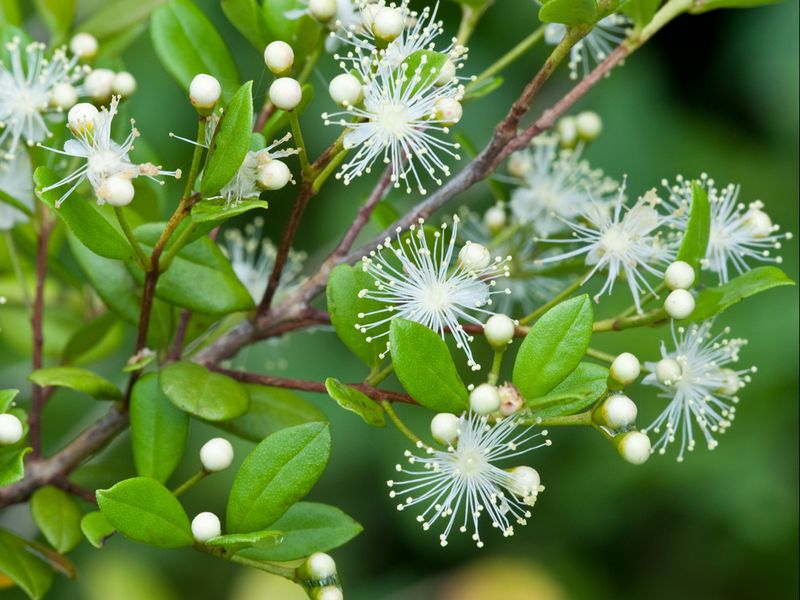
Picture a plant that looks polished even when you have ignored it for a week. Simpson’s stopper has that neat, glossy-leaved charm, and it brings small white flowers followed by red to orange berries that birds notice quickly.
This native small tree is a standout for fence lines because it can be clipped into a hedge or allowed to grow into a handsome, upright screen. It is especially useful in Central and South Florida, including coastal areas where some plants struggle. Salt tolerance makes it a good candidate near beach communities or roads that get salty spray.
Unlike crape myrtle, Simpson’s stopper is not mainly a big flower show. Its strength is year-round structure, wildlife value, and a clean look beside fences, gates, and driveways. The flowers are small but fragrant, and the fruit adds color without needing much help from you.
Plant it in sun or part shade and give it room to thicken. Sandy soil is fine as long as the plant gets water while young. Once rooted, it becomes one of those Florida natives that quietly does its job, screening views, feeding birds, and staying attractive through sticky summer weather.
4. Southern Red Cedar
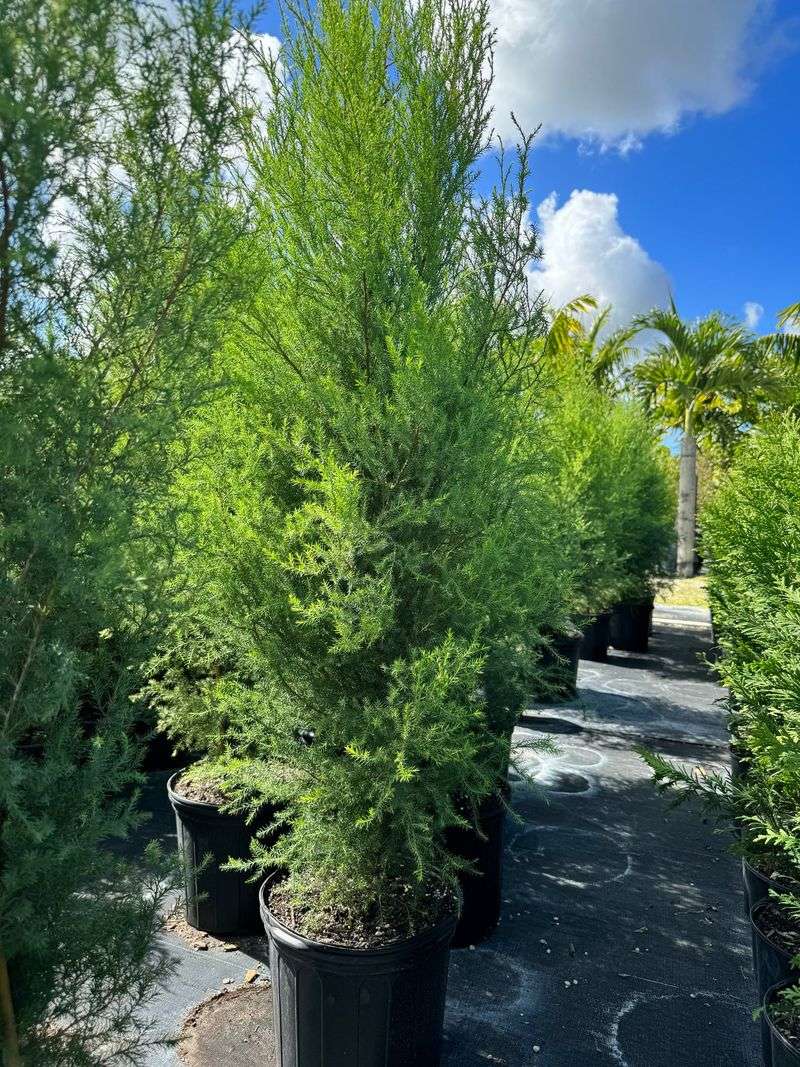
Need privacy fast without planting a wall of weak, thirsty ornamentals? Southern red cedar gives a fence line a sturdy evergreen backbone and brings a classic Florida field-edge look to the yard.
This native juniper is different from crape myrtle in the best possible way. Instead of seasonal flowers and bare winter branches, it offers year-round green foliage, nesting cover, and bluish berry-like cones that many birds enjoy. It can also help block wind and views along long driveways.
Southern red cedar is tough once established, but placement matters. Give it full sun and good drainage, and avoid squeezing it into tiny strips where it will crowd pavement or overhead lines. It has a naturally conical shape when young, then becomes more irregular and character-filled with age.
In storm-prone Florida, no tree is risk-free, but a well-placed red cedar can be a durable choice when it has space for a balanced root system and canopy. Skip heavy shearing, which can make plants look unnatural and may create weak outer growth. Use it where you want a native privacy tree that feels protective, wildlife-friendly, and rooted in Florida’s natural landscape.
5. Yaupon Holly
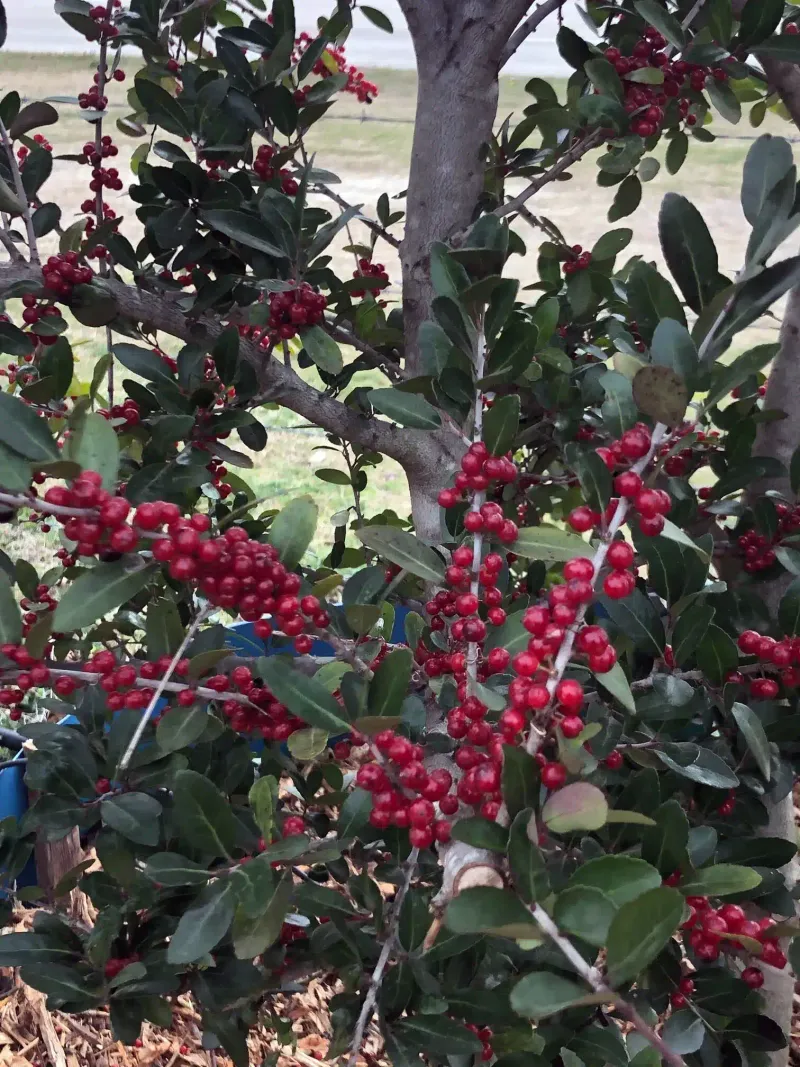
Birds treat yaupon holly like a neighborhood snack bar when the red berries ripen. For Florida homeowners, that makes it more than a crape myrtle substitute, it becomes a living wildlife feature along the driveway.
Yaupon holly is native, evergreen, and very adaptable. It can be trained as a small tree, grown as a screen, or used in a loose row where you want a softer boundary. The fine-textured leaves give it a lighter look than many hollies, and female plants produce bright berries if a male plant is nearby for pollination.
Florida yards with sandy soil often suit yaupon well, especially once roots are established. It handles sun and part shade, and it can tolerate periods of drought better than many showier landscape plants. That said, water young trees during dry spells so they build a strong root system before you expect them to coast.
Near driveways, select an upright form and prune lower limbs as needed for visibility. Avoid placing berry-heavy branches where fruit drop would bother you, though birds often clean up much of the crop. For color, wildlife, and evergreen structure, yaupon holly earns its spot in a native Florida border.
6. Chickasaw Plum
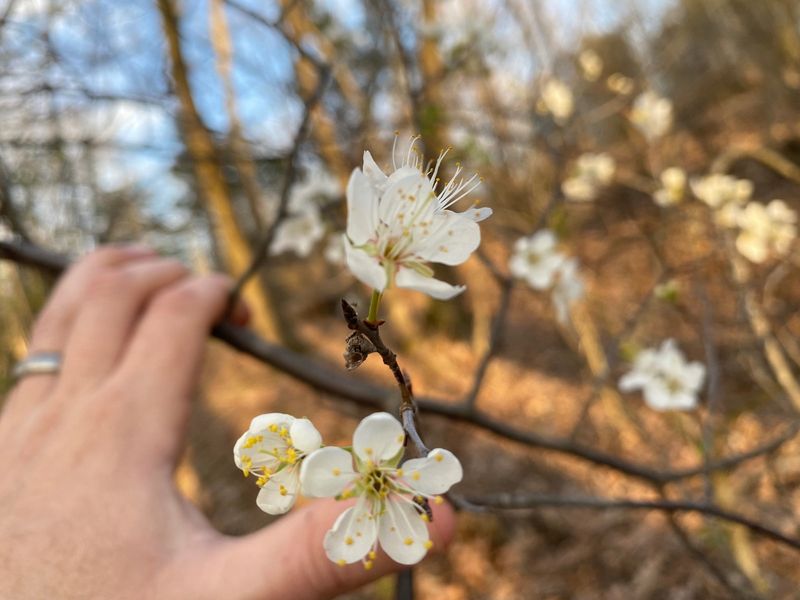
A burst of white blossoms on a Chickasaw plum can make a plain fence feel like spring arrived early. The flowers often appear before the leaves, creating a bright, cheerful display that gives crape myrtle some real competition.
Chickasaw plum is a native small tree with a more informal habit than many driveway ornamentals. It may form thickets if allowed to spread, which is useful for wildlife cover but not ideal for every front yard. That trait is exactly what makes it special for larger fence lines, natural borders, and properties where you want habitat rather than a perfectly polished row.
The small plums can attract birds, mammals, and people who enjoy native edible plants. Flowers support early pollinators, which is valuable in Florida landscapes that often lack native bloom at the right times. Plant it in full sun for the best flowering and fruiting.
Use Chickasaw plum where you can manage suckers or let them create a living screen. It is not the right pick for a narrow strip beside a formal driveway, but it is wonderful along a back fence, pasture edge, or sunny side yard. If crape myrtles feel too tidy for your style, this native brings a wilder, more generous kind of beauty.
7. Dahoon Holly
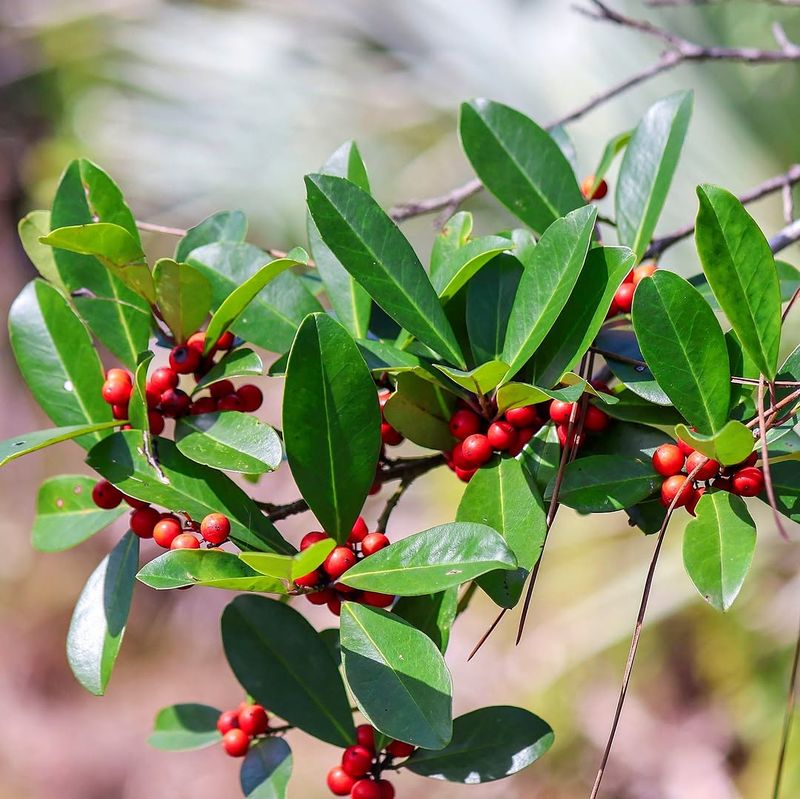
Low spots beside driveways can be tricky, especially after a summer storm turns the swale into a shallow puddle. Dahoon holly is one native that can handle wetter conditions better than many common ornamentals, making it useful where crape myrtles may sulk.
Dahoon holly has a clean, upright form with evergreen leaves and bright red berries on female trees. It is naturally found in moist places, so it is a smart option for fence lines near drainage areas, pond edges, or sections of the yard that stay damp after heavy rain. In drier sandy soil, it can still grow if watered during establishment, but it will appreciate moisture.
The tree offers a different kind of beauty than crape myrtle. Instead of peeling bark and big flower clusters, it gives you glossy foliage, winter color, and bird activity. Cardinals, cedar waxwings, and other berry-loving birds may visit when fruit is available.
Give dahoon holly enough room to mature without crowding your driveway. It works best as a specimen or spaced row rather than a tight hedge. For Florida homeowners thinking about stormwater, habitat, and year-round greenery, this native feels practical and handsome at the same time.
8. Sweetbay Magnolia
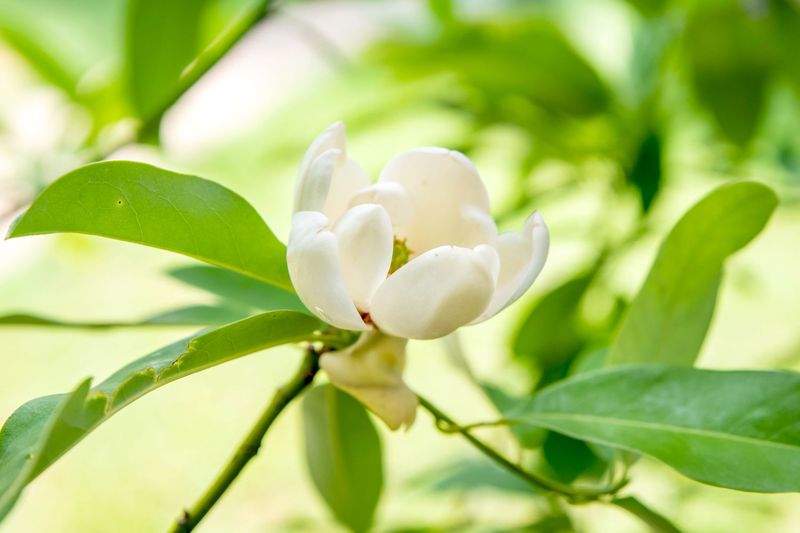
Some trees make the yard feel calmer the moment you walk past them. Sweetbay magnolia does that with silvery leaf undersides, creamy white flowers, and a light lemony scent that can drift near a driveway or gate.
This Florida native is a graceful alternative to crape myrtle when you want a slightly larger, more elegant tree. It can be evergreen or semi-evergreen depending on where you live in the state and the local winter conditions. The flowers are not as loud as crape myrtle blooms, but they have a quiet beauty that feels right in a native landscape.
Sweetbay magnolia likes moist, acidic soil, so it is especially useful in parts of Florida where the ground holds water longer. It can also perform in average garden soil if mulched and watered while young. Avoid planting it in a dry, reflected-heat strip beside pavement unless you can provide irrigation during establishment.
Along a fence line, sweetbay works well as a spaced specimen rather than a tight screen. Its open branching allows light through, and its flowers support pollinators. If your goal is a refined native tree with fragrance and a natural Florida feel, sweetbay magnolia is a strong choice.
9. Buttonwood
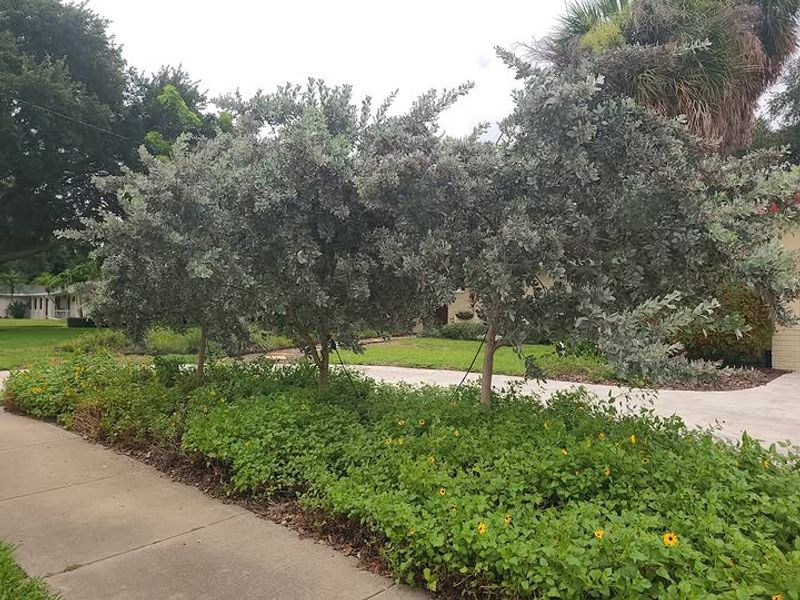
Coastal yards need plants with grit, not drama. Buttonwood, especially the silver form, brings tough beauty to sunny fence lines where heat, salt, wind, and sandy soil can make weaker trees struggle.
Native to coastal South Florida, buttonwood is a smart crape myrtle replacement for homeowners near salt spray or brackish conditions. Its foliage can be green or silvery, and the silver type adds a bright, beachy look that pairs well with shell paths, gravel, and simple native plantings. Small round button-like fruits give the tree its common name.
Buttonwood can be grown as a shrub, hedge, or small tree, depending on pruning. That flexibility makes it useful along driveways where you may want screening in one area and a raised canopy near the entrance. It prefers full sun and well-drained soil, and it becomes quite drought tolerant after establishment.
Use it mainly in the warmer parts of Florida, since cold can limit where it thrives. Give it room and avoid forcing it into a tiny foundation bed. For a low-fuss, coastal-native look with strong wind and salt tolerance, buttonwood offers a practical style that crape myrtle cannot match.