
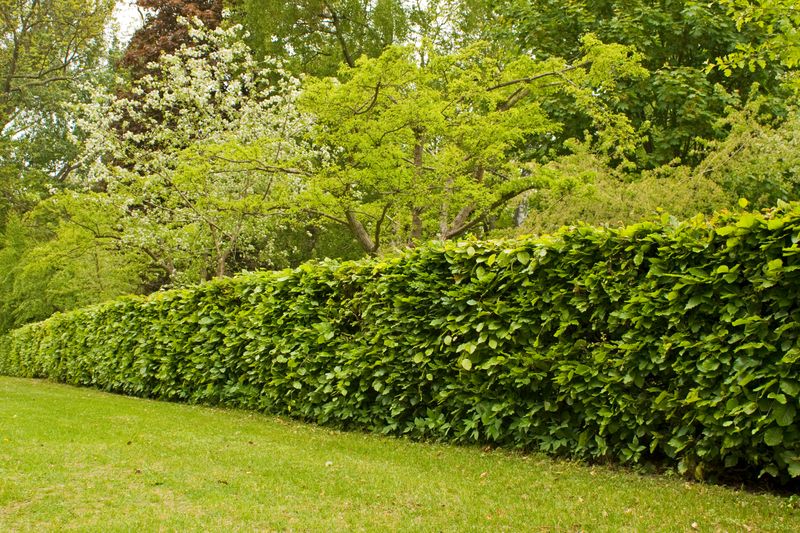
Florida bugs can make a pretty yard feel hard to enjoy, especially when mosquitoes, flies, and biting insects show up at sunset. A living fence made with the right native plants can help make your yard less inviting to pests while adding flowers, privacy, and wildlife value.
No plant works like a magic wall, but many Florida natives have scents, dense growth, or habitat benefits that support a more balanced backyard. Here are seven smart choices for a fence line that looks good and works harder than bare boards or empty turf.
1. Beautyberry
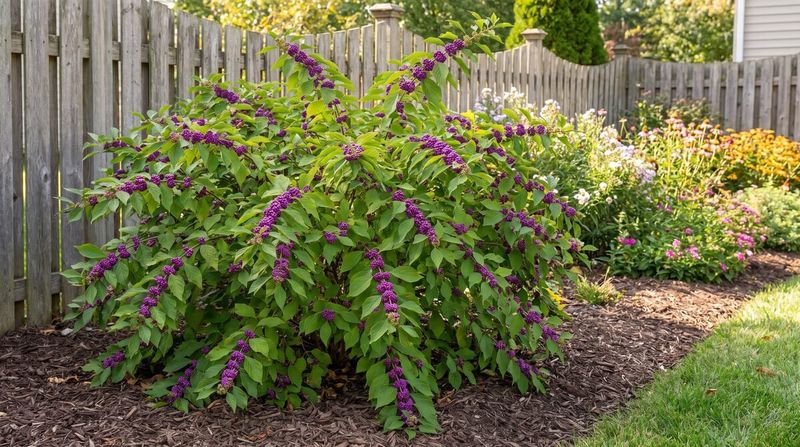
Walk past a beautyberry after rain, and the leaves give off a clean, green scent that feels right at home in a Florida yard. American beautyberry is famous for its bright purple berries, but gardeners also value its leaves, which have long been associated with natural insect-repelling compounds.
Along a fence, beautyberry works best as a loose, informal screen rather than a clipped hedge. It can reach about 3 to 8 feet tall, depending on pruning and site conditions, so it is a good fit for side yards, back fence lines, and natural borders where you want softness instead of a hard wall.
Crushed leaves may help deter mosquitoes for a short time, though rubbing plants on skin is not the same as using a tested repellent. The bigger yard benefit is that beautyberry adds layered growth, berries for birds, and a less bug-friendly feel near outdoor seating areas.
Plant it in part sun to light shade, especially in sandy soil that dries fast. Cut it back in late winter if it gets leggy, and it usually rebounds with fresh growth once warm weather returns.
2. Wax Myrtle
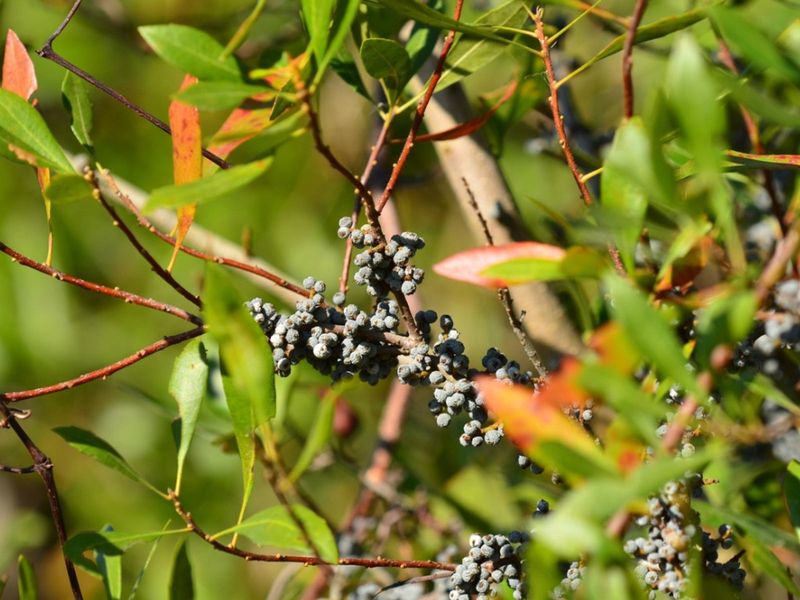
For gardeners who want a real living fence, wax myrtle is one of the most useful native shrubs in Florida. Its narrow evergreen leaves release a spicy, resin-like smell when brushed, and that aromatic foliage can make fence lines feel less welcoming to some insects.
Wax myrtle stands apart because it grows fast and thick. In many Florida yards, it can become a privacy screen much sooner than slower shrubs, which is helpful if you are trying to block a neighbor view, soften a chain-link fence, or create a green buffer near a patio.
Birds also appreciate the small waxy berries, and that matters more than many homeowners realize. A yard with birds, lizards, and beneficial insects often has better natural pest balance than a plain fence with nothing growing around it.
Give wax myrtle full sun to part shade and enough room to spread. It tolerates sandy soil, salt air in many coastal areas, and occasional wet spells, but it looks best with a little shaping after the strongest flushes of growth.
3. Southern Red Cedar
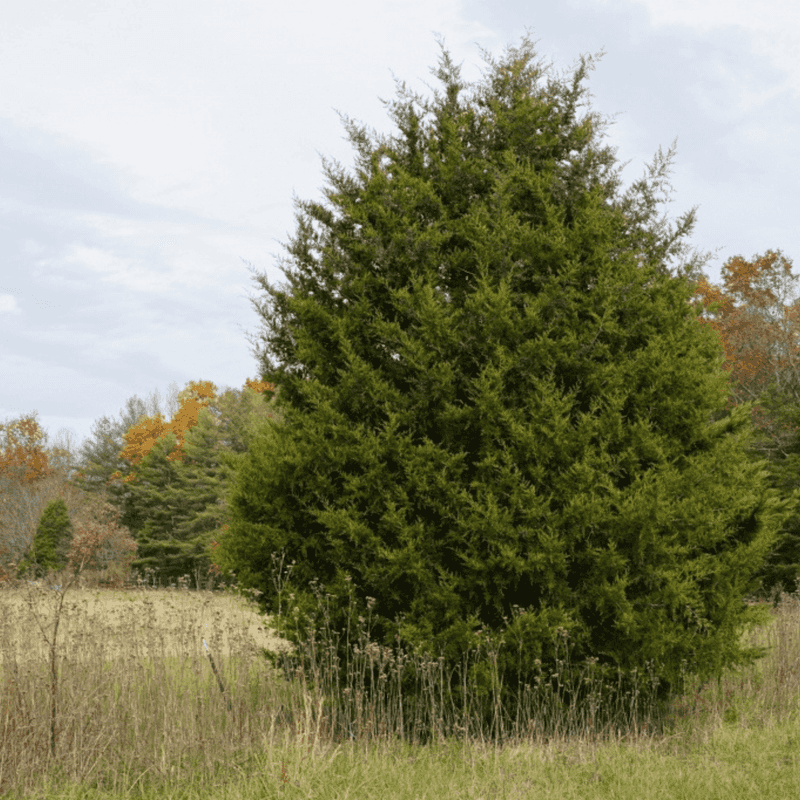
A fence line can feel bare in winter, but southern red cedar keeps its color all year. This native evergreen has fragrant, scale-like foliage and dense branching that can help slow wind, screen views, and create a tougher edge around the yard.
Southern red cedar brings a different kind of bug control to the list. Rather than acting like a short-lived spray, it builds structure for wildlife that feeds on insects, especially birds that perch, nest, and hunt from cover.
The wood and foliage have that familiar cedar scent, and cedar has a long history of being used around storage areas because many insects dislike its aromatic oils. In the landscape, the effect is more subtle, but a cedar screen can still be part of a smart, lower-spray yard plan.
Use southern red cedar where you have space, because it can grow into a small to medium tree. Plant young trees in a staggered row rather than a tight straight line, and avoid soggy spots where roots stay wet for long periods.
Once established, it is tough, drought-tolerant, and well suited to sandy Florida soils. It also handles wind better when it has room to develop a strong natural shape.
4. Yaupon Holly
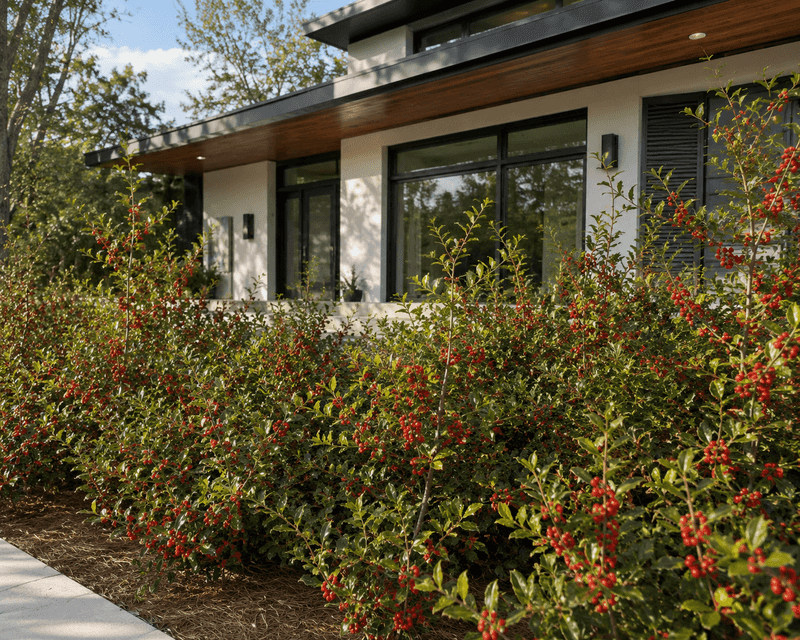
Need a fence plant that can look polished without acting fussy? Yaupon holly fills that role beautifully, giving Florida gardeners a native evergreen that can be clipped formal or left a little more relaxed.
Its tight branching makes it valuable near patios, gates, and property edges where you want a clean green backdrop. Dense shrubs do not simply decorate a yard, they also create shelter for small birds and insect-eating wildlife that help keep pest numbers in check.
Yaupon holly is not usually planted because of a strong repellent scent, so its advantage is different from beautyberry or wax myrtle. It shines as a sturdy habitat hedge that supports birds with berries while making the fence line less empty, less exposed, and more alive.
Female plants produce red berries if a male plant is nearby, and the fruit can be a winter food source for birds. The leaves also have a fun Florida history, since yaupon is the only caffeine-containing plant native to North America and was used for tea by Indigenous peoples.
Plant yaupon holly in sun to part shade. It handles pruning well, tolerates many Florida soils, and is a strong choice where homeowners want curb appeal plus practical backyard function.
5. Simpson’s Stopper
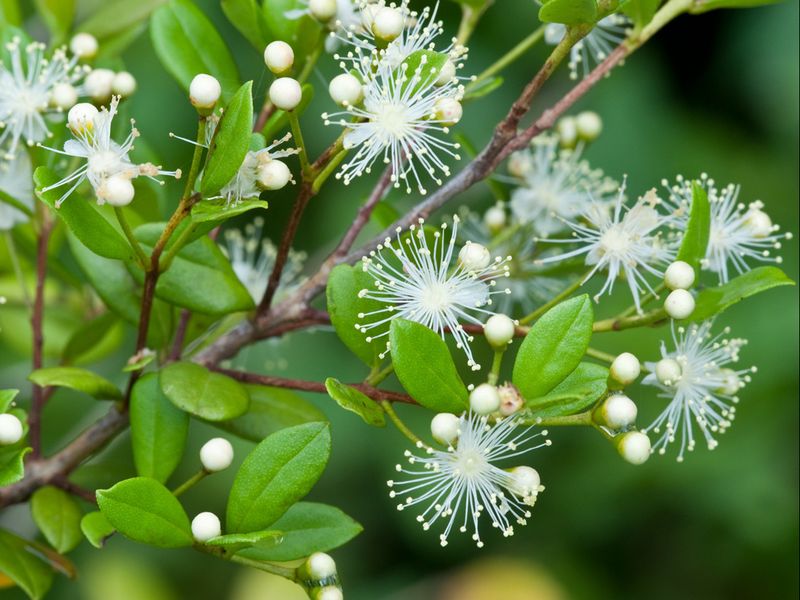
There is something charming about Simpson’s stopper when it blooms, because the small white flowers bring fragrance without looking showy or overdone. In the right Florida yard, it turns a plain fence into a glossy, wildlife-friendly border.
Its special strength is balance. Simpson’s stopper can be trimmed as a hedge, trained into a small tree, or allowed to grow into a natural screen, making it useful for homeowners who want one plant to solve several fence-line problems.
The aromatic leaves and flowers may help make the area less attractive to some nuisance bugs, while the berries draw birds that eat insects. Pollinators visit the flowers too, so it supports helpful backyard life instead of leaving the fence line as a dead zone.
This native is especially popular in Central and South Florida, where it handles heat, humidity, and sandy soil once established. It prefers sun to part shade and appreciates good air movement, especially in tight side yards.
Use it near outdoor rooms, pool cages, or back fences where you want a greener view without heavy maintenance. A light trim after flowering keeps it neat, but hard shearing is not needed for a natural look.
6. Wild Lime
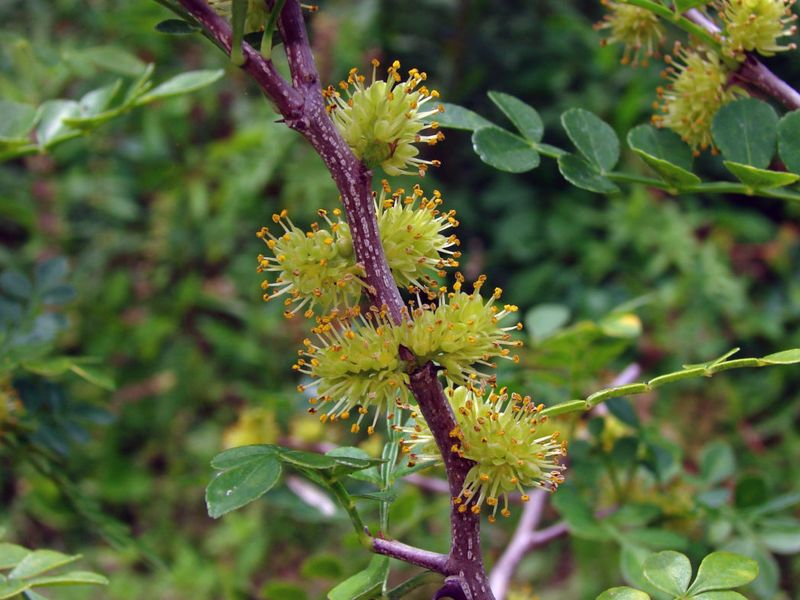
A wild lime hedge has a bit of attitude, and that is exactly why it earns a place on this list. Its hooked thorns create a living barrier that can discourage people, pets, and larger pests from cutting through a fence gap.
Wild lime is a host plant for giant swallowtail butterflies, which gives it a wildlife bonus many ordinary hedge plants cannot offer. The small flowers can attract pollinators, while the dense, thorny growth gives birds safe cover as they search for insects nearby.
For bug pressure, wild lime works less like a scented repellent and more like a fence-line ecosystem builder. It adds shelter, bloom, and a protective thicket, which can support the helpful creatures that keep mosquitoes, flies, and other pests from owning the yard.
Place it where thorns will not snag guests, children, or anyone walking a narrow path. Back corners, wildlife strips, and the outside edge of a fence are better spots than right beside a gate handle.
Wild lime likes full sun to part shade and well-drained soil. In Florida’s sandy yards, mulch around the root zone can help young plants settle in while still keeping the crown from staying too wet.
7. Florida Privet
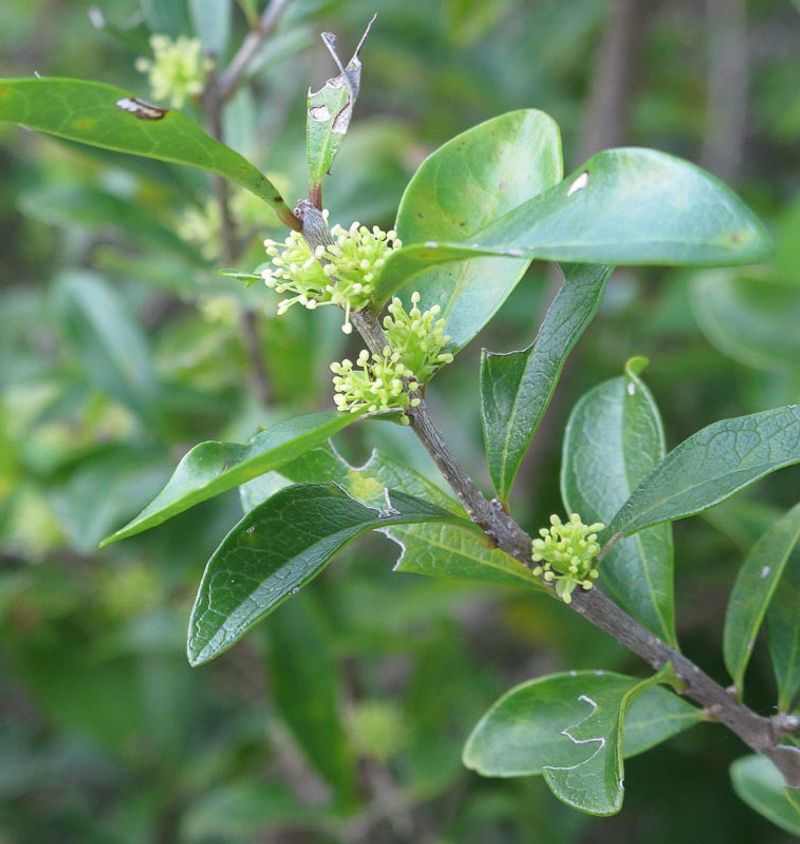
Some fence plants shout for attention, but Florida privet quietly does the job. Also called forestiera, this native shrub can form a useful hedge with small leaves, spring flowers, and berries that birds notice quickly.
Its best feature is easy blending. Florida privet fits into casual native borders, neat suburban hedges, and mixed wildlife screens without making the yard look wild or messy.
Because it supports birds and beneficial insects, it helps turn the fence line into a working edge instead of a blank boundary. That matters in Florida, where pest pressure can last through much of the year and a more balanced yard often needs fewer quick fixes.
Florida privet is not the same as invasive exotic privets that cause problems in natural areas. Choosing the native plant gives you the hedge effect without adding another weedy escape risk to the landscape.
Plant it in sun or part shade, then water regularly until established. It can handle pruning, but a slightly looser shape often flowers and fruits better, which gives you more wildlife value along with the screening.
For a stronger living fence, mix Florida privet with wax myrtle or Simpson’s stopper. The varied heights and textures make the planting more attractive and harder for pests to dominate.