
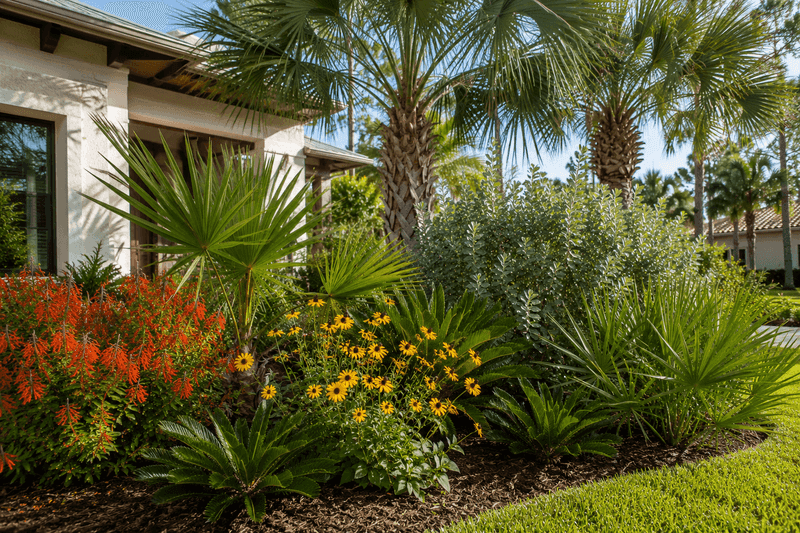
My yard used to look tired after every hard rain, then thirsty again two days later. Sandy Florida soil does that, and storms can turn weak plants into a mess fast. The plants below earned their spots because they handled heat, wind, fast drainage, and neglect better than the fussy choices I tried first. They also brought in birds, butterflies, and a little more life without adding another weekend chore.
1. Coontie
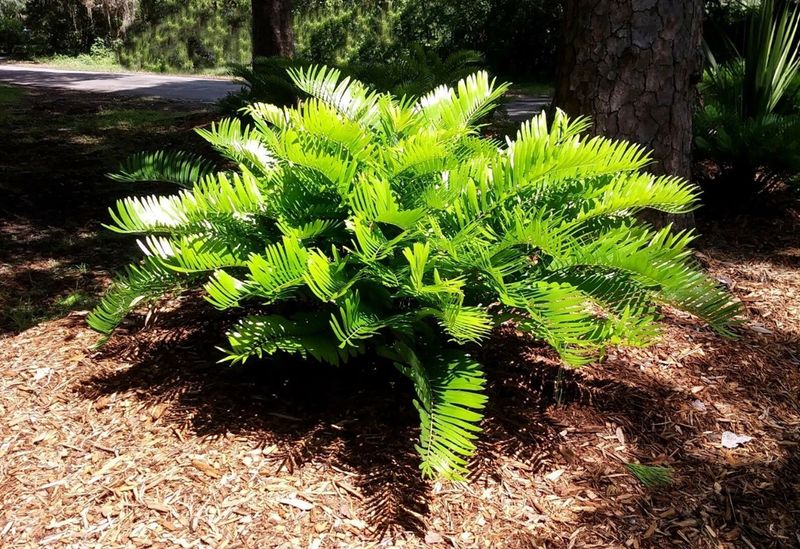
Coontie was the plant that made me stop fighting the sand and start working with it. Once it settled in, it looked tidy without asking for constant trimming, watering, or babying after a rough thunderstorm.
Florida gardeners often love it because it handles dry spells, poor sandy soil, and part shade better than many showier plants. The stiff, palm-like leaves stay neat, so it works near walkways, mailboxes, and foundation beds where messy growth would become annoying.
Another reason coontie deserves a spot is wildlife value. It is the larval host plant for the atala butterfly, a small dark butterfly with bright blue markings that feels like a reward for planting the right thing.
Give coontie room and avoid overwatering, especially in low spots that stay soggy. It grows slowly, but that is part of the charm because slow growth means fewer pruning jobs and fewer weekend battles with the landscape.
2. Muhly Grass
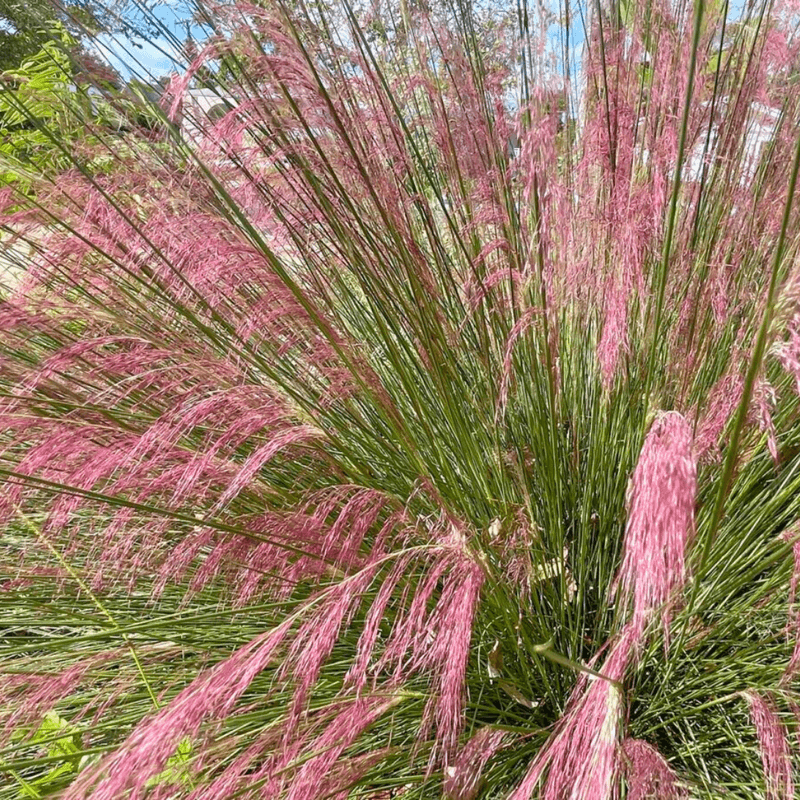
When muhly grass blooms, the whole yard gets that soft pink haze that makes neighbors slow down for a second look. The best part is that it gives that drama without acting like a needy ornamental.
In sandy Florida soil, muhly grass usually feels right at home as long as it gets strong sun and decent drainage. It tolerates dry stretches after establishment, and the fine blades do not collapse into a soggy heap after ordinary summer storms.
Its real personality shows in late summer and fall, which is handy when many yards start looking worn out from months of heat. The airy plumes catch morning and evening light, so even a simple planting can look intentional.
I like muhly grass in groups of three or more, where it can sway instead of looking like a lonely haircut. Cut it back once a year before new growth pushes, and that is usually the biggest chore it asks from you.
3. Firebush
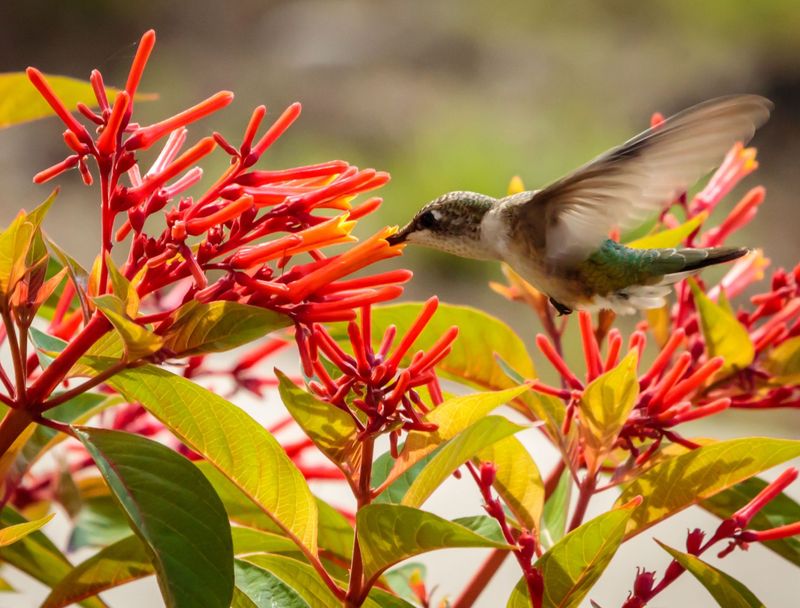
Firebush is the plant I recommend when someone wants color, wildlife, and forgiveness all in one shrub. It looks tropical, but it does not sulk every time the sprinkler schedule misses a day.
Native firebush thrives in much of Florida, especially in sunny spots with well-drained sandy soil. Once established, it can handle heat with surprising confidence, and it often rebounds well after being knocked around by wind or rain.
The orange-red tubular flowers bring hummingbirds, butterflies, and other pollinators, which turns a plain corner into a busy little feeding station. In warm parts of the state it may stay fuller year-round, while colder areas may see it die back and return when conditions improve.
Give it space because firebush is not a tiny plant pretending to be polite. Prune lightly if needed, but avoid shearing it into a stiff box, since its loose shape is part of what makes it useful and natural in a Florida yard.
4. Simpson’s Stopper
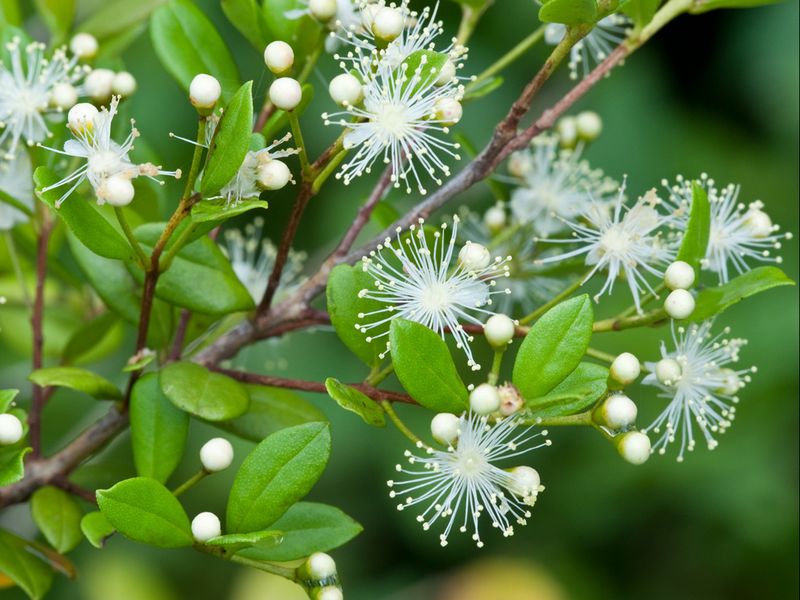
A good hedge should not feel like a part-time job, and Simpson’s stopper comes closer than most. It has a calm, polished look, but it still behaves like a real Florida native instead of a fragile imported shrub.
Its small white flowers are followed by orange-red berries that birds enjoy, so it earns its keep as more than a screen. The leaves are glossy, the growth is dense, and the plant can fit into formal or casual landscapes depending on how you prune it.
For sandy soil, Simpson’s stopper is a smart choice once it has had time to establish roots. It tolerates dry conditions better than many thirsty hedge plants, and it can handle the stop-and-start rhythm of Florida weather.
Use it where you need a soft privacy edge, a wildlife-friendly boundary, or a replacement for high-maintenance hedge plants that constantly demand clipping. A fun little bonus is the spicy scent the leaves can release when crushed, which gives it more character than the average green wall.
5. Beautyberry
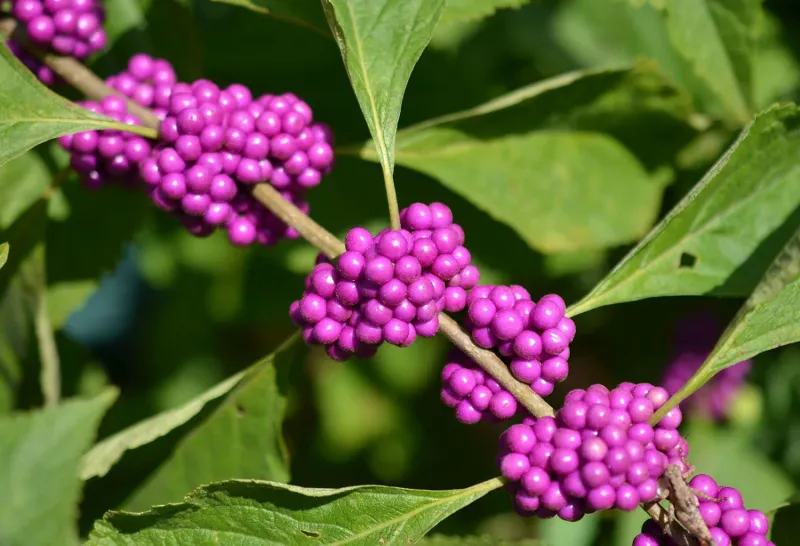
Beautyberry looks almost too strange to be real when the purple berries show up. Those bright clusters along the stems bring a wild, jewel-like moment to the yard right when plain green shrubs start feeling forgettable.
American beautyberry is a Florida native that can handle sandy soil and part sun, especially in naturalized beds or woodland edges. It may look loose and casual rather than clipped and formal, which makes it a better fit for gardeners who enjoy a softer landscape.
Birds feed on the berries, and the plant adds habitat value without needing constant attention. After storms, flexible stems may bend instead of snapping, and light pruning can bring it back into shape if it sprawls too far.
Plant it where you can enjoy the berries up close, not hidden in the farthest back corner. It can go a little bare in winter, but that seasonal change is easy to accept when the payoff is a native shrub that feeds wildlife and laughs at poor soil.
6. Dune Sunflower
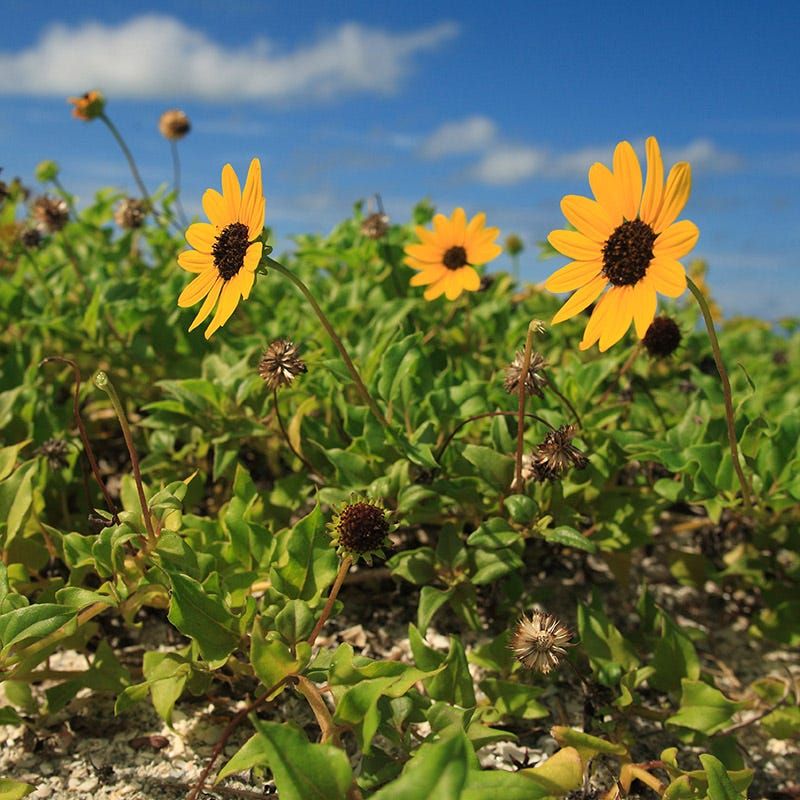
Dune sunflower is the cheerful overachiever of sandy places. If a hot, dry strip near the driveway keeps embarrassing every bedding plant you buy, this native groundcover may be the reset button.
It is especially useful in sunny, well-drained spots where soil feels more like beach sand than garden soil. The yellow daisy-like flowers appear generously, and the low spreading habit helps cover bare ground without looking stiff or formal.
Because dune sunflower is adapted to coastal and sandy conditions, it usually needs less fuss than many annual flowers once established. It can help soften edges, fill awkward slopes, and reduce the urge to keep buying seasonal color that quits after one harsh spell.
Place it where spreading is welcome, because it can move beyond a tiny assigned square when happy. I like it best as a living mulch in sunny open areas, where pollinators can use the blooms and I do not have to stare at bare sand.
7. Walter’s Viburnum
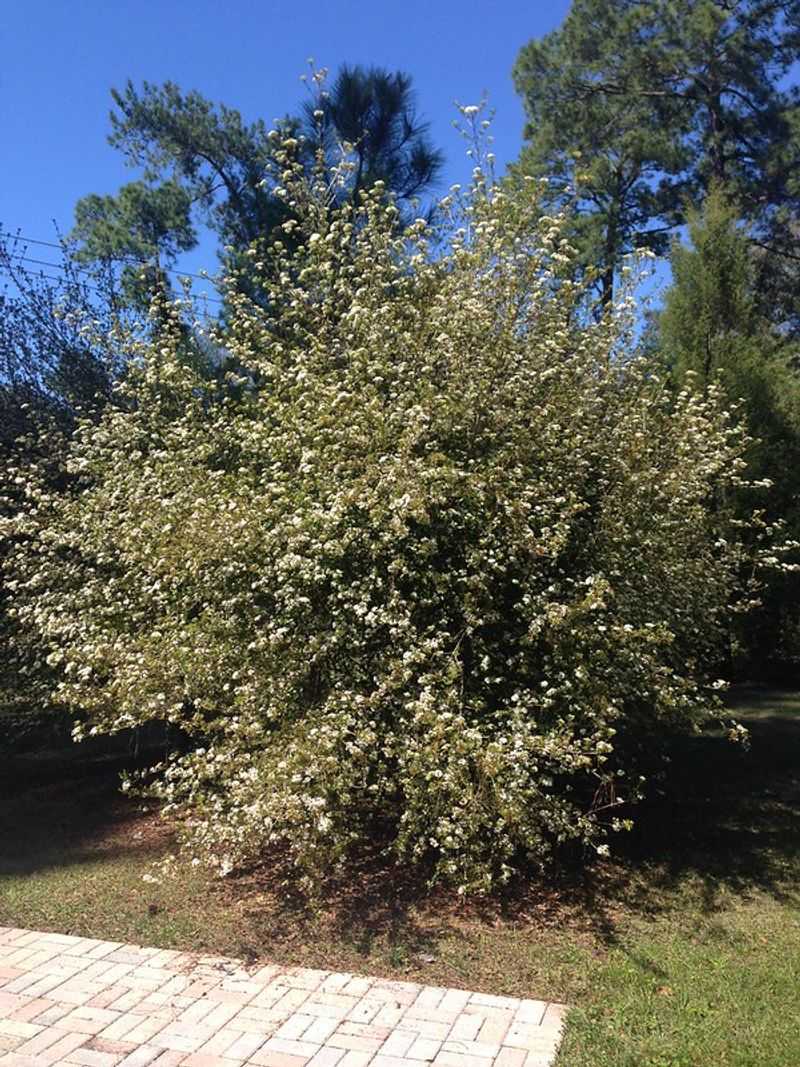
Some plants earn trust by being steady instead of flashy, and Walter’s viburnum fits that role beautifully. It can become a hedge, a small tree, or a mixed-border anchor without turning the yard into a clipping marathon.
In Florida landscapes, Walter’s viburnum is valued for its adaptability, wildlife support, and tidy evergreen presence. It produces clusters of small white flowers that attract pollinators, followed by fruit that can feed birds.
For sandy soil, it performs best after a careful establishment period with regular water, then it becomes much less demanding. It can take sun to part shade, which helps in yards where one bed bakes all afternoon and another sits under shifting oak shade.
Storm-wise, a well-placed native shrub with a strong root system is often easier to manage than brittle, fast-growing ornamentals. Give Walter’s viburnum enough room for its mature size, prune with a light hand, and it becomes one of those background plants that quietly makes the whole yard look more settled.
8. Fakahatchee Grass
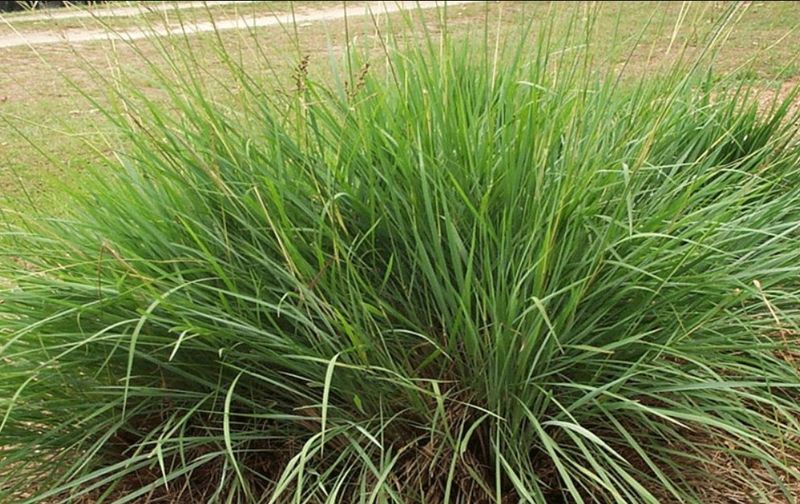
Fakahatchee grass is not delicate, and that is exactly why it belongs in a Florida yard. It brings bold texture without needing flowers to prove its value.
The long arching blades create movement, screen ugly utility spots, and make newer landscapes feel more established. Unlike smaller grasses, it has enough size to hold a corner or soften a fence line, especially in larger beds.
What makes it different from muhly grass is its tolerance for moisture swings. Depending on the site and selection, Fakahatchee grass can handle periods of wet soil better than many drought-loving natives, yet it still fits Florida’s sandy, storm-prone reality when planted in the right place.
Use it near drainage areas, pond edges, or broad beds where a big clump will not crowd a walkway. It may need an occasional cleanup of older leaves, but it avoids the constant flower replacement cycle that makes some Florida landscapes feel like a never-ending receipt.
9. Coral Honeysuckle
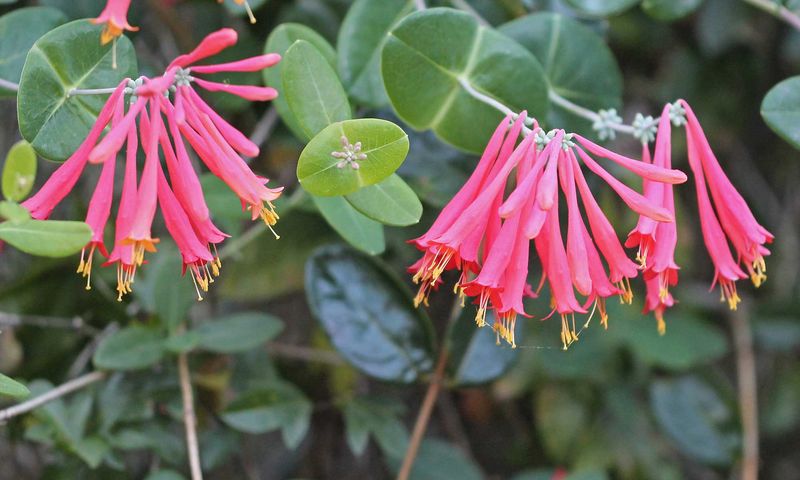
A vine can be charming or it can become a problem, and coral honeysuckle stays on the charming side when given a sturdy place to climb. It brings color upward without the invasive headaches tied to many aggressive vines.
The red to coral tubular flowers are a hummingbird favorite, and they add vertical interest on fences, arbors, and trellises. In sandy Florida soil, the plant appreciates help while getting established, then becomes easier to live with than many thirsty flowering vines.
Coral honeysuckle has another practical advantage: it is native, so it supports local wildlife while fitting the climate better than many imported choices. It can flower heavily in spring and may continue off and on, depending on conditions.
Give it airflow, sun to part sun, and a support that will not wobble during a storm. After rough weather, trimming a vine on a trellis is usually simpler than replacing a row of snapped annuals, which is why this plant feels useful rather than just pretty.
10. Railroad Vine
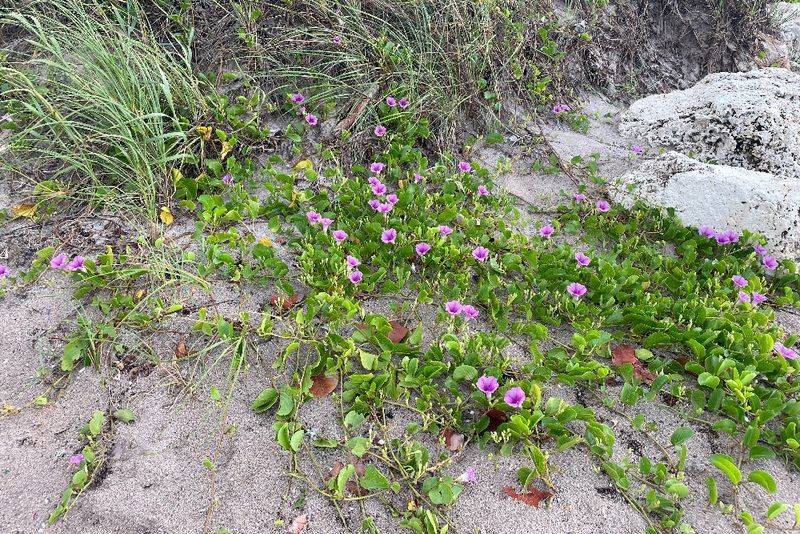
Railroad vine looks like it was designed by the beach itself. Long runners, roundish leaves, and purple morning-glory flowers make it a natural fit for sandy coastal spots where ordinary plants give up.
This native groundcover is especially useful in areas with very sandy soil, salt exposure, and blazing sun. It is often associated with dunes, where spreading stems help stabilize sand and cover ground that would otherwise stay bare.
For homeowners near the coast, railroad vine can be a lower-effort answer for tough open areas, but it needs room. A tiny formal bed is not the right place for a plant that naturally wants to travel.
Storms can reshape coastal yards quickly, and plants adapted to those conditions have a clear advantage. If your site matches its needs, railroad vine can reduce erosion, support a more natural coastal look, and save you from repeatedly planting fragile flowers in a place that never wanted them.
11. Gaillardia
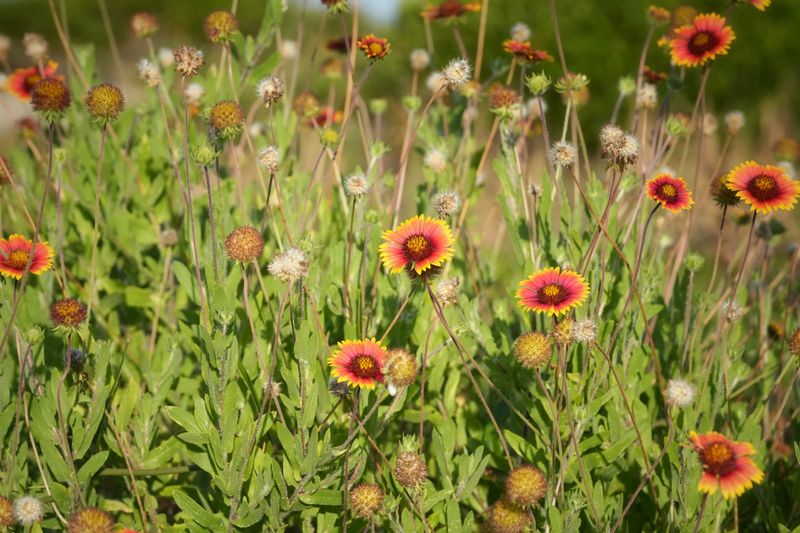
Gaillardia has the bright, scrappy energy of a flower that refuses to be intimidated by bad soil. The red, orange, and yellow blooms look cheerful even when the rest of the yard is clearly tired of summer.
Often called blanketflower, gaillardia is a strong choice for sunny Florida beds with fast-draining sandy soil. It does not want rich, soggy conditions, which makes it a better match for many yards than pampered annuals from the garden center.
Pollinators visit the flowers, and the plant can reseed in friendly conditions, giving a bed a relaxed wildflower feel. That reseeding habit is useful if you like a natural look, though you may want to edit seedlings if they pop up where you do not want them.
Keep gaillardia in full sun and avoid smothering it with heavy mulch or too much irrigation. It is a small plant compared with shrubs and grasses, but it earns its place by bringing long-lasting color to sandy spots that would otherwise look empty.
12. Southern Wax Myrtle
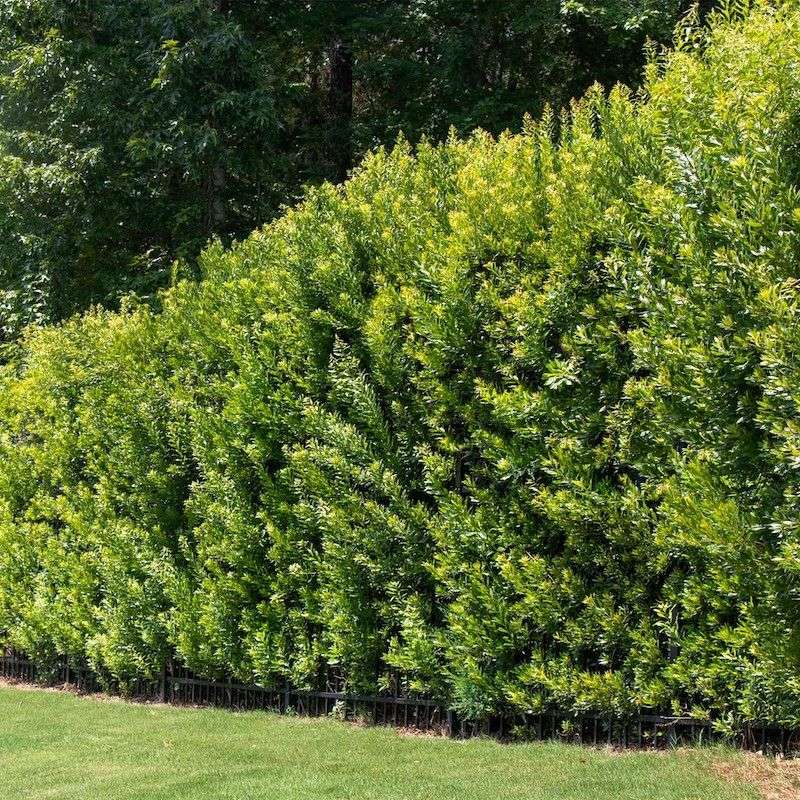
Southern wax myrtle feels like the practical friend who shows up with tools when everyone else is still talking about plans. It grows fast enough to be useful, screens views well, and handles many Florida yard problems without drama.
In sandy soil, wax myrtle can establish into a tough evergreen shrub or small tree, especially when planted in the right light and watered properly at first. It is often used for privacy, wind buffering, and wildlife cover.
Birds use the dense branches, and the waxy berries on female plants can provide food for wildlife. The foliage has a clean, resinous scent when brushed or crushed, which adds a pleasant detail near paths or outdoor sitting areas.
Because it can grow large, placement matters. Do not squeeze it against the house or under low eaves and expect it to stay tiny forever. Given space, Southern wax myrtle can help a Florida yard feel protected, green, and more storm-ready without demanding constant pampering.