
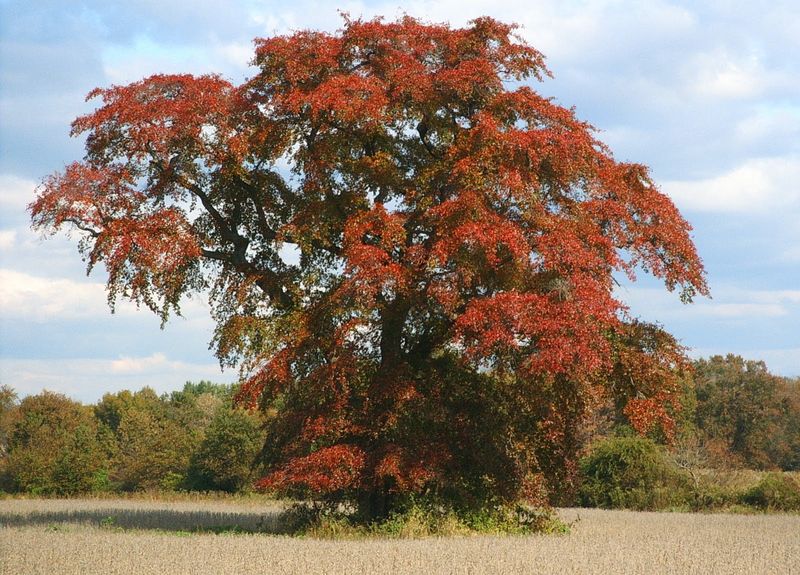
Tucked into forest edges across North Carolina, blackgum quietly does something most yard trees never manage: it drops fruit that draws waves of birds from late summer through fall, right when natural food sources start to thin out. Known by several names, including black tupelo and sour gum, Nyssa sylvatica is a true North Carolina native that thrives from the Coastal Plain to the mountains. What it cannot do, despite what you may have heard, is repel or discourage ticks on its own. Understanding what this tree actually offers, and what it takes to make the surrounding edge safer for your family, is the key to getting real value from it.
Blackgum is a strong North Carolina native wildlife tree
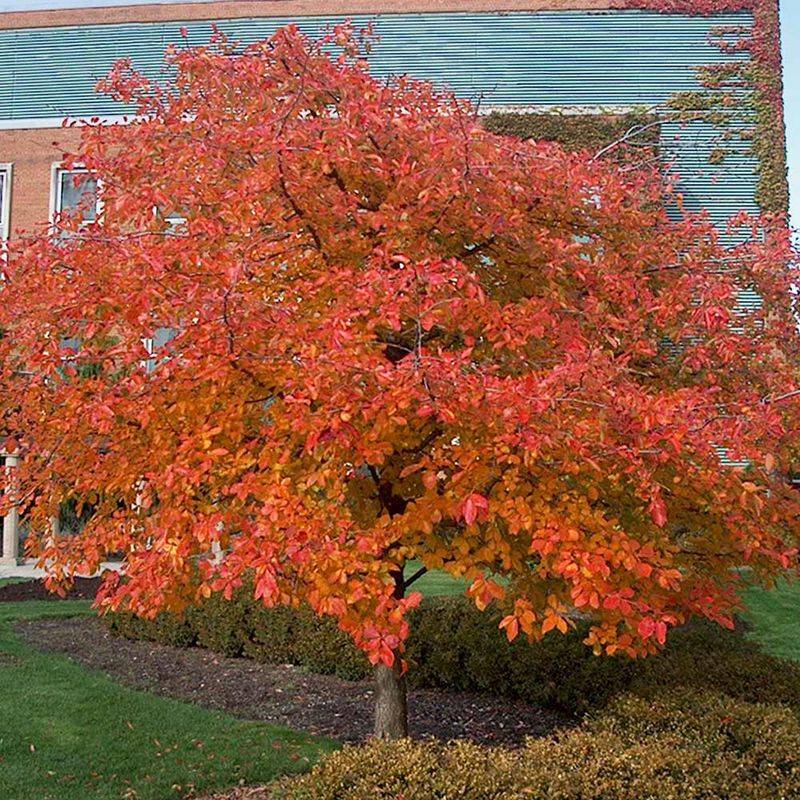
Blackgum, known scientifically as Nyssa sylvatica and sometimes called black tupelo or sour gum, grows naturally across all three of North Carolina’s major regions. NC State Extension’s plant profile for blackgum confirms it as native to the Coastal Plain, Piedmont, and mountains alike, making it one of the more broadly adaptable native trees available to North Carolina homeowners. At maturity, it typically reaches 40 to 70 feet tall with a spread that can match its height, so any homeowner considering it needs to look up and out before choosing a planting spot.
Calling it the single most underrated native tree in the state is a subjective claim, but its combination of wildlife value, adaptability, and year-round visual interest does make it genuinely overlooked compared to more commonly planted natives. Its fall foliage turns a vivid red-orange that rivals maples, yet it appears far less often in residential landscapes. That gap between what it offers and how rarely it gets planted is worth closing.
On the soil side, blackgum handles clay, loam, and sandy ground without demanding amendment-heavy preparation. It tolerates moist conditions, occasional flooding, and occasional dryness, which gives it a wider range of workable sites than many native trees of similar size. Good drainage still matters for long-term establishment, and the tree’s eventual height means overhead utility lines, buildings, and neighboring property lines all need to be part of the site decision before a single hole is dug.
Growth is moderate rather than fast, so patience is part of the bargain. The payoff, a structurally interesting, wildlife-supporting, brilliantly colored native tree adapted to North Carolina’s variable soils and climate, is worth the wait for homeowners who plan ahead and choose the right location from the start.
Female trees can provide fruit from late summer into fall
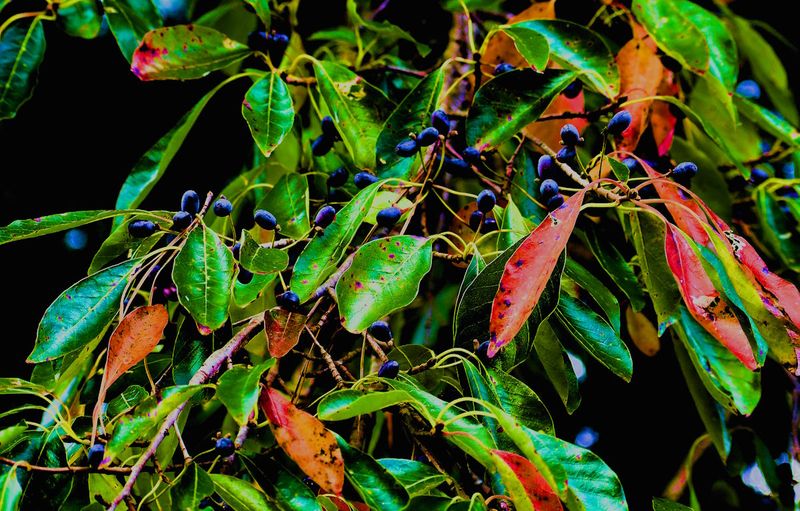
The fruit blackgum produces is a small, bluish-black drupe that ripens from late summer into fall, though the exact window shifts depending on where in North Carolina the tree grows, the year’s weather, and the specific tree. NC State Extension documents an August through October fruiting period, while U.S. Forest Service data shows the season can extend into November at higher latitudes and elevations. Counting on fruit throughout all of fall in every yard is not realistic; a better expectation is that a healthy, mature female tree can supply fruit during a meaningful stretch of the late-summer-to-fall transition.
Only female trees produce fruit, and that single fact trips up many homeowners who plant a young, unidentified blackgum and wait years for fruit that never arrives. Nurseries do not always label trees by sex, so if fruit production is your primary goal, ask specifically for a female tree or buy from a source that can confirm sex at the time of purchase. Planting a male tree is not a failure, since male blackgums still provide native canopy, fall color, and habitat structure, but the bird-feeding benefit depends entirely on female fruit production.
The list of documented fruit users is long and includes some of the most recognizable birds in North Carolina yards and forests. Thrushes, American robins, northern mockingbirds, woodpeckers, and wild turkeys all use the fruit. Foxes, raccoons, and opossums are among the mammals documented eating it as well. That breadth of wildlife use is part of what makes a female blackgum valuable at the yard’s edge, since it draws activity across multiple species during a season when many other fruit sources have already been exhausted.
Worth noting: more wildlife activity at the woodland border is not the same as lower tick risk. Mammals that feed on blackgum fruit, including deer, which browse young blackgum sprouts, are also tick hosts. The fruit’s value is real and well documented; its relationship to tick exposure is indirect at best and requires separate management to address.
Blackgum does not discourage ticks
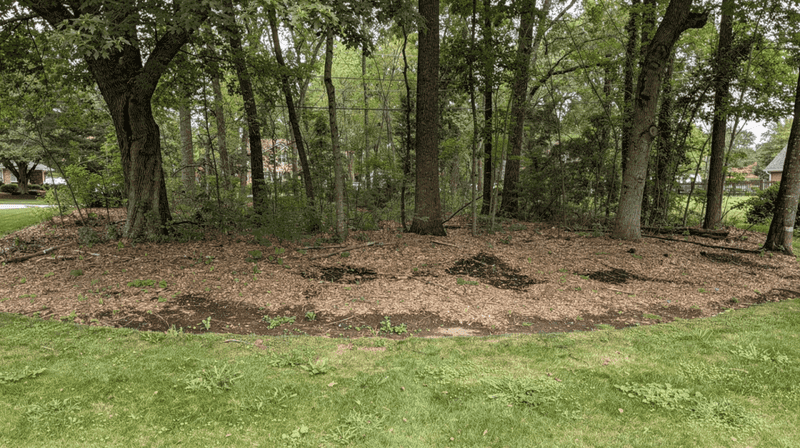
Somewhere along the way, blackgum picked up a reputation for keeping ticks at bay. That reputation is not backed by any reliable source reviewed for this article. No plant authority, tick-management handbook, or public-health agency identifies blackgum as a tick-repellent species, and planting it will not drive ticks away from your yard’s edge or reduce tick numbers on its own.
What research does show is that tick survival and abundance are shaped by conditions including humidity, the depth of leaf litter on the ground, the density of vegetation, the amount of sunlight reaching the soil surface, seasonal weather patterns, and the presence of host animals. A study on mechanistic pathways of tick exposure risk in plant communities found that vegetation structure, ground cover, and microclimate conditions influence where ticks thrive, not the identity of any single tree species. Ticks do not avoid blackgum; they respond to the physical environment around them.
A mature blackgum can actually add shade to the woodland edge, and more shade often means more humidity at ground level. Penn State Extension’s tick guidance explains that ticks prefer humid, shaded environments and are less likely to survive in sunny, dry areas. Planting a large canopy tree does not automatically create a sunnier, drier edge. That outcome depends on actively thinning surrounding vegetation, removing brush and leaf litter, and keeping the high-use zone open and inspectable.
The honest picture of blackgum is this: it is a genuinely valuable native wildlife tree that happens to grow at the kind of woodland edge where ticks are also present. Its fruit benefits birds. The tick-exposure question is answered by how you manage the landscape around it, not by the tree’s presence. Keeping those two things clearly separate protects you from misplaced confidence and keeps your planning grounded in what actually works.
CDC tick prevention guidance makes no mention of any plant species that discourages ticks by its nature; the agency’s recommendations focus entirely on habitat modification, barriers, and personal protection measures.
Separate the wildlife border from high-use spaces
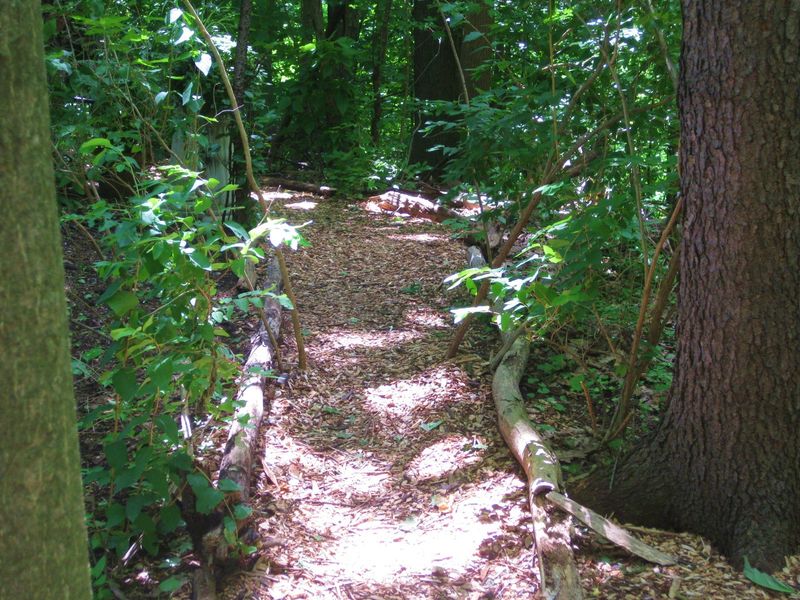
Habitat and recreation space can coexist in the same yard, but they work best when they are deliberately designed as separate zones rather than blended together. Placing blackgum and any associated naturalistic plantings at the far edge of the property, well away from patios, decks, play equipment, and other areas where people spend extended time, gives wildlife a corridor while keeping the spaces your family uses most as open and manageable as possible.
CDC guidance on tick prevention recommends placing a 3-foot-wide wood-chip or gravel barrier between maintained lawn and wooded or brushy areas. That strip interrupts tick movement from the woodland edge toward the lawn. It also serves as a visual and physical reminder of where the managed zone ends and the wilder border begins, which helps with consistent maintenance over time.
The edge itself needs to stay as open and inspectable as possible. Tall grass, dense groundcover, and accumulated leaf litter right beside the lawn are the conditions that make ticks comfortable and make them harder to avoid. Keeping the immediate transition zone mowed, thinned, and free of debris addresses those conditions in a way that no tree planting alone can replicate.
The Tick Management Handbook is explicit that native plants, brush, and leaf litter can create tick-friendly cover even when the species involved are ecologically appropriate choices. Native does not mean tick-free. A densely planted native border packed with leaf litter and woody debris right beside a play area is a higher-risk design than a well-separated, regularly maintained edge.
Practical zone design looks something like this: blackgum and companion native plants at the back or side boundary, a maintained wood-chip or gravel barrier strip, a regularly mowed open lawn, and then the patio or play area closest to the house. Wildlife benefits from the planted border; people benefit from the open, maintained buffer between them and that border. Both goals are achievable together, but only if the zones are treated as distinct rather than merged.
Choose a site that matches blackgum’s mature size and needs
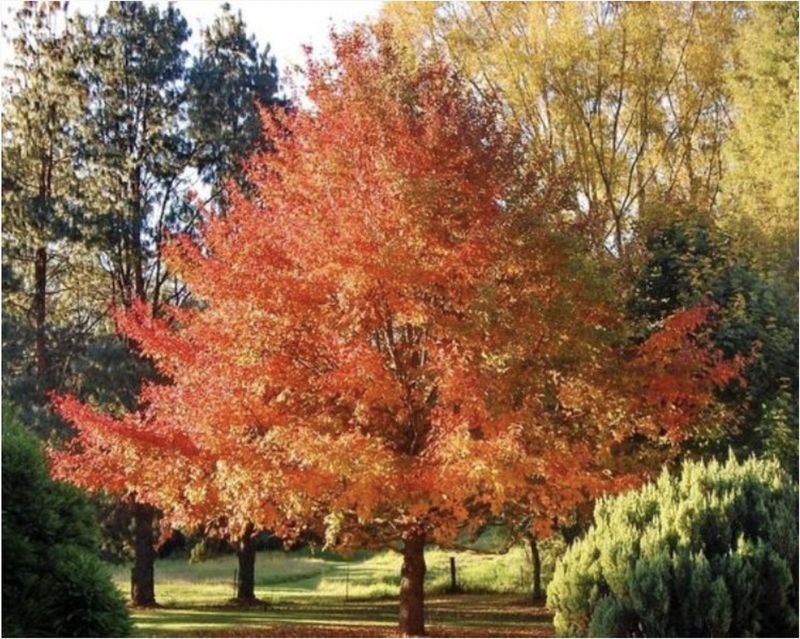
Before buying a blackgum, measure the available space carefully. A tree that reaches 40 to 70 feet tall and spreads nearly as wide needs significant clearance from structures, utility lines, driveways, and neighboring property. Planting too close to any of those features creates expensive problems later that no amount of pruning can fully solve.
Full sun is the preferred exposure for blackgum, and it performs best with at least six hours of direct light per day. NC State Extension’s blackgum profile lists tolerance for clay, loam, and sandy soils, as well as for moist conditions, occasional flooding, and occasional dryness, which makes it broadly adaptable across North Carolina’s varied landscapes. That said, adaptable does not mean indifferent to site quality. Drainage still matters for long-term root health, and a spot that stays waterlogged for weeks at a time after heavy rain will challenge even a flood-tolerant species over time.
If fruit production is part of your goal, the sex of the tree is not a minor detail. Only female blackgums produce fruit, and young nursery trees are often sold without any sex designation at all. Ask the nursery directly, or buy a tree that was propagated from a known female. Discovering years later that you planted a male tree is a common and entirely avoidable disappointment.
Timing the planting for fall gives the tree its best shot at establishment in North Carolina. NC Cooperative Extension recommends fall planting for most native species because cooler temperatures and seasonal rainfall reduce the stress of establishment compared to planting in summer heat. Roots can settle and extend through winter while the tree is dormant, putting it in a stronger position to handle its first full growing season. None of this site selection or planting timing has any direct effect on ticks; those concerns are handled through the edge management covered in the next section.
Manage the surrounding edge for lower tick exposure
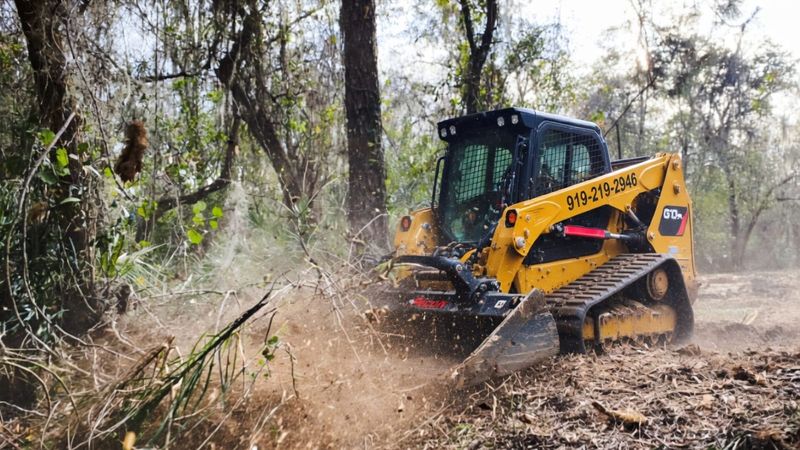
A recurring maintenance routine, not a single planting decision, is what actually shapes tick exposure at the yard’s edge. The steps involved are straightforward, but they require consistent follow-through across the growing season rather than a one-time effort.
Mowing regularly and keeping grass short near the home and along the lawn-to-woods transition is one of the most effective things a homeowner can do. CDC tick prevention recommendations include clearing tall grass and brush near the house, removing leaf litter from the lawn and edge areas, and keeping woodpiles stacked neatly in dry, sunny locations rather than shaded, damp corners. Each of those steps reduces the humid, sheltered ground cover that ticks need to survive.
The Tick Management Handbook adds that thinning or limbing vegetation along the edge to admit more sunlight is a meaningful step, since ticks are more vulnerable to desiccation in sunny, open areas. Woody debris, fallen branches, and brush piles should be removed or relocated away from high-use zones because they shelter the small mammals that serve as tick hosts and feeding sources.
Deer are significant tick hosts, and Penn State Extension’s tick guidance supports discouraging deer from the yard where practical, through fencing, plant selection, or other deterrents. Blackgum’s fruit and young sprouts both attract deer, so homeowners who plant it at the edge should factor deer pressure into their overall management plan rather than treating the tree and deer access as unrelated issues.
None of these steps eliminate ticks completely, and the handbook is clear that landscape modification reduces exposure rather than guaranteeing a tick-free yard. The goal is to make the edge less hospitable over time through consistent action: mow, clear, thin, dry out, and remove debris on a schedule that keeps conditions from reverting between visits. That kind of maintained edge, built around the blackgum planting rather than replaced by it, is what the evidence actually supports.
Use personal protection because landscaping cannot eliminate risk
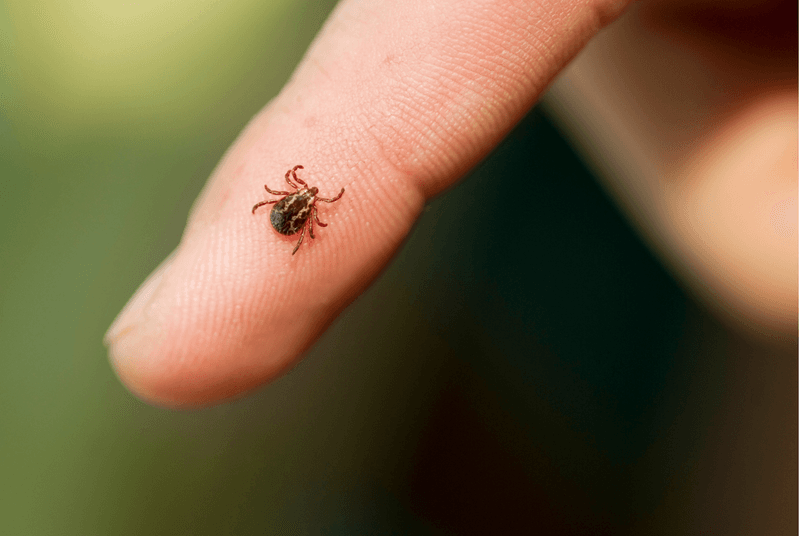
Ticks are common across North Carolina year-round, and the illnesses they carry are a real part of life in the state. The North Carolina Division of Public Health documents tick-borne illnesses including ehrlichiosis, Lyme disease, Rocky Mountain spotted fever, and STARI as concerns for residents statewide. Not every tick bite leads to illness, but the risk is present in all three of North Carolina’s major regions, from the Piedmont to the coast to the mountains, and it does not disappear because the yard has been landscaped thoughtfully.
Personal protection remains necessary regardless of how well the edge is managed. CDC guidance on preventing tick bites recommends using EPA-registered repellents applied as directed on exposed skin, wearing light-colored long sleeves and pants when working near wooded or brushy areas, and treating clothing and gear with permethrin for higher-risk yard work. Light colors make it easier to spot a tick before it reaches skin.
After any time spent near the woodland edge, a thorough tick check is one of the most reliable ways to catch a tick before it attaches or feeds long enough to transmit disease. Check the scalp, behind the ears, under the arms, behind the knees, and around the waist. If a tick is found attached, remove it promptly with fine-tipped tweezers, grasping the tick as close to the skin as possible and pulling steadily upward without twisting. Homemade removal methods using petroleum jelly, heat, or essential oils are not recommended and can increase risk.
A blackgum planting and a well-managed edge contribute to a yard that is more thoughtfully designed for both wildlife and people. They do not replace repellent, protective clothing, tick checks, or prompt removal. Treating those personal precautions as optional once the landscape work is done is the kind of overconfidence that leads to preventable bites. The landscape plan and the personal protection routine work together; neither one makes the other unnecessary.
Plant blackgum for birds, and manage the edge for people
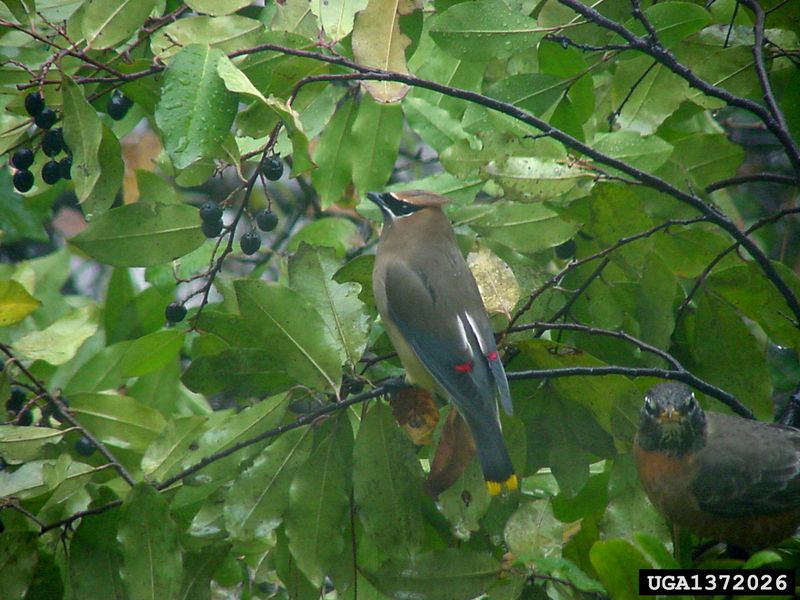
The clearest takeaway from everything covered here is that blackgum and tick management are two separate projects that happen to share the same landscape. A properly sited female blackgum can supply bluish-black fruit from late summer into fall, drawing thrushes, robins, woodpeckers, and other birds to the yard’s edge during a season when natural food is becoming scarce. NC State Extension’s documentation of blackgum’s wildlife value supports that role clearly, and the tree earns its place in a North Carolina native planting on that basis alone.
Tick exposure at the same edge is addressed through mowing, leaf-litter removal, brush clearing, dry barriers, sunlight, host management, and personal precautions. CDC prevention guidance ties all of those measures to the surrounding landscape management, not to any particular tree. Blackgum does not discourage ticks; the maintained edge around it does the work.
Designing a yard with both goals in mind means treating the wildlife border and the family recreation space as related but distinct zones: the planted edge for birds and habitat, the open managed lawn for people, and a maintained barrier between them. That combination is achievable, honest about what each part contributes, and grounded in what the evidence actually supports. A native tree feeds the birds; a well-kept edge gives your family a safer place to enjoy watching them.