
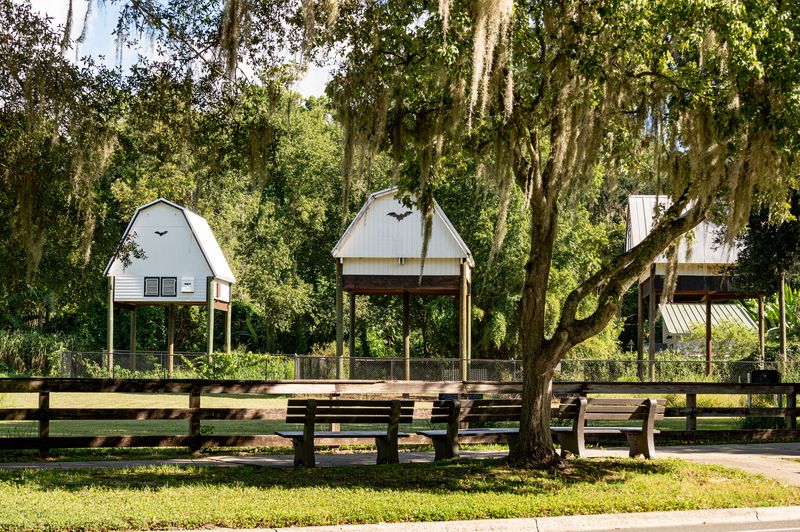
Mosquitoes can turn a Florida backyard into a place you rush through instead of enjoy. A smart bat house gives local bats a safe roost, and the right native plants help build the insect-rich habitat they need nearby. The goal is not to wipe out every mosquito, but to make your yard work harder for you with less spraying. Here is the setup and the six Florida natives that help finish the job.
1. A Florida-Ready Bat House Setup
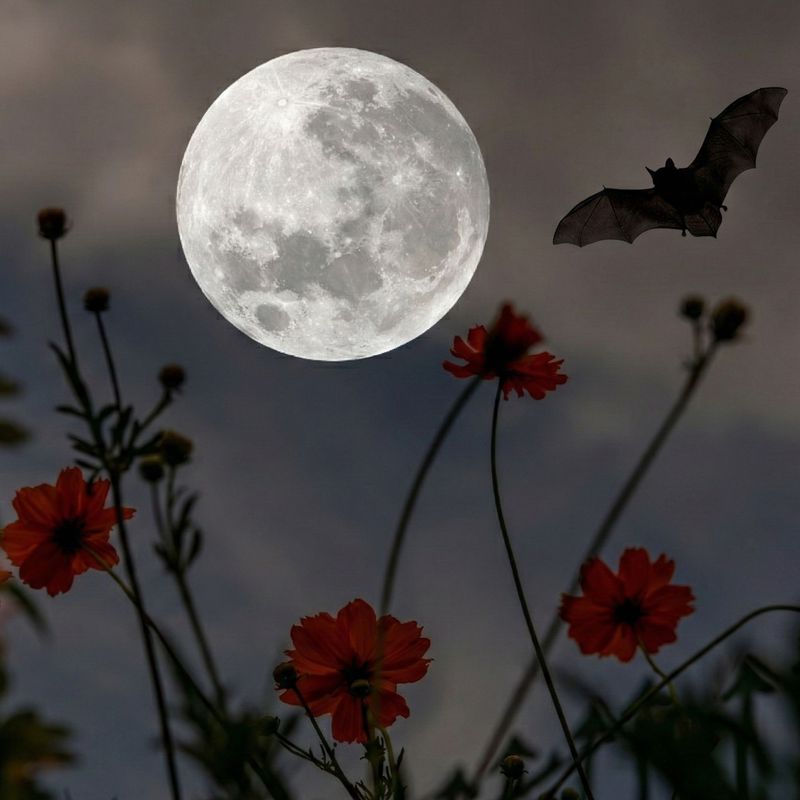
A bat house works best when it feels less like a decoration and more like safe housing in the right neighborhood. In Florida, that means heat, height, clear flight paths, and a location that does not flood after one of those sudden afternoon downpours.
Mount the house about 12 to 20 feet high, ideally on a pole or the side of a structure instead of a tree. Trees can invite snakes, raccoons, and ants, and branches may block the open swoop bats need when they come and go at dusk.
Sun matters, but Florida sun can be fierce. Aim for morning sun or about 6 hours of direct light, with a dark exterior in north or central Florida and a medium brown or lighter finish in hotter south Florida spots. Use an exterior, water-based stain, not sticky paint inside the roost.
Choose a multi-chamber bat house with roughened interior surfaces or mesh made for climbing. Place it at least 20 to 30 feet from bright porch lights, but near a water source if possible, such as a pond, lake, canal, or wildlife-friendly rain garden.
For mosquito control, think of bats as one layer in a bigger plan. Dump standing water weekly, skip broad insecticides that kill bat food, and plant night-blooming or insect-supporting natives nearby so your yard becomes part roost, part buffet, and part Florida pest strategy.
2. Coral Honeysuckle
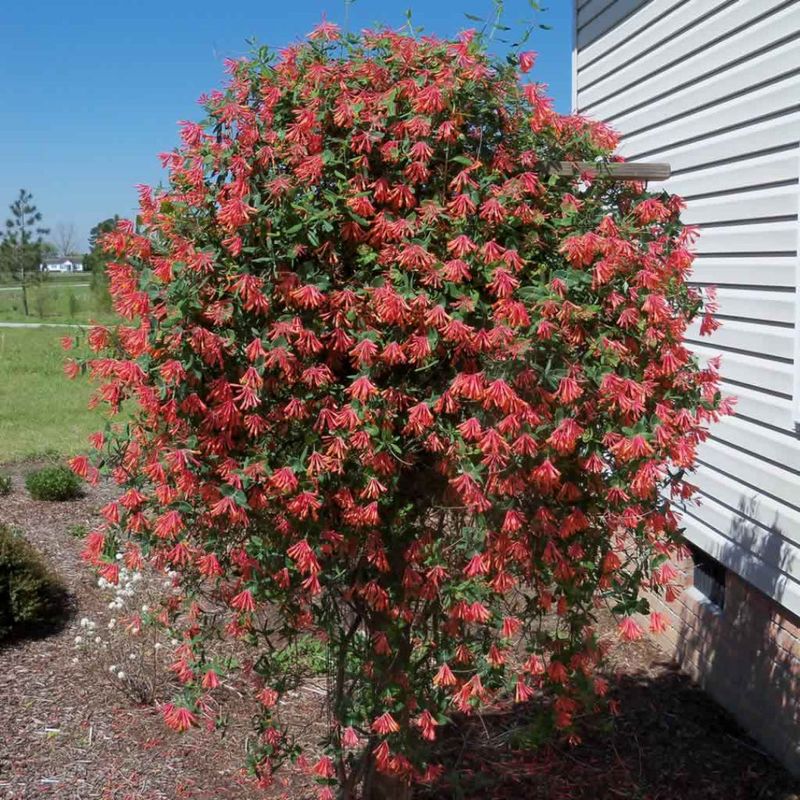
Hummingbirds get the headlines with coral honeysuckle, but evening insects also pay attention to those clusters of red-orange tubes. That is good news for a bat-friendly yard, because a steady insect supply keeps the space active after sunset.
Unlike aggressive exotic vines that can swallow a fence, native coral honeysuckle is usually easier to manage with light pruning. It fits well on a trellis, arbor, or fence near the edge of an open lawn where bats have room to fly without dodging dense branches.
Florida gardeners like it because it handles sun, part shade, and the kind of sandy soil that makes fussier plants sulk. Once established, it can take short dry spells, though a little irrigation during long droughts helps it bloom better.
Its biggest value in this setup is vertical habitat. A vine gives insects flowers, shelter, and leaf cover without filling the entire flight zone under the bat house.
Give coral honeysuckle a support that can handle wind, especially if your yard catches hurricane-season gusts. Keep it trimmed away from the bat house pole or mounting wall so predators cannot use it as a ladder.
3. Simpson’s Stopper
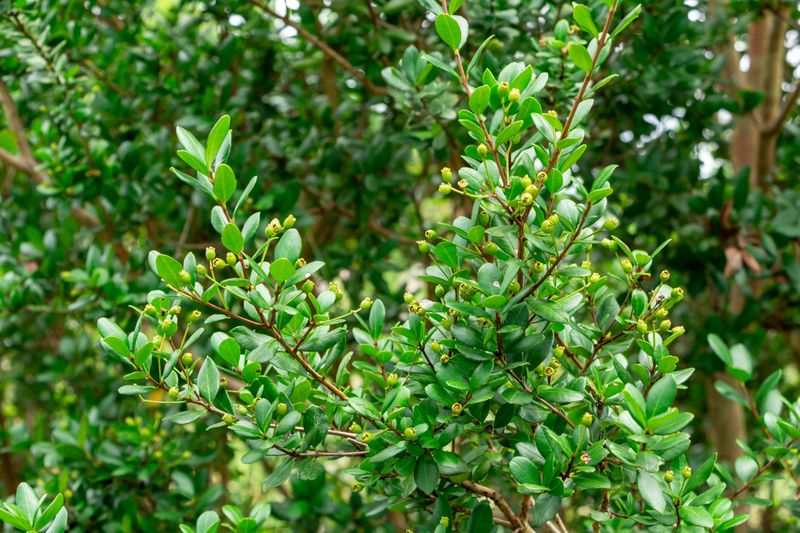
A quiet shrub with a busy social life, Simpson’s stopper brings flowers, fruit, birds, and insects into one tough Florida package. It is not flashy from the road, but up close it earns its keep.
Small white blooms draw pollinators, and those pollinators help feed the nighttime food web that bats depend on. Later, the orange to red berries attract birds, making the shrub useful beyond mosquito season.
Simpson’s stopper is especially handy for Florida homeowners who want structure without constant trimming. It can become a hedge, privacy screen, or small specimen tree, and it tolerates sandy soils once its roots settle in.
Plant it off to the side of your bat house zone rather than directly below it. Bats need open air under the roost, while shrubs belong nearby as insect habitat and wind-softening cover.
In coastal areas, this native is a strong pick because it has decent salt tolerance compared with many landscape shrubs. Add mulch in a wide ring, keep mulch off the trunk, and water during establishment so it can turn into a long-term, low-effort anchor for the yard.
4. Firebush
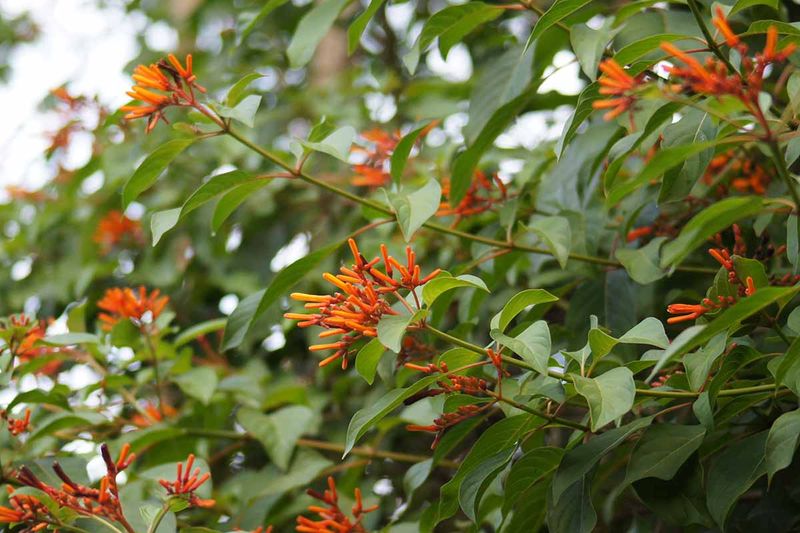
Few Florida natives look as cheerful in punishing heat as firebush. When other plants seem tired by late summer, this one often keeps pushing out orange-red blooms like it missed the memo.
Firebush is a strong choice for the bat house plan because it supports butterflies, bees, and other insects during warm months. More insect activity in the landscape can help make your yard more attractive to bats hunting at night.
Use it in full sun to part shade, and expect the best flowering where it gets plenty of light. In central and south Florida, it may grow into a large shrub, while colder north Florida winters can knock it back before it returns from the roots.
The difference-maker here is toughness. Firebush handles heat, sandy soil, and periods of dry weather after establishment, making it a practical plant for homeowners who do not want a fussy mosquito-control companion garden.
Leave space around it, because a happy firebush can get broad. If you plant it too close to walkways or the bat house landing area, you may end up pruning more than you planned.
For a neat look, trim lightly after flowering flushes instead of shearing it into a hard box. The looser form gives wildlife more value and keeps the garden feeling natural.
5. Frogfruit
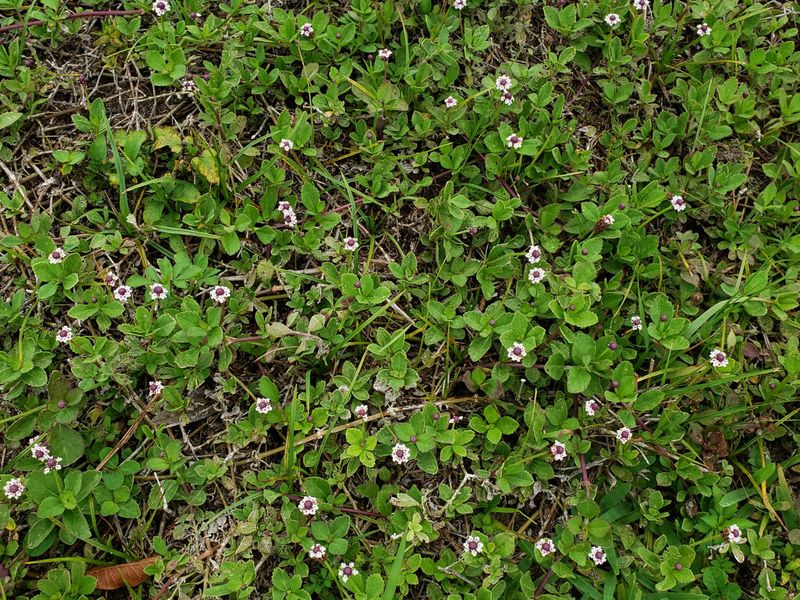
Right at ankle height, frogfruit does a surprising amount of work. It creeps, blooms, feeds small pollinators, and can soften the hard edges of a yard without demanding pampered soil.
For Florida gardeners tired of thirsty turf, frogfruit can act as a native groundcover in sunny spots. It is not a perfect replacement for every lawn, but it works beautifully in strips, borders, open patches, and pollinator pockets around a bat-friendly landscape.
Tiny flowers attract small bees, butterflies, and other insects. Those insects are not the same as mosquitoes, of course, but a richer insect community helps create the kind of active evening habitat where bats are more likely to hunt.
Frogfruit stands apart because it fills the low layer. While shrubs and vines build height, this plant covers sandy ground, reduces bare patches, and helps the yard look intentional instead of weedy.
Keep it out of areas that stay soggy after storms, since many Florida yards can shift from bone-dry to puddled in one afternoon. Once established in well-drained soil, it usually needs far less attention than high-maintenance bedding plants.
If neighbors ask why you are letting tiny flowers grow in the lawn, tell them it is not neglect. It is habitat with a Florida accent.
6. Dune Sunflower
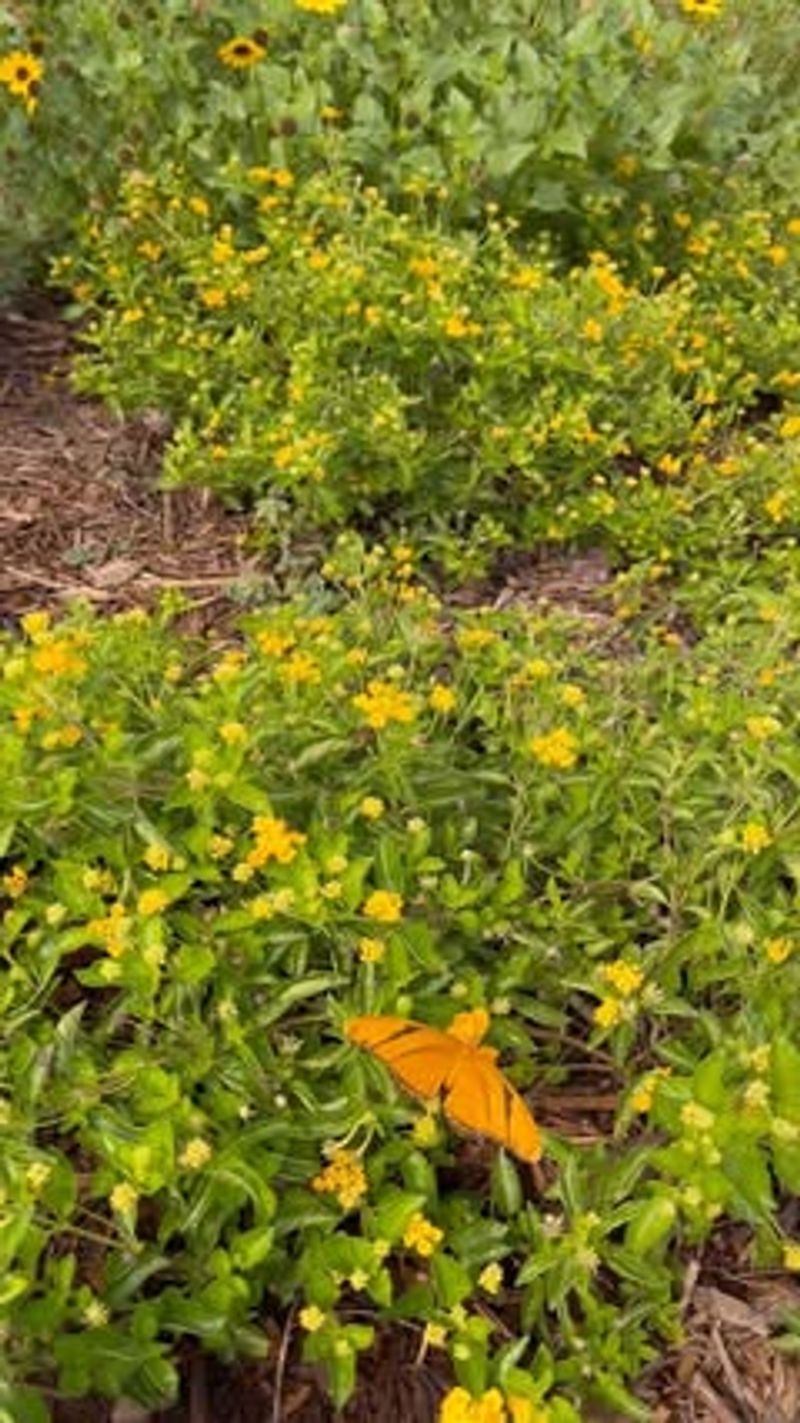
Hot sand, bright sun, and salty breezes do not scare dune sunflower. That alone makes it a standout for Florida yards where delicate flowers fade before the weekend is over.
Masses of yellow blooms attract daytime pollinators, and the plant spreads into a cheerful groundcover that can handle lean soil. In a bat house landscape, it helps create a living edge around open flight space without growing tall enough to block it.
Dune sunflower is especially useful in coastal and central Florida gardens with fast-draining soil. It prefers sun and does not want constant wet feet, so avoid placing it in low spots where summer storms leave puddles behind.
Its special role is erosion-friendly coverage. Around sandy yards, slopes, mailbox beds, and sunny fence lines, it helps cover exposed soil while adding nectar and seed value for wildlife.
Give it room to wander, because that relaxed habit is part of its charm. If it creeps beyond the bed, trim it back or edge it like you would any spreading groundcover.
Pair dune sunflower with a pole-mounted bat house by keeping the tallest vegetation away from the pole and using low plantings farther out. The result is tidy, sunny, and useful without turning the yard into a maintenance project.
7. Saltbush
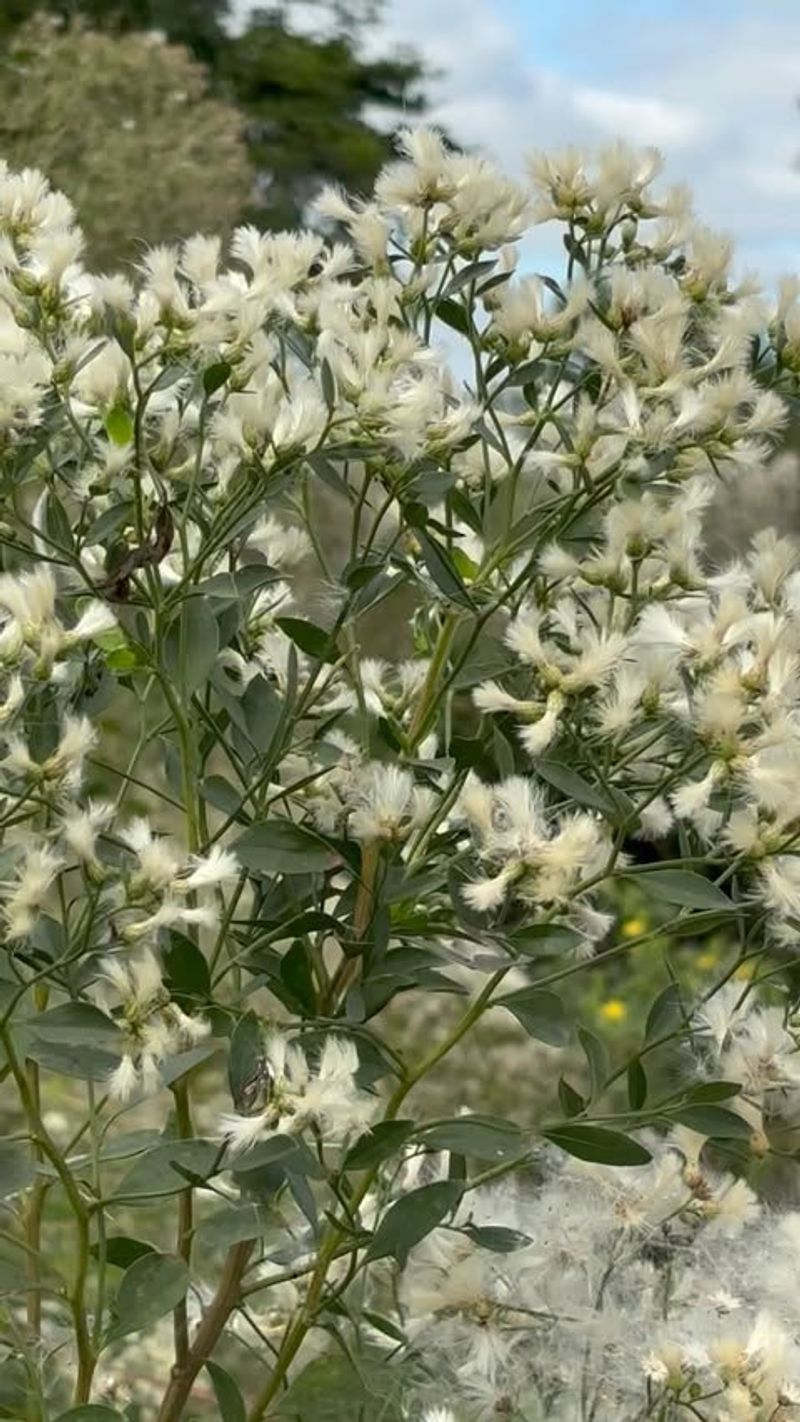
Fall in Florida can feel subtle, but saltbush knows how to put on a show. Its fluffy white blooms arrive when many gardeners are shifting from summer survival to cooler-season cleanup.
Also called groundsel tree in many native plant circles, saltbush is valuable because it supports pollinators late in the year. That timing matters, since a bat-friendly yard should not be a one-season buffet.
Saltbush naturally fits damp edges, swales, pond margins, and places that may catch water after heavy rain. For Florida homeowners dealing with flooding or hurricane-season runoff, it can be a smart native choice where drier plants struggle.
Do not cram it directly under a bat house. Instead, use it near a rain garden, drainage area, or back fence where it can feed insects and handle moisture while bats keep a clear flight path.
The plant’s windblown seed fluff can look messy to neat-freak gardeners, so place it where a natural style makes sense. Wildlife gardens are not always clipped and polished, but they can be planned, attractive, and purposeful.
Saltbush seals the deal by stretching the habitat calendar into fall. Add it to the mix, and your mosquito-control plan becomes less about one box on a pole and more about a living Florida yard that works after dark.