
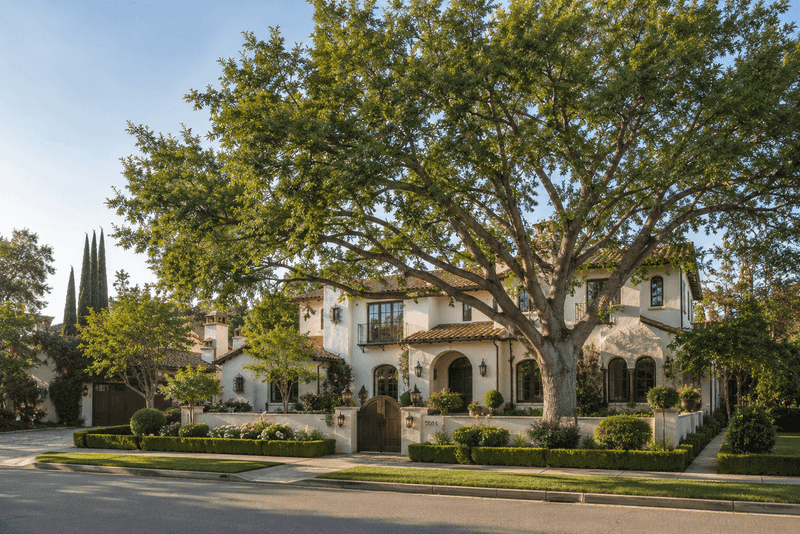
Shade can make a Florida yard feel far more comfortable, but many shade trees come with a heavy price in rakes, bags, and fallen limbs. One native tree, winged elm, is described by university experts as fast-growing and not a litter problem.
That does not mean it is cleanup-free, and it needs some care while young. Here is what Florida homeowners should know before planting one.
Winged elm is the strongest match, not a no-cleanup promise
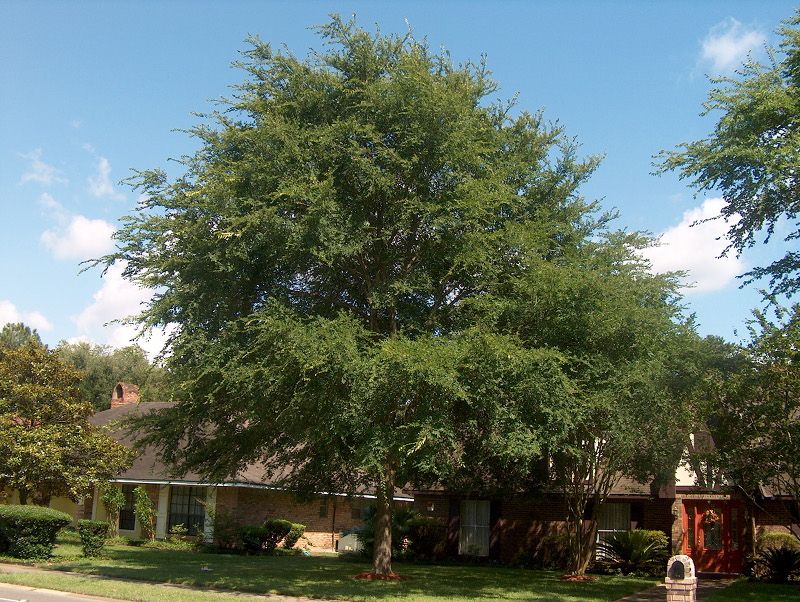
The title of this article does not name its tree, so no one can say for sure which species it means. Based on the research, the strongest match is winged elm (Ulmus alata).
It fits the description of a fast-growing shade tree with comparatively low litter.
According to the UF/IFAS winged elm profile, the tree is fast-growing and suitable for shade. The same profile rates its fruit and leaves as not a litter problem.
That is a helpful comparison for anyone tired of heavy debris from other shade trees.
Still, the word to remember is comparatively. Winged elm is deciduous, which means it drops its leaves, so you will still have some seasonal cleanup.
A low-litter tree is not a mess-free tree, and this article will treat it that way.
It also helps to keep winged elm separate from Florida elm, since the names sound alike. UF/IFAS Gardening Solutions describes Florida elm as a much larger tree, 60 to 80 feet tall, with copious seed drop, shallow roots, and storm-breakage concerns.
Those traits make it a poor fit for any low-cleanup claim.
The sections ahead cover where to place the tree, what cleanup to expect, how big it gets, where it fits in Florida, and how to prune it while it is young. By the end, you can decide if it suits your yard.
Place the canopy where shade can help
Where you plant a shade tree matters nearly as much as which tree you pick. A canopy in the wrong spot can leave the hottest wall of your house in full sun.
A canopy in the right spot can soften that heat for years.
UF/IFAS guidance on using trees to conserve energy points to a few things to weigh. These include the sun-facing walls and windows, the shape and density of the canopy, and the conditions on your site.
Shade benefits depend on how all of those fit together.
Start by watching your yard through a typical day. Notice which walls, windows, patios, or sitting areas get the strongest sun, and when.
Those spots show you where a canopy could help most.
Next, picture the tree as a full-grown canopy rather than a young sapling. A tree that looks small at planting will cast a much larger shadow later, so think about where that shade will fall.
Be careful with promises here. A well-placed tree can provide useful shade and help cool the area around it, but no source supports a set temperature drop or a fixed number of years until shade arrives.
Your site, planting, and care will shape the results.
Expect seasonal drop, even with comparatively low litter
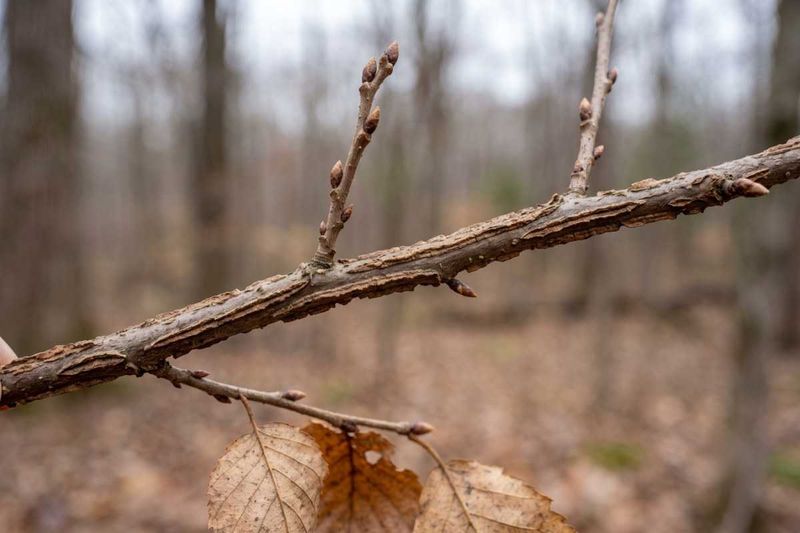
Low litter sounds wonderful, but it needs a clear definition. Winged elm is deciduous, so it sheds its leaves at some point each year.
Its leaves run about 2 to 4 inches long, and its fruits are small and winged.
The UF/IFAS profile rates both the fruit and the leaves as not a litter problem. That rating is a comparison with trees known for heavy debris.
It does not say that leaves and fruit vanish or that you can ignore them.
In practical terms, picture a lighter job than you might face under some other shade trees, not an absent job. You may still want to rake or blow leaves off the lawn, beds, walkways, or roof edges during the season when the tree drops them.
No source gives a cleanup burden for an individual yard. How much falls, and how much you notice, depends on the size of the tree, where it stands, and how tidy you like your space.
A simple test is to look at where the leaves would land. A tree over a lawn is easy to manage, while one over a pool deck or gutters asks for more attention.
Placing the tree with that in mind is the best way to keep the work small.
Plan for the tree’s mature size and site
Winged elm is a big tree when it grows up. The UF/IFAS profile gives a general mature size of 45 to 70 feet tall and 30 to 40 feet wide.
That is a lot of canopy for a typical residential lot.
A UF/IFAS guide for the Treasure Coast offers a smaller local estimate of 40 to 50 feet tall. The gap between those numbers shows that size varies with conditions.
Plan around the full canopy instead of assuming one fixed size.
Walk your yard and imagine a tree that tall and that wide. Think about the house, the power lines, the driveway, fences, and neighbors.
If the space feels tight even on paper, a different tree may be the better choice.
Then look at the ground. UF/IFAS tree selection guidance advises checking soil and drainage conditions before you choose.
It also says to locate underground utilities before digging, which you can do by calling 811.
The same guidance notes that large trees growing on shallow soil may be less stable in storms. That matters in Florida, where hurricane season is a fact of life.
This guidance does not give setback distances, so ask a local extension office or certified arborist about spacing for your lot.
Match winged elm to your part of Florida and site
Florida is a long state with very different growing conditions. The sources support winged elm mainly for North and Central Florida and the Treasure Coast.
It should not be treated as a pick for every corner of the state.
If you garden in those regions, the traits are encouraging. The UF/IFAS profile lists tolerance for full sun to partial shade.
It also lists a range of soil types, including sand, and high drought tolerance.
Sandy, fast-draining soil is a common challenge here, so that tolerance is useful. A native tree that handles dry spells may suit yards where watering is limited.
The Treasure Coast native plant guide includes winged elm among its recommendations for that area.
Use these traits as a checklist for your yard. Does the spot get plenty of sun, and is the soil sandy or otherwise well matched?
Is there enough open room for a large tree?
Tolerances describe what a tree can handle, not what it will do everywhere. Your own soil, drainage, and microclimate still count.
Check with your county extension office if you are unsure about your site.
Train young trees with regular structural pruning
Fast growth can fool you into thinking a tree will manage itself. Winged elm is not a plant-and-forget choice.
Quick growth also does not guarantee that the tree will be safe in a storm.
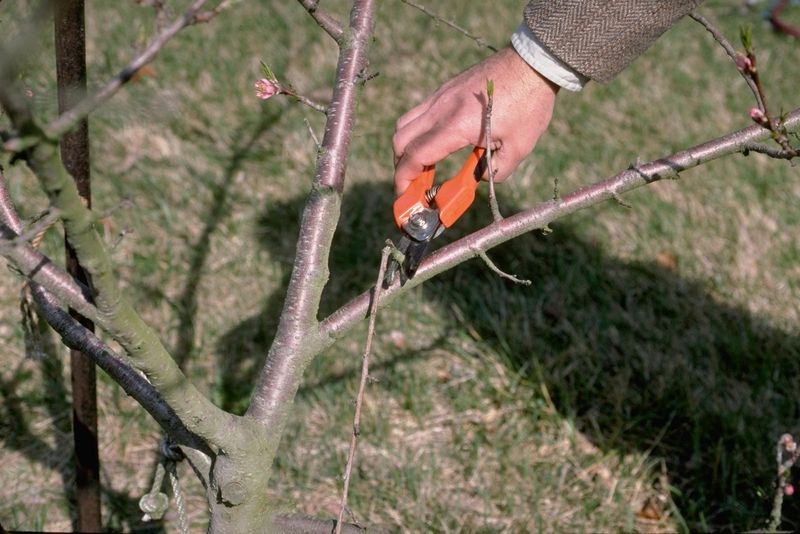
The UF/IFAS profile recommends regular pruning while the tree is young to build sound structure. The goal is a strong frame that holds up as the canopy gets heavy.
The profile does rate the tree as resistant to breakage, but it still calls for early training.
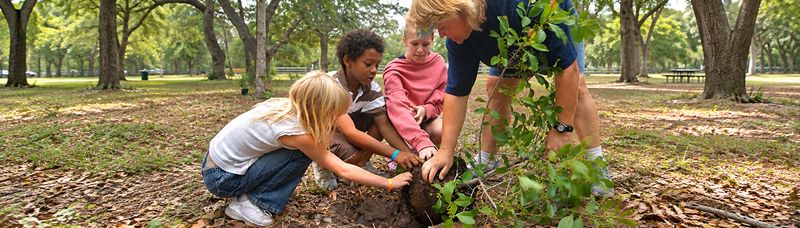
The advice has three main parts. Remove competing or multiple trunks so the tree has one leader.
Favor branches with wide attachment angles, since those tend to attach more securely. Then build a central trunk with well-spaced major limbs.
The profile notes this may take several pruning visits during early development. It does not set an exact schedule, so a fixed calendar would be guesswork.
A good habit is to look over a young tree each season and note any double leaders or tight, crowded branches.
If a branch is too large or too high for you to handle safely, hire a certified arborist. Early work is much easier than fixing a poorly formed tree years later.
Choose it only if its trade-offs fit your yard
Winged elm can be a smart choice if you want fast-growing shade with comparatively low litter. It works best when your region, space, and site all line up, and when you are willing to prune early.
The UF/IFAS profile is the best place to check those traits.
Keep expectations realistic. The tree still drops leaves, and how soon you get shade and how much cooling you notice will differ from yard to yard, as UF/IFAS shade guidance makes clear.
Think of it as a lighter rake, not a retired one.