
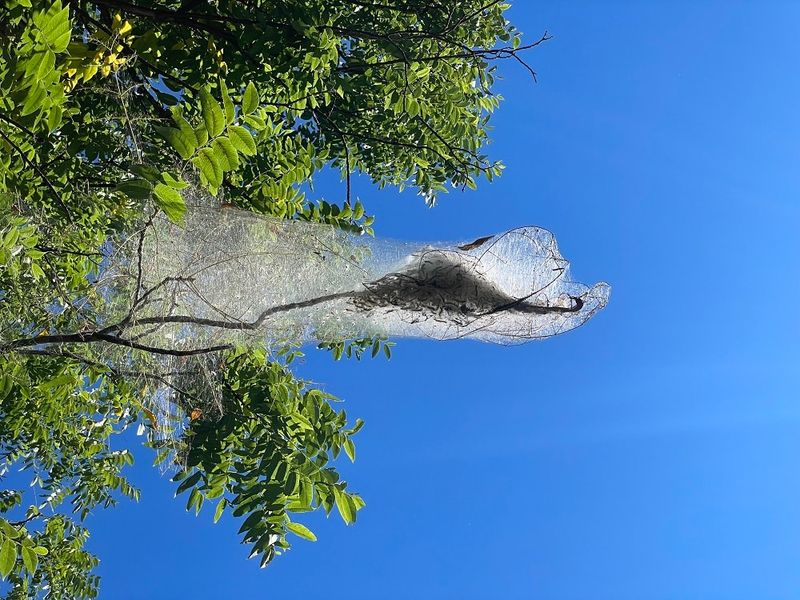
Every August, silken tents start appearing on tree branches across North Carolina yards, and the first instinct for many homeowners is to grab a spray can. Those webs are usually fall webworms, a native pest that sounds alarming but often causes less permanent damage than it looks. Before you treat, there are smarter steps worth knowing, including how one native tree can support the birds and insects that are already working against these caterpillars over time.
How to check whether an August web is fall webworm
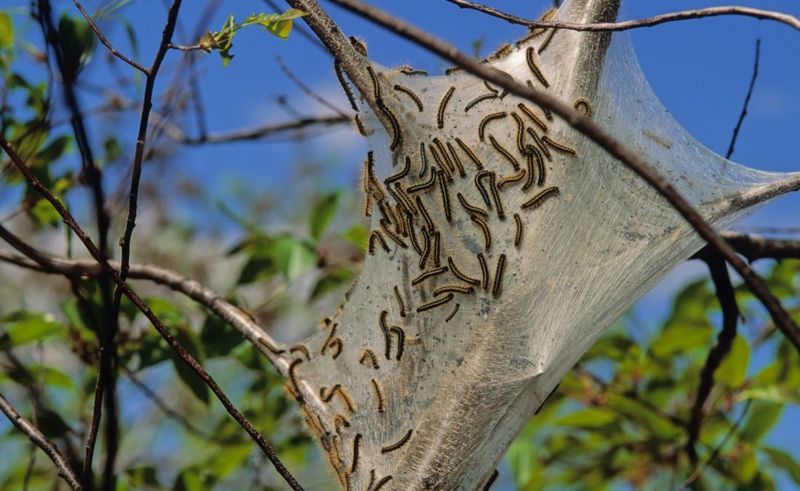
Not every web hanging in a tree this August belongs to fall webworm, and treating the wrong pest wastes time and can harm wildlife that is already doing useful work. A quick inspection before you act is worth the two minutes it takes.
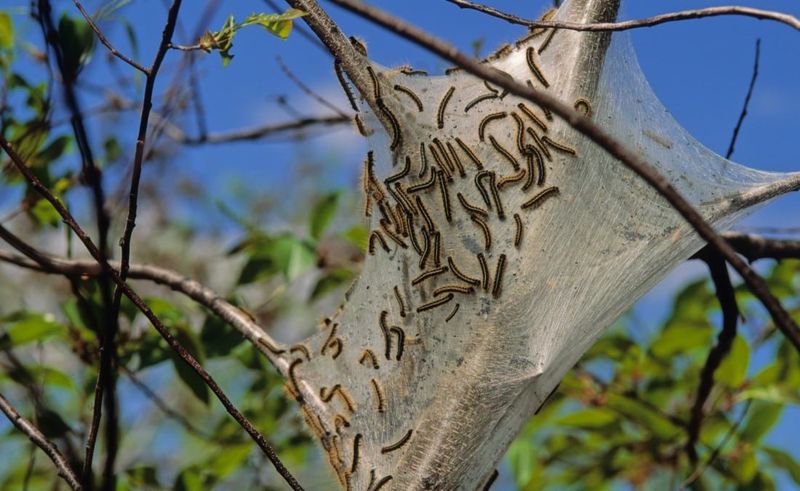
Fall webworm (Hyphantria cunea) is a native North American caterpillar that forms silken, tent-like webs over the tips of branches rather than inside branch crotches. The webs tend to look ragged and may contain leaves, frass, and caterpillars of varying sizes. A comprehensive review of fall webworm biology and management notes that the insect is highly polyphagous, recorded on more than 400 host species, so finding a web on almost any hardwood in your yard is entirely plausible.
Timing alone does not confirm the diagnosis. Fall webworm can be active throughout summer and into fall, and NC State Extension confirms that North Carolina may see at least two generations per season. An August web is consistent with fall webworm, but you still need to check where the web sits and what it looks like before drawing a conclusion.
The most useful contrast to keep in mind is eastern tent caterpillar. That species builds its nest in the fork or crotch where branches meet the trunk, and it is primarily a spring pest in North Carolina. If you see a web in a branch crotch in April or May, eastern tent caterpillar is the more likely candidate. NC State Extension’s eastern tent caterpillar guide lists wild cherry, crabapple, and apple as common hosts for that species.
Ordinary spider webs, bagworm bags, and other web-forming insects can also appear in trees during warm months. A spider web will be empty of caterpillars, finely constructed, and usually much smaller. Bagworm bags are spindle-shaped, attached at one point, and made from plant material rather than silk alone. If the web is at a branch tip, contains small caterpillars or dark frass, and appeared in summer or early fall, fall webworm is a reasonable working hypothesis.
Confirm what you have before deciding on a response.
Open a reachable web before you reach for a spray can
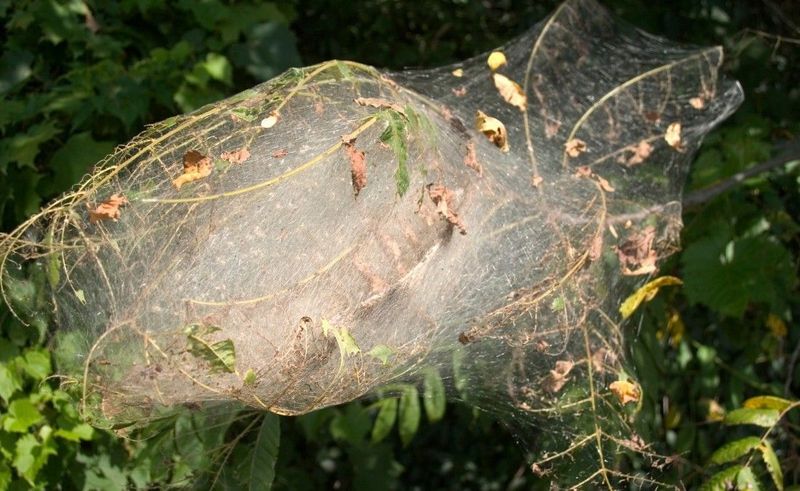
Once you have a reasonable identification, the first practical move is simpler than most people expect. NC State Extension recommends poking the web open with a stick or pruning out the infested branch when you can do so safely and without damaging the tree’s structure. NC State Extension’s fall webworm guidance makes this the primary recommendation for most homeowners facing reachable webs.
The reason this step matters is mechanical, not magical. The silk enclosure acts as a barrier. Birds, parasitic wasps, predatory insects, spiders, and other natural enemies have a much harder time reaching larvae that are sealed inside an intact web. Tearing or poking the web open removes that barrier and gives the existing natural-enemy community a chance to find the exposed caterpillars.
Opening the web does not guarantee that every caterpillar will be eaten. Natural enemies work on their own schedule, and some larvae will survive regardless. The goal is to shift conditions in favor of predators rather than to eliminate the colony yourself with a chemical product.
Safety matters here more than thoroughness. If the web is on a low branch you can reach from the ground or with a safely positioned pruning pole, go ahead and open or prune it out. Do not climb a ladder to reach a high canopy, use poles near power lines, or attempt overhead spraying without professional equipment. Work near power lines or at heights that require climbing should be left to a certified arborist or qualified tree-care professional.
Trying to spray upward into a tall tree from the ground is both ineffective and potentially hazardous to you and to any wildlife below the canopy.
Pruning out an infested branch is a reasonable option when the branch is small, accessible, and its removal will not compromise the tree’s health or shape. Cut below the web, bag the branch to contain the larvae, and dispose of it away from other susceptible trees. For webs that are reachable but on branches you want to keep, the stick method works just as well.
Natural enemies help, but they do not guarantee control
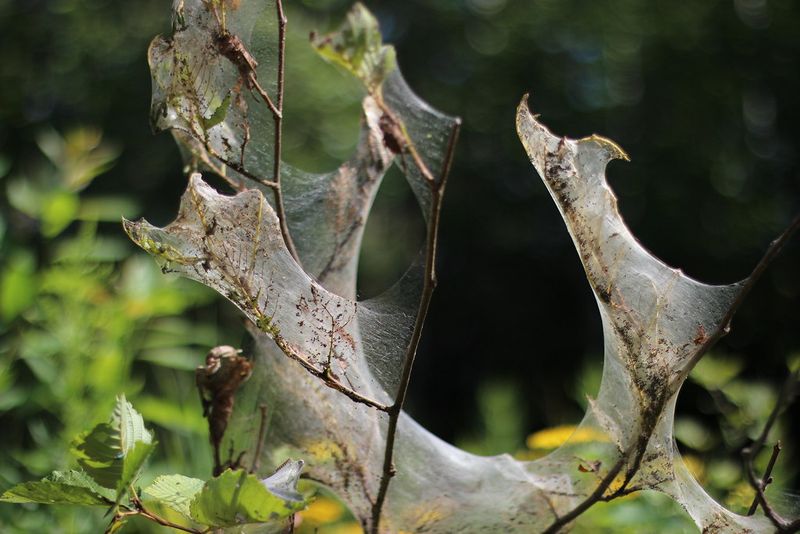
Opening a web sets up conditions where a whole community of natural enemies can go to work. Birds get most of the attention in conversations about fall webworm predation, but they are one part of a larger cast that includes parasitic wasps, spiders, predatory beetles, small mammals, and parasitoids that lay eggs directly on or inside the caterpillars.
The fall webworm biology and management review documents predation across multiple animal groups and notes that parasitoid activity can be substantial during ordinary population years. Birds may take exposed larvae from opened webs, but they do not specialize in fall webworm or preferentially patrol trees where webworms are present. They are opportunistic foragers responding to whatever prey is accessible.
Research on predator-prey dynamics adds an important qualification. A study published in The Canadian Entomologist on predation of Hyphantria cunea by wasps, birds, and mammals found that predation can be density-dependent. When webworm populations are low to moderate, natural enemies may keep numbers in check reasonably well. When populations surge under favorable conditions, the same predator community may not be able to keep pace, and outbreaks can still occur.
Parasitoids deserve particular mention because their work is often invisible to homeowners. Parasitic wasps and flies lay eggs on or inside webworm larvae, and the developing parasitoid eventually kills the host. This process happens whether or not you open the web, but exposed larvae are easier for parasitoids to locate and access than larvae sheltered inside a tight silk enclosure.
NC State Extension notes that fall webworm damage is often cosmetic, particularly on healthy, established trees where feeding occurs late in the growing season. The natural-enemy complex does meaningful work in ordinary years. The practical lesson is to give that community access to the larvae by opening reachable webs, then monitor the tree rather than assuming more intervention is needed.
Black cherry supports a broader bird-and-insect food web
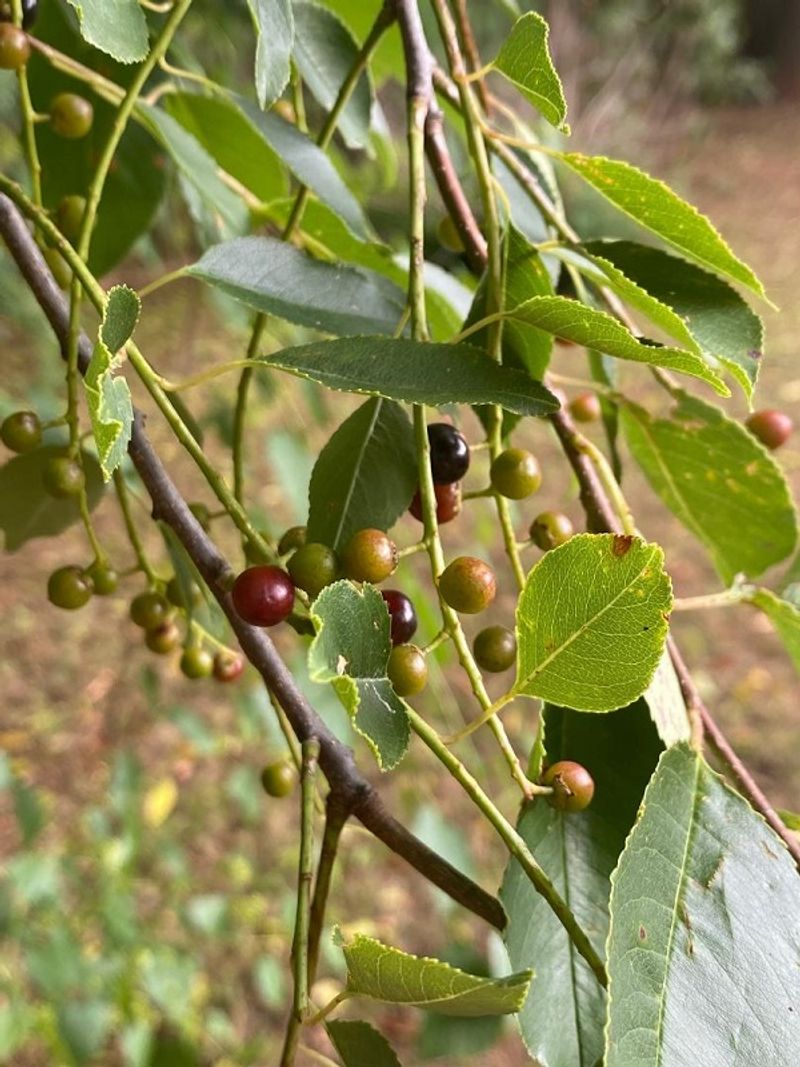
Black cherry, known botanically as Prunus serotina, is a native tree found throughout North Carolina, and it earns a place in wildlife-supporting landscapes for reasons that go well beyond any single pest. The key is understanding what it actually does for birds and insects, rather than expecting it to solve a specific infestation.
NC State Extension’s guide to managing urban habitats for birds identifies black cherry as a bird-benefiting native plant, noting that it provides fruit from July through August and that its foliage supports insects that insect-eating birds depend on, especially during the breeding season when protein demand is high. The fruit timing is well matched to the late-summer period when many migratory and resident birds need to build fat reserves.
The wildlife value here operates at the food-web level, not the pest-targeting level. A black cherry in your yard contributes ripe fruit that attracts fruit-eating birds, and it hosts a range of leaf-eating insects and caterpillars that provide protein for nesting birds feeding their young. Those birds are not specifically recruited to patrol for fall webworms. They are generalist foragers responding to a broad food supply, and a yard with more food sources supports a more active and diverse bird community overall.
Black cherry is one promising candidate among several native trees that can anchor this kind of food web. NC State’s Plant Toolbox entry for black cherry confirms its statewide native range and its documented value for wildlife. Oaks are another strong option, particularly for their ability to support a very wide range of caterpillar species and for the acorns they provide to mammals and ground-feeding birds. The best choice for any yard depends on site conditions, available space, and local wildlife priorities, but black cherry earns genuine consideration as a fruit-and-insect resource for late summer.
Check whether black cherry fits your yard
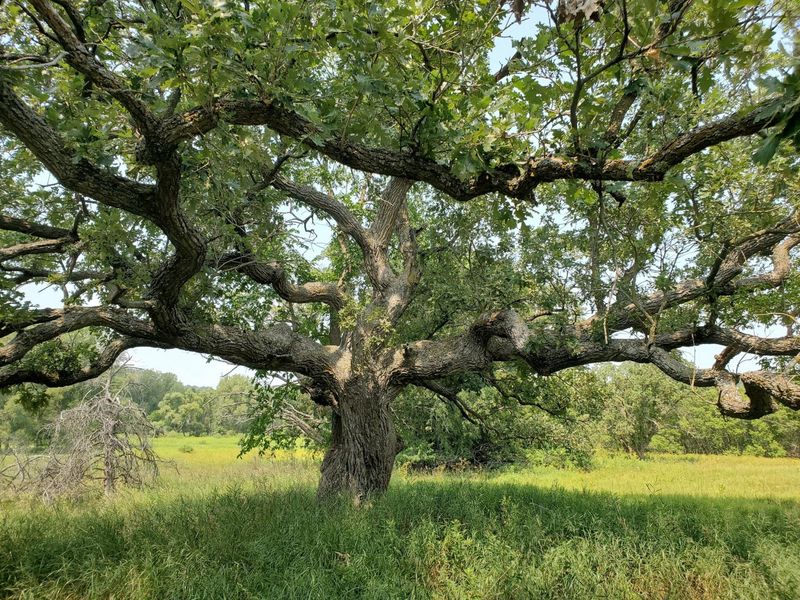
Black cherry’s wildlife credentials are real, but the tree comes with practical constraints that make it the wrong fit for some properties. Knowing those limits before you plant saves you from a mismatch that causes problems years down the road.
Size is the first consideration. NC State’s Plant Toolbox lists black cherry at approximately 60 to 80 feet tall and 30 to 60 feet wide at maturity, with a note that it performs best in the mountains. That is a large tree, and it needs open space away from structures, utility lines, and other established trees. A small suburban lot or a yard with overhead lines running through the planting area is not a good candidate.
Coastal plain and Piedmont homeowners can still grow it, but they should check local soil moisture and drainage conditions, since the tree prefers well-drained sites.
The insect-host value of black cherry cuts both ways. The tree supports a wide array of leaf-eating insects, which is exactly what makes it attractive to insect-foraging birds. That same quality means it is not a pest-resistant tree. Fall webworm itself uses black cherry as one of its many host species, so planting one does not create a webworm-free zone.
Consider it a food-web investment rather than a pest-deterrent strategy.
Toxicity is a genuine concern that the NC State Plant Toolbox flags directly. Wilted black cherry leaves and other plant parts contain compounds that are toxic to horses, cattle, dogs, cats, and children if consumed. Properties with browsing livestock or pets that chew on fallen branches and leaves are not good candidates for this tree. That is not a reason to dismiss it universally, but it is a reason to evaluate your specific household situation before planting.
For yards where black cherry does not fit, NC State Extension’s bird habitat guide points to oaks as another strong native option with broad insect-host and acorn value. The NC State Extension Gardener Handbook chapter on native plants can help you identify species suited to your region, soil type, and available space. The right native tree for your yard may not be black cherry, and that is perfectly fine.
Separate this August’s response from a long-term planting project
A newly planted black cherry will not create mature bird-foraging habitat this season or next. A sapling does not immediately produce fruit in quantity, does not yet host the full insect community that a mature tree supports, and will not draw enough bird activity to affect an existing fall-webworm population. Planting now is a long-term investment, and treating it as an immediate pest fix sets up an expectation the tree cannot meet.
For this August, the practical sequence is straightforward. Identify the web by checking its location and appearance. If it sits at a branch tip and contains caterpillars, fall webworm is a reasonable working hypothesis. Open or prune out any nest you can reach safely from the ground.
Then monitor the tree over the following weeks rather than scheduling a follow-up spray.
NC State Extension notes that fall webworm damage is frequently cosmetic on healthy, established trees, because feeding happens late in the season when the tree has already completed most of its annual growth. Tolerating minor defoliation on a vigorous tree is a reasonable choice, particularly when the natural-enemy community has been given access to the larvae by opening the web.
Planting a native tree this fall or next spring, after you have evaluated your site and selected a species that fits, is a separate and worthwhile project. NC State Extension’s bird habitat guidance frames native trees as food-web contributions that pay dividends over years, not a chemical-free eradication method for the season’s pest. Keep those two goals in their proper order and both become more achievable.
Escalate when tree health or safety makes simple action insufficient
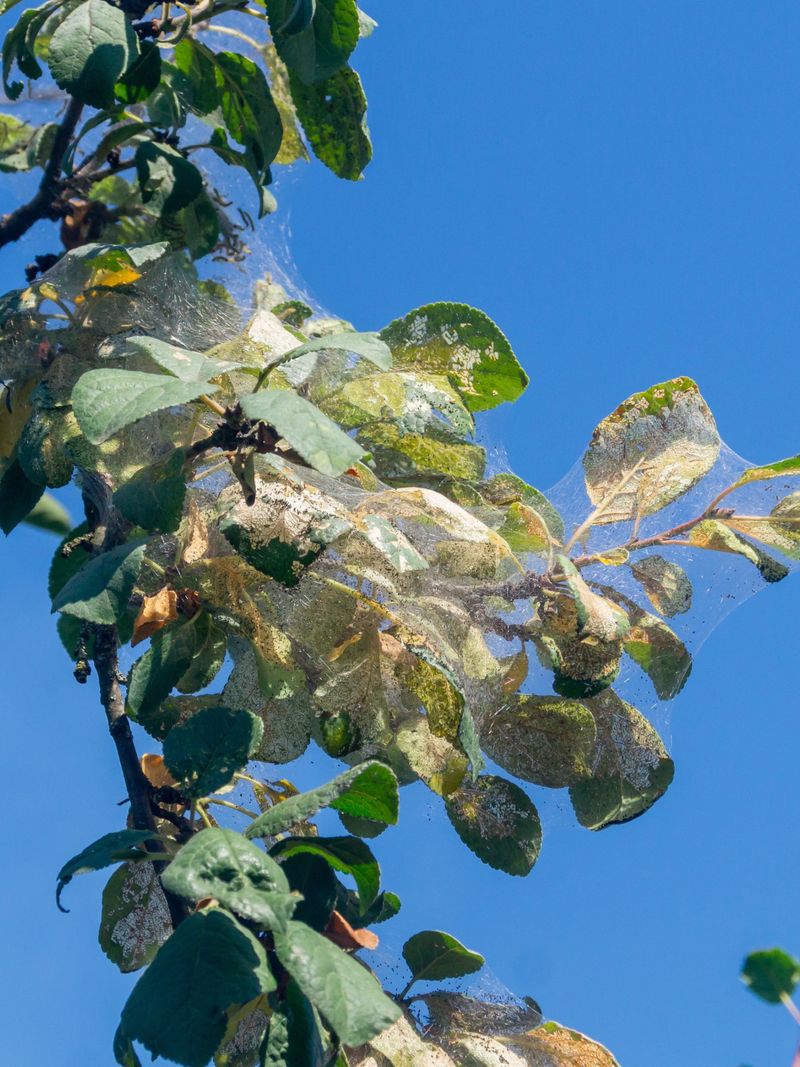
Opening a web and monitoring the tree handles most ordinary fall-webworm situations on healthy, established trees. Some situations genuinely call for more. Knowing when to escalate keeps you from both overreacting and underreacting.
Circumstances that warrant closer attention include severe or repeated defoliation across multiple seasons, young trees that have not yet built significant energy reserves, trees already under drought stress or dealing with other health problems, and infestations that have spread through the canopy to the point where manual removal is no longer practical. A tree that loses most of its foliage repeatedly has less capacity to recover than one that loses a few branch tips once.
When webs are high in the canopy and cannot be reached safely from the ground with a standard pruning pole, the right call is to contact a certified arborist or qualified tree-care professional. Do not attempt to spray upward into a tall tree from the ground, rig an extension ladder against a large trunk, or use poles near overhead utility lines. NC State Extension’s fall webworm guidance is clear that professional help is appropriate when access or infestation severity makes homeowner action impractical or unsafe.
If a professional or your own careful assessment concludes that a pesticide treatment is genuinely warranted, identification comes first. The product must be currently labeled for fall webworm, for the specific tree species being treated, and for the use site. NC State Extension’s pesticide safety guidance requires following the label fully, avoiding drift, protecting pollinators, and observing reentry intervals.
UC IPM’s fall webworm management information identifies Bacillus thuringiensis var. kurstaki (Bt) as an option for young caterpillars in some situations, but notes that webbed foliage can limit how well a spray penetrates to reach the larvae. Spinosad is sometimes mentioned as an alternative, but it is not automatically wildlife-safe. Spinosad can affect bees and beneficial insects, including the natural enemies that would otherwise help suppress the population. Neither product should be applied without reading the current label and confirming it fits the specific pest, plant, and conditions at your site.
Choose measured action now and habitat for later
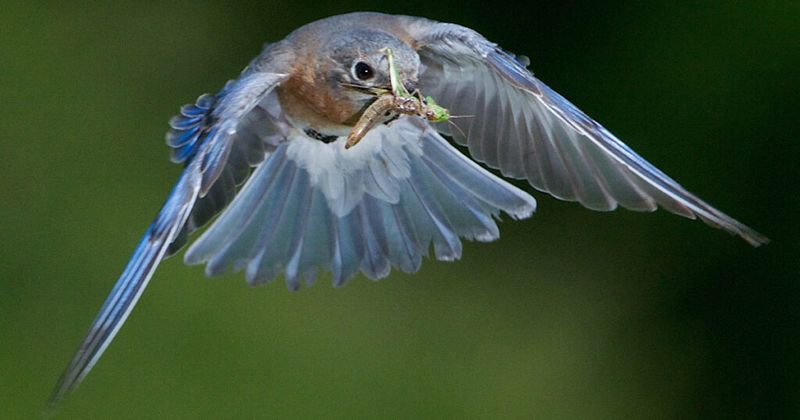
The instinct to grab a spray can when you see those silken tents is understandable, but the evidence points toward a more measured sequence. Open a safely reachable web with a stick or prune out the infested branch if you can do so without harming the tree’s structure. Monitor the affected tree over the following weeks. Tolerate minor cosmetic damage on healthy, established trees, and call a certified arborist when the canopy is too high to reach safely or the infestation is severe enough to threaten tree health.
If you are considering adding a native tree to support wildlife, black cherry is one promising candidate where site conditions, available space, and household circumstances allow. NC State Extension’s bird habitat guidance explains that native trees contribute to a broad food web by providing fruit and supporting the insect communities that birds depend on, particularly during nesting season. That contribution builds over years, not weeks, and oaks or other site-appropriate natives may serve some yards better than black cherry.
No single tree or bird species has been shown to reliably clear fall-webworm tents. What the evidence does support is a yard where natural enemies have access to the pest, where trees are kept healthy enough to recover from ordinary defoliation, and where pesticides are reserved for situations that genuinely require them. A yard built on native plants and measured responses does not promise a pest-free August, but it tends to handle one better than a yard stripped of the wildlife that keeps pest populations in check most of the time.