
A hard summer rain can turn bark mulch into a messy brown river across the driveway. In Florida, sandy soil, sudden downpours, and hurricane-season runoff make loose mulch hard to keep in place. Native ground covers solve that problem by living, rooting, spreading, and holding soil where bare spots used to wash out. Here are eight Florida-friendly choices that can handle real yard conditions without constant fuss.
1. Sunshine Mimosa
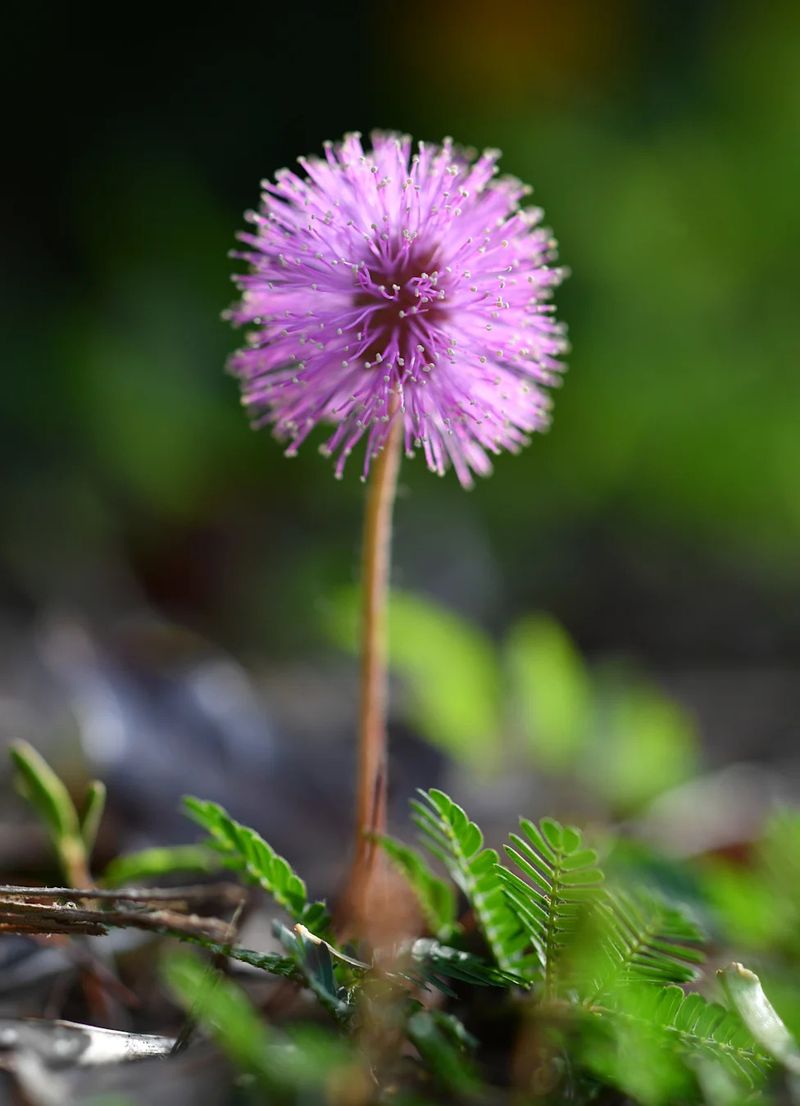
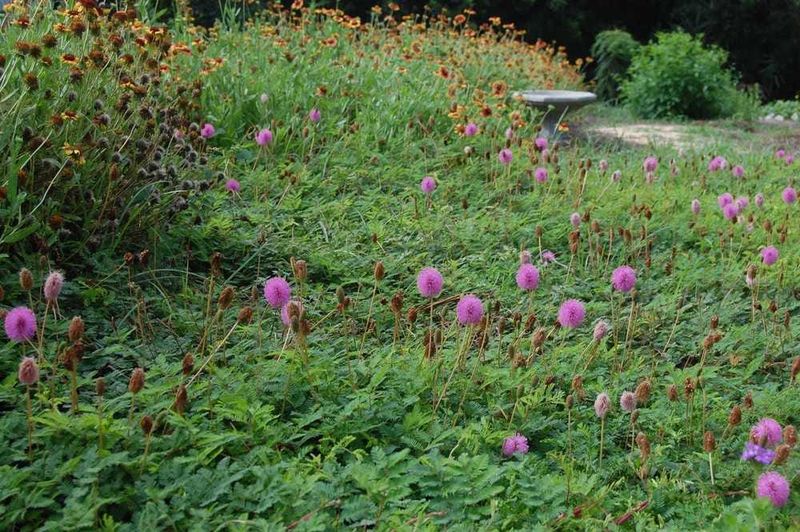
A lawn that blushes pink after a rainstorm feels almost too cheerful to be practical, but Sunshine Mimosa earns its keep. Also called powderpuff, this Florida native spreads low across the ground and roots as it creeps, helping it stay put when bark chips would be floating toward the curb.
Its ferny leaves fold when touched, which makes it a fun plant for kids and curious visitors. The pink puffball flowers attract bees and other small pollinators, so it brings life to a hot strip near a sidewalk or driveway instead of just covering dirt.
Sunshine Mimosa works best in full sun and sandy, well-drained soil, which fits many Florida yards. Once established, it can handle dry spells, though it appreciates water during the first few months while roots settle in.
Give it room to wander, because its charm comes from the way it knits a patch together. Use it where foot traffic is light, not as a soccer-field lawn, and trim edges if it starts getting too friendly with nearby beds.
2. Frogfruit
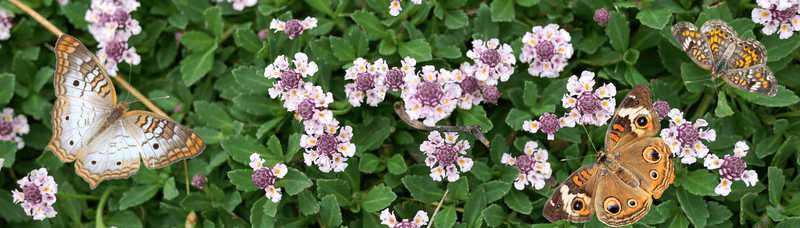
Along the soggy edge of a swale, Frogfruit can look like it was born for Florida stormwater. While many ground covers sulk when the yard flips from dry sand to temporary puddles, Frogfruit has a flexible streak that makes it useful in tricky spots.
Small flower heads, often white with hints of purple, pop up on short stems and feed native bees and butterflies. It is also a host plant for several butterfly species, including the common buckeye, giving it a wildlife value that plain mulch cannot touch.
Frogfruit spreads by runners and forms a low mat that helps shield sandy soil from splash erosion. In sunny areas it usually stays tighter and blooms better, while part shade can make it a little looser and more relaxed.
Use it near rain gardens, pond edges, drainage dips, or places where irrigation overspray keeps the soil slightly moist. It may brown back during stress, but established patches often rebound when conditions improve, which is exactly the kind of resilience Florida gardeners need.
3. Railroad Vine
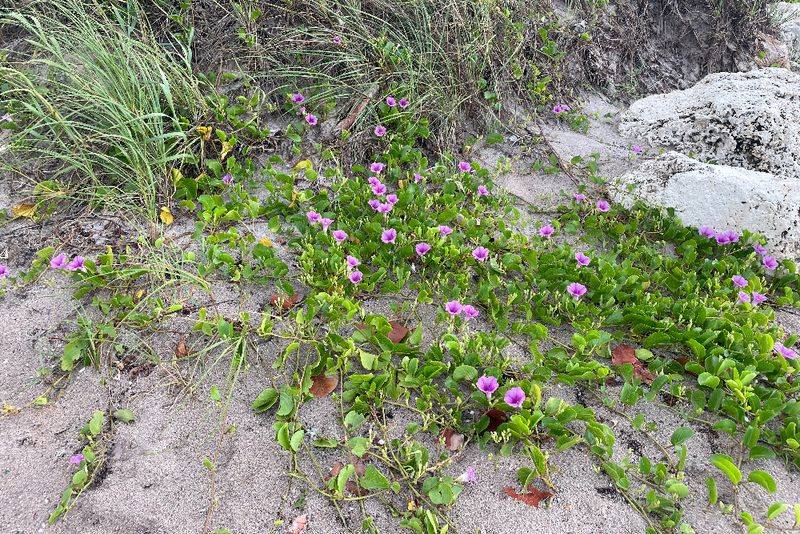
Beach gardeners know the wind has no respect for tidy landscaping. Railroad Vine, a native beach morning glory, answers with long, tough runners that crawl over loose sand and help hold it in place.
Large purple flowers open like little sunrise trumpets, then fade as the day heats up. The thick leaves and sprawling stems are especially useful in coastal Florida yards where salt spray, blazing sun, and sandy soil make many plants give up early.
Railroad Vine is not a dainty border plant. It wants space, sun, and excellent drainage, so place it where it can stretch across a slope, dune-style planting, or open sandy area without swallowing a narrow walkway.
For inland gardeners, this one only makes sense if the site is hot, dry, sunny, and sandy. In the right location, though, it is a storm-smart living mulch with a deep Florida identity and far more grip than a layer of bark.
4. Beach Sunflower
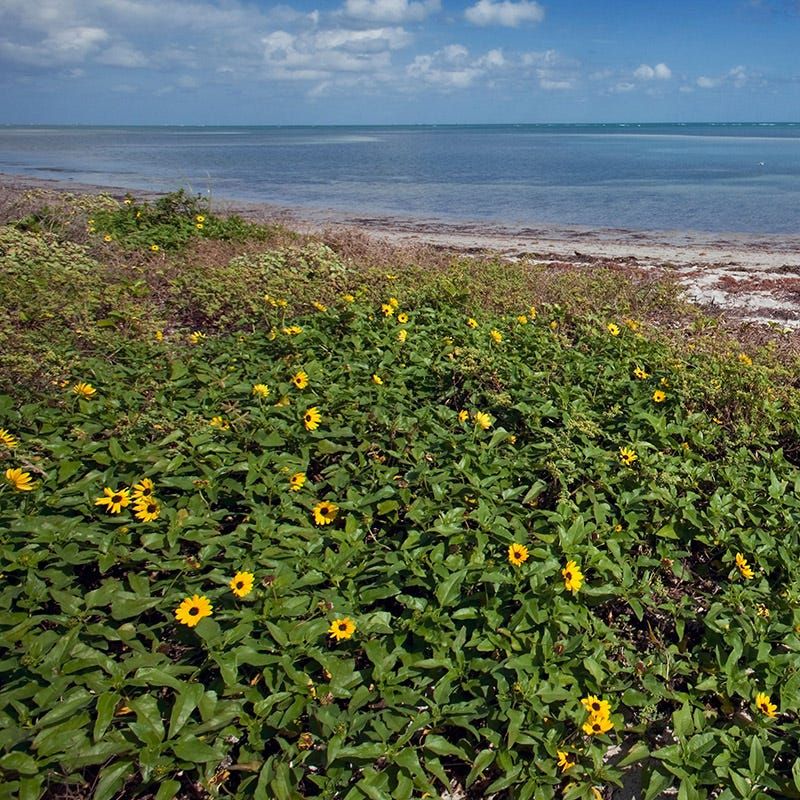
Nothing says Florida tough quite like a plant that blooms cheerfully in sand that feels hot enough to fry breakfast. Beach Sunflower brings bright yellow flowers, quick coverage, and a casual coastal look to places where mulch keeps washing thin.
Its spreading stems root and branch into a loose mat, making it a strong choice for sunny banks, mailbox beds, curb strips, and open areas with fast-draining soil. Pollinators visit the daisy-like flowers often, so the patch feels active rather than static.
Beach Sunflower performs best in full sun and does not want rich, soggy soil. Too much water or fertilizer can make it floppy, so Florida gardeners with lean sand often have an advantage here.
Expect a wild, informal style instead of a clipped carpet. A light cutback can refresh tired growth, and leaving some seed heads may invite birds to snack, adding another layer of backyard wildlife value.
For storm-prone beds, its big advantage is speed. It can cover bare ground faster than many natives, reducing the open sandy spaces that heavy rain loves to carve into little channels.
5. Twinflower
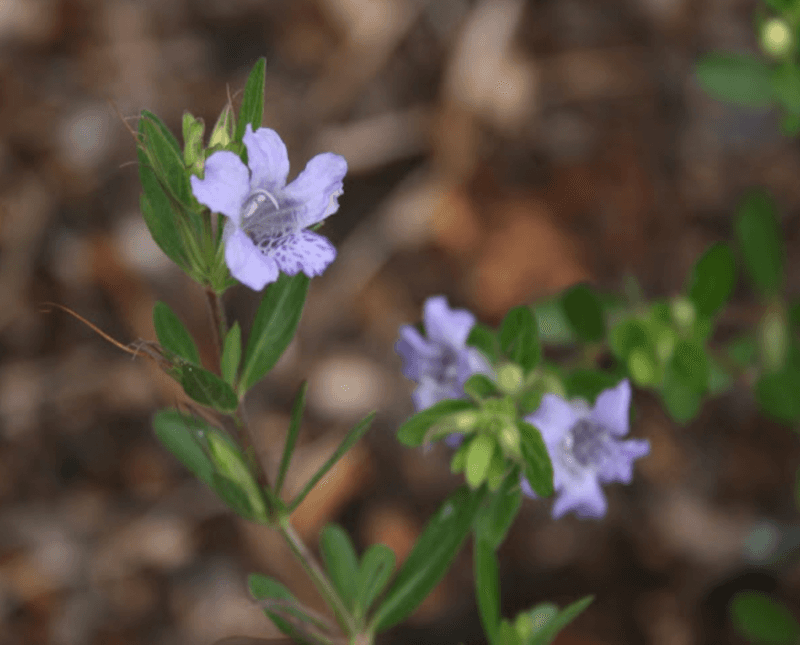
Under oaks and palms, where grass thins and bark mulch drifts into uneven piles, Twinflower offers a quieter kind of beauty. Its small lavender blooms appear in pairs, giving the plant its common name and a sweet detail you notice when you slow down.
Twinflower stays low and tidy compared with many rambling ground covers. That makes it especially useful near shaded paths, under shrubs, or in the front of a native bed where you want coverage without chaos.
Part shade is usually its comfort zone, though it can take some sun if moisture is steady. In dry shade, help it establish with regular watering at first and a thin layer of pine straw or leaf litter until the plants knit together.
Florida sandy soil can be tough under tree roots because water disappears fast and competition is fierce. Once Twinflower fills in, its living cover helps soften raindrop impact and reduces the need to keep replacing mulch after every summer storm.
Its personality is understated, not flashy. Gardeners who like neat native plantings often appreciate that it looks intentional without demanding weekly attention.
6. Creeping Sage
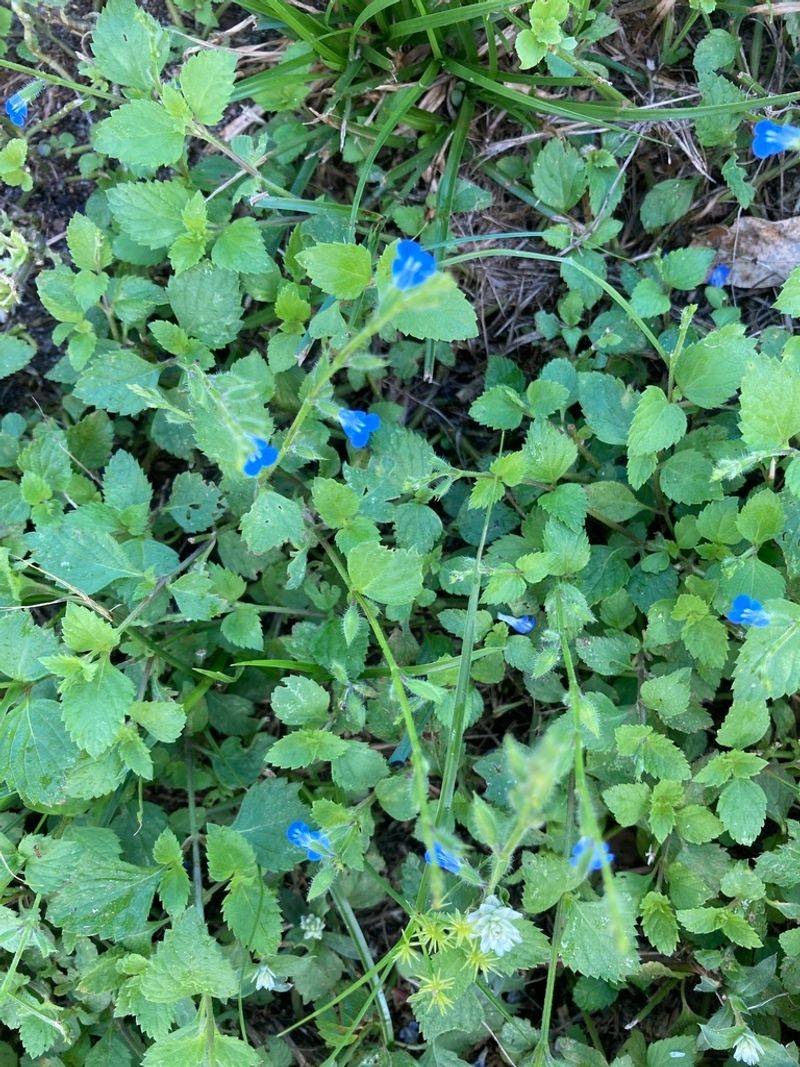
A tiny blue flower peeking through leaf litter can feel like a secret reward for choosing natives. Creeping Sage is a modest plant, but it has a talent for filling soft, natural spaces where a thick mulch layer never seems to stay even.
Native to Florida, it forms a low, spreading cover with small leaves and delicate blooms that can attract little pollinators. It is well suited to the relaxed edges of woodland gardens, under open shrubs, or along lightly shaded borders.
Creeping Sage is not the pick for a blazing, bone-dry hellstrip. Give it part shade and reasonably moist, well-drained soil, especially while it is young, and it can settle into the kind of easy green layer that makes a bed look finished.
Because it is low and fine-textured, it pairs well with bigger native shrubs and perennials rather than fighting them for the spotlight. Think of it as the stitchwork between showier plants.
After storms, that stitched-together growth matters. A living mat can slow runoff at the soil surface, while loose bark often moves in clumps and leaves bare sand exposed again.
7. Lyreleaf Sage
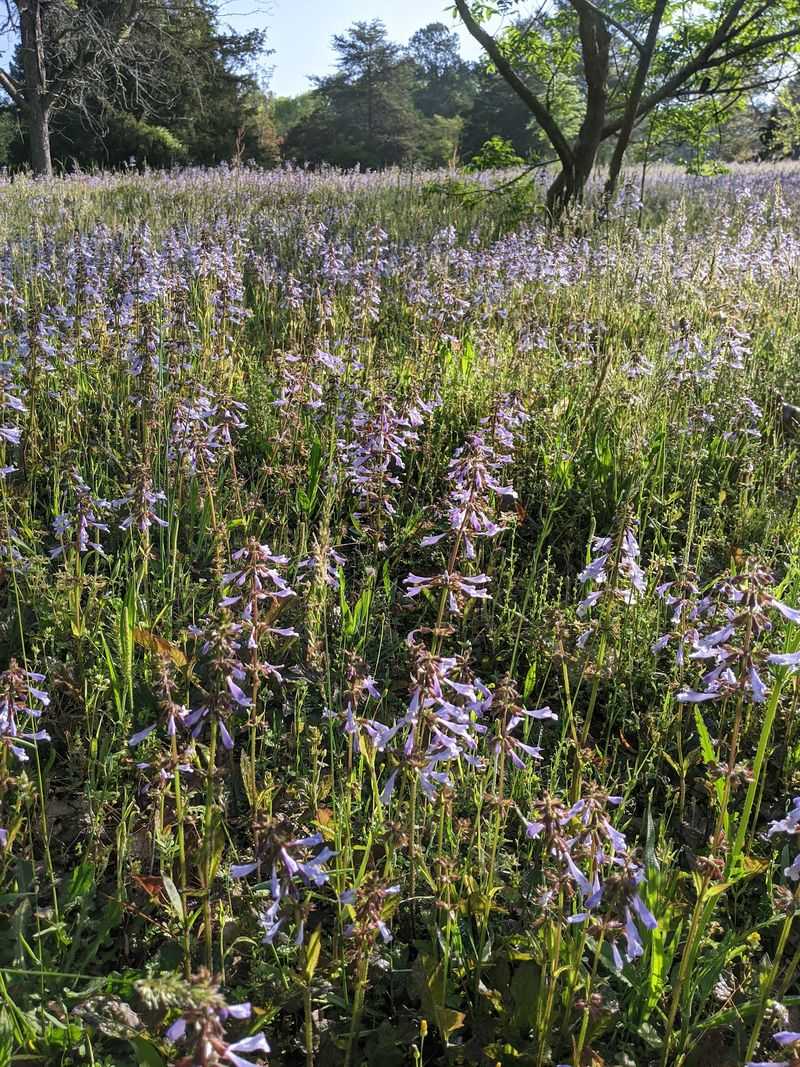
Some ground covers act like quiet carpet, but Lyreleaf Sage brings a little drama in spring with upright purple-blue flower spikes. For the rest of the year, its low rosettes help cover soil without the heavy look of wood mulch.
Lyreleaf Sage is useful because it tolerates a range of conditions, from sun to part shade and from average soil to areas that get seasonally moist. That flexibility makes it a good candidate for Florida yards where one bed can be dry in May and soggy after a tropical downpour.
Pollinators visit the flowers, and the plant can reseed when it is happy. If you enjoy a natural meadow edge, that is a bonus; if you prefer a tighter look, pull extra seedlings or mow high after flowering in larger informal areas.
Its leaves may show attractive burgundy or purple tones, especially in cooler weather or with certain local forms. That color gives it visual interest even when the flower show is over.
Use Lyreleaf Sage where you want a native that can bridge the gap between tidy garden bed and wilder rain-friendly planting. It is especially handy for stabilizing thin mulch areas that repeatedly wash down a gentle slope.
8. Wild Petunia
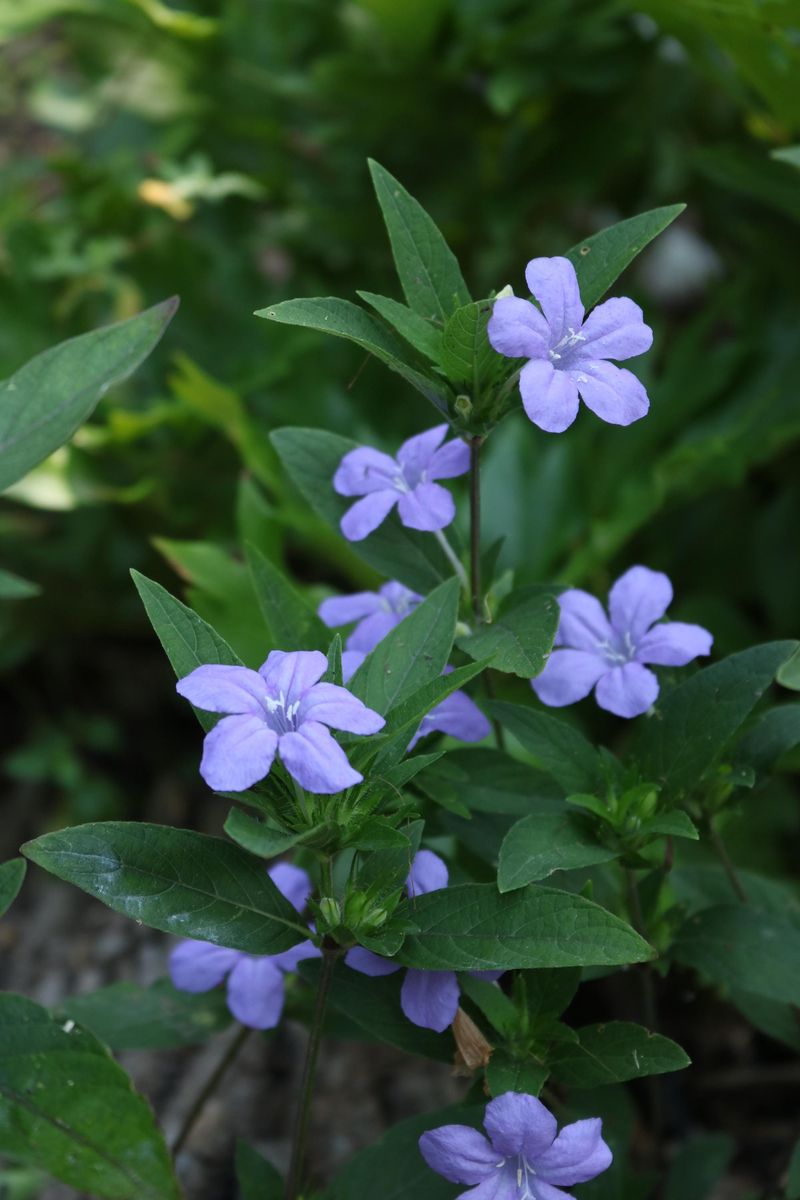
Here is the native swap that can save you from a common Florida mistake. Wild Petunia gives you purple blooms and easygoing coverage without turning into the invasive headache associated with Mexican petunia in many landscapes.
Florida gardeners often see Mexican petunia spreading aggressively along ditches, fences, and wet areas. Wild Petunia, also called Carolina wild petunia, is the better-behaved native relative for gardeners who want color and ecological value without inviting a plant that can escape cultivation.
Lavender flowers appear through the warm season, and the plant supports native bees and butterflies. It works in sun to part shade and can handle sandy soil once established, though it appreciates water during dry stretches.
Its growth is looser than a formal lawn substitute, so use it in native beds, along edges, or mixed with other low plants for a layered living mulch. Pinching or occasional trimming can encourage a fuller patch.
Storms may flatten the stems for a moment, but rooted plants are far less likely to vanish than bark nuggets. For homeowners trying to cut maintenance and avoid invasive ornamentals, Wild Petunia earns a smart spot on the list.