
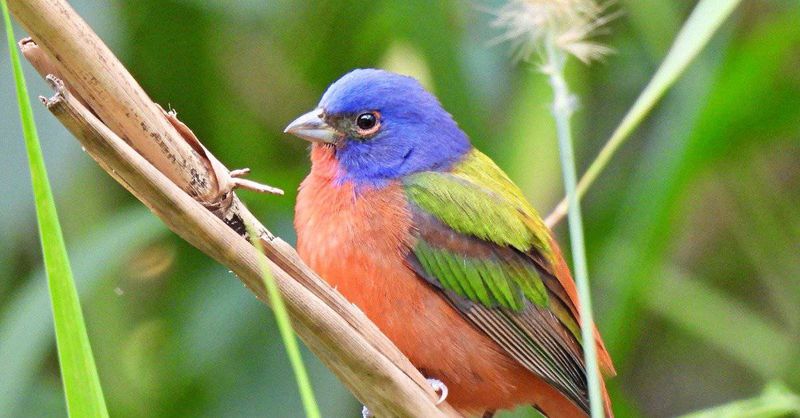
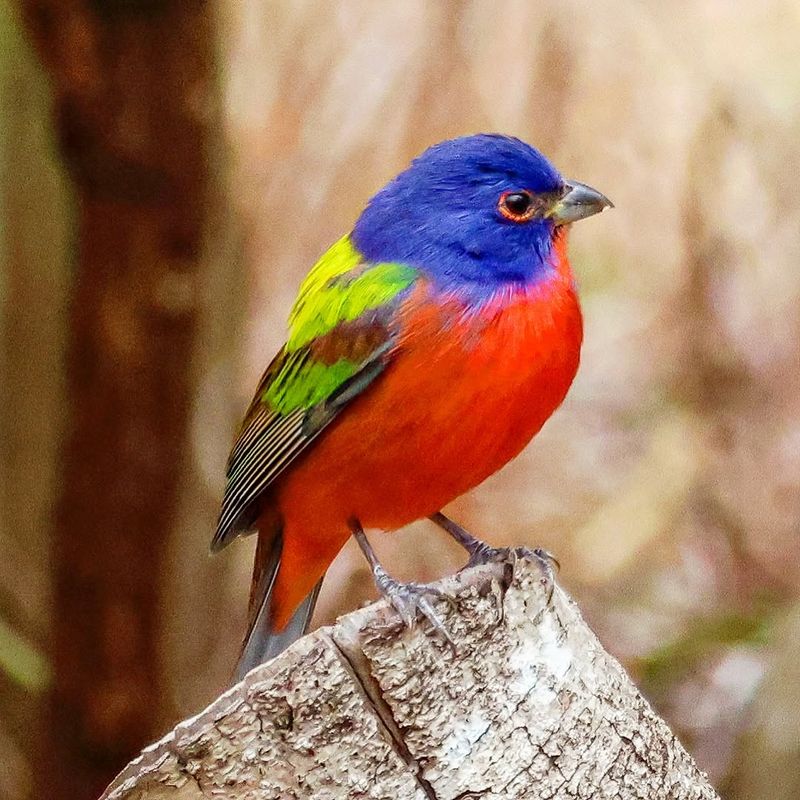
A bare fence can do more than mark a property line. In Florida, the right native vines can turn it into a living wall with seeds, berries, cover, and insects that painted buntings look for as fall arrives. These small, bright birds need safe places to hide and feed, especially in yards near shrubs, thickets, and natural edges. Planting native vines is a simple way to make a fence more useful, more beautiful, and better for wildlife.
1. Coral Honeysuckle
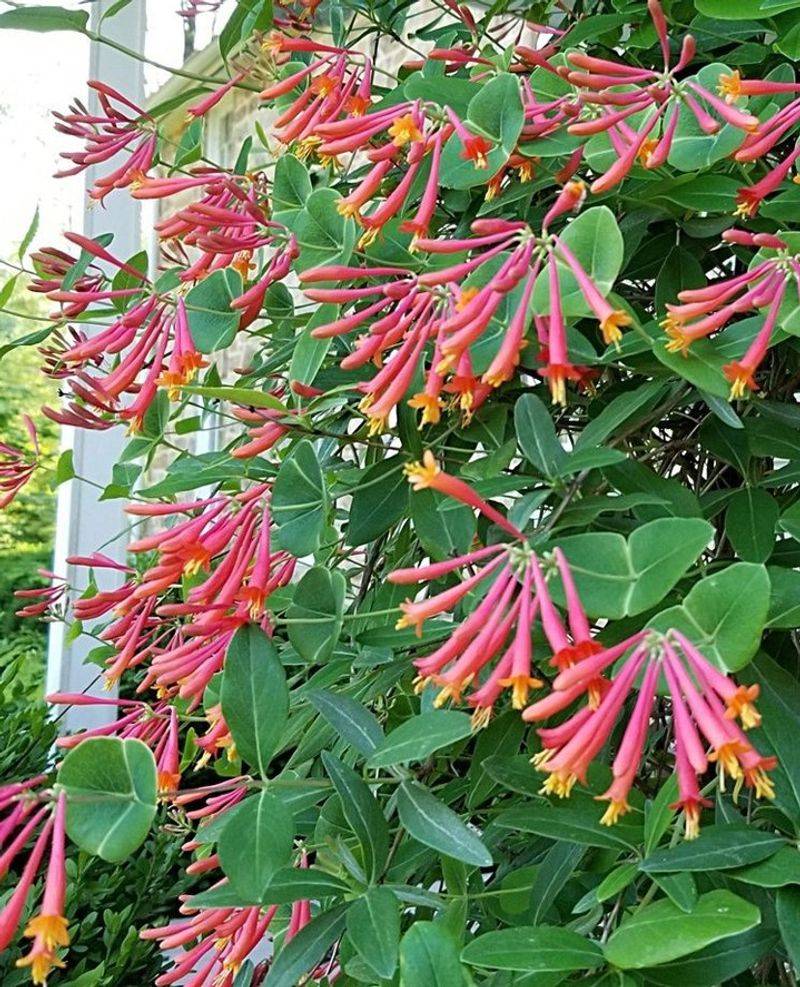
Red flowers along a fence can feel like a tiny welcome sign for wildlife, and coral honeysuckle brings that color without acting like a garden bully. Unlike the invasive Japanese honeysuckle that causes trouble in many places, Florida native coral honeysuckle is a well-behaved vine when given a trellis, fence, or arbor to climb.
For painted buntings, the big value is not only the bloom. The flowers pull in insects, and insects are a key food source for many birds, especially when they are moving through yards and rebuilding energy. Later, the vine can form small red berries that birds may investigate, while the leafy growth gives them quick cover from cats, hawks, and open-lawn exposure.
Coral honeysuckle fits many Florida yards because it tolerates sun to part shade and handles average sandy soil once established. Give it regular water at planting, then let it settle into a lower-care routine. A fence with morning sun and a little afternoon relief is a sweet spot in hotter parts of the state.
Keep it lightly trimmed after major bloom flushes so it thickens instead of racing in one direction. By fall, that fuller growth can turn a plain fence into a safer stopping place for buntings passing through or settling into winter habitat.
2. Passionflower Vine
A passionflower on a fence looks like someone hid little purple fireworks in the leaves. That showy bloom is only part of the story, because native passionflower vines also feed caterpillars, which helps bring more life into the yard.
In Florida, native passionflowers such as purple passionflower can support gulf fritillary and zebra longwing butterflies. Painted buntings eat many seeds, but they also use insect-rich spaces, especially where a yard has layers of vegetation instead of bare turf. A fence wrapped in passionflower can become a mini food web, with flowers, caterpillars, small insects, and leafy shelter all packed into one narrow strip.
Passionflower can be enthusiastic, so place it where you can enjoy its energy. A chain-link fence, back fence, or side-yard run works better than a tiny decorative trellis. In sandy soil, mulch the root zone with pine straw or leaves to help hold moisture, but avoid burying the crown.
Some gardeners worry when they see caterpillars chewing the leaves, but that is a sign the vine is doing its job. If you want painted buntings, butterflies, and a livelier fall fence, skip the broad insecticide sprays. Let the vine look a little wild, because wild edges are often where birds feel safest.
3. Virginia Creeper
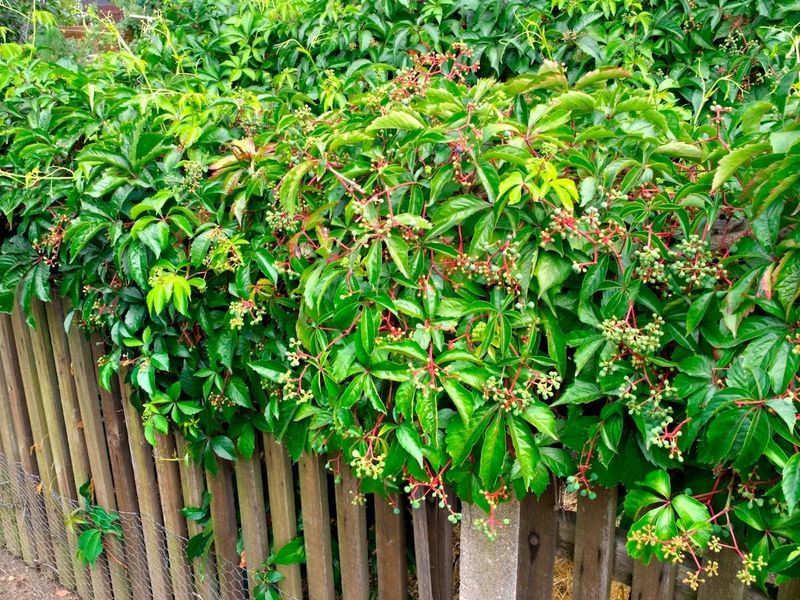
Not every bunting-friendly fence has to be covered in bright flowers. Virginia creeper earns its place with thick cover, seasonal color, and clusters of dark berries that make a fence feel more like a woodland edge.
Painted buntings often favor brushy, protected places where they can feed low and slip away fast. Virginia creeper helps create that protected feeling by layering leaves across wood, wire, or posts. In fall, the foliage may turn red or burgundy, especially in brighter light, so the fence gets a painted look even before a bunting lands there.
Birds use the berries, but people should not eat them. That difference matters in family yards, so plant it where children are not tempted to sample fruit from the fence. The vine is native, adaptable, and tough, but it can climb strongly, so avoid letting it creep under siding, roof edges, or weak fence boards.
In Florida landscapes, Virginia creeper is useful along the less formal edges of a property. Think back fence, storm-damaged corner, or a view you want to soften with living cover. Prune it a few times a year to keep it where it belongs, and it can become one of the easiest vines for turning a flat barrier into bird shelter.
4. Muscadine Grape
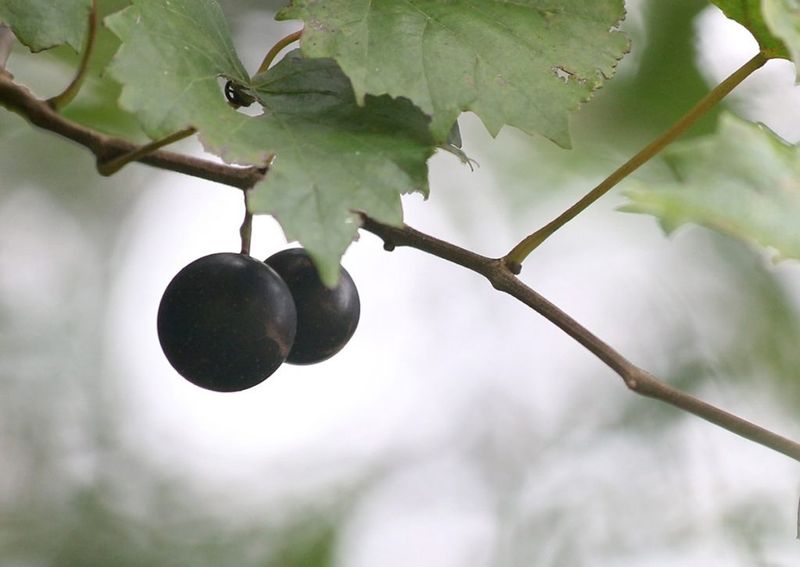
Old Florida fence rows often had muscadine scrambling through them, and birds knew exactly what to do with that kind of cover. Muscadine grape brings a strong, practical, almost farmyard feel to a wildlife garden, while still being right at home in native plantings.
The fruit is the obvious attraction, but the vine offers more than grapes. Its broad leaves make shade pockets and hiding spots, and its flowers and foliage support insects that can help feed birds. Painted buntings are more likely to pause in a yard that offers both food and escape cover, not just a feeder hanging in the open.
Muscadine needs a sturdy fence or wire support because it becomes woody and heavy with age. A flimsy decorative panel may sag, especially after heavy rain or wind. For Florida gardeners thinking about storm season, strong posts and simple pruning matter just as much as plant choice.
Choose a spot with sun for best fruiting, and give the roots room away from constant mowing. Sandy soil is fine if the plant gets help during establishment, such as mulch and deep watering while young. Once settled, muscadine can feel nearly set-and-forget, with pruning doing most of the long-term work.
By fall, a trained muscadine fence can look less like a boundary and more like a buffet line with shade.
5. Crossvine
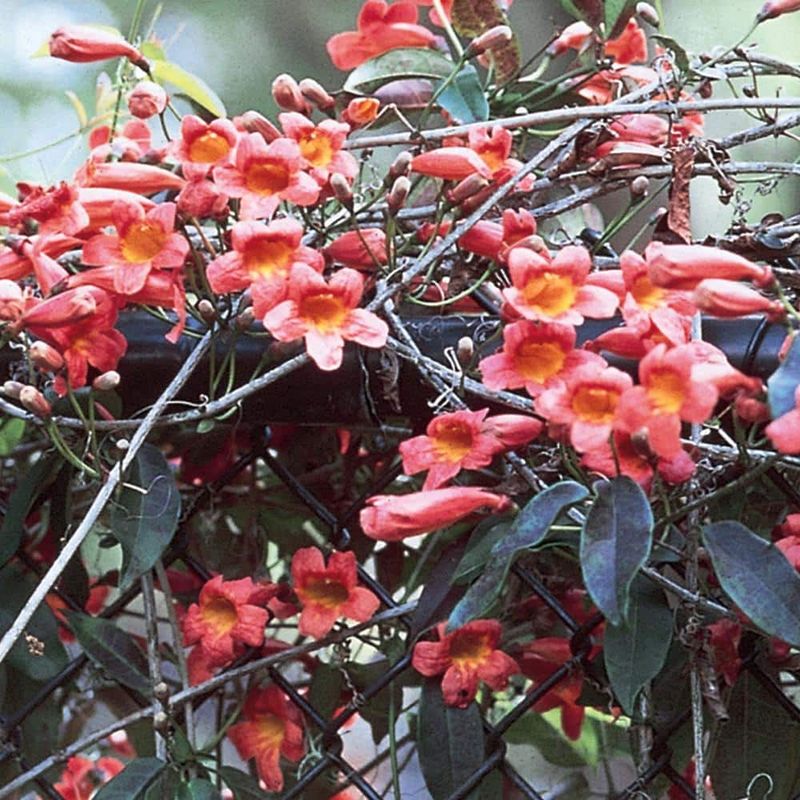
Crossvine has a bold personality, the kind that can make a tired fence look intentional in one season. Its trumpet-shaped flowers glow in orange, red, and yellow tones, and the foliage can stay fairly full in many Florida settings.
For a painted bunting yard, crossvine is useful because it builds vertical structure. Birds do not only need food. They need layered places to move from ground to shrub to vine without crossing wide open space. When crossvine is grown near native shrubs or grasses, it helps connect those layers like a leafy staircase.
Hummingbirds are often the first visitors people notice on crossvine flowers, but bird habitat is a bigger picture. More blooms mean more small insects around the fence, and more leaves mean more cover. A bunting may not sip from the flowers, but it can benefit from the busy little ecosystem the vine supports.
Crossvine handles sun to part shade and is a good fit for fences that need coverage without constant babying. It can attach itself with tendrils, so guide it early and prune as needed to protect painted surfaces or nearby structures. In sandy soil, water well during the first year, then reduce care as the roots spread.
If your fence faces a patio, this vine gives you wildlife value without making the space look abandoned.
6. Carolina Jessamine
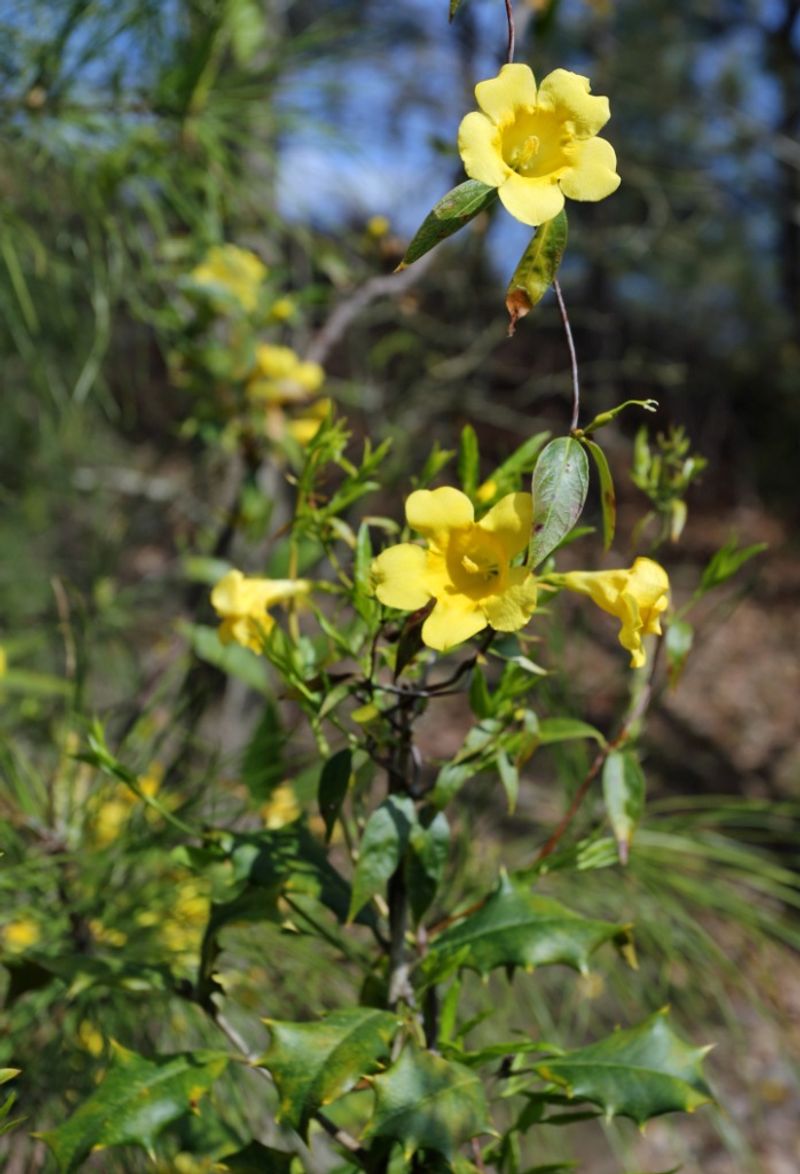
Bright yellow flowers in late winter or spring are the reason many gardeners notice Carolina jessamine, but its quieter fall value is the curtain of cover it can leave behind. A fence does not need fruit on every section to help painted buntings. Sometimes the best gift is a safe, leafy place to vanish.
Carolina jessamine twines neatly compared with many wilder vines, which makes it handy for front fences, side-yard screens, and spots where neighbors will see the planting. The foliage can become dense enough to soften boards or wire, giving small birds protection while they move through the yard. Pair it with seed-producing native grasses or shrubs nearby, and the fence becomes part of a larger feeding route.
One safety note belongs here: all parts of Carolina jessamine are poisonous if eaten by people or pets. That does not make it a bad plant, but it does mean smart placement matters. Avoid it beside play areas, dog runs, or places where curious children pick flowers.
In much of Florida, it grows best in sun to part shade with decent drainage. Sandy soil is usually workable, especially with mulch and watering during establishment. Prune after flowering if you want a tidier fence, and let some stems weave together for the shelter value birds appreciate by fall.
7. American Wisteria
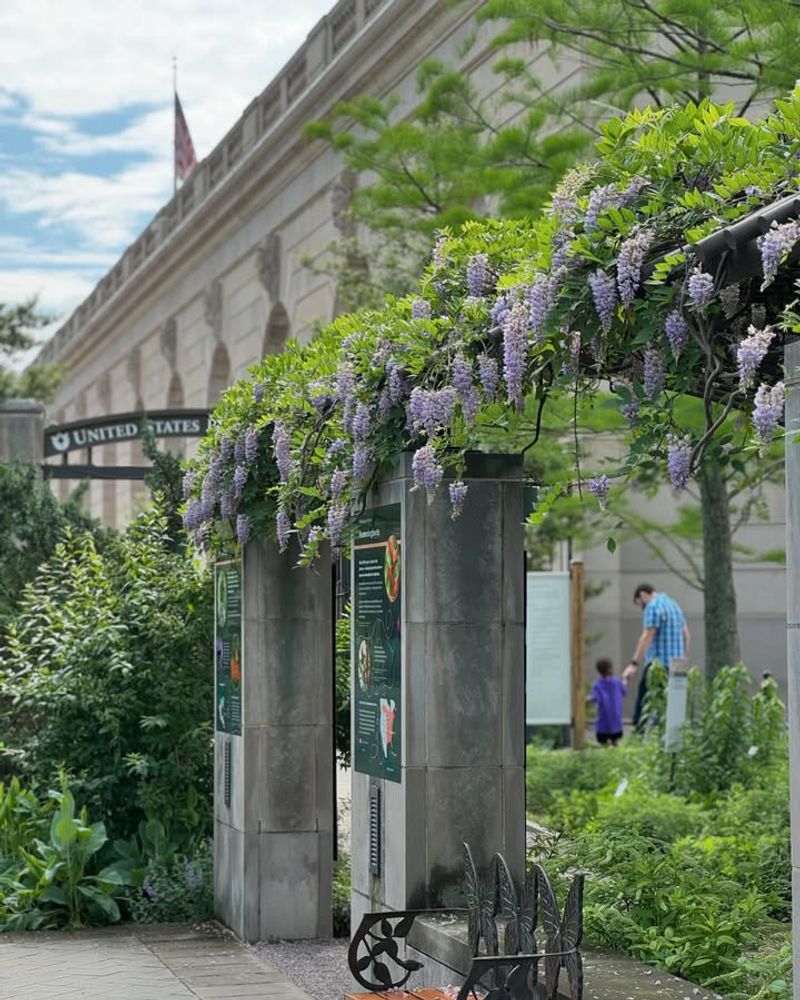
Gardeners hear the word wisteria and sometimes picture a plant swallowing a porch whole. American wisteria is the better Florida-friendly conversation, because it is native to the southeastern United States and is generally less aggressive than the Asian wisterias that cause invasive headaches.
Its lavender flower clusters bring spring drama, but the vine earns fall habitat points through structure. When trained on a strong fence, it creates shaded pockets, twisting stems, and leaf cover where small birds can pause. Painted buntings are drawn to yards with thickets and edges, and a well-managed American wisteria can help make a plain fence feel more like that kind of edge.
Support is the big rule. Mature wisteria gets woody and weighty, so use a sturdy fence section, arbor, or reinforced wire system. Do not plant it on a weak privacy fence already leaning from storms or wet soil. Florida wind and summer downpours are hard enough on fences without adding a heavy vine in the wrong place.
Pruning keeps American wisteria useful instead of unruly. After flowering, shorten wandering stems and guide the main framework where you want it. In a wildlife garden, the goal is not a bare, formal vine. Aim for controlled thickness, enough growth to shelter birds, but not so much that it damages the fence.
Compared with fast tangles, American wisteria feels like a long-term project with a big payoff.