
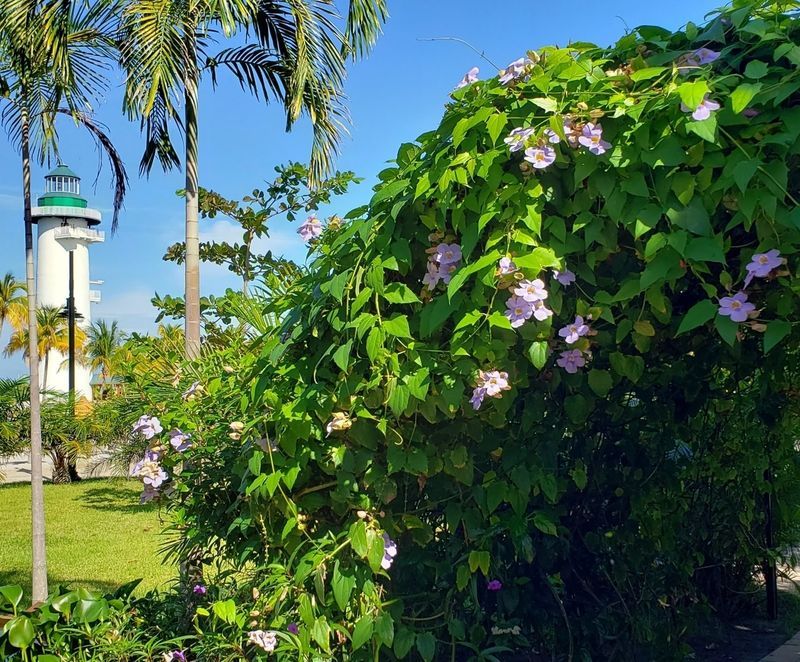
Florida humidity is tough on wooden trellises. Add summer rain, sandy soil, termites, and storm gusts, and a pretty support can turn wobbly fast. Native vines can solve that problem by climbing fences, trees, arbors, shrubs, or walls with their own tendrils, twining stems, or clinging roots. Here are seven Florida-friendly choices that bring flowers, wildlife value, and less repair work.
1. Crossvine
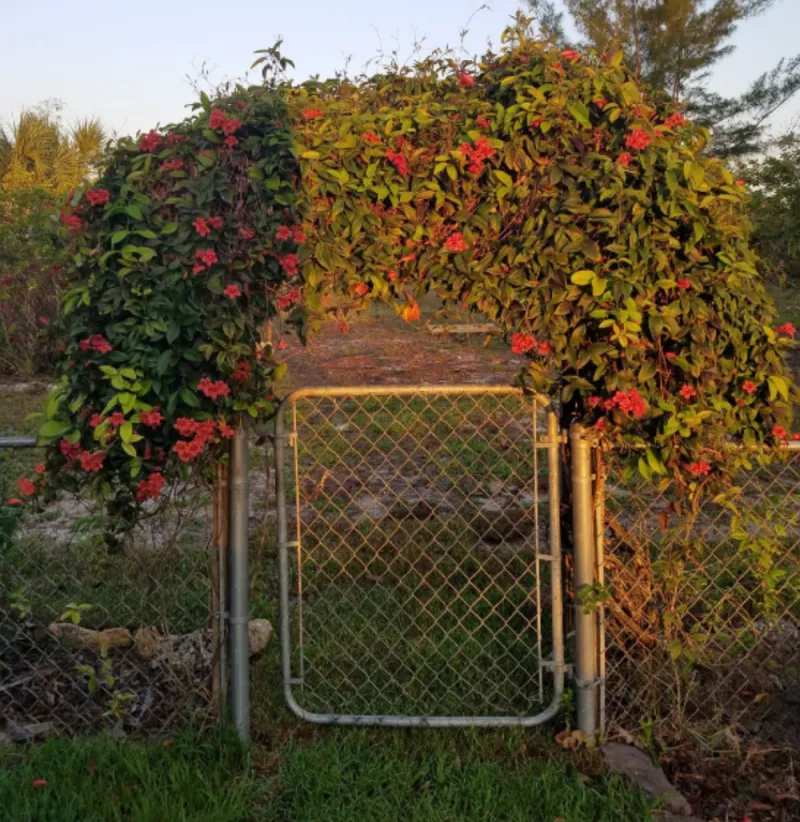
A rusty-orange wall of spring flowers can make an old fence look planned instead of forgotten. Crossvine is a Florida native that climbs with little claw-like tendrils, so it can grip rough bark, chain-link fencing, lattice, or sturdy posts without needing a fresh wooden trellis every few years.
Its biggest strength is toughness. Once established, crossvine handles heat, short dry spells, and the stop-and-start rain pattern many Florida yards know too well. In many parts of the state, it stays evergreen or nearly evergreen, which helps hide utility areas or soften a fence line year-round.
Hummingbirds are the headline visitors. The trumpet-shaped blooms are easy for them to use, and the plant offers a native alternative to some showier nonnative vines that can become a headache. Give it sun to part shade, water it while young, and guide the first few stems where you want coverage.
Skip fragile supports and aim it at something permanent. A metal fence, pergola post, or mature tree edge is a better match for its long life than soft pine stuck in wet soil.
2. Virginia Creeper
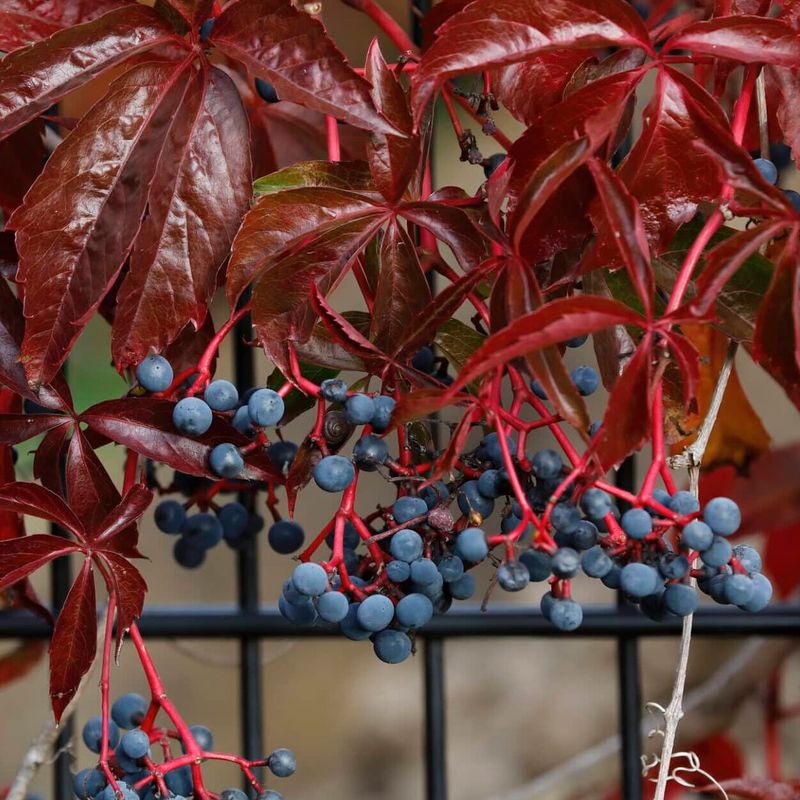
Few vines are better at holding on than Virginia creeper. Its tendrils end in tiny adhesive pads, almost like little suction cups, allowing it to cling to masonry, rough fences, and tree trunks without being tied every weekend.
Florida gardeners often like it for places where flowers are not the main goal. The foliage does the work. Five-part leaves create a soft green cover, and in cooler parts of North and Central Florida, fall color can flash red or burgundy before the leaves drop.
Wildlife also gets a bonus. Birds eat the dark berries, while the dense growth can shelter small yard creatures. The berries are not for people or pets, so place it where children will not be tempted to sample them.
Use good judgment around buildings. Because Virginia creeper clings so well, keep it off painted wood, loose stucco, weak mortar, and rooflines. On a sound wall, metal fence, or large tree, though, it can replace a rotting trellis with living coverage that practically fastens itself in place.
3. Trumpet Creeper
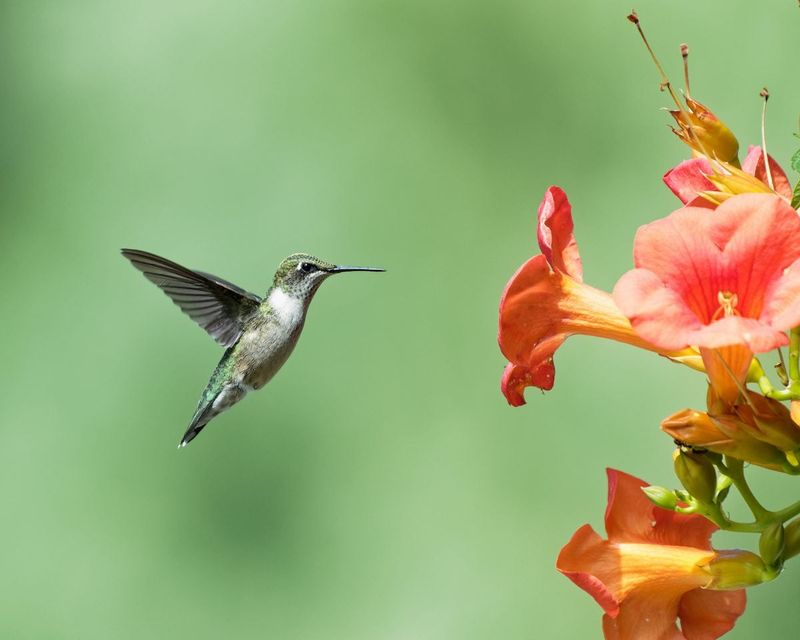
Hummingbirds find trumpet creeper the way kids find an ice cream truck. The bright orange-red flowers are loud, nectar-rich, and hard to miss, especially along a sunny fence or the edge of a natural area.
Its climbing trick is different from tendril vines. Trumpet creeper uses aerial rootlets that grip rough surfaces, which means it can scramble up tree trunks, posts, and strong fencing without a wooden frame. That makes it useful where humidity has already ruined one too many trellises.
Power comes with responsibility here. Trumpet creeper can spread by suckers and may be too pushy for tiny patios or neat foundation beds. Florida gardeners should give it a roomy spot, mow around the base if needed, and prune after flowering to keep it from taking over nearby shrubs.
Think of it as a native wildlife vine for a tough corner, not a delicate porch accent. In the right place, it shrugs off heat, draws hummingbirds, and climbs without begging for replacement lumber. In the wrong place, it will remind you that native does not always mean mild.
4. Passionflower Vine
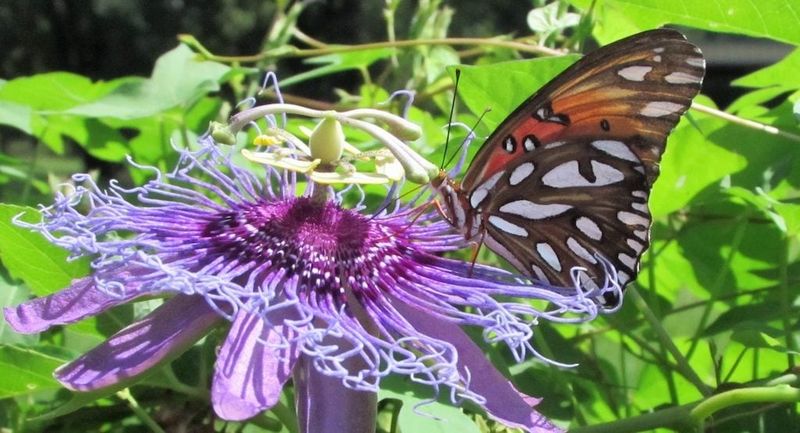
One look at a passionflower bloom and it feels almost unreal, like a tiny purple clock with fancy fringe. Florida native passionflower vines climb by curling tendrils, so a wire fence, shrub, or open metal support is usually enough to get them moving upward.
The real reason to plant it is butterflies. Native passionflowers are host plants for Gulf fritillary, zebra longwing, and other passionvine butterflies, which means caterpillars may chew the leaves. That is not failure. That is the plant doing one of its best jobs in a Florida wildlife garden.
Maypop, Passiflora incarnata, is especially useful in sunny, sandy spots once established. Corkystem passionflower, Passiflora suberosa, is another Florida native that tends to be smaller and is loved by butterfly gardeners, especially in warmer areas. Choose the species that fits your region and space.
Because tendrils need something narrow to wrap around, passionflower is not a wall-clinger. Let it climb a chain-link fence, hog panel, sturdy shrub, or storm-resistant metal frame. You avoid rotting wood while gaining a vine that turns a plain edge of the yard into a butterfly nursery.
5. Coral Honeysuckle
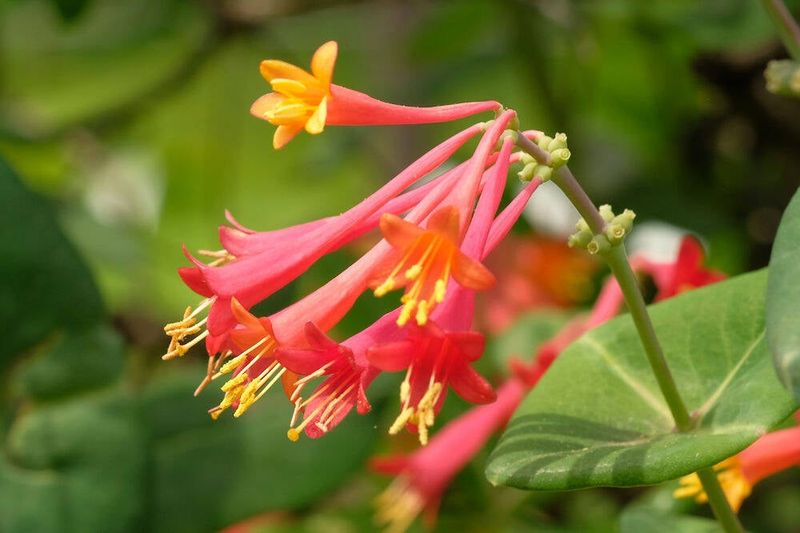
Soft red flower clusters make coral honeysuckle feel cheerful without looking messy. Unlike invasive Japanese honeysuckle, this Florida native is a better-behaved vine with tubular blooms that bring hummingbirds in close.
Coral honeysuckle climbs by twining, which means the stems wrap around nearby supports. It will not glue itself to a flat wall, but it can weave through a chain-link fence, metal railing, sturdy shrub, or small tree. That makes it a smart swap for wooden trellises that rot at soil level.
Give it sun for the best flowering, though light shade is usually fine in hot yards. Once it settles in, it is not a fussy plant, and it can handle the kind of fast-draining sandy soil that makes many ornamental vines sulk. A little mulch over the root zone helps keep moisture steadier.
Pruning is simple and forgiving. Trim after heavy bloom periods to shape it, remove tangled stems, and keep pathways open. If you want a native vine with color, wildlife value, and a more polite personality than trumpet creeper, coral honeysuckle earns its place.
6. Muscadine Grape
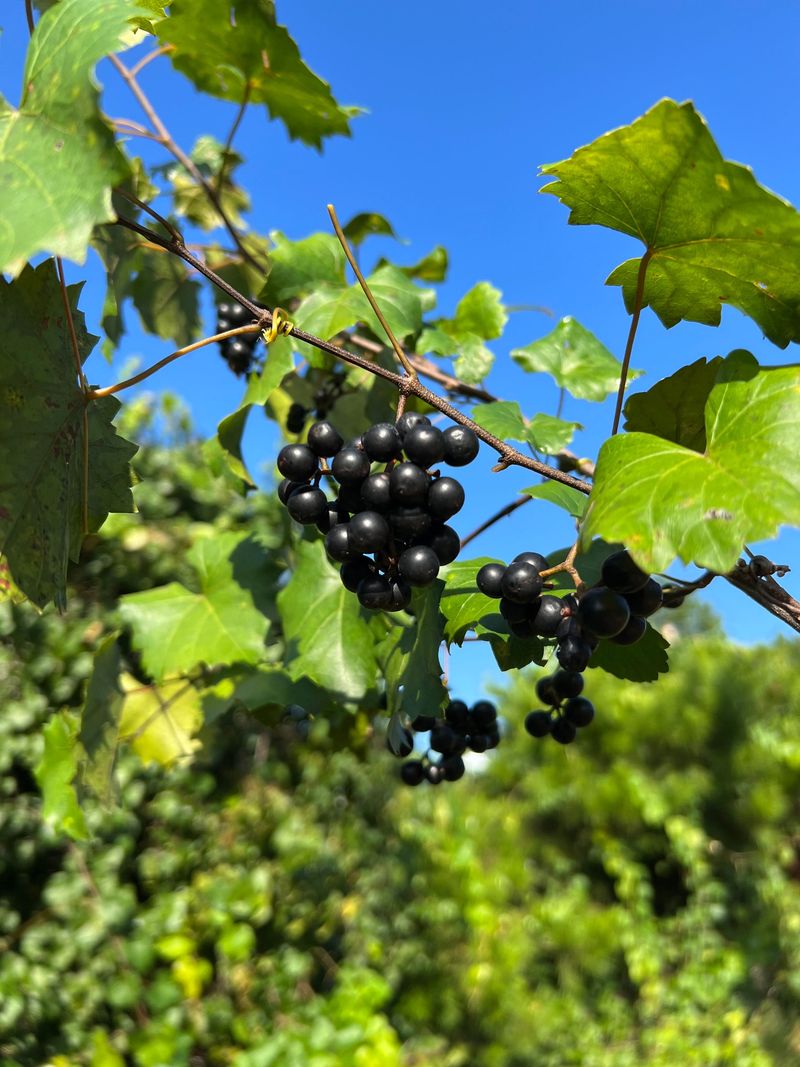
Old Florida yards often had muscadines long before backyard gardening became trendy. This native grape climbs with tendrils, grips sturdy fencing well, and brings the extra reward of thick-skinned fruit with a sweet, wild flavor.
Muscadine is not the vine for a flimsy decorative trellis. It gets heavy with age, especially when loaded with grapes, so aim it at a strong fence, cattle panel, metal arbor, or properly anchored wire system. The benefit is that the plant itself does the climbing, while the support can be storm-ready and rot-resistant.
Full sun gives the best fruiting. Sandy Florida soil is workable for muscadines as long as young plants are watered during establishment and the site drains well. Some varieties need another muscadine nearby for pollination, while self-fertile selections can fruit alone, so check the tag before buying.
Wildlife may notice the crop before you do. Birds, raccoons, and other visitors enjoy ripe grapes, which is charming until harvest day. For gardeners who want a native vine that is useful, rugged, and tied to Southern food history, muscadine is more than a screen. It is edible shade with roots in the region.
7. Greenbrier
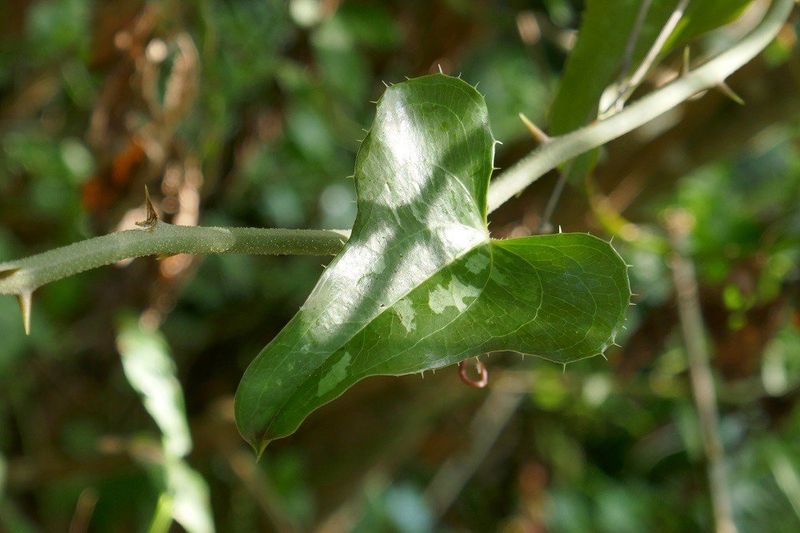
Greenbrier is the vine many gardeners already have, though not everyone greets it kindly. Those wiry stems, hooked prickles, and curling tendrils can seem unruly, but in the right back-edge location, native Smilax can be a tough wildlife plant that needs no pampering.
Its self-supporting talent comes from tendrils that latch onto shrubs, fences, and woodland edges. Instead of building a trellis, you can let greenbrier strengthen a natural screen where privacy matters more than perfect manners. It is especially at home near wild borders, drainage edges, and areas where sandy soil dries quickly after rain.
Birds use the cover and may eat the berries, while dense growth can create shelter that a bare fence never will. Some species also serve as host plants for certain butterflies and moths. The tradeoff is thorns, so avoid placing it beside walkways, play areas, or narrow gates.
Management is the whole secret. Keep selected stems, cut wanderers at the base, and wear gloves when pruning. Greenbrier will not suit every tidy landscape, but for a low-maintenance Florida wildlife corner, it turns a problem plant into a living barrier that laughs at humidity.