
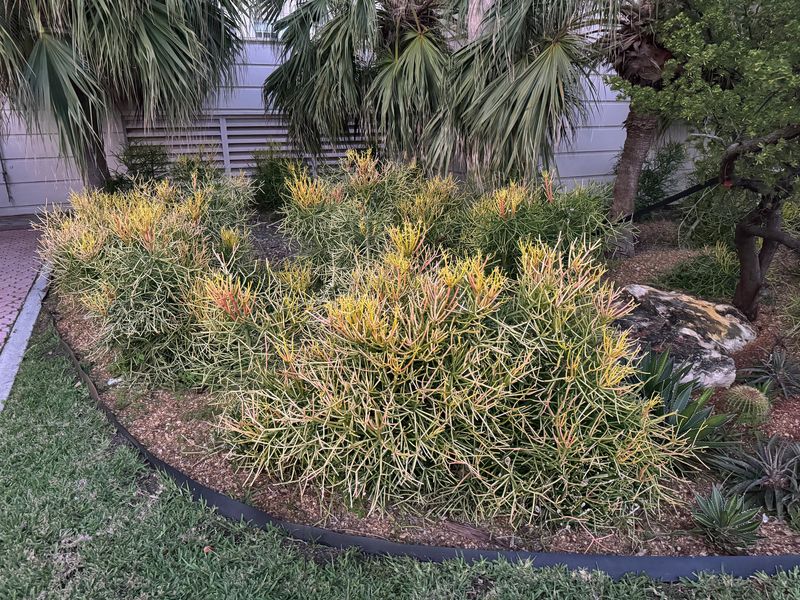
A leafless, spine-free shrub sitting quietly in a Florida front yard might not look like anything to worry about, but pencil cactus has put homeowners in the emergency room after a simple pruning session. The plant releases a milky white sap the moment a stem is cut or snapped, and that sap can cause serious burns to skin, mouth tissue, and especially the eyes. Knowing what this plant looks like, why its sap is dangerous, and how to handle it safely could save you or someone in your household from a genuinely painful injury.
Identify the Florida plant behind the warning
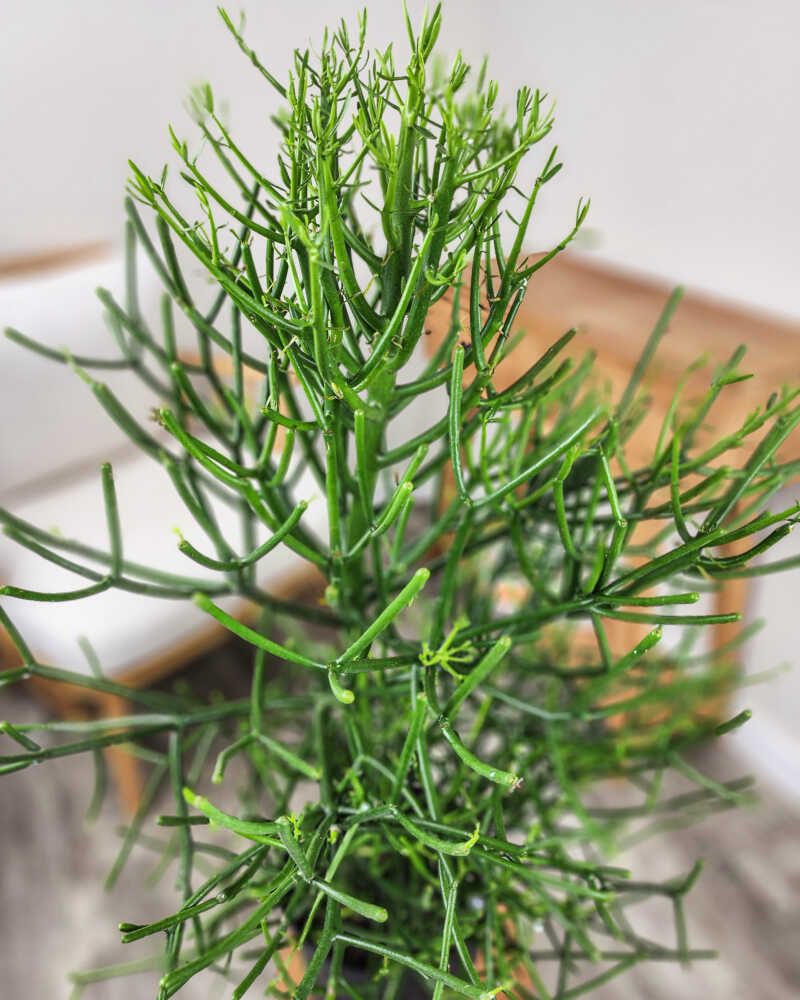
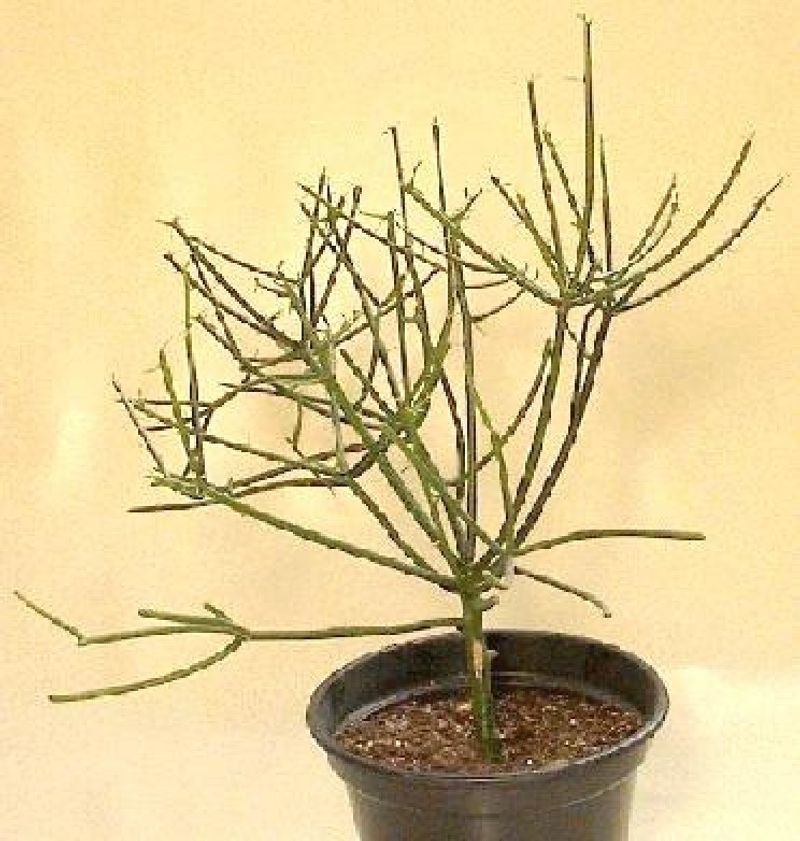
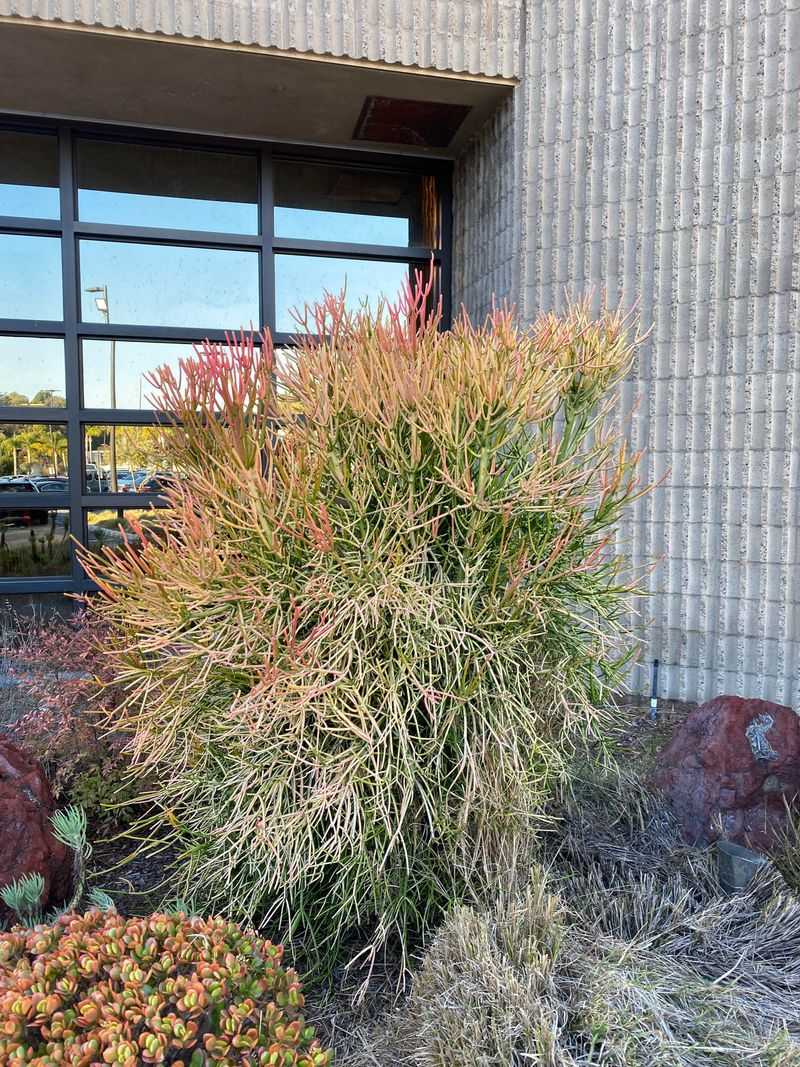
Pencil cactus, known scientifically as Euphorbia tirucalli, is the plant behind this warning. UF/IFAS Extension Putnam County describes it as a succulent shrub or small tree made up of narrow, pencil-thick green branches that grow in dense, upright clusters. Its leaves are tiny and shed so quickly that the plant almost always appears completely bare, giving it a clean, sculptural look that many Florida homeowners find appealing for low-maintenance landscaping.
Despite carrying the word “cactus” in its most common name, this plant belongs to the Euphorbia family, not the true cactus family. That distinction matters because gardeners sometimes assume that handling a plant without spines or thorns is inherently safe. Pencil cactus has no conventional spines at all, yet its stems carry a milky white latex sap that flows freely the moment a branch is cut, snapped, or broken.
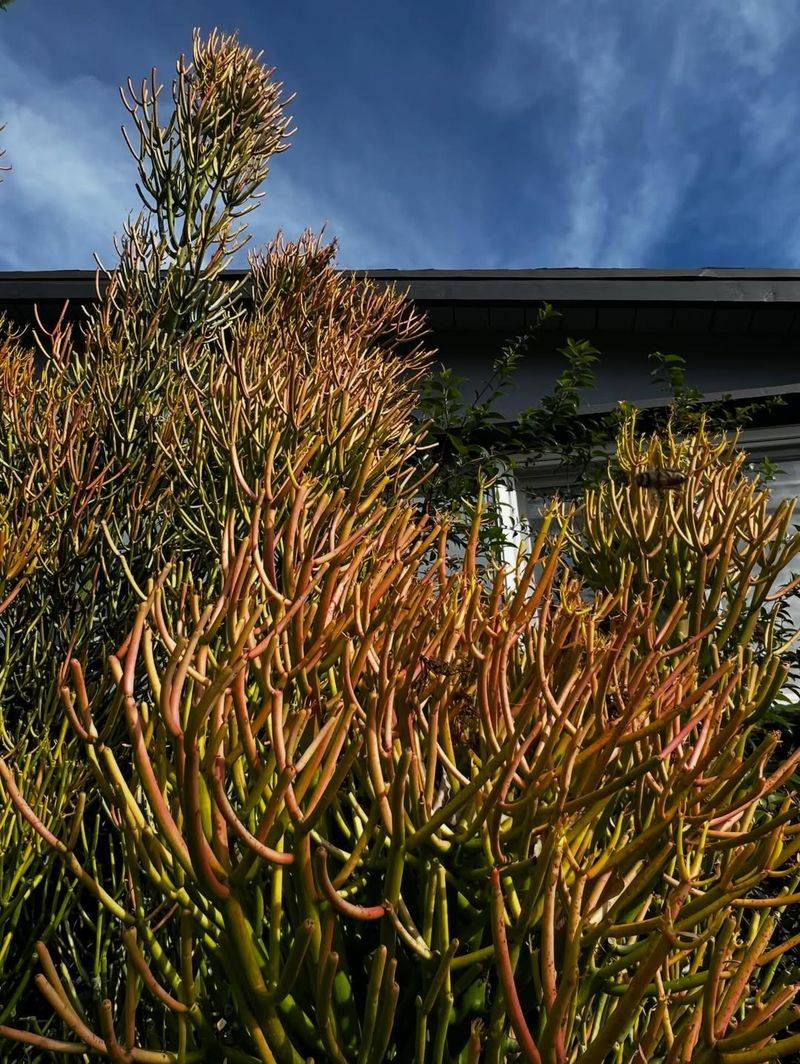
The plant is sold under several names in Florida garden centers, including fire sticks, sticks on fire, pencil tree, pencil bush, and milkbush. The “fire sticks” label often refers to colorful cultivars of the same species whose stems flush orange, red, or yellow in cooler months or bright sun. That color change does not alter the sap or make the plant safer to handle bare-handed.
If you find a leafless, pencil-branched shrub in an inherited yard or a neighbor’s landscape and are not certain of its identity, do not handle it bare-handed on the assumption that it is pencil cactus or any other specific species. A photograph alone is not a reliable identification tool when exposure has already occurred. Contact a local UF/IFAS Extension office or a certified master gardener for in-person help before pruning an unfamiliar plant with milky sap.
The latex creates the hazard
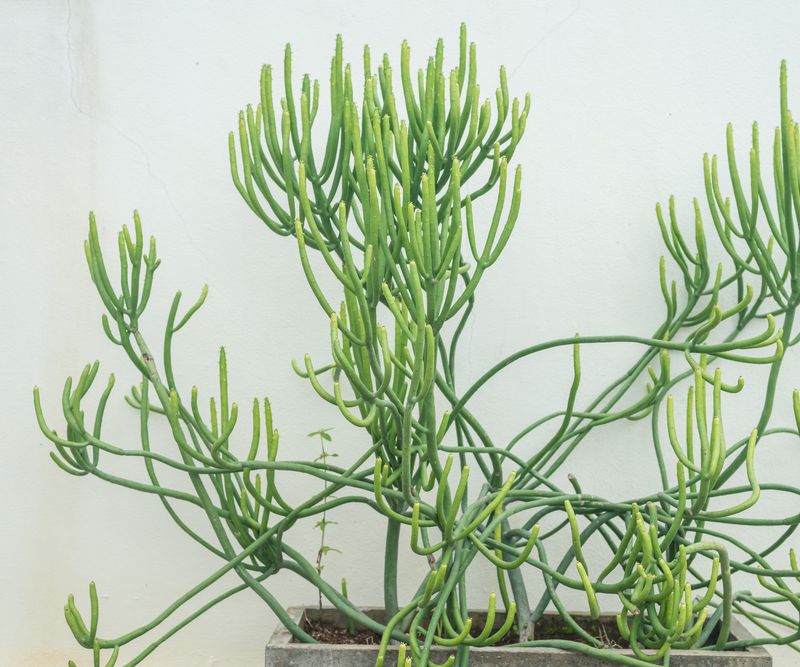
Every time a stem of pencil cactus is cut, snapped, or even brushed hard enough to crack, white latex bleeds out almost immediately. UC Agriculture and Natural Resources guidance on Euphorbia tirucalli notes that the plant’s brittle branches can break when someone simply walks past and grazes them, which means sap exposure is not limited to deliberate pruning. Propagating cuttings, pulling the plant from a container, or even moving a potted specimen can all release the latex.
The plant’s appearance works against gardeners in a specific way. Because pencil cactus looks so tidy and harmless, many people reach in bare-handed to snap off a dead-looking branch or shape a container plant without a second thought. Once sap gets on the fingers, it can transfer quickly to the face, lips, or eyes the next time the gardener wipes sweat, adjusts sunglasses, or rubs an itch. That transfer from hand to eye is one of the most common pathways to a serious exposure.
Skin contact causes burning, redness, and irritation that can progress to blistering with prolonged contact. Mouth and mucous-membrane contact produces a similar burning sensation. Eye contact carries the highest risk and is covered in detail in the next section.
Poison Control’s guidance on Euphorbia sap specifically warns that dried sap on cuttings or contaminated tools can remain irritating, so a branch set aside on a potting bench or a pair of pruners left uncleaned after a session are not automatically safe to handle bare-handed later. Treat any surface that contacted fresh sap as potentially irritating until it has been cleaned with soap and water.
Eye exposure can cause serious injury
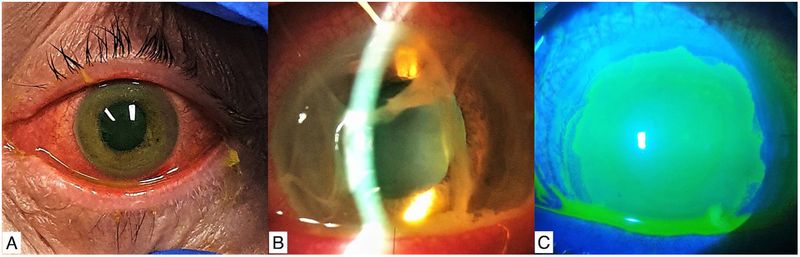
Skin irritation from pencil cactus sap is real and uncomfortable, but the eyes are where documented injuries have been most severe. Medical case reports describe a range of outcomes following ocular exposure, and the pattern is consistent enough to treat any sap splash to the eye as an urgent situation rather than a minor inconvenience.
A published case of acute keratoconjunctivitis following Euphorbia tirucalli latex exposure illustrates how quickly the eyes can respond. Keratoconjunctivitis involves inflammation of both the cornea and the conjunctiva, the clear membrane covering the white of the eye. Patients in documented cases have experienced intense pain, redness, tearing, light sensitivity, and blurred vision within minutes to hours of sap contact.
A series of four Euphorbia sap keratopathy cases found corneal epithelial injury, meaning the outer protective layer of the cornea was damaged. That kind of injury can impair vision and requires medical treatment to heal properly. The cases also documented inflammation inside the eye, which adds another layer of concern beyond surface-level irritation.
A broader clinical review of Euphorbia tirucalli toxicity confirms that ocular exposure carries the potential for severe damage. Reduced vision is among the reported outcomes, and in serious cases the injury can be prolonged. The key distinction between pencil cactus and many other irritating plants is that its ocular effects go well beyond temporary redness. Skin contact from a brief touch typically produces localized irritant dermatitis, which is painful but a different category of concern from a sap splash that reaches the cornea directly.
A pruning session where a branch springs back, a cutting falls awkwardly, or sap drips from above creates real conditions for an eye splash. That is why eye protection belongs on the required gear list for any interaction with this plant, not as an optional precaution.
Put the emergency-room claim in context
Headlines about pencil cactus sometimes suggest that anyone who touches the plant will end up in the emergency room. The actual evidence is more specific and more useful than that broad claim.
UF/IFAS Extension Charlotte County documents Florida pruning accidents involving eye and skin burns that resulted in emergency-room visits. Those are real cases, and they matter because they happened to ordinary homeowners doing ordinary yard work. The common thread in the most serious outcomes is sap reaching the eyes, not routine skin brushing.
At the same time, a review of 678 Euphorbia tirucalli exposures reported to Texas poison centers found that most cases were managed outside a healthcare facility. That review also found that 17.1% of reported exposures had potentially serious outcomes, which is a meaningful fraction and not a reason for complacency. These figures come from Texas poison-center data, not a Florida statewide count, so they should not be read as a precise rate for Florida gardeners specifically.
What the combined evidence shows is that the exposure route matters more than the simple fact of contact. Touching a branch briefly and washing your hands carries a different risk profile than cutting overhead branches without eye protection and getting sap in your face. Most people who handle the plant with reasonable care and wash up properly afterward will not need emergency care. The gardeners who have needed it were typically exposed to sap in the eyes or sustained prolonged skin contact without washing it off.
Treating this plant with informed caution, not panic, is the right response. Knowing which exposures warrant a call to Poison Control and which warrant an immediate trip to urgent care gives homeowners a practical framework instead of either dismissing the risk or assuming the worst every time they walk past the plant.
Use full protection when pruning
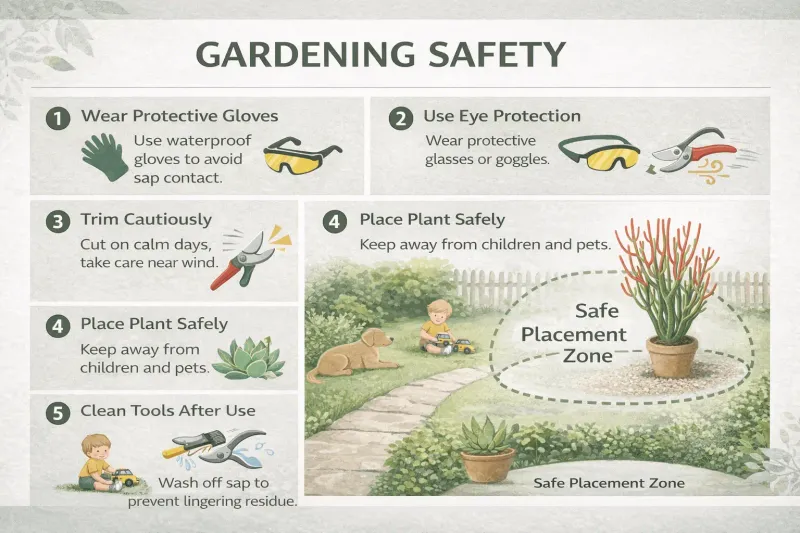
Getting the gear right before the first cut is far easier than managing a sap exposure after the fact. When pruning, propagating, or removing pencil cactus, wear waterproof gloves, long sleeves, long pants, and closed shoes. UC Agriculture and Natural Resources guidance for handling Euphorbia tirucalli specifically includes eye protection on that list, and given the documented ocular injuries associated with this plant, safety glasses or goggles are not optional.
Gloves alone do not provide complete protection. Latex or thin fabric gloves can allow sap to seep through at seams or if the glove is punctured by a broken branch tip. Waterproof or nitrile gloves offer better resistance. Even with gloves on, avoid touching your face or rubbing your eyes during the session.
Sap can transfer from the outside of a glove to skin if you adjust your hat, wipe your forehead, or handle your phone mid-task.
Cutting direction is another practical detail that reduces risk. Prune from the lower portion of the plant upward rather than cutting branches above your face or shoulders. Poison Control’s guidance on Euphorbia spurge sap reinforces careful handling of cuttings and contaminated surfaces. When sap drips downward from an overhead cut, it can land on exposed forearms, the collar area, or the face.
Controlling the angle of your cuts keeps that risk low.
After pruning, place cuttings in a sealed bag or container rather than leaving them loose on the ground where children, pets, or bare feet might encounter them. Clean your pruning tools with soap and water before setting them aside, and wash your gloves before removing them to avoid transferring sap to your wrists or hands during the process of taking them off. Wash your hands and any exposed skin thoroughly with soap and water before touching your face or eating. Dried sap on tools or cuttings can remain irritating, so handle cleanup with the same care as the pruning itself.
Wash skin and flush eyes immediately
What you do in the first few minutes after sap contact makes a real difference in how the injury develops. The right response depends on where the sap landed.
For skin exposure, remove any clothing that the sap touched before it soaks through to a larger area. Wash the affected skin gently with soap and water. Poison Control’s Euphorbia sap guidance notes that water alone may not remove the latex adequately, which is why soap is part of the recommendation rather than a rinse being sufficient. After washing, call Florida Poison Control at 1-800-222-1222 for case-specific advice, especially if redness, blistering, or burning persists or spreads.
Eye exposure requires immediate action. Remove contact lenses right away if you are wearing them, then begin flushing the eye with comfortable-temperature running water. Continue flushing for a full 15 to 20 minutes without stopping. Poison Control’s eye-splash guidance is clear that the irrigation period needs to be long enough to physically dilute and wash away the irritant.
A quick rinse under the tap for 30 seconds is not adequate for this type of exposure.
Do not put soap in the eye. Soap is appropriate for skin decontamination but will add irritation to an already injured eye surface. Plain running water at a comfortable temperature is the right tool for eye flushing.
After completing the flush, call Poison Control at 1-800-222-1222 even if the eye feels better. The medical team there can help you decide whether the exposure warrants an urgent care or emergency-room visit based on your specific situation. Go directly to urgent medical evaluation without waiting if you experience persistent pain, blurred vision, light sensitivity, swelling around the eye, or any change in vision. These symptoms can indicate corneal injury that needs professional treatment and should not be managed at home with continued flushing alone.
Keep pencil cactus away from contact zones
Where you plant pencil cactus matters almost as much as how you handle it during pruning. The plant’s branches are brittle, and a person or pet brushing past a stem at the edge of a walkway or along a fence line can snap it without meaning to, releasing sap without any pruning tool ever being picked up.
UC Agriculture and Natural Resources placement guidance for Euphorbia tirucalli recommends keeping the plant away from walkways and areas frequented by children or pets for exactly this reason. A child running past a potted specimen on a patio or a dog weaving through a garden bed could break a branch at face or eye height without anyone anticipating it. Animals that chew on the stems can experience mouth and gastrointestinal irritation from the sap.
Choosing a location with a clear buffer from foot traffic reduces the chance of accidental contact significantly. A spot in a sunny, well-drained bed that is set back from main pathways, away from play areas, and out of reach of curious pets gives the plant the growing conditions it needs while keeping unprotected people and animals at a safer distance.
The UF/IFAS assessment of Euphorbia tirucalli does not classify the plant as a problem species in Florida’s natural areas, so there is no current basis for treating it as an invasive threat requiring removal from landscapes. That status simply means it has not been found to spread aggressively into native ecosystems at a level that warrants a problem designation. It says nothing about the sap’s irritating properties, which remain a real concern regardless of how the plant is classified ecologically. A plant can be a perfectly acceptable landscape choice and still require careful, protected handling every time it is touched.
Do not confuse it with other toxic Florida plants
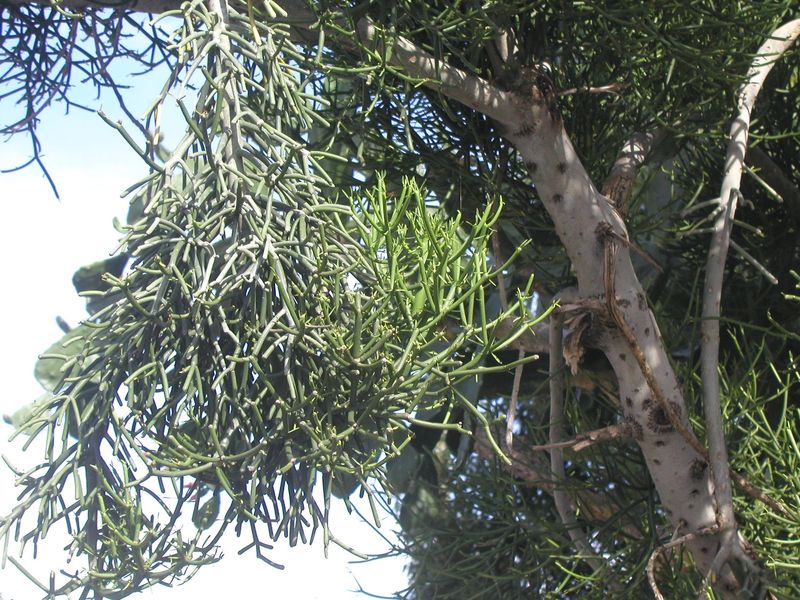
Florida landscapes include a number of plants that produce irritating or toxic sap, and mixing them up can lead to wrong assumptions about risk or first aid. Pencil cactus is one specific species with its own identifying features and its own toxicology. Other plants require separate identification and separate caution.
Manchineel (Hippomane mancinella) is sometimes described as one of the most toxic trees in the world, and UF/IFAS documentation on manchineel confirms it is a coastal Florida native found in southern Florida and the Keys. It produces a milky sap and round fruit but grows as a coastal tree in specific habitat types, not as a common ornamental shrub in suburban yards. It is not a substitute identification for pencil cactus, and its toxicology is distinct.
Oleander, crown-of-thorns, milkweed, and Brazilian pepper are all Florida-landscape plants that carry their own warnings, and UF/IFAS Gardening Solutions covers toxic landscape plants with enough detail to help gardeners distinguish between them. Crown-of-thorns is another Euphorbia with irritating sap, but it has prominent spines and small red or yellow flowers that set it apart from pencil cactus visually. Oleander is a flowering shrub with long, narrow leaves and a very different growth form.
After any plant sap exposure, do not rely on a photograph, a common name, or a guess about the species to guide your first-aid decisions. Florida Poison Control’s plant-exposure resources are set up to help with exactly this situation. Calling 1-800-222-1222 with a description of the plant, the exposure route, and the symptoms gives the specialists the information they need to give you accurate, case-specific guidance rather than generic advice. The most useful thing you can do after an exposure is not search the internet for the plant name.
Call Poison Control, describe what happened, and let the evidence guide the next step.