
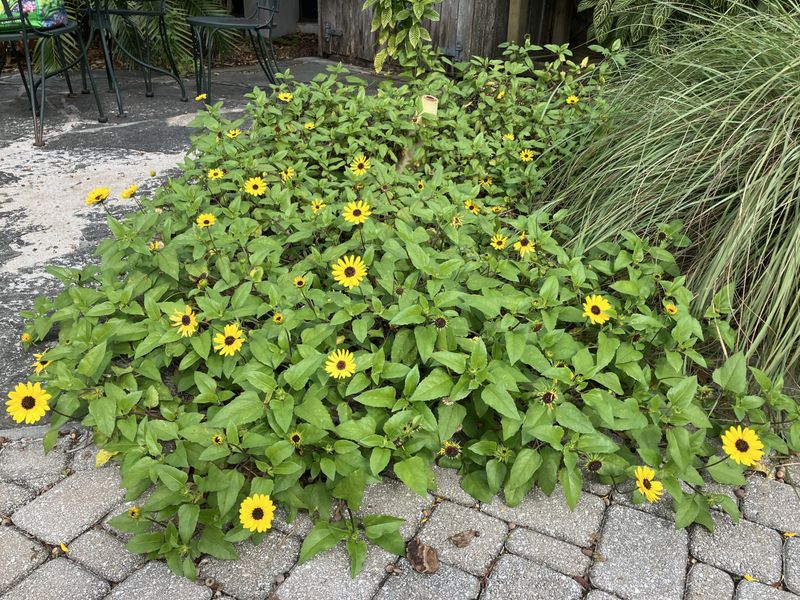
Bare sandy patches are common in Florida yards, and they can make even a cared-for garden look tired. The good news is that several Florida native groundcovers can handle dry soil once their roots settle in. UF/IFAS often points gardeners toward native, site-matched plants because they support wildlife and cut down on extra work. Pick the right one, and that problem spot can turn into a living carpet.
1. Sunshine Mimosa
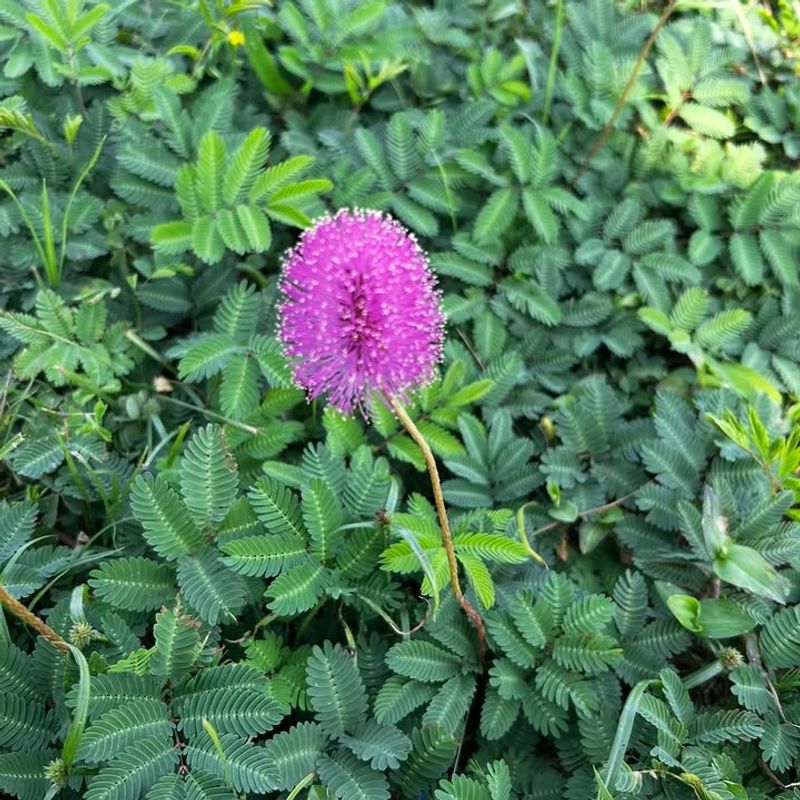
A bare patch by the driveway can feel hopeless until sunshine mimosa starts stitching it together. Its ferny leaves creep low across sandy soil, and the pink puffball blooms look almost too cheerful for such a tough little plant.
UF/IFAS recommends sunshine mimosa as a Florida native groundcover for sunny sites, especially where turf struggles. Once established, it handles dry spells well and usually needs little attention beyond edging if it wanders into a path or bed.
Wildlife gives it extra value. The flowers attract bees and small pollinators, while the dense mat helps cover open sand that would otherwise invite weeds or wash during heavy rain.
Give it full sun for the best flowering and spreading. It may go thinner in shade, but in a bright Florida yard with fast-draining soil, it can become one of the most useful low-water groundcovers around.
2. Frogfruit
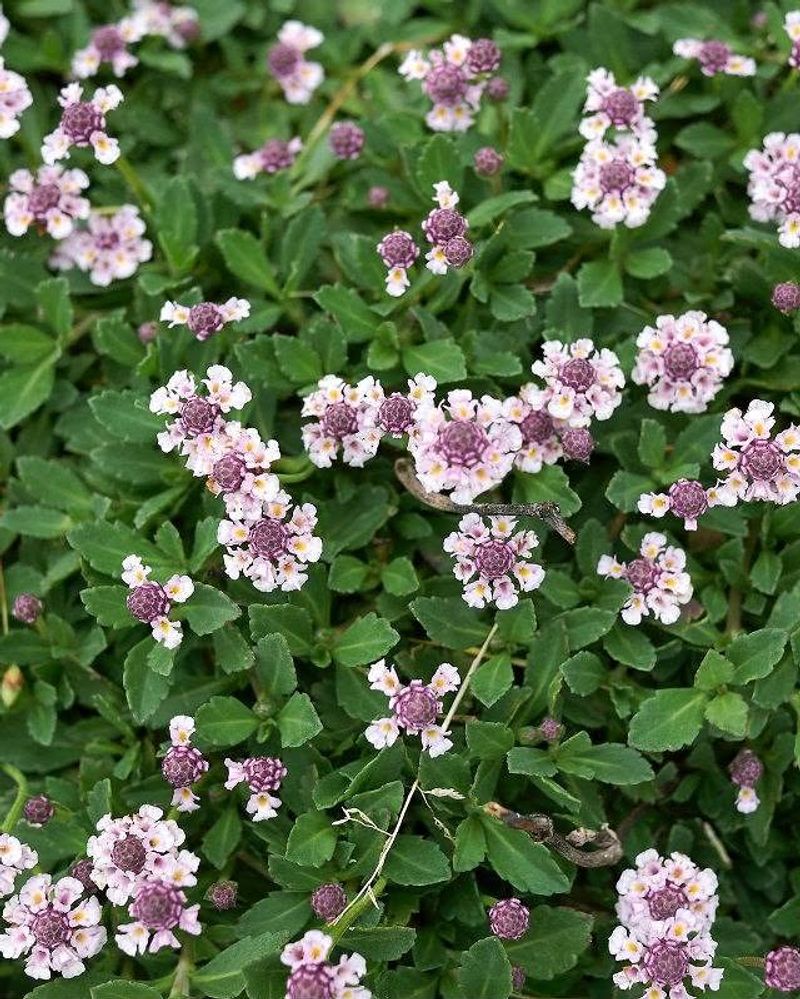
Butterflies seem to find frogfruit before people do. From a distance, it looks like a tidy green patch, but up close the small flower heads are busy little landing pads for pollinators.
Known botanically as Phyla nodiflora, frogfruit is a Florida native that UF/IFAS includes among useful lawn alternatives and groundcovers. It grows low, spreads steadily, and tolerates sandy soils once it is established.
Frogfruit stands out because it can take some foot traffic better than many flowering groundcovers. It is not a football-field turf replacement, but it works nicely between stepping stones, along edges, and in sunny open areas where grass keeps fading out.
During dry stretches, established frogfruit usually keeps going without pampering. If it looks tired after a hard freeze or rough season, a light trim can help refresh the patch when warm weather returns.
Gardeners who want a less thirsty lawn look, plus butterfly action, should keep frogfruit high on the list.
3. Beach Sunflower
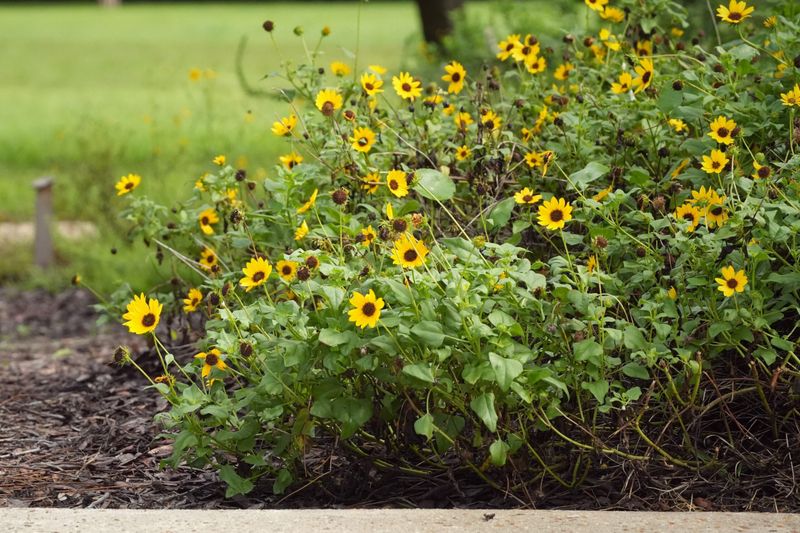
Hot sand, bright sun, and salty breezes do not scare beach sunflower. In fact, those are the conditions where this Florida native often looks right at home.
UF/IFAS lists beach sunflower, also called dune sunflower, as a native groundcover suited to dry, sandy areas. Its yellow daisy-like blooms bring a sunny, casual look to bare spots, especially in coastal and inland yards with poor, fast-draining soil.
Unlike finer-textured groundcovers, beach sunflower has a bold, cottage-garden feel. It sprawls, blooms generously, and can soften the edge of a driveway, mailbox bed, or slope where mulch never seems to stay put.
Drainage matters. Soggy soil can cause trouble, so this plant is best for spots that dry out quickly after rain. In the right place, established plants are drought tolerant and often need more trimming than watering.
Short-lived patches may reseed or renew themselves if conditions are friendly. That makes beach sunflower a lively choice for gardeners who prefer a natural Florida look over a clipped carpet.
4. Railroad Vine
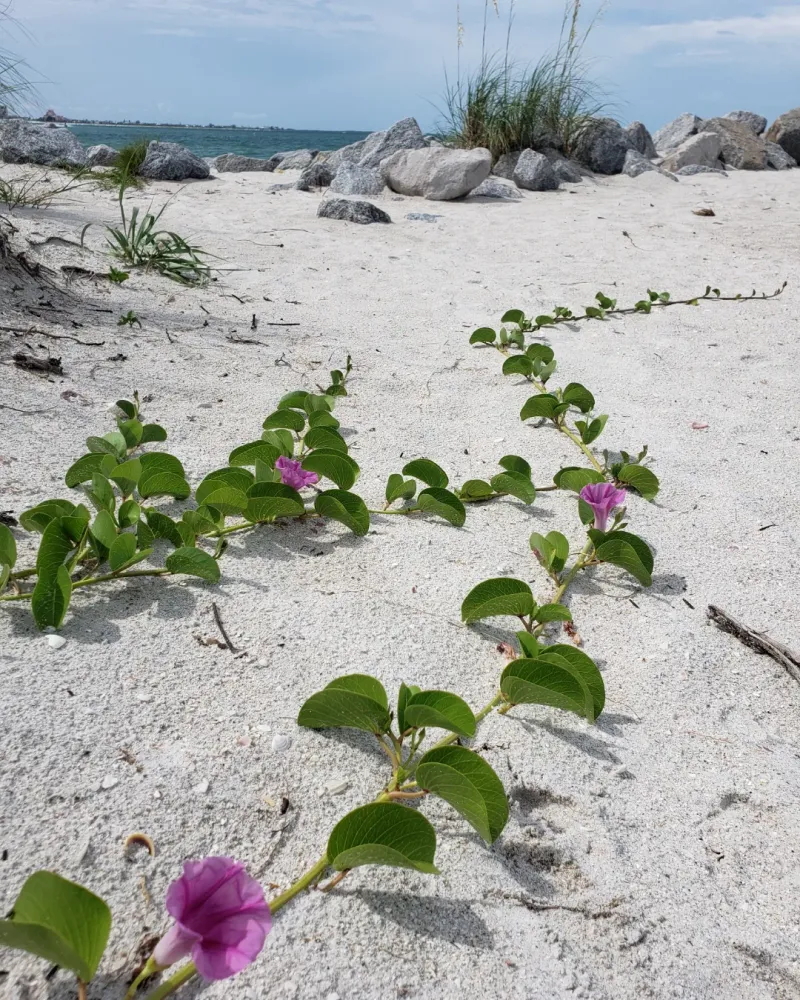
Along Florida beaches, railroad vine looks like it was designed to hold sand in place. Its long runners stretch across open ground, rooting as they go and flashing purple morning-glory-like flowers in the sun.
UF/IFAS recognizes railroad vine as a native coastal plant with strong value for sandy, exposed sites. It is especially useful near the shore, where wind, salt spray, and dry sand make many ornamentals quit fast.
Space is the big question with this one. Railroad vine is not shy, and it can travel much farther than a small front-bed plant should. Give it room on a dune-style slope, wide sandy bank, or coastal property edge where spreading is a benefit, not a battle.
Established plants are impressively drought tolerant. They perform best in full sun and very well-drained soil, and they usually resent wet, compacted conditions.
For Florida gardeners dealing with storm-prone sandy areas, railroad vine offers more than looks. Its rooting stems can help stabilize loose soil, making it a smart pick where erosion is part of the problem.
5. Twinflower
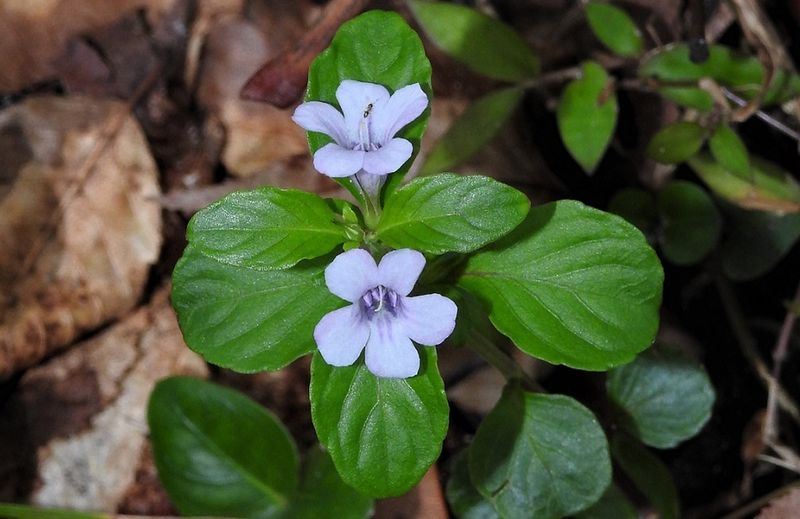
Not every dry sandy spot sits in blazing sun. Under open pines or along the bright edge of shade, twinflower can bring a softer, quieter kind of coverage.
Dyschoriste oblongifolia, commonly called twinflower, is a Florida native groundcover noted by UF/IFAS for landscape use. It forms a low, leafy spread and produces small lavender-purple blooms that add charm without shouting for attention.
Its best trick is handling part shade better than many sun-loving Florida groundcovers. That makes it useful around oak edges, pine islands, and the east side of a house where grass thins but deep shade plants are not quite right either.
Twinflower prefers well-drained soil and can manage dry periods after establishment. During the first few weeks, regular watering helps it root in, but mature patches are much less needy.
Because it has a neat, natural look, twinflower fits nicely in native plant beds and pollinator-friendly borders. It is a good choice when you want living cover without the wilder sprawl of beach sunflower or railroad vine.
6. Lyreleaf Sage
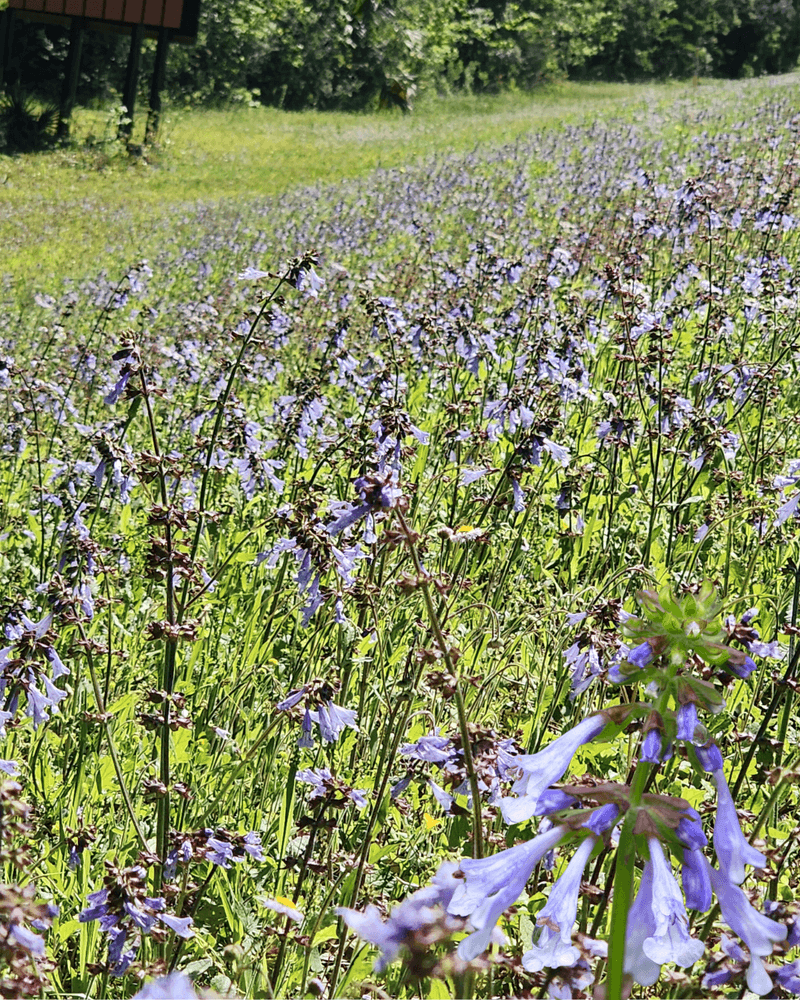
A patch of lyreleaf sage can look modest most of the year, then suddenly send up purple-blue flower spikes that make the whole bed feel awake. It is the kind of plant that rewards a gardener who likes a slightly meadowy Florida yard.
UF/IFAS identifies lyreleaf sage as a Florida native wildflower that can work as a groundcover in the right setting. The low rosettes spread over time, helping cover open soil while offering spring flowers for bees and other small pollinators.
What makes it different is its mix of ground-hugging leaves and upright bloom stalks. It is not a flat mat like frogfruit, and it is not a sprawling vine. Instead, it gives sandy spots a natural, park-like texture.
Lyreleaf sage grows in sun to part shade and handles dry conditions once established. It may self-seed, which can be a blessing in a bare area, though gardeners who prefer crisp lines may want to pull extras.
Use it where a lawn alternative can look relaxed rather than formal. Around native shrubs, in pollinator strips, or beneath high-canopy trees, it fills space without begging for irrigation.
7. Coontie
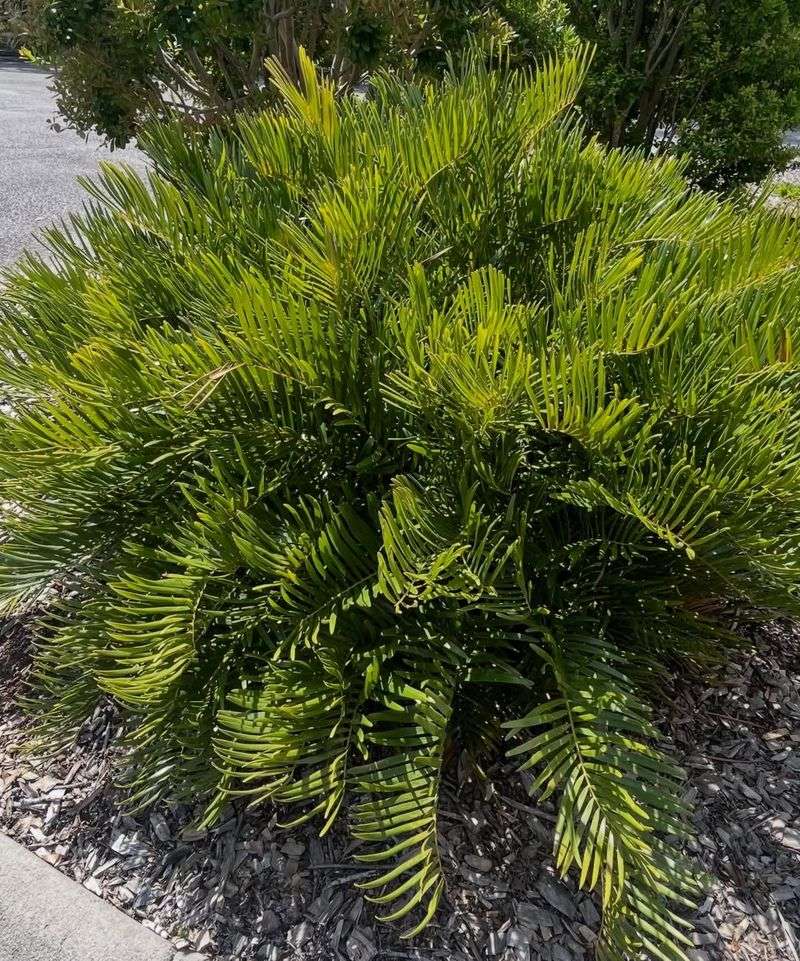
For a bare sandy corner that needs structure, coontie brings a tougher, more sculptural look than the usual creeping groundcover. Its glossy, palm-like fronds stay low and tidy, giving a bed shape even when flowers are not in season.
Coontie, Zamia integrifolia, is a Florida native cycad supported by UF/IFAS as a durable landscape plant. While it does not carpet the ground by runners, mass plantings can cover dry sandy spaces beautifully with almost no fuss after establishment.
Wildlife fans know its special claim to fame. Coontie is the larval host plant for the atala butterfly, a striking Florida butterfly that has benefited from gardeners planting this native again.
It works in sun or partial shade, though growth can be slow. That slower pace is part of its appeal for low-maintenance yards, since it does not constantly need cutting back.
One caution belongs in any honest Florida garden plan: all parts are toxic if eaten by people or pets. Place it where curious nibblers will not treat it like a snack, then enjoy a drought-tolerant native that can anchor sandy beds for years.