
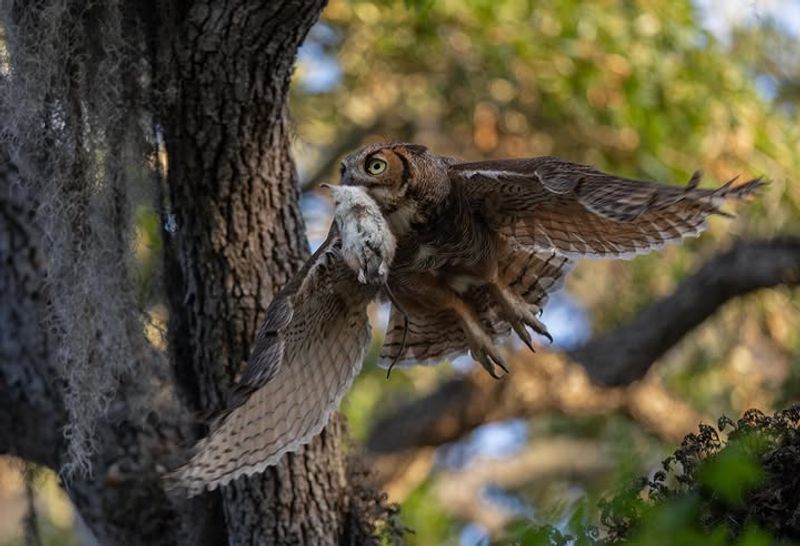
Rats love messy yards, spilled seed, thick weeds, and easy hiding places. Owls love yards that feel safe, dark, and full of nighttime hunting chances. The right Florida native plants can help you build better owl habitat while making your yard less friendly to rats. Think of it as planting a small wild edge that works with nature instead of fighting it.
1. Southern Live Oak
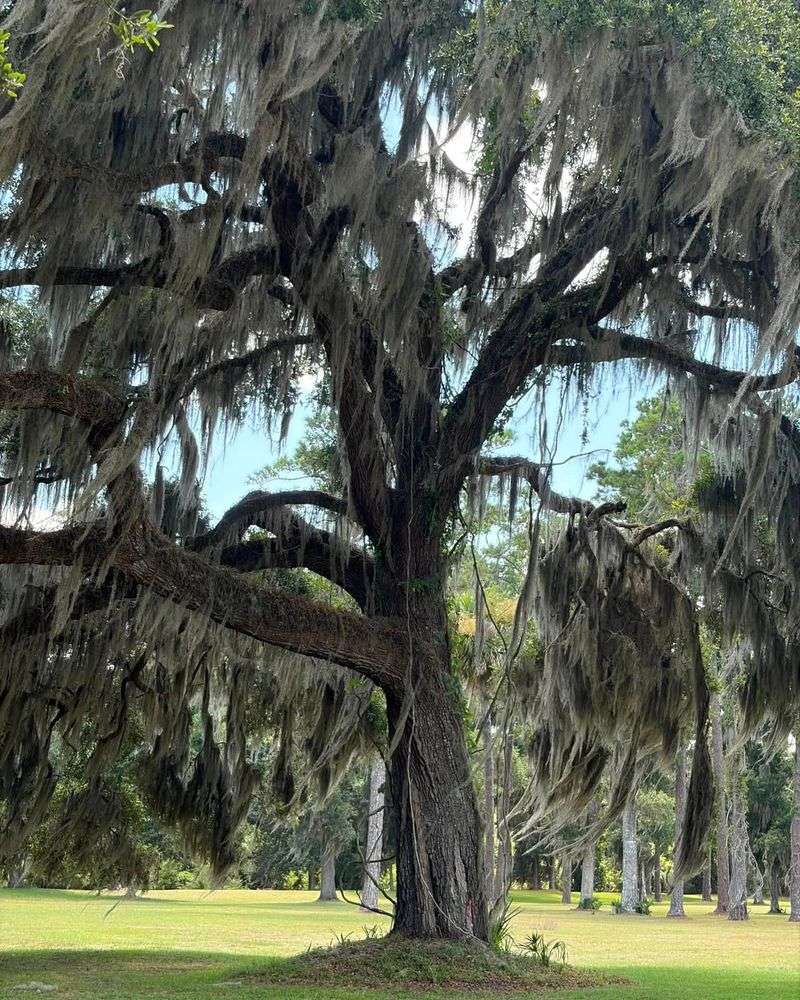
A big old live oak can make a Florida yard feel like it has its own quiet watchtower. Barred owls, great horned owls, and screech owls often use large trees for roosting, calling, and scanning open ground for movement after dark.
Southern live oak is different from the smaller plants on this list because it builds vertical habitat. Its strong limbs offer cover above the yard, while the open space beneath can become a hunting lane if you keep it clear of junk piles, fallen fruit, and stacked clutter where rats hide.
For Florida gardeners, live oak is a long-game choice, but it is also one of the most storm-tested native canopy trees when planted with room for its roots and branches. It handles sandy soil once established, supports insects and small wildlife, and gives owls a dependable place to pause between hunts.
Plant it away from roofs, septic systems, and tight driveways, then mulch wide instead of piling mulch against the trunk. A clean, open area under the canopy helps owls spot rodents and makes the space less useful as a rat runway.
2. Sabal Palm
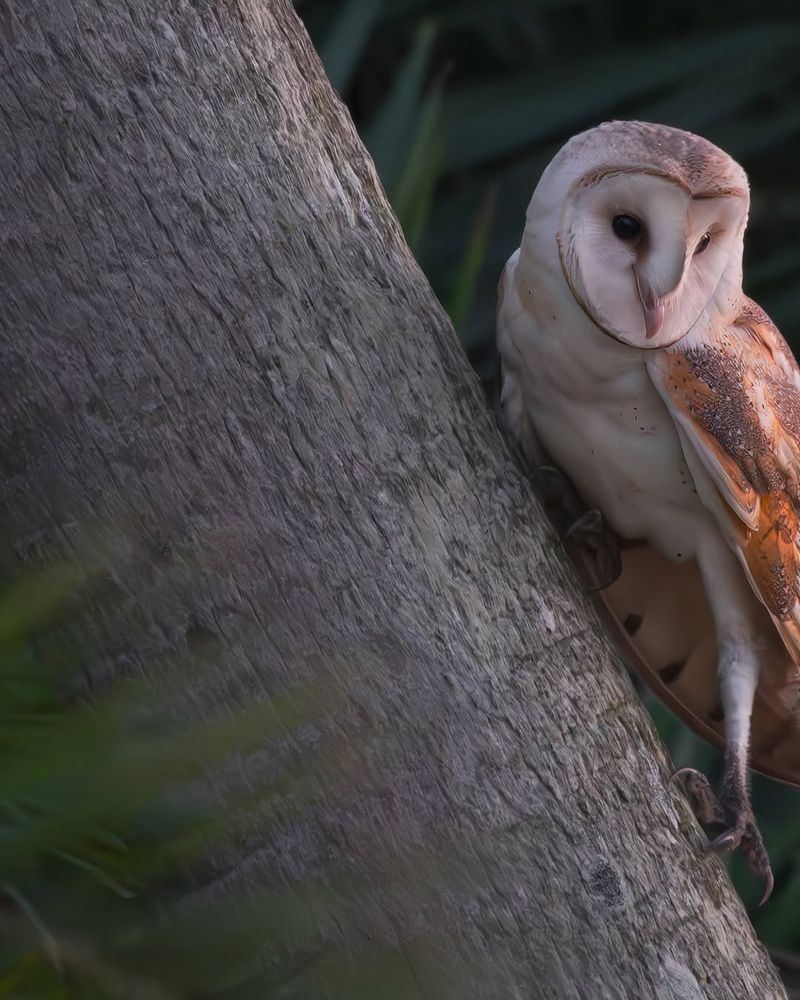
Few plants say Florida faster than a sabal palm, and owls know how to use its height. A palm rising above a fence line can become a lookout post, especially in neighborhoods where tall trees are scarce or yards are packed close together.
Sabal palm earns its place here because it gives hunting birds a high perch without casting heavy shade over the whole yard. Eastern screech owls may also use nearby cavities or nest boxes if the surrounding habitat feels safe and there is enough prey in the area.
The trick is keeping the palm useful for wildlife without letting the yard turn into a rat hotel. Avoid leaving piles of old fronds on the ground, since dry debris can shelter rodents, snakes, and roaches. If fronds are removed, do it carefully and never over-prune into a skinny, stressed crown.
Florida conditions suit sabal palm beautifully. It tolerates heat, salt, wind, and sandy soil better than many ornamentals, which makes it a low-fuss backbone plant for owl-friendly yards from inland suburbs to coastal lots.
3. Slash Pine
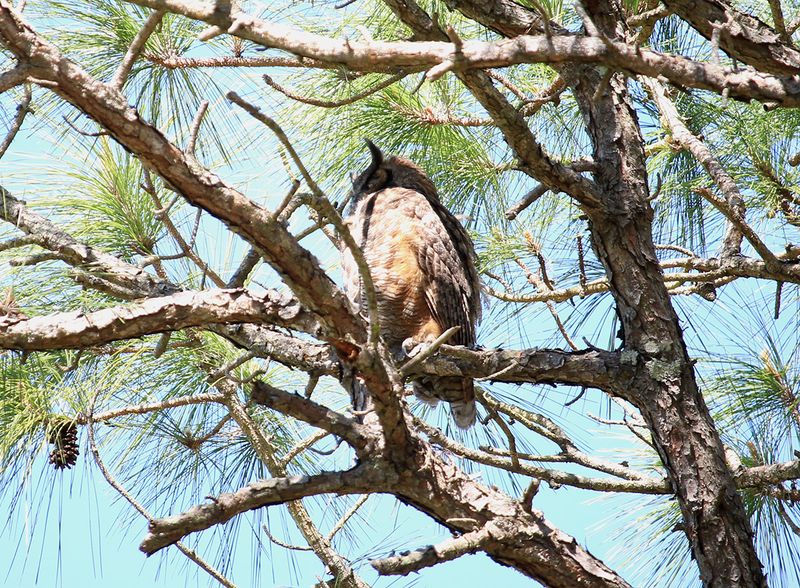
Listen on a still evening near pine woods and you may hear the deep call of a great horned owl before you ever see it. Slash pine helps bring that taller, wilder edge into a larger Florida yard.
Unlike dense hedge plants, slash pine creates height with a more open structure. Owls can perch high, watch the ground, and glide out across a lawn, driveway edge, or natural strip where rodents travel. Pine needles also make a simple native mulch that works well in sandy soil and does not need constant replacement.
Slash pine is especially useful on bigger lots, rural properties, and yards that back up to preserves or drainage areas. It is not the best pick for tiny spaces, and it should be planted where mature height, falling branches, and storm movement will not threaten the home.
For rat reduction, pair pines with clean ground management. Keep pet food indoors, secure trash, and avoid thick piles of stored materials under the trees. The pine provides the owl perch, but your cleanup removes the easy hiding places that let rats multiply.
4. Simpson’s Stopper
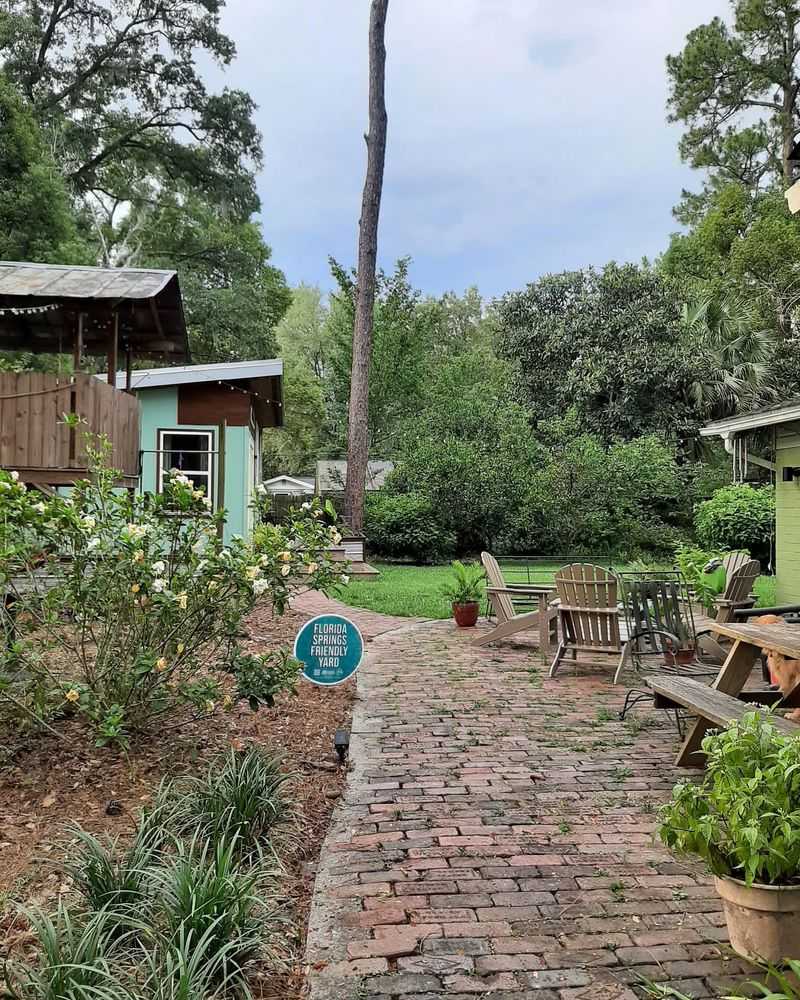
Some shrubs look neat enough for the front yard but still pull real wildlife weight. Simpson’s stopper is one of those polished Florida natives that can soften a fence, feed birds, and help shape a better hunting zone for owls.
Its special strength is structure. When used as a managed screen rather than a tangled thicket, it gives small birds daytime cover while creating edges where rodents may move after dark. Owls often hunt along edges because prey has to cross from cover into open space.
Small white flowers attract pollinators, and the red berries feed birds, which adds life to the yard without needing a high-maintenance tropical look. In many parts of Florida, Simpson’s stopper handles sandy soil, pruning, humidity, and dry spells once established.
Keep the base open enough that you can see through the lowest branches in places. A shrub wall packed with fallen leaves, fruit, and hidden gaps can protect rats, but a clean, lightly lifted hedge creates cover for songbirds while leaving rodents more exposed to nighttime hunters.
5. Wax Myrtle
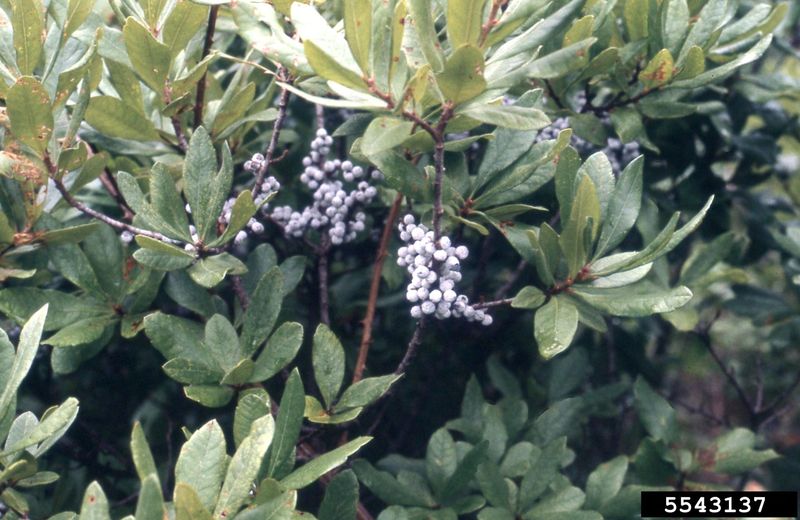
That soggy corner after a storm does not have to become a mosquito-filled mess or a rodent hideout. Wax myrtle is a tough native shrub that can turn damp edges into useful habitat when it is placed and maintained with care.
Wax myrtle stands out because it tolerates conditions that frustrate many Florida homeowners, including wet spots, sandy soil, and rough weather. Its berries support birds, and its dense growth can form a living boundary along ditches, swales, or back fence lines.
For owls, the value comes from the border it creates. A clean strip of grass, mulch, or open ground beside wax myrtle gives hunting owls a place to detect movement. Rodents dislike crossing exposed areas, and predators benefit when they do.
Do not let wax myrtle become an unmanaged wall of leaf litter and hidden tunnels. Prune for airflow, remove trash and fallen debris, and avoid planting it so tightly against sheds or chicken feed areas that rats gain a protected highway.
6. Firebush
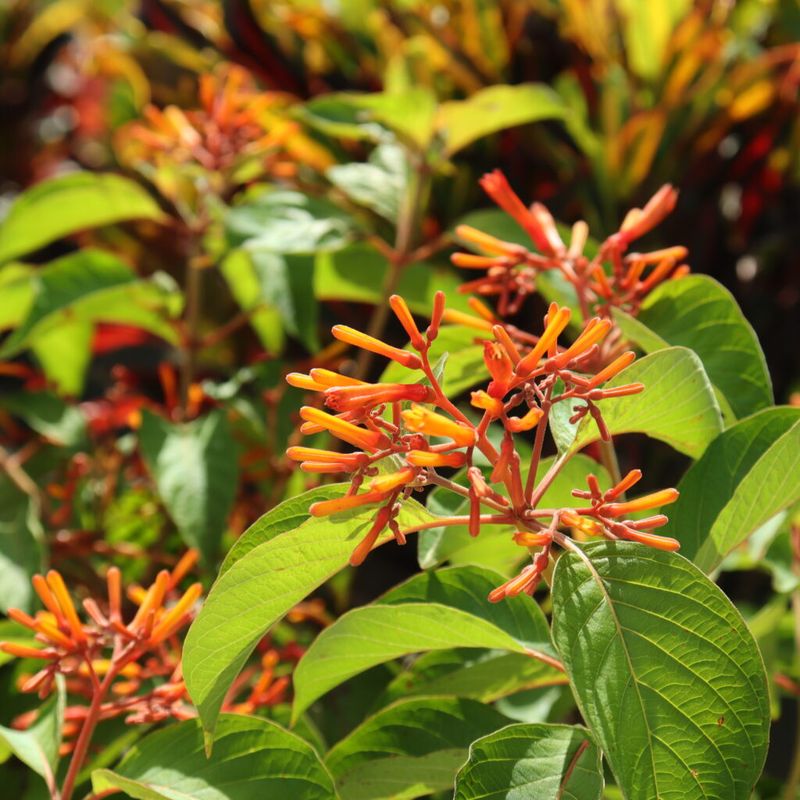
Firebush brings daytime drama before the night shift begins. Hummingbirds, butterflies, and native bees work the red-orange flowers, then the garden quiets down and the open spaces around it can become part of an owl’s hunting route.
Firebush is different from the big perch plants because it boosts the food web from the lower level. A yard rich in native insects, small birds, lizards, and natural activity is more likely to feel like real habitat rather than a sterile lawn. Owls respond best to a landscape that offers cover, perches, and prey in balance.
In much of Florida, firebush is a practical, heat-loving native that asks for little once settled. It can be used near patios, along sunny borders, or in pollinator beds where sandy soil and blazing afternoons punish fussier plants.
To keep the rat message honest, firebush does not repel rodents by itself. What it can do is help create a healthier native planting while you remove rat attractants like fallen birdseed, unsecured compost, and fruit left on the ground.
7. American Beautyberry
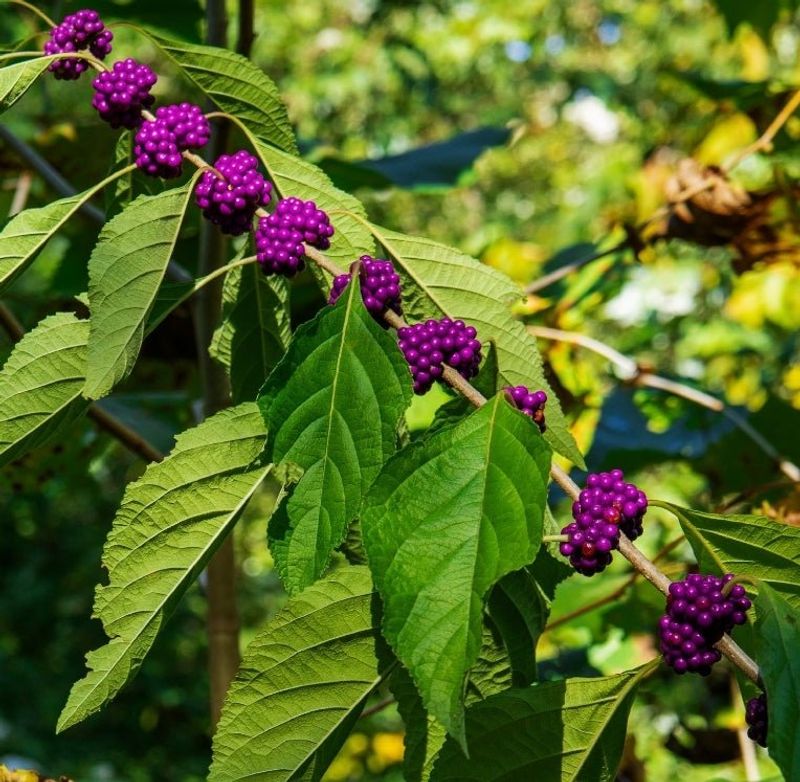
Bright purple berries on arching stems make American beautyberry look almost unreal, like someone decorated the shrub by hand. Birds notice it too, which is why it belongs in a yard designed for more than plain grass and pest problems.
Beautyberry’s role is to add seasonal food and soft cover without demanding rich soil or constant watering. It fits well along woodland edges, under high tree canopies, and near fences where Florida gardeners want a native plant that feels relaxed rather than formal.
Owls benefit indirectly from that richer edge habitat. When native shrubs, canopy trees, and open ground work together, the yard becomes easier for predators to patrol. Rats lose some of their advantage when there are fewer cluttered hiding places and more clear flight paths for hunting birds.
Prune beautyberry after fruiting if it gets rangy, and rake out heavy debris that collects at the base. Pair it with a nearby owl box only if your property has enough quiet space, dark nights, and no rodent poison use, since poisoned rats can also poison the owls that catch them.