
St. Augustine grass can look great, but in Florida it often needs too much water, fertilizer, mowing, and repair. Native ground covers give you a softer, easier yard that fits sandy soil, hard rain, salty air, and long warm seasons. Some spread thick enough to crowd out weeds while feeding pollinators and handling the kind of weather Florida yards actually get. Here are seven native choices that can help you trade high-maintenance turf for something tougher and more useful.
1. Sunshine Mimosa
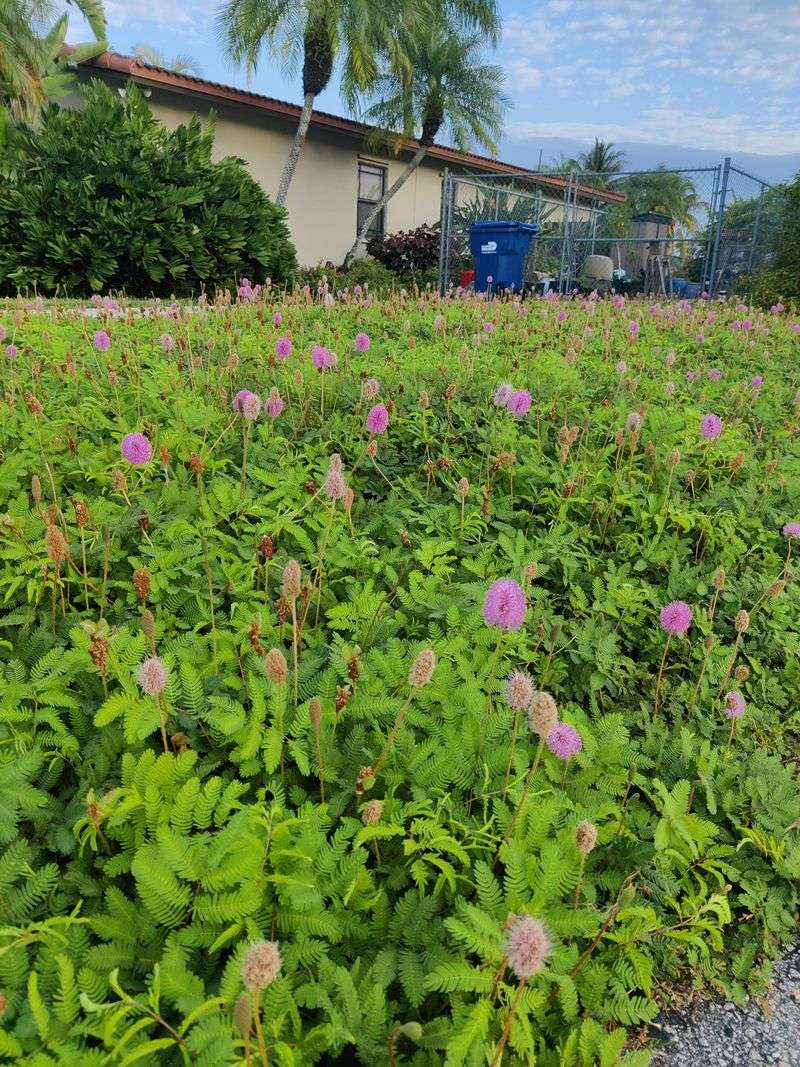
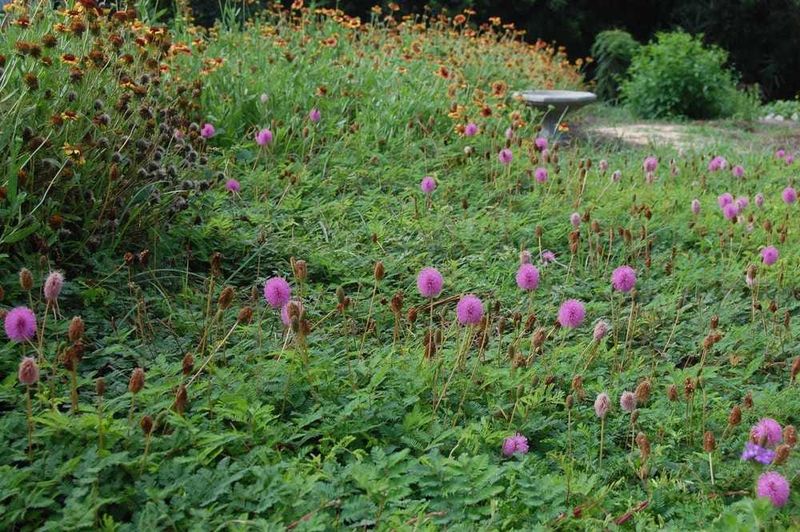
A lawn that blushes pink after a summer rain feels almost too charming to be practical, but sunshine mimosa earns its keep. Also called powderpuff, this Florida native spreads by runners and forms a low, leafy carpet that can knit together bare sandy spots faster than many homeowners expect.
Its biggest advantage is foot-friendly coverage. The tiny leaves fold when touched, which makes it a fun plant for kids, but the real payoff is how it handles full sun, lean soil, and regular mowing if you want a lawn-like look. Once established, it can reduce open soil where weeds usually sneak in.
Sunshine mimosa is especially useful in central and south Florida yards where St. Augustine struggles without constant irrigation. It also fixes nitrogen, so it brings a quiet soil-building benefit that turf grass cannot match. Pink blooms draw bees and small butterflies, turning a plain yard into a pollinator stop without making the space look wild.
Give it sun, good drainage, and patience during establishment. It may go thinner in heavy shade, so use it where the yard gets strong light for much of the day.
2. Frogfruit
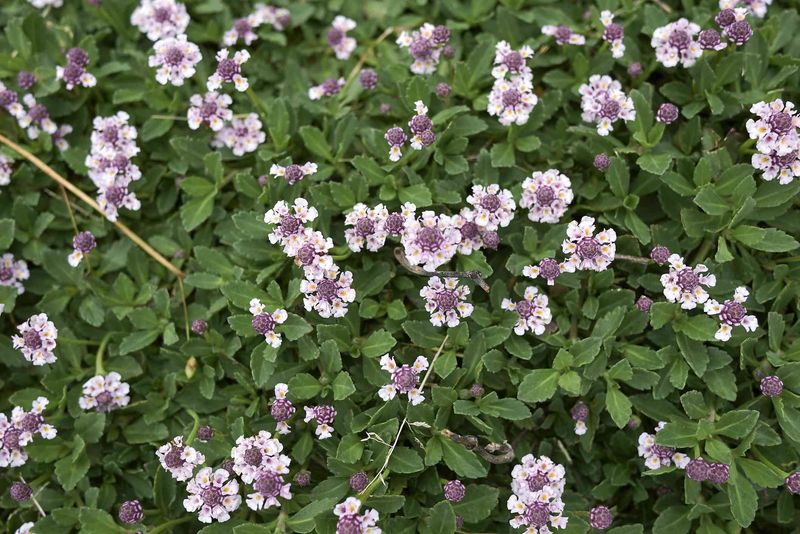
Bees seem to find frogfruit before people do, and that is part of its magic. At first glance, it looks modest, but give it room and it becomes a tough, spreading mat with tiny flower heads that support small native bees, skippers, and other pollinators.
Frogfruit stands out because it handles a wider mix of conditions than many delicate-looking ground covers. It can grow in sun to part shade, tolerate occasional wet feet, and recover after being walked on lightly. In Florida yards that swing from dry sand to storm-soaked soil, that flexibility matters.
For replacing St. Augustine, frogfruit works best where you want a living green cover with more ecological value than a clipped lawn. It stays low, spreads steadily, and can be mowed high if a neater look is needed. The growth is dense enough to make weed seeds work harder, especially after plants have filled in.
One smart use is around rain gardens, swales, or low spots that flood briefly after a storm. Instead of fighting those conditions with thirsty turf, frogfruit turns them into useful habitat.
3. Beach Sunflower
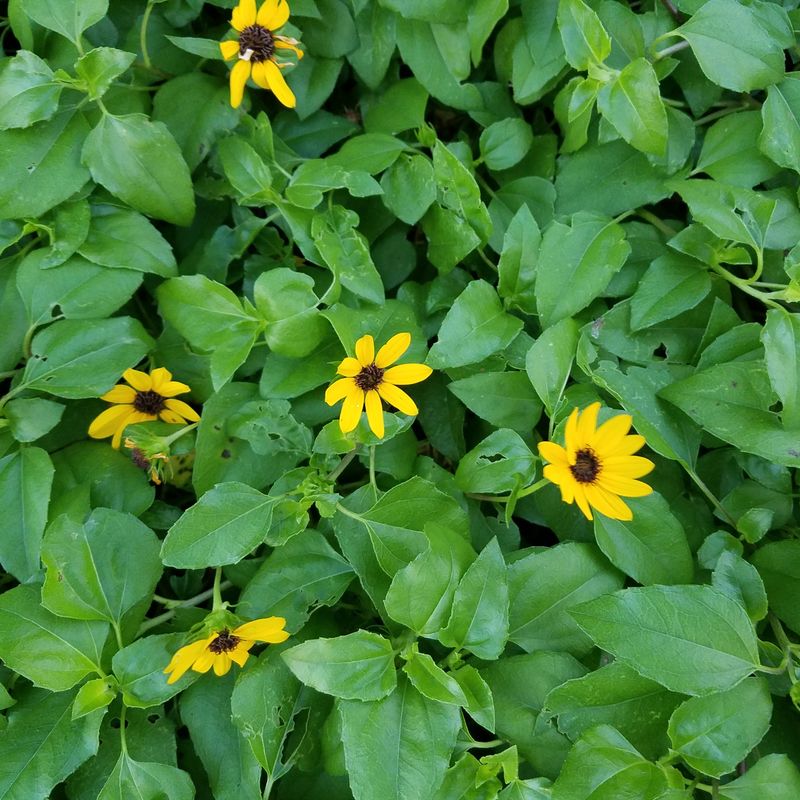
Hot driveway edge? Salty breeze? Blazing afternoon sun? Beach sunflower acts like that difficult strip of yard is exactly where it wanted to live.
Its cheerful yellow blooms look relaxed, but the plant is built for rough Florida conditions.
Compared with softer lawn substitutes, beach sunflower brings bold color and fast coverage. It spreads outward over sandy soil, helping cover bare ground before weeds can claim it. In coastal counties, it is a standout because it tolerates salt spray better than many common landscape plants.
Beach sunflower is not the best pick for a formal walking lawn, since it grows taller and flowerier than turf. Instead, use it to replace St. Augustine in sunny side yards, hellstrips, slopes, dune-style gardens, and dry corners where irrigation is a hassle. The blooms attract butterflies and other beneficial insects, so the space does more than sit there looking green.
Cut it back when it gets rangy, and it usually responds with fresh growth. In north Florida, cold snaps may knock it back, while central and south Florida gardeners often get a longer show. For a bright, coastal, low-water ground cover, beach sunflower is hard to beat.
4. Railroad Vine
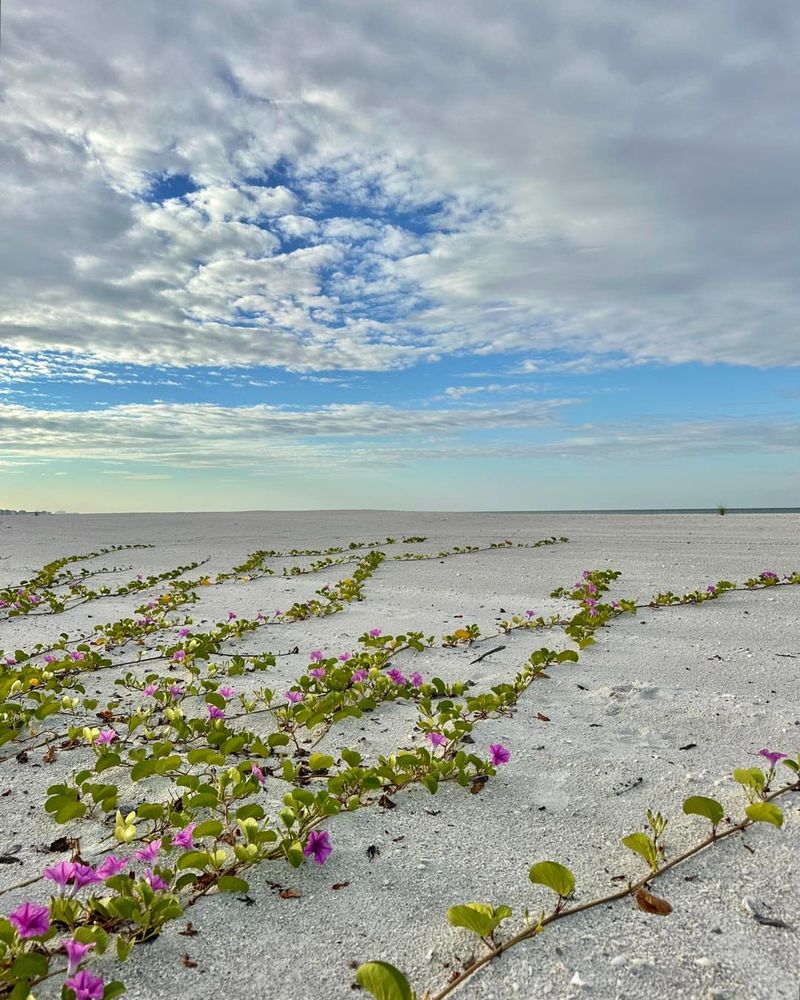
Railroad vine looks like it is on a mission, sending long runners across sand with purple morning-glory flowers riding above the leaves. In the right spot, that strong traveling habit is exactly what makes it useful.
This is the ground cover for Florida gardeners dealing with open, sandy, coastal-style spaces where ordinary turf burns out. Railroad vine is native to dunes and beach areas, so it handles salt, wind, and fast-draining soil with far less fuss than St. Augustine. Its thick vines help shade the soil, which can limit weed germination once the planting fills in.
Because it roams, railroad vine needs room. It is not the tidy choice for a tiny courtyard or narrow bed beside delicate plants. Use it on slopes, large sandy patches, coastal yards, or informal areas where you want erosion control and quick coverage.
A fun bit of history sits right in the name. The long stems reminded people of railroad tracks running over the sand. Plant it where that wandering personality is welcome, and it can turn a trouble spot into a native, storm-tough carpet with flowers.
5. Golden Creeper
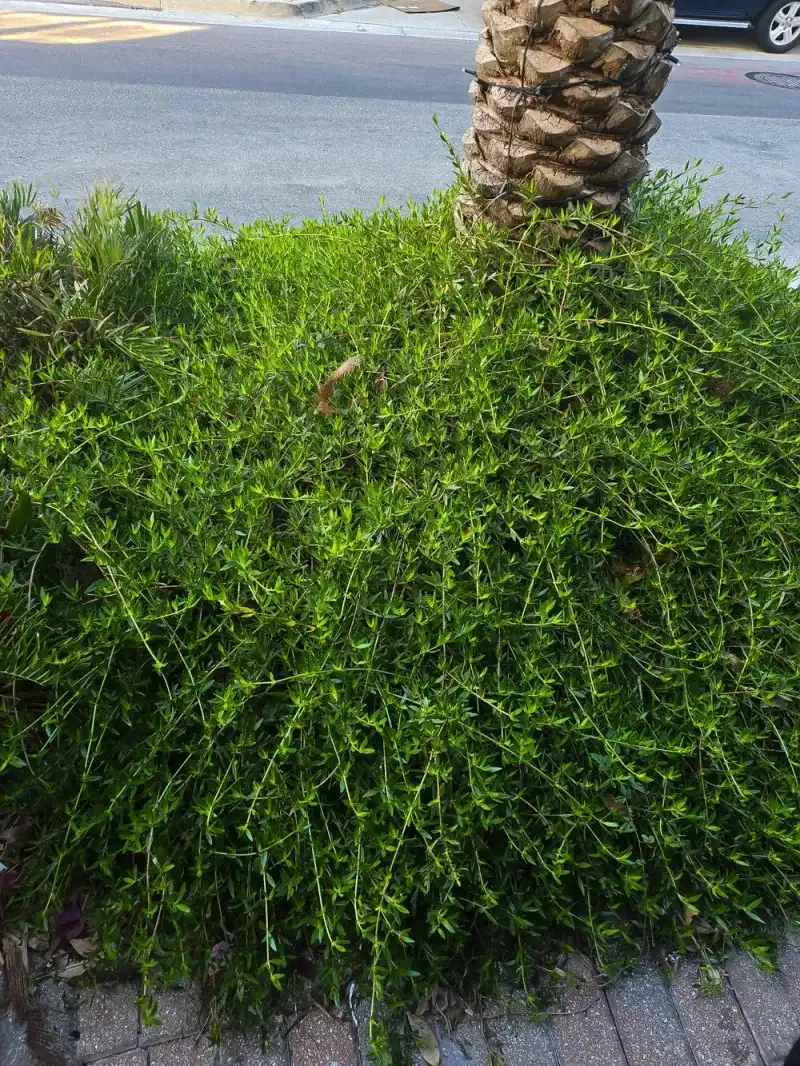
Glossy, low, and quietly sturdy, golden creeper is the kind of plant that makes a south Florida yard look cared for without begging for attention. It does not rely on showy flowers to prove its worth. Its value is in clean evergreen coverage.
Golden creeper is especially well suited to coastal south Florida, where sandy soil, salt exposure, and reflected heat can punish traditional turf. It grows as a low, spreading native shrub-like ground cover, creating a dense layer that helps block light from reaching weed seedlings. That makes it a smart option for homeowners who want a polished look without weekly mowing.
Use it in sunny beds, along walkways, near foundations, or in broad areas where St. Augustine has become thin and patchy. It pairs well with other tough natives like coontie, muhly grass, and beach sunflower if you want a layered Florida-friendly design.
Golden creeper is not a one-size-fits-all plant for the entire state. Gardeners in colder parts of north Florida should choose hardier options. In warm coastal zones, though, it brings a neat, resilient structure that feels more like a designed landscape than a wild patch.
6. Lyreleaf Sage
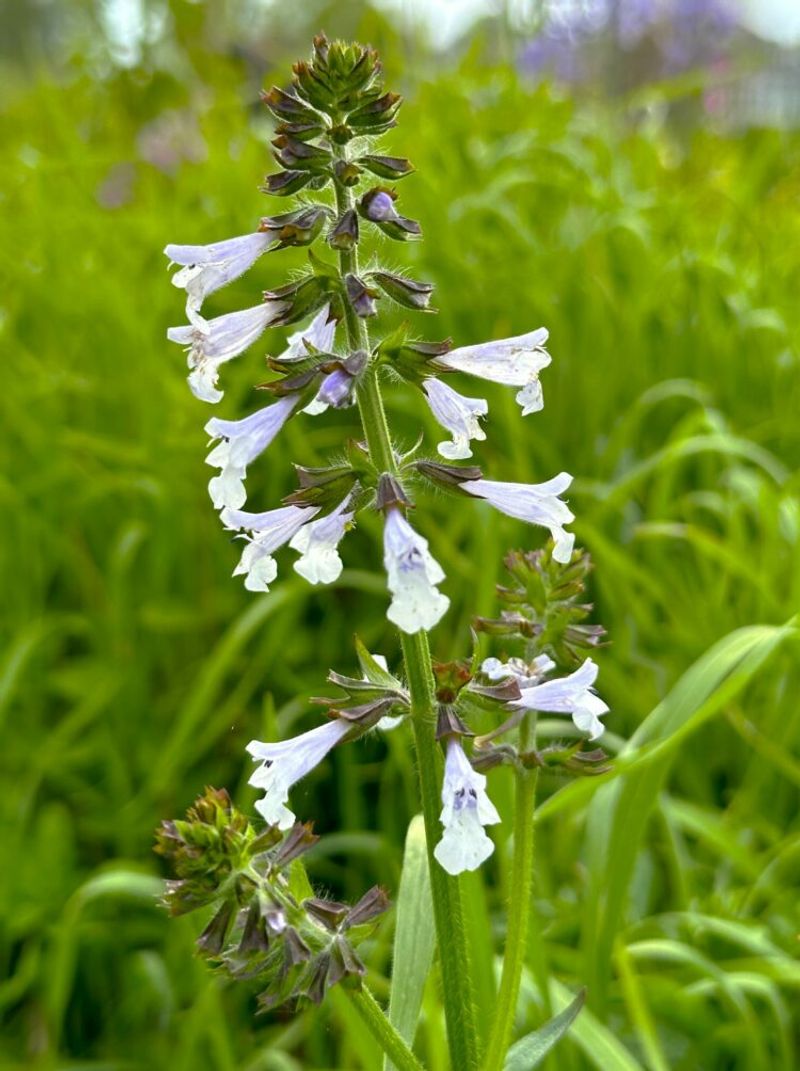
Under live oaks, many Florida lawns give up and turn into a patchwork of dirt, roots, and weeds. Lyreleaf sage steps into that awkward half-shade space with a softer answer than forcing more sod.
What makes lyreleaf sage different is its comfort in part shade. Many lawn replacements want full sun, but this native can handle open woodland edges, lightly shaded yards, and spots where St. Augustine thins out beneath trees. Its low rosettes spread into colonies, and spring flower spikes bring blue-purple color that native bees appreciate.
Lyreleaf sage can be mowed after flowering if you want a tidier, lawn-like surface. It is not meant for heavy sports traffic, but it works well in low-use areas, around tree roots, and in naturalized front yards. Once it settles in, the leafy rosettes cover soil and make it harder for opportunistic weeds to dominate.
Florida gardeners should avoid smothering tree roots with extra soil or fighting shade with more fertilizer. Planting lyreleaf sage respects the tree and solves the bare-ground problem at the same time. It gives shady areas a native purpose instead of another failed turf experiment.
7. Twinflower
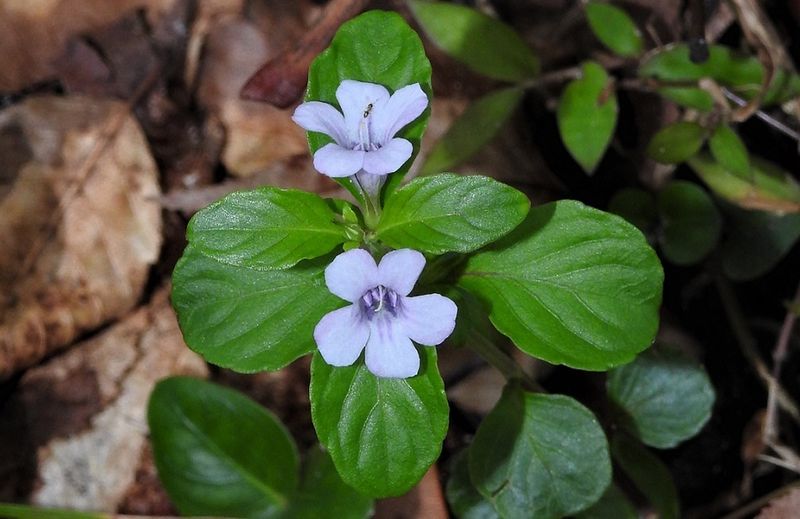
Small lavender blooms tucked into a green mat give twinflower a quiet cottage-garden feel, but do not mistake quiet for weak. This Florida native can form a pleasant, low cover that fits places where a full lawn is more work than it is worth.
Twinflower, also known as oblongleaf snakeherb, shines in part sun to light shade. That makes it useful between the full-sun toughness of sunshine mimosa and the tree-friendly habit of lyreleaf sage. It spreads by underground stems and can make a thick patch over time, which helps reduce the bare soil weeds love.
For homeowners replacing St. Augustine in smaller sections, twinflower is a thoughtful pick. Try it along paths, around native shrubs, under open-canopy trees, or in mixed ground-cover plantings where you want greenery with a soft seasonal bloom. It has a more refined look than some sprawling coastal natives, so it fits suburban yards where neighbors may still expect a neat edge.
Water it during establishment, then ease back once roots are working. Like most ground covers, it fills in best when planted close enough to shade the soil within a season or two. Give it a defined border, and it can become a calm, native alternative to tired turf.