
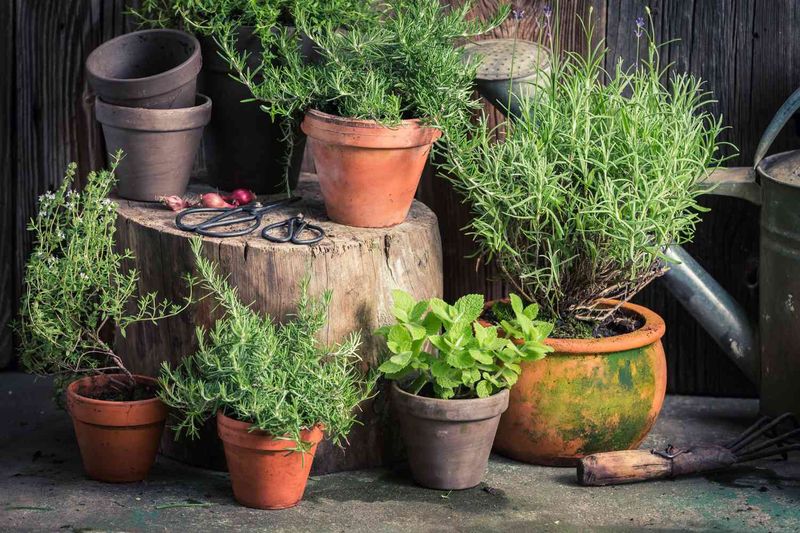
Roaches love damp, messy patio corners, especially in Florida where heat and rain keep them active for much of the year. The right native plants can make your outdoor space less inviting while adding color, scent, and wildlife value. Plants are not a full pest-control plan, but they can help when paired with clean surfaces, dry storage, and fewer hiding spots. Here are seven Florida natives that earn their place near a patio.
1. Beautyberry
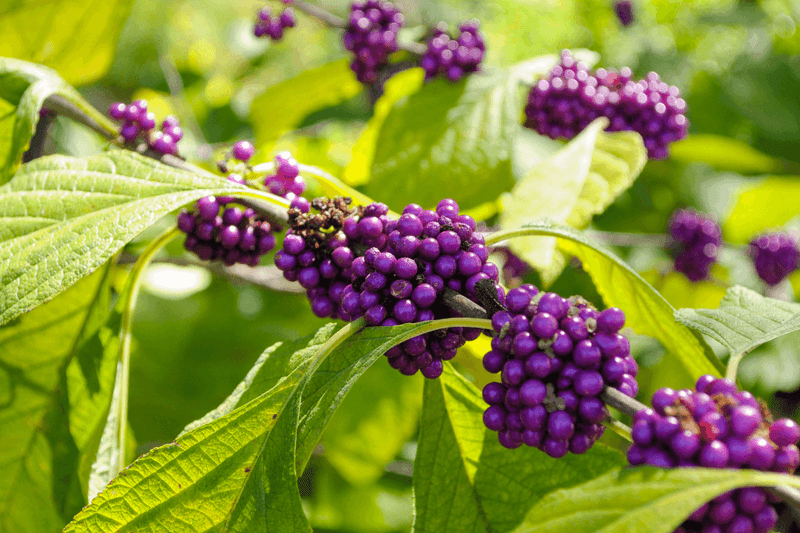
Those bright purple berries look like something from a cartoon, but beautyberry is a serious Florida workhorse. American beautyberry is native across much of the state, and its leaves have a clean, herbal scent that many gardeners associate with fewer biting insects and fewer pests hanging around seating areas.
The plant contains natural aromatic compounds, including callicarpenal, that have been studied for insect-repelling qualities. That does not mean a single shrub will banish roaches from your patio, but crushed or brushed foliage can make nearby edges less attractive when you also remove food crumbs, pet bowls, and wet cardboard.
Beautyberry stands out because it brings pest-discouraging scent and wildlife value in the same package. Birds relish the berries, pollinators visit the small flowers, and the loose shape works well behind a patio bench or along a fence where you want a soft green screen.
Give it part sun to light shade and average, well-drained Florida soil. It tolerates sandy ground once established, can be cut back if it gets leggy, and usually rebounds after rough weather. For a tidy patio look, prune after the berries fade instead of shearing it into a stiff ball.
2. Wax Myrtle
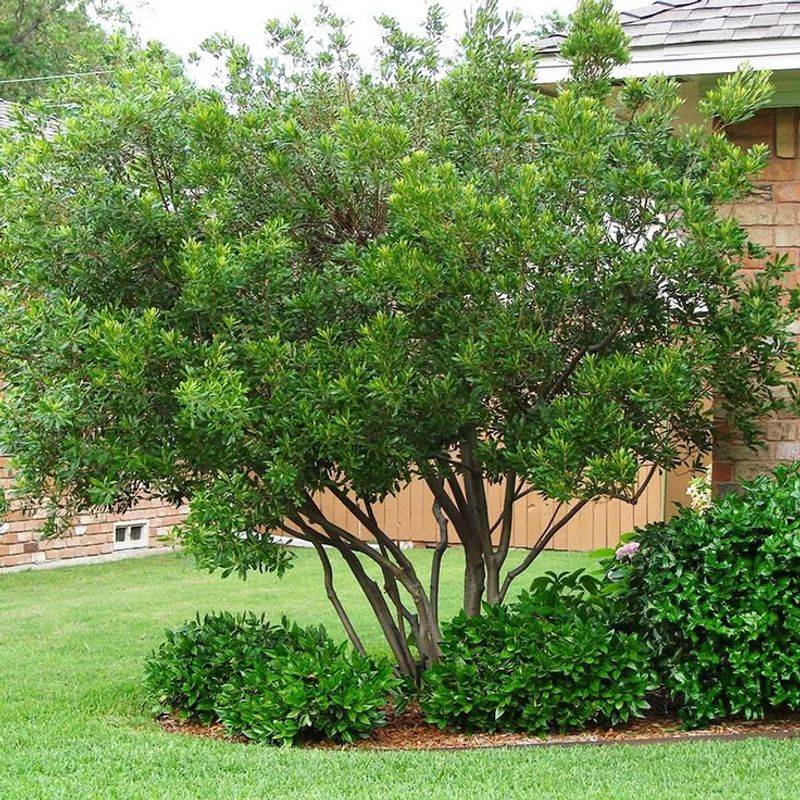
A breezy Florida patio needs a plant that can handle heat, salt, wind, and the occasional storm tantrum. Wax myrtle fits that role beautifully, with fine-textured evergreen foliage that smells resinous when rubbed or clipped.
That bayberry-like scent is one reason gardeners often use wax myrtle near outdoor living spaces. Aromatic leaves may help make tight shrub lines and patio borders less appealing to roaches, especially compared with damp, overgrown foundation plantings packed with leaf litter. The real win is that wax myrtle lets you replace cluttered hiding spots with a living privacy screen.
Unlike showier bloomers, wax myrtle earns attention through structure. It can frame a patio, hide trash cans, soften a fence, or block the view of a neighbor’s air-conditioning unit while still looking natural. Female plants may produce small waxy berries that birds appreciate, which adds a nice wildlife bonus.
Plant it where it gets sun to part shade, and avoid constantly wet soil right against the patio slab. Once established, it is fairly tough in sandy Florida yards and can be pruned after spring growth to keep it from crowding walkways. Leave a little air space between the shrub and your house so pests have fewer protected tunnels to travel.
3. Southern Red Cedar
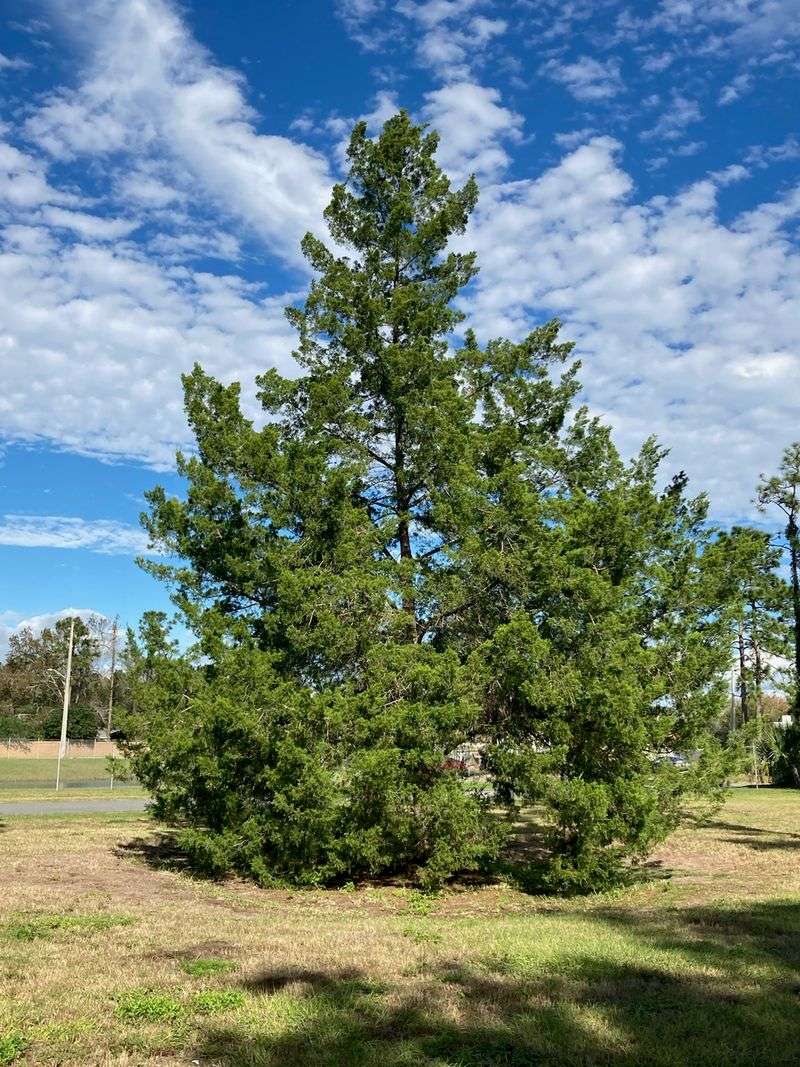
Cedar has that old hope-chest smell for a reason. Southern red cedar, a Florida native juniper, carries aromatic oils in its foliage and wood, and those sharp evergreen notes are not exactly a welcome mat for many crawling pests.
Roaches like dark, damp, protected places with easy snacks. A well-placed Southern red cedar can help shift a patio edge away from that soggy, cluttered feel by adding dry, airy evergreen structure. Its scent may help discourage insects, while the dense foliage offers year-round screening without needing a thirsty, high-maintenance hedge.
What makes this plant different from the others is its height and permanence. Use it as a small tree or tall accent, not a little pot by the door. It works especially well in larger yards, coastal properties, and sunny side patios where you want privacy, wind filtering, and a native alternative to nonnative screening plants.
Southern red cedar likes full sun and well-drained soil, which suits many sandy Florida landscapes. Give it room away from rooflines and power lines, and think ahead about storm season by choosing a strong central leader and avoiding tight planting against structures. Female trees can produce blue berries loved by birds, so your patio may feel more alive without becoming more complicated to maintain.
4. Wild Lime
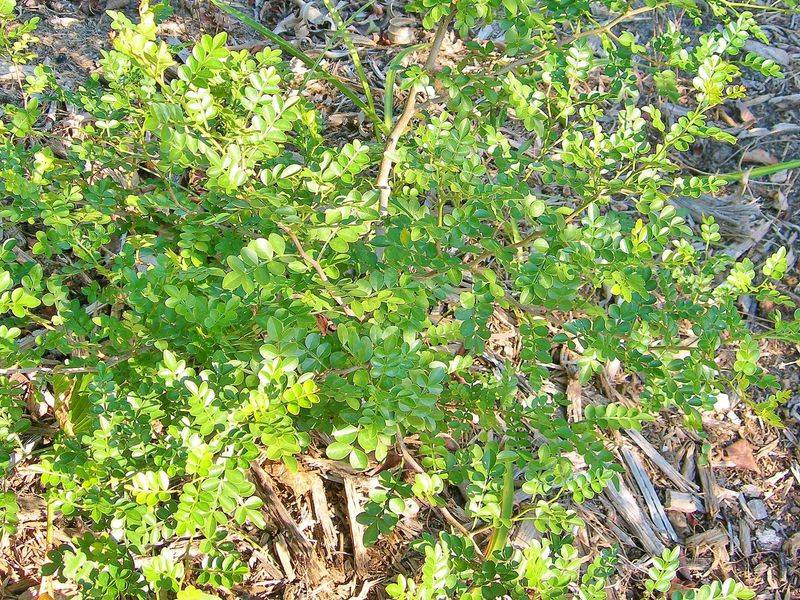
At first glance, wild lime looks like a polite little shrub. Then you notice the citrusy leaf scent, the tiny flowers, and the thorny texture that gives patio pests fewer cozy shortcuts through the planting bed.
Wild lime is native to South Florida and parts of Central Florida, and it belongs to the citrus family. Its aromatic foliage can add a fresh, sharp note around outdoor seating, which may help reduce the appeal of roach-prone corners when the area is kept dry and clean. The thorns are another practical detail because they discourage rummaging through the bed, including by pets and people who might otherwise compact the soil.
The best reason to choose wild lime is butterflies. It is a host plant for giant swallowtail butterflies, so it brings a wildlife-attraction angle that feels much better than staring at a bare pest-control strip. Small flowers can draw pollinators, and the shrub’s natural shape blends nicely with coontie, muhly grass, or necklace pod.
Use wild lime in warm areas with sun to part shade and well-drained soil. It is not the right fit for every North Florida patio because cold snaps can damage it. In its range, though, it offers a handsome native barrier with scent, texture, and ecological value packed into one plant.
5. Coontie
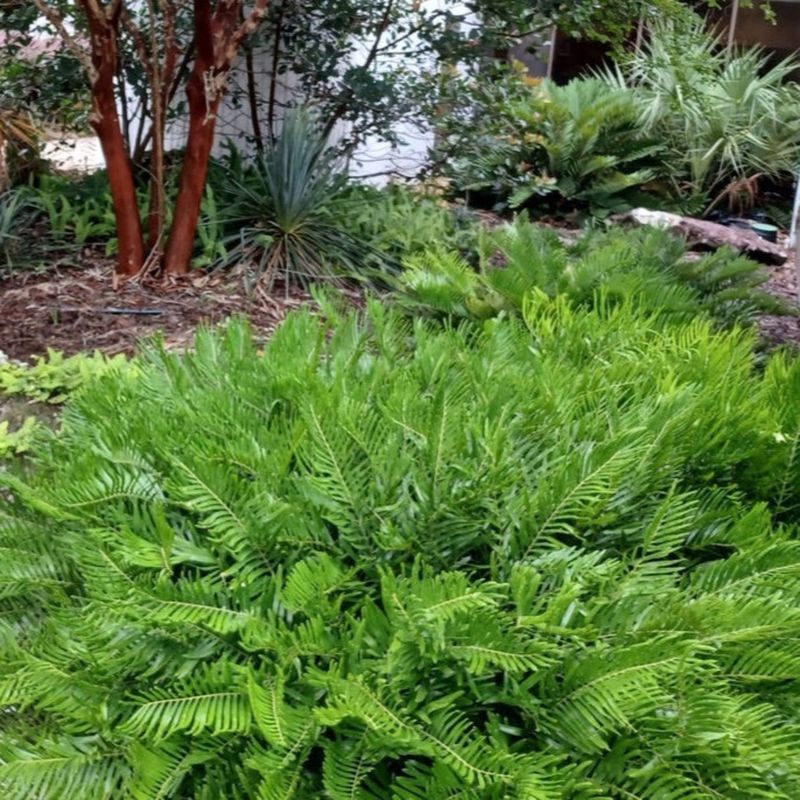
Clean patio design matters more than people think. Coontie brings a tidy, almost prehistoric look without dropping messy fruit, sprawling over pavers, or creating the damp jungle pockets roaches love.
Coontie is Florida’s native cycad, and it handles sandy soil, bright shade, and dry spells once established. While it is not famous for a strong perfume like beautyberry or cedar, it helps deter roach-friendly conditions by forming a low, orderly ground layer that does not need constant watering or thick organic debris to look good. Less soggy mulch and less tangled growth can mean fewer hiding places near the house.
The personality here is polished and practical. Coontie looks tropical enough for a pool patio, formal enough for a front entry, and native enough to support Florida wildlife. It is the host plant for the atala butterfly, a species with a comeback story that many Florida gardeners love.
Plant coontie where it has room to mound naturally, then resist the urge to overwater. A gravel or pine-straw edge can keep the bed neat, but avoid piling mulch against the crown. One caution: the seeds are toxic if eaten, so place it thoughtfully if pets or young children explore the garden. For a patio that looks finished with very little fuss, coontie is hard to beat.
6. Spotted Beebalm
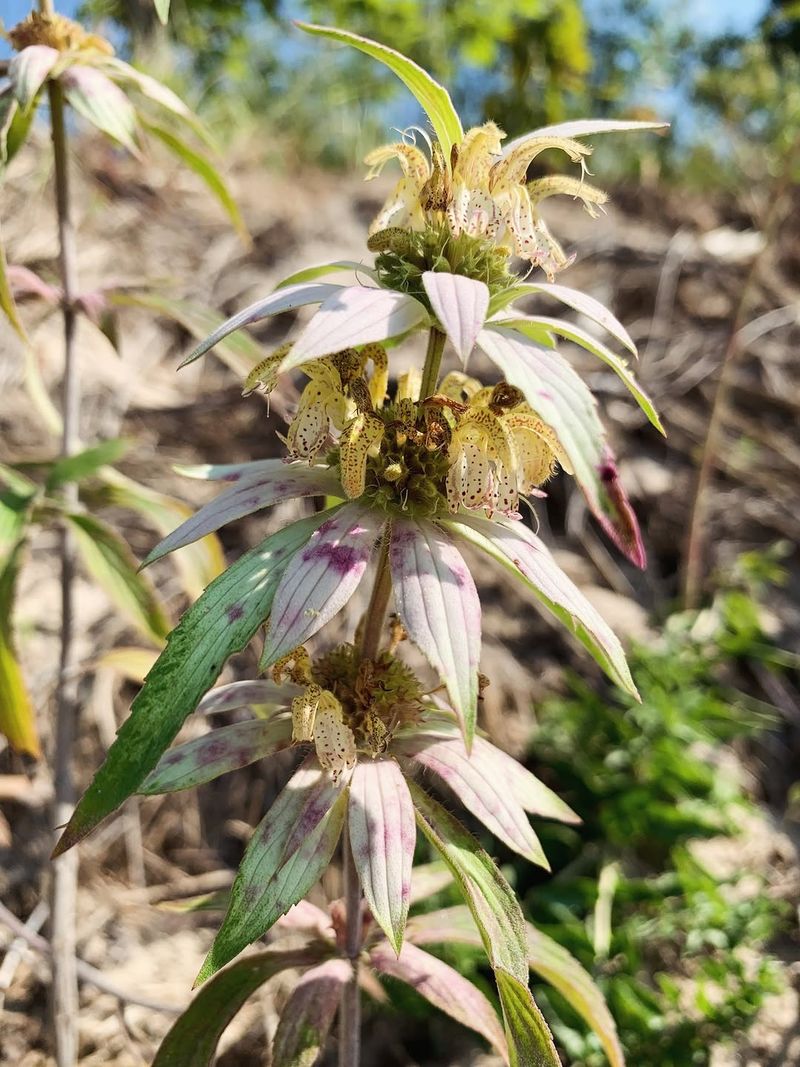
A little minty chaos can be a good thing. Spotted beebalm brings quirky stacked blooms, pollinator traffic, and fragrant leaves that release a spicy oregano-like scent when brushed.
Members of the mint family are often valued for aromatic oils, and spotted beebalm is no exception. Around a sunny patio, that scent may help make the area less attractive to roaches and other nuisance insects, especially when planted near steps, chair legs, or the edge of a grill zone. It is not a substitute for cleaning grease splatter, but it can be part of a smarter patio planting plan.
Spotted beebalm earns its spot because it feels alive. Bees, butterflies, and other beneficial insects visit the unusual flowers, turning a plain sandy strip into a small wildlife station. The colors are soft but interesting, with pale bracts and speckled blooms that look great in casual Florida gardens.
Give it full sun and sharp drainage. That is good news for many Florida homeowners dealing with fast-draining sand, though young plants need water while they settle in. It may behave like a short-lived perennial or reseeding wildflower, so let a few seed heads mature if you want it to return. Trim tired stems to keep the patio edge from looking scruffy.
7. Frostweed
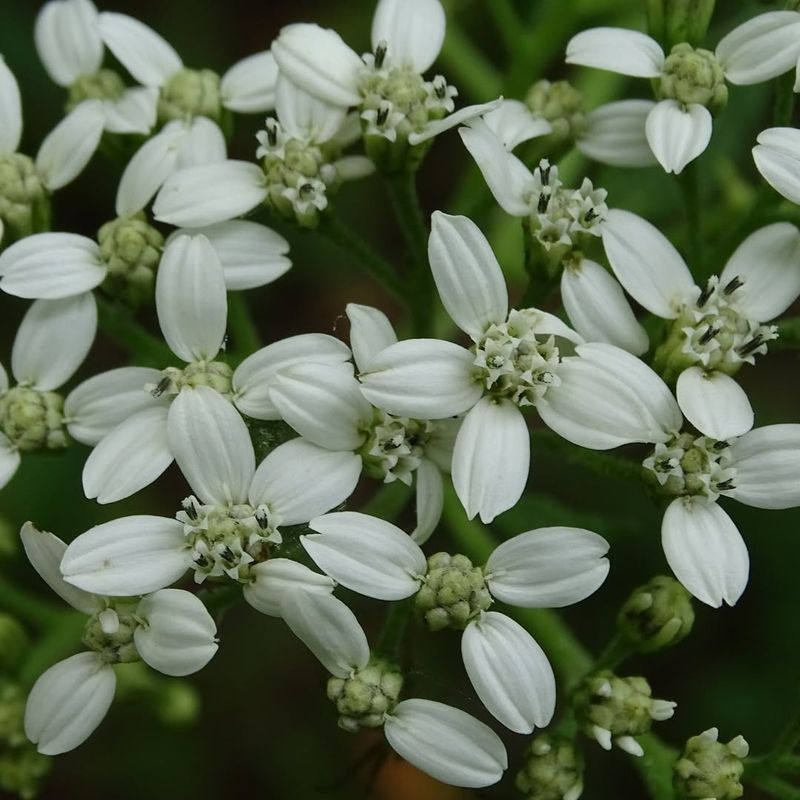
Shady patios can be tricky because damp shade is exactly where roaches often feel at home. Frostweed gives those darker edges a better job: feeding pollinators, filling vertical space, and keeping the bed planted instead of neglected.
Native frostweed has leaves and stems with a noticeable herbal scent when handled, and its white flower clusters bring life to part-shade areas. Its role in deterring roaches is mostly about changing the habitat. A managed planting with upright stems, light mulch, and good airflow is much less inviting than a wet pile of leaves, stacked pots, or forgotten bags of soil.
The fun twist comes in colder parts of Florida. On frosty mornings, the stems can split and form delicate ribbons of ice, which is how frostweed gets its name. That little winter show makes it more memorable than many shade fillers.
Use frostweed near a patio only if you can give it space and keep it maintained. It can reach several feet tall, so it belongs behind lower plants rather than right beside a narrow walkway. Cut back old stems after flowering, keep mulch thin near the slab, and avoid overwatering shaded beds. In return, you get a native plant that turns a pest-prone corner into a cleaner, prettier, more useful garden pocket.