
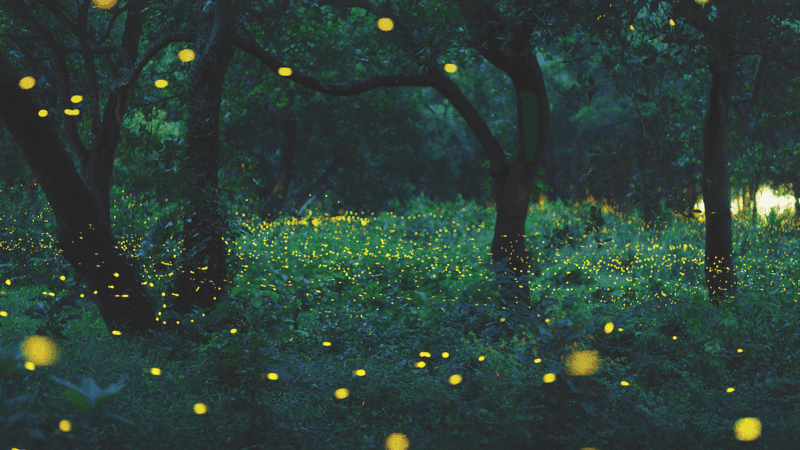
Fireflies are not just summer sparkle. Their young live close to the ground, hiding in damp leaf litter, soft soil, and shady plant cover while they hunt tiny slugs, snails, and worms. Florida yards can help them if we plant natives that hold moisture, shelter insects, and reduce the need for sprays. Here are seven Florida native plants that can make your yard feel more like a firefly nursery and less like a plain patch of lawn.
1. Muhly Grass
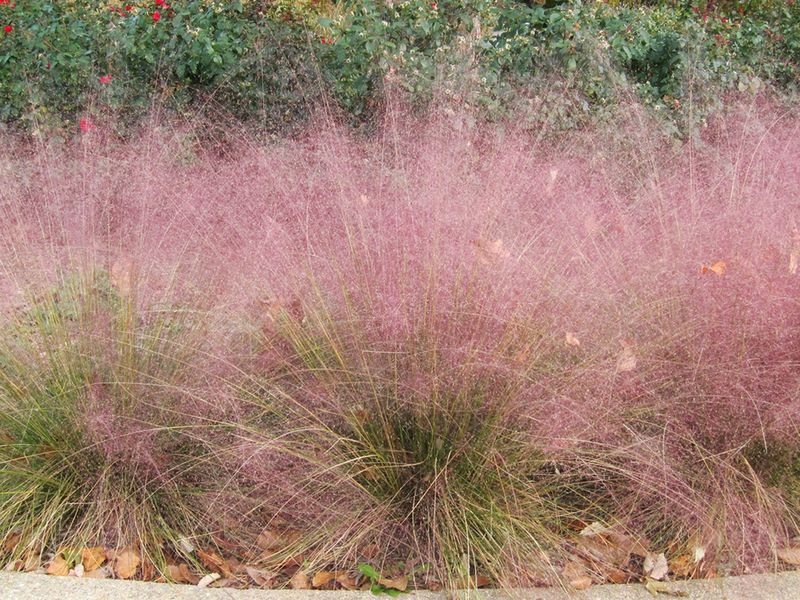
A barefoot kid crouching beside pink muhly grass in October is basically a Florida fall postcard. The airy pink plumes get all the attention, but the real firefly value sits lower, where the plant forms a soft, bunching base that shades the soil.
Muhly grass, especially pink muhly, fits Florida yards because it handles sandy soil, full sun, salt air in many coastal areas, and dry spells once established. That means you can give up a piece of thirsty lawn without replacing it with a fussy plant that needs constant rescue.
Firefly larvae need protected, slightly humid places near the ground. A drift of muhly can slow wind, catch fallen leaves, and create little pockets where moisture lasts longer after rain or irrigation.
Plant it in groups rather than lonely single clumps for the best wildlife cover. Skip the heavy cleanup, leave some leaf litter tucked between plants, and cut back only when needed in late winter before new growth pushes up.
For Florida families, muhly is the tidy gateway plant. It looks polished enough for the front yard, yet it quietly gives ground-dwelling insects a safer place to live.
2. Swamp Milkweed
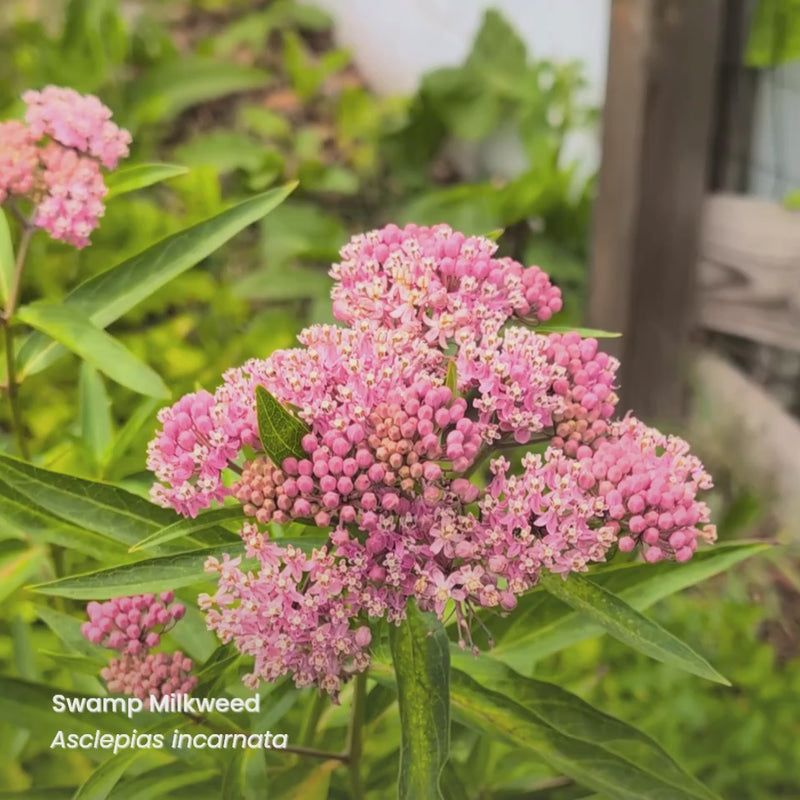
Rainy spots in Florida yards can feel like a problem until swamp milkweed turns them into a wildlife corner. Instead of fighting every soggy dip after a thunderstorm, this native plant gives that moisture a job.
Swamp milkweed is best known as a monarch host plant, but its firefly-friendly value comes from the habitat it helps build. It likes moist soil, rain gardens, pond edges, and low areas that stay damp longer than the rest of the yard.
That matters because firefly larvae can dry out quickly in bare, sun-baked sand. Around swamp milkweed, the soil stays cooler, fallen leaves break down, and small soft-bodied prey such as slugs and tiny worms are more likely to be present.
Florida gardeners should place it where water naturally collects, not in a dry strip beside a hot driveway. In very sandy soil, a shallow rain garden with compost and pine straw can help it settle in without making the bed soggy all year.
One bonus for kids is the double show. Monarch caterpillars may appear by day, while fireflies may blink nearby after dark if the larger yard stays pesticide-free and dimly lit.
3. Pickerelweed
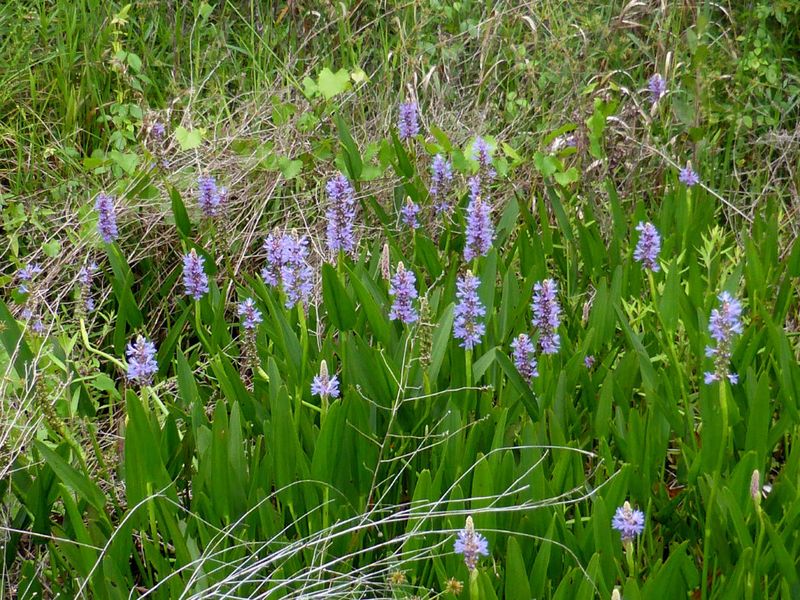
Got a pond edge, swale, or low backyard corner that never fully dries? Pickerelweed can make that wet strip look intentional, colorful, and alive.
This Florida native grows in shallow water and wet soil, sending up glossy leaves and purple-blue flower spikes that bees and butterflies visit often. It is especially useful in yards where summer rain pools after storms, because it turns a wet headache into a planted edge.
Fireflies are tied to moisture, and many species spend their larval stage near damp soil, wet leaf litter, or vegetation close to water. Pickerelweed helps soften the border between open water and land, giving tiny creatures more hiding places than a bare pond bank or mowed edge ever could.
Use it where it can spread politely, such as along a pond margin, retention area, or lined water garden. If your yard floods during hurricane season, established wetland natives like pickerelweed are often better adapted than ornamentals that rot after sitting in water.
Keep the area natural around the base. A clean, scalped pond edge may look neat, but a slightly wilder shoreline is far more useful to fireflies, frogs, dragonflies, and the kids hoping to spot all three.
4. Blue Flag Iris
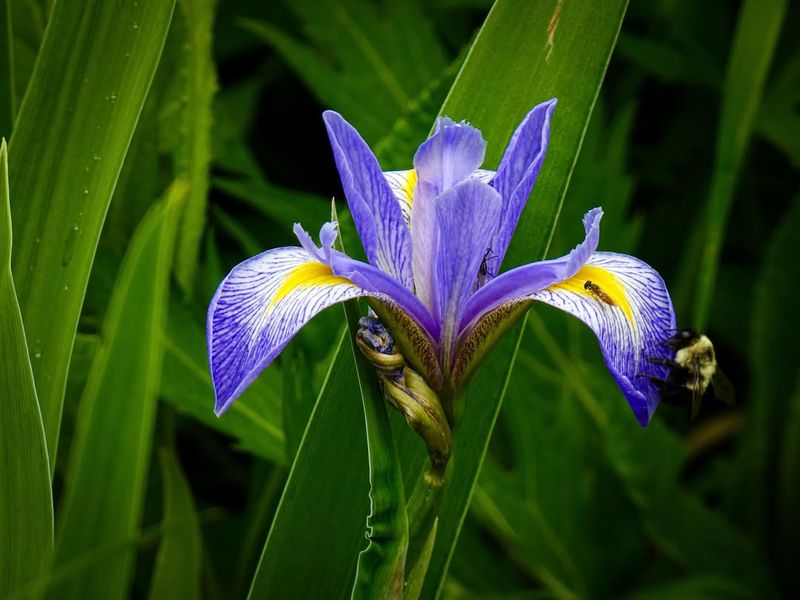
Blue flag iris brings the fancy flower energy without acting like a delicate guest. Its violet blooms look almost too elegant for a stormwater spot, yet this native is right at home in wet Florida soil.
Southern blue flag iris works well near rain gardens, pond edges, ditches, and low areas that stay moist. The upright leaves form narrow shelter at ground level, which is helpful in a firefly nursery planting because it breaks up open space and gives larvae shaded cover.
Unlike thirsty turf, a patch of iris can handle the wet-dry rhythm many Florida yards face. Summer storms may soak the bed, then sandy soil can drain fast a few days later, so choosing plants adapted to that swing makes maintenance easier.
Firefly larvae do not need flowers for nectar the way bees do. They need cover, moisture, prey, and freedom from insecticides, and blue flag iris supports that by helping build a cooler, more layered planting around damp soil.
Plant it where kids can see the blooms from a path, but avoid placing it in a spot that gets trampled. A small sign or stepping stones nearby can turn the area into a watch zone instead of a shortcut.
5. Buttonbush
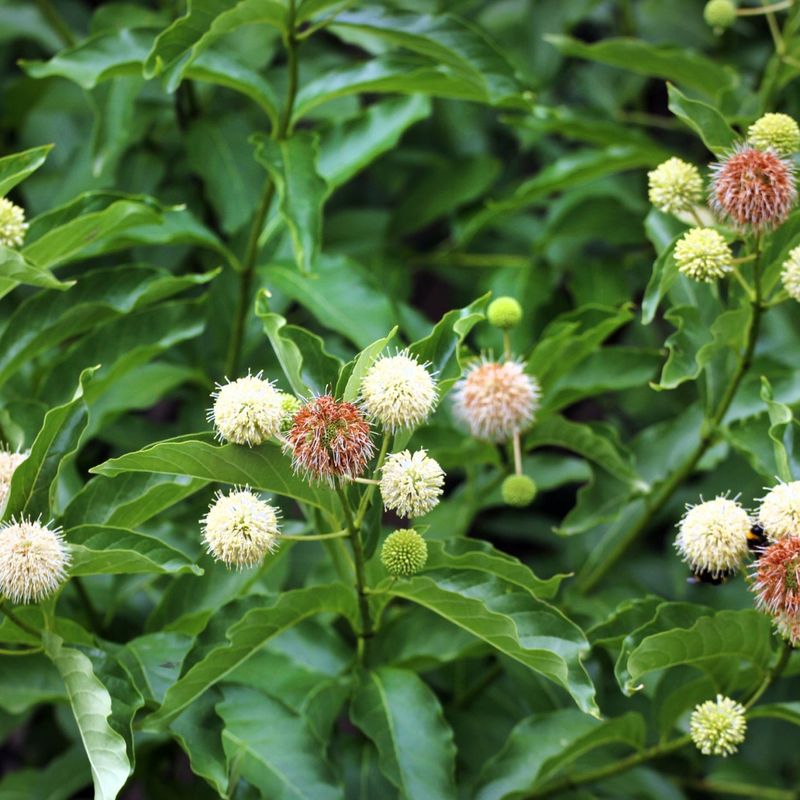
Buttonbush looks like someone decorated a shrub with tiny white pincushions. Those round flowers are fun enough to make kids stop and stare before the fireflies even show up.
This Florida native shrub thrives in moist soil, along pond edges, near swales, and in places that may flood after heavy rain. It can grow larger than many people expect, so give it room instead of squeezing it against a walkway.
Its biggest difference on this list is height. While grasses and wetland perennials protect the ground, buttonbush adds leafy shade above them, helping keep the area beneath cooler and more humid during Florida heat.
That shaded understory can be valuable for firefly larvae when paired with leaf litter and low plants. The shrub also draws pollinators, which helps create a busy native planting instead of a single-purpose corner.
For a low-effort setup, use buttonbush as the anchor at the back of a rain garden, then layer shorter natives around it. Mulch with pine straw or fallen leaves, avoid mosquito yard foggers, and let the planting stay a little loose rather than overly manicured.
In many Florida neighborhoods, that small change is huge. A yard with shrubs, damp edges, and native layers gives fireflies far more to work with than open grass under bright security lights.
6. Frogfruit
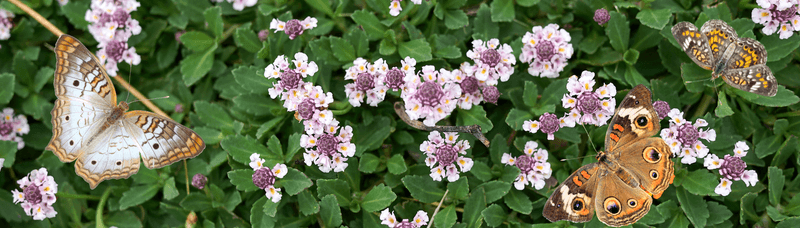
Frogfruit is the little groundcover that refuses to be boring. It creeps, blooms, feeds pollinators, and can soften the harsh edge between lawn and garden bed.
In Florida, frogfruit is often used as a native groundcover or part of a lawn alternative, especially where gardeners want something lower than shrubs but more useful than plain turf. It tolerates sandy soil and can handle regular foot traffic once established, though it is not meant for rough play areas.
For fireflies, frogfruit helps because it lowers the temperature at soil level and reduces bare exposed sand. A living carpet with small gaps, fallen bits of plant material, and light mulch nearby creates a better hunting zone for larvae than a hot, closely mowed lawn.
Frogfruit also supports several butterflies, including the phaon crescent, which gives kids daytime wildlife to watch while the firefly habitat matures. That makes it a smart choice for families who want their yard to feel alive all day, not just after sunset.
Use it along paths, at the front of native beds, or around taller plants where it can knit the planting together. Keep herbicides away, since broadleaf weed killers can damage it and also disrupt the small insects that make the habitat work.
7. Coontie
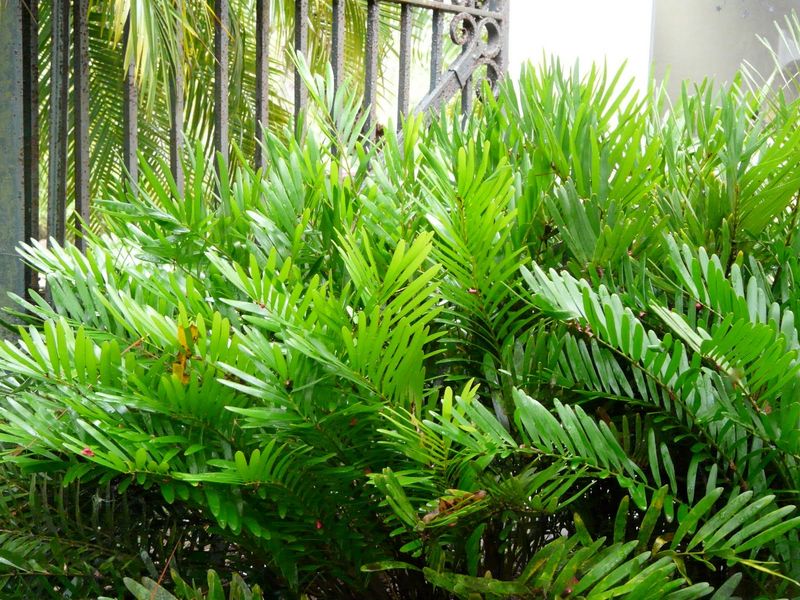
Coontie has an old-Florida feel, like it belongs under oaks near a shell path and a porch light that stays politely dim. Its stiff green fronds bring structure to shady spots where many showy flowers sulk.
This native cycad is tough once established and handles sandy soil better than many ornamental shade plants. It is also the host plant for the atala butterfly, a Florida conservation comeback story that can turn a quiet corner into a science lesson.
Coontie earns its place in a firefly nursery because it works well in dry-to-average shade when paired with leaf litter. Not every helpful firefly area has to be a wet pond edge, and shaded beds beneath trees can hold moisture longer than open lawn if they are not raked bare.
The plant’s low, arching form gives cover near the ground, while oak leaves, pine needles, or natural mulch create the damp hiding layer larvae need. In Florida yards with brutal sun out front and dappled shade in back, coontie can be the backbone of a cooler refuge.
Give it space, because mature plants widen slowly over time. Avoid piling mulch against the crown, and resist the urge to blast the bed with pesticides when you see harmless insects moving through the litter.
The real magic comes from combining habits: native plants, less nighttime glare, fewer sprays, and a little patience. Do that, and your kids have a much better chance of watching the yard blink back.