
That skinny strip of dirt between the sidewalk and the street might be the toughest spot in your whole yard. It bakes in reflected heat, gets stepped on, catches car exhaust, and often sits far from your sprinkler line.
In much of California, it is also one of the first places cities push homeowners to swap thirsty grass for water-wise plants. The good news is that a handful of tough, mostly native plants can keep that strip green, tidy, and buzzing with pollinators through a long dry summer.
1. California Buckwheat
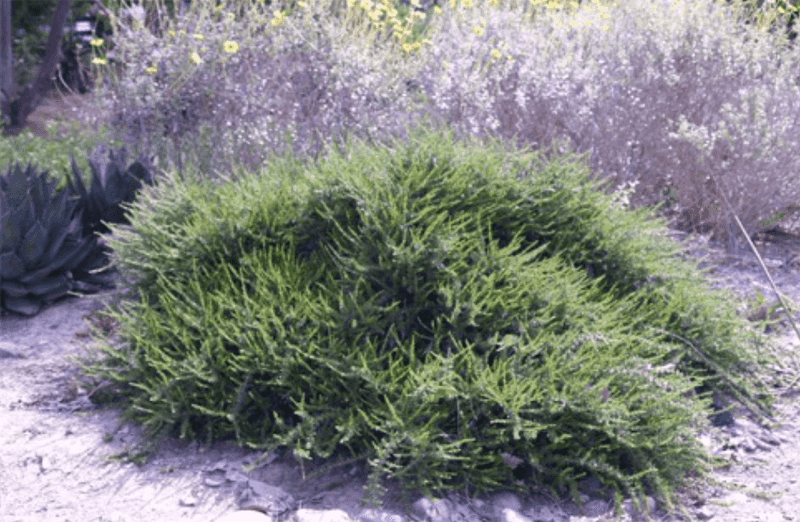
Walk past a healthy buckwheat in July and you will probably hear it before you see the details. Bees, butterflies, and tiny native wasps crowd the pale flower clusters when almost nothing else is blooming.
Few plants give local wildlife that much food during the driest months.
Eriogonum fasciculatum handles reflected heat from concrete without complaint once its roots settle in. After the first year, many plants can get by on occasional deep summer water or even none in coastal and inland valley areas.
The fine, rosemary-like leaves stay grayish green, and the spent flowers turn a rusty brown that many gardeners leave for birds to pick at.
For a parkway, look for compact selections like ‘Warriner Lefty’ or dwarf forms, which stay low enough to keep sightlines clear for drivers. Trim lightly in fall to keep the shape tidy.
Skip rich soil and fertilizer, since pampered buckwheat tends to flop and fade faster.
2. Creeping Sage
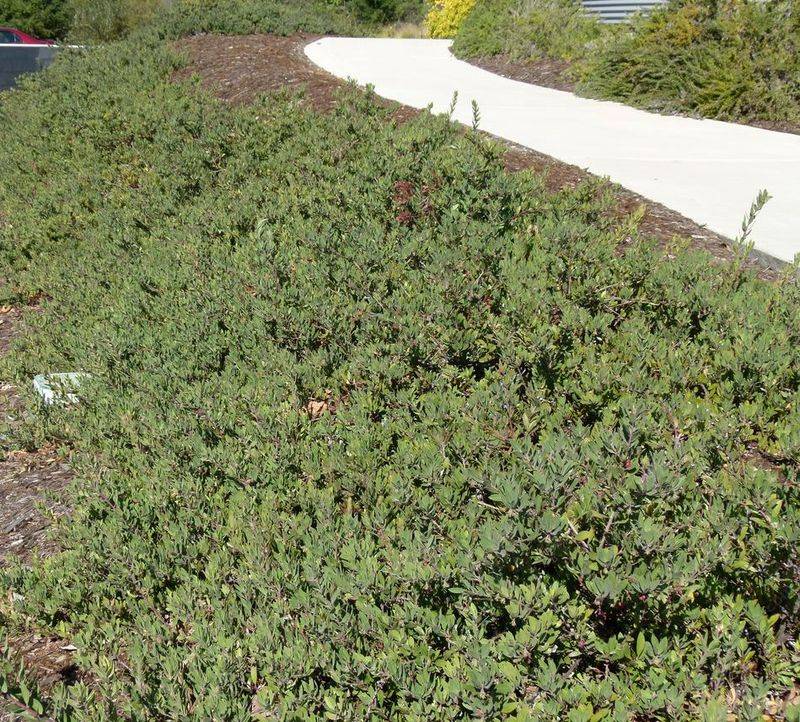
Picture a silvery green carpet that smells like a hillside hike every time someone brushes against it. Creeping sage, Salvia sonomensis, spreads flat and low, which makes it one of the best native options for a strip that needs to look neat.
Its fragrant foliage stays soft and aromatic through summer, and in spring it sends up lavender blue spikes that hummingbirds and native bees love. Selections such as ‘Bee’s Bliss’ are widely sold at California nurseries and are known for filling in quickly.
A single plant can spread several feet across.
Give it fast-draining soil and full sun. Overwatering in summer is the most common way people lose it, so once established, water sparingly.
It handles light foot traffic along the edges but prefers not to be a walkway.
3. Deer Grass
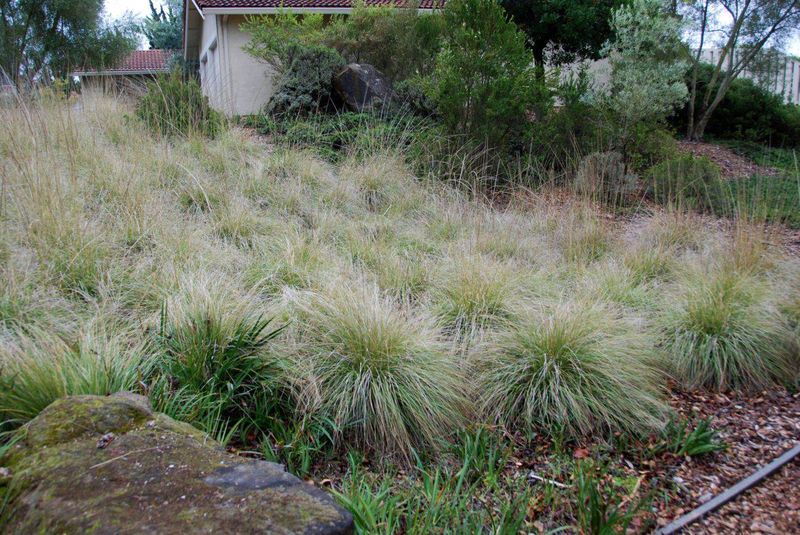
Sometimes a strip needs structure, not just a flat blanket. Deer grass brings graceful fountain shapes that look intentional, even from a moving car.
Muhlenbergia rigens grows naturally across much of California, from coastal canyons to foothill meadows. It shrugs off heat, poor soil, and months without rain, and the arching blades stay greenish for most of the year.
Birds may use the seed heads, and the dense clumps can offer shelter for beneficial insects.
Space plants about three feet apart so each clump has room to shine. If it starts looking shabby, cut it back in late winter before new growth begins.
Near driveways or corners, a lower grass may be a smarter pick, since mature clumps can reach three to four feet tall.
4. Dwarf Coyote Brush
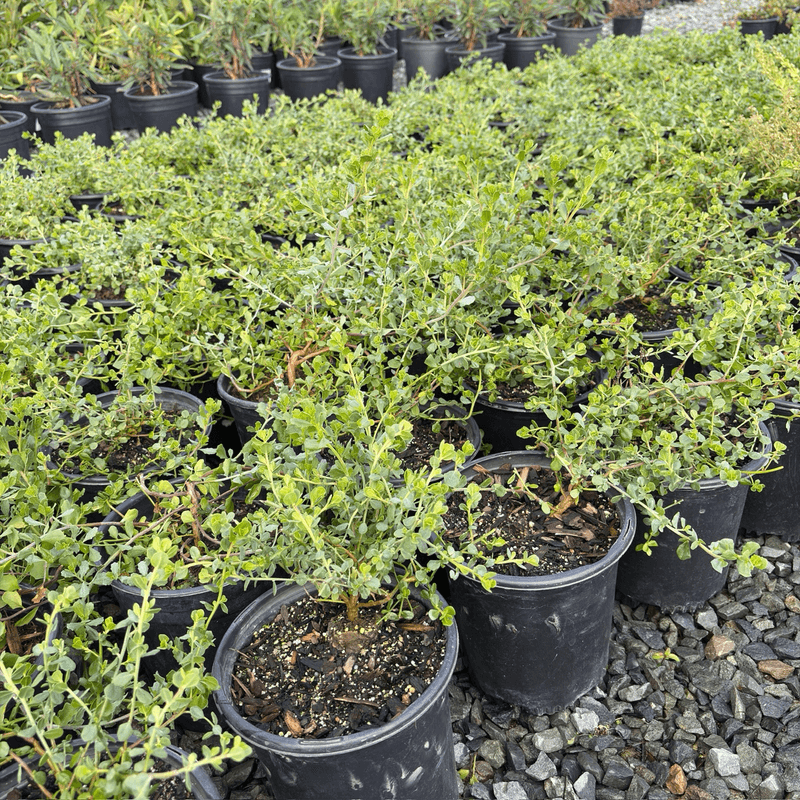
Here is a plant that practically refuses to die. Dwarf coyote brush forms a dense, bright green mat that stays green through summer heat when lawns around it turn tan.
Cultivars like ‘Pigeon Point’ and ‘Twin Peaks’ stay low and spread wide, which makes them ideal for longer strips where you want complete coverage with few plants. The tight growth can help crowd out weeds, and the leaves hold up well to wind and road dust.
It is a bit less flashy than sages or buckwheats, but it supports a surprising number of native insects. Water deeply every few weeks the first summer, then taper off.
A yearly shearing keeps it tidy and away from the sidewalk edge.
5. California Fuchsia
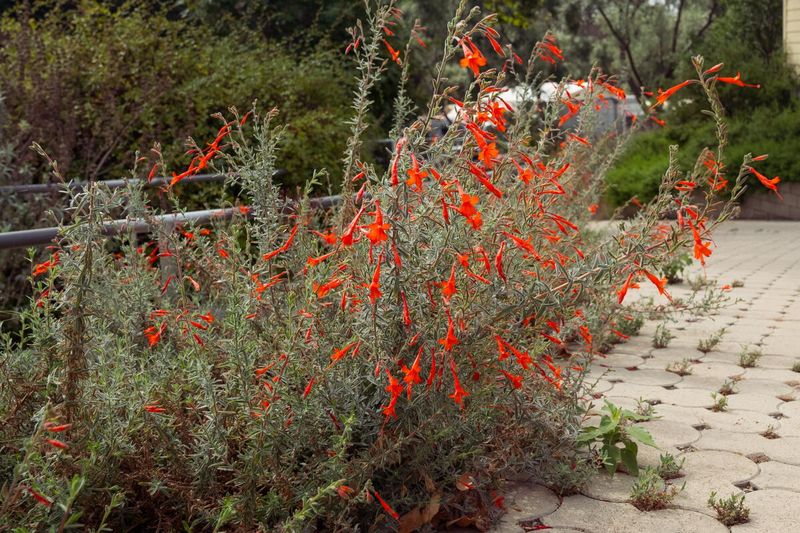
Late August is when most parkways look tired. California fuchsia chooses that exact moment to explode with scarlet tubular flowers.
Hummingbirds treat it like a fueling station during their late summer rush, which is a real bonus when food sources are scarce. The plant spreads by underground runners and can fill gaps between other plants.
Gray-leaved forms like ‘Everett’s Choice’ handle blazing sun well.
It does go a little scruffy in winter, so cut it down close to the ground after flowering. Fresh green shoots will return in spring.
Pair it with buckwheat or sage so the strip has something going on year-round.
6. Blue Grama Grass
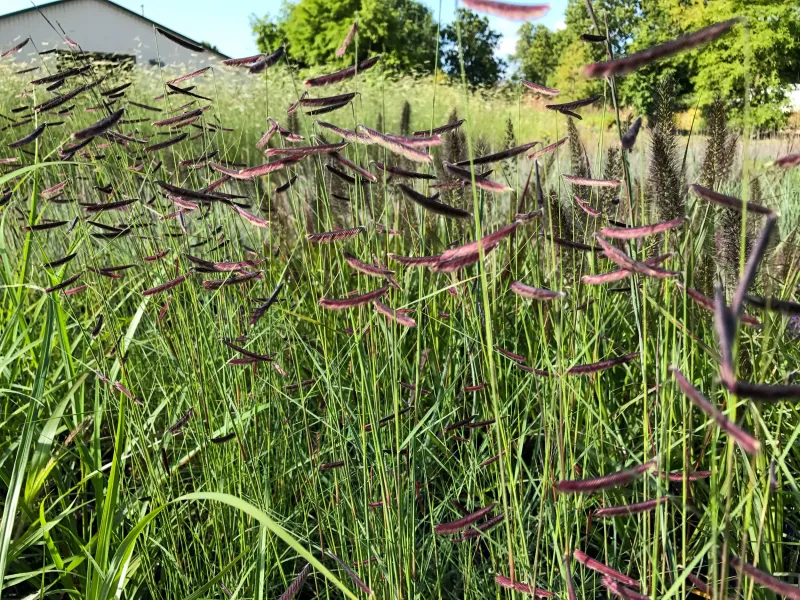
Missing your lawn? Blue grama grass may be the compromise that keeps neighbors and water bills happy.
Bouteloua gracilis is a warm-season grass native to parts of Southern California and the wider West. It can be left natural for a soft meadow look or mowed occasionally for a lawn-like feel.
The quirky seed heads look like tiny eyebrows floating above the blades, and kids tend to love pointing them out.
Once established, it can use far less water than turf grass. ‘Blonde Ambition’ is a popular selection with showier seed heads. It may go dormant and tan in winter in cooler spots, so expect peak green in the warm months.
7. Seaside Daisy
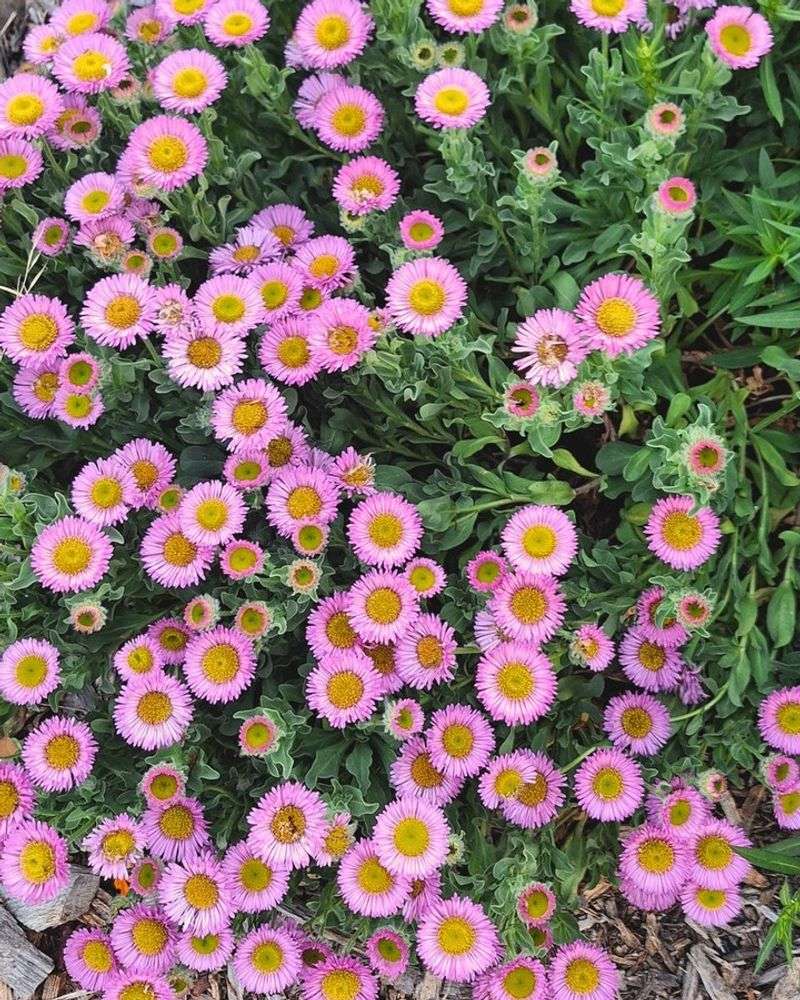
Coastal gardeners, this one is yours. Seaside daisy grows wild on bluffs from Oregon to Southern California, so salty breezes and sandy soil feel like home to it.
The clumps stay low and rounded, topped with lavender pink daisies that attract small butterflies and native bees. Its thick leaves stay green for much of the year near the coast.
Inland, it appreciates a little afternoon relief or slightly more summer water.
Deadhead now and then to encourage more blooms. It works beautifully tucked along the curb edge, softening the hard line of concrete without sprawling into the street.
8. Yarrow
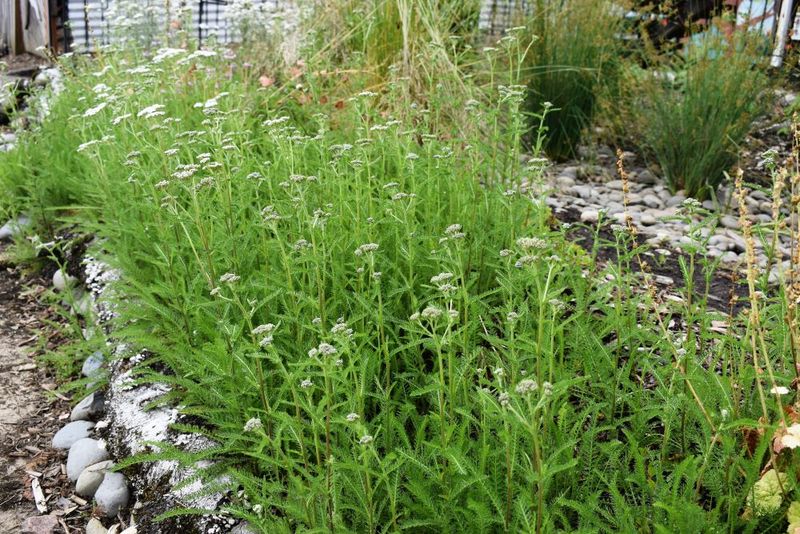
Feathery, fern-like, and far tougher than it looks, yarrow is the plant that forgives beginner mistakes. Native Achillea millefolium grows across nearly every California climate zone.
It spreads into a soft green mat that can handle light foot traffic better than most flowering natives, which matters when people step out of parked cars. Flat flower clusters draw hoverflies, ladybugs, and other helpful insects that may help keep garden pests in check.
You can mow it a few times a year for a lawn-like carpet.
Water occasionally in summer to keep it lush, or let it rest dry and go partly dormant. Choose the native white form for the strongest habitat value.
9. Cleveland Sage
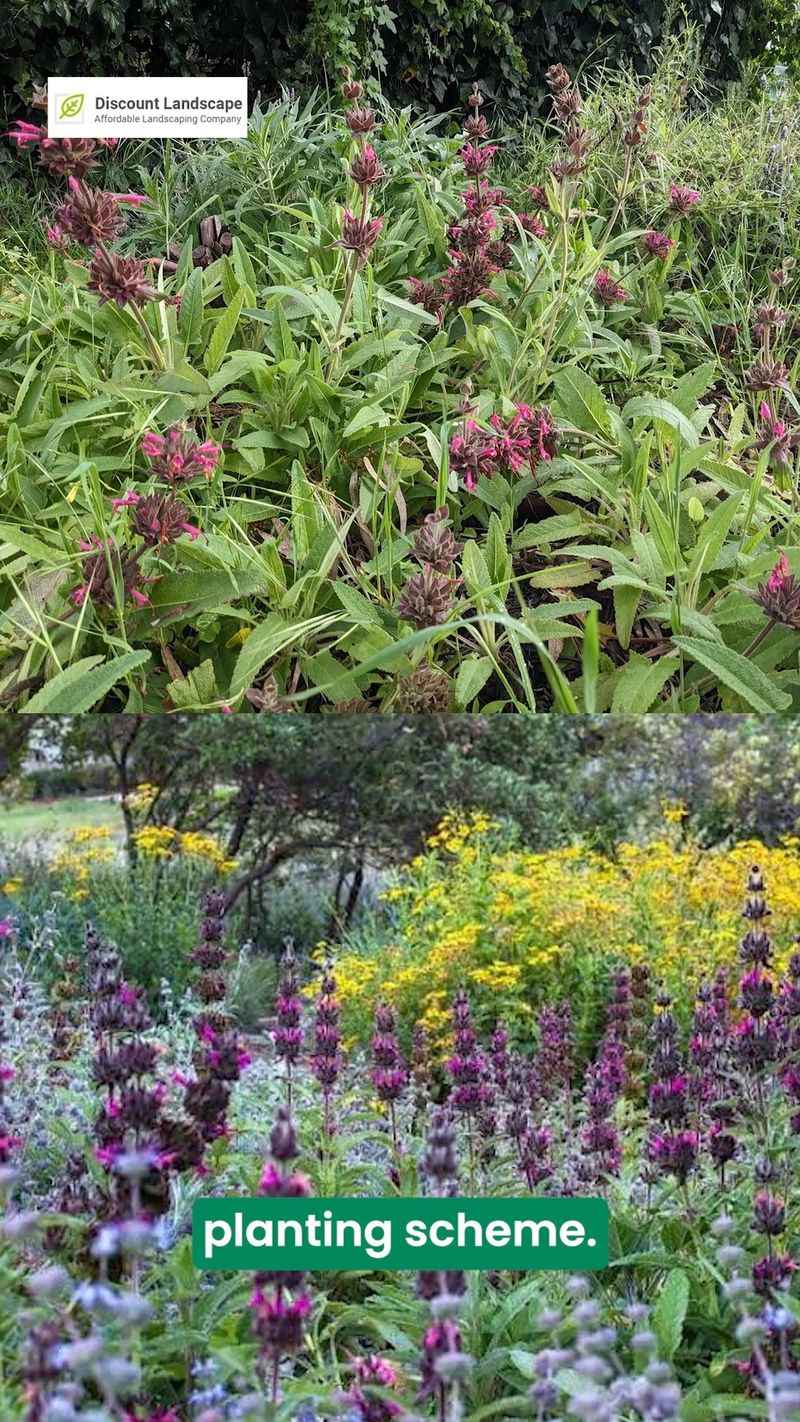
One whiff of Cleveland sage on a hot afternoon, and you may never want a boring shrub again. Its perfume is strong, sweet, and unmistakably Californian.
Salvia clevelandii comes from dry chaparral in San Diego County and northern Baja, so baking sun and zero summer rain do not bother it. Purple flower whorls stack up the stems in late spring, pulling in hummingbirds and bumblebees.
Compact varieties such as ‘Winnifred Gilman’ suit wider parkways.
Keep it away from corners where height could block drivers’ views, and check your city’s parkway rules, since some limit plant height. Prune lightly after bloom.
Plant several of these with lower ground covers, and that forgotten strip can become the most alive part of your yard.