
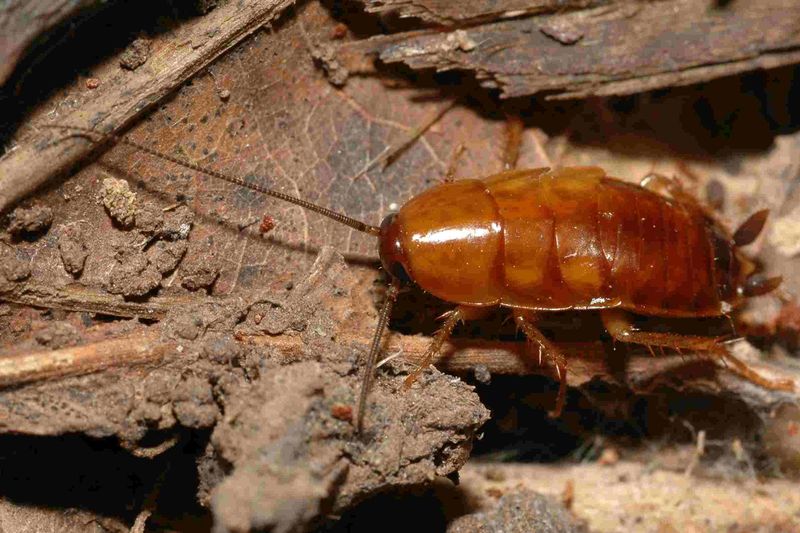
Roaches love warm, damp Florida yards, and they often hide near doors, mulch, trash cans, and shady walls. The right native plants can make those spots less inviting while also helping birds, bees, and other helpful wildlife. No plant is a magic shield, but aromatic Florida natives may help reduce roach activity when paired with clean, dry outdoor habits. Here are seven smart picks that look good, handle Florida conditions, and give you one more reason to skip the spray.
1. American Beautyberry
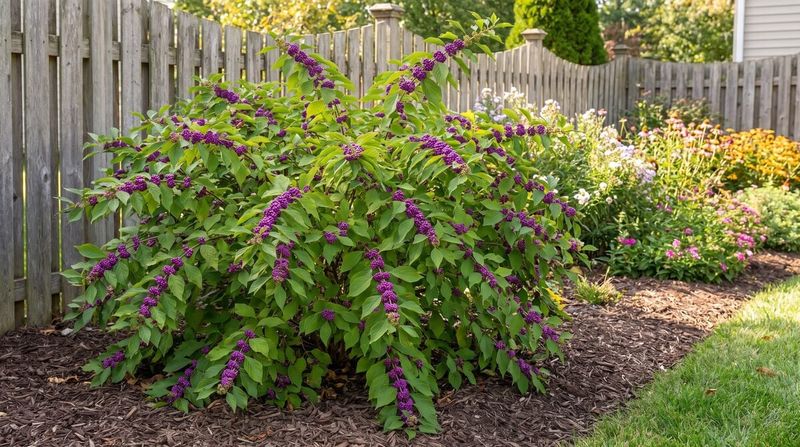
Bright purple berries make American beautyberry look like it wandered in from a storybook, but this shrub earns its place for more than good looks. Its leaves contain natural aromatic compounds that have been studied for insect-repelling qualities, and many Florida gardeners crush a few leaves to release the scent near outdoor sitting areas.
For roach deterrence, beautyberry works best as a loose, leafy buffer near patios, side yards, and utility areas where pests may travel. It will not erase a roach problem by itself, but its strong leaf scent can make nearby hiding zones less comfortable when you also keep leaf litter, pet food, and damp cardboard under control.
American beautyberry is a true Florida native and a low-fuss choice for sandy soil once established. Give it part sun to light shade, prune it after berries fade if it gets leggy, and enjoy the bonus of birds visiting for the fruit while your yard becomes less friendly to unwanted crawlers.
2. Wax Myrtle
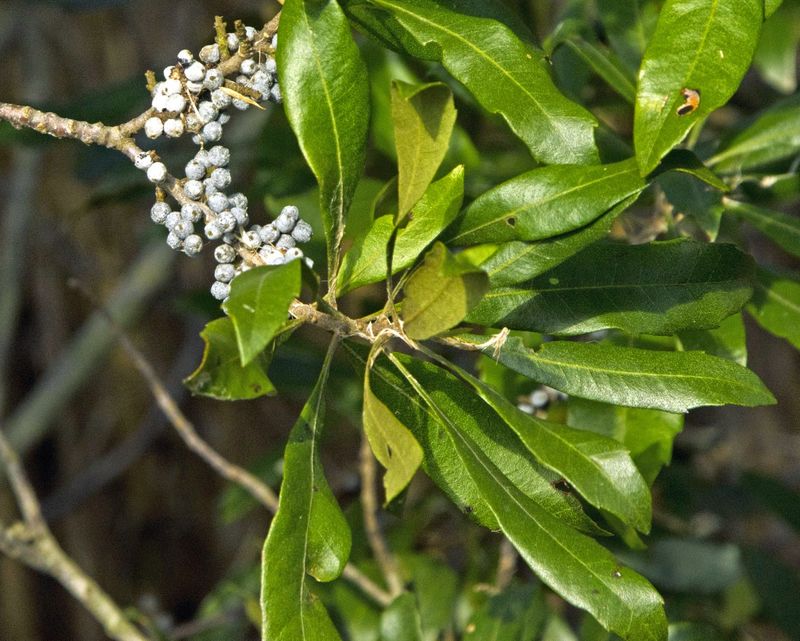
Few native shrubs say practical Florida landscaping like wax myrtle. Brush the leaves on a humid afternoon and you get a sharp, resin-like scent that feels right at home near porches, fences, and foundation beds.
That fragrance is the reason wax myrtle belongs on a roach-aware planting list. Roaches are drawn to dark, damp cover, so a dense shrub can backfire if it is planted too tightly against the house, but a well-spaced wax myrtle hedge can add aromatic foliage without creating a soggy hiding wall.
Plant it where air can move around the base, then keep the lower branches lightly lifted so the soil surface dries after rain. That small maintenance habit matters in Florida, especially during stormy months when wet mulch and crowded plants can turn into pest hotels.
Wax myrtle also handles sandy soil, salt air in many coastal spots, and regular pruning. It is a smart choice for gardeners who want a native screen with a scent that may help discourage roaches from lingering near outdoor living spaces.
3. Wild Lime
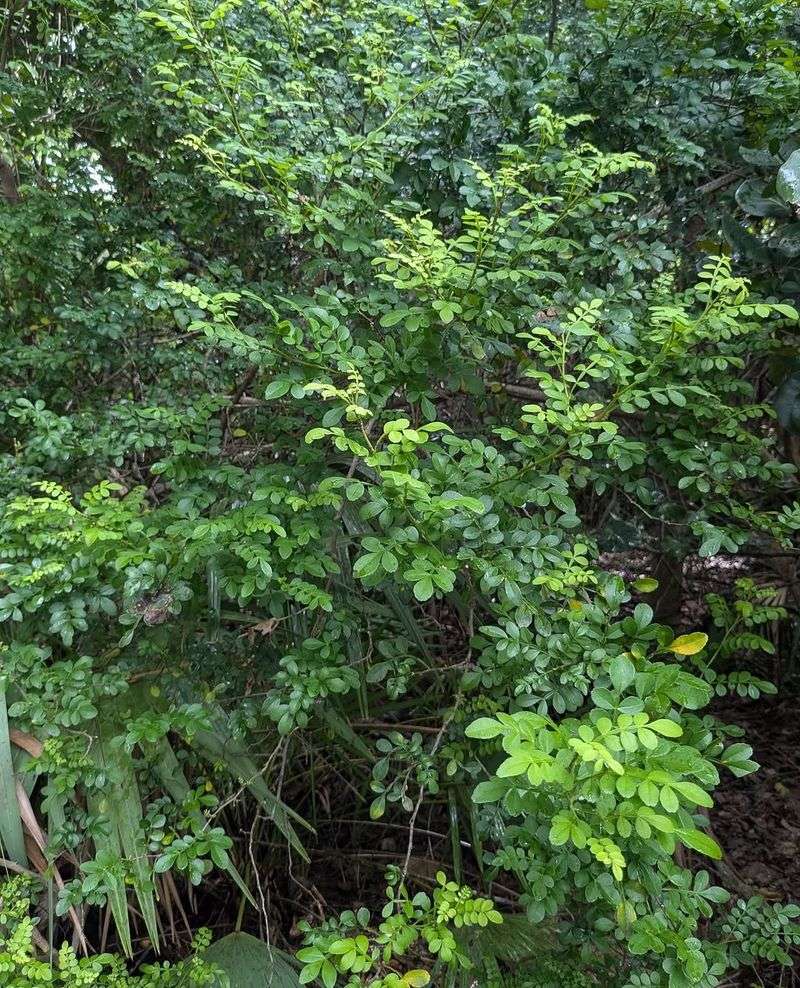
A little prickly and full of attitude, wild lime is the native shrub that makes pests and people slow down before pushing through. Its citrusy leaves and thorny branches give it a different role from softer border plants.
Wild lime is in the citrus family, and its crushed foliage has a bright, spicy smell that may help make nearby roach pathways less appealing. The thorns add a physical barrier too, which is useful along side fences, back corners, and open gaps where debris tends to collect.
Florida gardeners also value wild lime because it supports giant swallowtail butterflies. That means you are not just planting for pest pressure, you are adding a native host plant that brings life and motion to the yard.
Use wild lime with care near narrow walkways because the spines are real. Give it sun to part shade, avoid overwatering, and resist packing mulch too deep around the trunk. A dry, tidy base plus aromatic foliage is the kind of one-two punch that helps make roach-friendly shelter harder to find.
4. Sweetbay Magnolia
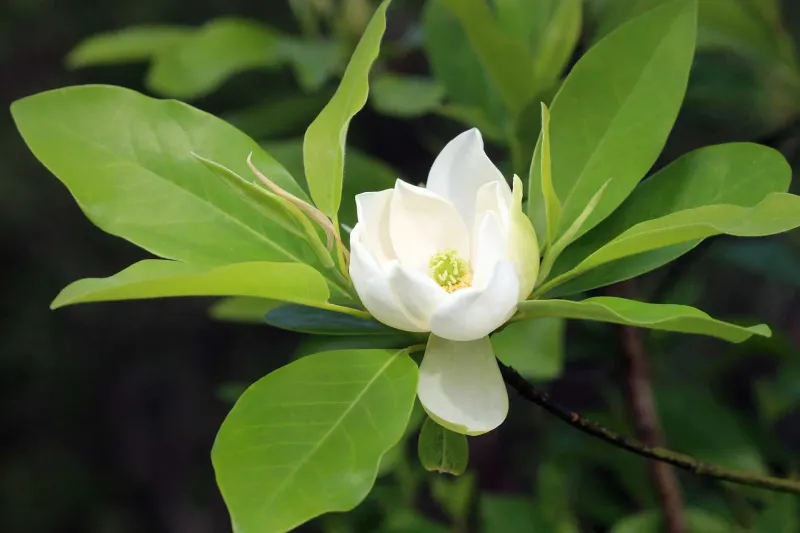
After a summer rain, sweetbay magnolia can perfume a whole corner of the yard with a clean, lemony scent. That fragrance is not just pleasant for people, it is part of why this native tree can be useful in a pest-smart landscape.
Roaches often move through damp edges, especially near low spots, outdoor drains, and shaded planting beds. Sweetbay magnolia fits those wetter Florida spaces better than many plants, and its aromatic leaves and flowers may help make the area less attractive while still looking polished.
The key is placement. Plant sweetbay where it has room to grow, then keep fallen leaves from piling against the house, garage, or shed. Leaf litter is natural under trees, but thick, wet mats near structures can shelter roaches no matter how useful the plant itself may be.
Sweetbay is especially helpful for gardeners dealing with sandy soil that dries fast in one area and puddles in another after storms. It brings native beauty, wildlife value, and scent to tricky spots where a purely ornamental tree might struggle.
5. Short-Toothed Mountain Mint
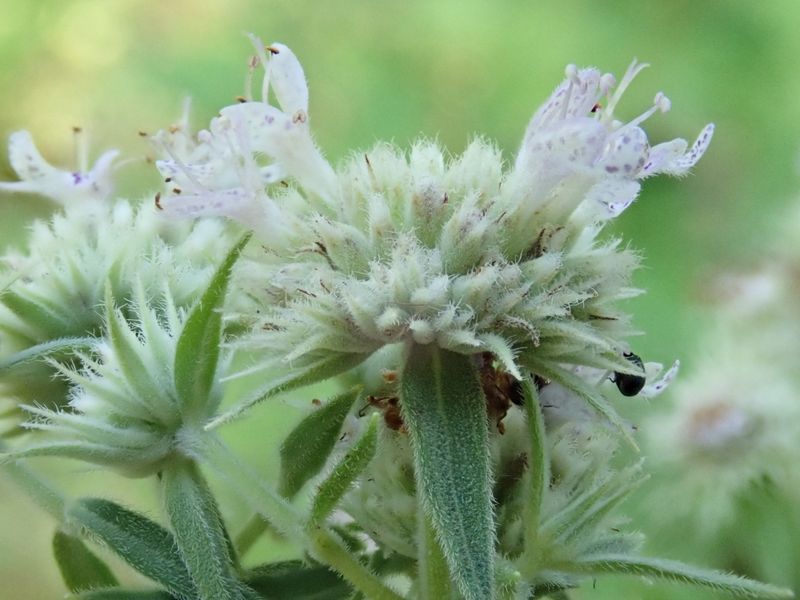
Pollinators crowd mountain mint like it is the best lunch counter in town, but many crawling pests are far less impressed. The leaves carry a strong minty aroma that releases when brushed, trimmed, or warmed by the sun.
Short-toothed mountain mint is a Florida native in parts of the state and a strong fit for sunny native beds with decent drainage. Since roaches prefer protected, damp, food-rich spaces, planting aromatic mint relatives near patio edges or outdoor storage zones may help reduce the appeal of those travel routes.
Unlike culinary mint, mountain mint is usually better behaved, though it can still spread politely when happy. Cut it back after flowering if you want a neater look, and avoid letting weeds and soggy leaf piles build up around the stems.
The real charm here is the double duty. You get a plant that smells crisp and lively, feeds bees and butterflies, and fits the low-maintenance style Florida gardeners appreciate. Place it near sunny paths where the leaves get brushed now and then, because that is when the scent does its best work.
6. Yaupon Holly
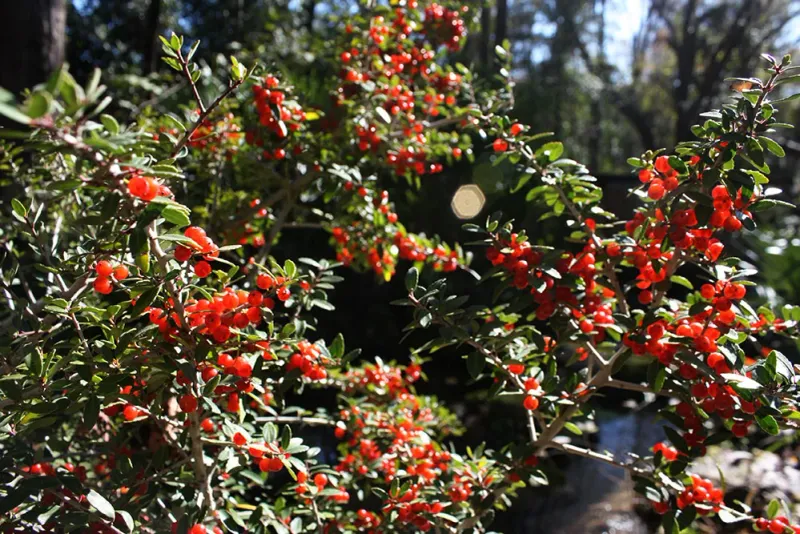
Yaupon holly is the tidy native that can dress up a front bed without asking for much in return. Small evergreen leaves, red berries on female plants, and a naturally tough attitude make it a favorite for Florida landscapes.
Its value for roach control is mostly about smart structure. A clipped yaupon can replace messy, overgrown foundation shrubs that trap moisture and hide debris, while its leaves contain caffeine and other bitter compounds that many pests do not seek out as food.
For the best result, treat yaupon as part of a cleaner border design. Keep it pruned away from walls, leave space behind the plant for airflow, and use mulch lightly instead of building deep, damp layers against the foundation.
Yaupon also has a fun Florida history note. Indigenous people used its caffeinated leaves to make a ceremonial drink, and today some growers still produce yaupon tea. In the yard, it offers year-round form, bird-friendly berries, and a neater edge that gives roaches fewer cozy places to settle.
7. Southern Red Cedar

Cedar scent has a long reputation for making closets, chests, and storage areas less inviting to insects. Southern red cedar brings that familiar resinous aroma into the Florida yard in the form of a hardy native evergreen.
While outdoor roaches are tougher than closet moths, the aromatic oils in cedar foliage and wood may help discourage pests from lingering nearby. The plant is especially useful as a windbreak or screen in sunny, well-drained areas where you want coverage without constant pampering.
Give southern red cedar space, because crowding it against the house can create the exact shaded, protected pocket roaches enjoy. Keep the lower area free of junk, fallen branches, and wet piles of needles, especially after hurricanes or strong summer storms.
Wildlife value adds another reason to plant it. Birds use the cover, and the bluish berries feed cedar waxwings and other species. For Florida gardeners who want a set-and-forget native with evergreen structure, storm toughness, and a scent pests tend to dislike, southern red cedar is a strong final pick.