
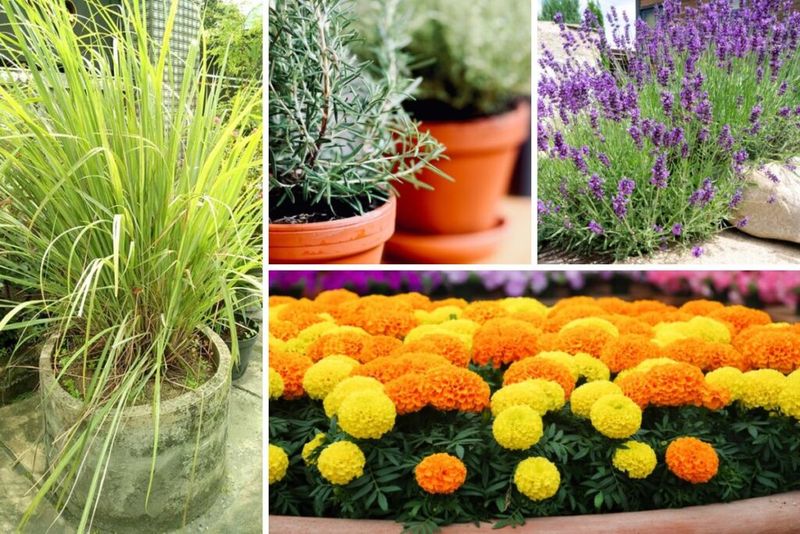
Florida evenings should feel relaxing, not like a mosquito buffet. The right native plants can add scent near your porch while making the area less welcoming to biting pests. They are not magic shields, but many bring aromatic oils, pollinator value, and low-maintenance toughness for sandy Florida yards. Here are seven Florida natives worth planting where you sit after sunset.
1. Spotted Beebalm
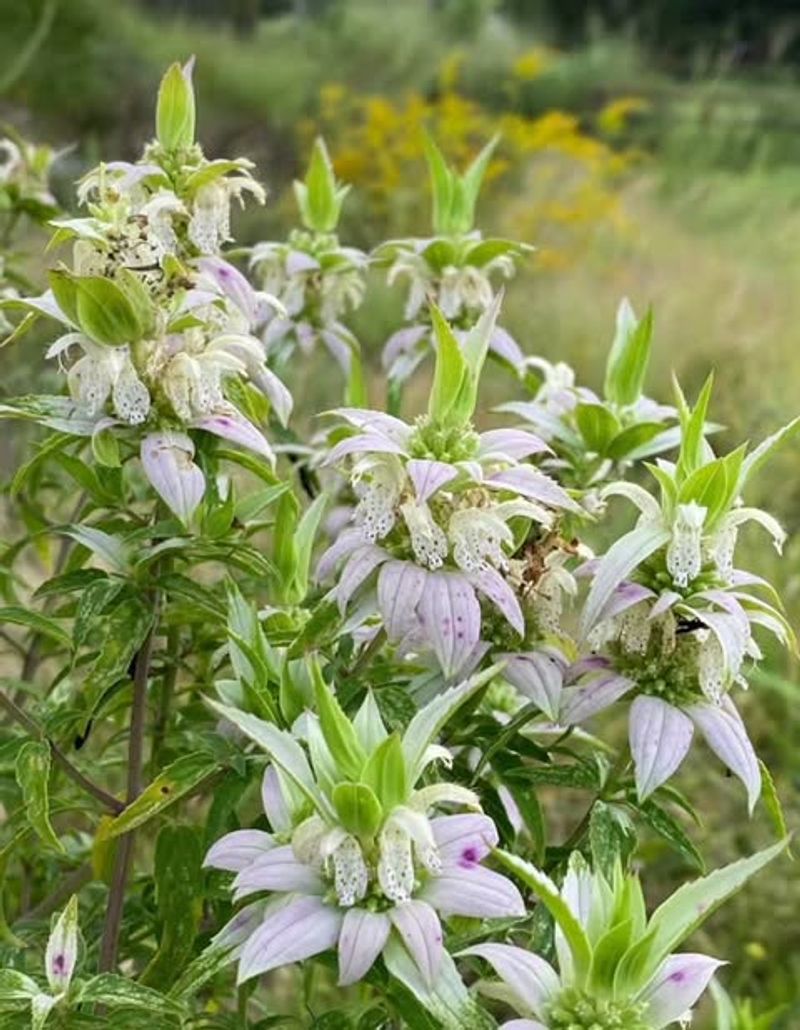
A little wild-looking in the best way, spotted beebalm brings a spicy, oregano-like scent that seems to wake up when the day cools down. Brush past it on your way to the porch steps and the leaves release a strong herbal aroma that mosquitoes tend not to enjoy.
Florida gardeners know the value of plants that do not faint in sandy soil, and spotted beebalm fits that role well. It likes sun, handles dry spells once established, and looks right at home in a casual native bed near a patio, mailbox, or porch edge.
The flowers are also a pollinator magnet, especially for bees and butterflies, so you get more than a pest-discouraging scent. Plant it where evening foot traffic can lightly stir the foliage, but give it enough air movement to avoid soggy conditions during rainy stretches.
For best results, group three to five plants together instead of hiding one lonely plant in a corner. A small drift gives you a stronger fragrance zone and a more natural Florida meadow look without much upkeep.
2. Beautyberry
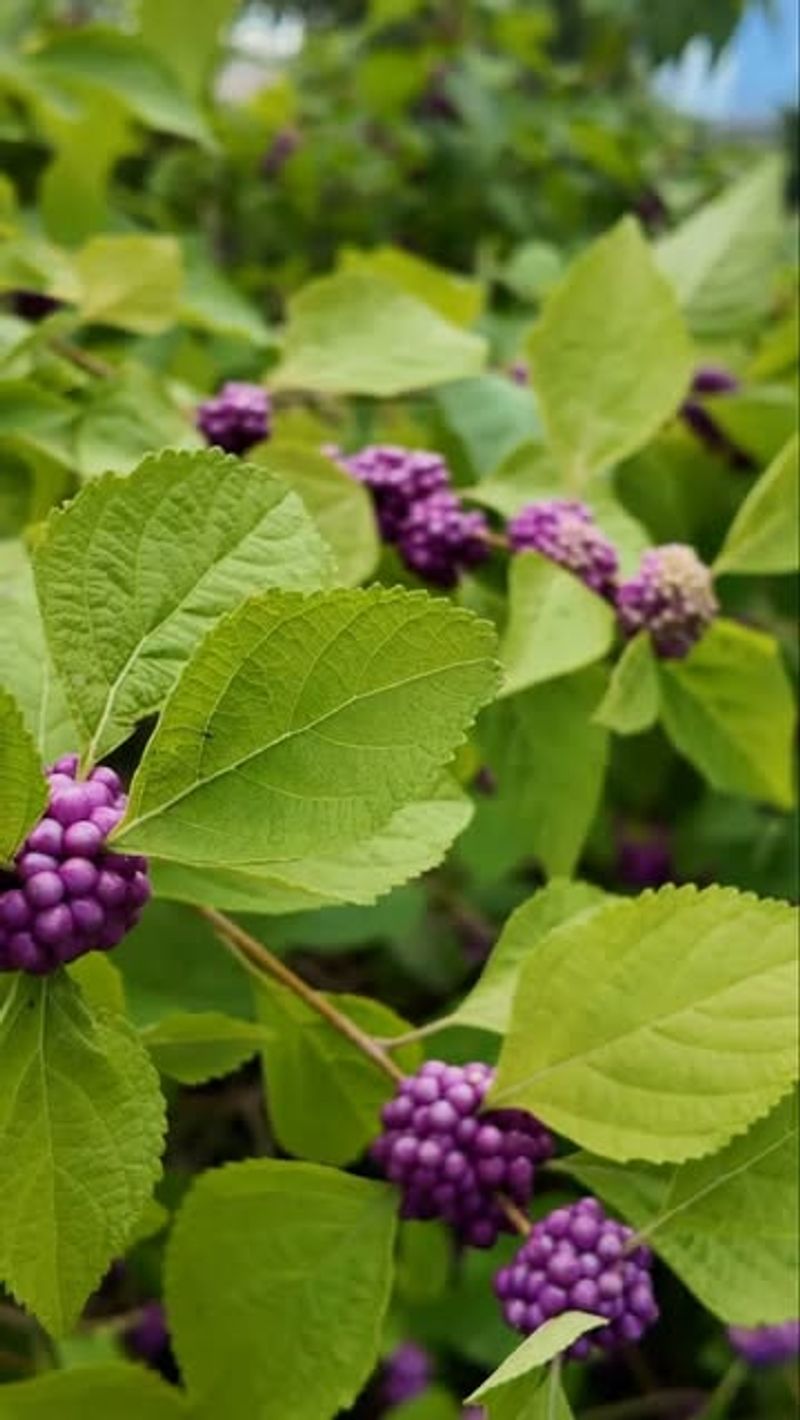
Grandma may have known this one before the science caught up. American beautyberry has long been used in the Southeast, and research has found compounds in its leaves that can help repel mosquitoes and other biting insects.
The scent is not sweet like a perfume. Crush or rub the leaves and you get a green, slightly sharp aroma that feels practical, almost like the plant is built for Florida evenings. That makes beautyberry different from the showier fragrant plants on this list.
Near a porch, it works best as a loose shrub at the edge of a sitting area, not jammed against the house. It can grow several feet tall and wide, so give it room to arch naturally. In fall, the purple berries are a bonus for birds, adding wildlife value after the worst summer mosquito pressure starts to ease.
Beautyberry handles part shade, sandy soil, and the stop-start rhythm of Florida rain better than many fussy ornamentals. If it gets leggy, cut it back in late winter and it usually rebounds with fresh growth. That fresh growth is the part you will want close enough to brush, snip, or gently crush when the mosquitoes get bold.
3. Wax Myrtle
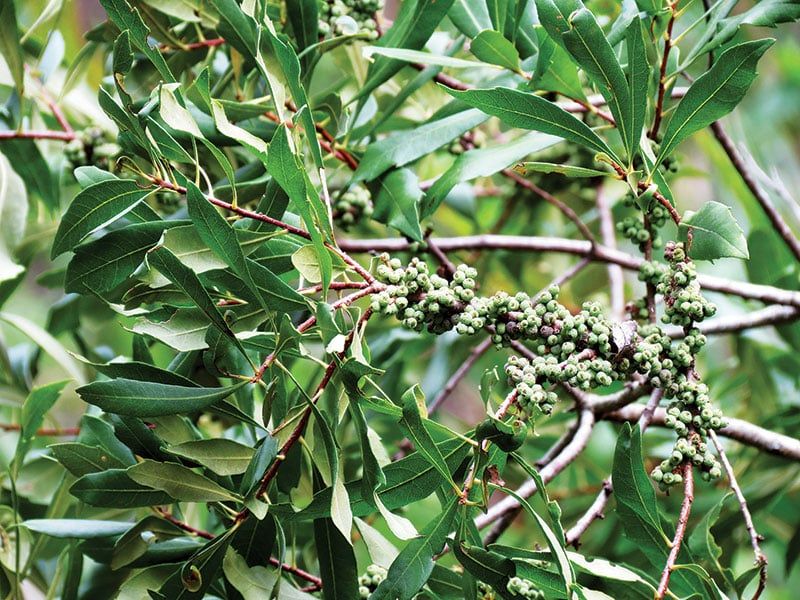
When a Florida porch needs privacy, storm-tough greenery, and a clean resin scent, wax myrtle earns its space. The leaves hold a bayberry-like fragrance that becomes more noticeable when the air turns damp, breezy, or freshly cooled after sunset.
Wax myrtle is not a tiny herb for a pot. It is a hardworking native shrub or small tree that can form a living screen around the porch, especially in coastal and central Florida yards where sandy soil drains fast. Once established, it is far less needy than many clipped hedge plants.
The mosquito benefit comes from its aromatic foliage, which can help make the immediate area less inviting when leaves are disturbed by wind, hands, or movement. It will not replace removing standing water, but it can be part of a smarter porch setup along with fans, clean gutters, and fewer saucers under pots.
Birds appreciate the waxy berries, and the plant tolerates pruning if you want a tidier shape. Keep it out of cramped foundation spots because it can grow quickly. Used as a porch-side backdrop, wax myrtle gives you scent, structure, and a native alternative to weaker nonnative screens.
4. Carolina Jessamine
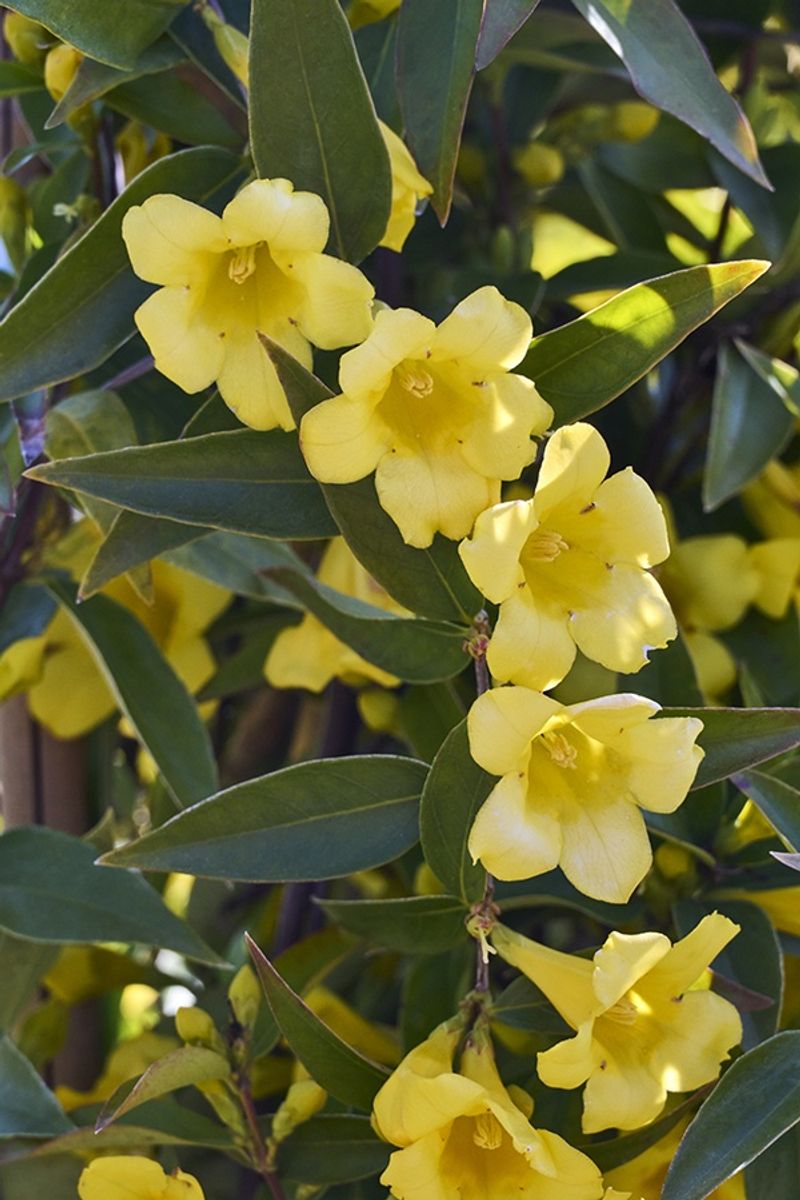
Few porch plants feel as cheerful as Carolina jessamine when its yellow trumpets spill over a railing or trellis. The fragrance is light, sweet, and most noticeable in calm evening air, which makes it a lovely choice near a seating area.
This vine is native to Florida and much of the Southeast, and it brings a polished look without acting like a demanding garden diva. Give it sun to part sun, a sturdy support, and soil that drains well. In return, it can climb neatly over an arbor, fence panel, or porch post.
Its scent may help soften the mosquito mood around a porch, though the bigger value is how it layers fragrance above sitting height. Many mosquito-discouraging plants rely on crushed leaves, but Carolina jessamine offers flowers that perfume the air during its bloom season.
One caution matters here: all parts of the plant are toxic if eaten. That does not make it a bad porch plant, but it does mean you should avoid placing it where pets or children may chew leaves or flowers. With that common-sense placement, Carolina jessamine can turn a plain porch corner into a native, evening-scented entryway.
5. Coral Honeysuckle
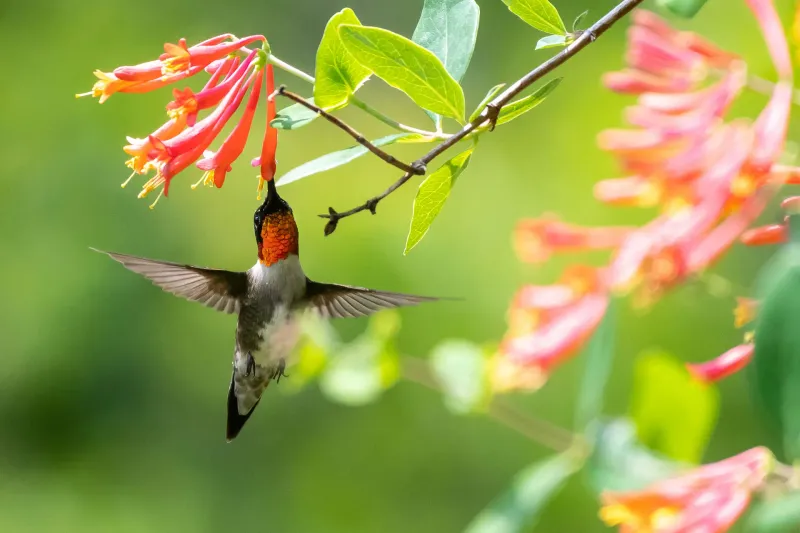
Hummingbirds often find coral honeysuckle before people do, which is part of its charm. The red tubular flowers bring movement and color near the porch, and the vine offers a soft, pleasant scent that can be noticed more easily in still evening weather.
Unlike the invasive Japanese honeysuckle that causes trouble in many areas, coral honeysuckle is a Florida native and a better-behaved choice for home landscapes. It climbs by twining, so a trellis, fence, or porch rail gives it the structure it needs without letting it sprawl through the whole bed.
Its mosquito value is gentler than a strong mint or crushed beautyberry leaf, but it earns a place because it builds a healthier porch ecosystem. Hummingbirds, butterflies, and native bees all visit the flowers, and a lively yard often supports more natural balance than a bare, over-sprayed one.
Plant coral honeysuckle where it gets good sun for the best flowering. Water it while it establishes, then let it settle into Florida’s sandy conditions with only occasional help. If you want a porch plant that feels welcoming to people and wildlife, while still adding evening fragrance, this vine is a smart native swap.
6. Narrowleaf Mountain Mint
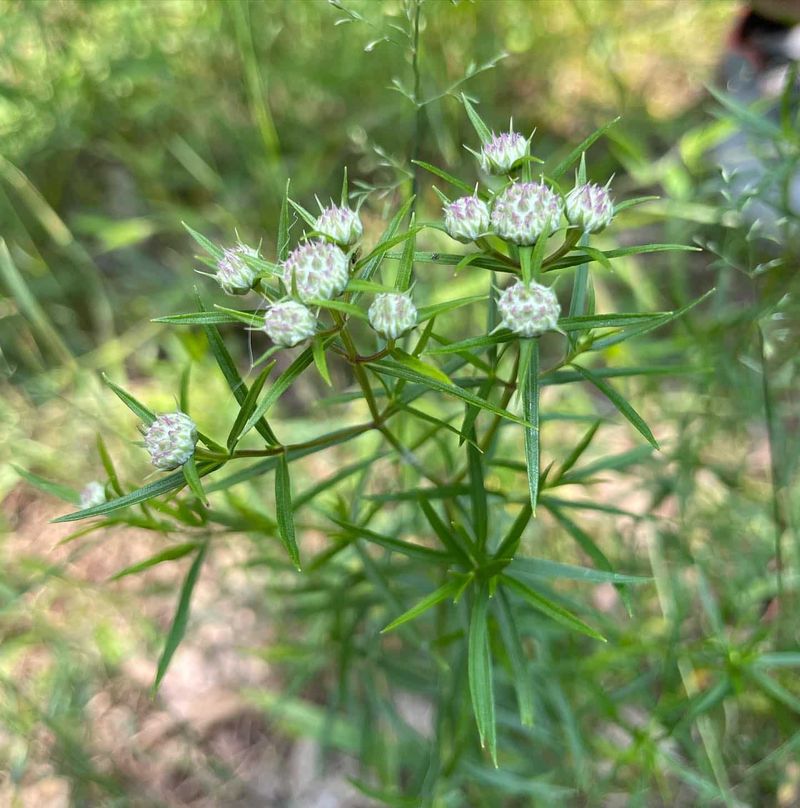
One light touch is all it takes to understand why mountain mints belong near outdoor sitting spots. Narrowleaf mountain mint carries a crisp, cool scent that rises from the foliage when leaves are brushed, making it useful along a path from the porch to the garden.
This Florida native has a cleaner, less candy-like smell than common culinary mints, and it behaves better in dry native beds than many moisture-loving herbs. It prefers sun and well-drained soil, which makes it a strong match for the fast-draining sand many Florida homeowners battle.
Mosquitoes are not fond of many minty plant oils, so placing narrowleaf mountain mint near porch steps, seating edges, or container clusters can help create an aromatic buffer. The trick is contact and placement. A plant tucked far across the yard will not do much for the chair where you drink iced tea.
Pollinators love the small flowers, and the silvery-green foliage looks good even when the blooms are not stealing the show. Trim it after flowering if it starts looking tired. In a low-maintenance native bed, narrowleaf mountain mint adds that fresh evening snap people notice the moment they walk by.
7. Wild Lime
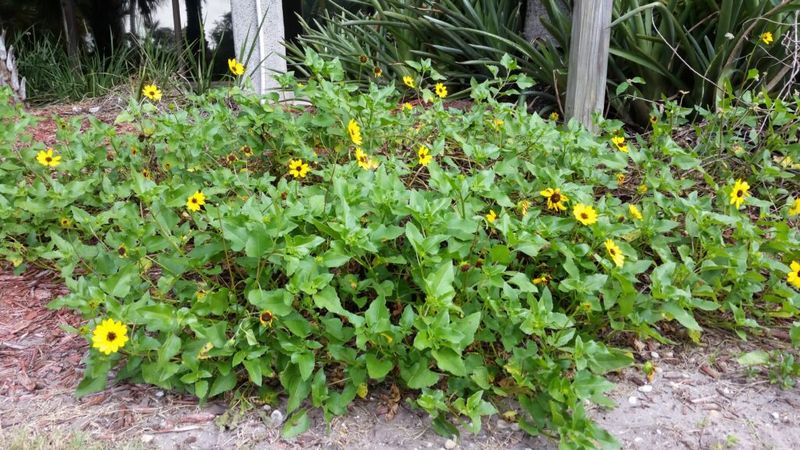
A porch plant with a secret citrus twist, wild lime surprises people who only expect fragrance from flowers. The leaves are aromatic when crushed, giving off a citrusy scent that fits perfectly with warm Florida evenings and backyard cookouts.
Wild lime is native to Florida, especially well suited to central and south Florida landscapes, and it serves as a host plant for giant swallowtail butterflies. That makes it different from a simple mosquito-focused herb. It adds pest-discouraging aroma, wildlife value, and a bit of native character all in one thorny package.
Because it can have sharp spines, place it thoughtfully. It is better near the outer edge of a porch planting than right where bare legs will brush it every night. In the right spot, the foliage can be clipped lightly or touched carefully to release its scent.
Wild lime likes well-drained soil and can handle dry periods once established, which is good news for Florida yards that go from rain-soaked to powdery fast. Its small flowers are not loud or flashy, but the plant earns its keep by supporting butterflies and adding a citrus note that mosquitoes are less likely to appreciate around your dusk seating zone.