
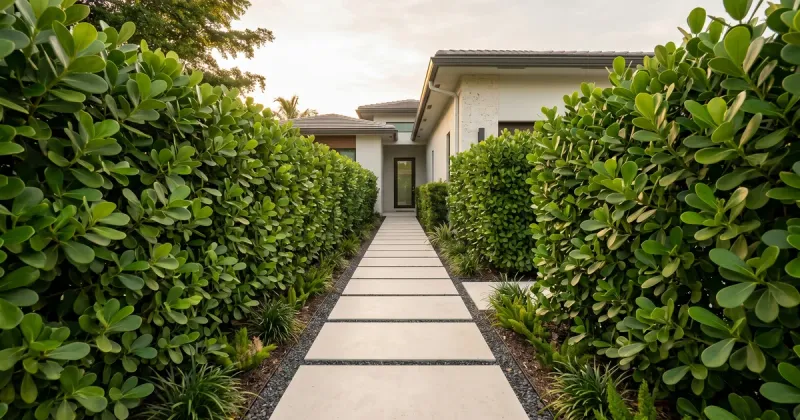
A plain fence can block a view, but a living fence can do much more. Florida native plants can soften hard edges, feed wildlife, handle sandy soil, and bounce back better after rough weather. The trick is choosing shrubs and small trees with strong roots, flexible branches, and the right size for your yard. Here are seven native picks that can turn a fence line into a greener, tougher screen.
1. Simpson’s Stopper
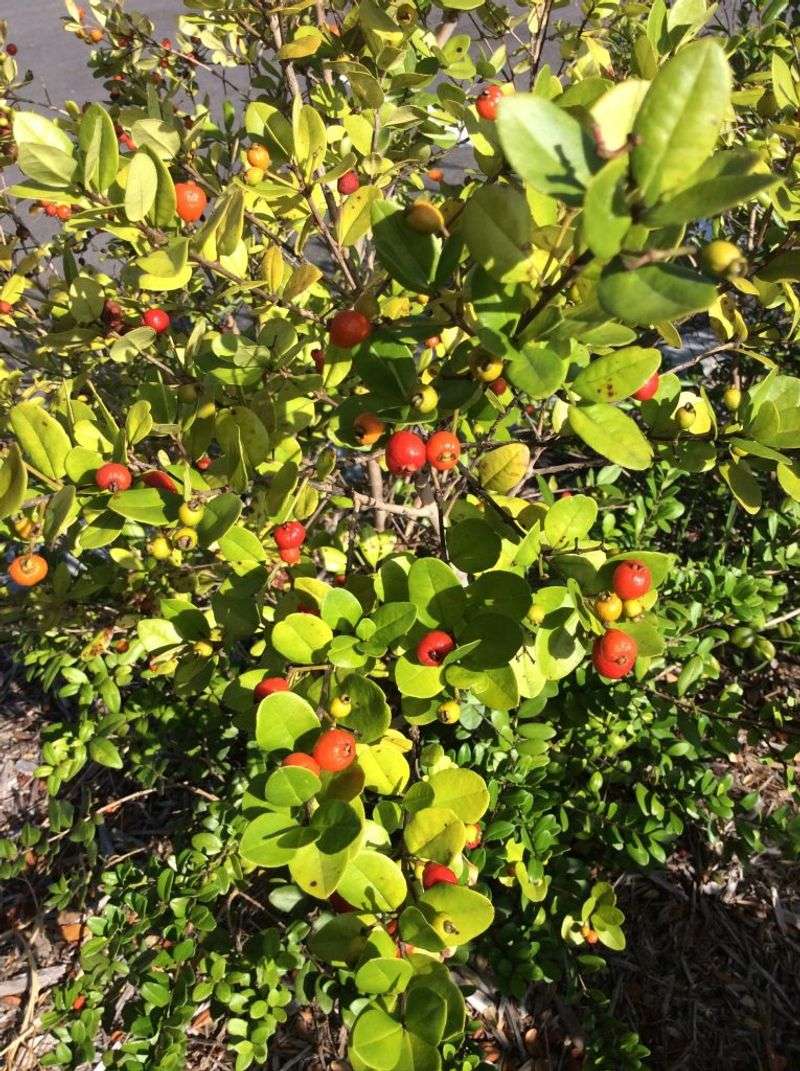
Glossy, tidy, and tougher than it looks, Simpson’s stopper brings the neat look many homeowners want without acting fussy about Florida weather.
Along a fence line, it forms a dense evergreen screen that can be kept shrub-sized or allowed to grow into a small tree. The leaves are aromatic when crushed, and the spring flowers bring in bees before the red-orange berries draw birds later in the season.
Florida gardeners like it because it handles sun to part shade and does well in many coastal and inland yards once established. It is especially useful where you want privacy without a wall of thorns or a plant that swallows the whole side yard.
Give Simpson’s stopper room to fill out, water it during establishment, then prune lightly instead of shearing it into a box. A softer shape lets the branches move with wind, which is exactly what you want when summer storms start testing the fence line.
2. Wax Myrtle
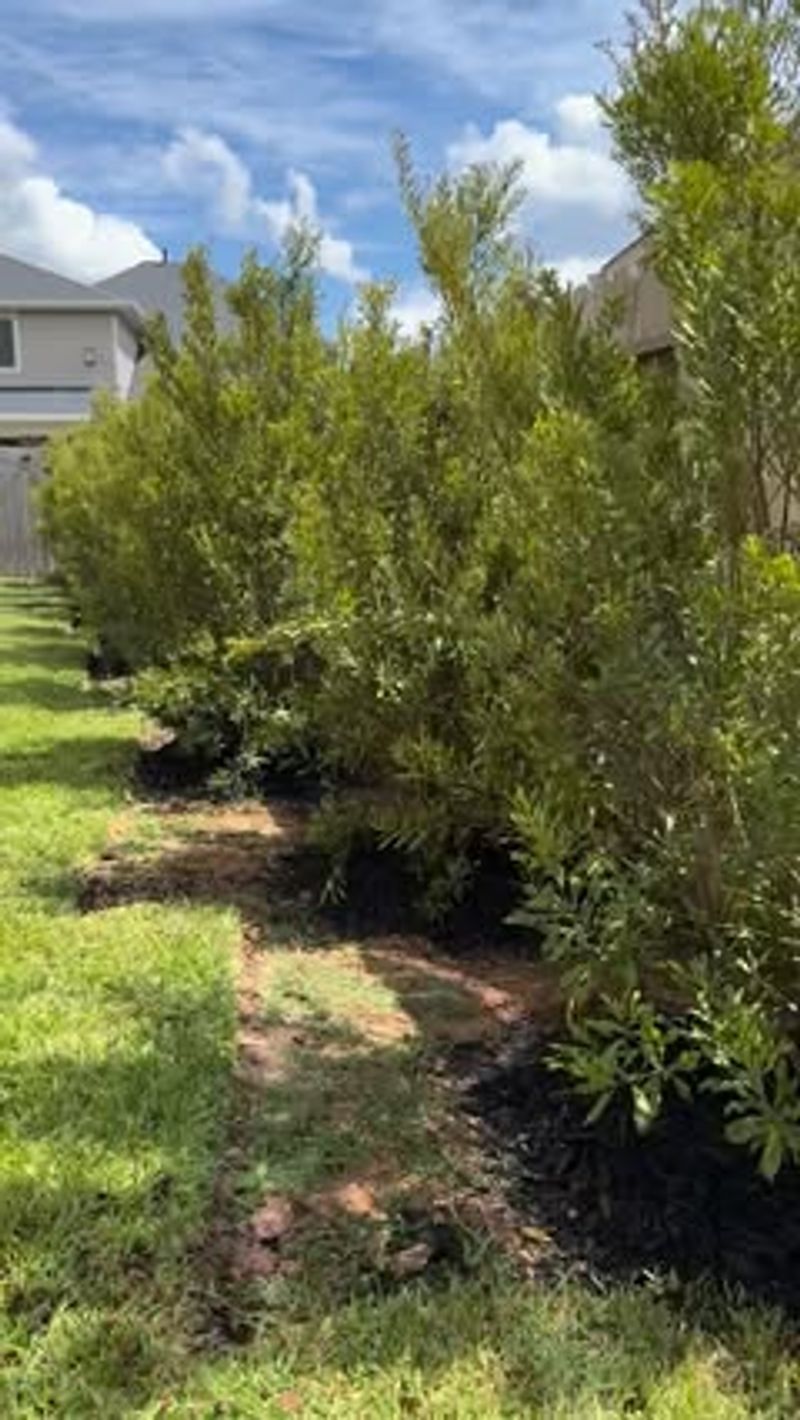
When a fence needs backup fast, wax myrtle often becomes the practical friend who shows up with a shovel and gets to work.
Wax myrtle grows quickly for a native shrub, which makes it a smart choice when you need screening sooner rather than later. Its fine-textured evergreen foliage creates a soft green wall, and female plants may produce small waxy berries that birds enjoy.
The real advantage is flexibility. Wax myrtle branches tend to bend and recover better than stiff, brittle ornamentals, so a mixed hedge can ride out gusty weather with less snapping. It also tolerates sandy soil, wet spells, and the kind of shifting conditions many Florida fence lines face.
Use it where you have space, because mature plants can get broad. Instead of planting it inches from the fence, set it out far enough for airflow and root room. Occasional thinning helps keep the screen healthy and reduces the sail effect that makes dense, overgrown hedges more vulnerable in storms.
3. Cocoplum
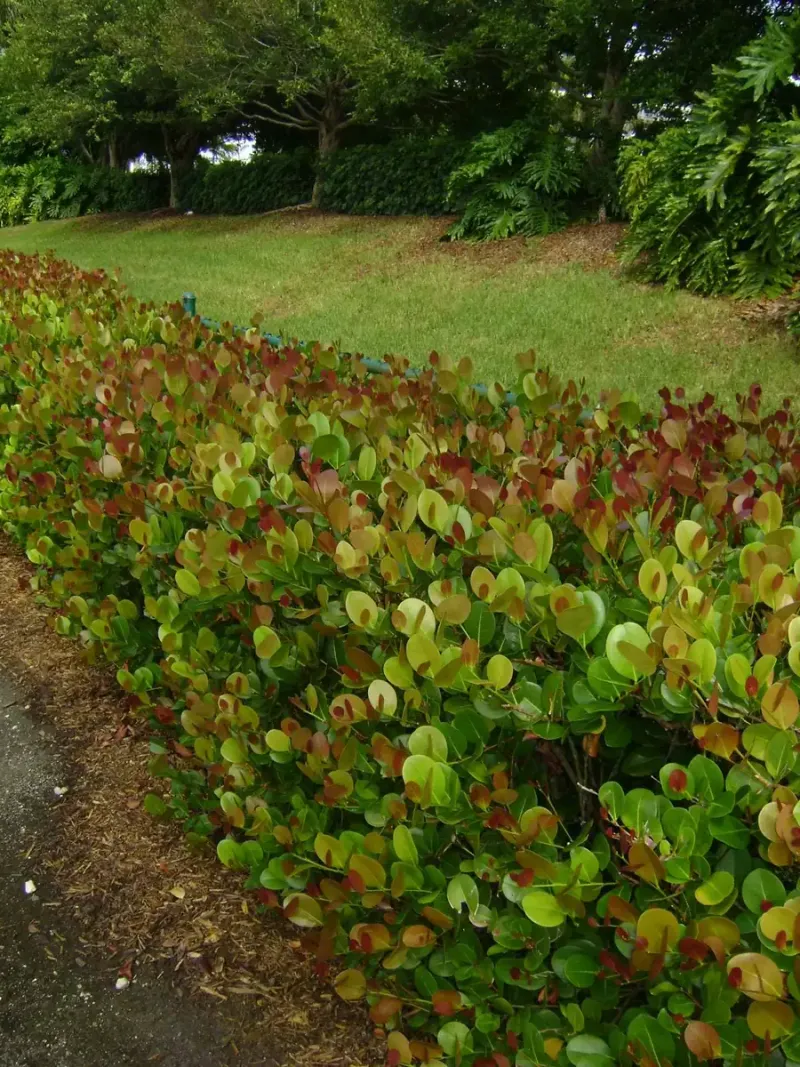
A South Florida fence line can feel bare and blazing, but cocoplum gives it a polished, tropical edge without needing pampered garden soil.
Cocoplum is loved for its rounded, glossy leaves and colorful new growth that can flush red, bronze, or copper. As a screen, it has a fuller, more ornamental look than many rugged natives, which makes it useful in front yards, pool areas, and side yards where appearance matters.
Once established, cocoplum tolerates heat, salt air, and sandy conditions, especially in central and southern Florida where it is most at home. It can be clipped into a hedge, but it also looks handsome with a looser outline that lets breezes pass through.
The small fruits are edible for people when ripe, though wildlife usually notices them first. For storm-smart planting, avoid turning cocoplum into a solid green slab. A slightly open, layered hedge reduces wind pressure while still blocking views from the street or the neighbor’s patio.
4. Walter’s Viburnum
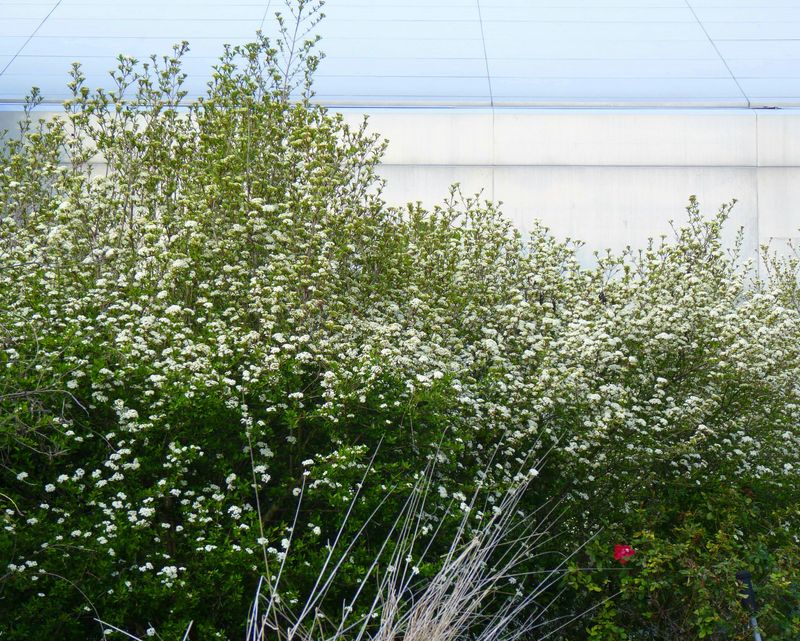
Few native shrubs manage to look refined while still feeling perfectly at home in a Florida yard, and Walter’s viburnum pulls off that balance beautifully.
In spring, clusters of small white flowers cover the plant and attract pollinators. The foliage stays fairly dense, especially with light pruning, so it can create a dependable privacy layer without the harsh feel of a nonnative hedge.
Different forms are available, from compact selections to taller types that can screen a fence more fully. That gives gardeners a chance to match the plant to the space instead of fighting it every few months with heavy trimming.
Walter’s viburnum does best with decent drainage, which is helpful for many sandy Florida yards. It can handle sun or part shade, though flowering is usually stronger with more light. If your goal is a fence line that feels calm, native, and pollinator-friendly, this shrub is one of the most versatile choices on the list.
Keep the pruning selective rather than severe. A natural branching habit helps the plant stay sturdier and more resilient when wind and rain arrive together.
5. Yaupon Holly
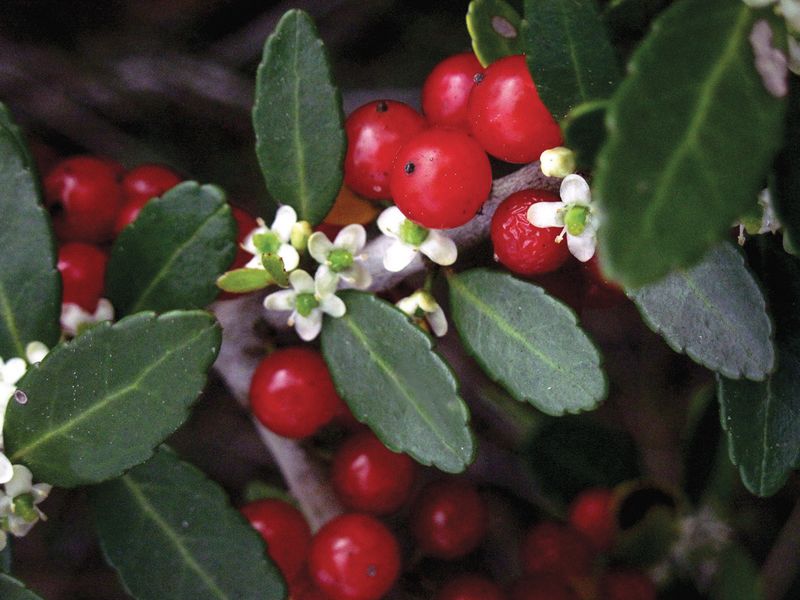
Red berries in winter can make a plain fence suddenly look like it belongs on a holiday card, and yaupon holly brings that color with real Florida grit.
This native holly works as a shrub, small tree, or loose hedge depending on the form you choose and how you prune it. The small evergreen leaves create a fine-textured screen, while female plants produce bright berries that feed birds when many landscapes look tired.
Yaupon holly is especially useful for gardeners who want structure without constant drama. It tolerates drought once established, adapts to sandy soils, and can handle salt spray in many coastal settings. Its naturally twiggy growth gives wildlife cover while still staying more manageable than many fast-growing screen plants.
Plant both male and female selections if berries are a priority, since female plants need pollen to fruit well. For storm readiness, let yaupon develop a strong framework instead of shearing it flat every few weeks. A layered, airy shape helps wind move through, and the plant usually responds well to thoughtful pruning after rough weather.
6. Florida Privet
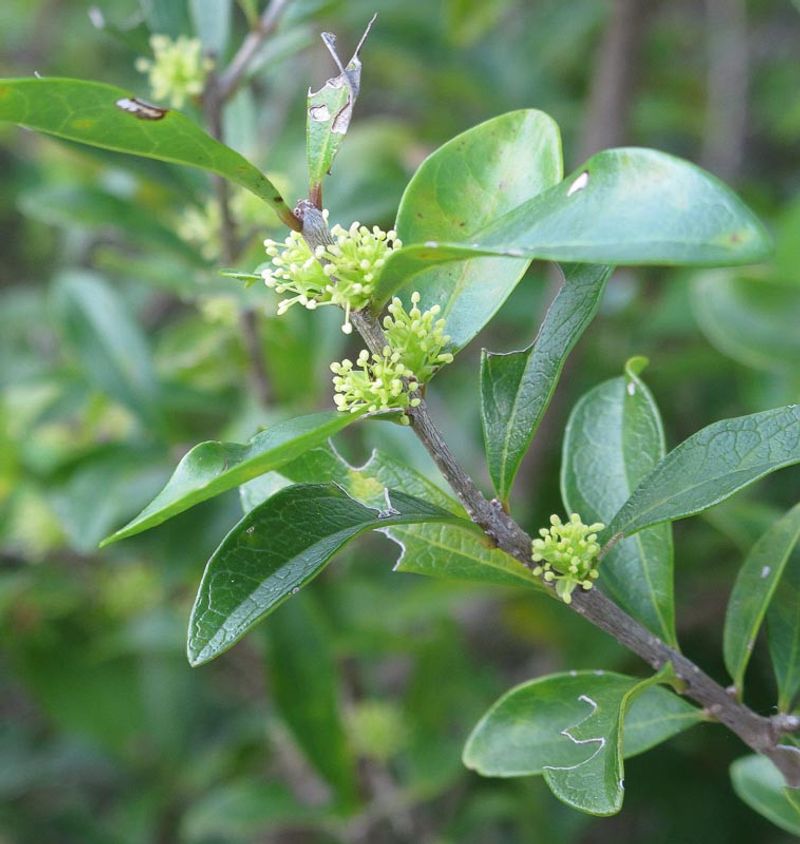
Chain link fences have a way of making every yard chore visible, but Florida privet can turn that see-through line into a calmer green boundary.
Despite the name, Florida privet is not the same as the invasive privets that have caused problems in many landscapes. This native shrub, Forestiera segregata, is a useful screening plant for coastal and inland parts of Florida, with small leaves and a naturally dense habit.
It shines in places where a lighter, less bulky hedge is needed. The plant can take pruning, handles sandy soil, and offers cover for small birds. Inconspicuous flowers may not steal the show, but they support tiny pollinators that are easy to overlook.
Florida privet is a good candidate for narrow side yards where some larger natives would feel cramped. Give it regular water while it gets established, then shift to a lower-maintenance rhythm. As with any living screen, spacing matters. Plant too tightly and you create competition, but plant with mature width in mind and the fence line fills in with much less stress.
7. Seagrape
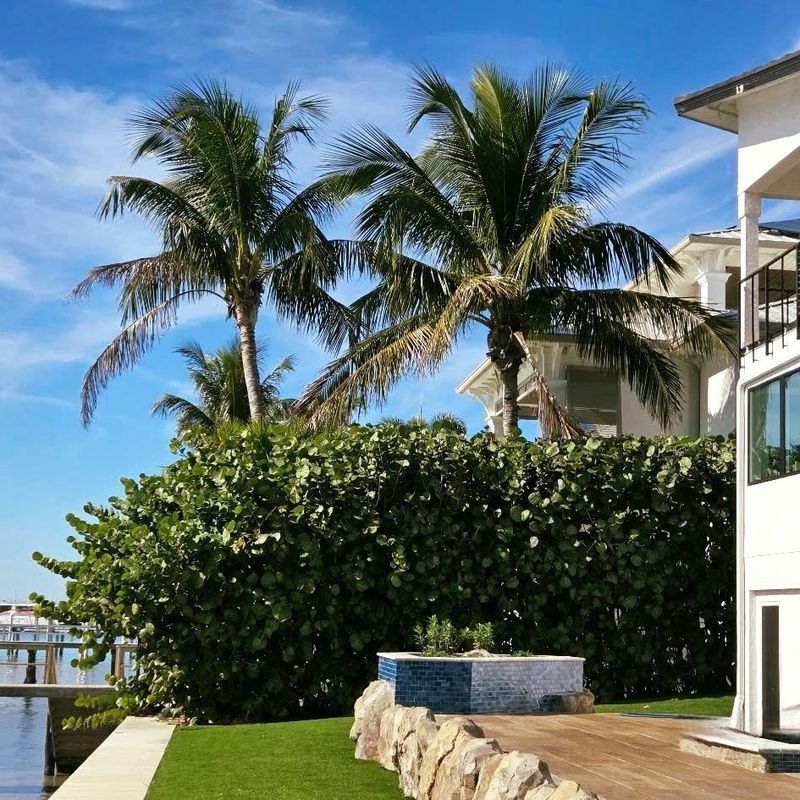
Near the coast, a fence line needs a plant with beach-town confidence, and seagrape has plenty of it.
Large round leaves give seagrape a bold look that stands apart from fine-textured hedges. Newer leaves often show attractive red veins, and mature plants can produce clusters of grape-like fruit that birds and other wildlife use.
Seagrape is best for warm coastal areas and larger spaces, where its salt tolerance and wind-tested toughness can shine. It is commonly seen near dunes and seaside landscapes because it handles conditions that make many ornamentals sulk, including sandy soil, salt spray, and reflected heat.
For a fence screen, the key is placement and pruning. Seagrape can become a small tree if left alone, so use it where you have room or maintain it as a large shrub with selective cuts. Avoid hard, boxy shearing that creates a heavy wall of leaves. A looser structure looks more natural and is less likely to catch wind like a solid panel.
In the right spot, seagrape gives privacy, shade, wildlife value, and a strong sense of Florida place.